Servant and Friend of Jesus. Playing Reality. High Ticket Sales. Joyfilled Mountain & Forest Enthusiast. Energy Broadcaster. IRRATIONAL OPTIMIST.
Joined December 2022
- Tweets 3,574
- Following 222
- Followers 247
- Likes 17,194
117 Photos and videos


Pinned Tweet

7 Mar 2023
Imagine every dish you will need to clean in your lifetime.
Piled up to the sky.
Your knees would shake.
But that’s not the reality.
It’s a few dishes every day.
Don’t get overwhelmed with the pile of future work.
It’s just a few reps.
Every day.
Consistently.
13
18
146
18,207
Did you watch the leaves rustle in the wind today Anon?
Go touch grass.
1
Jun 15
God desperately wants you to forgive yourself.
But to do that you genuinely have to admit fault be open to change.
After that, forgiveness is easy.
6
Jun 5
I've found that I love constantly having something I'm learning.
A new shift that happened yesterday is having that thing be books.
It's nice to have a single area that I'm growing in and applying.
That way I'm more free mentally to relax otherwise.
10
Jun 4
For a few months now, the best way to start my day is pranayama breathwork.
It quickly takes me from groggy, to excited about my day.
I'm curious to see how breathwork will impact people as it grows in popularity.
6
Jun 4
Great news!
My shoulder has been progressively getting stronger.
I used to have an injury where I couldn't do pain free pushups.
Now I can do 11.
Slow and steady will get me to 100.
5
Kihlstadius retweeted

I truly believe that the optimal way forward is embracing a Dark Age Mindset. This means:
- Embracing Decline as Opportunity. When the foundations of familiar institutions are shaken, it's a signal to us to stop investing so much effort and dependence on those things, and create new alternatives that actually serve us as people and communities.
-Cultivating Resilient Character and Faith. The folks who did this before were not weak, fragile, or wishy-washy. Get hard.
-Preserve and Transmit Knowledge. If institutions that have historically been responsible for this (looking at you, media and schools) are failing, then it's another opportunity for us to step into decentralized roles as stewards of cultural patrimony, preserving literacy, classical texts, and traditions and educating our own children with this heritage to ensure continuity in a potentially post-literate or tech-degraded world.
-Pursuing Self-Sufficiency and Simplicity. "Ora et labora" was the motto that drove that age forward and upward. But they showed us that simplicity needn't be minimalist or ugly; some of the most durable and beautiful things ever made came from these times.
-Reject Dooming and Be Proactive. No despair. Instead, simplify your processes, improve your skills, and meet your challenges vigorously.
-Foster Creativity in Adversity. Necessity is the mother of invention. But the human person is not merely mechanical; we need beauty, music, good stories, living rituals, significance... Cultivate these things especially in the face of monopolized artificiality.
-Focus on Local and Subsidiarist Action. Subsidiarity is handling matters at the smallest, most local level possible; create "schools for service" (as Benedict did) that prioritize family, home culture, nature, and education over distant, failing institutions. The more responsibility you take up over all the spheres of your living experience, the more you step into sovereignty.

This is why I harp on the "Dark Ages" so much. We already have a template of how these kinds of civilizational declines/collapses go. This is a main theme of St. Augustine's "City of God". The times may indeed seem dark, but what our ancestors showed us is that they can be times of incredible creativity, valor, and building the foundations for a whole new order to rise out of the ashes.
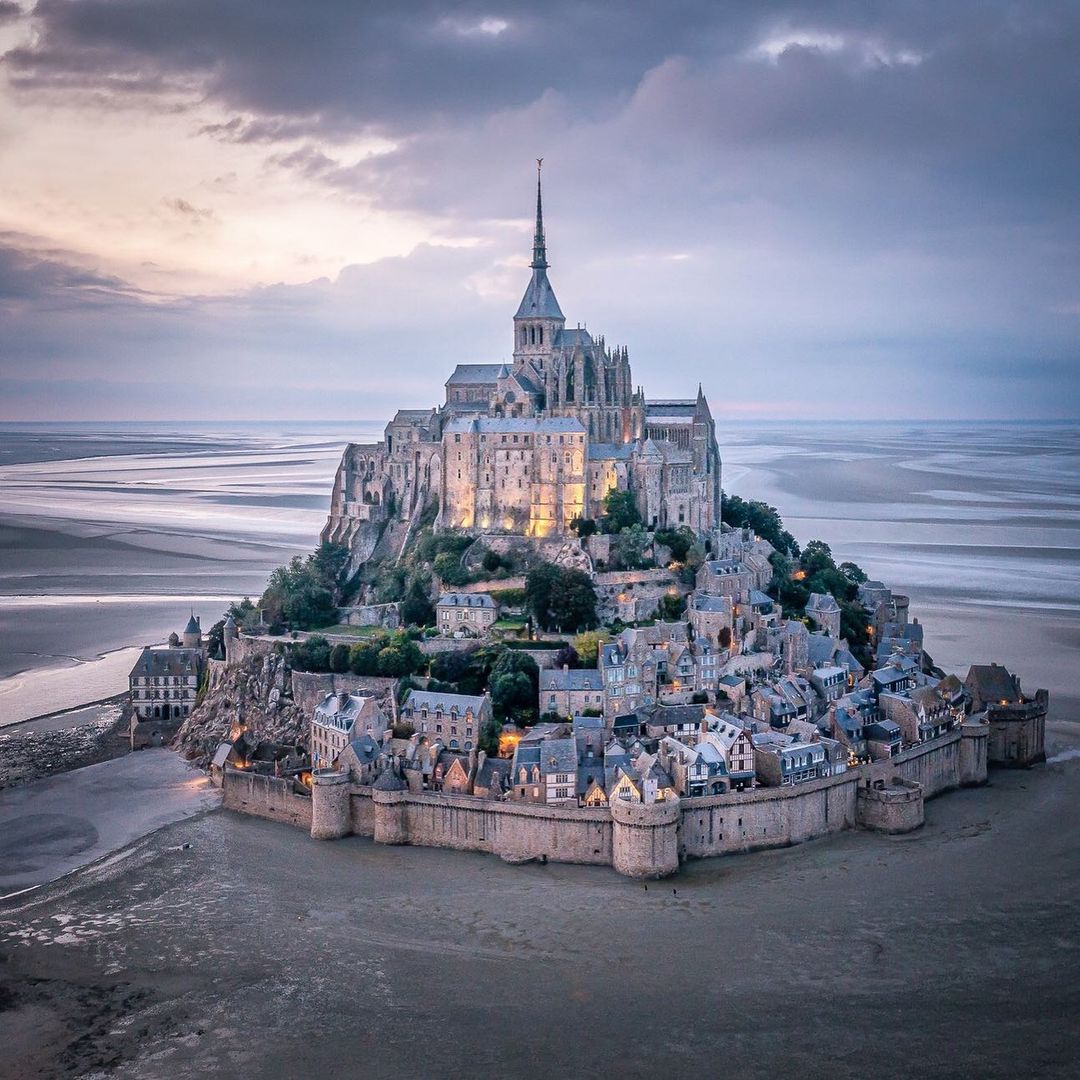
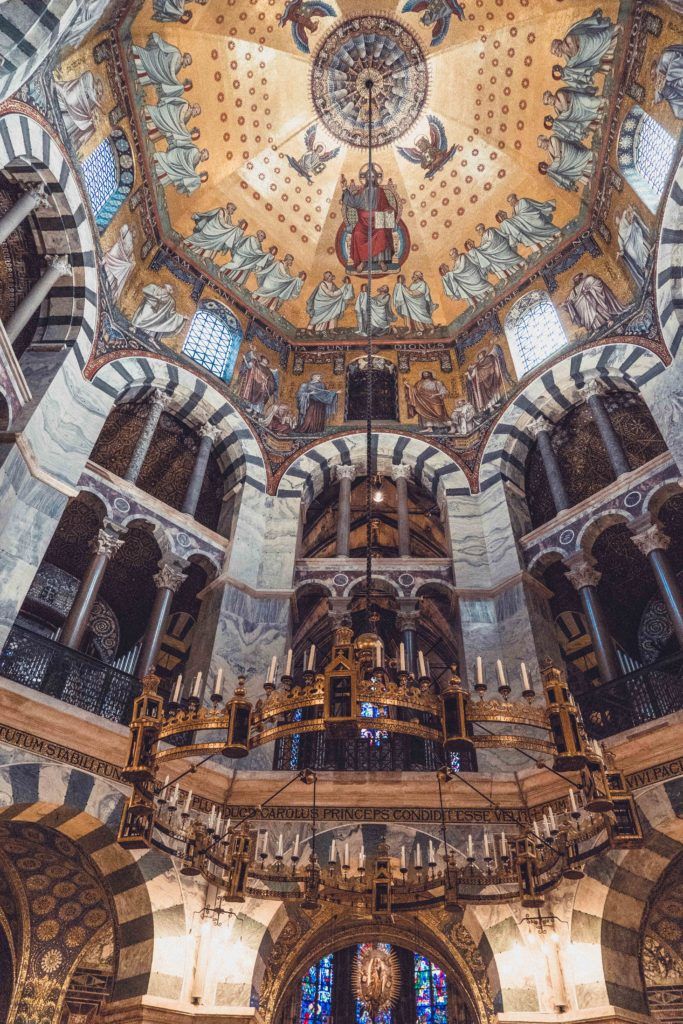
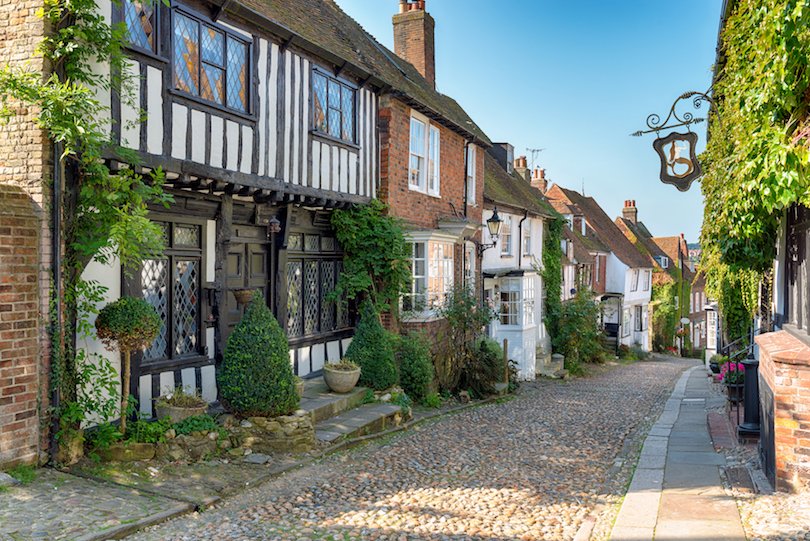
The "Dark Ages" were the ones that gave us so many heroes, saints, and stories. This was the age of King Arthur, Charlemagne, Charles Martel, the Book of Kells, Beowulf, Theoderic the Great, St. Benedict, Alfred the Great, Mont St. Michel, Aachen, Rheims cathedral, Saumur castle, Montecassino Abbey, etc. The list goes on and on. The cities of the empire had decayed; Rome was a wasteland and Constantinople was a hive of corruption hemorrhaging influence and stability faster than they could hire mercenaries. It was the Irish in the rural monasteries who preserved classical texts, the Franks and Saxons in their hilltop castles and burgs that crafted laws and refashioned social orders, it was Visigothic knights who carved out footholds while Flemish and Baltic craftsmen created works of art. The collapse of a bloated, bureaucratic imperial structure is not the end of all things; it is an opportunity for people of faith, resilient character, and creative boldness to apply themselves to build something better.
Where we are now is not yet full-on civilizational collapse, but that's not such a far-off and improbable condition for us to imagine. So prepare accordingly. This can be a great time to be alive if you meet the challenges we face and will face in the future the way these people did. Dooming is not an option; figure out how to do what you need to do simpler and better. Educate your children so they're intimate with the tremendous patrimony that was built for them with such great effort and sacrifice. Just like the Irish scholars had to virtually preserve literacy in Greek and Latin in the West, we may find ourselves tasked with preserving literacy in English in a post-smartphone and post-AI world!

18
219
1,121
52,517
Jun 2
Once you take accountability for a mistake.
FORGIVE YOURSELF AND LET GO.
Ruminating on it and sitting with it can actually make it worse.
Move forward with your changes and be better.
21
Jun 2
Working out to be better at dancing is legitimately a new motivation for me.
When I'm dancing I feel much more proud of how healthy my body is.
Every movement is a celebration.
12
May 21
Have you been taking L-Theanine?
It's easily the best supplement for mental clarity and focused energy.
Besides magnesium, it's the only supp I've noticed drastic change from.
44
May 19
I love you guys.
It feels good to be connected with such wildly different people across space.
Wishing you all a beautiful day filled with wonder!
17
May 14
For me it was my sales job.
But once I dropped the expectation of perfection from myself, it got way easier.
13
May 13
What if you REALLY believed in yourself?
Not just told yourself but actually felt it with every fiber in your being?
You'd need to rid shame, guilt, and fear completely.
21
May 13
Today I got to spend time with my sister, my friends, and work hard.
Plus I went to the gym.
I thank God for a full day like this.
36
May 11
You hear it time and time again.
But you don't do it.
"Be consistent and you'll get results!"
How long will you wait to do the things that you know will help you?
Start now with the smallest action you know you can reliably do without fail.
1
21
May 8
Hardstyle makes you physically and mentally stronger.
Just try it.
46
May 7
EDM has changed my life.
It's honestly brought a vibrancy and joy I never knew I was missing.
Where are my EDM fans?
1
26
May 7
My favorite artist has got to be Virtual Riot.
Absolute god-tier sound design.
21
May 6
Gatorade? Pathetic.
Liquid IV? Overrated.
Bodyarmor? Elite.
LMNT? Peak.
37
May 6
Pro tip: don't post on X after reading the timeline for 10 minutes.
I just did and it feels like it's harder to create original ideas now.
I'm glad I don't go on X daily except to post.
Protect your unique energy.
27