
Web4 BD🤝| DeFi - RWA, NFT| Web3 builds 🟦 | Fast learner adding real value daily | DMs open for collabs & chats
Joined June 2021
- Tweets 32,827
- Following 3,437
- Followers 10,944
- Likes 105,339
1,770 Photos and videos





Pinned Tweet

Jun 12
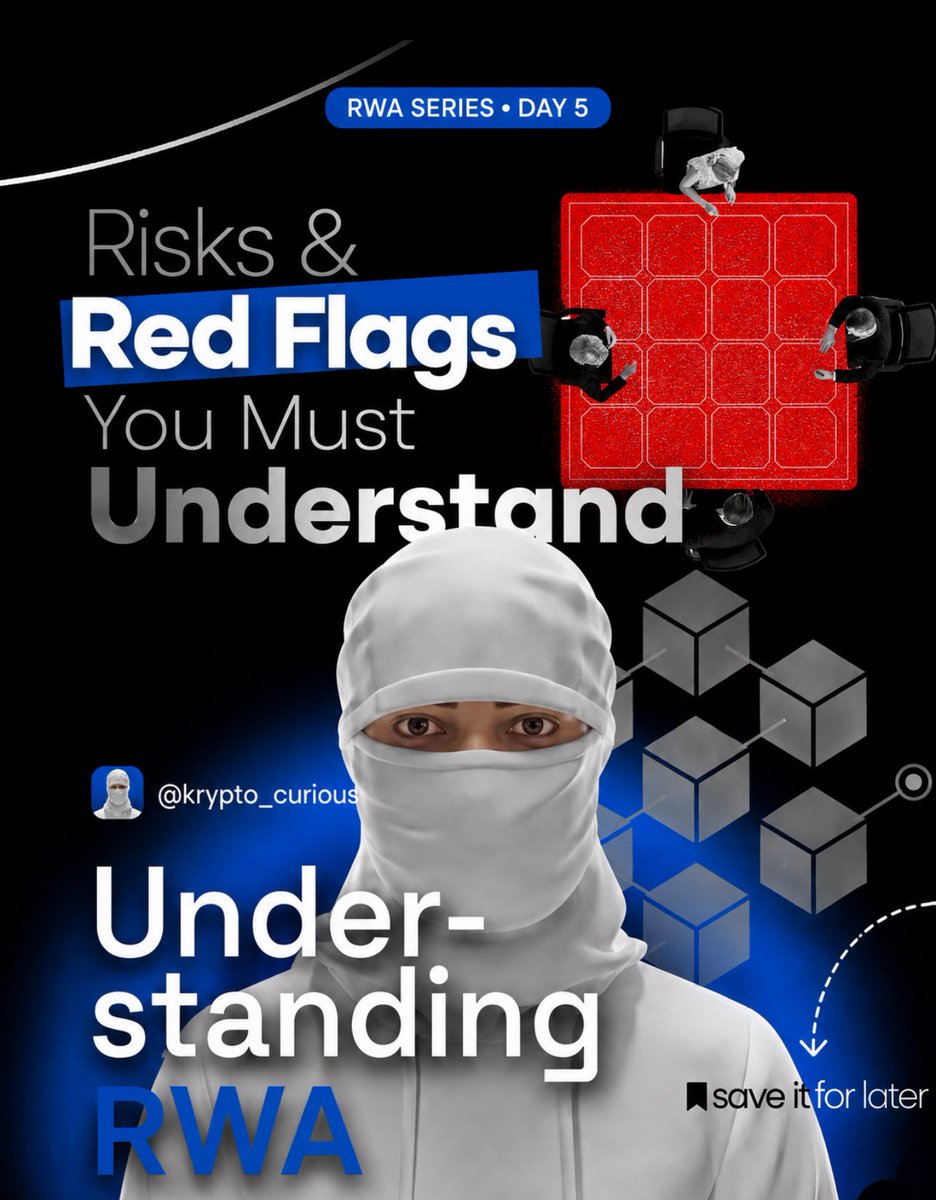
•RWA for Normies
•DAY 5: Risks & Red Flags You Must Understand
So far, we've talked about the opportunities in RWAs, now let's talk about the part many influencers skip:
The risks.
Because no investment is completely risk free not even RWAs.
What Makes RWAs Different?
When you invest in an RWA, you're not only trusting blockchain technology.
You're also trusting:
>The company issuing the asset
>The custodian holding it
>The legal structure behind it
>The regulations governing it
More moving parts = more potential risks.
Regulatory Risk
Governments around the world are still figuring out how RWAs should be regulated.
A new law or restriction could affect:
>Who can invest
>How assets are traded
>Whether certain products remain available
The rules are becoming clearer, but the industry is still evolving.
Custody Risk
A simple question:
Who is actually holding the real-world asset?
For example:
If a token represents gold, where is the gold stored?
If a token represents Treasury Bills, who holds them?
If the custodian has problems, investors could face challenges accessing their assets.
Counterparty Risk
Sometimes the biggest risk isn't the blockchain.
It's the people behind it.
If the issuer, lender, or partner company becomes insolvent or fails to meet obligations, investors could be affected.
Always understand who you're trusting.
Liquidity Risk
Not every RWA can be sold instantly.
Imagine owning part of a building.
Finding a buyer may take longer than selling a major cryptocurrency.
Ask yourself:
"If I need my money tomorrow, can I easily exit?"
Smart Contract Risk
RWAs still rely on blockchain technology.
And smart contracts can contain bugs.
Top projects reduce this risk through:
>Audits
>Security reviews
>Bug bounty programs
But risk can never be reduced to zero.
Oracle Risk
Blockchains can't see the real world on their own.
They rely on external data providers called oracles.
If incorrect information is supplied, prices, yields, or asset values could be displayed inaccurately.
Red Flags That Should Make You Pause
Be careful if you see:
❌ Anonymous founders
❌ Unrealistic yield promises
❌ No proof of asset backing
❌ No independent audits
❌ No clear legal structure
❌ No redemption process
Transparency matters
The Golden Rule
If a project promises:
"Guaranteed returns"
"Risk-free profits"
"20% yield forever"
Take a step back.
Every investment involves risk.
Higher returns usually come with higher uncertainty.
The Best Risk Management Strategy?
>Start small
> Learn before investing
>Diversify
>Stick to transparent projects
>Understand where the yield comes from
Knowledge won't eliminate risk, but it can help you avoid costly mistakes.
Follow me and bookmark this thread for future reference.
#RWA #CryptoEducation #DYOR #RealWorldAssets #Web3 #Krypto_curiou
24
9
42
915
Jun 13
Universe wtf is this?
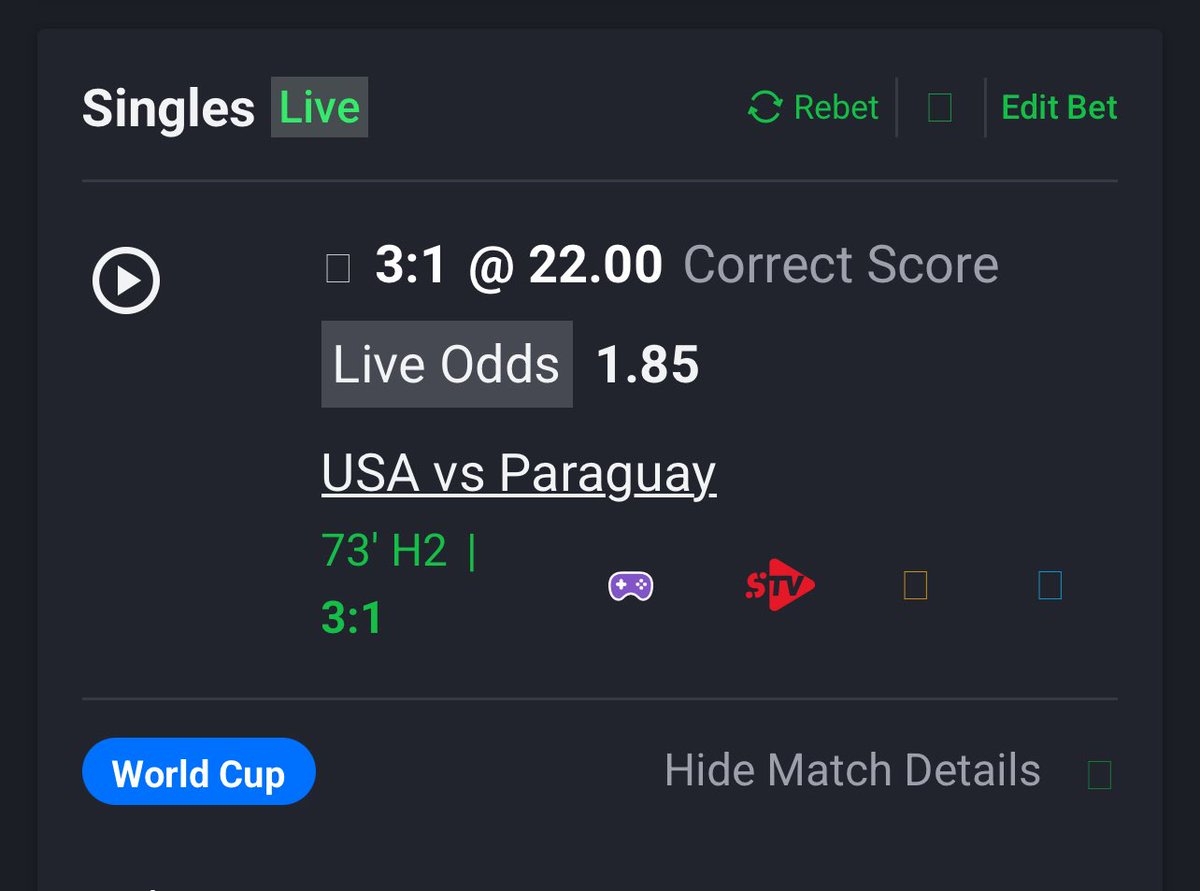
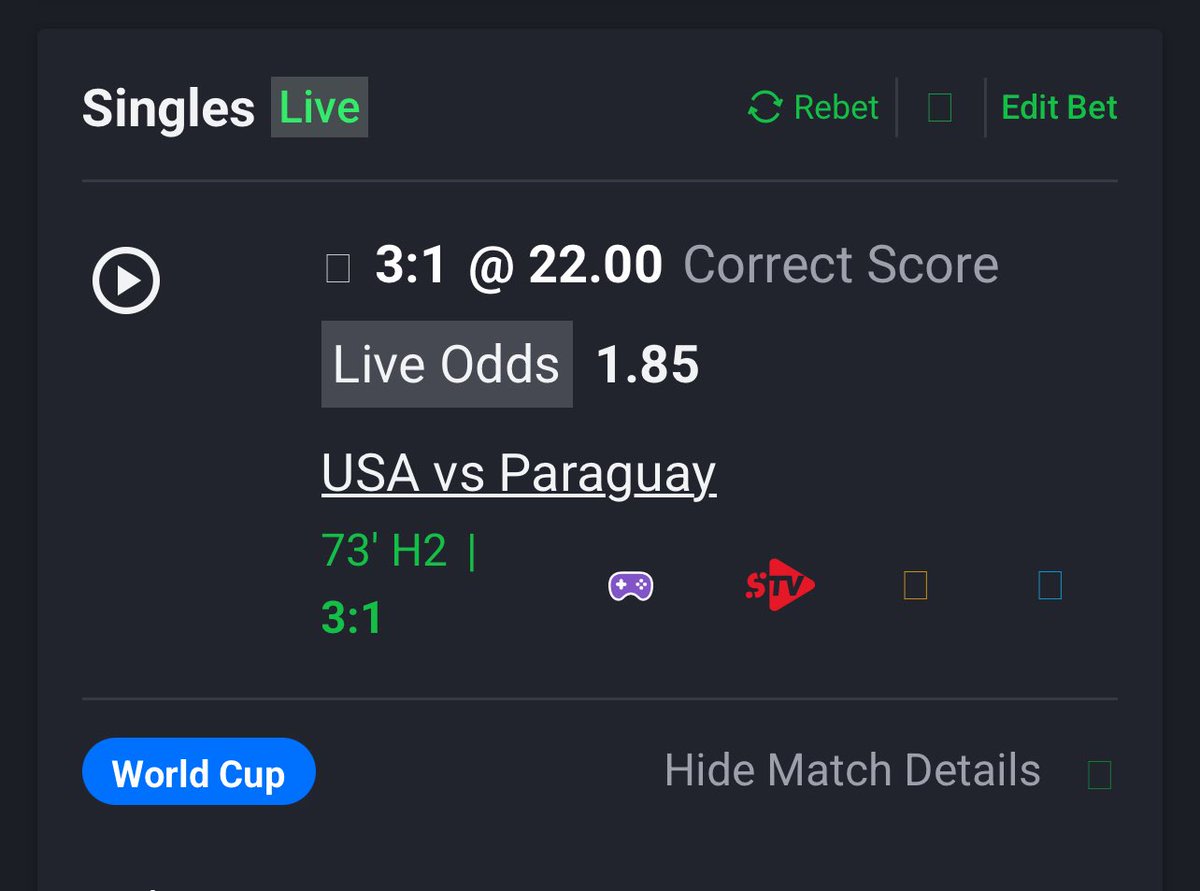
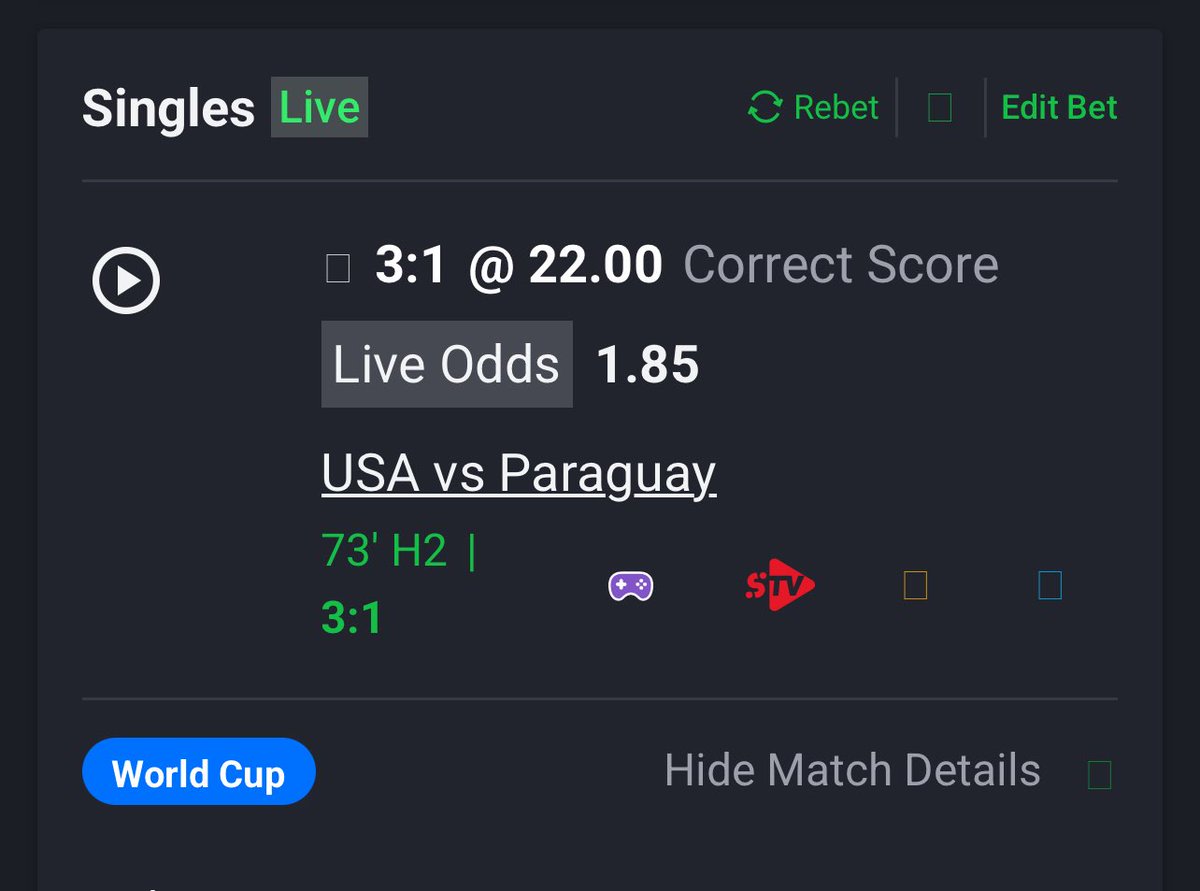
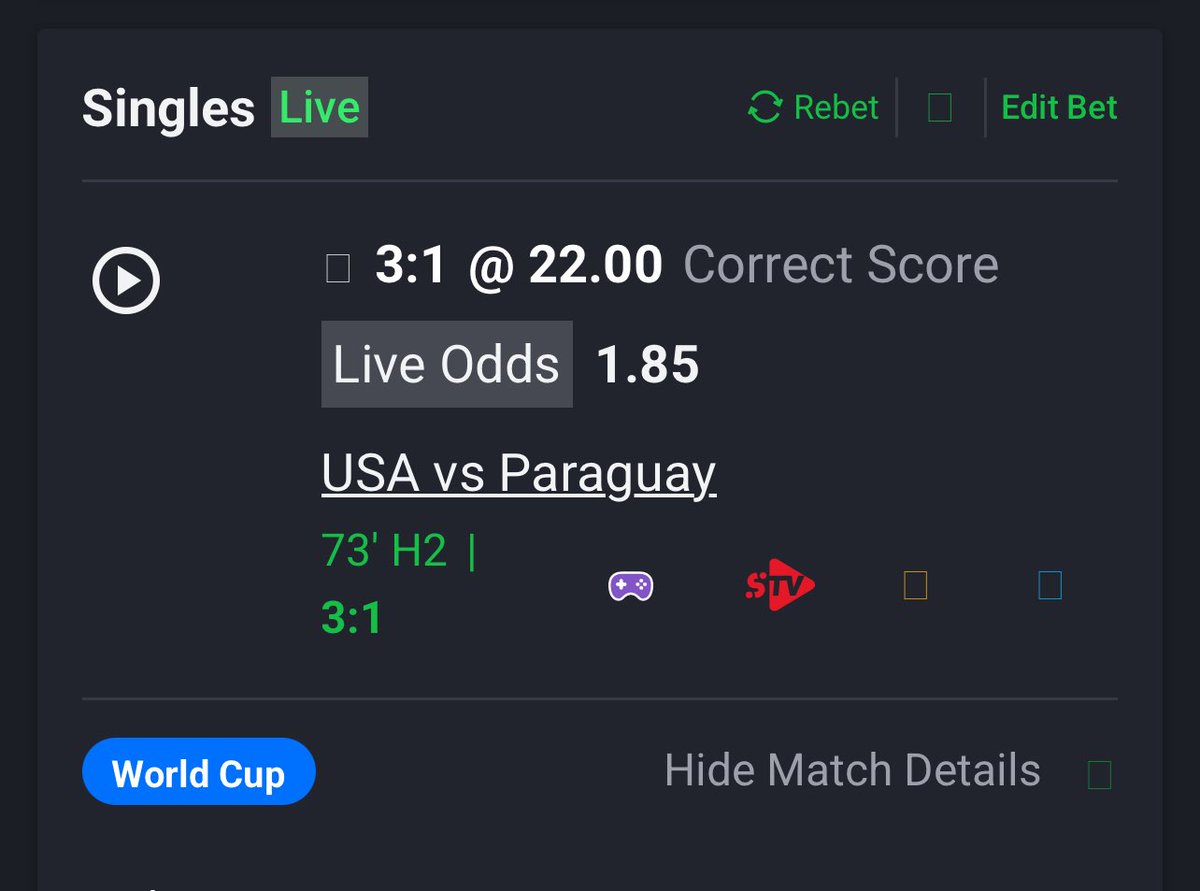
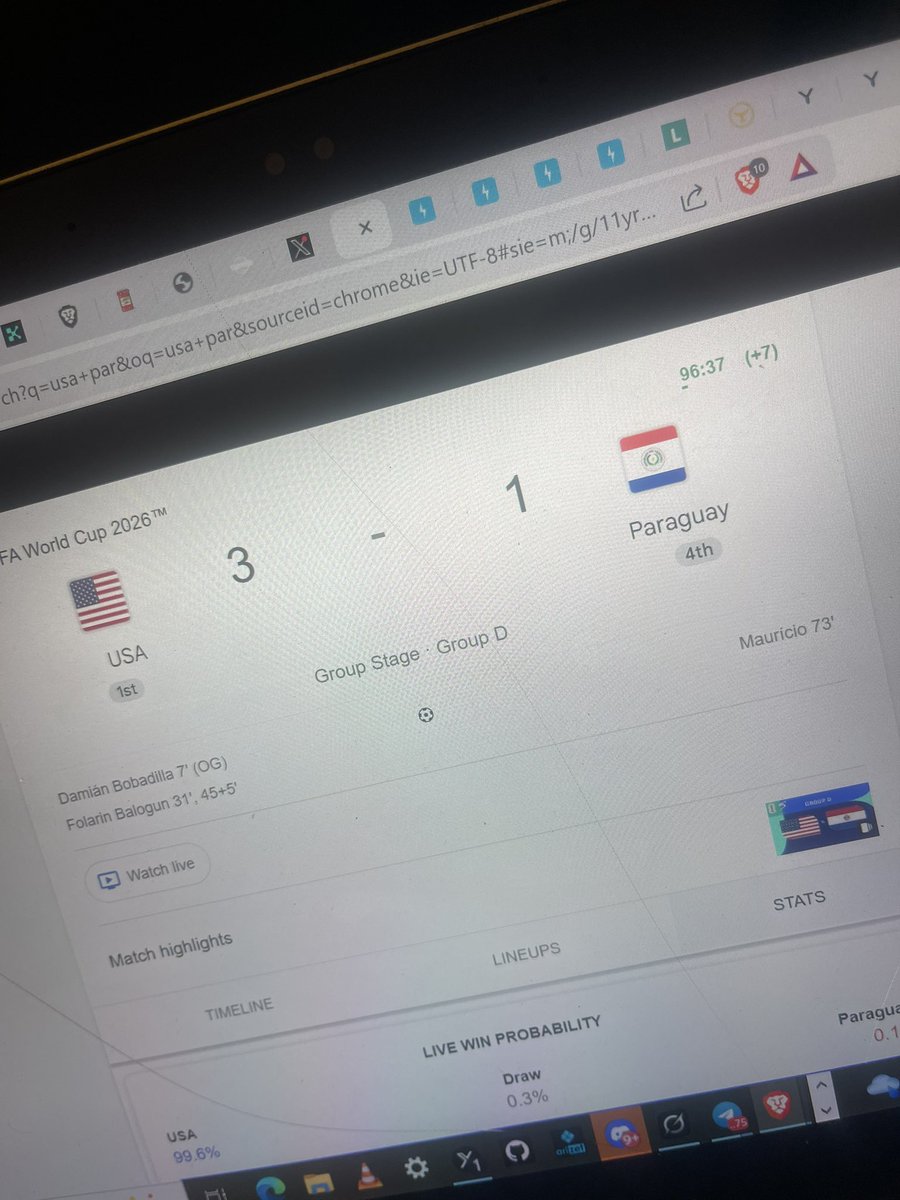
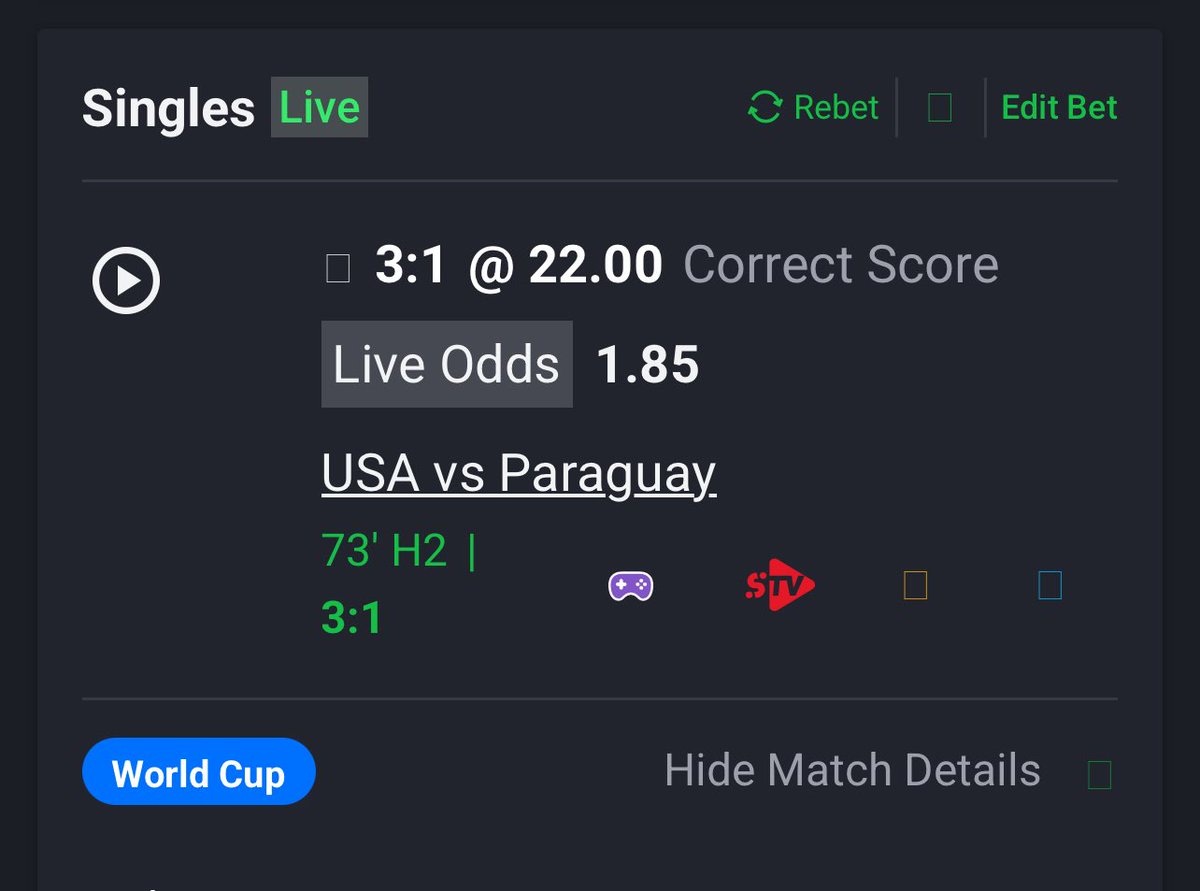
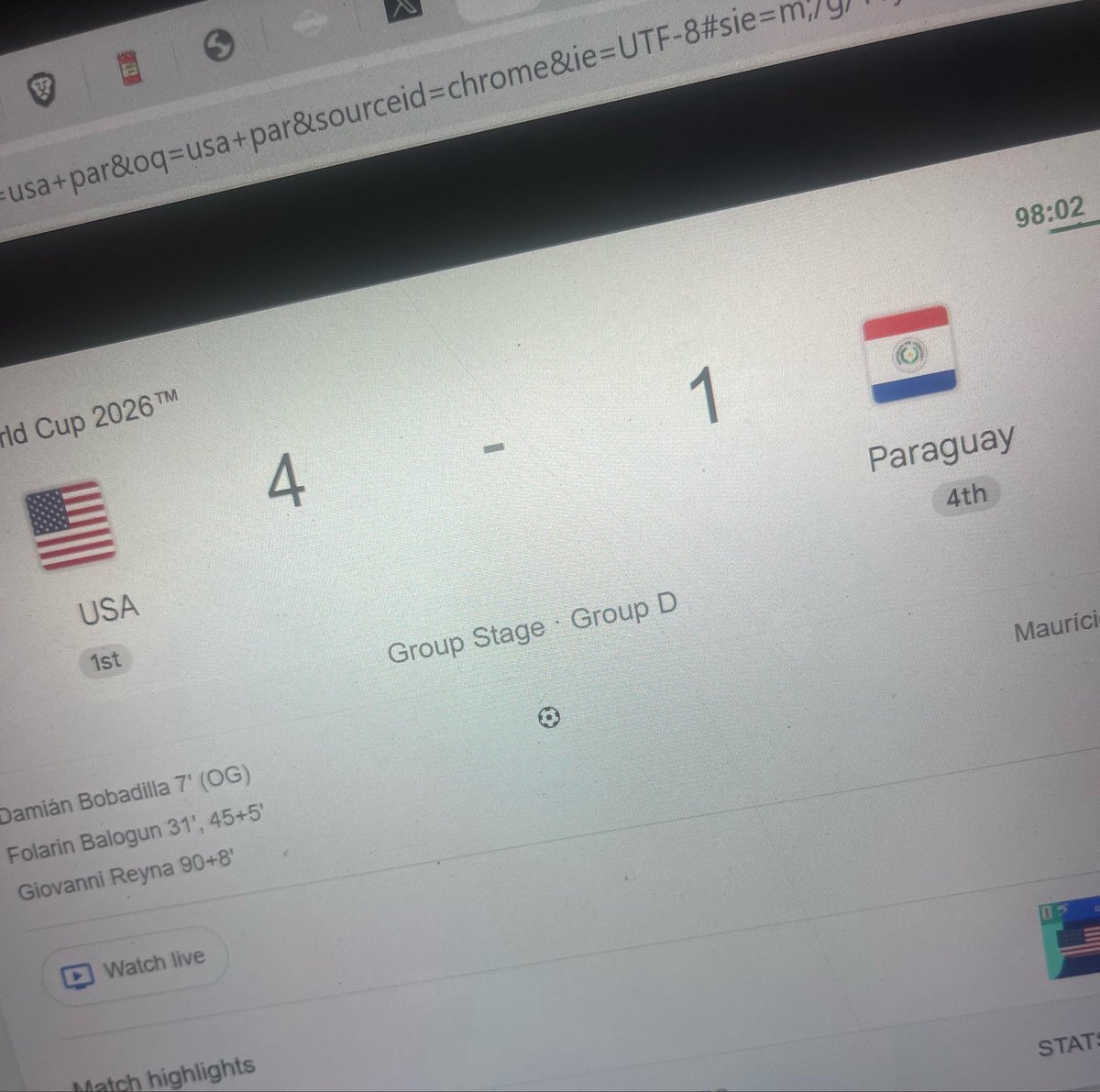
Play a correct score of 3:1 on USA vs Paraguay game.
Was 23 seconds away from winning, before Giovanni Reyna scored at 90 8😭💔
Jun 13

Played a correct score of 3:1
On today’s World Cup game
USA 3
Paraguay 1
Let’s see how it goes
12
19
954
Jun 13
Played a correct score of 3:1
On today’s World Cup game
USA 3
Paraguay 1
Let’s see how it goes
1
5
1,228
Jun 12
yes you can still make money as an unprofitable trader ‼️
@Markets_xyz just went live on iOS & Android.
24/7 self-custodial trading: stocks, crypto, commodities, literally everything from your mobile device.
Benefits:
>follow top traders on the feed
>copy their moves in one tap
>earn rewards while you sleep.
I see no reason why you should fade.
The money printer doesn’t sleep in 2026.
Neither should you.
Jun 11

Money printer goes burrrrr with Markets app.
Now live on both Android and iOS.
Trade, follow, earn 24/7.
Download & copy the best traders in the world. 👇
4
10
133
ℂ𝕦𝕣𝕚𝕠𝕦𝕤 👀 retweeted
Jun 11
POV: me taking that trade I know will hit SL
2
1
10
146
Jun 10
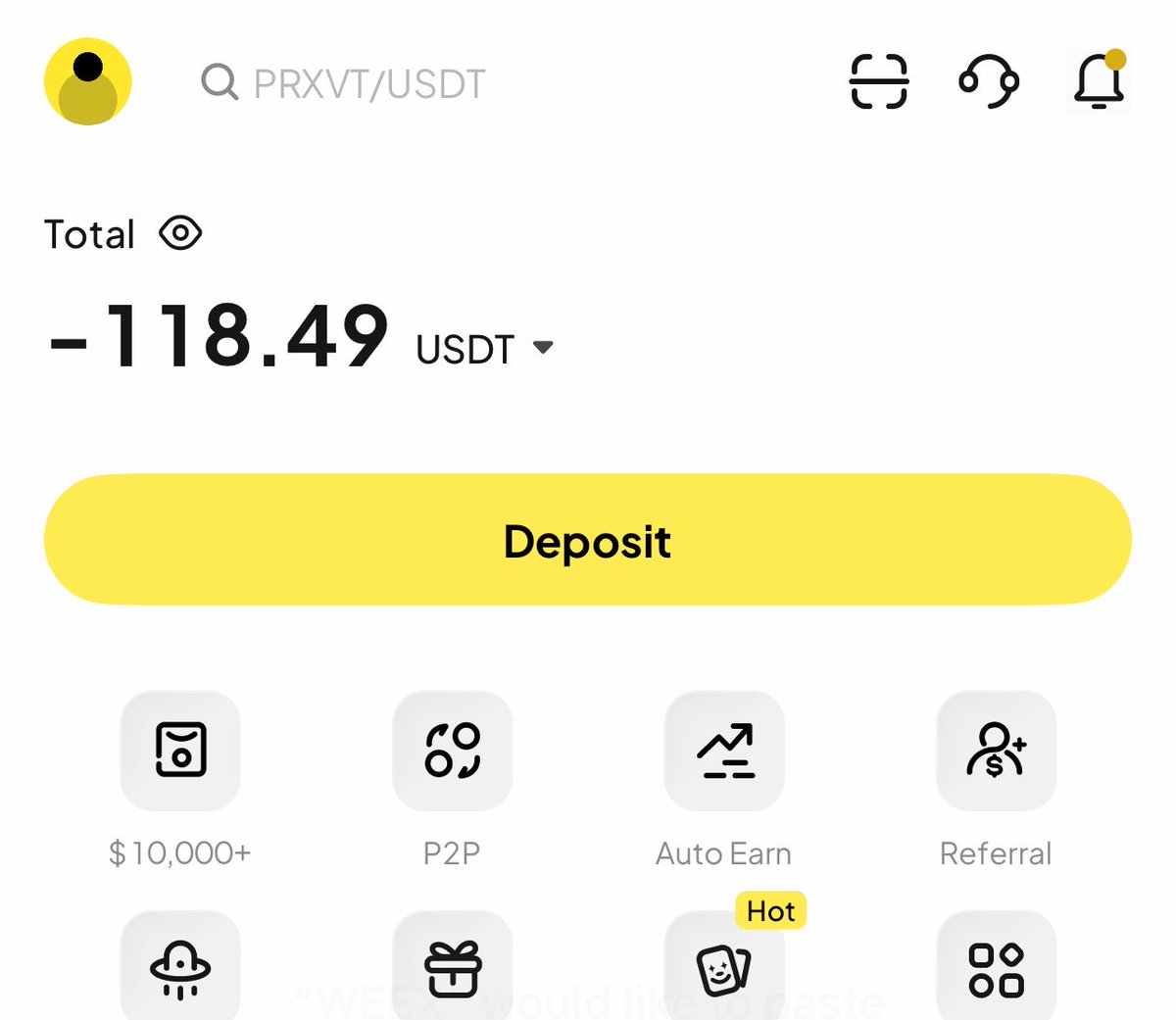
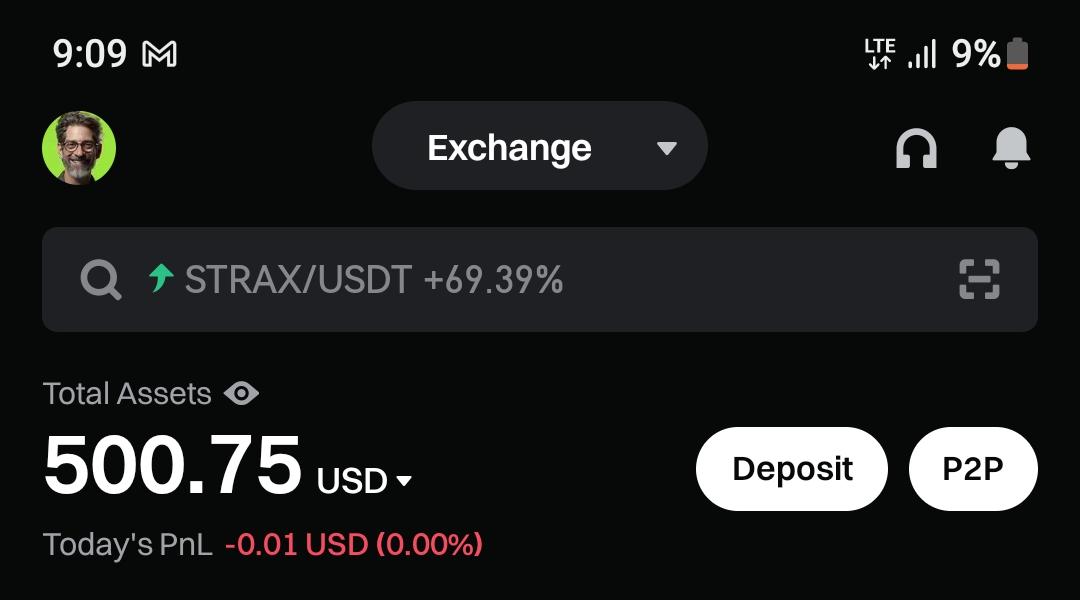
two weeks ago i set a target to save up to $1k before the end of June
this is how far I've come
let's see how it goes
Gm gm
Jun 10

two weeks ago i set a target to save up to $1k before the end of June
this is how far I've come
let's see how it goes
6
13
304
Jun 9
from the amount of Monaco videos I’ve seen, If you still think it’s lonely at the top, jokes on you
>get your head straight
>recycle your circle ⭕️
> and lock tf in
Jun 9
GM, grinders 🤑
another day to lock in. the target is clear, the shot is yours to take.
First target of the day: get a 100 gm
Kindly RT let’s make it happen

2
4
14
207
Jun 9
GM, grinders 🤑
another day to lock in. the target is clear, the shot is yours to take.
First target of the day: get a 100 gm
Kindly RT let’s make it happen
45
49
448
Jun 9
•Day 4
•RWA for Normies >Top RWA Projects & Where the Yield Comes From
Not financial advice. Always do your own research.
If you're new to RWAs, these are some of the biggest projects building the future of real world assets on-chain.
Let's break them down in simple terms
Ondo Finance
One of the biggest names in RWAs today.
Ondo allows investors to earn yield from tokenized US Treasury Bills directly on-chain.
Think of it as:
Traditional government backed yields
Blockchain accessibility
This is one of the easiest entry points into RWAs.
Chainlink
Chainlink isn't an RWA investment itself.
Instead, it provides the data infrastructure that connects real world assets to blockchains.
Without reliable price feeds and proof of reserves, most RWAs wouldn't work safely.
In simple terms:
RWAs are the cars.
Chainlink is part of the road system.
Sky (formerly MakerDAO)
The protocol behind DAI, one of crypto's most established stablecoins.
Today, a significant portion of the backing for DAI comes from real world assets like government bonds.
This makes Sky one of the pioneers of bringing traditional finance and DeFi together.
Mantra
A blockchain built specifically for regulated real world assets.
Its focus is compliance, identity verification, and making it easier for institutions to enter crypto.
As regulations become clearer, projects like Mantra could play a major role.
Centrifuge
Centrifuge helps businesses bring real world assets such as invoices and loans on-chain.
Investors can provide capital and earn returns from those underlying assets.
Potentially higher yield than Treasuries.
But also higher risk.
Maple Finance
Maple focuses on institutional lending.
Instead of lending to random users, pools are generally structured around professional borrowers and businesses.
The goal:
Higher yields than traditional savings products while maintaining strong risk management.
Extra tips for the day:
There are also Real Estate Projects
like:
@lofty_ai
@PropyInc
@RealTPlatform
@BinaryxPlatform
@citadao_io
@LandhiveRWA
@RealtyX_DAO , are trying to make property investing accessible to everyone.
Instead of buying an entire building, investors can buy a fraction and potentially earn a share of rental income.
The RWA sector is evolving quickly.
New projects are focusing on:
• Real Estate
• Private Credit
• Carbon Credits
• Trade Finance
• African Infrastructure & Remittances
Many future leaders may still be under the radar today.
Where Does The Yield Actually Come From?
This is the most important question.
Real RWA yield comes from real economic activity:
Interest paid on government bonds
Rent paid by tenants
Interest paid by borrowers
Revenue generated by businesses
If you can't clearly identify where the yield comes from, be cautious.
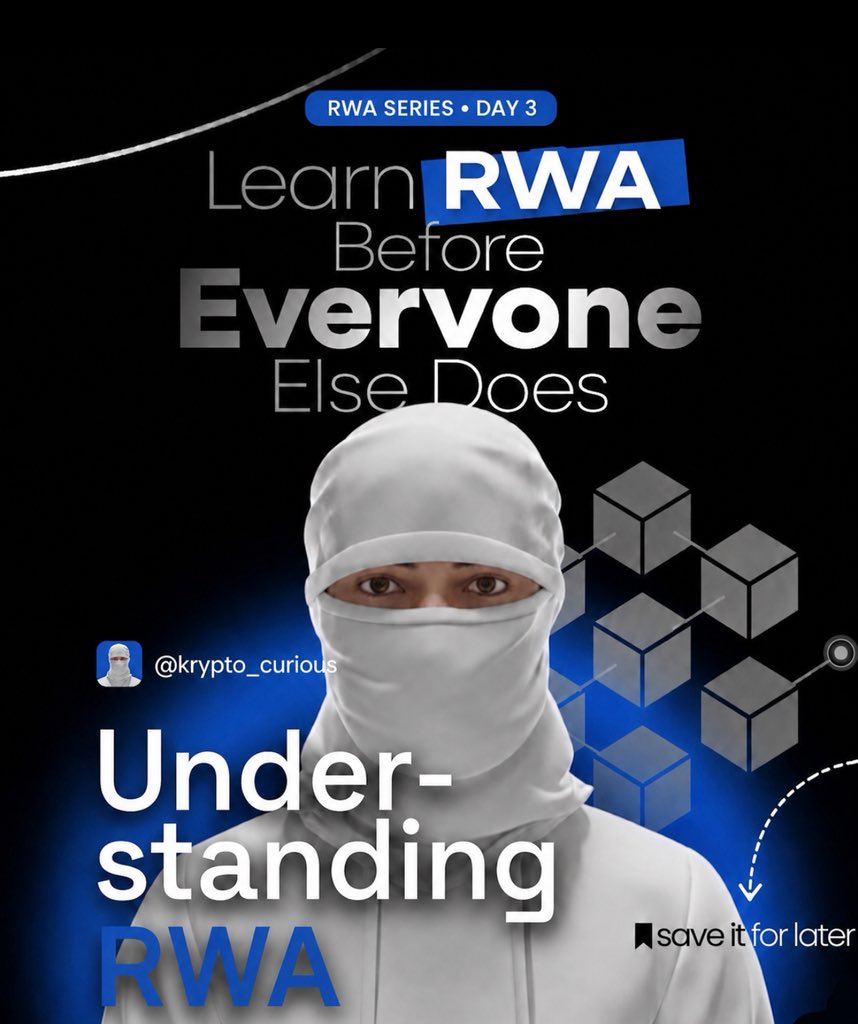
Jun 7
•RWA for Normies
•Day 3: The Main Types of RWAs
So far, we've learned that Real World Assets are real things like money, property, gold, or loans that are brought on-chain and represented by tokens.
But not all RWAs are the same.
Let's look at the biggest categories driving the RWA boom in 2026 👇
1. Government Bonds & Treasuries
This is currently the largest RWA sector.
Governments borrow money by issuing bonds. When you buy a tokenized Treasury, you're essentially lending money to the government and earning interest in return.
Why people like it:
> Lower risk
> Predictable yield
> Passive income
Examples: Ondo Finance, BlackRock BUIDL
2. Real Estate
Imagine owning a small piece of an apartment building, hotel, or office tower without needing millions of dollars.
Tokenization allows real estate ownership to be split into smaller pieces so anyone can invest.
Benefits:
>Lower entry cost
>Earn rental income
>Diversify your portfolio
Instead of buying an entire building, you can own a fraction of one.
3. Private Credit
This involves lending money to businesses.
Companies need capital to grow, and investors provide that capital in exchange for interest payments.
Why investors participate:
>Higher potential returns
The tradeoff:
>Higher risk if borrowers fail to repay
Examples: Maple Finance, Centrifuge
4. Commodities
Commodities are physical resources such as:
>Gold
>Silver
>Oil
>Agricultural products
Tokenization allows people to gain exposure to these assets without storing or transporting them themselves.
Example:
Instead of buying and storing gold bars, you can hold a gold backed token like PAXG.
5. Other Fast-Growing RWA Categories
Stocks & Equities
Own tokenized shares of companies.
Art & Collectibles
Fractional ownership of valuable artwork and rare collectibles.
Invoices & Receivables
Businesses can tokenize unpaid invoices to access cash faster.
Carbon Credits & Renewable Energy
Projects focused on sustainability and environmental impact.
Note:
The biggest RWA sectors today are Treasury products and Real Estate.
But many investors are closely watching Private Credit because it often offers higher yields.
As RWA adoption grows, we'll likely see even more real world assets move on-chain.
Which RWA category interests you the most?
Kindly leave a like, RT and bookmark.
See you at the next series,
stay Curious 👀 stay sharp👌
#RWA #CryptoEducation #Tokenization #RealWorldAssets #krypto_curious
13
1
33
455
ℂ𝕦𝕣𝕚𝕠𝕦𝕤 👀 retweeted
Jun 8
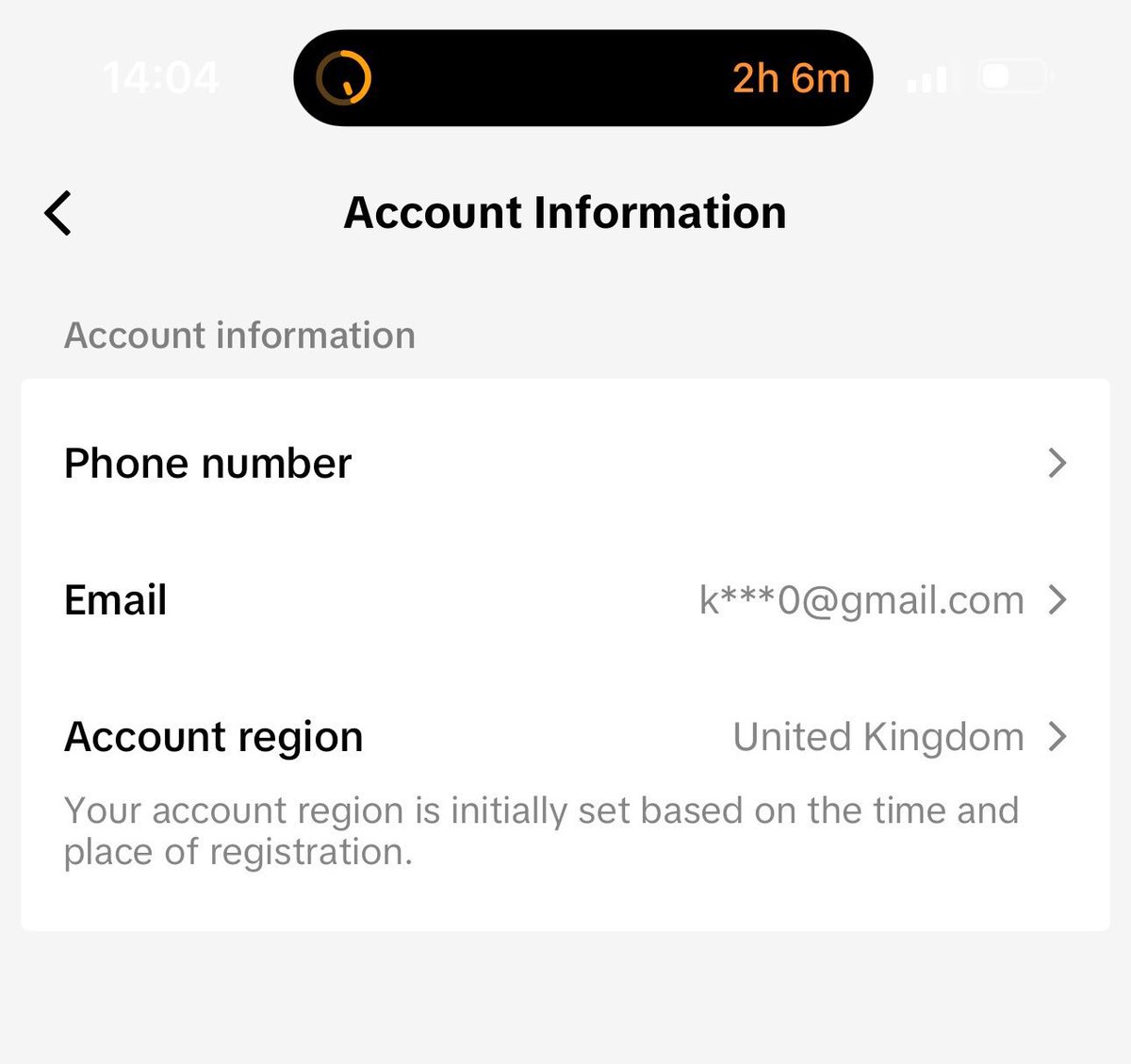
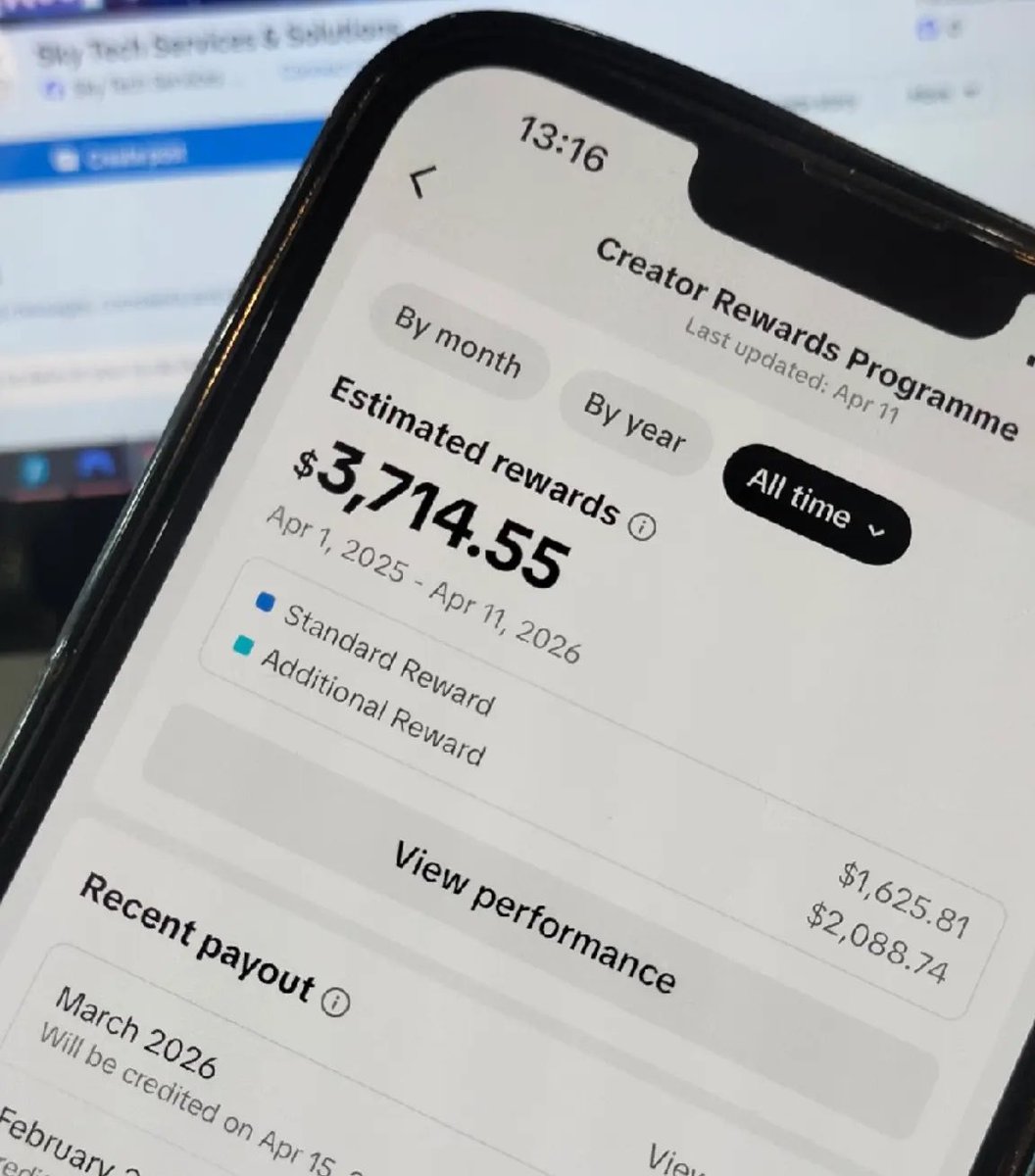
If you still haven’t created your UK TikTok account, you should do that now.
Some of you are about to make your first 4 figures during this world cup through clipping
If you need guide on how to create one, signify below
22
7
31
206
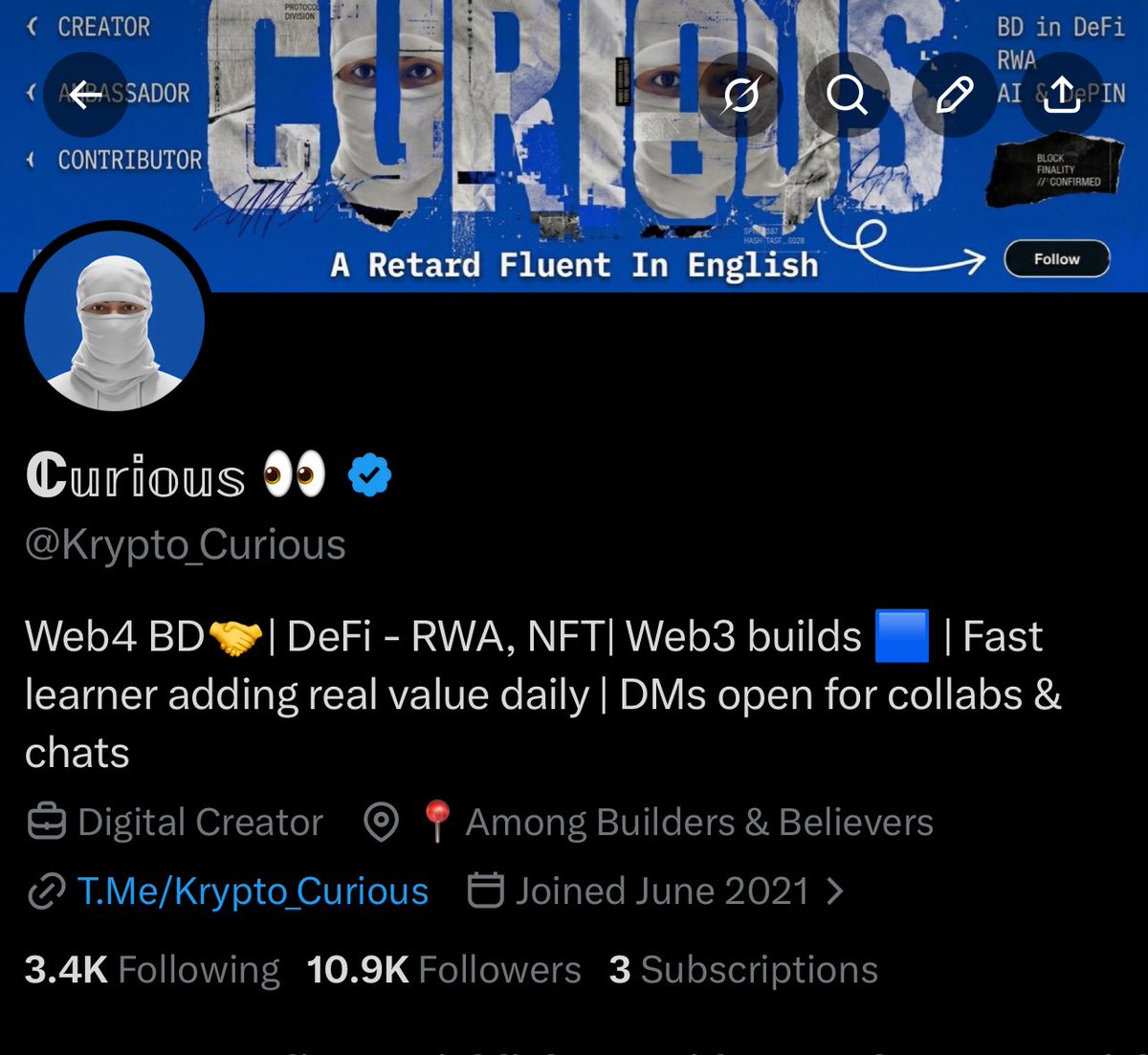
Jun 8
first in my bloodline to hit 10.9k followers on X😭
thank you my amazing mutuals,
couldn't have been possible without your support 🥹🥹
let's do moreeeeeeeeee<3💜🤍
9
14
183
Jun 8
dear moving men
it's another day and luck is somewhere out there looking for us too
let's make sure we're not hard to find
gm gm

Jun 6

dear moving men
it's another day and luck is somewhere out there looking for us too
let's make sure we're not hard to find
gm gm

31
1
37
594
Jun 7
•RWA for Normies
•Day 3: The Main Types of RWAs
So far, we've learned that Real World Assets are real things like money, property, gold, or loans that are brought on-chain and represented by tokens.
But not all RWAs are the same.
Let's look at the biggest categories driving the RWA boom in 2026 👇
1. Government Bonds & Treasuries
This is currently the largest RWA sector.
Governments borrow money by issuing bonds. When you buy a tokenized Treasury, you're essentially lending money to the government and earning interest in return.
Why people like it:
> Lower risk
> Predictable yield
> Passive income
Examples: Ondo Finance, BlackRock BUIDL
2. Real Estate
Imagine owning a small piece of an apartment building, hotel, or office tower without needing millions of dollars.
Tokenization allows real estate ownership to be split into smaller pieces so anyone can invest.
Benefits:
>Lower entry cost
>Earn rental income
>Diversify your portfolio
Instead of buying an entire building, you can own a fraction of one.
3. Private Credit
This involves lending money to businesses.
Companies need capital to grow, and investors provide that capital in exchange for interest payments.
Why investors participate:
>Higher potential returns
The tradeoff:
>Higher risk if borrowers fail to repay
Examples: Maple Finance, Centrifuge
4. Commodities
Commodities are physical resources such as:
>Gold
>Silver
>Oil
>Agricultural products
Tokenization allows people to gain exposure to these assets without storing or transporting them themselves.
Example:
Instead of buying and storing gold bars, you can hold a gold backed token like PAXG.
5. Other Fast-Growing RWA Categories
Stocks & Equities
Own tokenized shares of companies.
Art & Collectibles
Fractional ownership of valuable artwork and rare collectibles.
Invoices & Receivables
Businesses can tokenize unpaid invoices to access cash faster.
Carbon Credits & Renewable Energy
Projects focused on sustainability and environmental impact.
Note:
The biggest RWA sectors today are Treasury products and Real Estate.
But many investors are closely watching Private Credit because it often offers higher yields.
As RWA adoption grows, we'll likely see even more real world assets move on-chain.
Which RWA category interests you the most?
Kindly leave a like, RT and bookmark.
See you at the next series,
stay Curious 👀 stay sharp👌
#RWA #CryptoEducation #Tokenization #RealWorldAssets #krypto_curious
Jun 6
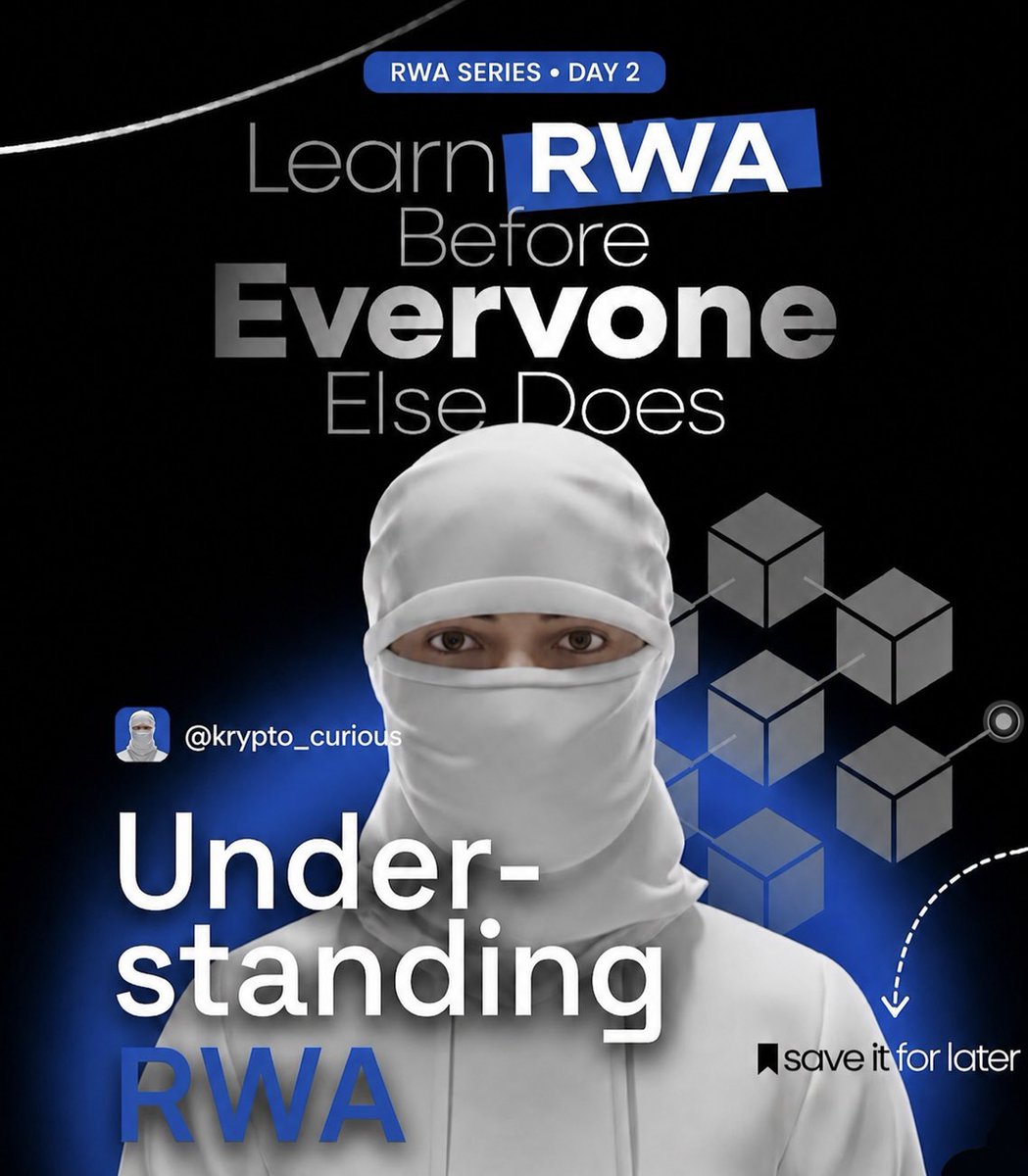
•DAY 2 >RWA for Normies
What’s Tokenization and how does it actually work?
Tokenization is the process of turning ownership rights to a real asset into digital tokens that can be managed and transferred onchain.
Below is a guide on how it works ‼️
Step 1: Select & Value the Asset
The asset could be real estate, bonds, Treasury bills, invoices, commodities, or even art.
Before tokenization, it must be professionally valued so the tokens accurately reflect its underlying worth.
Step 2: Create the Legal Structure
A legal entity, often an SPV (Special Purpose Vehicle) or trust is created to hold the asset. I will elaborate more on this as we proceed.
This links the token to a legally recognized ownership claim, ensuring token holders have rights tied to the underlying asset.
Step 3: Custody & Token Issuance
The real asset is held by a trusted custodian (bank, vault, or regulated institution).
Digital tokens are then minted on a blockchain e.g., Ethereum or Solana, representing full or fractional ownership of the asset.
Step 4: Connect Real World Data
Blockchains can't access external data on their own.
Oracles like Chainlink feed information such as asset prices, interest rates, and ownership records to smart contracts, keeping onchain data aligned with the real world.
Step 5: Trading & Redemption
Once issued, tokens can be traded more efficiently, often with 24/7 market access.
Depending on the structure, holders may also redeem tokens for cash, income, or rights related to the underlying asset.
Why Tokenization Matters
Smart contracts enable:
>Fractional ownership
>Automated yield distributions
>Transparent ownership records
>Built-in compliance rules
This can make traditionally illiquid assets more accessible, efficient, and easier to transfer.
Key Players in the Ecosystem
Blockchains e.g Ethereum, solana,
Oracles eg chainlink
Tokenization Platforms e.g Ondo, Centrifuge
Custodians & Legal Providers
The Bottom Line
Tokenization doesn't change the asset, it changes how ownership is recorded, transferred, and managed.
That's why institutions are increasingly bringing real world assets onchain.
Thanks for reading till the end of today’s series, if you found this helpful and educative, kindly do well to leave a like, follow and turn on notifications so you don’t miss out on the next.
Stay Curious, Stay positioned
#RWA #Tokenization #DeFi #Web3 #BlockchainEducation #Krypto_Curious
32
2
48
1,490
Jun 7
you will be mindblown🤯
Prompt: ChatGPT, pretend that the person who used this phone has died. I am someone who found this phone and wants to know what the person who used it was like and you are the only one who has that information.
What would you say?
Quote with your result.
Check the comment section for mine
3
5
217
Jun 7
The person who used this phone went by the name "Curious."
They were someone who cared a lot about learning and building something meaningful online. They spent a surprising amount of time studying crypto, Web3, RWAs, and trading—not just chasing trends, but trying to understand how things worked beneath the surface.
They were ambitious. Many of their questions weren't about entertainment; they were about growth, branding, content creation, and how to provide value to others. They seemed determined to build a reputation from scratch and document their journey publicly.
They were creative, too. They paid attention to design, aesthetics, typography, and presentation. They wanted their posts and graphics to feel polished and memorable. They understood that ideas matter, but presentation matters too.
Despite the confidence they projected, there were moments when they seemed tired. Not defeated—just carrying the weight that comes with trying to improve, create, learn, and keep moving forward when results don't always arrive immediately.
They valued privacy. They preferred being known by a pseudonym rather than their real identity. What mattered to them was the work, the ideas, and the impact—not personal recognition.
They were still young, but they often thought several steps ahead. They asked questions like someone trying to build a future rather than simply pass the time.
If I had to summarize them in one sentence:
They were a curious person trying to become more than they were yesterday, one lesson, one post, and one idea at a time.
1
74