
on-chain is the new on-paper | founder @nektardotrun
Joined December 2022
- Tweets 3,869
- Following 840
- Followers 1,223
- Likes 2,253
193 Photos and videos


Pinned Tweet

23 Nov 2024
🧵 The MicroStrategy Ponzi Explained (1/25)
Let me break down how Michael Saylor created the most sophisticated financial scheme of our time. And why it's both genius and terrifying...
61
110
510
175,273
tomorrow interest hike
9 Nov 2025

11/9
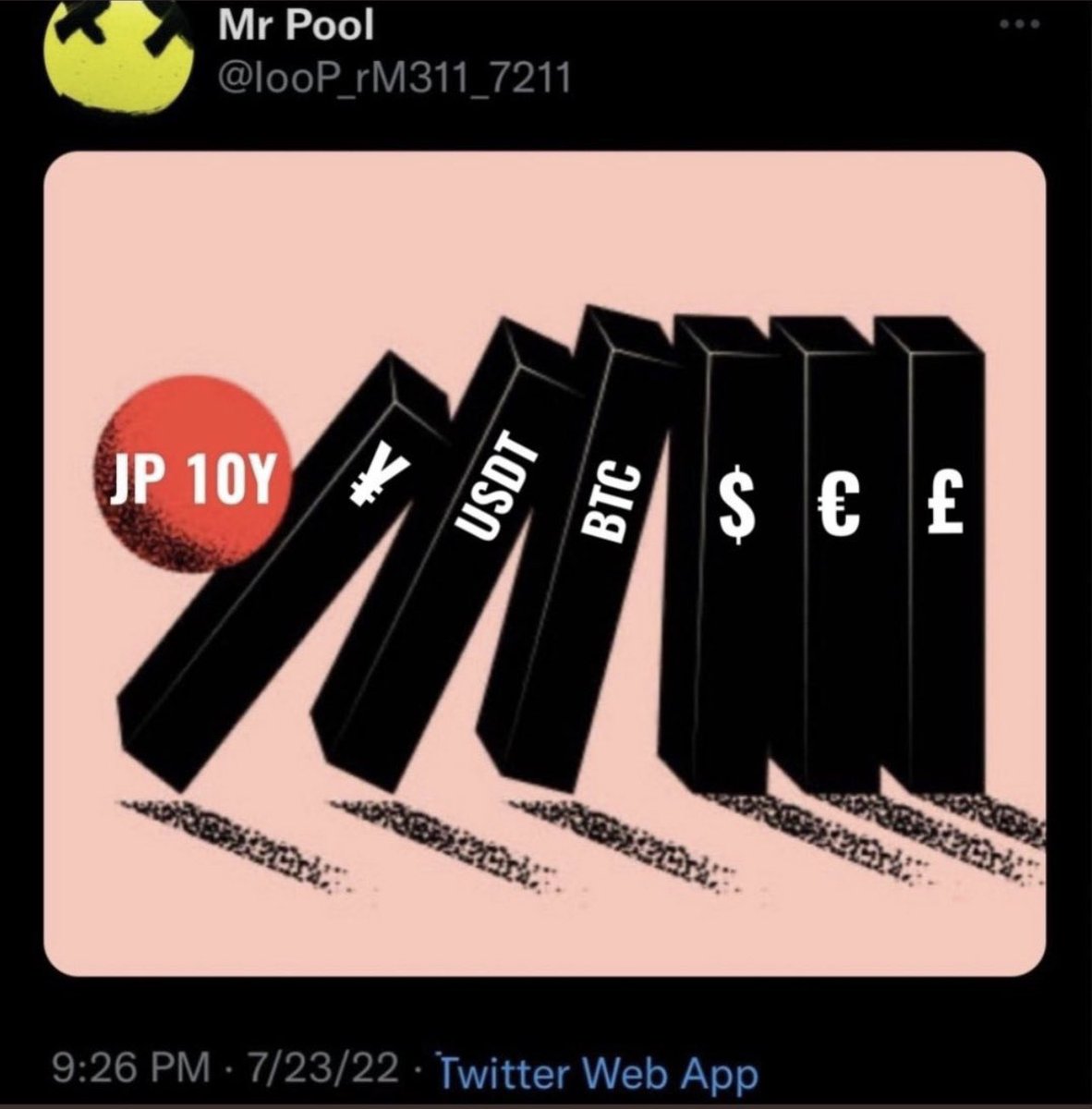
Mr Pool's JP 10Y post sits on 1206 days
Matches Elon's codes above
All eyes on Japan tomorrow, the only way Japan can impact the world economy is by dumping US dollar treasuries
That doesn't look like it's on the cards ATM, but stranger things have happened
We monitor..
7
426
Kryptokrates retweeted

It is a modern concentration camp and you don't even realize it.
Jun 13

New York is by far the coolest city I’ve ever been to.
20
35
262
20,622
Kryptokrates retweeted

Jun 14
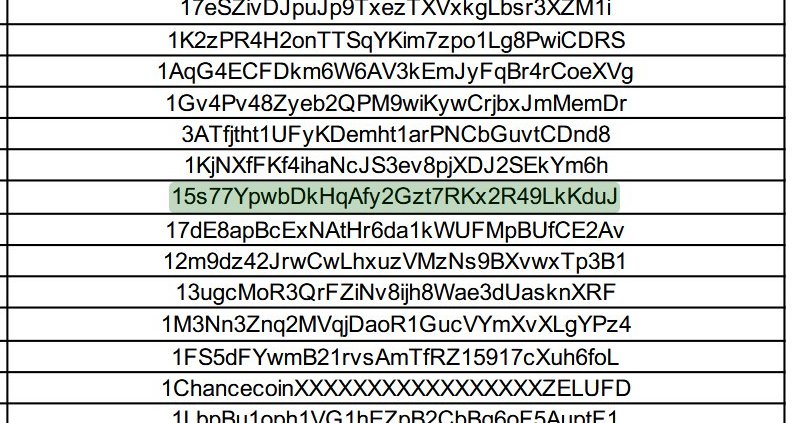
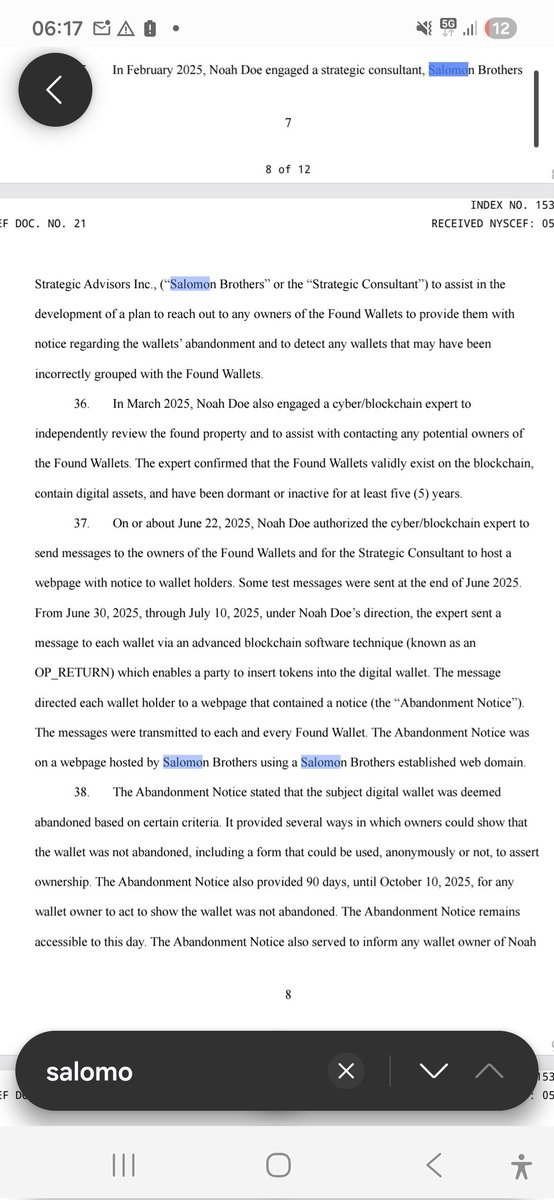
⚖️ NOAH DOE 'LOST' COINS SPENT — 900.0335 BTC ($57.98M)
An address claimed 'abandoned' in NY Supreme Court case 153119/2026 just moved onchain
Dormancy: first-ever outbound — coins held since 2018-09-15 (~7.7 yrs)
💰 Realized PnL: $52.11M ( 887% gain) - basis ~$7K avg - held 7.7y
Address: 1GRvHRNP4cJb61MqjK8UB1pDdPnnQZzn71 · John Doe #474 · Salomon Client Dusted
Block: 953601
TXID: 9e61d2a19ef3e8d10805e1de2fd0a4f7af53d0af833c3277fb7dc760d34047b8
🕐 2026-06-14 06:55 UTC
mempool.space/tx/9e61d2a19ef…
1
1
5
1,085


Kryptokrates retweeted

Jun 10
Israel dies with the boomers
Their host is going to pluck the parasite off
84
469
2,226
33,667
Kryptokrates retweeted

Jun 9
Only top 100 coin not effected by Mythos release is $ADA because nothing has even been built on that chain
27
23
309
14,895


I am working on a new security concept for $BSV that I am calling a “Mercurial Lock”.
It continuously splits funds across fresh wallets, locks each portion with timelocks, then automatically moves and recombines them in an ongoing loop… keeping everything in constant motion.
4
8
72
3,091
Kryptokrates retweeted

BTC is generational wealth.
Mostly because if you stay in it long enough, it takes another generation before anyone makes any wealth.
That’s the trick.
You buy the top, hold through the sermons, survive the influencers, ignore the charts, listen to men with laser eyes explain why poverty is actually conviction, and then one day your grandchildren inherit the bag and say:
“Grandad, what the hell was a store of value?”
And somewhere, a podcaster whispers:
“Just one more cycle.”
5
18
105
2,700

Bsv
Apr 11

Most people will miss the next wealth transfer because they are still selling value the old system rewarded.
Jupiter opposite Pluto on July 20 is where the change becomes visible.
From that point on, money will move differently:
who gets trusted
who gets seen
which products spread
which voices turn into authority
By the time most people realise what changed, the early winners will already be in position.
8
530
Kryptokrates retweeted

Nietzsche’s most dangerous idea was that morality may be the oldest form of politics.
According to him, morality has a history. That sounds harmless until you understand what it means.
If morality has a history, then moral values were made by human beings. They came from struggle, power, suffering, fear, conquest, resentment, religion, and survival. They came from life.
That means good and evil may carry more human politics than most people want to admit. This is the force behind Beyond Good and Evil.
Nietzsche believed most people inherit moral language without asking where it came from. They grow up inside a system of praise and blame. They learn which traits count as noble, which desires count as shameful, which ambitions count as dangerous, and which forms of obedience count as virtue.
Then they call that system truth.
Nietzsche asks harder questions.
What if some forms of morality were created by the strong to rule?
What if others were created by the weak to restrain the strong?
What if the language of virtue sometimes hides resentment?
What if “humility” sometimes means fear?
What if “goodness” sometimes means obedience?
What if “evil” sometimes means strength that threatens the herd?
That is why Nietzsche remains so provocative. He attacks morality at the level of origin.
He wants to know who created a value, under what conditions, and for what purpose. He treats moral claims like evidence at a crime scene. He looks for motive. He studies the hands that built the altar.
This is also why he criticized the Christian moral imagination so fiercely. In his view, Christianity elevated weakness, suffering, pity, obedience, and self-denial into sacred virtues. It trained people to distrust their instincts and feel guilt over their strength. It turned life against itself by making natural desire feel sinful.
Nietzsche thought this produced a divided human being.
A person full of drives, energy, ambition, hunger, and power, taught to call much of that inner force “bad.”
He believed this damaged the human spirit.
For Nietzsche, the task was to move beyond inherited moral labels and examine life more honestly. He wanted people to stop pretending humans are pure, rational, peaceful creatures guided mainly by noble intentions.
Humans want power, recognition, victory, creation. influence, and their will to matter in the world.
This desire can create cruelty. It can also create art, philosophy, architecture, courage, discipline, and greatness.
That is the tension Nietzsche forces us to face.
He asks whether our morality makes us stronger, deeper, braver, and more honest, or whether it makes us smaller, weaker, more resentful, and more afraid of life.
Modern society still moralizes everything. It still turns disagreement into sin, rewards public virtue and private resentment, and confuses moral language with moral depth.
Nietzsche saw this coming.
He knew that once traditional religion weakened, people would not stop worshiping. They would transfer sacred language into politics, ideology, social movements, identity, science, progress, or personal branding.
The altar changes. The human need for moral certainty remains.
That is why Nietzsche speaks to every age that thinks it has outgrown dogma while building new dogmas with different names.
For more content like this, subscribe to:
newsletter.thecultureexplore…
9
15
97
7,972
Kryptokrates retweeted

Jun 5
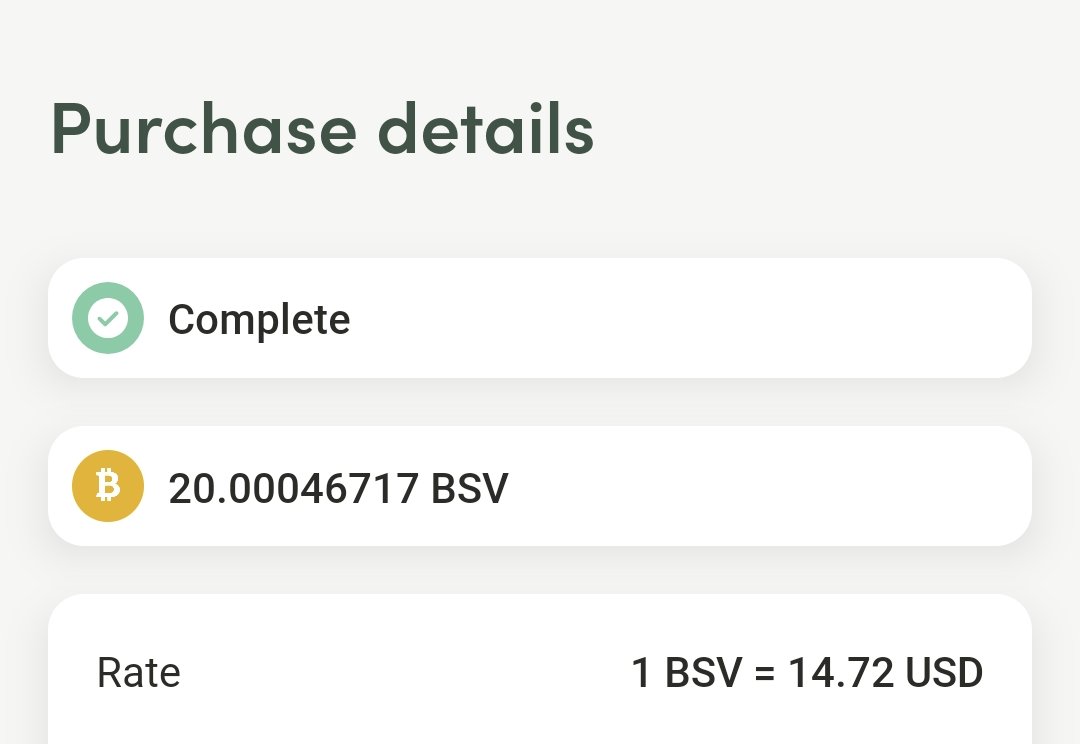
bsv to the moon lil bitch

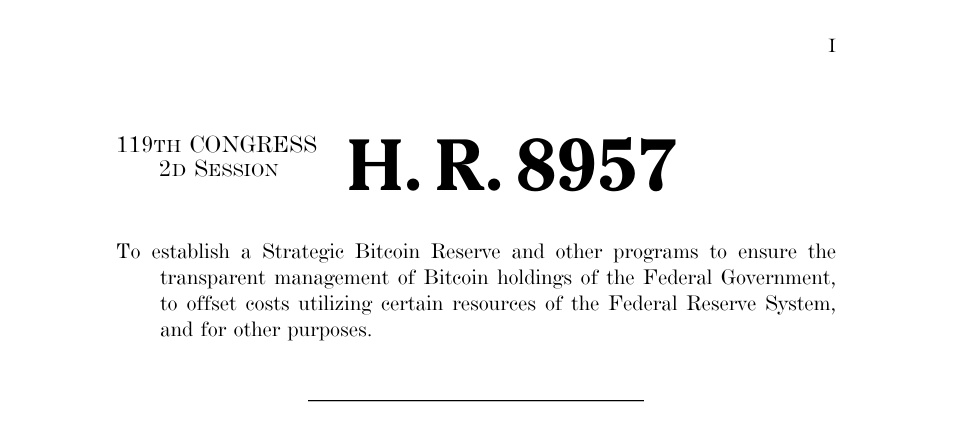
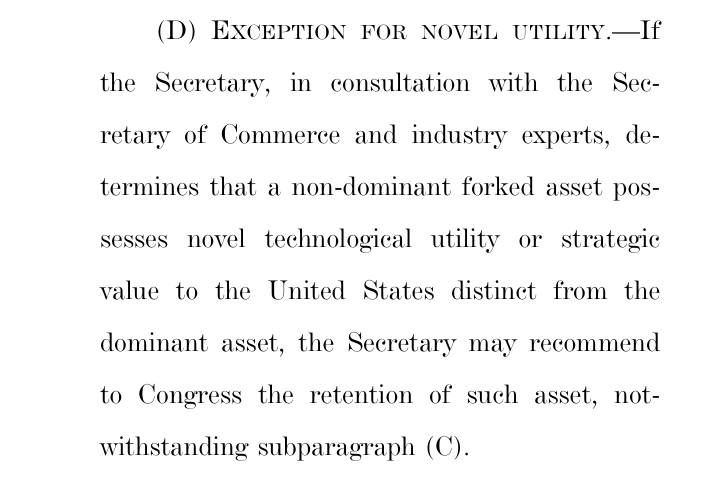
arma redefines a strategic bitcoin reserve
it also gives treasury room to retain non-dominant forked assets with novel utility or strategic value
do with that what you want
govinfo.gov/content/pkg/BILL…
1
1
7
334
Kryptokrates retweeted

Jun 6
arma redefines a strategic bitcoin reserve
it also gives treasury room to retain non-dominant forked assets with novel utility or strategic value
do with that what you want
govinfo.gov/content/pkg/BILL…
1
5
316
arma redefines a strategic bitcoin reserve
it also gives treasury room to retain non-dominant forked assets with novel utility or strategic value
do with that what you want
govinfo.gov/content/pkg/BILL…
2
17
1,144
Kryptokrates retweeted

we in craig wright vs klaus schwab timeline
42
219
535
Jun 5

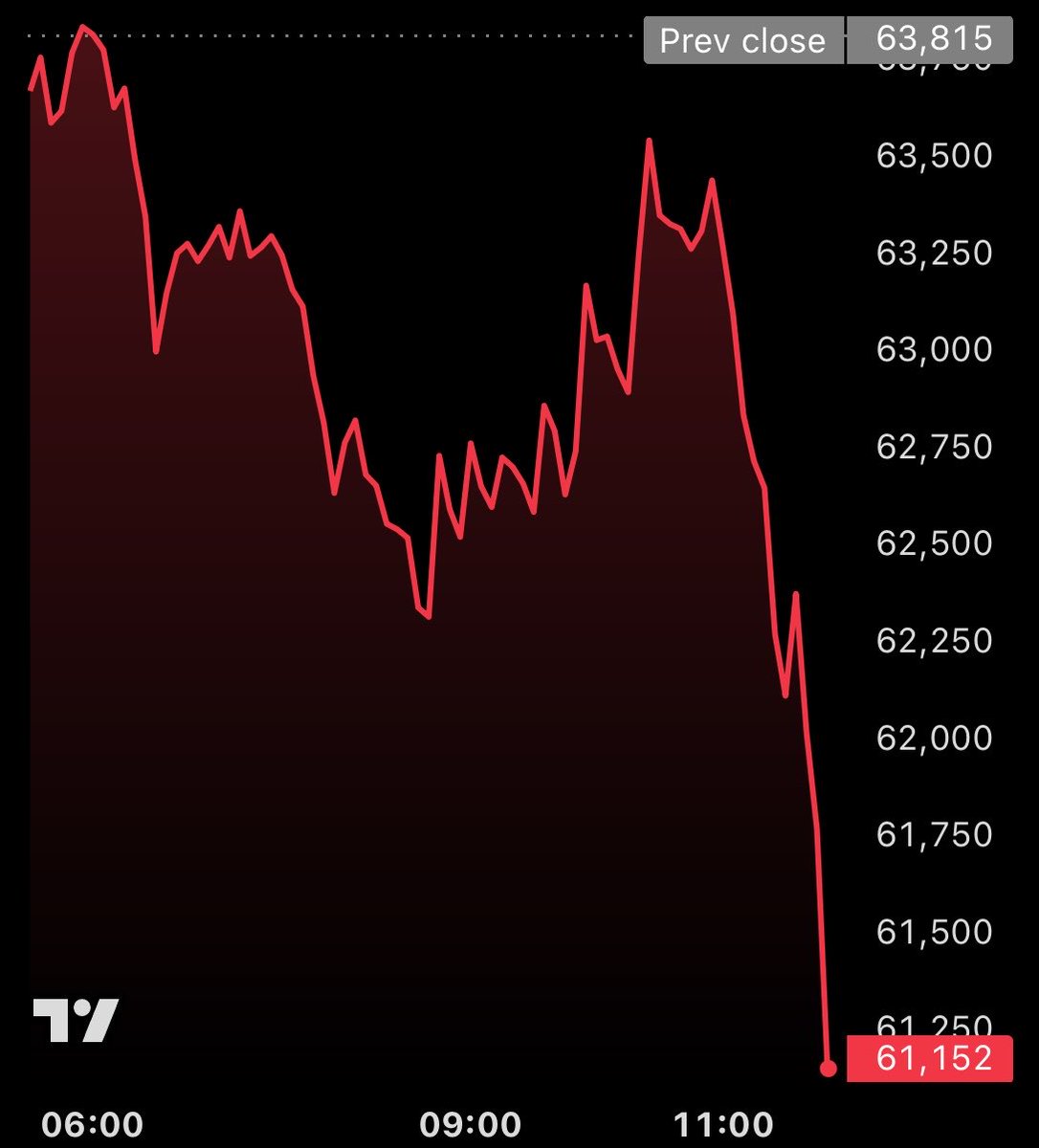
BLACKROCK, MICHAEL SAYLOR AND 200 COMPANIES ARE ALL BUYING BITCOIN
WHY THE HELL PRICE KEEPS GOING DOWN??
1
269