
Computational Cognitive Science | Metascience | NLP & ML | Researcher Computational Modelling Lab @HumboldtUni | PhD student @FU_Berlin | #hahohe
Joined December 2018
- Tweets 299
- Following 527
- Followers 93
- Likes 1,589
43 Photos and videos

Pinned Tweet
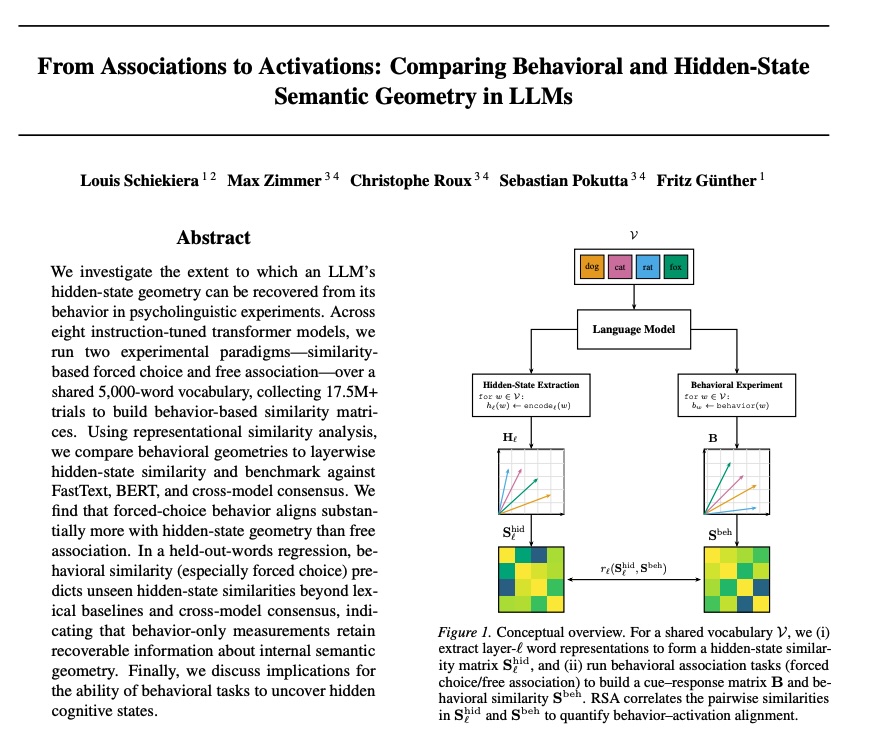
🚨 New preprint available! 🚨
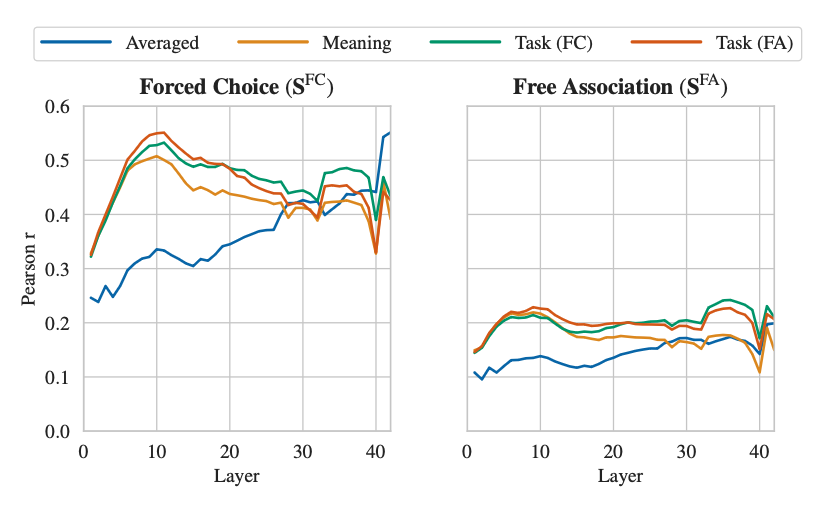
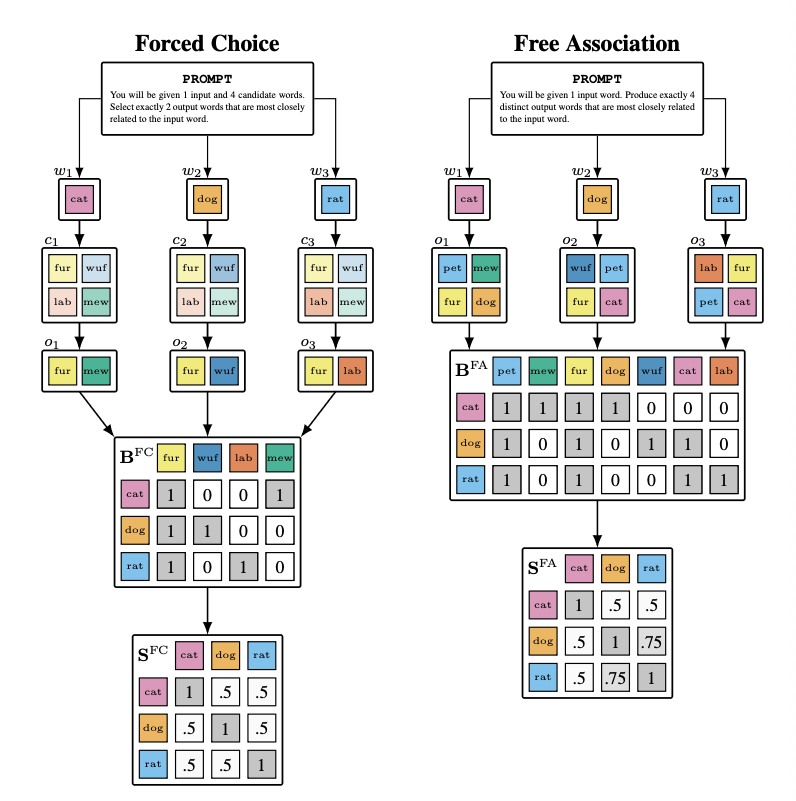
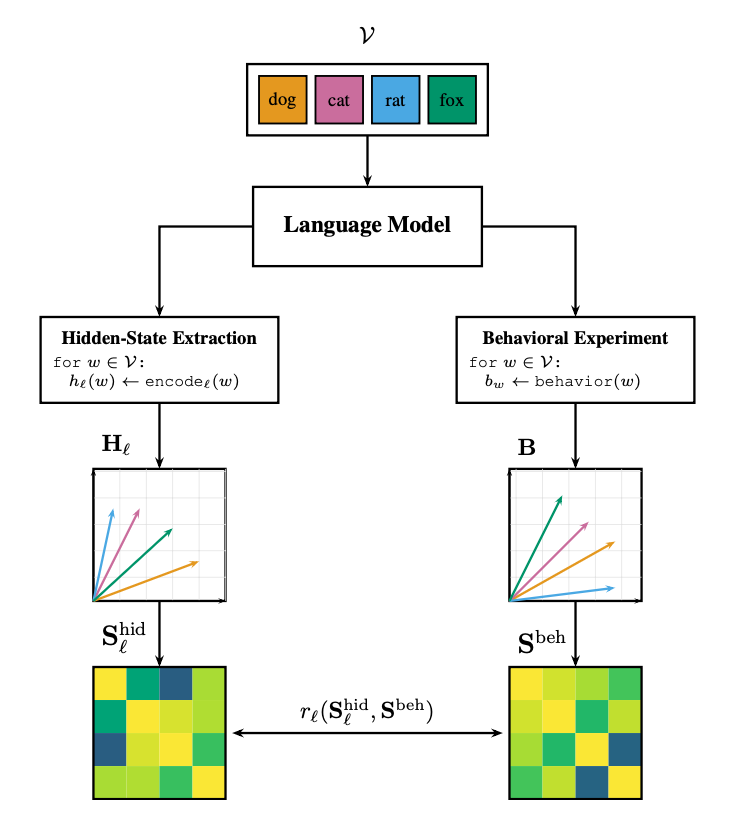
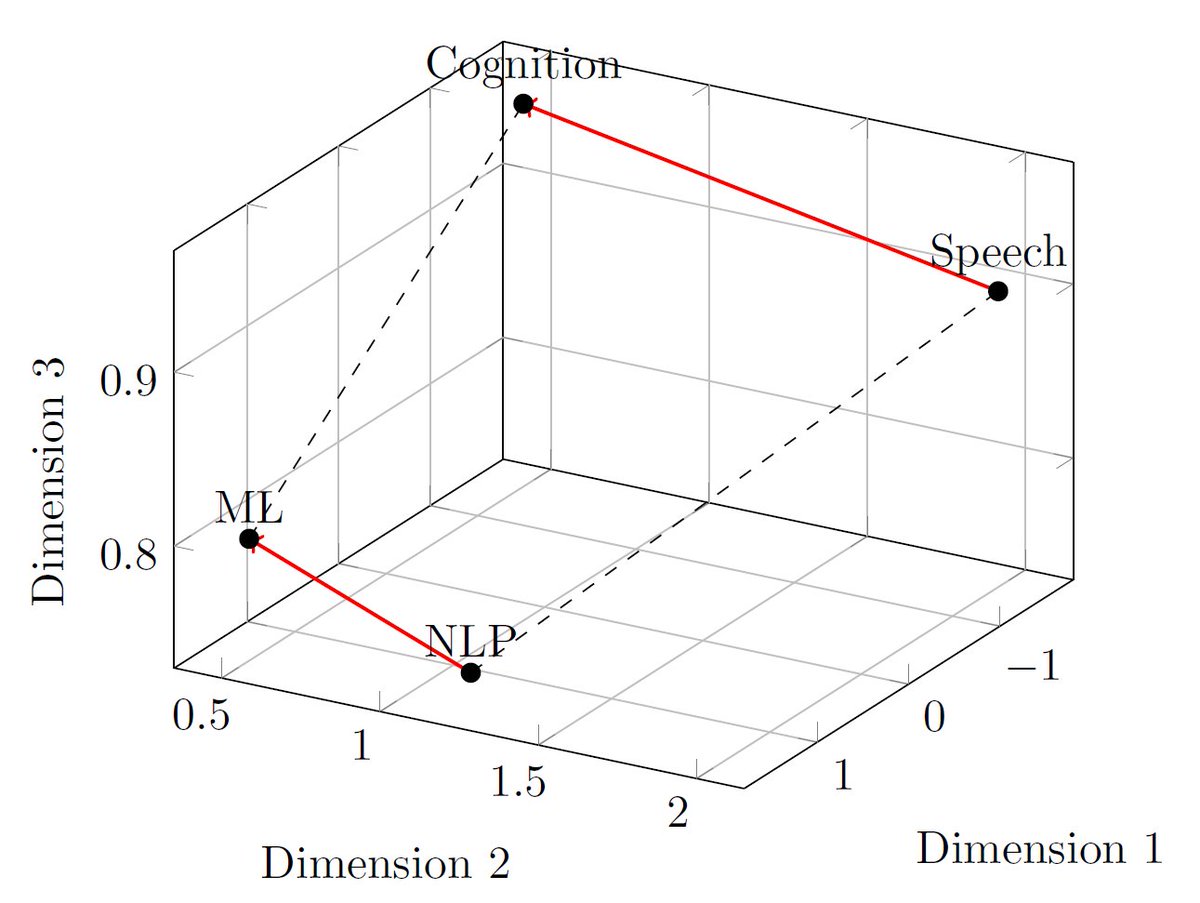
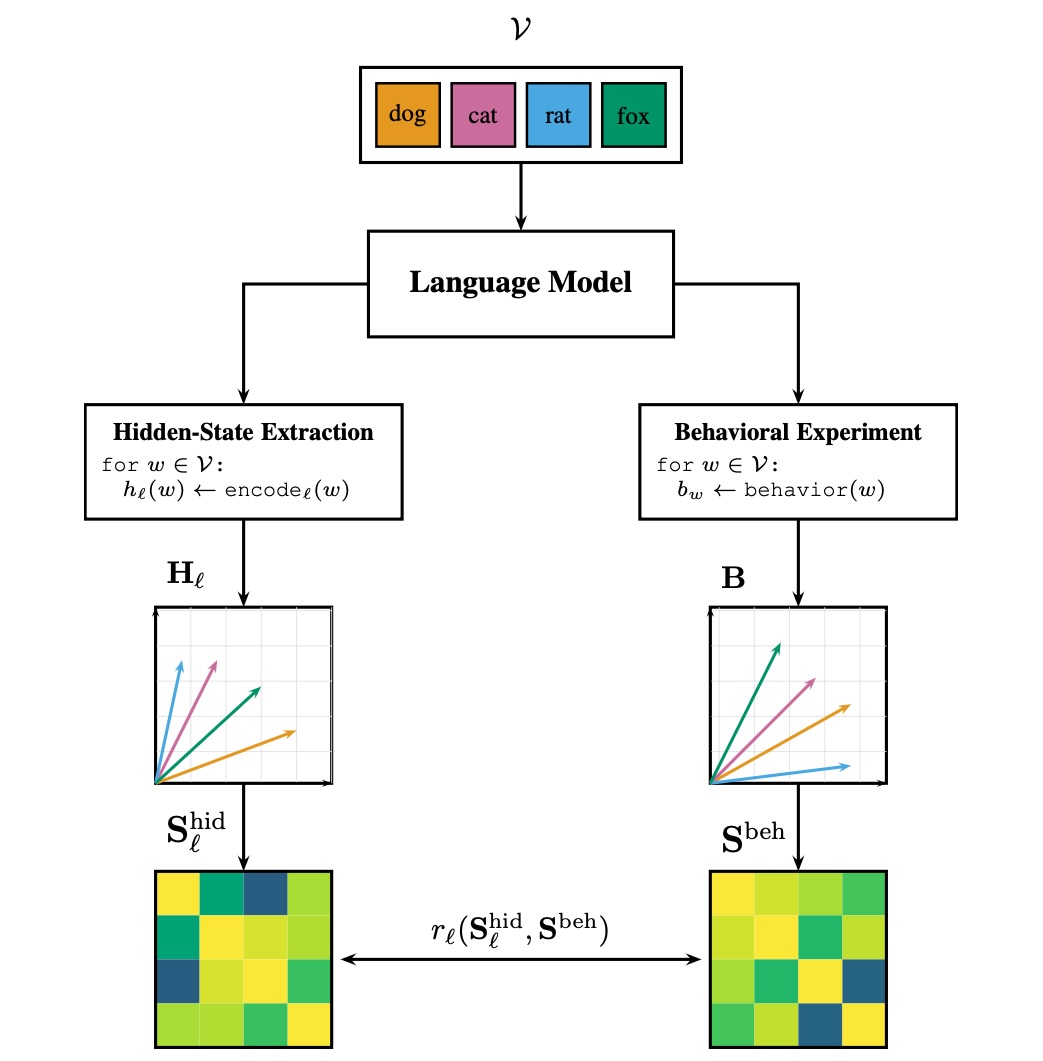
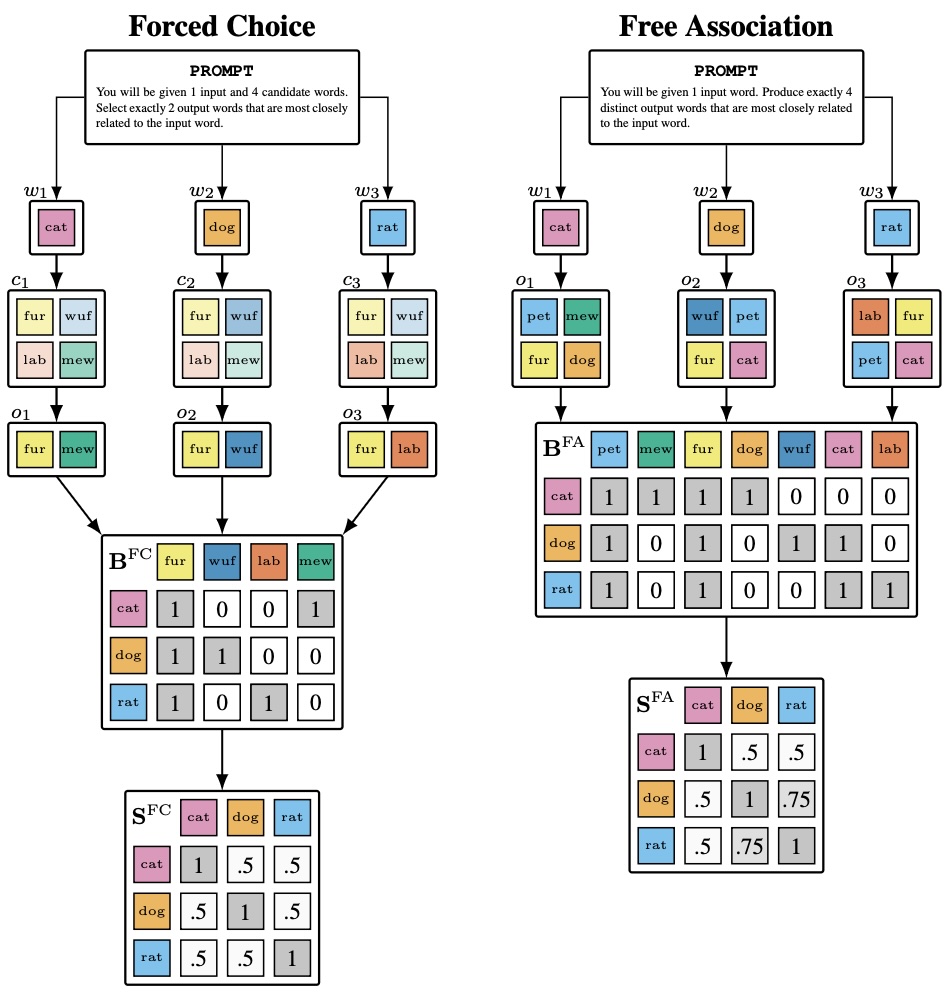
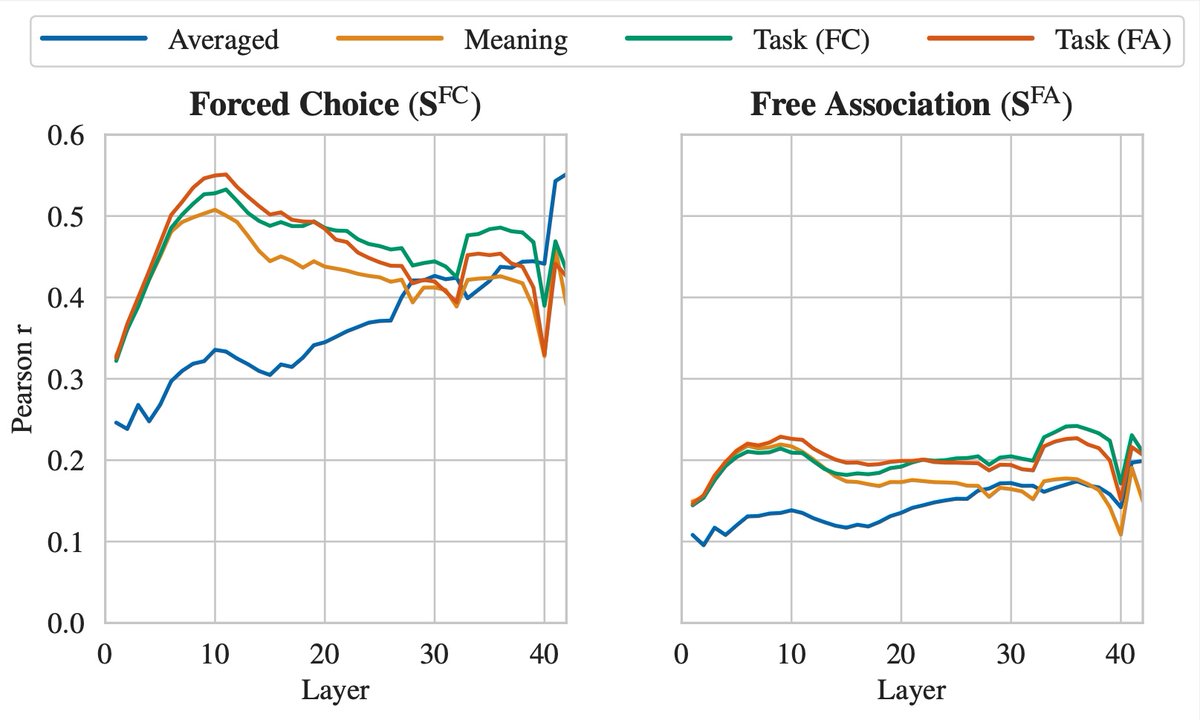
We test how much of an LLM's internal semantic geometry can be recovered from behavior alone. Across 8 LLMs and 17.5M trials, forced-choice tasks align with hidden-state structure much better than free association.
Preprint: arxiv.org/pdf/2602.00628
1
2
3
170
Louis Schiekiera retweeted

Apr 14
The agentic researcher: A practical guide to AI-assisted research in mathematics and machine learning. ~ Max Zimmer, Nico Pelleriti, Christophe Roux, Sebastian Pokutta. arxiv.org/abs/2603.15914v1 #AI4Math
2
9
59
2,111
Louis Schiekiera retweeted

Super excited that we got this done together. Psychology x LLMs is one of the next frontiers - excited to see what else we unlock as we move forward.
#ml #ai #icml2026

Free association has dominated semantic memory research since Galton in 1879. Our results suggest it may not be the highest-fidelity instrument we have.
Thanks to co-authors @maxzimmerberlin , @chrisrx13 , @spokutta, Fritz Günther 🙏
1
4
382
New paper, accepted at ICML 2026 🎉
A 145-year-old psychology paradigm may not be the best way to probe semantic memory. We show this by running classic behavioral experiments on 8 LLMs and comparing results to their hidden states over 17.5M trials.
📄 arxiv.org/pdf/2602.00628
1
3
6
172
Free association has dominated semantic memory research since Galton in 1879. Our results suggest it may not be the highest-fidelity instrument we have.
Thanks to co-authors @maxzimmerberlin , @chrisrx13 , @spokutta, Fritz Günther 🙏
1
2
445
🤗 huggingface.co/datasets/schi…
💻 github.com/schiekiera/llm-as…
✍️ schiekiera.github.io/blog/20…
See you in Seoul 👋
25
Louis Schiekiera retweeted
Three papers accepted at #ICML26!
- When Does Sparsity Mitigate the Curse of Depth in LLMs
- From Associations to Activations: Comparing Behavioral and Hidden-State Semantic Geometry in LLMs
- Lower Bounds for Frank-Wolfe on Strongly Convex Sets
arXiv below, see you in Korea 🌞
1
2
16
946
Louis Schiekiera retweeted
1
2
2
126
🚨 New preprint available! 🚨
We test how much of an LLM's internal semantic geometry can be recovered from behavior alone. Across 8 LLMs and 17.5M trials, forced-choice tasks align with hidden-state structure much better than free association.
Preprint: arxiv.org/pdf/2602.00628
1
2
3
170
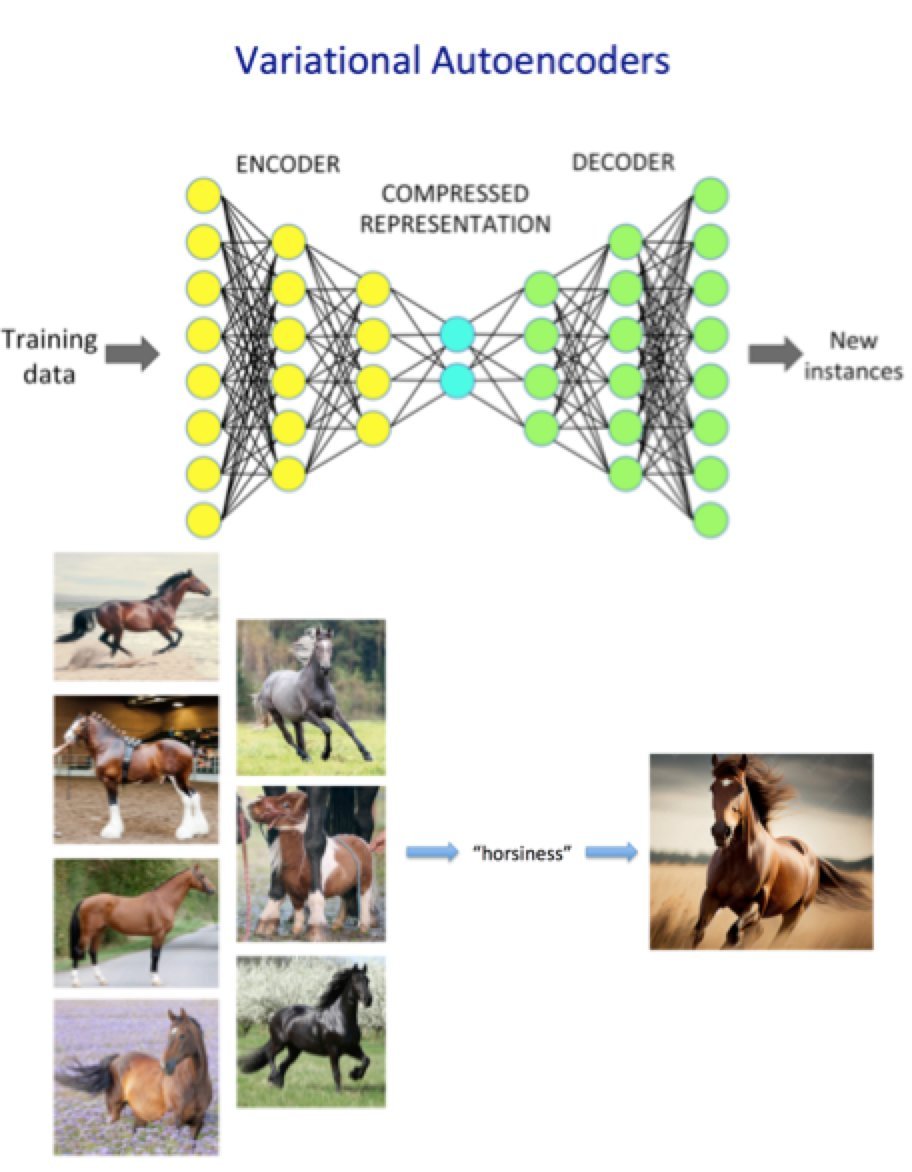
Implication: Forced choice concentrates evidence (shared candidate sets), so its behavior-derived similarity better predicts unseen hidden-state similarities even without logit access. This makes forced choice a practical probe for representation analysis.
1
23
Authors: Louis Schiekiera, Max Zimmer (@maxzimmerberlin), Christophe Roux (@chrisrx13), Sebastian Pokutta & Fritz Günther.
Data: huggingface.co/datasets/schi…
46
Louis Schiekiera retweeted

10 Jun 2025
🎉Our paper "Neural Discovery in Mathematics: Do Machines Dream of Colored Planes?" was selected for an ORAL (top 1%) presentation at #ICML25! 🎉
arXiv: arxiv.org/abs/2501.18527
blog: maxzimmer.org/blog/2025/neur…
🧵: coming soon
1
3
7
562

13 Nov 2025
Glad to be part of this initiative. PsychLing-101 will make it easier to connect and use psycholinguistic datasets across projects.
If you’re working with language processing data — join us!
12 Nov 2025

🚨 Inviting collaborators! 🚨
We’re launching PsychLing-101 — an open, community-driven initiative to gather psycholinguistic datasets for cross-dataset analyses and the development of psycholinguistic foundation models.
👉 To contribute, go to github.com/Data-X01/PsychLin…
1
27
4 Sep 2025
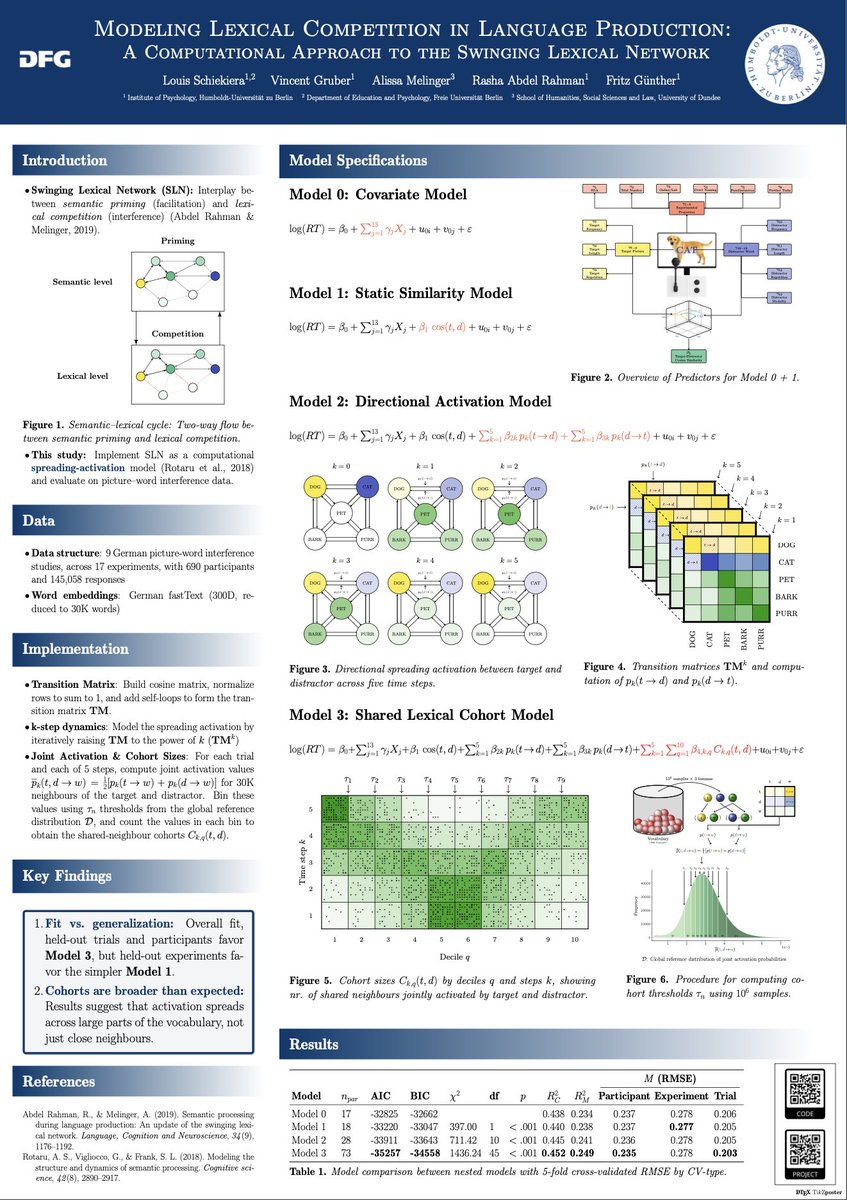
Excited to present our #ESCOP2025 poster on Friday 12:30 in Sheffield:
"Modeling Lexical Competition in Language Production: A Computational Approach to the Swinging Lexical Network".
Come chat about spreading activation, picture–word interference & computational modeling!
1
154
13 May 2025
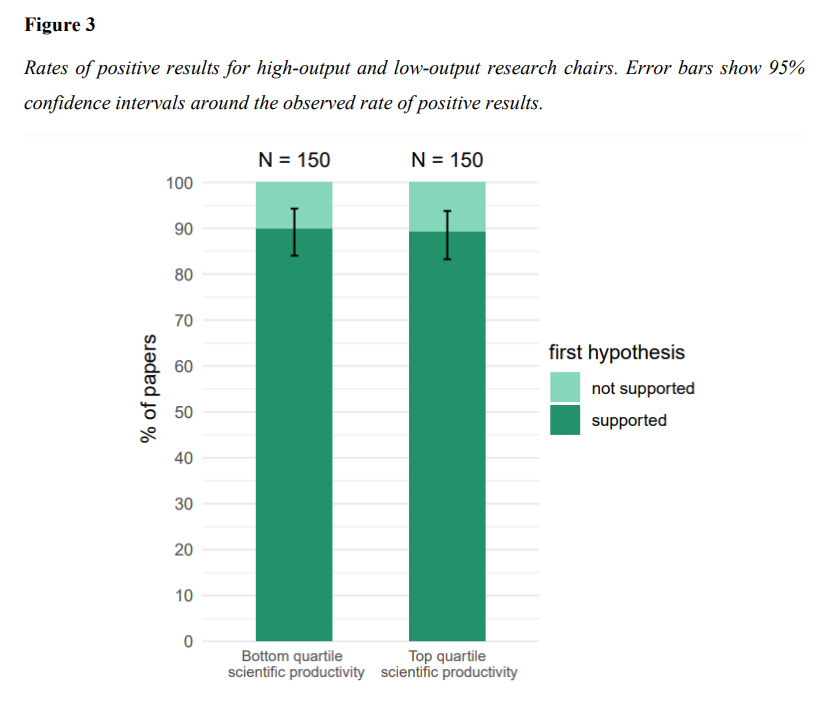
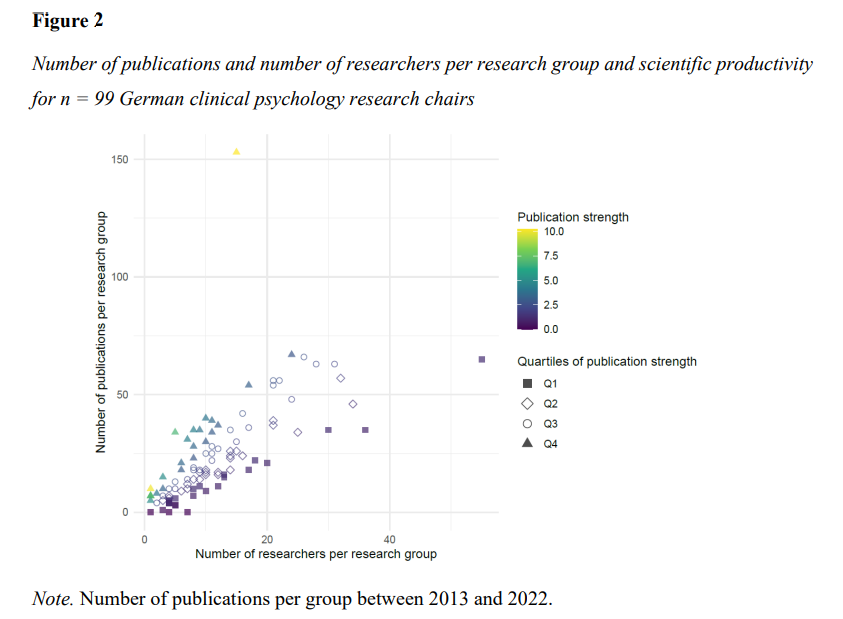
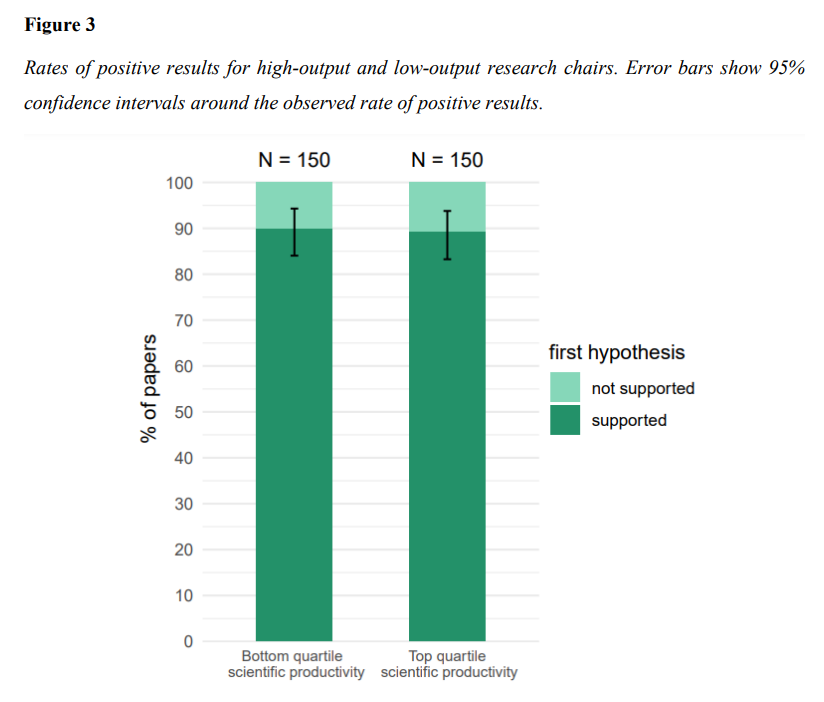
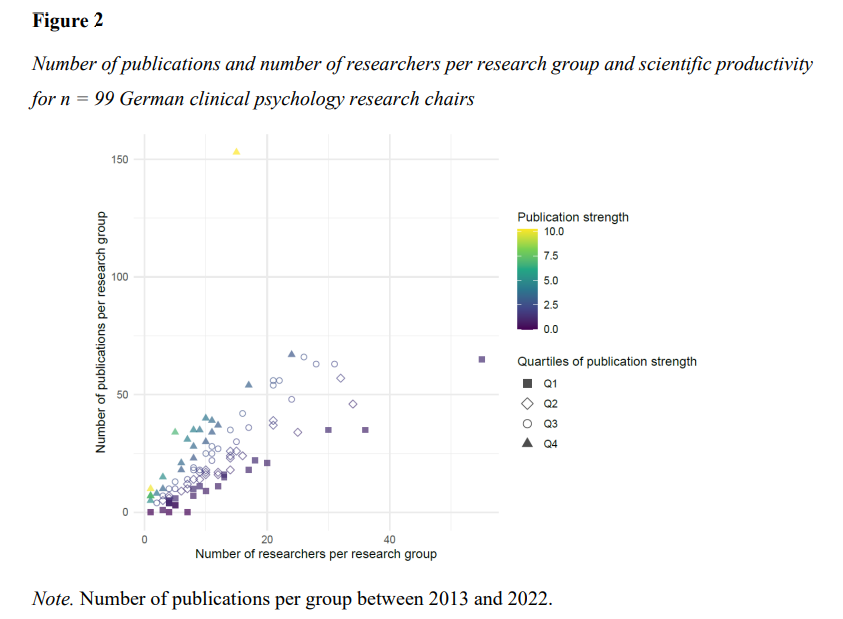
Our study "Does Scientific Productivity Increase the Publication of Positive Results?" is now published in Collabra: Psychology! Link: doi.org/10.1525/collabra.137… (1/4)
1
1
3
330
13 May 2025
New exploratory analyses (thanks to reviewer suggestions):
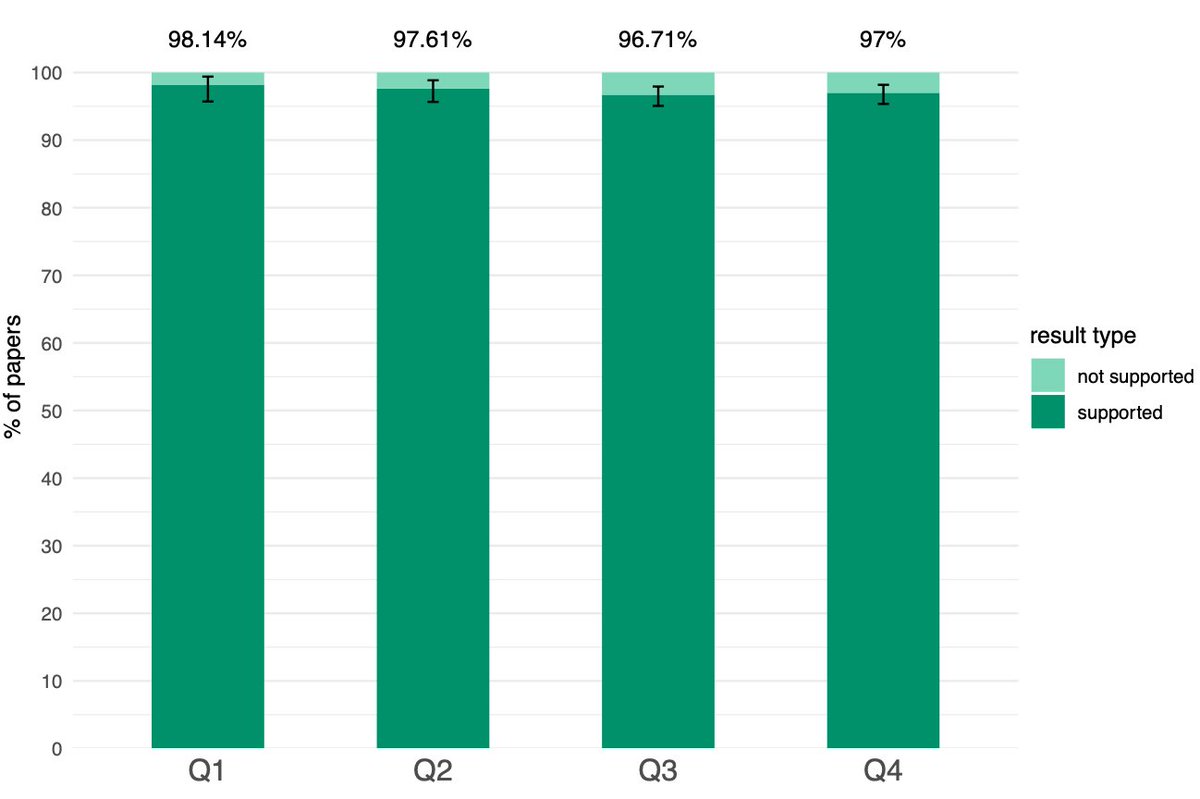
Even when analyzing ~2,000 abstracts across all SP quartiles, we still find no evidence that SP explains differences in positive result prevalence. (3/4).
1
41
13 May 2025
Thanks again to @annemscheel for the open materials and to my co-author @helen_niemeyer! (4/4)
34