
🇺🇸Support America First, Support Donald Trump ️✝️✡️Conservative;反对唯物论,反对全球化主义。支持个人持枪权!分别为圣!支持公民自决和独立。全球大宗商品分析和交易。替中共搞宣传的、抬杠的,谩骂的一律拉黑,自己去开贴搞宣传。三无账号和冒充地址的一律拉黑。
Joined October 2019
- Tweets 40,349
- Following 3,566
- Followers 32,830
- Likes 71,919
14,588 Photos and videos



Pinned Tweet

Jan 25
“只有当你通过智力努力而不是通过记忆获得时,知识才是真正的知识。
只有当我们忘记我们被教导的东西时,我们才会开始拥有真正的知识。”
—亨利·大卫·梭罗

15
68
374
251,539
Jun 12
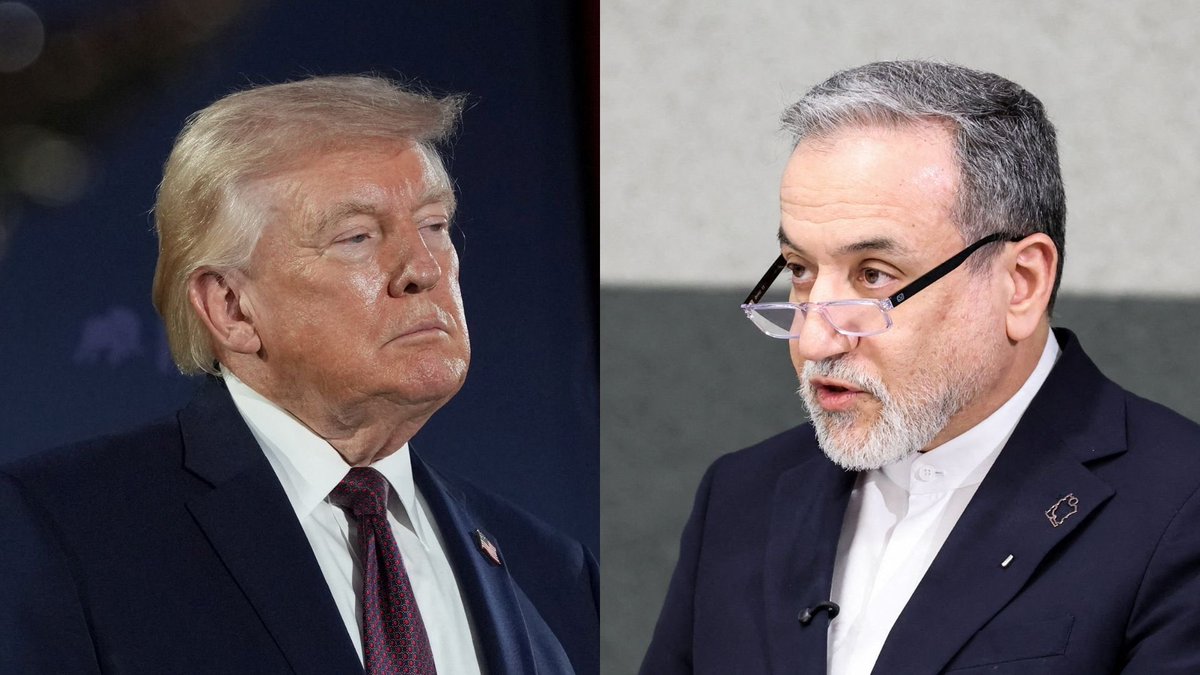
突发新闻 - 伊朗外交部长已确认,与美国的协议更接近最终敲定。
“伊斯兰堡谅解备忘录从未如此接近完成。在其最终敲定之前,媒体应避免对其内容的猜测。”
9
1
12
1,063
Jun 12
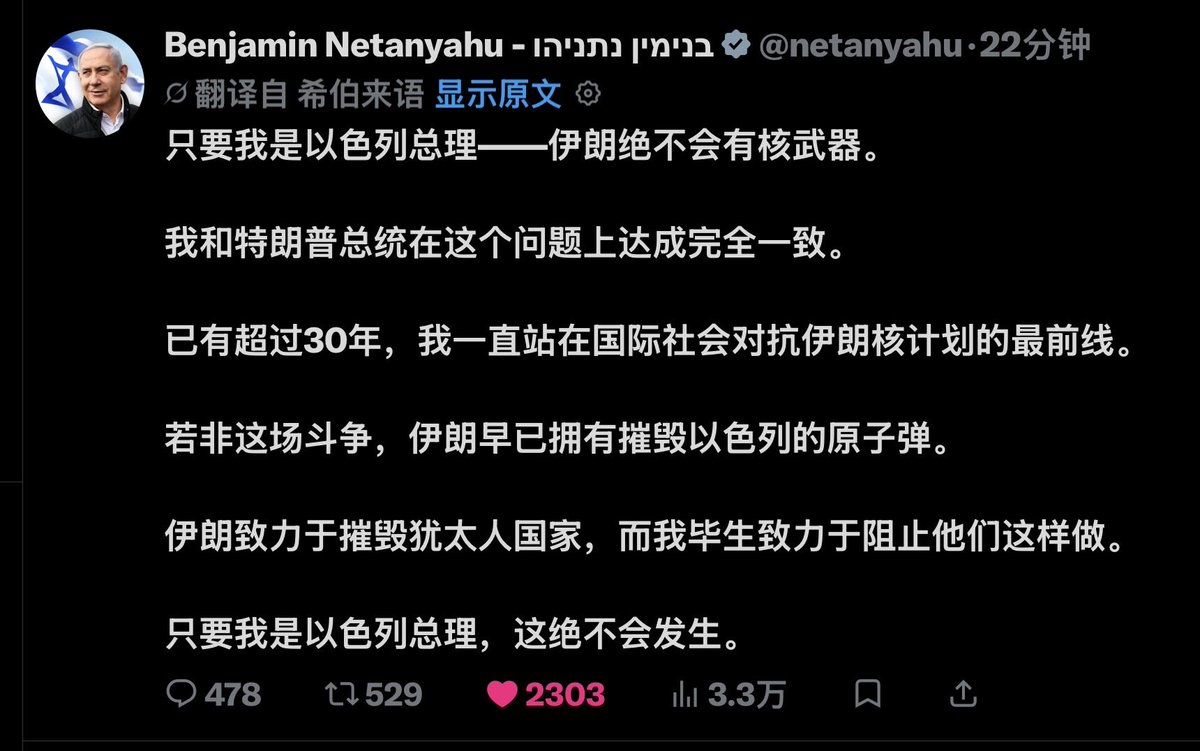
内塔尼亚胡再次重申:“只要我担任以色列总理,伊朗就不会拥有核武器。
川普总统与我在这一问题上完全一致。
三十多年来,我一直站在反对伊朗核计划的国际斗争的最前线。
若非这场斗争,伊朗早就拥有了足以摧毁以色列的原子弹。
伊朗企图摧毁这个犹太国家,而我毕生的使命就是阻止他们得逞。
只要我还是以色列总理,这种情况就绝不会发生。”
13
9
75
2,647
Jun 12
最新消息:
伊朗公布了一份与美国拟议的14点和平备忘录草案。
伊朗官方通讯社“梅尔通讯社”(Mehr)发布了这份伊朗与美国之间拟议的14点框架协议全文。
- 在包括黎巴嫩在内的所有战线上全面且立即停止战争;
- 美国承诺遵守不干涉伊朗内政的原则,并尊重伊朗的主权;
- 在30天内完全解除海上封锁;
- 在30天内恢复霍尔木兹海峡的正常通行,并顾及与伊朗达成的相关协议;
- 美国承诺从与伊朗接壤的地区撤军;
- 暂停对石油、石化产品及其衍生品销售的制裁,并允许伊朗完全使用其金融资源;
- 美国及其盟友必须提出一项价值至少3000亿美元的伊朗重建计划;
- 必须在60天内举行谈判,就核问题、全面解除所有制裁以及联合国安理会和国际原子能机构(IAEA)理事会相关决议达成最终协议;
- 确认伊朗遵守《不扩散核武器条约》并放弃生产核武器;
- 美国承诺在谈判期间不增加该地区的驻军数量,也不实施新的制裁;
- 在60天的最终谈判期内解冻240亿美元的伊朗资产,其中一半金额须在谈判开始前提供给伊朗;
- 建立监督机制以落实该协议;
- 最终协议须经联合国安理会决议批准;
- 只有在解冻一半伊朗资产、暂停石油制裁并解除海上封锁之后,才会开始最终谈判。
伊朗政权外交部指出,该文件仅为初步草案,德黑兰尚未做出最终决定。
5
1
2
2,392
Jun 12
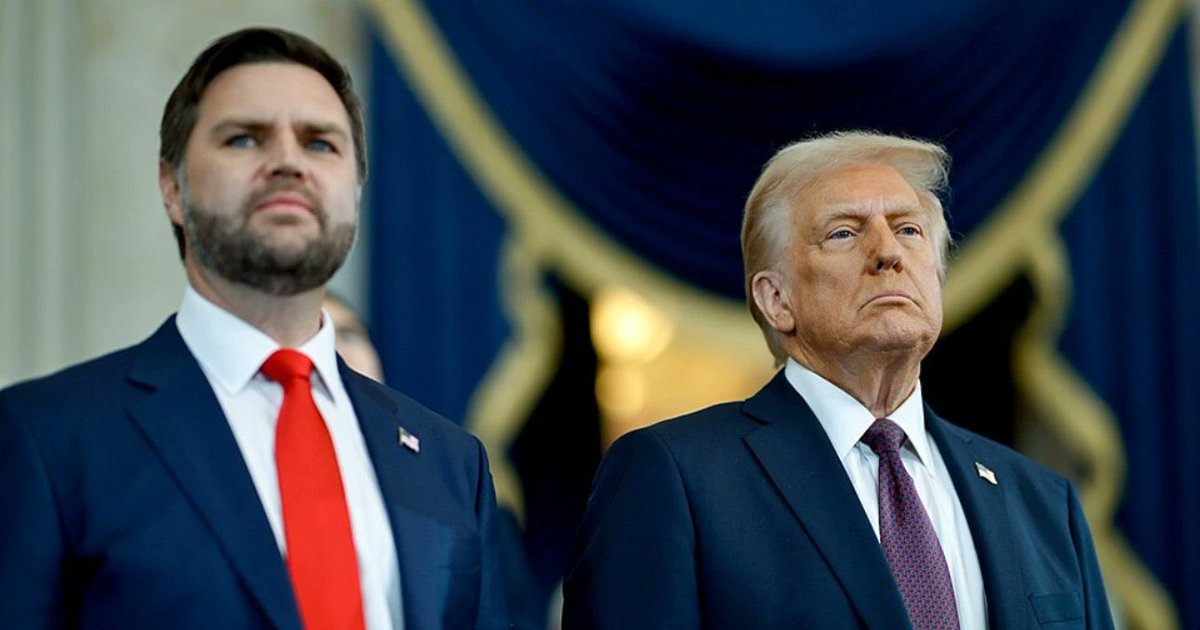
🚨一位调解外交官告诉Axios新闻网:“美国和伊朗已就协议文本达成一致。”
该协议涵盖以下内容:— 延长停火期限 — 重新开放霍尔木兹海峡 — 为期60天的核谈判
美国空军飞机已携带设备飞往欧洲,为签字仪式做准备。报道称,预计副总统万斯(而非特朗普)将出席,最早可能在本周末。
然而,德黑兰方面称有关最终协议的报道“纯属猜测”。
最终签字仍待定。全世界都在关注。
来源:@axios
3
2
9
2,206
Jun 12
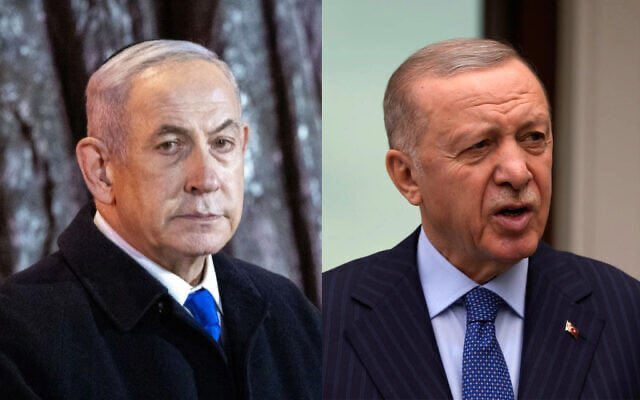
以色列总理本雅明·内塔尼亚胡严厉批评了土耳其总统雷杰普·塔伊普·埃尔多安,称其为“反犹太主义独裁者”,并指责他支持哈马斯、迫害库尔德人、压制国内反对派以及监禁政治对手。
内塔尼亚胡还表示,埃尔多安是“最没资格向以色列国说教道德的人”。
🇮🇱🇹🇷
8
17
153
2,970
Jun 12
Trump is not necessarily intent on signing a deal with Iran, as he clearly recognizes that even if an agreement were reached, Iran would likely fail to honor it. Instead, his priority is to reshape the global energy landscape and fundamentally weaken Iran by blocking the Strait of Hormuz. It is worth noting that U.S. energy companies stand to gain the most from a closure of the Strait. Data from the energy consultancy Rystad Energy indicates that if oil prices remain around $100 per barrel, U.S. oil and gas companies could generate over $60 billion in additional profits by 2026. Analyses by prominent social media influencers have missed the mark; in the current scenario, Trump emerges as the winner regardless of the outcome.
By blocking the Strait of Hormuz to sustain high oil prices, Trump not only cripples Iran's economy and diminishes its overall strength but also—and perhaps more importantly—forces China to switch to purchasing U.S. oil and gas; this represents a major shift in the global energy landscape. Trump’s current tactic against Iran’s mullah regime is to deliberately stall for time; prolonging the situation maintains high oil prices, thereby generating massive benefits for the U.S. Once the mullah regime collapses and free navigation through the Strait of Hormuz is restored, international crude oil prices will plummet, shifting the primary beneficiary from the U.S. to China—a scenario Trump is unlikely to facilitate by easily reopening the Strait.
It should be noted that while Trump maintains high oil prices, this is a strategy to be executed rather than openly discussed; naturally, if prices become excessively high, he will step in to temper them.
The United States has become the world's largest exporter of crude oil and fuel, displacing Russia and Saudi Arabia, which had long held energy dominance. The U.S. has topped the oil export rankings for three consecutive months; in May, exports reached 10.5 million barrels per day.
The United States has become the world's largest exporter of crude oil and fuel, displacing Russia and Saudi Arabia, which had long held energy dominance. Trump aims not only to sustain high oil prices until Iran's economy collapses but also to compel China to purchase U.S. oil and gas—a significant transformation in the global energy landscape. Specific Data (May 2026)
United States: Crude oil and fuel exports totaled approximately 10.5 million barrels per day (bpd) (based on Vortexa vessel-tracking data). This was driven by high production levels, the release of Strategic Petroleum Reserves (SPR), and global demand.
Russia: Approximately 7 million bpd (Reuters estimate).
Saudi Arabia: Approximately 5.9 million bpd (Vortexa data).
Consequently, the U.S. surpassed long-dominant players Russia and Saudi Arabia.
Comparison: 2025 (for reference)
Saudi Arabia: Approximately 8.1 million bpd.
United States: Approximately 6.6 million bpd.
Russia: Approximately 5.8 million bpd.
U.S. export volumes grew significantly in 2026, aided in part by geopolitical factors.
Background and Drivers
Since February 2026, U.S.-Iran tensions—including disruptions related to the Strait of Hormuz—have unsettled Middle East oil supplies, prompting refiners in Asia and Europe to turn to U.S. crude as an alternative source. Robust U.S. shale production (particularly from the Permian Basin), with crude output nearing or exceeding 13.7 million bpd, combined with SPR releases, further boosted exports.
The U.S. was already the world's largest crude oil producer and had become a net oil exporter in 2020. Export capacity expanded dramatically following the 2015 lifting of a 40-year export ban. Today, the U.S. leads in total export volume, shipping not only large quantities of crude oil but also significant amounts of refined products (such as diesel, gasoline, and jet fuel).
Data Note: The specific figures for May come from the vessel-tracking service Vortexa (a real-time estimation method widely used in the industry)
2
5
1,075
Jun 12
and were cross-verified by Reuters. Weekly reports from the U.S. Energy Information Administration (EIA) also show U.S. exports of crude oil and petroleum products at historic highs during this period—with weekly figures often fluctuating between 12 million and 14 million bpd—consistent with the monthly estimates cited above. Overall, driven by the shale revolution and the current international landscape, the United States has transformed from a nation historically dependent on Middle East oil imports—having once been a victim of the 1973 Arab oil embargo—into a leading global energy exporter. This represents a major shift in the global energy landscape.
1
4
659
Jun 12
川普并不在乎伊朗是否会签署协议,因为川普清楚的认识到即使与伊朗签署了协议也是不可能得到伊朗的执行。因此,川普在乎的是改变全球能源格局,在乎的是通过封锁霍尔木兹海峡来彻底削弱伊朗的实力。要知道美国能源公司是霍尔木兹海峡关闭的主要受益者。能源咨询机构Rystad Energy的数据指出,如果油价维持在每桶100美元左右,美国油气公司在2026年可能获得超过600亿美元的额外利润。那些自媒体大V的分析方向错了,现在川普无论如何都是赢家!
川普通过封锁霍尔木兹海峡来维持高油价,既能拖垮伊朗经济,全面削弱伊朗的实力,川普更大的目的就是逼着中共国不得不转而购买美国油气,这是世界能源格局的重大改变!川普总统现在对付伊朗毛拉政权的战术就是有意拖时间,拖才能维持高油价,那样才能给美国带来巨大利益。一旦毛拉政权被摧垮霍尔木兹海峡就会完全自由航行,到时国际原油就会“像石头一样下坠”,到时最大得益者就会从美国转到中共国,川普不可能轻易打开霍尔木兹海峡。
需要指出的是,川普维持高油价只能做不能说,当然油价太高了川普也会出来平抑一下。
美国已成为全球最大的原油和燃料出口国,取代了长期占据能源霸主地位的俄罗斯和沙特阿拉伯。美国已连续第三个月位居石油出口榜首。5月份,这一数字达到每天1050万桶。
美国已成为全球最大的原油和燃料出口国,取代了长期占据能源霸主地位的俄罗斯和沙特阿拉伯。川普不仅要把高油价维持到拖垮伊朗的经济崩溃,还要让中共国不得不购买美国油气,这个是能源大格局重大变化。
具体数据(5月2026)
美国:原油和燃料出口量约1050万桶/天(Vortexa船舶追踪数据)。这是由高产量、战略石油储备释放以及全球需求推动的。
俄罗斯:约700万桶/天(路透社估算)。
沙特阿拉伯:约590万桶/天(Vortexa数据)。
美国因此超越了长期占据主导地位的俄罗斯和沙特阿拉伯。
2025年对比(作为参考)
沙特阿拉伯:约810万桶/天。
美国:约660万桶/天。
俄罗斯:约580万桶/天。
美国出口量在2026年显著增长,部分得益于地缘政治因素。
背景与原因
自2026年2月以来,美伊冲突(包括霍尔木兹海峡相关 disruptions)扰乱了中东石油供应,亚洲和欧洲炼油商转向美国原油作为替代来源。美国页岩油(尤其是二叠纪盆地)产量强劲(原油产量接近或超过1370万桶/天),加上战略储备释放,进一步推高了出口。
美国早已是全球最大原油生产国,并自2020年起成为石油净出口国。2015年解除40年出口禁令后,其出口能力大幅提升。现在,它不仅出口大量原油,还出口大量精炼产品(如柴油、汽油、喷气燃料),总出口量领先。
数据说明:5月具体数字来自船舶追踪服务Vortexa(行业常用实时估算方法),路透社进行了交叉验证。美国能源信息署(EIA)的周度报告也显示同期美国原油 石油产品出口处于历史高位(每周数据常在1200-1400万桶/天区间波动),与上述月度估算一致。
总体而言,美国凭借页岩革命和当前国际形势,已从历史上依赖中东石油进口(1973年阿拉伯石油禁运的受害者)转变为全球能源出口主导者之一。这是全球能源格局重大转变。
Jun 12

美国已成为全球最大的原油和燃料出口国,取代了长期占据能源霸主地位的俄罗斯和沙特阿拉伯。美国已连续第三个月位居石油出口榜首。5月份,这一数字达到每天1050万桶。
川普总统现在对付伊朗毛拉政权的战术就是有意拖时间,拖才能维持高油价,那样才能给美国带来巨大利益。一旦伊朗毛拉政权被彻底摧垮,霍尔木兹海峡就会完全自由航行,到时国际原油就会“像石头一样下坠”,最大得益者就会从美国转到中共国。
美国已成为全球最大的原油和燃料出口国,取代了长期占据能源霸主地位的俄罗斯和沙特阿拉伯。川普不仅要把高油价维持到拖垮伊朗的经济崩溃,还要让中共国不得不购买美国油气,这个是能源大格局重大变化。
具体数据(5月2026)
美国:原油和燃料出口量约1050万桶/天(Vortexa船舶追踪数据)。这是由高产量、战略石油储备释放以及全球需求推动的。 reuters.com
俄罗斯:约700万桶/天(路透社估算)。
沙特阿拉伯:约590万桶/天(Vortexa数据)。
美国因此超越了长期占据主导地位的俄罗斯和沙特阿拉伯。 reuters.com
2025年对比(作为参考)
沙特阿拉伯:约810万桶/天。
美国:约660万桶/天。
俄罗斯:约580万桶/天。
美国出口量在2026年显著增长,部分得益于地缘政治因素。
背景与原因
自2026年2月以来,美伊冲突(包括霍尔木兹海峡相关 disruptions)扰乱了中东石油供应,亚洲和欧洲炼油商转向美国原油作为替代来源。美国页岩油(尤其是二叠纪盆地)产量强劲(原油产量接近或超过1370万桶/天),加上战略储备释放,进一步推高了出口。 reuters.com
美国早已是全球最大原油生产国,并自2020年起成为石油净出口国。2015年解除40年出口禁令后,其出口能力大幅提升。现在,它不仅出口大量原油,还出口大量精炼产品(如柴油、汽油、喷气燃料),总出口量领先。
数据说明:5月具体数字来自船舶追踪服务Vortexa(行业常用实时估算方法),路透社进行了交叉验证。美国能源信息署(EIA)的周度报告也显示同期美国原油 石油产品出口处于历史高位(每周数据常在1200-1400万桶/天区间波动),与上述月度估算一致。 eia.gov
总体而言,美国凭借页岩革命和当前国际形势,已从历史上依赖中东石油进口(1973年阿拉伯石油禁运的受害者)转变为全球能源出口主导者之一。这是全球能源格局重大转变。
2
5
28
5,729
Jun 12
美国已成为全球最大的原油和燃料出口国,取代了长期占据能源霸主地位的俄罗斯和沙特阿拉伯。美国已连续第三个月位居石油出口榜首。5月份,这一数字达到每天1050万桶。
川普总统现在对付伊朗毛拉政权的战术就是有意拖时间,拖才能维持高油价,那样才能给美国带来巨大利益。一旦伊朗毛拉政权被彻底摧垮,霍尔木兹海峡就会完全自由航行,到时国际原油就会“像石头一样下坠”,最大得益者就会从美国转到中共国。
美国已成为全球最大的原油和燃料出口国,取代了长期占据能源霸主地位的俄罗斯和沙特阿拉伯。川普不仅要把高油价维持到拖垮伊朗的经济崩溃,还要让中共国不得不购买美国油气,这个是能源大格局重大变化。
具体数据(5月2026)
美国:原油和燃料出口量约1050万桶/天(Vortexa船舶追踪数据)。这是由高产量、战略石油储备释放以及全球需求推动的。 reuters.com
俄罗斯:约700万桶/天(路透社估算)。
沙特阿拉伯:约590万桶/天(Vortexa数据)。
美国因此超越了长期占据主导地位的俄罗斯和沙特阿拉伯。 reuters.com
2025年对比(作为参考)
沙特阿拉伯:约810万桶/天。
美国:约660万桶/天。
俄罗斯:约580万桶/天。
美国出口量在2026年显著增长,部分得益于地缘政治因素。
背景与原因
自2026年2月以来,美伊冲突(包括霍尔木兹海峡相关 disruptions)扰乱了中东石油供应,亚洲和欧洲炼油商转向美国原油作为替代来源。美国页岩油(尤其是二叠纪盆地)产量强劲(原油产量接近或超过1370万桶/天),加上战略储备释放,进一步推高了出口。 reuters.com
美国早已是全球最大原油生产国,并自2020年起成为石油净出口国。2015年解除40年出口禁令后,其出口能力大幅提升。现在,它不仅出口大量原油,还出口大量精炼产品(如柴油、汽油、喷气燃料),总出口量领先。
数据说明:5月具体数字来自船舶追踪服务Vortexa(行业常用实时估算方法),路透社进行了交叉验证。美国能源信息署(EIA)的周度报告也显示同期美国原油 石油产品出口处于历史高位(每周数据常在1200-1400万桶/天区间波动),与上述月度估算一致。 eia.gov
总体而言,美国凭借页岩革命和当前国际形势,已从历史上依赖中东石油进口(1973年阿拉伯石油禁运的受害者)转变为全球能源出口主导者之一。这是全球能源格局重大转变。
Jun 11
伊朗战事阻断印度海湾气源,美国已一跃成为印度头号天然气供应国
5月,美国超越其他国家,成为印度液化天然气、液化石油气第一大供应来源。
中东冲突导致霍尔木兹海峡航运受阻,印度难以从海湾产油国进口油气。
在美国政府大力推动对南亚出口能源的政策下,印度自美国采购的天然气规模持续稳步增长。
受霍尔木兹海峡航运中断影响,海湾国家对印度油气运输量大幅下滑,5 月美国一举成为印度液化天然气(LNG)与液化石油气(LPG)最大供应国。
印度 60% 的液化天然气、几乎全部液化石油气都依靠这条关键航道进口。自 2 月 28 日美以首次打击伊朗以来,霍尔木兹海峡航运秩序持续受扰。
能源数据分析机构克拉克森(Kpler)数据显示:5 月美国向印度出口液化石油气 63 万吨,而印度从所有海湾国家合计进口量仅 38 万吨,美国供货规模高出约六成。
克拉克森统计,5 月美国向印度出口液化天然气 90 万吨,占印度当月总需求四成以上,相较 4 月供应量翻了三倍。
业内专家表示,中东冲突推高了美国油气出口规模,而美国政府长期推动扩大对印能源出口,同样是增长核心推手。早在冲突爆发前,印美两国能源贸易合作就已持续深化。
能源情报机构克拉克森首席研究分析师苏米特・里托利亚在 CNBC 采访中称:“未来印美能源贸易的核心将逐步聚焦天然气领域。”
他补充道,美国页岩油气资源储量丰厚、出口配套设施持续扩建,在印度推进天然气进口来源多元化的进程中占据得天独厚的优势。
美国抢占印度市场份额。
冲突爆发前,高昂海运成本一直制约美国天然气在印度市场拓展份额。而印度气源断供海湾后,不得不加大采购美国油气船货。
雷斯塔德能源大宗商品市场(原油、凝析油、液化石油气、石脑油)高级副总裁马尼什・塞杰瓦尔通过邮件向 CNBC 表示:“在此之前,中东液化石油气到岸成本长期低于美国货源,美国始终难以打开印度市场。”
塞杰瓦尔预测,截至 6 月底,美国对印度液化石油气出口量或将突破 100 万吨大关。
液化石油气在印度主要用作居民炊事燃料,其供应稳定与价格波动具备高度政治敏感性,印度官方一直出台政策,避免国内普通家庭承受国际油气涨价冲击。
国际投行野村证券周三发布研报指出,印度天然气进口格局转向,美国是 “最大受益方”;报告测算,美国对印度油气出口量较冲突前暴涨 8 倍。
野村印度能源股票分析师比内特・班卡向 CNBC 分析,美国希望缩减印度对美贸易顺差,“扩大能源进口或是印度实现这一目标最可行的方式”。
班卡同时坦言,从美国进口液化天然气的成本高于海湾气源,但 “眼下印度可选渠道十分有限”。
伊朗冲突爆发后,印度卢比对美元持续贬值,能源进口账单攀升是重要诱因。印度是全球第三大原油进口国、第四大液化天然气进口国、第二大液化石油气进口国。
1
9
8,001
Jun 11
“伊朗政权玩弄的这场零和博弈终将失败。
它对我们在海湾地区的盟友造成的任何损失,都将由从伊朗账户中挪用的资金来偿还。
任何支付给波斯湾海峡管理局的通行费,都将由从其账户中挪用的资金来抵消。
伊朗发动的每一次袭击,只会加剧它所面临的经济和金融后果。”
——斯科特·贝森特
3
11
79
2,536
Jun 11
伊朗战事阻断印度海湾气源,美国已一跃成为印度头号天然气供应国
5月,美国超越其他国家,成为印度液化天然气、液化石油气第一大供应来源。
中东冲突导致霍尔木兹海峡航运受阻,印度难以从海湾产油国进口油气。
在美国政府大力推动对南亚出口能源的政策下,印度自美国采购的天然气规模持续稳步增长。
受霍尔木兹海峡航运中断影响,海湾国家对印度油气运输量大幅下滑,5 月美国一举成为印度液化天然气(LNG)与液化石油气(LPG)最大供应国。
印度 60% 的液化天然气、几乎全部液化石油气都依靠这条关键航道进口。自 2 月 28 日美以首次打击伊朗以来,霍尔木兹海峡航运秩序持续受扰。
能源数据分析机构克拉克森(Kpler)数据显示:5 月美国向印度出口液化石油气 63 万吨,而印度从所有海湾国家合计进口量仅 38 万吨,美国供货规模高出约六成。
克拉克森统计,5 月美国向印度出口液化天然气 90 万吨,占印度当月总需求四成以上,相较 4 月供应量翻了三倍。
业内专家表示,中东冲突推高了美国油气出口规模,而美国政府长期推动扩大对印能源出口,同样是增长核心推手。早在冲突爆发前,印美两国能源贸易合作就已持续深化。
能源情报机构克拉克森首席研究分析师苏米特・里托利亚在 CNBC 采访中称:“未来印美能源贸易的核心将逐步聚焦天然气领域。”
他补充道,美国页岩油气资源储量丰厚、出口配套设施持续扩建,在印度推进天然气进口来源多元化的进程中占据得天独厚的优势。
美国抢占印度市场份额。
冲突爆发前,高昂海运成本一直制约美国天然气在印度市场拓展份额。而印度气源断供海湾后,不得不加大采购美国油气船货。
雷斯塔德能源大宗商品市场(原油、凝析油、液化石油气、石脑油)高级副总裁马尼什・塞杰瓦尔通过邮件向 CNBC 表示:“在此之前,中东液化石油气到岸成本长期低于美国货源,美国始终难以打开印度市场。”
塞杰瓦尔预测,截至 6 月底,美国对印度液化石油气出口量或将突破 100 万吨大关。
液化石油气在印度主要用作居民炊事燃料,其供应稳定与价格波动具备高度政治敏感性,印度官方一直出台政策,避免国内普通家庭承受国际油气涨价冲击。
国际投行野村证券周三发布研报指出,印度天然气进口格局转向,美国是 “最大受益方”;报告测算,美国对印度油气出口量较冲突前暴涨 8 倍。
野村印度能源股票分析师比内特・班卡向 CNBC 分析,美国希望缩减印度对美贸易顺差,“扩大能源进口或是印度实现这一目标最可行的方式”。
班卡同时坦言,从美国进口液化天然气的成本高于海湾气源,但 “眼下印度可选渠道十分有限”。
伊朗冲突爆发后,印度卢比对美元持续贬值,能源进口账单攀升是重要诱因。印度是全球第三大原油进口国、第四大液化天然气进口国、第二大液化石油气进口国。
1
1
13
4,037
Jun 11
突发:5月PPI通胀率飙升至6.5%,高于预期的6.4%,为2022年11月以来的最高水平。
核心PPI通胀率报4.9%,与4月修正后的水平一致。
PPI通胀率现在已达到疫情刺激时期的水平。
加息概率持续上升。
2
5
1,244
Jun 11
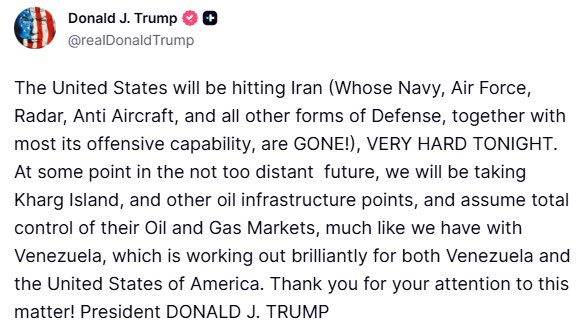
川普总统发文称,美国将夺取哈尔克岛并掌控伊朗的石油和天然气市场
“今晚,美国将对伊朗(其海军、空军、雷达、防空系统及各类防御设施,连同大部分进攻能力,均已荡然无存!)实施猛烈打击。在不久的将来,我们将夺取哈尔克岛(Kharg Island)及其他石油基础设施要地,并全面掌控其油气市场——正如我们对待委内瑞拉那样,而这种做法对委内瑞拉和美国双方而言,成效都极为显著。感谢各位关注此事!——唐纳德·J·川普总统”
4
4
37
2,672
Jun 11
隔夜要闻精选
OpenAI 正考虑大幅降低向用户收取的费用,以期从竞争对手 Anthropic 手中争夺客户。据知情人士透露,该公司正在权衡大幅下调“Token”(即人工智能公司用于产品计费的计量单位)价格的方案。——《华尔街日报》
唐纳德·川普告诉福克斯新闻(Fox News),除非伊朗接受一项临时和平协议,否则美国将对其实施更多打击。此前,两国之间刚刚发生了一夜的冲突。伊朗通知获准通过霍尔木兹海峡的船只等待指令,并宣布该海峡在另行通知前处于关闭状态。——彭博社
尽管双方均发动了打击行动,但据三位伊朗消息人士和一位欧洲官员周四向路透社透露,旨在结束伊朗与美国敌对状态的临时协议谈判已在加紧进行;交战各方正就如何解冻伊朗资金进行讨论。——路透社
在伊朗冲突期间,中国原油进口量的大幅下降在抑制油价和维持全球经济平稳运行方面发挥了关键作用。关于那“消失的300万桶”石油(即中国通常会进口但目前未进口的份额)的谜团,线索正逐渐浮出水面:中国民众驾驶燃油车的频率降低,且更多选择乘坐火车而非飞机出行。——《华尔街日报》
SK海力士(SK Hynix)计划在5年内将产能翻一番,并在2034年前将产能提升至目前的三倍。——《日本经济新闻》
在监管机构批评主要电商平台存在误导性促销行为后,阿里巴巴和京东的股价双双下跌。——彭博社
欧洲央行几乎肯定会在周四加息,旨在将高通胀苗头扼杀在摇篮中,防止由伊朗冲突引发的能源成本飙升进一步蔓延至整个欧元区经济。——路透社
标普(S&P)将阿根廷的信用评级上调至 B-,理由是总统哈维尔·米莱(Javier Milei)实施了财政紧缩政策,且该国的流动性状况有所改善。——彭博社
尼克斯队(Knicks)在NBA总决赛第四场比赛中上演了历史上最大规模的逆转好戏,在一度落后29分的情况下奋起直追,最终以107比106击败圣安东尼奥马刺队(San Antonio Spurs)。这场胜利使纽约队在系列赛中以3比1领先,距离夺得自1973年以来的首个NBA总冠军仅差一场胜利。——彭博社
1
1
573
Jun 11
中共国外交部发言人宣布中方对菲律宾国防部长特奥多罗及其亲属实施制裁
菲律宾国防部长特奥多罗多次发表涉华谬论,损害中方正当利益,破坏中菲两国关系。为维护中国国家主权、安全、发展利益,中方决定,禁止特奥多罗及其配偶、子女入境中国内地和香港、澳门,禁止中国境内的组织、个人与特奥多罗及其配偶、子女进行任何交易、合作等活动。
2026年6月11日
1
1
9
1,257
Jun 11
突发消息
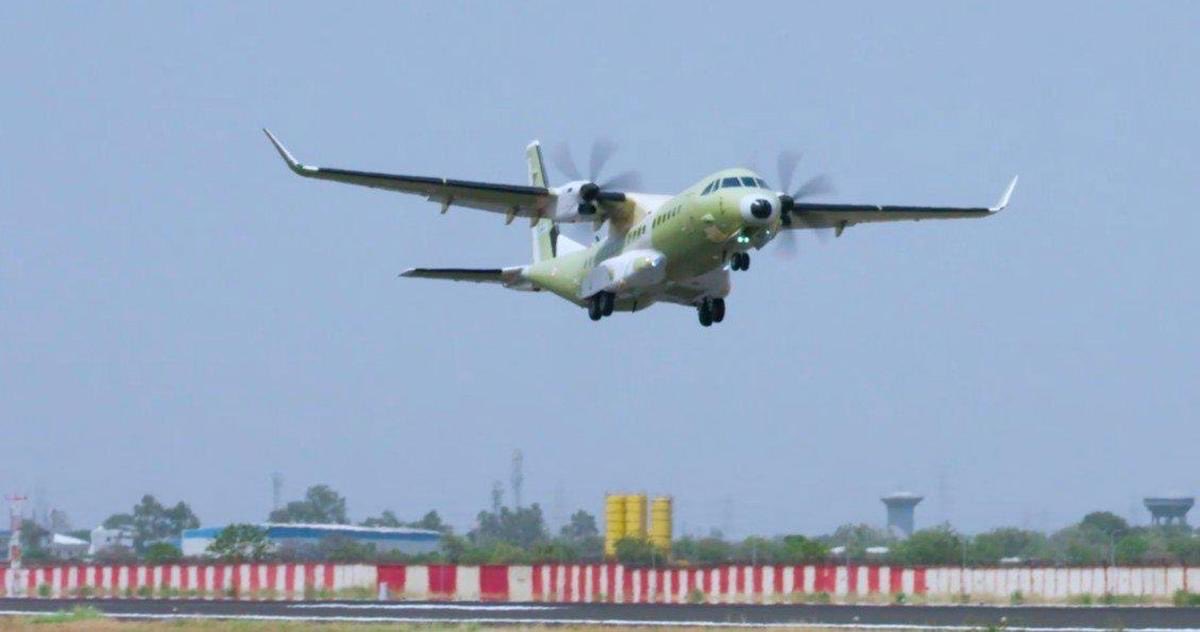
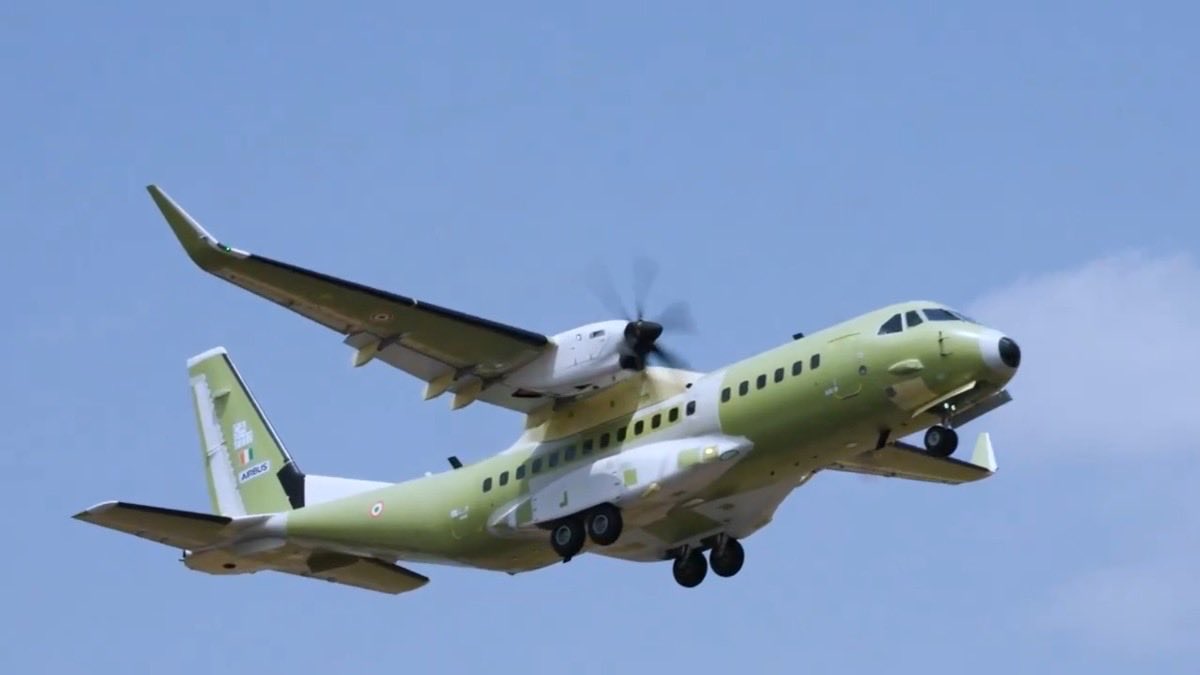
印度制造的首架空客 C295 飞机已成功完成试飞!
该机从位于瓦多达拉(Vadodara)的塔塔-空客(Tata-Airbus)工厂起飞,标志着印度国防与航空航天制造业在迈向自主生产的征程中又迈出了新的一步 🔥
20
2
21
4,080
Jun 11
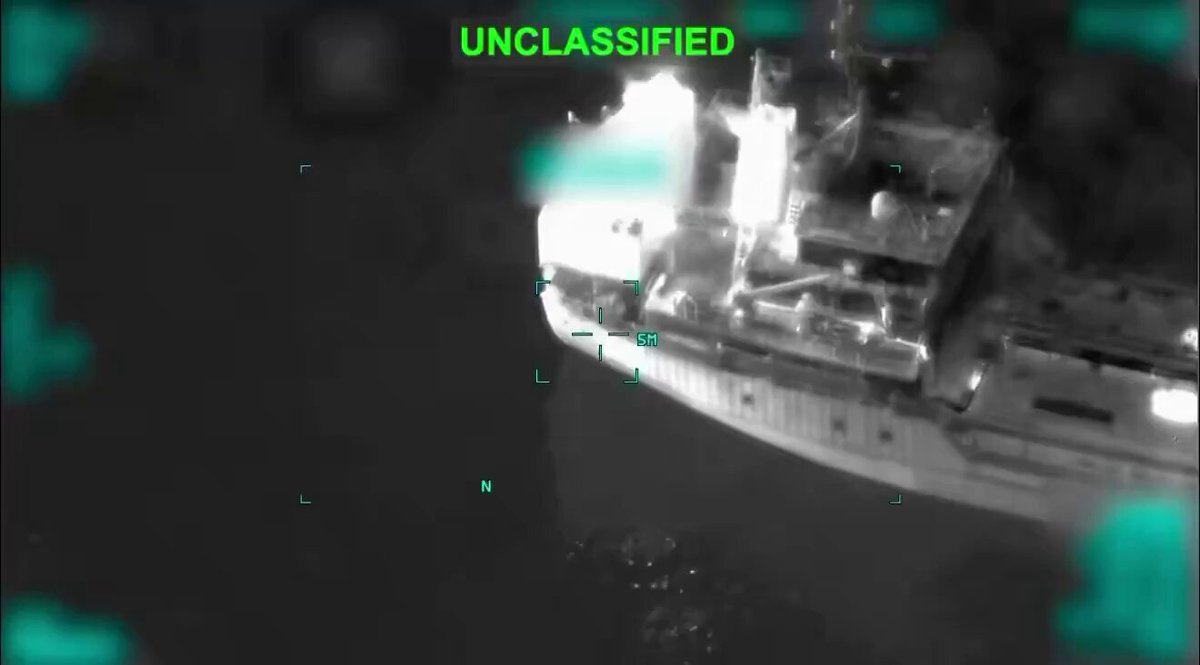
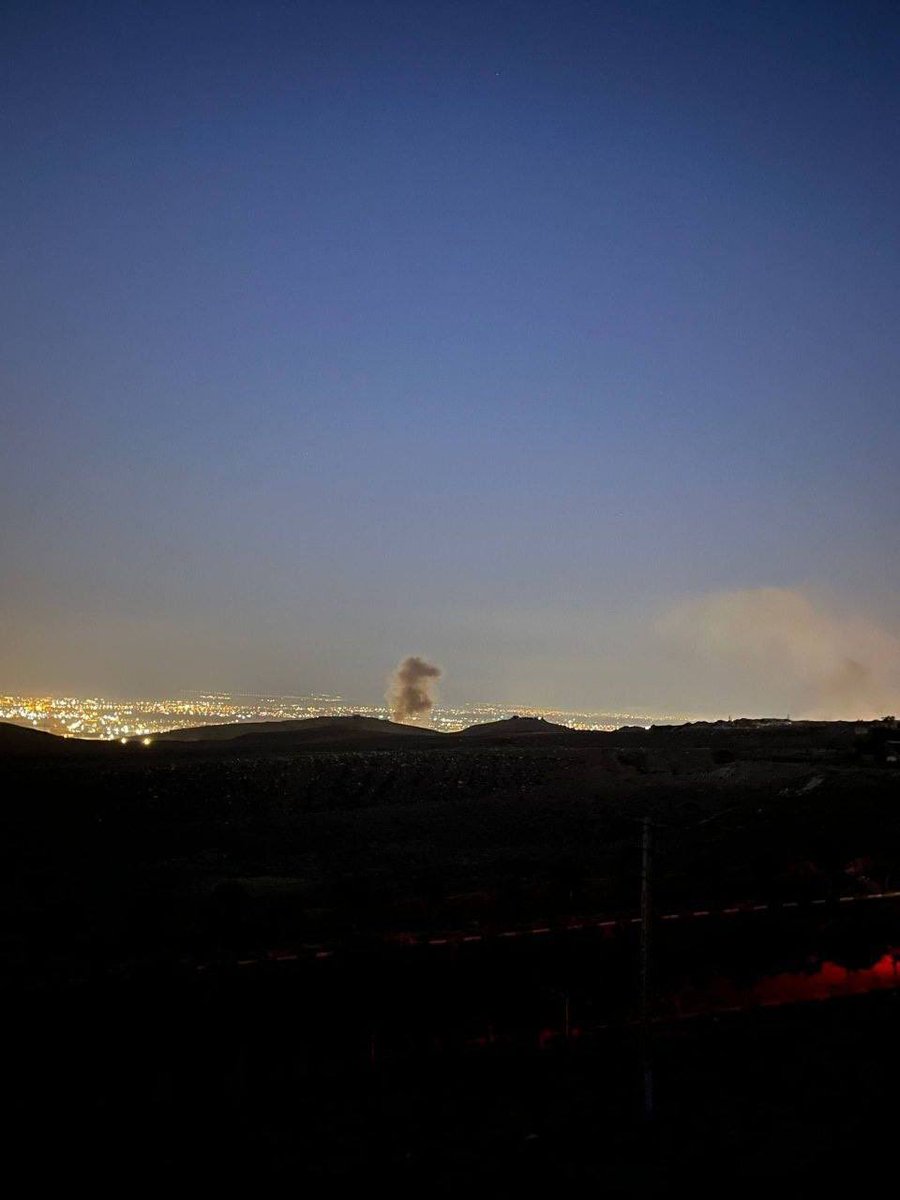
🚨🇺🇸🇮🇷 最新:美军对伊朗卡拉季(Karaj)的帕亚姆国际机场(Payam International Airport)发动了猛烈的精确空袭。该机场是非法军事供应链的关键枢纽,直接接收经由受制裁的中俄货轮卸载、再通过秘密航班转运而来的隐蔽武器部件。
2
3
43
1,631