Official journal of AASLD-delivering high-quality research in liver transplantation | Editors: Andrés Cárdenas & Timuçin Taner |RT≠endorsement
Joined October 2016
- Tweets 3,475
- Following 115
- Followers 6,429
- Likes 1,443
1,276 Photos and videos

Pinned Tweet

Entering our fourth decade: The next chapter of Liver Transplantation by @acv69cardenas @timucin_taner
journals.lww.com/lt/citation…
4
17
2,413
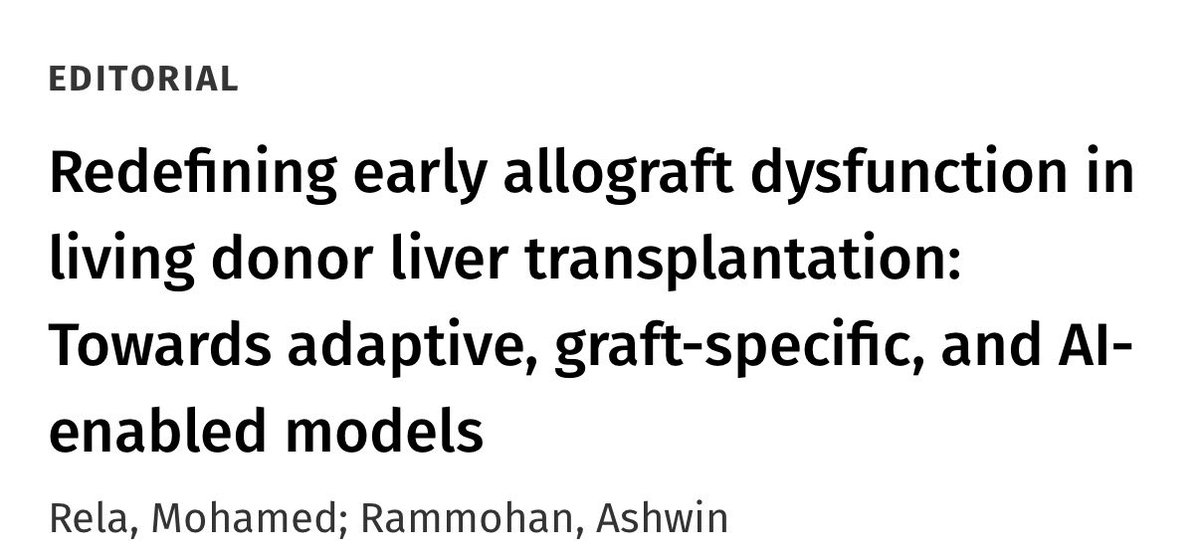
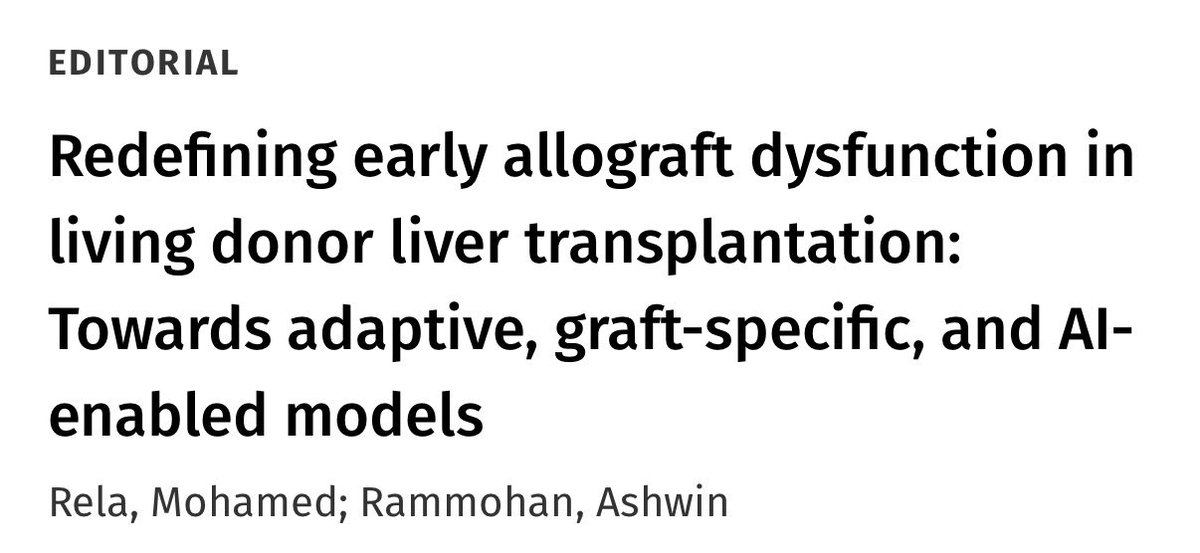
Redefining early allograft dysfunction in living donor liver transplantation: Towards adaptive, graft-specific, and AI-enabled models
journals.lww.com/lt/citation…
4
7
509
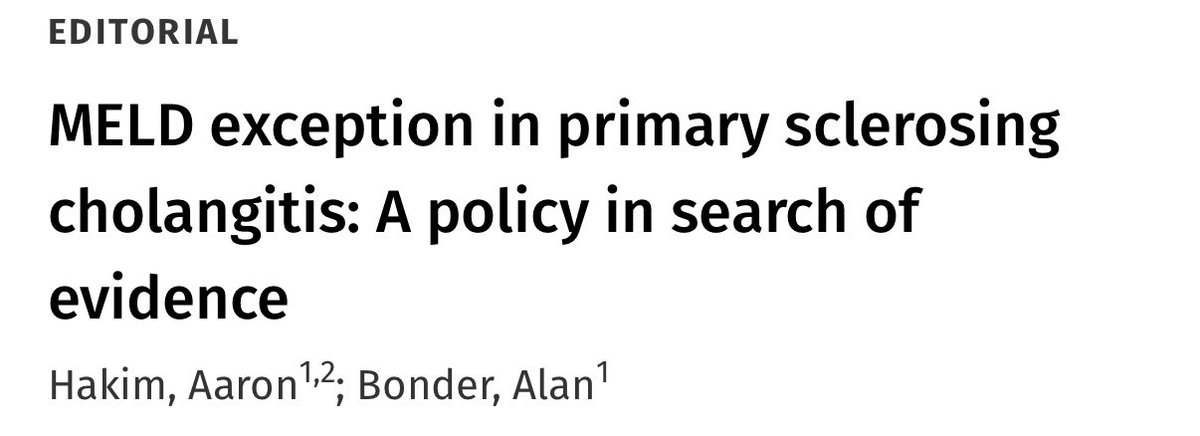
MELD exception in primary sclerosing cholangitis: A policy in search of evidence
journals.lww.com/lt/citation…
4
11
676
Liver Transplantation Journal (LTxJournal) retweeted

Jun 11
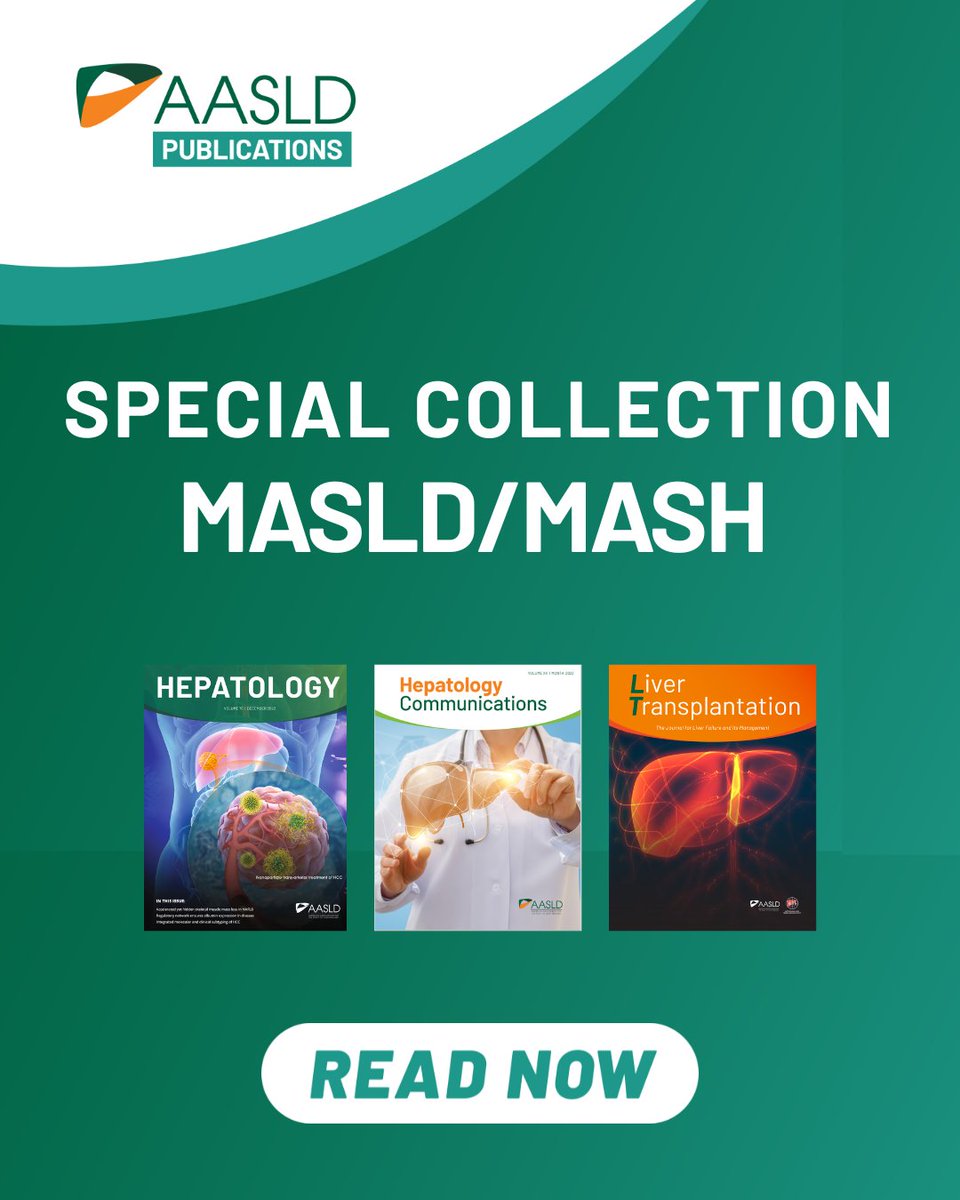
Today is #WorldMASHDay.
As the prevalence of #MASH and #MASLD continues to rise worldwide, staying current on the latest research is more important than ever.
Explore this #AASLD Publications Collection featuring recent articles in @HEP_Journal, @LTxJournal, and @HepCommJournal that are advancing the understanding, diagnosis, and management of #steatotic #liverdisease. #FattyLiverDay
➡️View the collection here: bit.ly/3vXYuaQ.
1
9
14
1,241
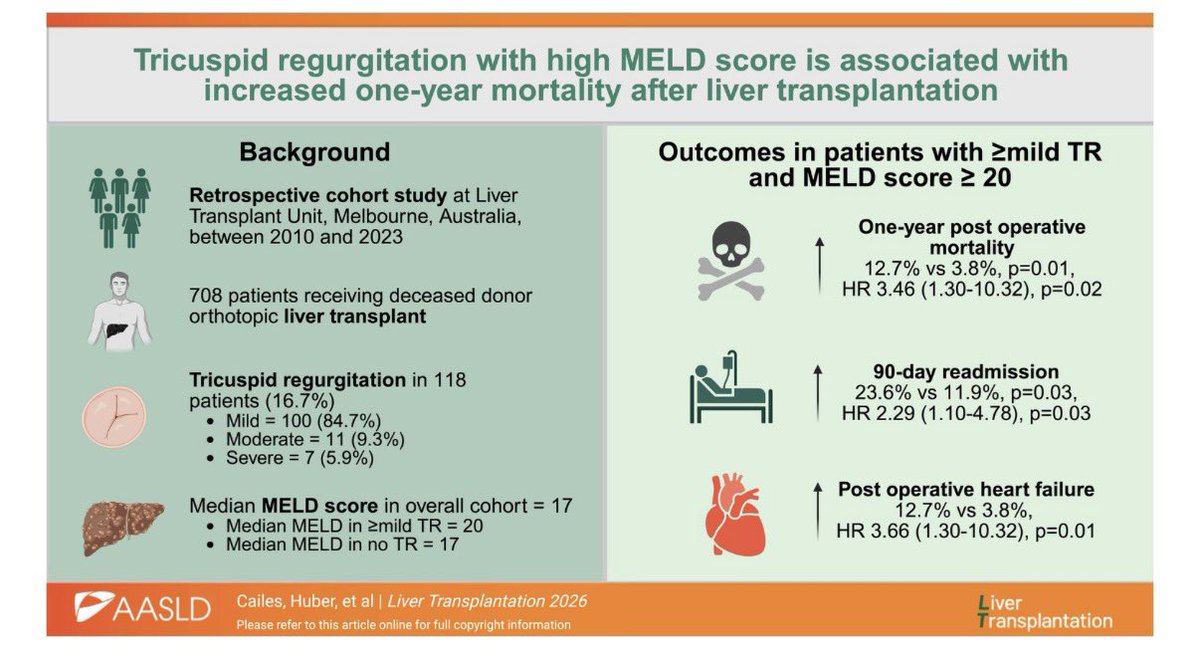
Tricuspid regurgitation predicts mortality after liver transplantation in patients with high MELD score: A retrospective cohort study
journals.lww.com/lt/abstract…
5
5
935
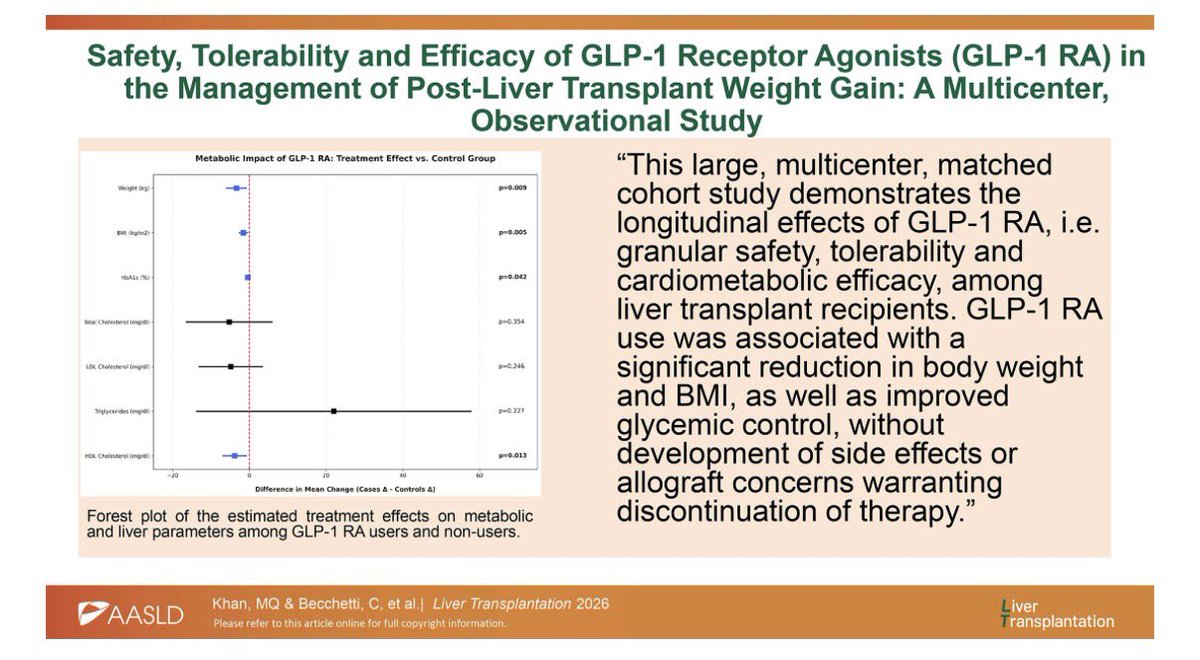
Safety, tolerability and efficacy of GLP-1 receptor agonists (GLP-1 RA) in the management of post-liver transplant weight gain: A multicenter, observational study
journals.lww.com/lt/abstract…
5
15
774
Redefining early allograft dysfunction in living donor liver transplantation: Towards adaptive, graft-specific, and AI-enabled models
journals.lww.com/lt/citation…
2
5
571
Liver Transplantation Journal (LTxJournal) retweeted

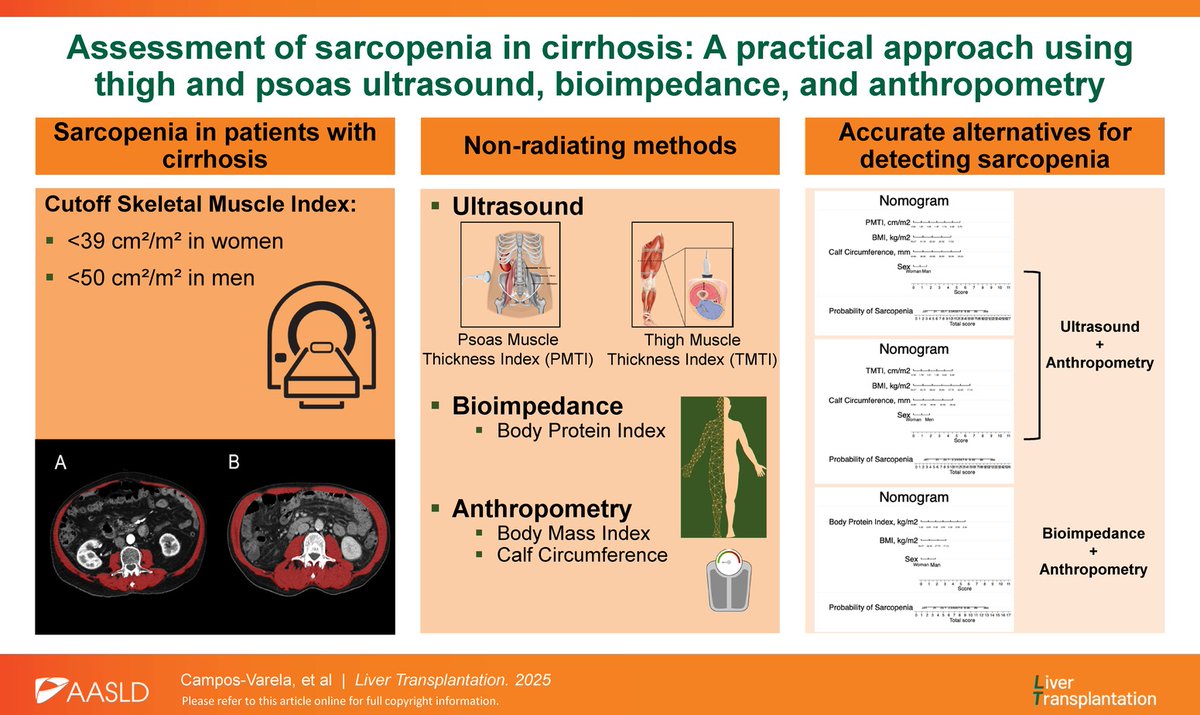
From our June newsletter: For patients with #cirrhosis, simpler tools such as ultrasound, bioelectrical impedance analysis, and anthropometry may offer a more accessible way to detect #sarcopenia.
Explore the full study in @LTxJournal: ow.ly/USXx50Z6Rb5
4
4
999
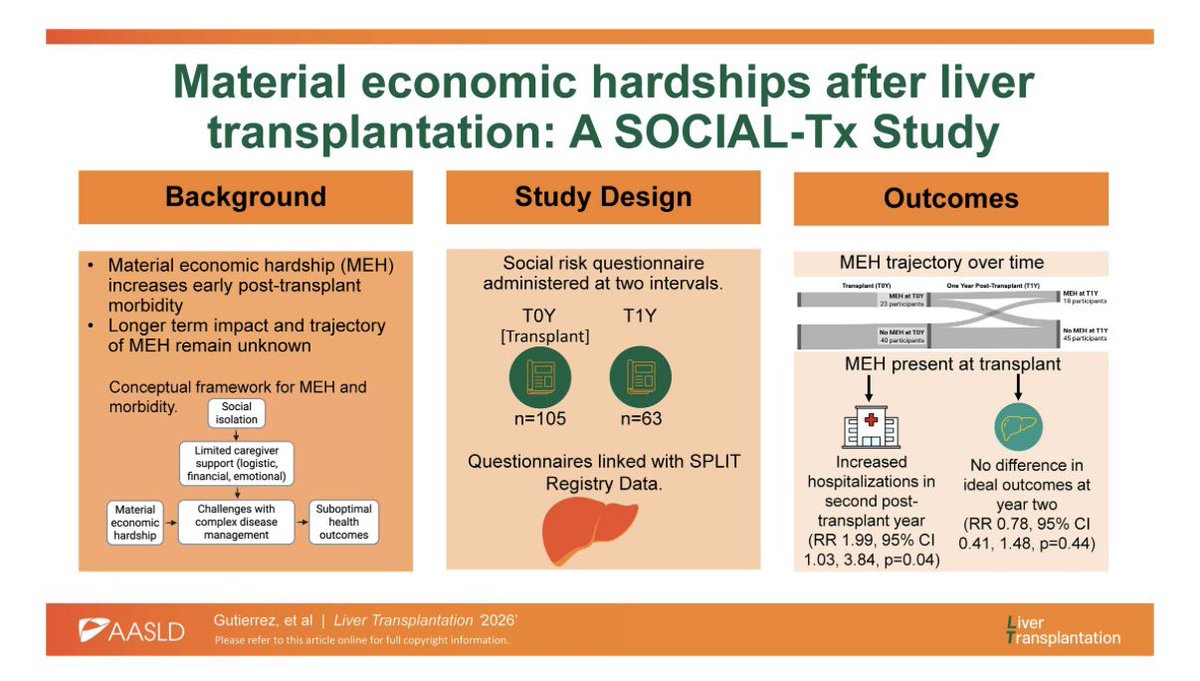
Material economic hardships are associated with second-year hospitalizations after pediatric liver transplantation: Results from the SOCIAL-Tx study
journals.lww.com/lt/abstract…
4
6
652
Liver Transplantation Journal (LTxJournal) retweeted
Jun 4
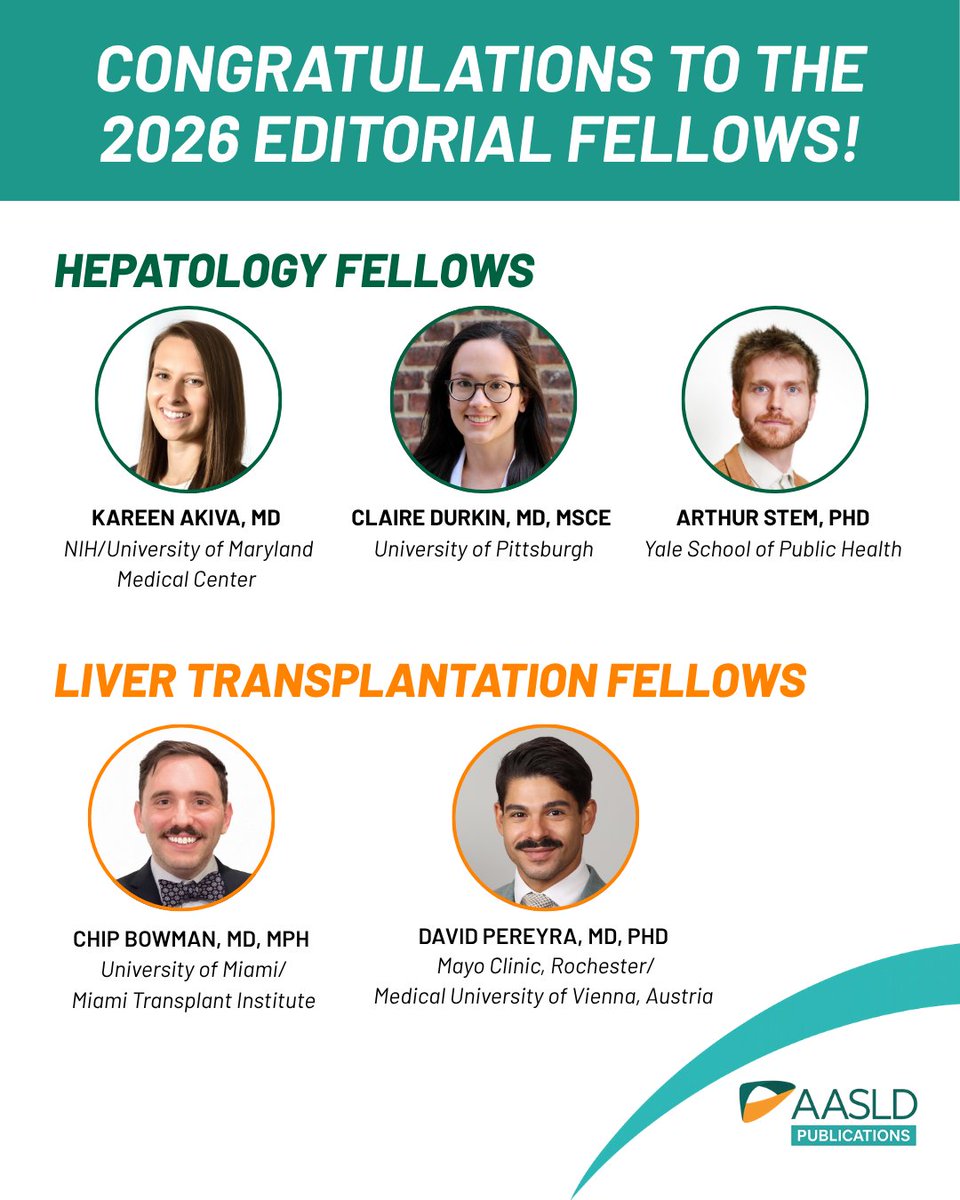
🎉 AASLD is excited to announce the 2026 Editorial Fellows for @HEP_Journal and @LTxJournal!
The 2026 Editorial Fellows will gain unique, hands-on experience in scholarly publishing and journal editorial leadership while working alongside experienced editors at two of the field’s leading hepatology journals.
Learn more: bit.ly/4ocpLgq.
2
5
24
2,573
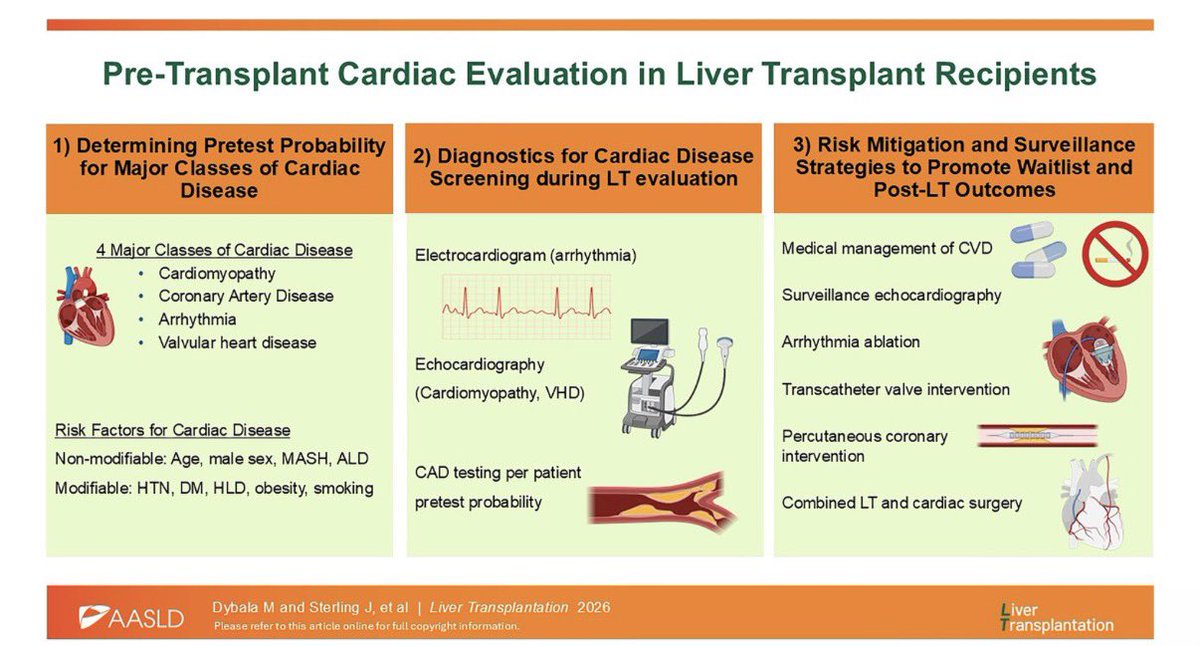
Pre-Transplant Cardiac Evaluation in Liver Transplant Recipients
journals.lww.com/lt/abstract…
15
31
1,723
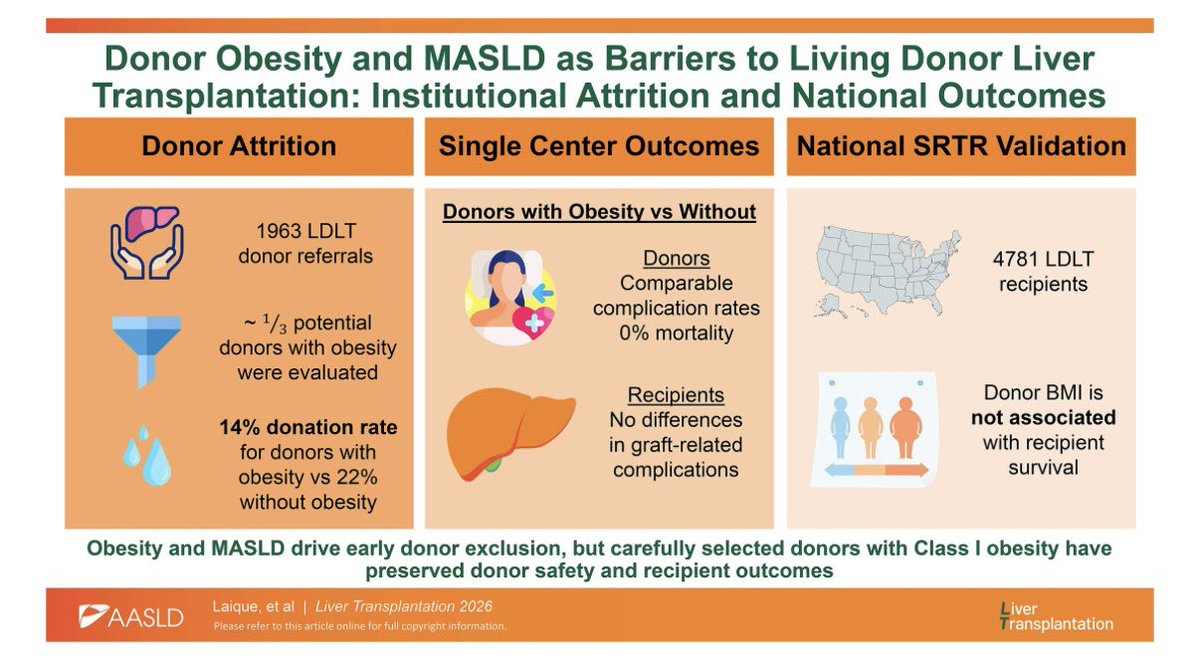
Donor obesity and MASLD as barriers to living donor liver transplantation: Institutional attrition and national outcomes
journals.lww.com/lt/abstract…
3
10
906
⬇️ MOC opportunity
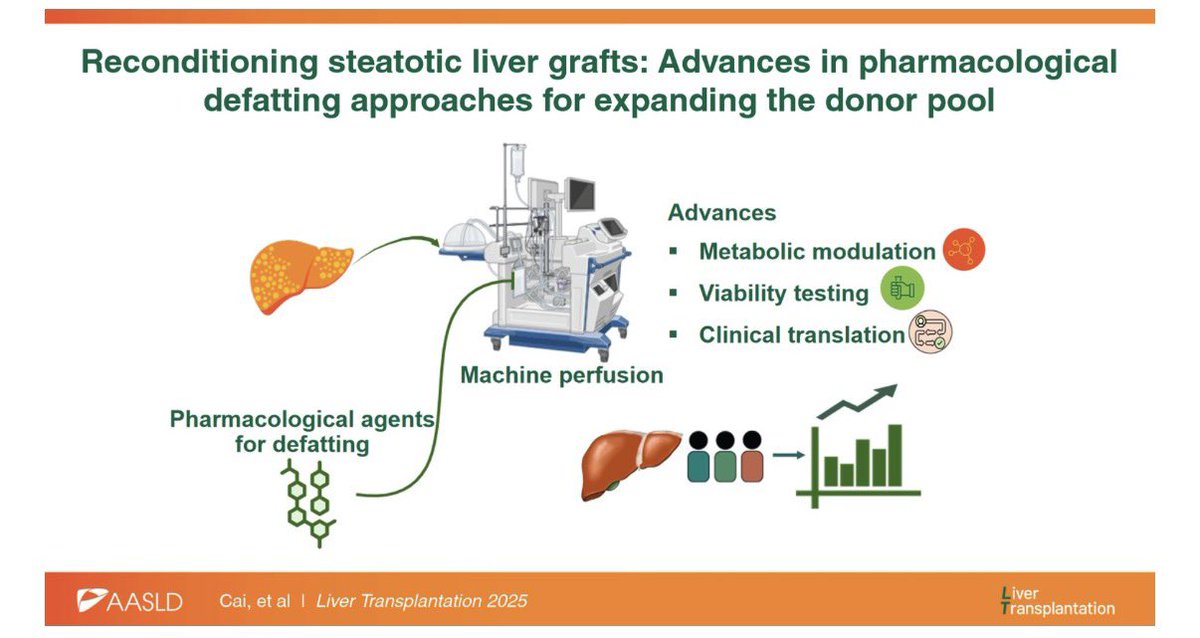
Reconditioning steatotic liver grafts: Advances in pharmacological defatting approaches for expanding the donor pool
journals.lww.com/lt/fulltext…
3
14
938
Donor obesity and MASLD as barriers to living donor liver transplantation: Institutional attrition and national outcomes
journals.lww.com/lt/abstract…
4
6
754
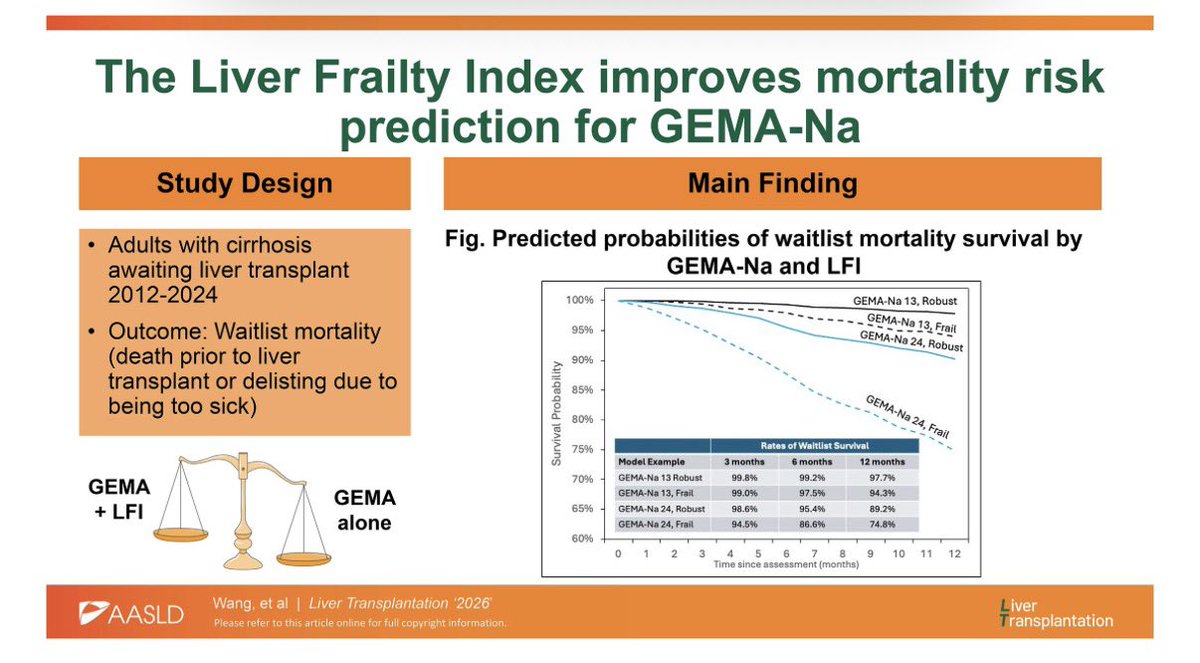
The liver frailty index improves mortality risk prediction for GEMA-Na
journals.lww.com/lt/abstract…
6
17
660
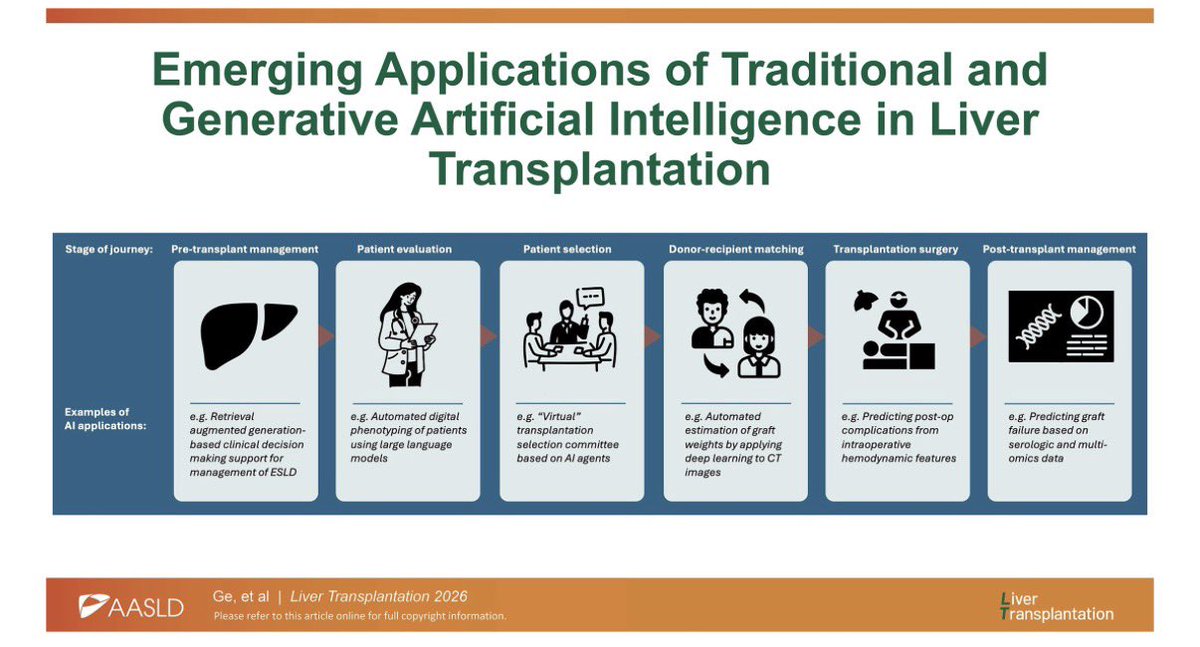
Emerging applications of traditional and generative artificial intelligence in Liver Transplantation
journals.lww.com/lt/abstract…
6
6
785
Beyond the taxonomy: Reconsidering stigma’s place in liver disease care
journals.lww.com/lt/citation…
2
302
Letter to the editor: Silent graft injury after pediatric liver transplantation: Beyond Protocol Biopsy?
journals.lww.com/lt/citation…
1
3
384
Preemptive anti-craving therapies reduce alcohol relapse after liver transplantation in high-risk individuals
journals.lww.com/lt/citation…
3
7
536
Liver Transplantation Journal (LTxJournal) retweeted
May 21
🔥HOT TOPIC
📙@LTxJournal
An international multicenter study provides the first real-world validation of TransMet trial criteria, showing that #livertransplantation for unresectable colorectal liver metastases delivers a meaningful survival benefit, approximately 22.5 additional months over chemotherapy, with outcomes closely mirroring trial data.
With robust methodology and clinically actionable insights, including key prognostic factors (e.g., KRAS mutation, tumor sidedness, CEA), these findings help inform patient selection and advance a highly debated area of transplant policy.
bit.ly/4sNI38b
@prof_cillo @Vaital73 @AlessandroRov19 @Mohamma70696197 @sara_lonardi1 @FAucejo @pdline
1
5
10
1,587
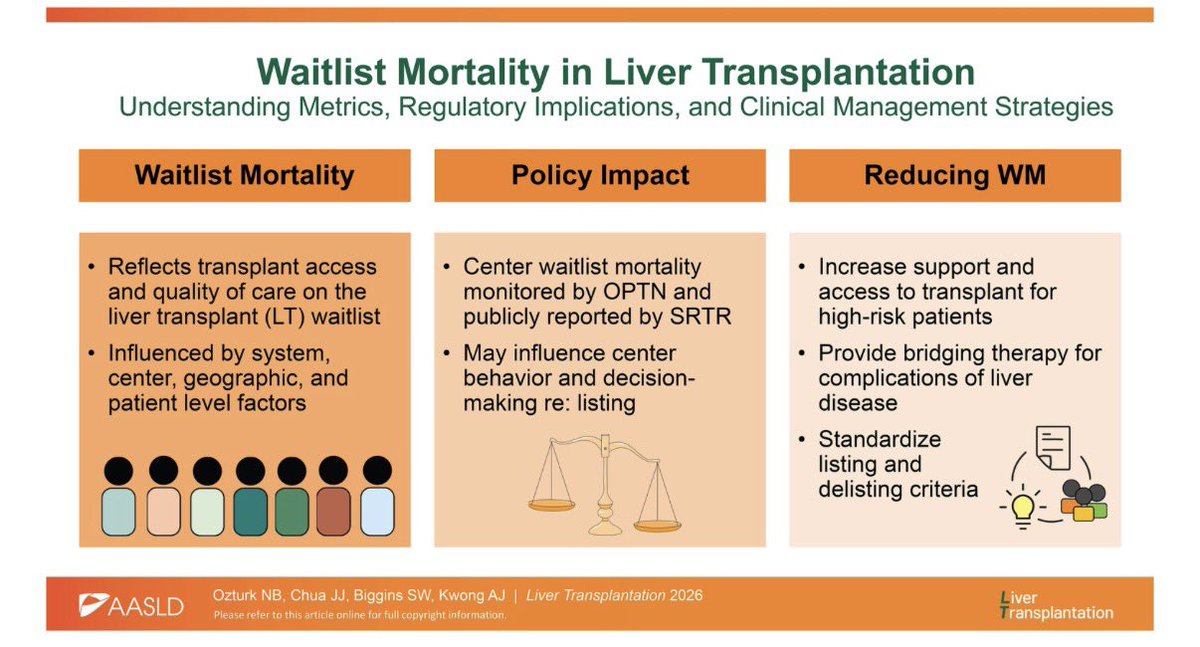
Waitlist mortality in liver transplantation: Understanding metrics, regulatory implications, and clinical management strategies
journals.lww.com/lt/abstract…
5
6
5,131