
Street Photographer | 3 decades candidly documenting Rural America. | Mystic | Investor | Collector | #streetphotography | linktr.ee/LUVELLI
Joined May 2009
- Tweets 3,906
- Following 3,746
- Followers 42,695
- Likes 18,996
1,428 Photos and videos









134
295
1,041
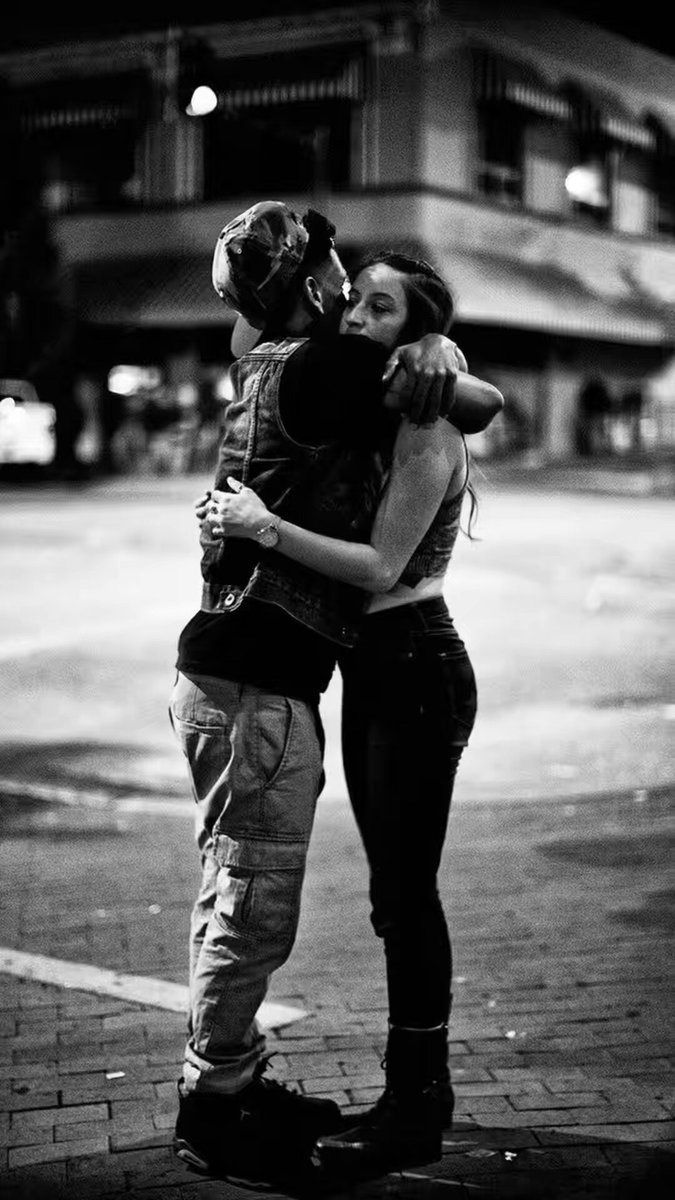
Happy #ValentinesDay
A few moments.
A few songs.
You’ll feel it. Enjoy❣️🫶🏼
7
2
15
738
It’s absurd to attack high-quality vaping liquids that come from clean, reputable labs with no diacetyl, no titanium dioxide, and strict safety standards. I am not here to defend cheap disposables, but let’s stop pretending adults do not enjoy watermelon, sour grape, candy, and dessert flavors.
Adults like flavors. Adults also like colors. Should we ban anything colorful now because someone decided it might appeal to kids? By that logic, we should pull every colorful vodka bottle, every bright can of flavored alcohol, every neon cocktail, every smoothie, ice cream, or dessert off the shelves too.
Let’s be honest. How many people have died from responsibly made, high-quality vape liquid? Now compare that to the death toll and lifelong health issues caused by diabetes, heart disease, and obesity tied to candy, soda, and junk food. All of these are marketed to the masses without this moral panic.
This is pure hypocrisy. If you want to ban flavored vapes, then be consistent and ban flavored alcohol, candy, soda, and every colorful sweet adult product out there. Otherwise, admit this is not about safety. It is about control.
7
13
49
1,164
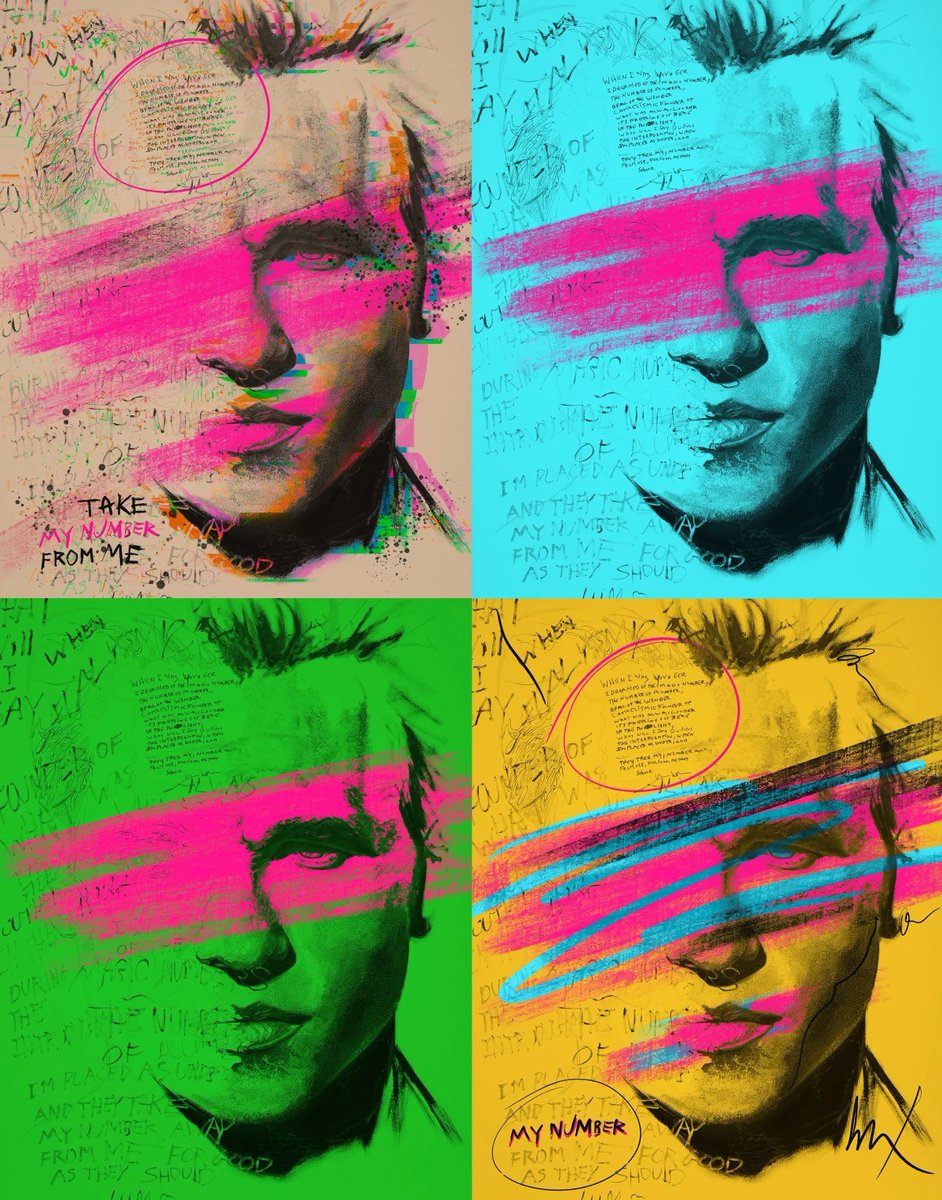
Val Kilmer was more than an icon. He was a soul who truly felt the world around him. His art spoke to people and his spirit lifted so many. He didn’t just create, he inspired. He believed in helping other artists find their voice and supported them when no one else would. The legacy he leaves behind isn’t just in the films or the roles. It’s in the lives he touched, the kindness he showed, and the light he carried. Rest in power Val. Your presence will be missed but your impact lives on.
11
20
110
2,713
LUVELLI retweeted

5 Feb 2025
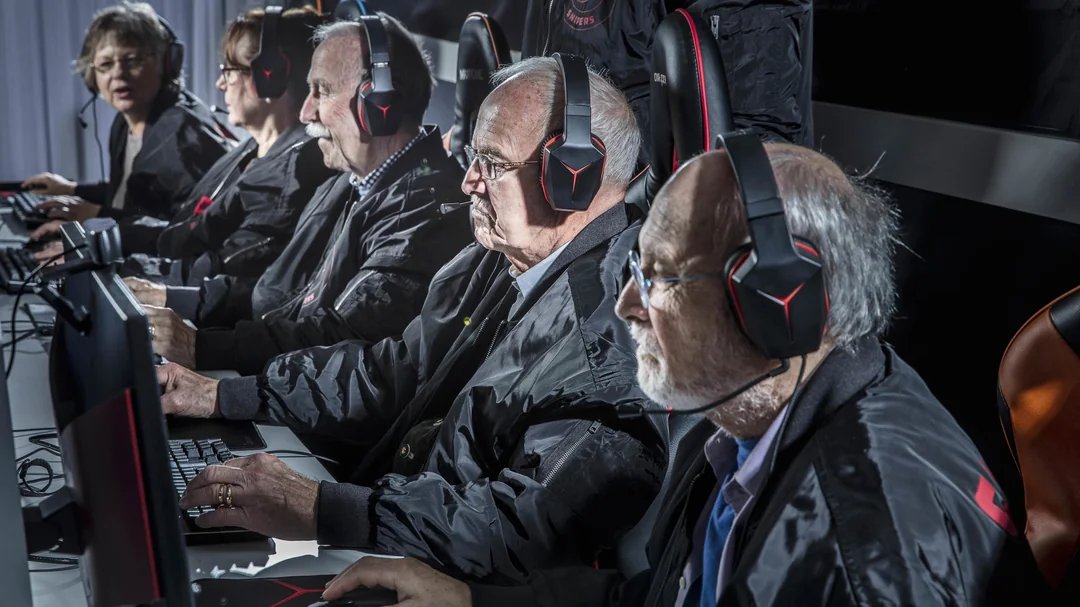
This better be us in 2077. Retirement home LAN parties are gonna go SO hard.
4
6
54
13,650
Support this for your own well-being.

Embracing Year-Round Daylight Saving Time: Why We'd Rather Have Dark Mornings Than Dark Evenings
Introduction
The debate around daylight saving time (DST) has never been more relevant. Twice a year, we go through the ritual of changing our clocks — "spring forward" and "fall back" — as we grapple with the consequences: disrupted sleep schedules, decreased productivity, and the gloom of dark evenings. However, what if we could keep the extra daylight in the evenings all year long? A growing number of people advocate for the adoption of year-round daylight saving time, arguing that the benefits of having a brighter evening far outweigh the downsides of darker mornings.
The Psychology of Light
Our mental and physical well-being is closely tied to exposure to natural light. Numerous studies suggest that daylight can elevate mood, improve mental health, and even enhance productivity. On the other hand, a lack of daylight exposure, particularly in the evening, has been associated with conditions like Seasonal Affective Disorder (SAD), a type of depression that usually occurs during fall and winter.
Prioritizing Active Evenings
For most people, the evening hours after work or school offer the most flexible time to engage in recreational activities, exercise, or spend quality time with family and friends. A brighter evening creates a safer environment for outdoor activities, such as jogging, cycling, or taking a leisurely walk. This is particularly beneficial for children, who often have limited time to play outdoors.
Work-Life Balance
After a long day at work or school, the last thing most people want is to come home in darkness. The emotional impact of arriving home to a setting sun can weigh heavily on one's mental well-being. Year-round daylight saving time can provide a psychological boost, making people feel like they have more time to relax and enjoy their evenings.
Dark Mornings Aren’t as Bad as You Think
One argument against year-round daylight saving time is that it would make mornings darker, posing problems for morning commuters and school children. While this is a valid concern, it’s worth noting that mornings are generally more structured and less flexible than evenings. Moreover, people are often indoors in the mornings, in controlled environments like homes, schools, and offices where artificial lighting is available.
Energy Savings
One of the original justifications for introducing daylight saving time was energy conservation. By shifting an hour of daylight from the morning to the evening, we can potentially reduce electricity usage for lighting and appliances. Though the actual savings are debated, the potential for reduced energy consumption in the evenings is still an argument in favor of year-round DST.
Public Opinion
Public sentiment appears to be shifting in favor of year-round daylight saving time. Various surveys and polls show that people overwhelmingly prefer the extra daylight in the evening over the morning. Some states have already passed legislation to make daylight saving time permanent, pending federal approval.
Conclusion
While there's no one-size-fits-all solution to the complexities of time management, year-round daylight saving time offers a compelling array of benefits, including improved mental health, better utilization of recreational time, and potential energy savings. Dark mornings may be a small price to pay for the multitude of advantages that come with brighter evenings.
Changing the clock settings permanently would require legislative action and public support, but as awareness grows, it seems increasingly likely that year-round daylight saving time could become our new reality.
#daylightsavingtime
ALT Embracing Year-Round Daylight Saving Time: Why We'd Rather Have Dark Mornings Than Dark Evenings
3
1,406
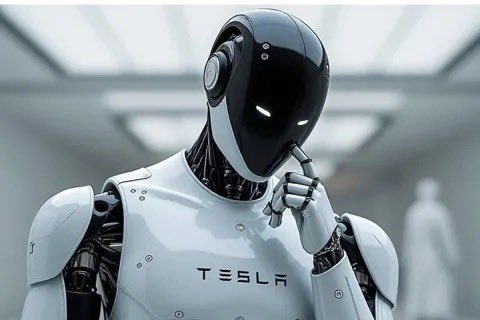
Picture of my Tesla robot named Talos using telepathy to contact @elonmusk so that he bring us together. #helptalosgethome
3
1
20
4,152
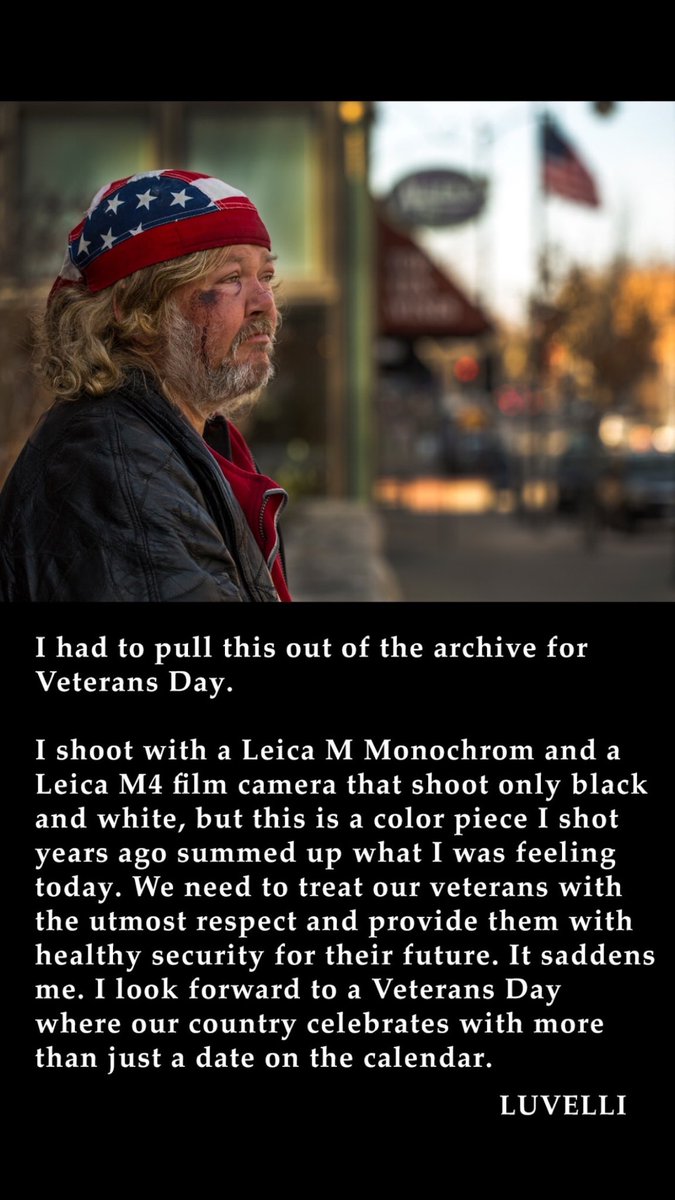
Americans, this is our chance to make real change. Imagine a future where safer streets mean we walk freely without fear, where healthier food is held to high standards, and where stricter FDA regulations protect what we eat, just like in other countries. Think about the peace of mind that comes from stable prices, knowing your hard-earned dollar can cover essentials like food and shelter without constant worry.
Picture a country where communities aren’t divided, where we lift each other up instead of being torn apart by media-driven conflict. Imagine the relief of less stress, the freedom to focus on our dreams, and the chance to build a life full of health, stability, and opportunity.
As you vote, don’t be swayed by the noise of headlines. Instead, look closely at leaders who stand for this vision of security, health, and unity. This is our chance to shape a better future for all of us. Vote thoughtfully, and let’s build the America we all deserve, together.
JL #Vote #Election2024
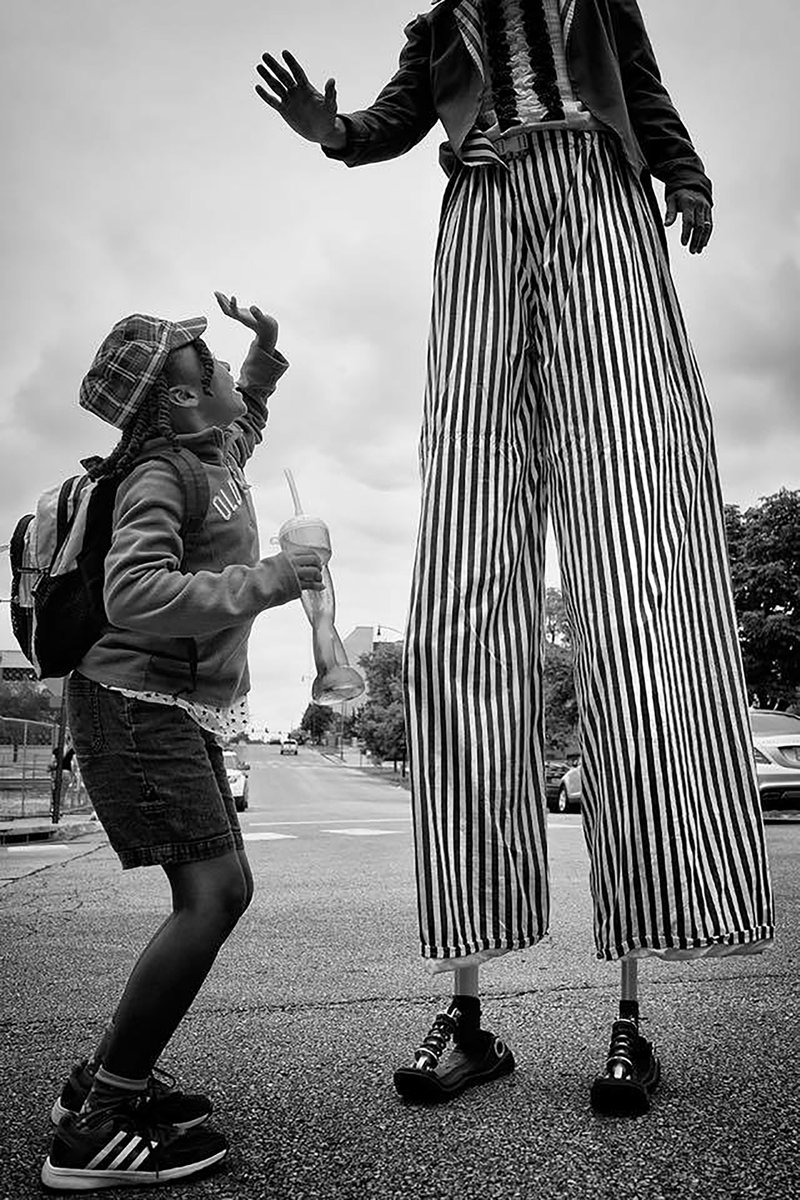
ALT LUVELLI
1
3
12
801
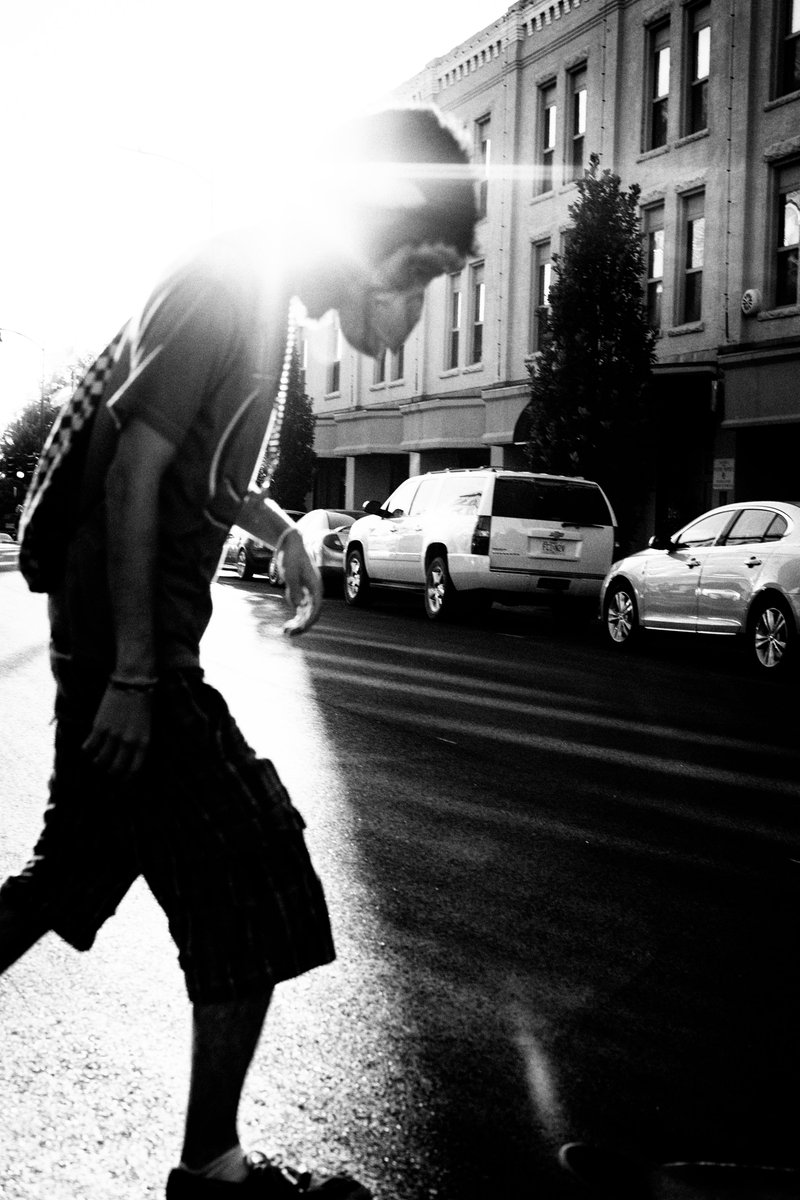
ADRENALINE. Midwest | USA
#streetphotography #LUVELLI
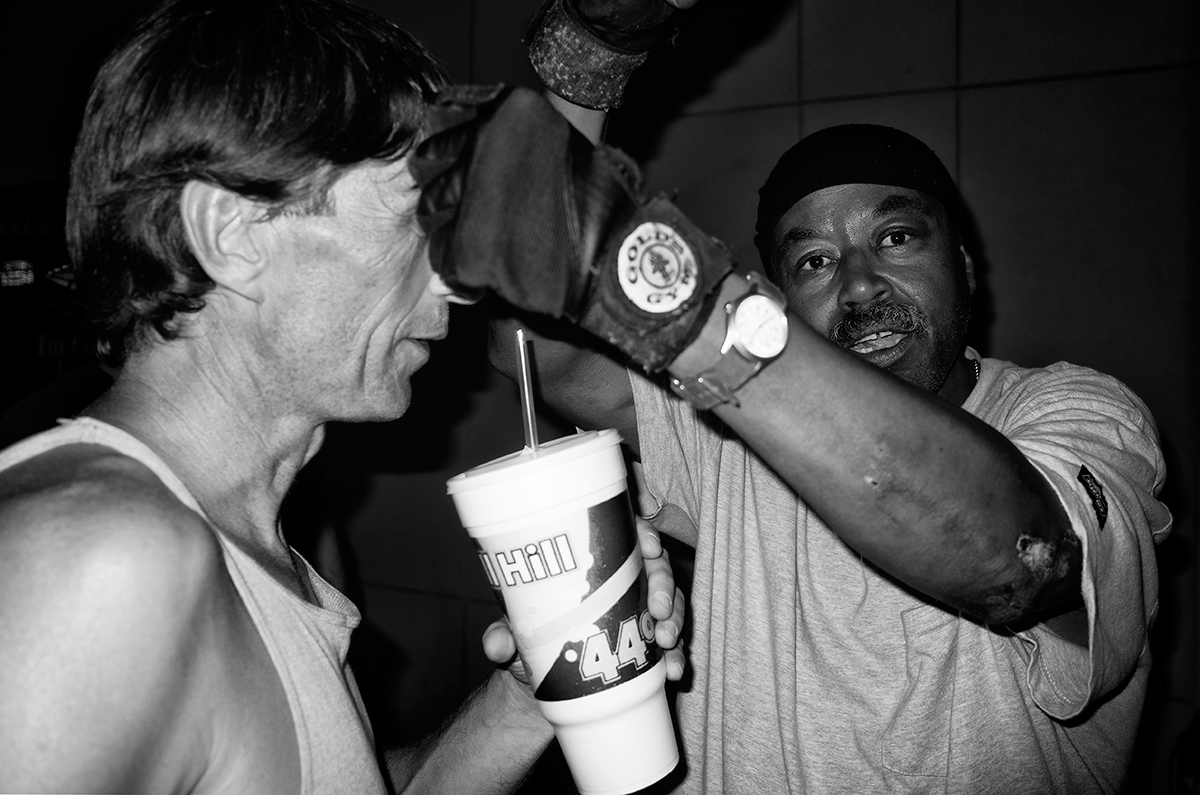
ALT Piece from Jon Luvelli's Nocturnal Collection.
2
3
14
970
Jon Luvelli's photograph, part of his "Nocturnal Collection," captures a compelling street moment with a notable backstory. Displayed at a gallery showing in 2016, the piece was accompanied by a card that described the scene: The man in the image declared himself "the toughest on the street" and proceeded to punch the next person walking by. This candid and intense capture, shot with a Leica M4 using zone focusing, freezes the split second before the punch's impact, vividly illustrating the raw and often unpredictable nature of street life. Luvelli's ability to seize such spontaneous and powerful moments showcases his exceptional talent in black-and-white street photography. Written by Gerald Moore.
5
590