Joined December 2012
- Tweets 1,694
- Following 432
- Followers 410
- Likes 6,251
247 Photos and videos



Pinned Tweet

8 Jul 2025
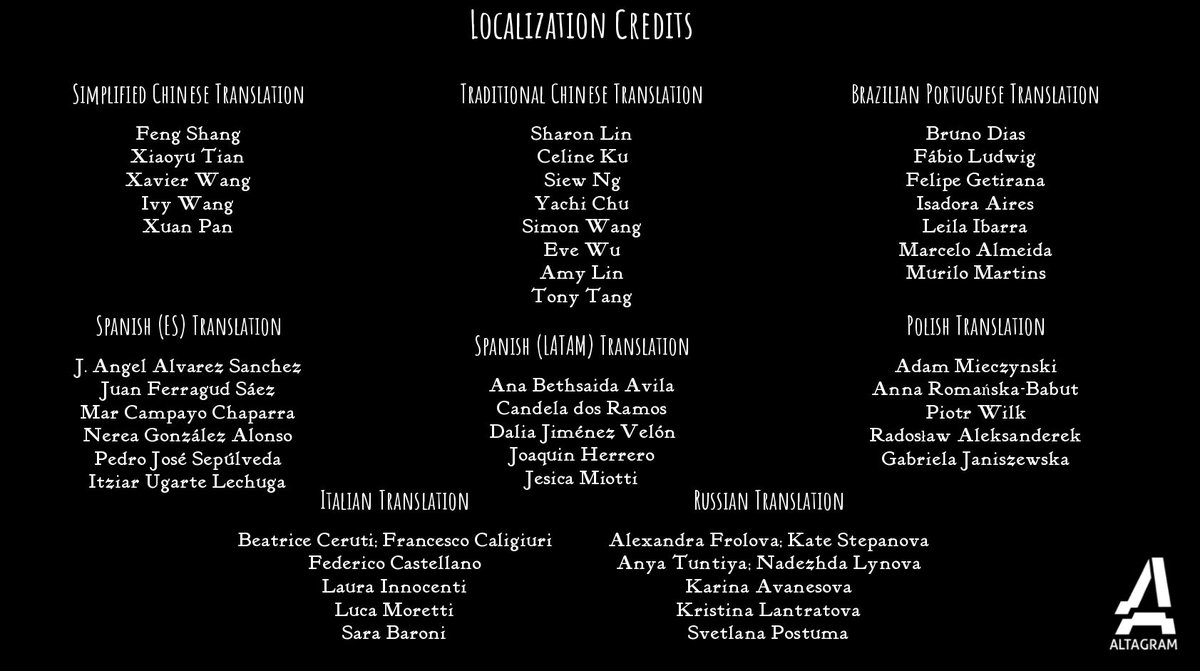
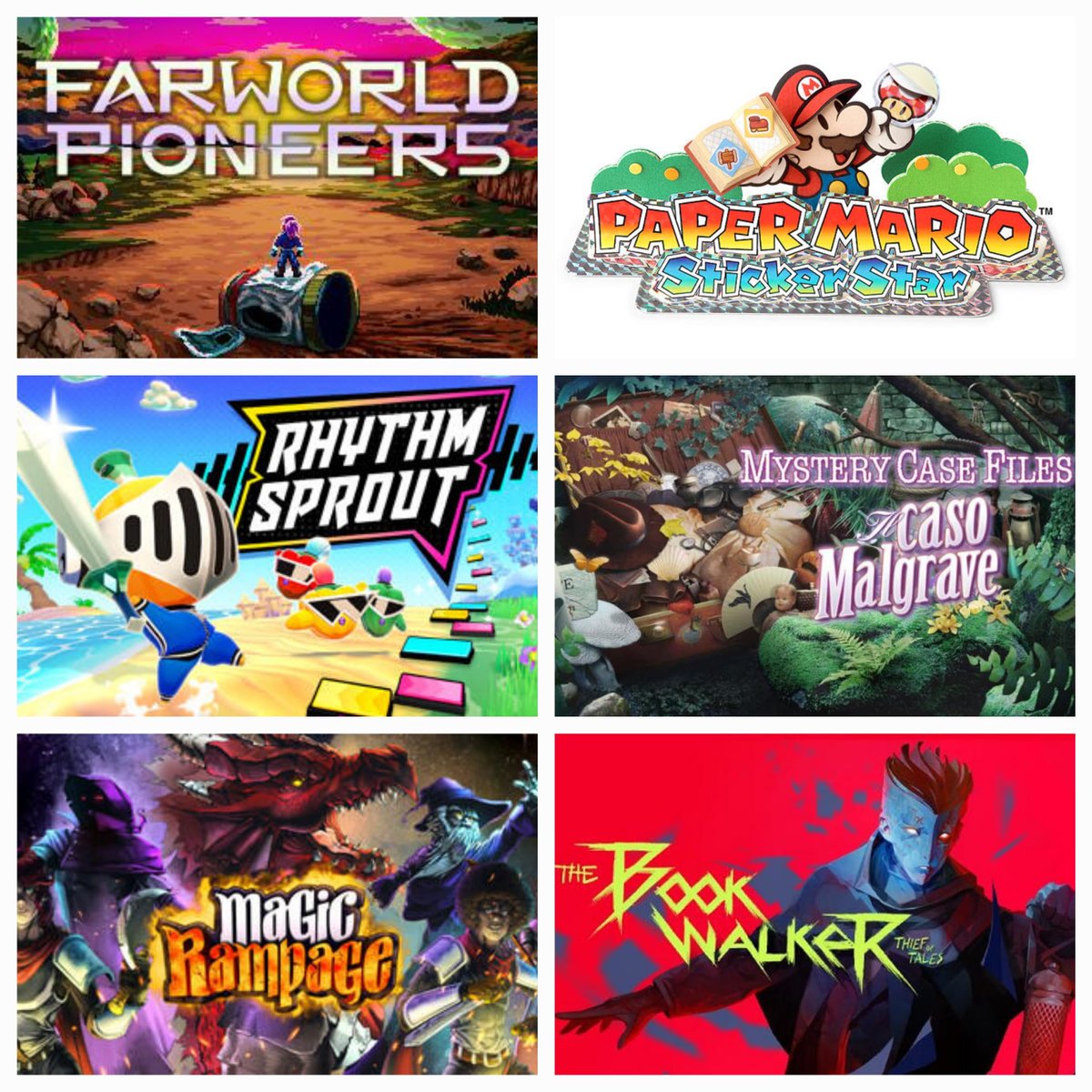
Hello!👋 I'm Laura, English > Italian translator and game localizer. I've been active in this field since 2011, first in-house at Nintendo and afterwards as a freelancer. Hit me up with your projects, I'll be available all summer! #PortfolioDay #TranslatorsInTheCredits

183
11 Nov 2024
Puns aside, I think that would be a great idea!
11 Nov 2024

Who'd like us to help @BalatroGame with their localization? It's no joke! 🃏
We'd love to deal international players a great hand 🤍
→ contact@fromthevoid.net
1
5
316
28 Oct 2024
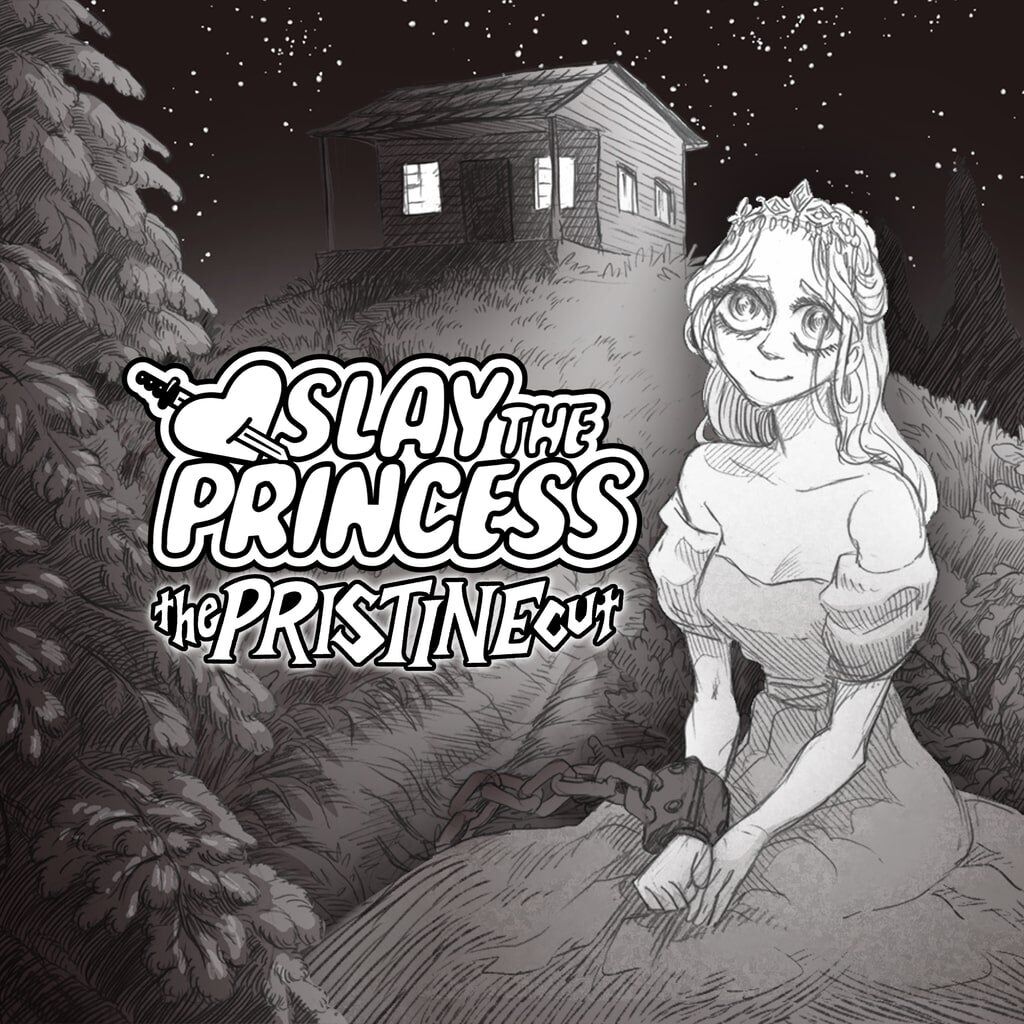
Happy to say I was part of the Italian loc team for #SlaythePrincess - The Pristine Cut. A multi-layered text with so many genres and changes in register - even mid-sentence. A fun challenge! Thanks @Altagram_Group @blacktabbygames @SerenityForge #TranslatorsInTheCredits 🗡❤👸
1
19
503
11 Oct 2024
«Avevamo soltanto delle tracce di pochi fogli che, in sostanza, erano delle traduzioni dal giapponese all’inglese di alcune parti di dialogo, non tutte». Vi ricorda qualcosa? ilpost.it/2024/10/11/doppiag…
2
50
16 Aug 2024
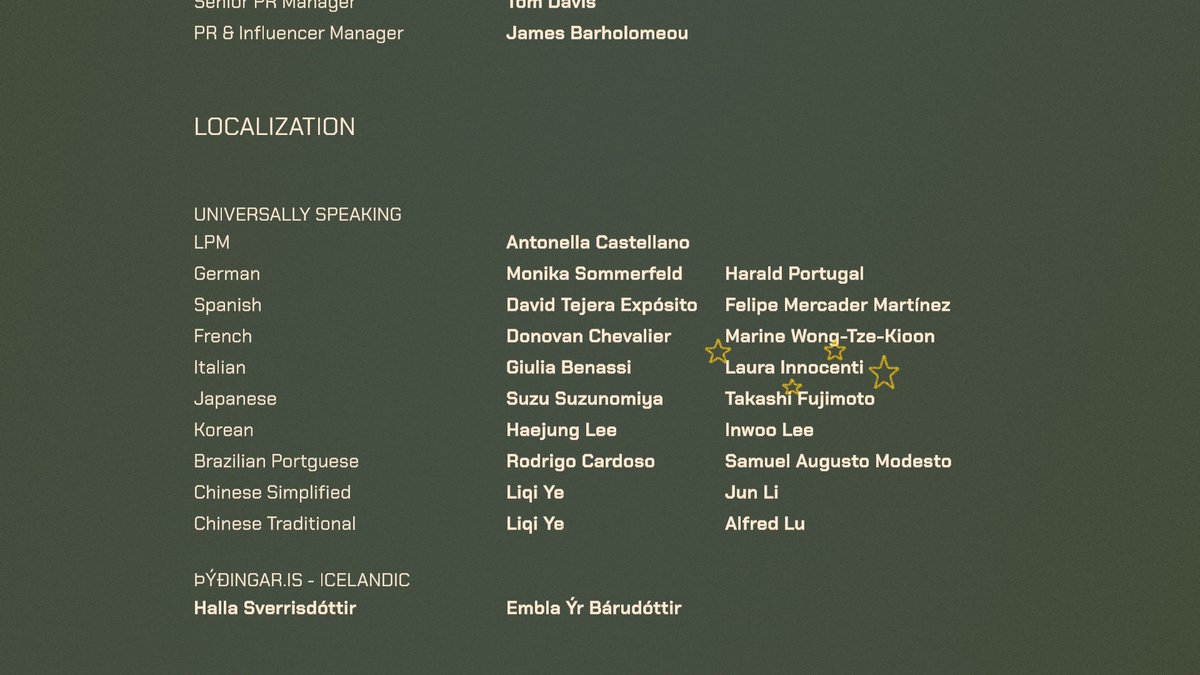
Phantom Spark is now available with Italian localization reviewed by yours truly 🇮🇹 🚀@_PhantomSpark
@Coatsink #TranslatorsInTheCredits
2
17
416
1 Aug 2024
Quella del volley non è una finale, perché non mettete la ginnastica artistica dove le italiane concorrono per medaglie? #Italgym #Paris2024 @RaiDue @RaiSport
2
11
616
30 Jul 2024
Perché oggi per il femminile solo regia internazionale? #ArtisticGymnastics #italgym @RaiDue @RaiSport
3
763
Laura Innocenti retweeted

26 Jul 2024
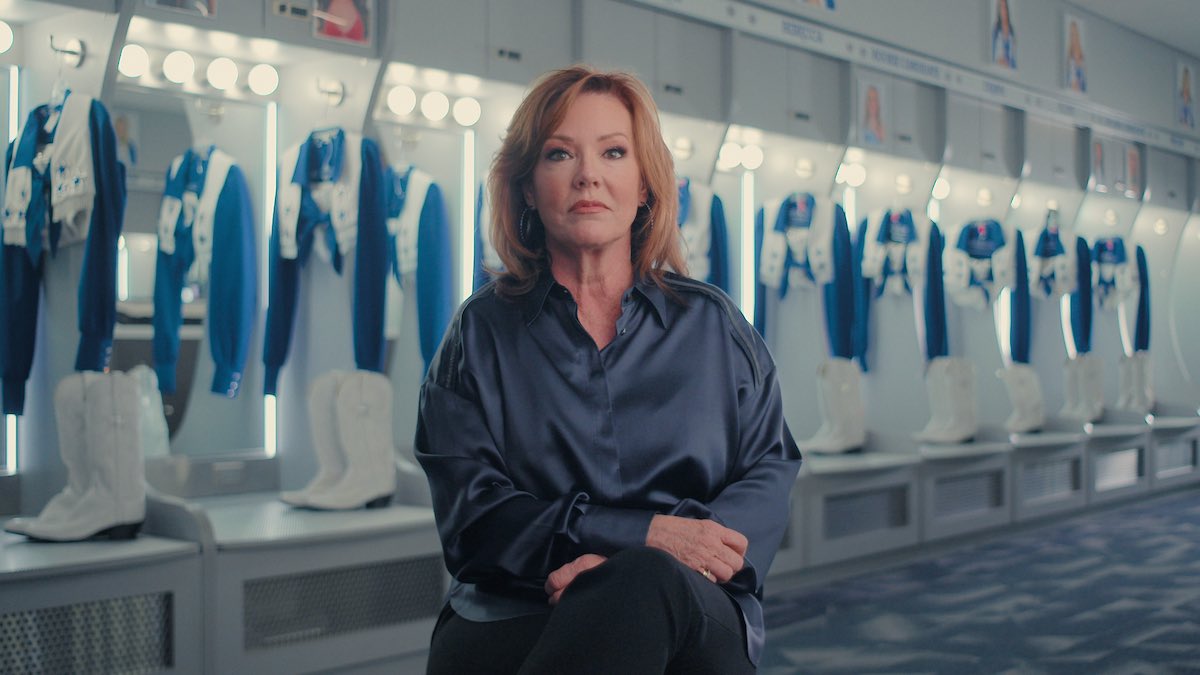
she would not be accepting those kicks #OpeningCeremony
107
1,015
12,803
937,899
26 Jul 2024
"Searching things you already know" describes at least half of my working day.

here's the truth: being a competent translator means questioning yourself constantly. searching things you already know. interrogating your understanding and biases. knowing that however long you do this, you are never above making mistakes and taking measures to reduce them
1
3
114
26 Jul 2024
Things I've googled in 15 minutes of work: "chilometri or kilometri", how to spell "tè" (as in tea, the drink). Rather than letting your fingers write whatever comes first based on muscle memory, it's always safer to check imo!
1
43
13 Jun 2024
"Quello dei trascrittori è un lavoro complesso, molto sottovalutato e pagato pochissimo, che tuttavia può essere determinante in un’inchiesta." ilpost.it/2024/06/13/errori-… via @ilpost
31
13 May 2024
A beautiful piece on cities in time.
13 May 2024

MY PIECE OF THE CITY
Writers get used to spending a lot of time alone, thinking stuff over, feeling moody. Indolence is indispensable, I have to remind my agent.
When I lived in West Kensington between the mid-seventies and the late eighties, after I finished writing for the day at five o’clock, I would trot down to the Three Kings on North End Road. It was always pretty empty. I’d read the papers and drink a couple of pints with the other ghosts, old men in exhausted suits. It became a habit.
Moving to this house in Shepherd’s Bush in the late nineties, where I am now, I began the search for another local. It seemed like a necessity. I needed to find a place to do nothing. Somewhere to hold court, a place that wasn’t home. Then I found the Rouge.
Shepherd’s Bush was an area I didn’t know so well. There were a lot of scuzzy pubs, boarding houses, B&Bs and pensioners. People used to say ‘you’ll never gentrify the Bush’. It was a badge of pride that this neighbourhood– featured shabbily in both Steptoe and Son and Quadrophenia - was beyond respectability and the smoothings of super-capitalism.
An unremarkable café at the end of the street, the Rouge became my Shangri-La. It was part of a chain, but inside it was surprisingly elegant, with old tiles from when the site was a butcher’s shop, comfortable seats and crass pictures of Paris. But the best thing about the Rouge was the fact that few people ever went there, except for coffee. Sometimes tourists would pass by, come in and have a hot meal. The food was truly awful, and you wanted to warn them.
Almost all the staff were Eastern Europeans. There were also Italian and Spanish kids studying and working in the area. We said we’d eventually have to speak French to get by in the neighbourhood. London was a scene of opportunity and open borders, before the age of paranoia.
The director and my long-time collaborator Stephen Frears and I would meet at the Rouge in the early evening several times a week. When he wasn’t shooting, he would drive up from the much grander Notting Hill and enjoy a tea while I drank beer, and we would gossip about politics, football and film.
Sometimes we would invite friends to join us, like the The Crown writer Peter Morgan, who was so offended by the place he walked out after attempting two mouthfuls of the Rouge’s finest turbot.
Having been brought up in the 1940s, Stephen was more forgiving of bad grub. One night, however, after ordering a steak which was not cooked to his specifications, and having returned it already, he received another one, which was also unsatisfactory. Suddenly he got up, crossed the floor, and walked directly into the kitchen, brandishing a knife.
My kids didn’t care; they have no taste. They’d eat ice cream and play on their devices as I took meetings. It was now the 2000s, and I would scurry down to the Rougement, as I called it, two or three times a day, often in my slippers, sometimes conducting seminars with my students at a front table where I could look out at the street as they read me their work.
For a lot of the summer, I would sit outside with my notebook. It was always amusing to consider the Shepherd’s Bush Road, which was quite a scene; the serious people returning from work, and the usual high of number of junkies, bums and crazies dancing on one leg. But the area was about to change. In 2008, the year of the financial crash, this huge white spaceship from the future, Westfield, landed at the top the top the road, sucking in more people to the area than I’d ever seen.
Stephen and I began to realise that we were on borrowed time with the Rouge. There were fewer customers, this artificial ‘French’ restaurant was out of date and was soon to become something else. There was more money around – half the road were having their basements dug out by Polish builders. But the young Rouge waiters were uneasy. Gentrification creates a two-tiered system, the prosperous newcomers and the low-waged and left-behind. Shepherd’s Bush was undergoing a face-lift, rising from the filth with glass high-rises and smart hotels. The previous decade of increasing inequality washed away the usual faces, those nameless neighbourhood people. Waiters who I had known for years were suddenly gone.
Now the Rouge is Le Petite Citroen, with a menu in French, and is situated between Gails and French wine shop. On Saturdays, this strip at the top of my road is full of cool kids, students, young couples and gays with little dogs.
So, I roll up the Shepherd’s Bush Road, still an everchanging, magnificent example of English liberal eccentricity. Looking across the Green, I can see two recently completed hotels, the Hoxton and the Dorsett, which wouldn’t look out of place in New York with their with chic art deco façades. Further up, on Wood Lane, in the old BBC television Centre, is the Soho House White City, a fashionable hangout for nepo babies, including my kids.
Adjacent is old Shepherds Bush: with its pokey charity shops, nail salons and junk phone kiosks. My barber Lula, the man with the hands of Michelangelo - who has appeared already in these missives - is returning to his native Macedonia.
I turn left onto Goldhawk Road, past the fabric shops, the dealers on the corner, and the Sindercombe Social, which was once the Bush Theatre, redecorated in an incredible pink and purple flashing, which I approve of. And the pawn shop, where my youngest son saw his stolen guitar in the window. The police advised him to go into the shop and buy it back.
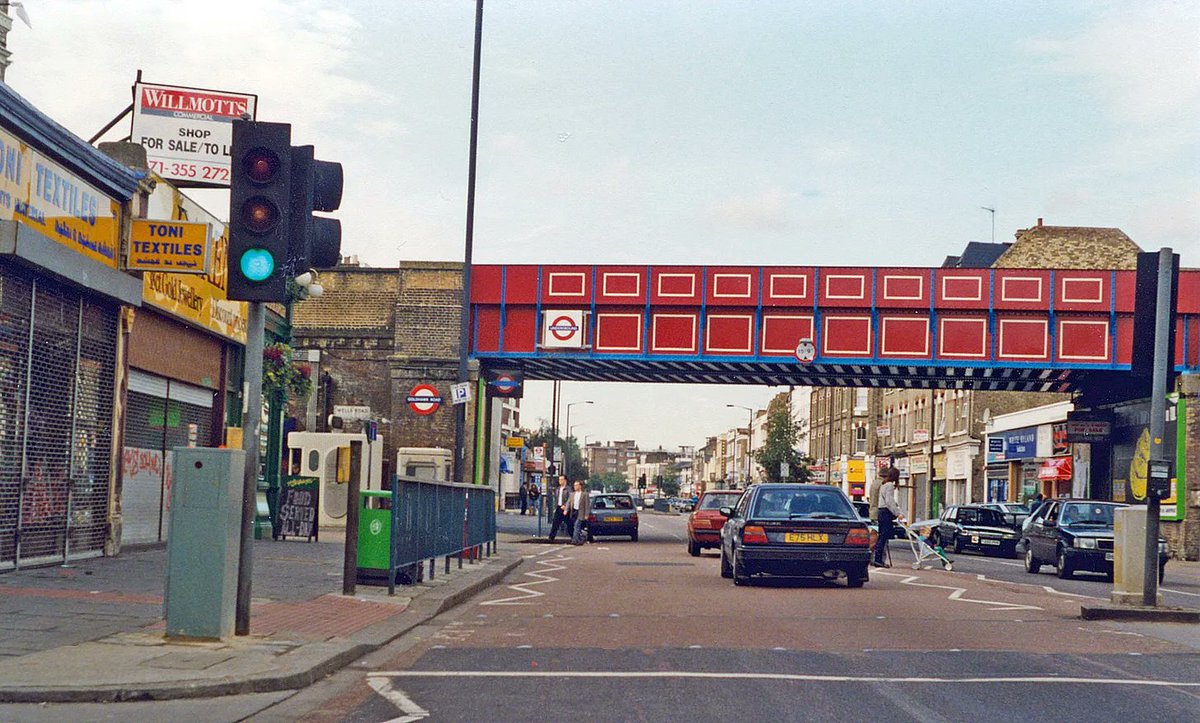
Opposite the Goldhawk Road tube station is my new local. Urban Coffee is a former filthy pub, which became a squalid Costa before it cleaned up. Now looking sharp, white and bright, it has space for sofas at the back.
I push my wheelchair against a table at the front of the café, where there is a view under the railway bridge into the entrance of Shepherd’s Bush Market. From my vantage point, I can see the Arab women in niqabs with their male escorts; Sikh fabric merchants, and market workers hauling animal carcasses from vans. They’ve always been here.
But now I see new faces: Japanese and Korean students in big clothes from the nearby London School of Fashion on Lime Grove, app developers and web designers on laptops with face piercings and orange Afros. I look down at the menu: Coogee beach coffee and vegan side dishes with unpronounceable ingredients.
This city is a river, ever-changing and forever-moving. Because I can’t use my hands to distract myself - the basic tasks of my life are done by others - I find I am more of an observer than ever. What a spectacle it always is, my piece of this city.
For more writing, please head over to my Substack.
hanifkureishi.substack.com
36
10 May 2024
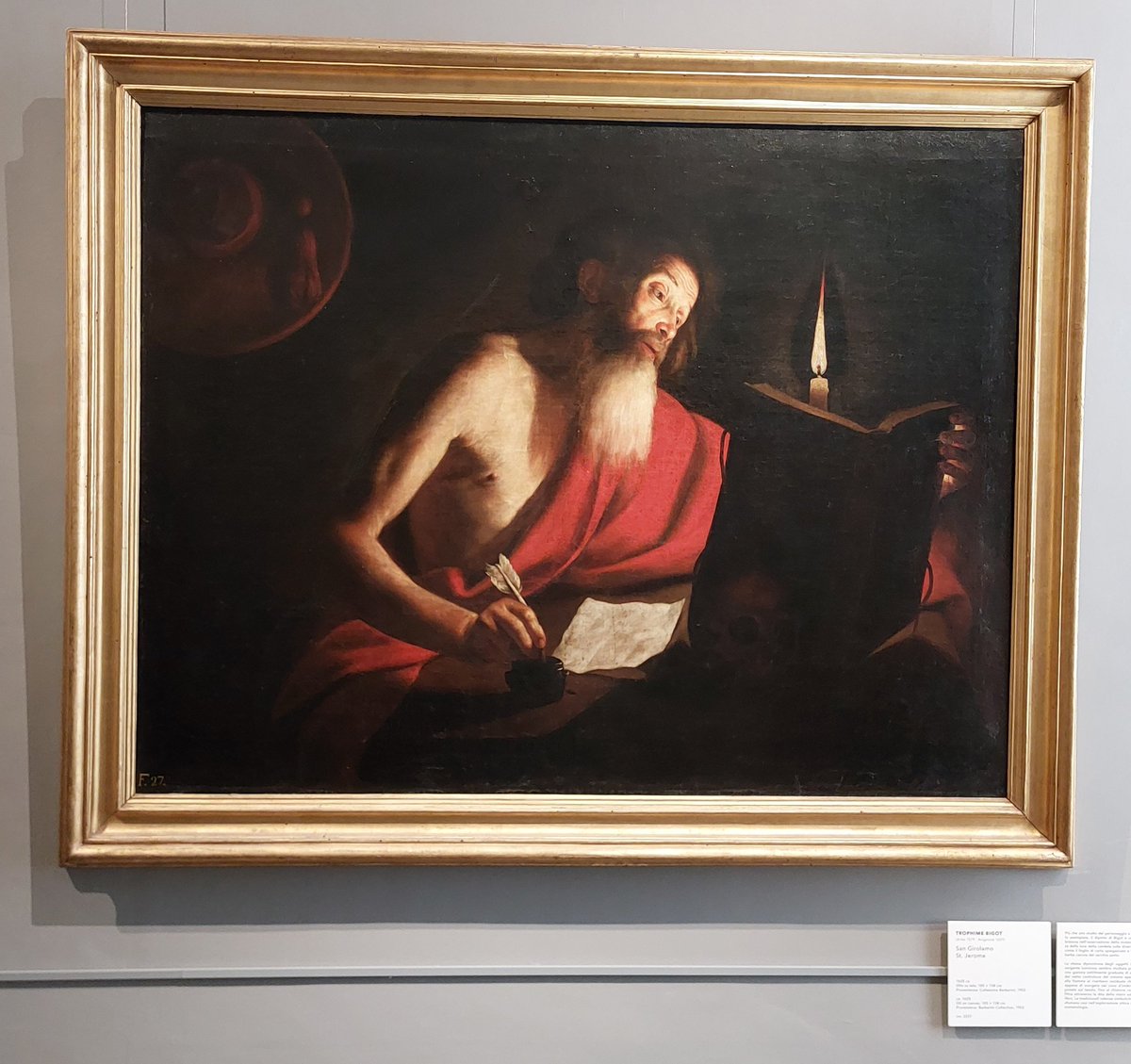
Saint Jérome, Trophime Bigot. Palazzo Barberini, Rome ✍️
2
79