
Erin Hecht, PI of the Evolutionary Neuroscience Lab & Director of the Canine Brains Project. Dept of Human Evolutionary Biology, Harvard University. (she/her)
Joined November 2018
- Tweets 556
- Following 388
- Followers 1,534
- Likes 1,224
66 Photos and videos
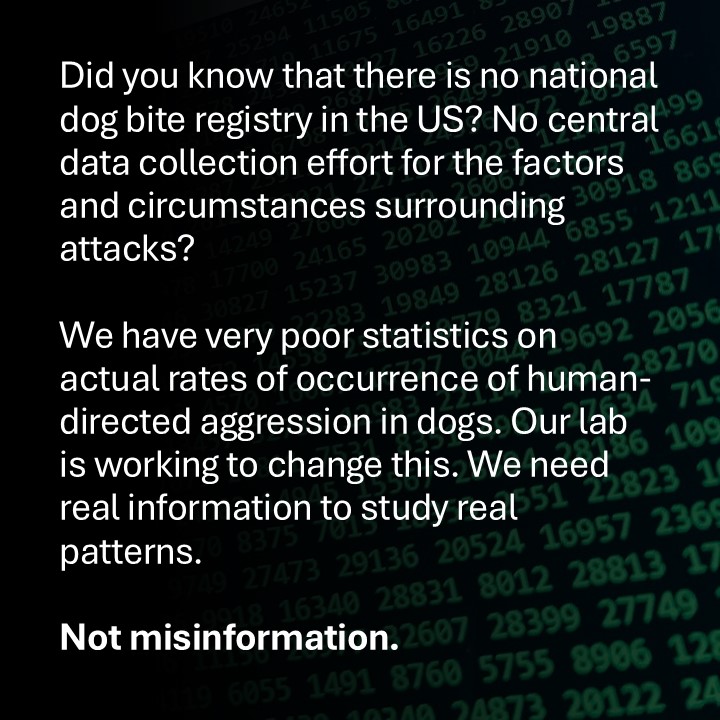
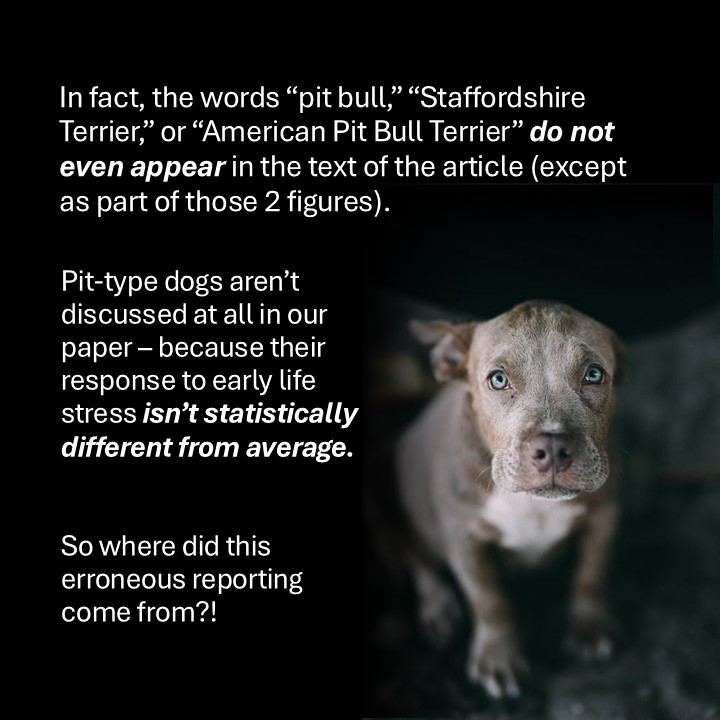
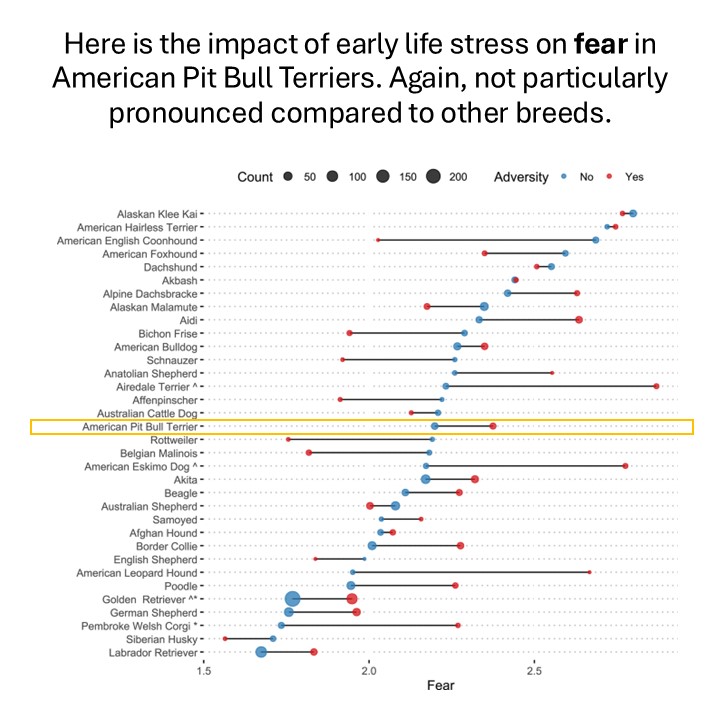
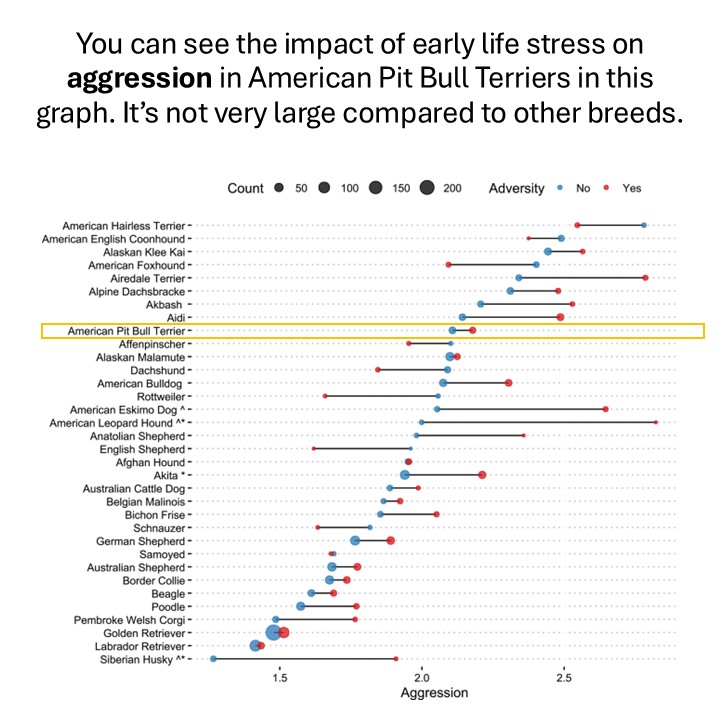
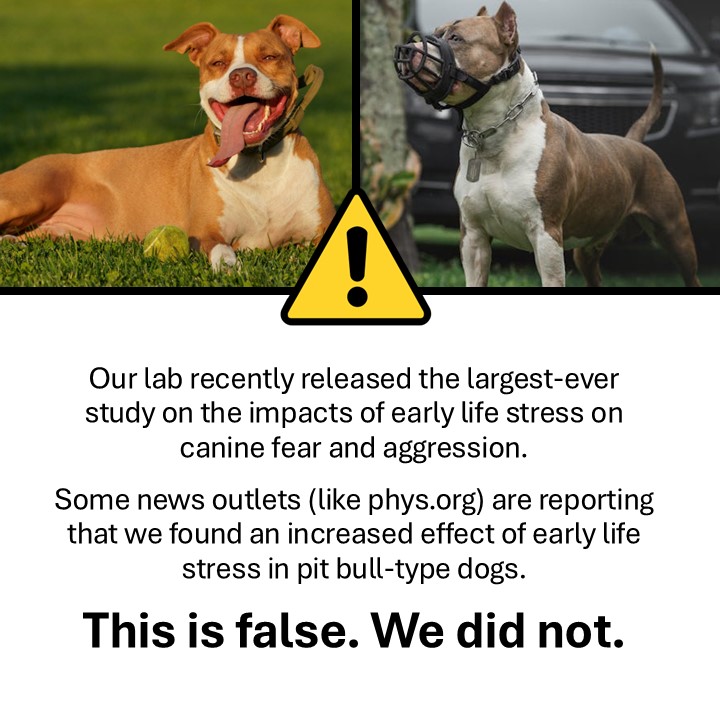
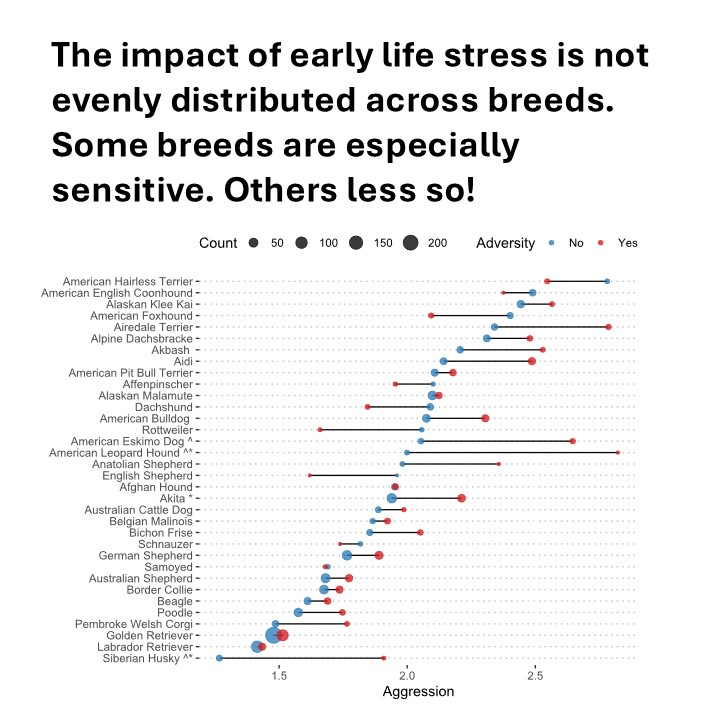

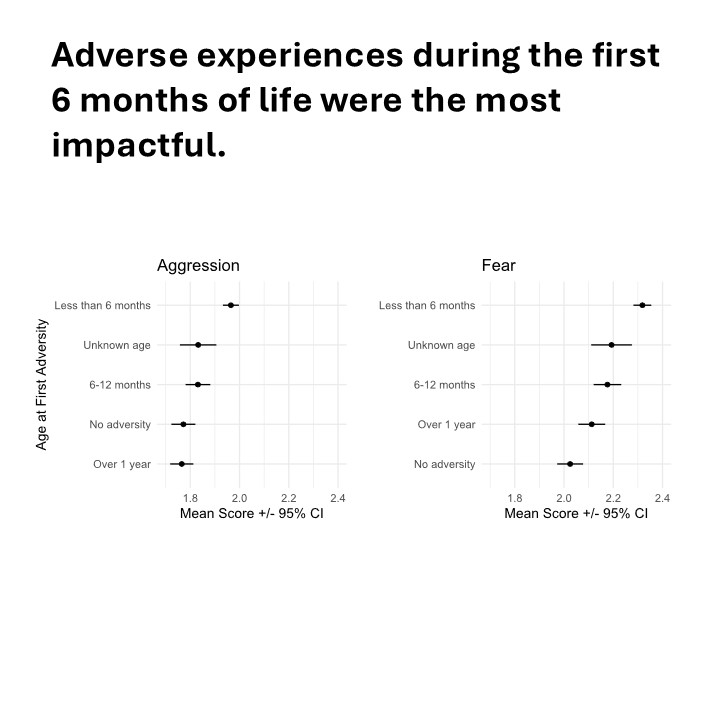
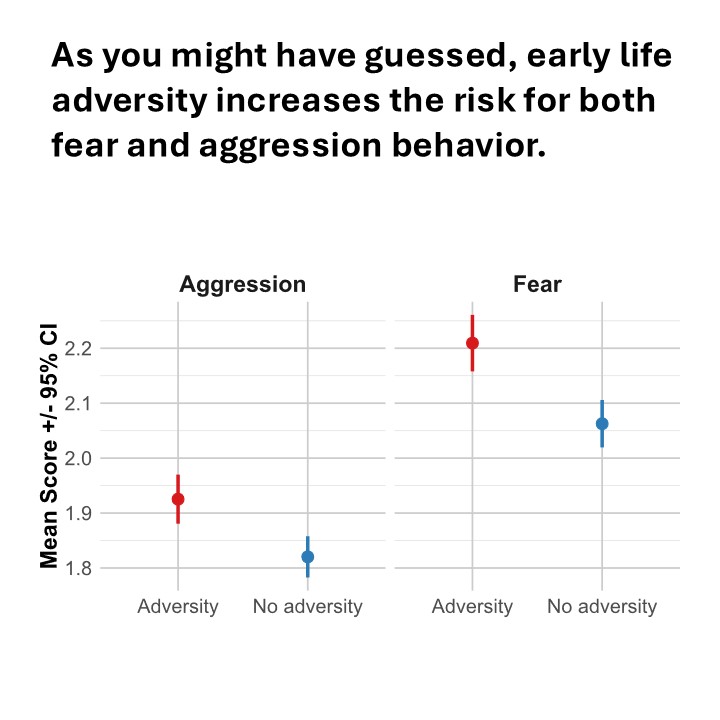

Some media are reporting that our recent study (nature.com/articles/s41598-0…) shows that pit bulls are especially likely to become aggressive if they are exposed to early life stress. Simply not true.
1
1
258
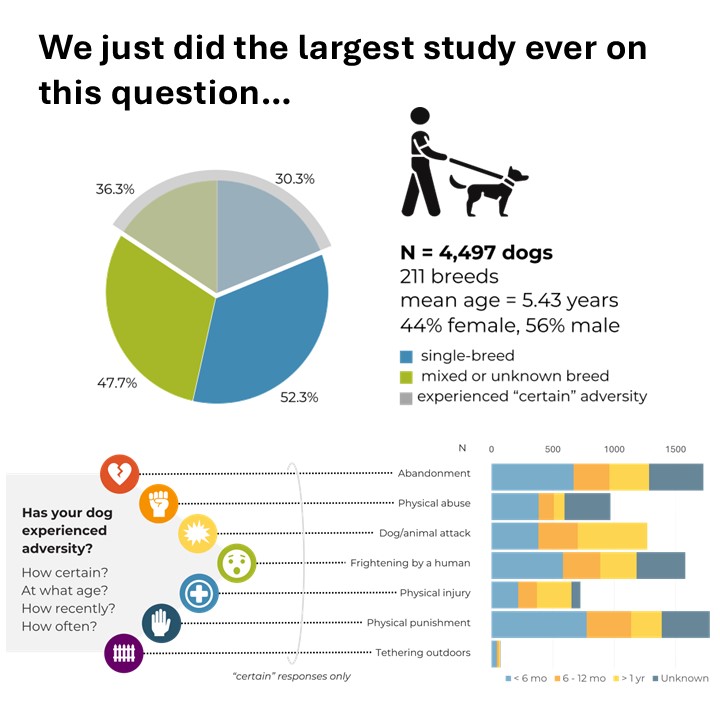
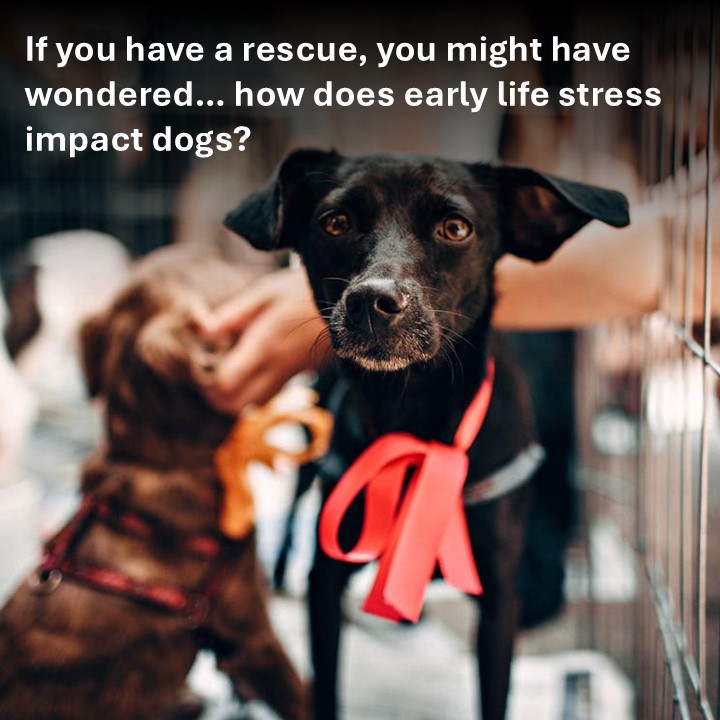
If you have a rescue dog, you might have the sense that stressful experiences can impact dogs' behavior later in life. Well, we just did the largest study ever on this topic. Open access! nature.com/articles/s41598-0…
1
1
74
Hecht Lab retweeted

28 May 2025
📄 Published in Imaging Neuroscience @ImagingNeurosci
🙏 Huge thanks to @LabHecht and @Sophie_A_Barton
📍@HarvardHEB @Harvard
2
2
200
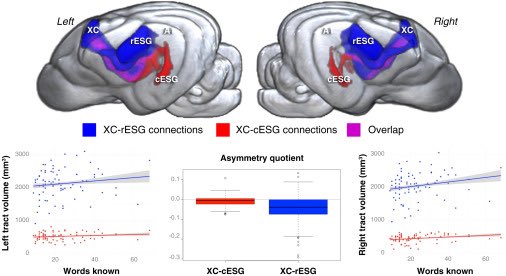
Using non-invasive MRI, we found a pathway in dog brains that predicts receptive vocabulary size. It’s left-lateralized & connects regions that produce and perceive vocal communication. A convergently evolved arcuate fasciculis? Read at @CurrentBiology: sciencedirect.com/science/ar…
ALT The image shows a white matter path in the dog brain connecting vocal premotor region XC to temporal auditory regions rESG and pESG. A bar graph shows that the tract is significantly larger in the left hemisphere. Scatterplots show that the tract predicts the receptive vocabulary size of individual dogs.
5
34
90
7,409
I emailed Dr. Trut as a no-name grad student asking if I could do MRI research with her foxes. She didn’t write me off & 15 years later I have a lab at Harvard continuing to study the amazing animals she helped create. She made an impact in science & my life. Thank you, Dr. Trut.
24 Oct 2024

Lyudmila Trut devoted her life to studying the process of domestication by selectively breeding friendly foxes trib.al/RracGzx
1
39
2,264
Hecht Lab retweeted

14 Oct 2024
📢 PhD position in human, ape, or dog cognition @JohnsHopkins - please RT!
We study how animals think, & what makes the human mind unique
Deadline: Dec 1
Learn more here: social-cognitive-origins.com
And here: social-cognitive-origins.com…
And in QT'd thread
12 Sep 2021

🚨 PhD position(s) in human, nohuman primate, and dog cognition!
I am thrilled to be recruiting one or more PhD students to join the new Comparative Social Cognition research group, launching next summer at @JohnsHopkins @JHUArtsSciences. 1/
106
143
34,757
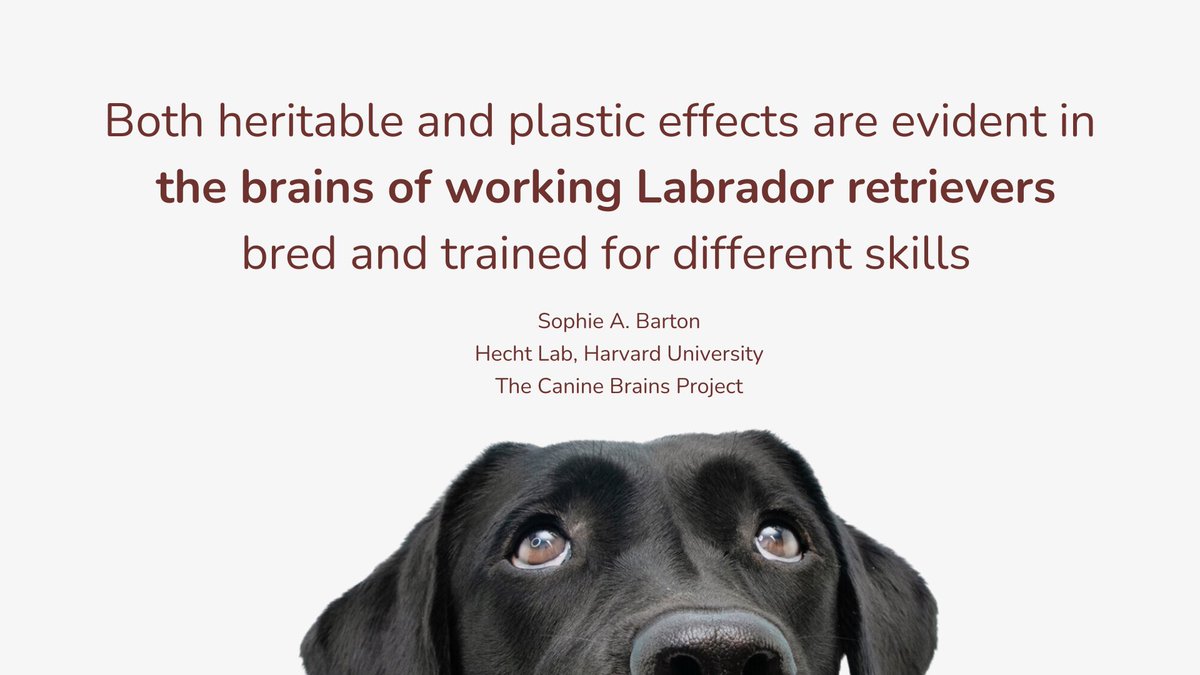
Come see @Sophie_A_Barton’s talk if you’re at #sfn2024! Nature and nurture in the brain organization of domestic dogs!
6 Oct 2024

I’m giving a nano talk at #sfn2024 #SfN24 tomorrow! It’s at 1 pm in room N227 if anyone wants to come learn about working dogs and their brains
1
1
15
902