
Disrupting energy storage, multifunctional materials, and robotics by understanding and exploiting electrochemistry and soft matter.
Joined August 2019
- Tweets 140
- Following 201
- Followers 260
- Likes 311
5 Photos and videos

PikulLab retweeted

2 Oct 2024
Inspired by the human body's circulatory system, @UWMechEngr’s @LabPikul created a liquid energy storage and delivery system that could power future robots and make chemical manufacturing more sustainable.
engineering.wisc.edu/news/bo…
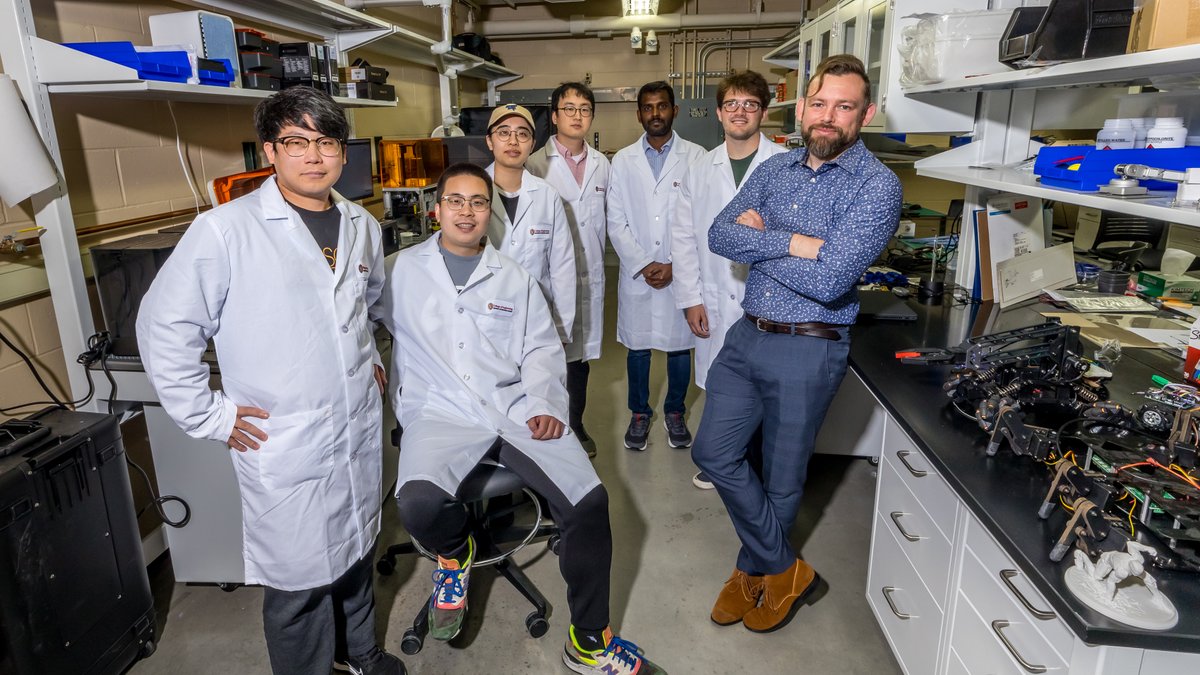
ALT Associate Professor James Pikul and members of his research lab
3
6
1,473

We also turned it into a multifunctional actuator for the #softrobotics fans out there. Paper: lnkd.in/gwxUiy-k
1
73
I'm sharing a recent collaboration with Lin Wang and Eric Detsi. We doubled the cycle life (2,000 ) of magnesium ion battery anodes using a solid-liquid phase transition that heals anode damage during cycling at room temperature. pubs.rsc.org/en/content/arti…
1
3
228
Great paper, and I learned a lot!

Introducing tactile skin sim-to-real for dexterous in-hand translation!
We propose a simulation model for ReSkin, a magnetic tactile sensing skin. It can simulate ternary shear and binary normal forces.
More: jessicayin.github.io/tactile…
1
234

Introducing tactile skin sim-to-real for dexterous in-hand translation!
We propose a simulation model for ReSkin, a magnetic tactile sensing skin. It can simulate ternary shear and binary normal forces.
More: jessicayin.github.io/tactile…
2
42
187
33,499
Probably not a good use of money. Talked to several industrial companies electrifying and hydrogen is so far away from delivering what their customers want that they aren't even considering it. Better nonEV batteries would be a better investment. #politicsinengineering
13 Mar 2024

We have another big announcement today. For clean hydrogen. For jobs. And for the clean energy transition.
🟢 NEW—$750M to dramatically reduce the cost of clean hydrogen and directly support 1,500 new jobs.
reuters.com/business/energy/…
222
We're turning UW into an electrochemical powerhouse connected to heavy industry. More to come.
14 Mar 2024

Three new electrochemistry-focused research labs are up and running in @UWMechEngr. @LabPikul, @Kazyak_Lab and @LucaMastro89 are working together to develop new solutions in batteries, fuel cells, soft robotics and self-healing metals.
engineering.wisc.edu/blog/ne…
2
10
1,342
PikulLab retweeted
14 Mar 2024
Three new electrochemistry-focused research labs are up and running in @UWMechEngr. @LabPikul, @Kazyak_Lab and @LucaMastro89 are working together to develop new solutions in batteries, fuel cells, soft robotics and self-healing metals.
engineering.wisc.edu/blog/ne…
1
7
18
3,600
Second
25 Feb 2024

I think Google has lost the plot on AI. There's no way this level of debacle in an organization as big as Google can be solved without substantial clearing of the house. Also, I don't think that anyone seeking objective truth/facts/analysis will ever use Google AI products.
2
270
Join Sam Tawfick and I in our @Materials_MRS conversation with experts on Materials for Powering Miniature Robots on February 21. Hear from @awissa_bid at @EPrinceton, Marc Miskin at @PennEngineers and Minshen Zhu at tu-chemnitz.de mrs.digitellinc.com/live/134…
4
7
1,823
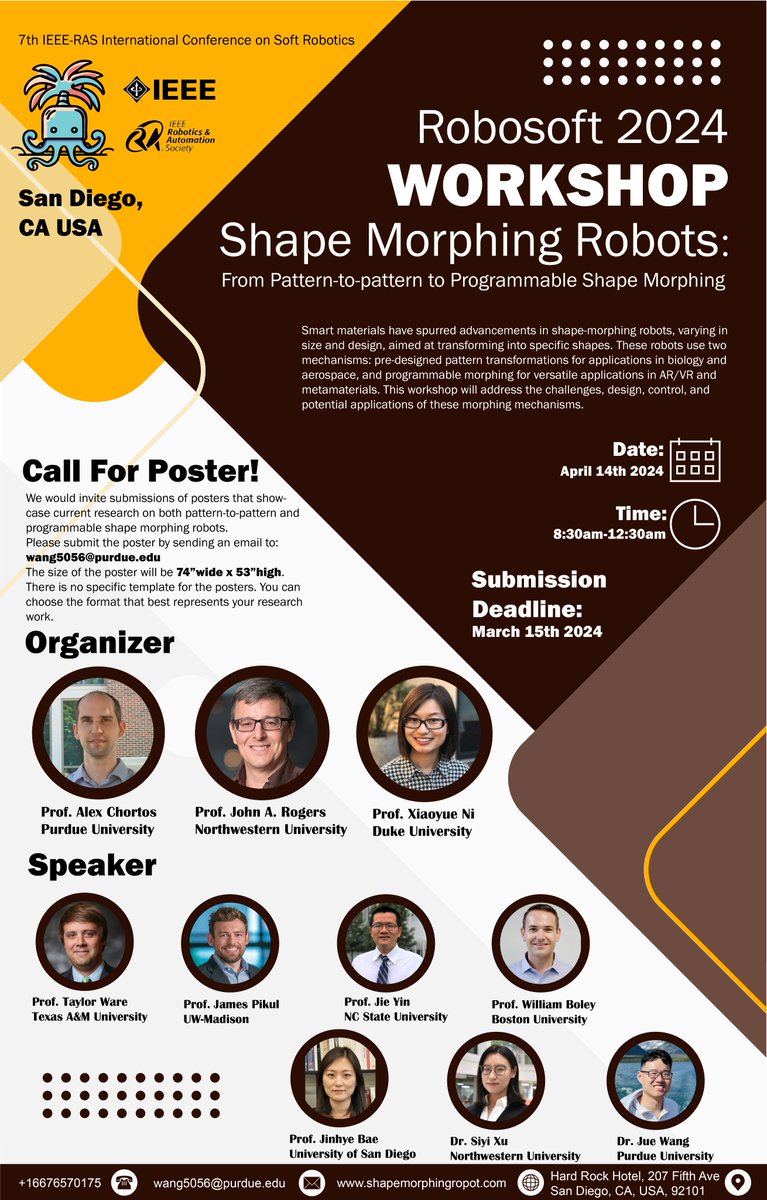
A great opportunity for #softrobotics researchers to showcase their work on shape morphing robots. Submit a poster to the workshop below at #IEEE #RoboSoft24. I will be talking about our work on electroadhesive clutches to program stiffness and shape in soft robots.
1
140
PikulLab retweeted
18 Jan 2024
A team led by @UWMechEngr’s @LabPikul has developed a new design for haptic systems that could deliver more realistic sensory experiences in virtual reality and boost exoskeletons, prosthetics, finger-gripping systems, and shape-shifting robots.
engineering.wisc.edu/news/a-…
2
9
815
What an awesome and fun collaboration with Kevin and Ryan. This is just the beginning. Read it open access here: onlinelibrary.wiley.com/doi/…
21 Dec 2023

A nice article by Penn Engineering on our recent collaborative work with @LabPikul and Ryan Hayward at CU Boulder: A New Electroadhesive Clutch To Improve Haptics in Virtual Reality Gloves and Beyond blog.seas.upenn.edu/a-new-el…
1
2
493
PikulLab retweeted

2 Nov 2023
If anyone (primarily, electrochemists, battery engineers, materials scientists, electrolyte chemists, organic chemists, but also any other related field) wants to do a Postdoc in a fun, new lab with an exciting industry-funded project on Li metal batteries..DM me ASAP #aiche23
9
15
77
10,424
I have been dreaming about making sub-10 volt electrostatic #actuators for some time, and the #electrochemist in me has wanted to do it with double-layers. We just published our first step: sub-10 volt electrostatic clutches for #haptics and #softrobots in Advanced Materials.
1
1
6
963
This was/is a wonderful and very fun collaboration with @kevin_t_turner lab and Ryan Hayward's lab at @CUEngineering that started when COVID did. See it in onlinelibrary.wiley.com/doi/… @AdvSciNews Congrats to the students who put in an amazing effort. @UWMadEngr @PennEngineers
1
130
PikulLab retweeted

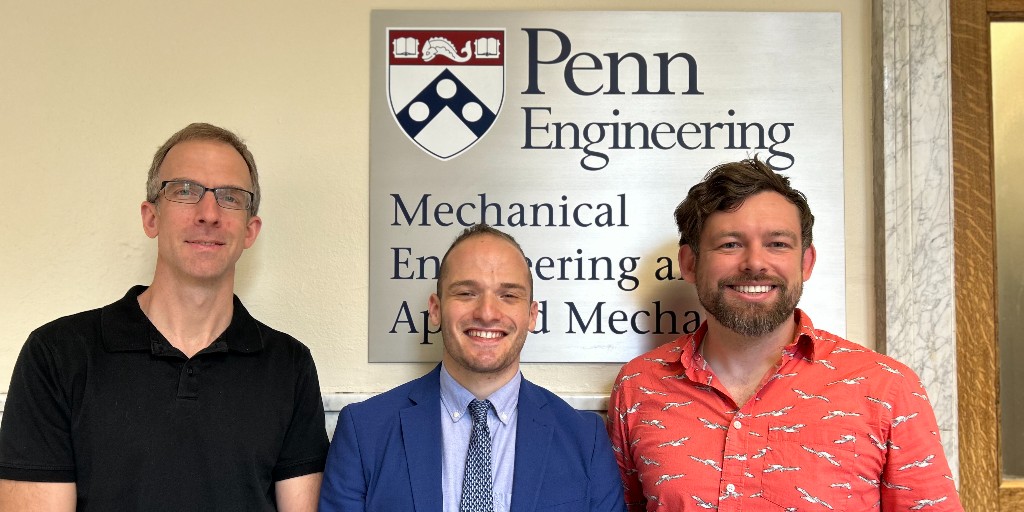
Congratulations to Dr. David Levine (@David_J_Levine) who successfully defended his doctoral dissertation on "High Performance Electroadhesives for Materials and Robots with Electroprogrammable Stiffness" under the advisory of @kevin_t_turner and @LabPikul. 🎉
3
17
927