
Professor Emeritus of Sociology University of Kent. Research in violence, inequality & photography. #fbpe 🕎 #nospaceforhate
Joined September 2011
- Tweets 2,634
- Following 950
- Followers 938
- Likes 8,384
60 Photos and videos





Larry Ray retweeted

1/5
An open letter to @TheLancet from an Iranian-Jewish cardiologist.
Today, one of the world's most prestigious medical journals published a campaign to suspend the Israeli Medical Association from the World Medical Association — the body founded after WWII to ensure physicians would never again be weaponized by political ideology.
I'm a cardiologist. I'm an Iranian Jew who grew up under a regime where medicine was subjugated to the state.
What The Lancet just did is a disgrace to my profession.
Here's what they published — and what they deliberately left out.
266
1,630
5,400
209,321
Larry Ray retweeted

Jun 12
The reason the UK’s finances are struggling to meet the demands of our defence budget are the eye watering sums lost through Tory incompetence and CORRUPTION! C£100 BILLION
But it’s so much easier to blame Keir
#StopTheCoup
463
327
822
17,457
Larry Ray retweeted

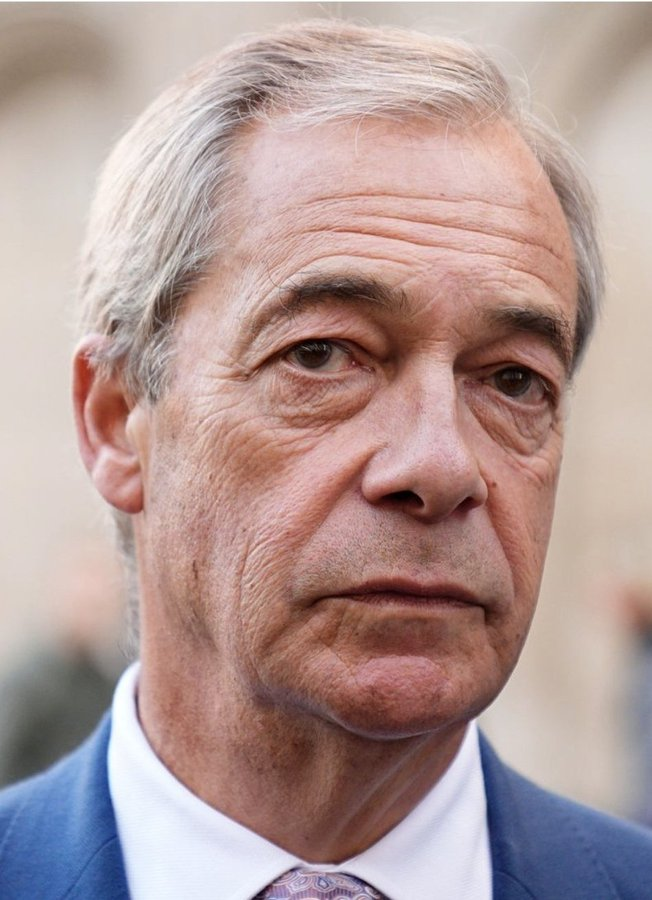
Should Nigel Farage be arrested for inciting riots?
Like - Yes
RT - Instantly
1,267
6,544
24,083
202,965
Larry Ray retweeted

May 24
Too on point not to share. This is great, but too bad the Orange Felon’s enablers won’t let him see it.
This Australian's reply to #Trump's rant about “NATO not being there for America” is perfect.
"Mate. You run a country with 600,000 homeless people sleeping on the street tonight. A country where 40% of adults can't cover a $400 emergency without borrowing money. A country where insulin costs more than a car payment and people are rationing it to survive. A country where medical debt is the number 1 cause of bankruptcy. A country where women are dying in hospital car parks because doctors are too scared of abortion laws to treat a miscarriage.
You lock up more of your own citizens than any nation on earth. More than China. More than Russia. More than North Korea. The land of the free has 2 million people in cages, and a quarter of them haven't even been convicted of anything. They're just too poor to make bail.
Your life expectancy is going backwards. You're the only developed nation where that's happening. Your infant mortality rate is worse than Cuba's. Your kids do active shooter drills between maths and English while you sell the gunmaker's stock to your mates.
Your minimum wage hasn't moved in 15 years. You've got teachers working 2 jobs and veterans sleeping under bridges and you just spent a trillion dollars flattening a country that didn't attack you.
And you’ve got a convicted felon, adjudicating raping, paedophile protecting, porn star shagging insurrectionist running the biggest dumpster fire war campaign since the Taliban thanked you very much for losing again.
And you're calling Greenland poorly run?
Greenland has universal healthcare. Free education. One of the lowest incarceration rates in the world. Nobody goes bankrupt there because they got sick. Nobody dies in a waiting room because their insurance said no.
'NATO wasn't there when we needed them." When exactly was that, champ? September 11? Because NATO invoked Article 5 for the first and only time in history FOR YOU. Soldiers from dozens of countries deployed, fought, bled, and died in Afghanistan FOR YOU. Australia wasn't even in NATO and we still showed up. For 20 years.
And you pulled out at 2am without telling anyone and left them to deal with the mess.
So maybe before you start calling other countries poorly run, have a look at your own backyard, you spray-tanned aluminium siding salesman. The only thing poorly run in this picture is your f----- mouth."
- Tony Locke

1,110
15,989
34,309
701,061
Larry Ray retweeted

May 18
I constantly see people on this platform blame Israel for making Jews' lives worse.
Here's your reminder of what happened within days after October 7th — before Israel had even finished cleaning up their dead, while hundreds of innocent men, women, and children were being held hostage in tunnels underground.
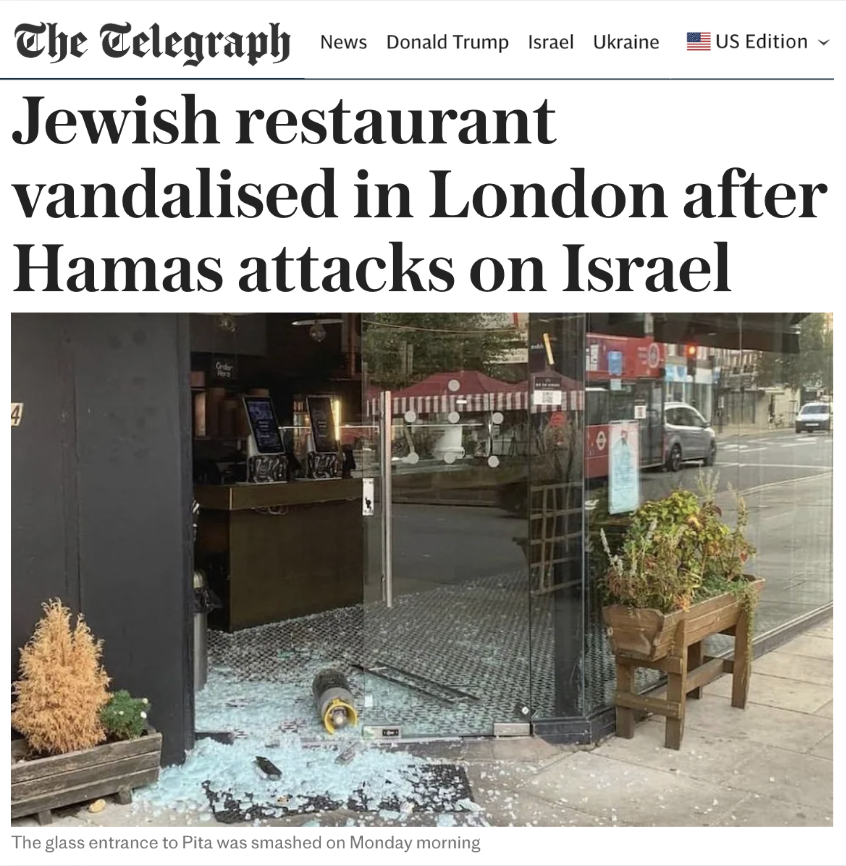
• Vandals smashed a kosher restaurant in London.
• A synagogue was desecrated in Porto.
• Hundreds outside the Sydney Opera House screaming, "Gas the Jews."
• Crowds in Geneva chanting "Khaybar, Khaybar, ya yahud!" — a reference to a 7th-century massacre of Jews in Saudi Arabia.
• A rabbi's home in British Columbia was covered with Nazi graffiti.
• A synagogue was set ablaze in Tunisia.
• The only mezuzah-marked door in a Paris apartment building was doused with gasoline and set on fire.
• Molotov cocktails were hurled at a synagogue in Berlin.
This is what happened before Israel launched a single airstrike in response.
The idea that anti-Jew hate is Israel's fault — that Jews would be safe if Israel just behaved differently — is not just wrong.
Blaming Jews for hate against us is the oldest lie in the book.
They don't hate us because of what Israel does. They hate us already and need something convenient to blame it on.
169
891
2,815
58,795
Larry Ray retweeted

May 17
Starmer builds the party, takes it out of the ashes, makes it electable. Takes it from a devastating loss to a landslide. Two years later, in arrive 2 chancers & traitors who fancy their chances at playing PM & want to steal what was hard won.
No credibility. Contemptible.
91
521
2,667
19,428
Larry Ray retweeted

May 17
The Hierarchy of Victims. And the Rule That Determines It.
Danny Cohen is a former director of BBC Television. He is Jewish. He is not hostile to Palestinian suffering and says so plainly. When he asks why pro-Gaza activists are silent on the plight of Afghans, Iranians and Sudanese, the question cannot be dismissed as right wing provocation. It is a question from inside the liberal establishment and it demands an answer.
Consider the numbers: over a million Afghans have been forcibly expelled from Pakistan in just over a year. Children as young as thirteen deported to overcrowded camps. Families torn apart. Desperate parents with no idea where their children have been sent. No mass march. No parliamentary obsession. No wall to wall BBC coverage.
In Sudan, up to 400,000 people have been killed through direct violence, starvation or disease. More than 10 million displaced. Nearly 20 million facing acute hunger. Eight hundred and twenty five thousand children under five projected to suffer severe acute malnutrition. Mass sexual violence. Ethnic cleansing. The fall of El Fasher marked by summary executions. No mass march. No union statements. No charity sector fury.
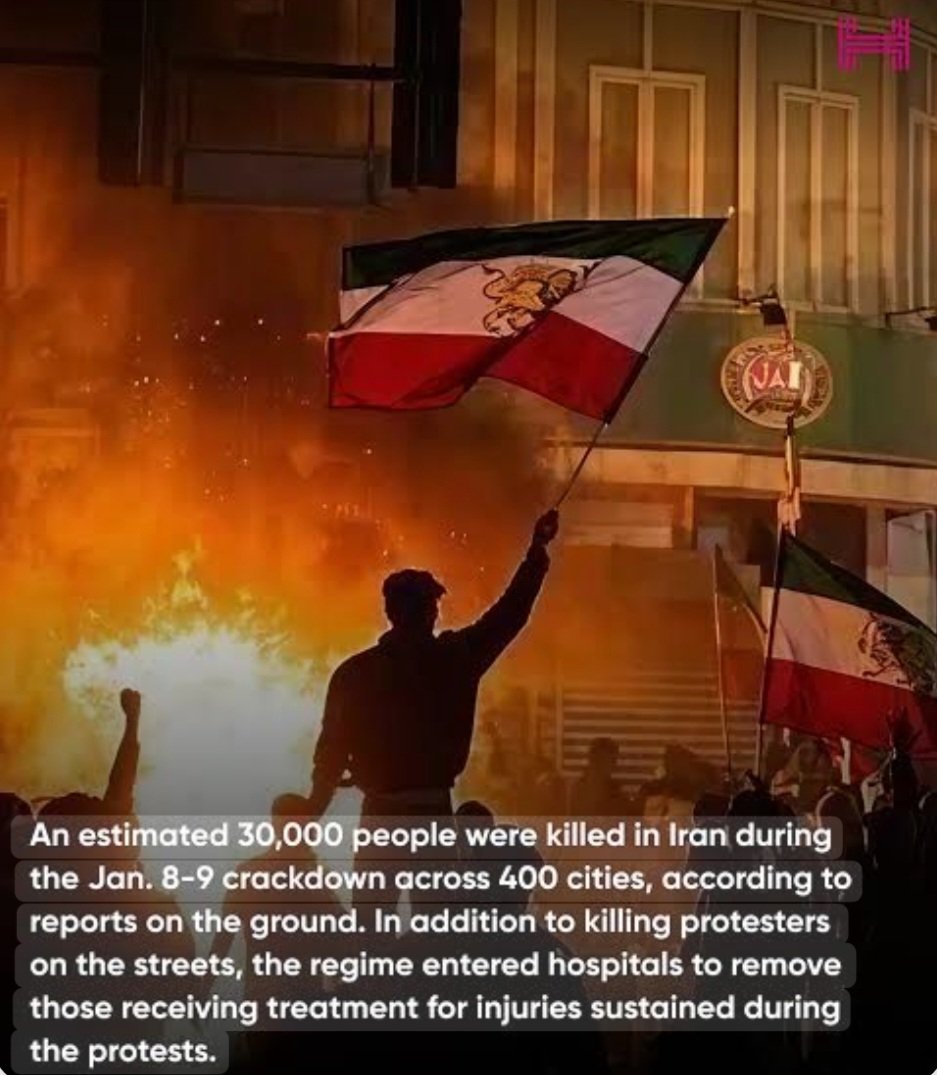
In Iran, 30,000 citizens were massacred by their own government in 48 hours earlier this year. More than 50,000 arrested, facing execution, widespread torture and denial of medical care. No mass march. No parliamentary obsession. No social media outrage from the same accounts that document every casualty in Gaza with forensic intensity.
Three simultaneous catastrophes. Three invisible victim populations. One common variable. Israel cannot be blamed for any of them.
Cohen makes the observation that British Jews already know why. The singular focus on Israel, at the expense of attention to so many other humanitarian tragedies, tells us that something else is going on. The target is not the Israeli government. The red triangle associated with Hamas is paraded freely. The chant is from the river to the sea. The target is Jewish people.
The BBC observation in his piece deserves particular attention. The corporation has made an editorial choice to cover Gaza wall to wall while giving comparatively little time to three simultaneous catastrophes affecting vastly more people. This is not a resource question. Resources follow editorial priorities. The same institution that suppressed gender critical reporting, that was described by its own former director of news as a sea in which we all swam, has decided which suffering is newsworthy and which is not. The hierarchy of victims is not accidental. It reflects the hierarchy of values of the people making the editorial decisions.
Selective outrage is not passion misdirected. It is passion precisely directed. The directing principle is not the scale of suffering. It is not the vulnerability of the victims. It is not the availability of a remedy. It is whether the cause can be used to indict the West and delegitimise Israel. That principle is applied consistently because the people applying it share a common ideological formation. They were educated in the same captured universities, employed by the same captured institutions, and now control the editorial desks, the union structures and the parliamentary priorities of a country that still believes it is being governed in the national interest. The progressive capture of those institutions, documented from the BBC newsroom to the Cabinet, has produced a class that decides which suffering is newsworthy, which victims deserve solidarity and which catastrophes can be safely ignored. The Afghans, the Sudanese and the Iranians failed that test. They always will because their suffering is not useful.
65
689
1,553
32,507
Larry Ray retweeted

May 11
I keep reading about the ‘heavy hearts’ of Labour MPs calling for the overthrowing of the elected PM.
Guess what: I don’t give a shiny shit if your heart is heavy. I’m disgusted with each one of you. 14yrs we waited for a Labour govt and you lot have chosen to fuck it up 2yrs in
208
1,165
6,127
49,222
Larry Ray retweeted

May 12
Please repost if you agree that it would be extremely unwise for Labour to remove Keir Starmer right now
71
2,957
5,601
52,693
Larry Ray retweeted

May 11
The British mainstream media is now desperately trying to force a democratically elected Prime Minister to resign simply because it's good for ratings.
Disgusting.
195
971
5,079
41,910
Larry Ray retweeted

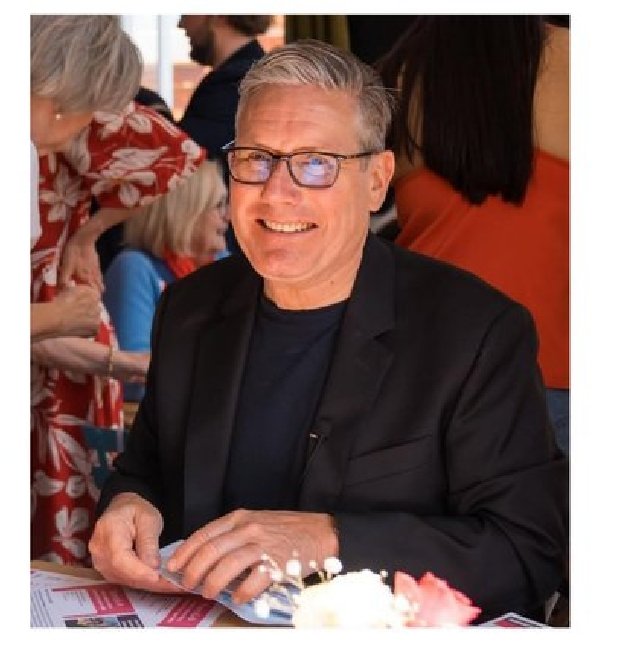
Best Prime Minister in decades, repairing years of Tory destruction in record time, Labour has my vote tomorrow, even though I voted tactically last time.
1,356
425
2,010
41,116
Larry Ray retweeted

There is a claim that keeps circulating, presented as sophisticated analysis: antisemitic violence is caused by Israel’s actions. If Israel behaved differently, Jewish communities around the world would somehow be safer. This argument is not analysis. It is a moral inversion. And it collapses the moment you apply it consistently.
When China imprisons Uyghurs, does anyone warn Muslim communities in Paris to expect attacks? When Russia invaded Ukraine, did anyone tell Russian restaurants to brace for violence? No. Never. The causal chain between a government’s actions and violence against a diaspora is only ever constructed for Jews. Every other minority is extended the basic moral courtesy of being treated as individuals rather than proxies.
Now look at what the data actually shows. The SPCJ, which tracks antisemitic incidents in France in coordination with the Interior Ministry, has documented a consistent and damning pattern: it is antisemitic violence that inspires more antisemitic violence, not Israeli policy. After Mohamed Merah murdered Jewish children at point-blank range at the Ozar Hatorah school in Toulouse in 2012, antisemitic acts surged by 200%. There was no Gaza operation. No Israeli military action. The massacre of Jews in France produced more attacks on Jews in France.
The same logic held after the Hypercacher attack in January 2015: antisemitic acts increased by nearly 300%. Massacres of Jews do not shock antisemites into restraint. They embolden them. They signal impunity. They normalize hatred. And everyone in a position of responsibility knows it.
Which brings us to October 7. From the day of the Hamas attack, antisemitic acts in France increased by over 1,000%. A daily average of approximately 25 antisemitic acts was recorded in the 30 days that followed, reaching nearly 40 on some days. In the three months after the attack, the number of antisemitic acts equaled those recorded over the previous three years combined.
And here is another detail that makes the “Israel causes antisemitism” argument impossible to sustain: the spike began on October 7 itself, the very day of the attack. Israel had not yet responded. Not a single soldier had entered Gaza. Interior Minister Darmanin sent an urgent message to prefects that same day asking them to immediately reinforce protection of Jewish community sites. Synagogues. Schools. Community centers. By October 10, 10,000 police officers had been deployed to protect 500 Jewish sites across the country.
Before any Israeli response existed, the French government already knew that Jewish communities needed protecting. Not because of what Israel was about to do. Because of what had just been done to Jews.
Antisemitic violence has one cause. Antisemitism.
284
1,337
4,237
553,873
Larry Ray retweeted

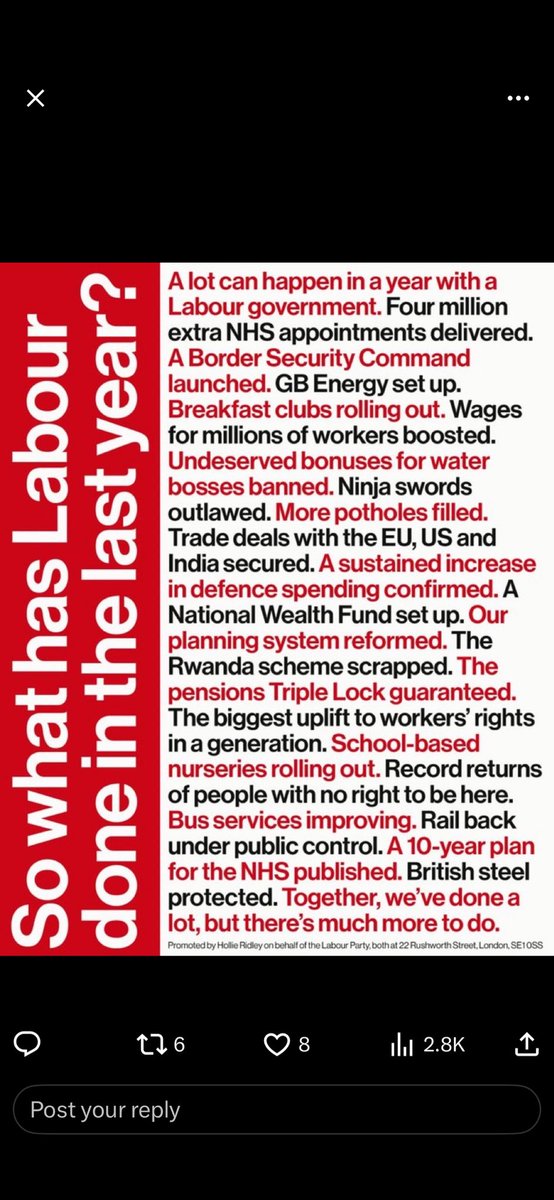
Small boat crossings down 42%
NHS waiting lists at lowest level in 3 years
Government borrowing at a 3-year low
Unemployment falling
UK back as the world’s 5th largest economy (IMF)
While Reform shouts at cricket bats, Labour is quietly fixing the country
thelondoneconomic.com/opinio…
409
2,223
5,207
99,262
Larry Ray retweeted

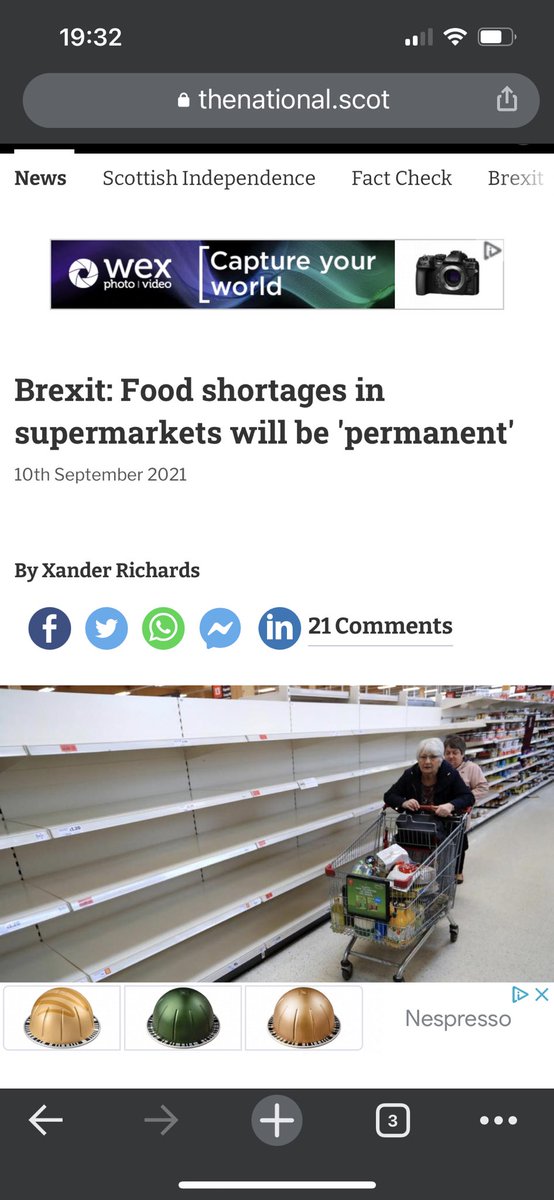
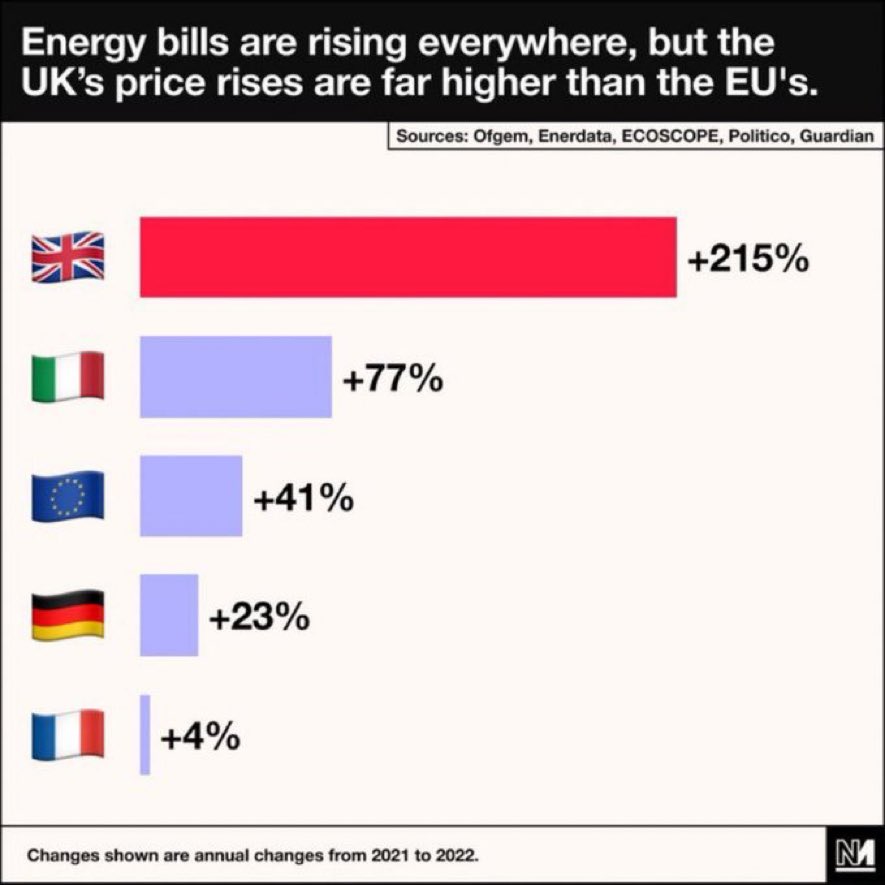
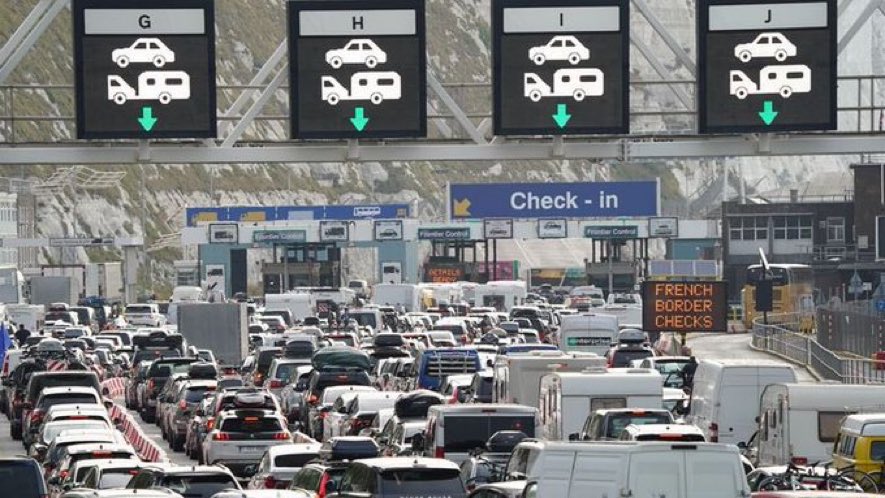
Brexit was a means for the rich & powerful to become richer & more powerful. Brexit opened the Pandora's box on racism, bigotry & xenophobia & gave ignorance a voice. Brexit is, & always will be, an egregious act of national self harm. Rejoining the EU is in our national interest
142
519
1,512
15,185
Larry Ray retweeted

Apr 21
Do you think journalism in the UK is in the gutter?🤔
Repost after voting please.
98%
Yes
2%
No
469 votes • Final results
20
587
226
6,287
Larry Ray retweeted

Apr 17
◇Cameron took UK out of the EU
◇Johnson killed 23,000
◇Truss crashed the UK economy
◇Starmer appointed the wrong man
Get some perspective, folks.
905
1,172
5,195
124,395
Larry Ray retweeted

🔥‼️🚨Breaking
@Keir_Starmer is shining
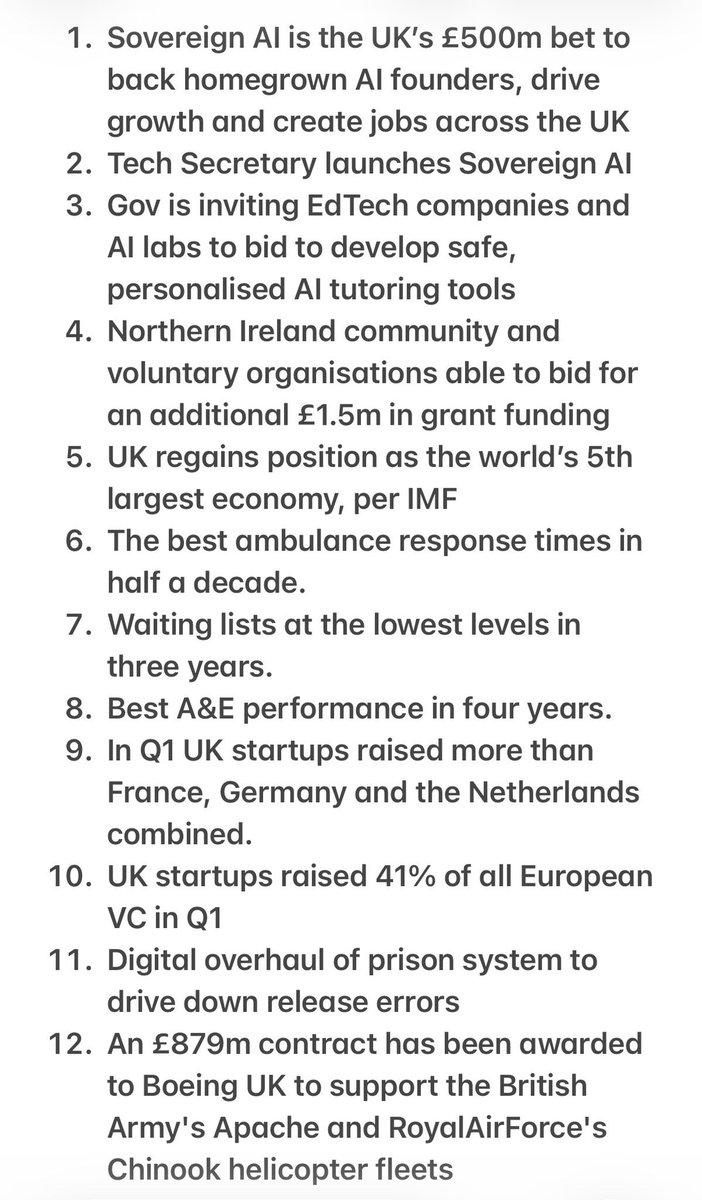
While the outrage machine spins the same tired headlines, the scoreboard quietly keeps ticking up.
Under Labour Party, @UKLabour policies are landing, systems are shifting, and progress is happening in real time — just not in the places chasing clicks.
If results mattered more than noise, this timeline would look very different.
The gap between what’s reported… and what’s actually being delivered? That’s where the real story lives.
@10DowningStreet @BBCNews
37
168
351
2,773
Larry Ray retweeted

Apr 15
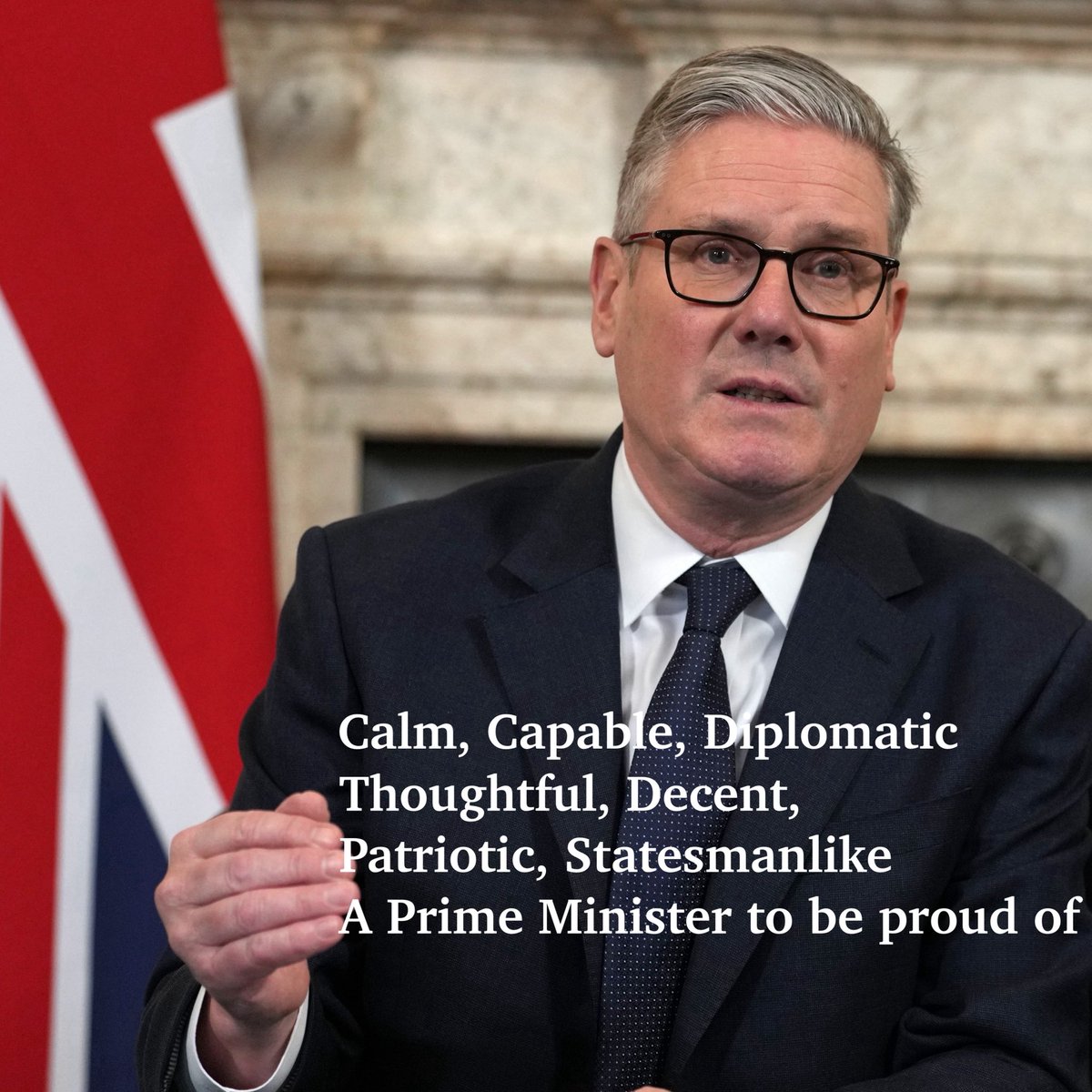
Absolutely! Not perfect - no PM ever has been or will be- but such an improvement on the 3 we had in the last Parliament.
754
218
928
22,320
Larry Ray retweeted

Apr 10
BREAKING: Britain’s Prime Minister Just Delivered a Br— And the Entire World Saw It.
A reporter threw Keir Starmer into the fire with one explosive question: “Tru.m.p is furious with you. Has your relationship completely fallen apart?”
Most politicians would have panicked. Dodged the question. Smiled awkwardly. Tried to calm the headlines.
But not Starmer. He stared straight ahead and said the one thing almost nobody in Washington has dared to say out loud:
“I act in the British national interest. My principles and values are what guide me. Nothing — but nothing — is going to deflect me from that.”
No apology. No fear. No desperate attempt to keep T.ru.mp happy. Just imagine that for a second.
While American politicians continue walking on eggshells around the man in Mar-a-Lago, Britain’s Prime Minister stood on a military base in Saudi Arabia and made it crystal clear:
“I do not govern for you.”
He refused to drag Britain into a war without legal approval. He demanded proof, legality, and accountability. For 39 days, he held his ground while Tr.u.mp raged, threatened, and unleashed fury online.
And when asked if he regretted standing up to Tr.ump?
Not one second of hesitation.
Not one word of apology.
Not one inch of retreat.
This is what real leadership looks like.
Not angry social media posts before sunrise.
Just a leader who knows exactly who he serves — and refuses to bow.

415
1,010
3,583
191,290