
Helping Web3 creators & projects grow | Community builder and growth strategist
Joined October 2024
- Tweets 12,385
- Following 1,233
- Followers 1,177
- Likes 19,737
413 Photos and videos











Lasun 💼 retweeted

22h
Most apologies are reputation management with eye contact, and the one time I said that at dinner nobody spoke for a full minute including the person who had just apologized to me. @RallyOnChain

32
9
50
1,695
Lasun 💼 retweeted
Jun 15
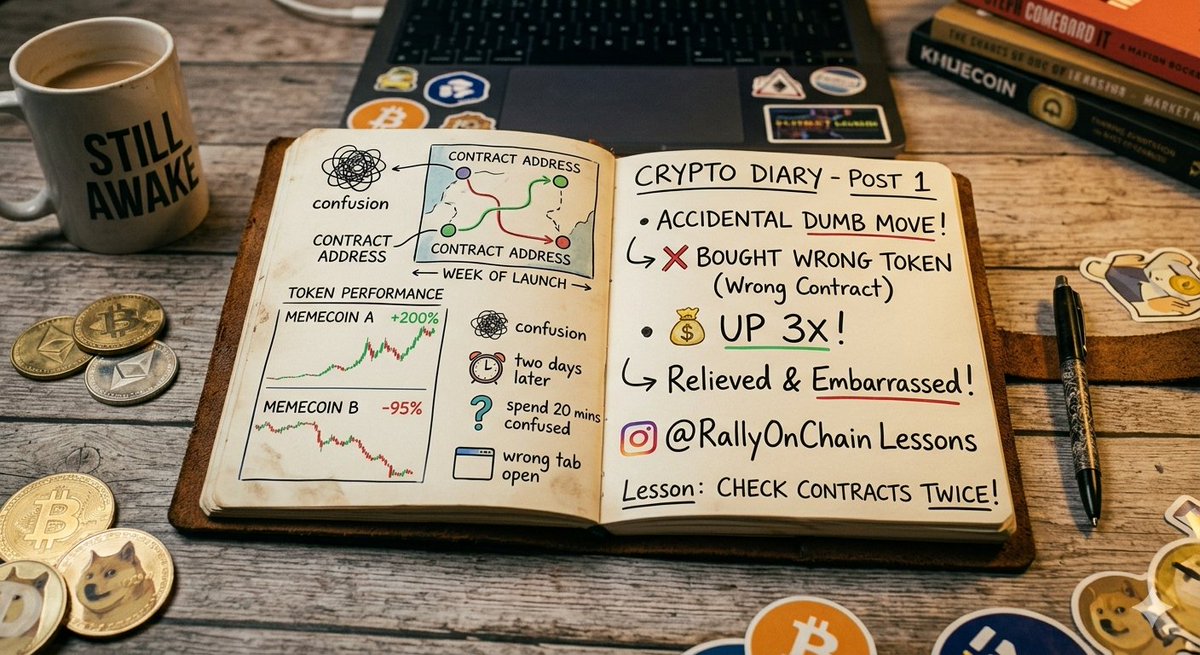
There were two tokens with almost identical names launching the same week.
I meant to buy one. I bought the other. Different contract, different team, different everything. Tired, moving fast, did not check the address properly.
I realized the mistake two days later when I went back to check the chart and could not find my position. Spent twenty minutes confused before I saw the wrong contract still open in another tab.
It was up 3x.
The one I actually meant to buy went to zero inside a month. I watched it from the outside, relieved in a way that felt slightly embarrassing.
Been going through what people are posting on @RallyOnChain this week and the pattern never changes. The careful trades underperform. The midnight mistakes teach you something research never could.
I check contract addresses twice now. That is the whole lesson.
What is the dumbest mistake you made in crypto that accidentally worked out?
57
10
80
2,854
Lasun 💼 retweeted
Jun 14
something I would only drop in a private group chat:
nobody in crypto actually changes their mind publicly.
they just go quiet about the thing they were wrong about and start something new three weeks later.
no correction. no admission. just the same confidence applied to a new narrative.
the space rewards conviction so heavily that being wrong feels like losing your identity.
so people just quietly leave the crime scene and hope nobody noticed.
that is why @RallyOnChain scoring actual quality matters more than most realize.
when was the last time you saw someone here actually admit they were wrong?

49
11
69
2,394

Jun 9
RT @Ahmx_web3: Every regulated institution evaluating a new settlement network asks the same operational question before any compliance rev…
26
Lasun 💼 retweeted
Jun 8
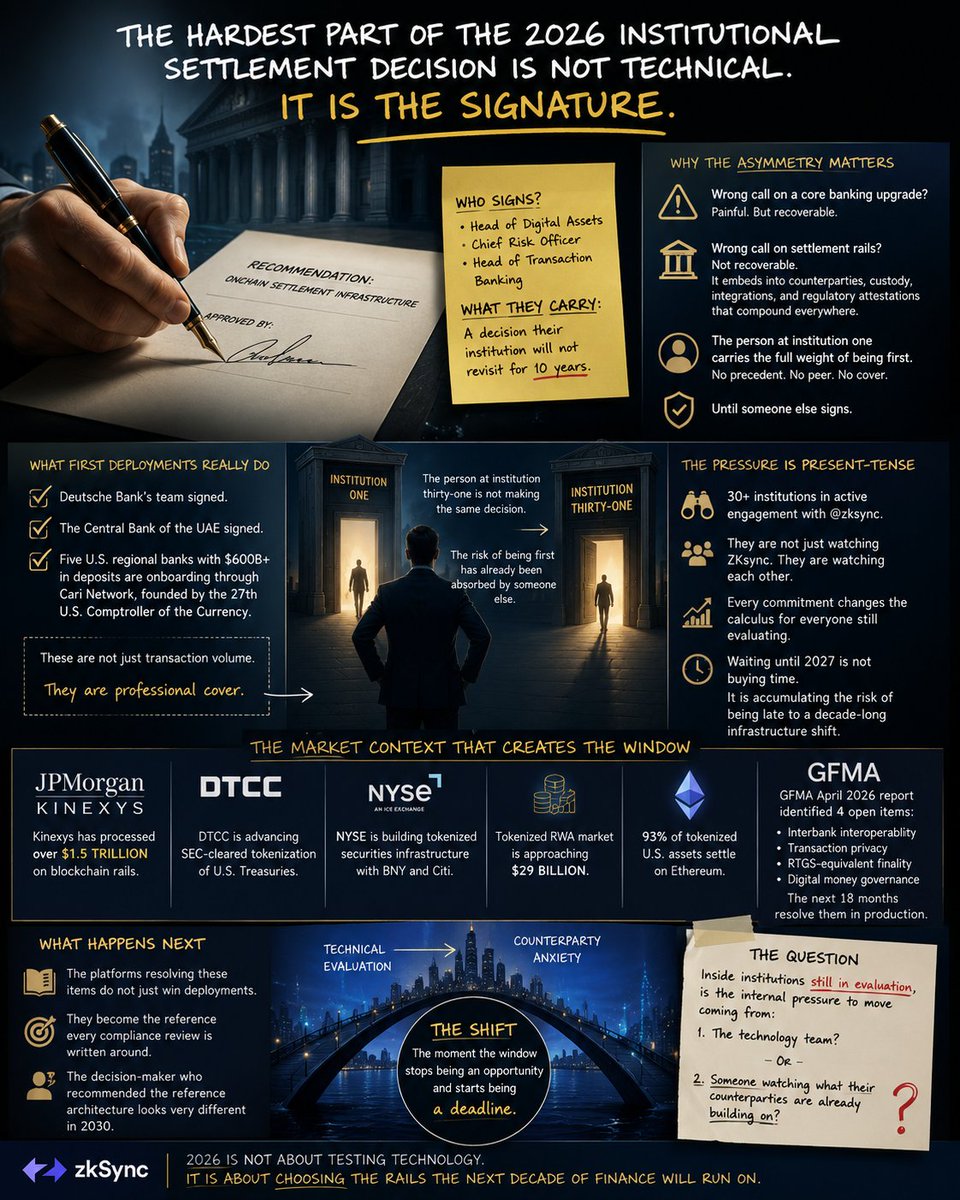
The hardest part of the 2026 institutional settlement decision is not technical.
It is the signature.
Somewhere inside every bank evaluating onchain settlement infrastructure right now, there is a person whose name goes on the recommendation. Head of Digital Assets. Chief Risk Officer. Head of Transaction Banking. That person is not just choosing a technology stack. They are attaching their professional judgment to an architectural decision their institution will not revisit for ten years.
That asymmetry shapes everything about how this decision actually gets made.
A wrong call on a core banking upgrade is painful and recoverable. A wrong call on settlement rails is neither. Settlement infrastructure embeds into counterparty relationships, custody integrations, and regulatory attestations that compound in every direction simultaneously. The person recommending a novel stack in year one carries the full weight of that novelty. There is no precedent to point to. No peer institution that already made the same call.
Until there is.
This is the function that first regulated deployments actually serve that most analysis misses. Deutsche Bank's team signed. The Central Bank of the UAE signed. Five U.S. regional banks representing $600 billion in combined deposits are currently onboarding through Cari Network, founded by the 27th U.S. Comptroller of the Currency. These are not just transaction volume. They are professional cover for the next decision-maker in the queue.
The person at institution thirty-one is not making the same decision as the person at institution one. They are making a decision that already has precedent across multiple jurisdictions, regulatory frameworks, and institutional types. The professional risk of being first has already been absorbed by someone else.
This is why the @zksync pipeline of 30 institutions in active engagement is a present-tense pressure dynamic, not a future-tense projection. Those institutions are not just watching ZKsync. They are watching each other. Each one that commits changes the professional calculus for every one still in evaluation. The decision-maker who waits until 2027 is not buying time. They are accumulating the risk of being the person who explains why their institution was late while peers were building bilateral settlement relationships and regulatory attestations that cannot be replicated by joining later.
JPMorgan Kinexys has processed over $1.5 trillion on blockchain rails. DTCC is advancing SEC-cleared tokenization of U.S. Treasuries. NYSE is building tokenized securities infrastructure alongside BNY and Citi. The tokenized RWA market is approaching $29 billion, with 93% of tokenized U.S. assets settling on Ethereum. The GFMA's April 2026 report identified the remaining open items: interbank interoperability, transaction privacy, RTGS-equivalent finality, and digital money governance. The next 18 months resolve them in production.
The platforms resolving those items do not just win deployments. They become the reference the next compliance review is written around. And the decision-maker who recommended the reference architecture looks very different in 2030 from the one who recommended the alternative.
The question I keep returning to: inside the institutions still in evaluation, is the internal pressure to move coming from the technology team or from someone watching what their counterparties are already building on?
Because that shift, from technical evaluation to counterparty anxiety, is the moment the window stops being an opportunity and starts being a deadline.
74
31
121
7,674
Lasun 💼 retweeted

Jun 7
Power came back after hours of outage and the first thing I checked wasn’t another crypto promise.
It was my Rally dashboard.
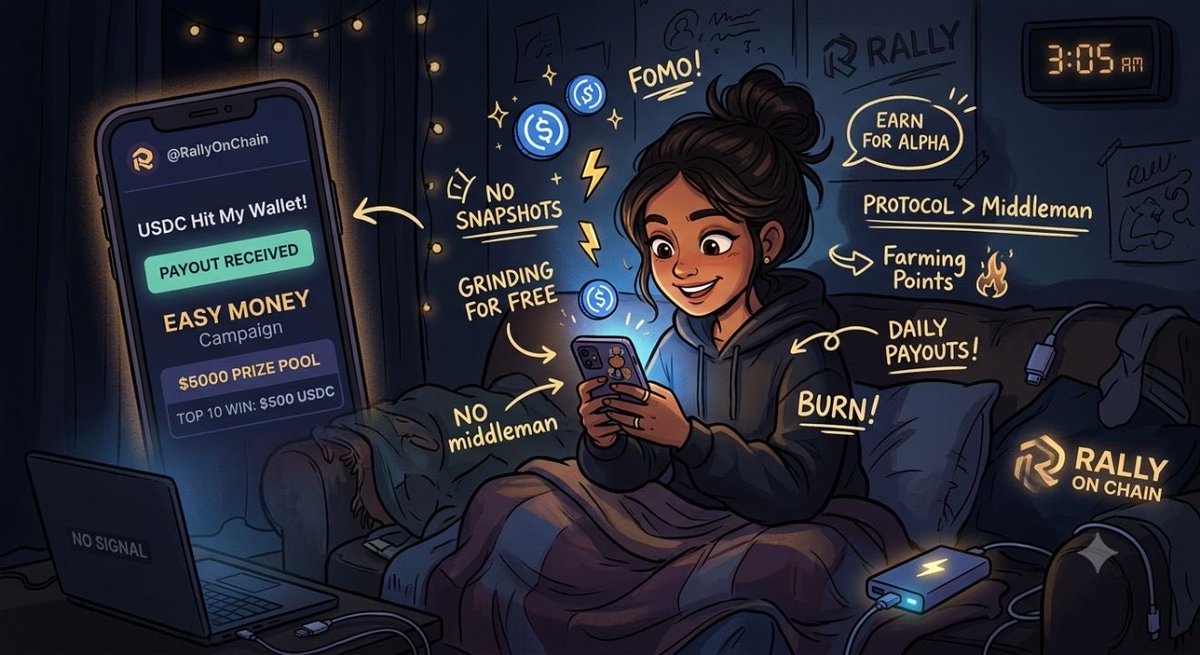
A tweet I already wrote about a DeFi move I actually made turned into 10 USDC reward.
That hit different because for years we gave away research, opinions, and alpha for free. Platforms kept the value. We kept the likes.
@RallyOnChain flips that.
A $5,000 Easy Money campaign is live right now. Top 10 creators take almost $500 each, and creators are earning every day.
The wild part? Most people are still posting into the void. Join Rally now while this window is still early.
What’s something you built in crypto that earned everyone except you? Tell it straight below.
22
14
28
1,408
Lasun 💼 retweeted

May 25
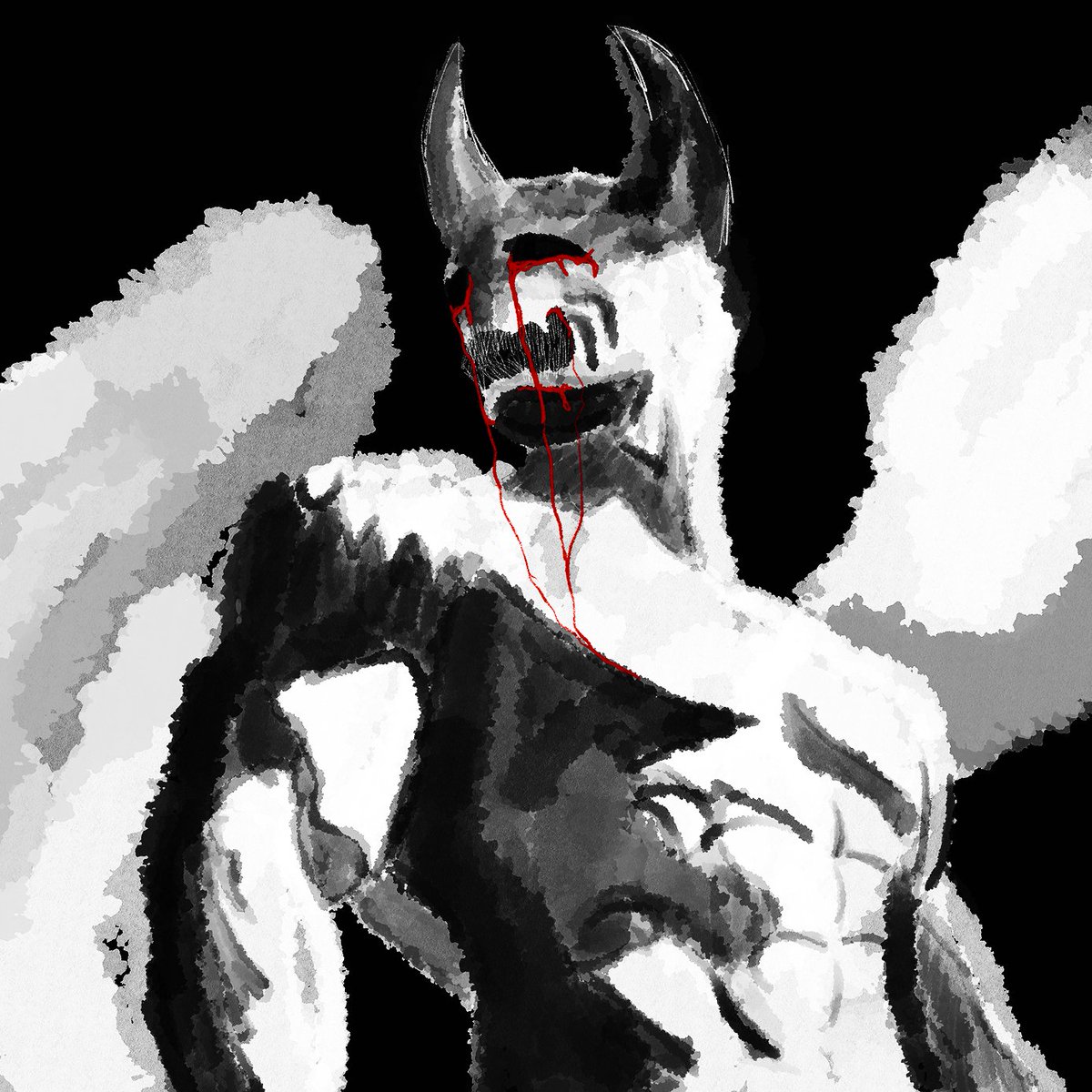
1'666 demoonz NFTs.
le'forg'E konda.s malth ᛟ
opauk de me'Tov rota ᚩ
joHai mere'nd stopa ᛒ
WL forme'o de siter
demoonz.ink/allowlist
2,193
1,920
2,167
56,123
Lasun 💼 retweeted

May 25
19 hours left
Trading continues - Knightmares.xyz
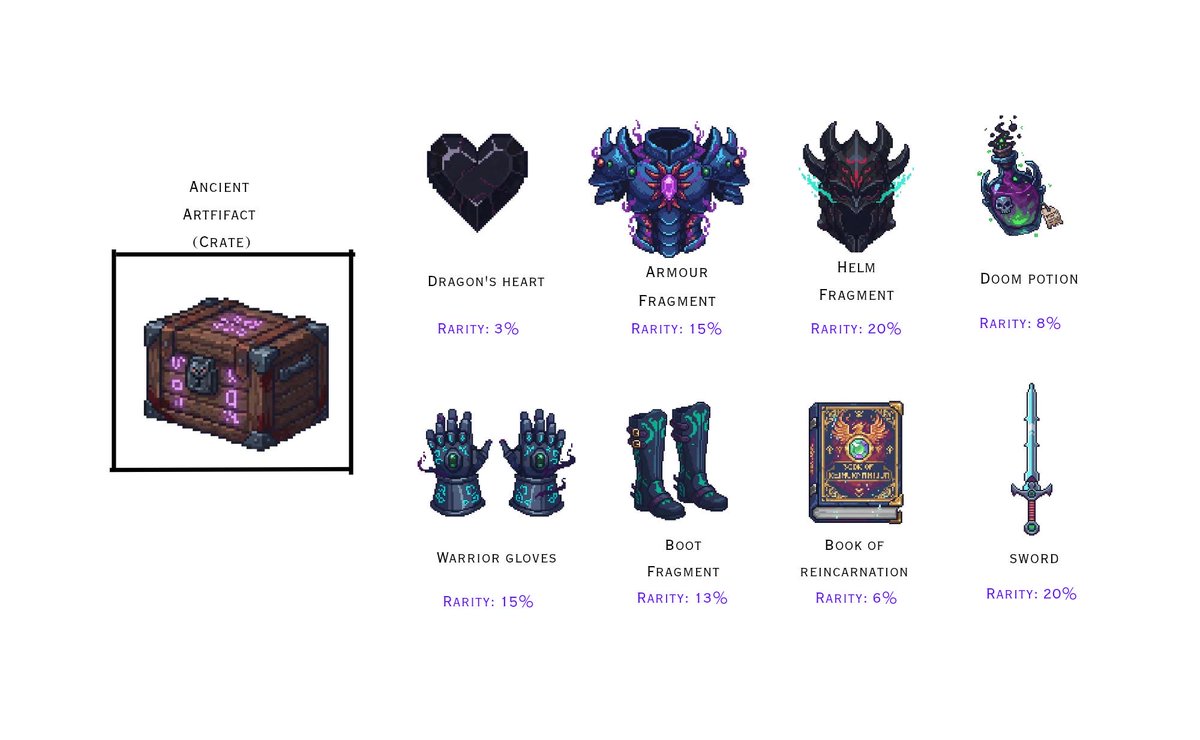
All players can keep collecting fragments and moving through the Forge
Rarity breakdown
→ Sword 20%
→ Helm 20%
→ Armor 15%
→ Gloves 15%
→ Boots 13%
→ Potion 8%
→ Book of Reincarnation 6%
→ Dragon Heart 3%
All users are advised to trade carefully and value their fragments based on rarity
3,086
2,293
2,852
36,935
Lasun 💼 retweeted
May 25
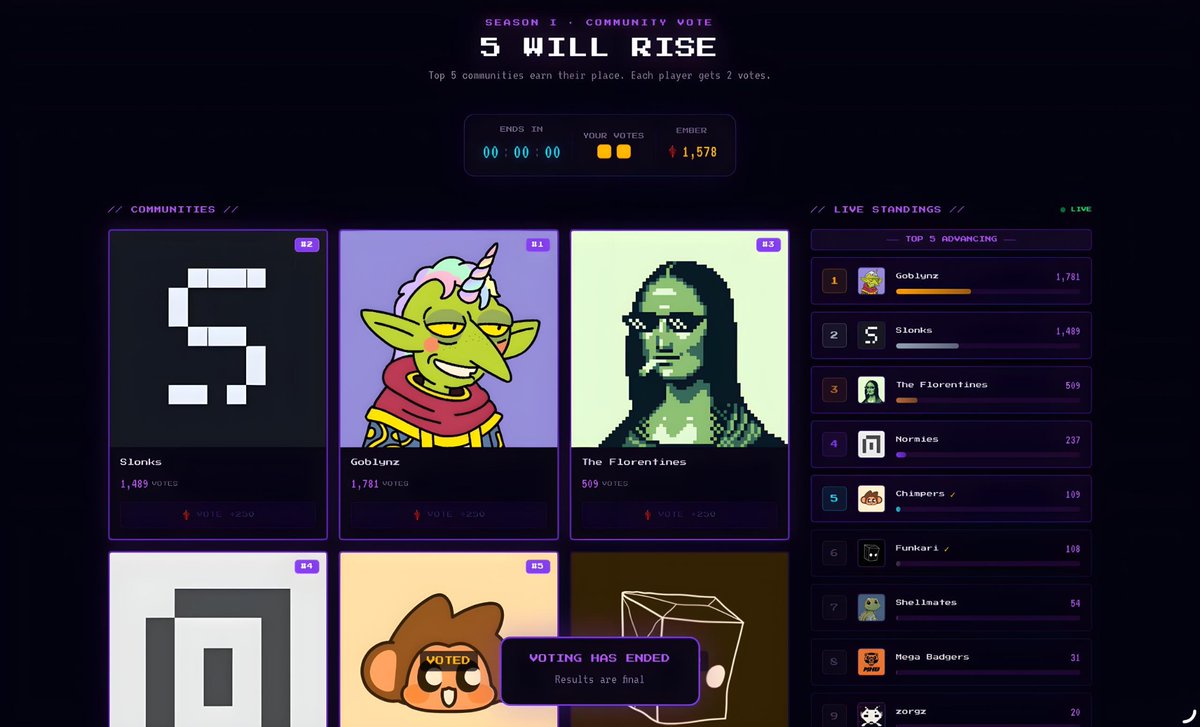
The Knights have arrived at a rendezous point.
12 communities summoned, and 5 emerged on top.
Approximately 4,500 players casted their vote, with the goblynz community leading the charge.
Mint breakdown on the next article.
2,398
1,790
2,328
42,085
Lasun 💼 retweeted
May 25
Brave knights to fight alongside us.
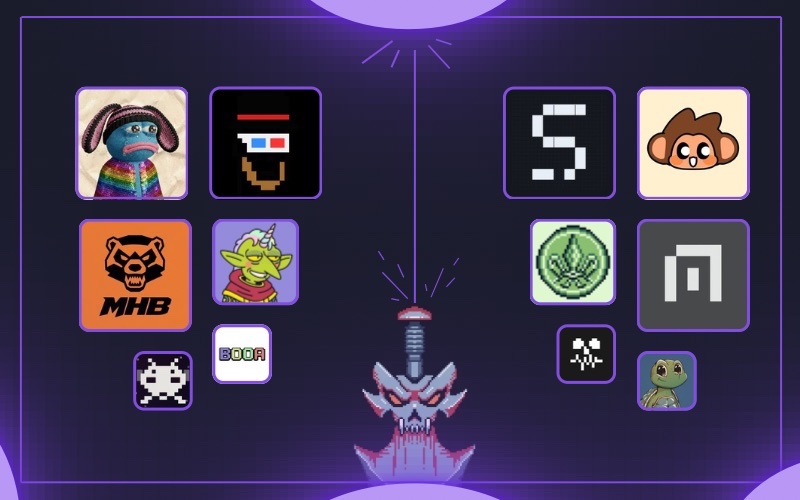
Out of the selected 12, there will be 5 communities chosen.
Vote here - Knightmares.xyz
Voting lasts for 9 hours, the bravest communities win.
1,688
1,390
1,752
34,758

May 18
i'm in.
@morphora_eth
999 handcrafted hybrid beasts.
abstract geometry on ETH mainnet.
morphora.xyz/wl/?ref=lasuncr…
1
19
Lasun 💼 retweeted

May 18
WL is open.
apply. post on X. get inside.
could close any minute.
morphora.xyz/

4,993
4,244
6,288
116,186
May 17
Not every move on-chain needs an audience.
Big wallets get tracked fast.
Bots monitor transactions, people study patterns, and suddenly your activity becomes public entertainment.
Sometimes moving quietly is the smarter play.
10
9
101
May 17
That’s what I find interesting about RocketX Privacy Swaps.
No extra noise. Just a smoother way to transact without exposing every step.
🔒 @RocketXexchange
3
52
Lasun 💼 retweeted

May 17
Public WL application is live
Get whacky → whackywhales.xyz
2,333
1,746
2,252
60,743