Our conceptual science curriculum is used worldwide by both colleges and high schools. We now also offer science courses created especially for homeschools.
Joined April 2018
- Tweets 153
- Following 93
- Followers 54
- Likes 131
40 Photos and videos







4 Apr 2019
The answer is both. With our courses, ALL students gain a solid foundation in the basic concepts of science. More importantly, you’ll have tools to help them enjoy the process of learning how their immediate and extended universe works. #FAQ
Visit conceptualscience.com now!
3 Apr 2019
An underlying goal of ours is to provide the support an instructor may need to implement the “flipped classroom” model. Students are introduced to academic content BEFORE coming to class so they're ready to apply the content during class. #flippedclassroom #edchat
1
28 Mar 2019
#FAQ
How does Conceptual Academy integrate with your Learning Management System (#LMS) like #Blackboard or #Canvas ?
Find out the answer here: conceptualscience.com/instru…
26 Mar 2019
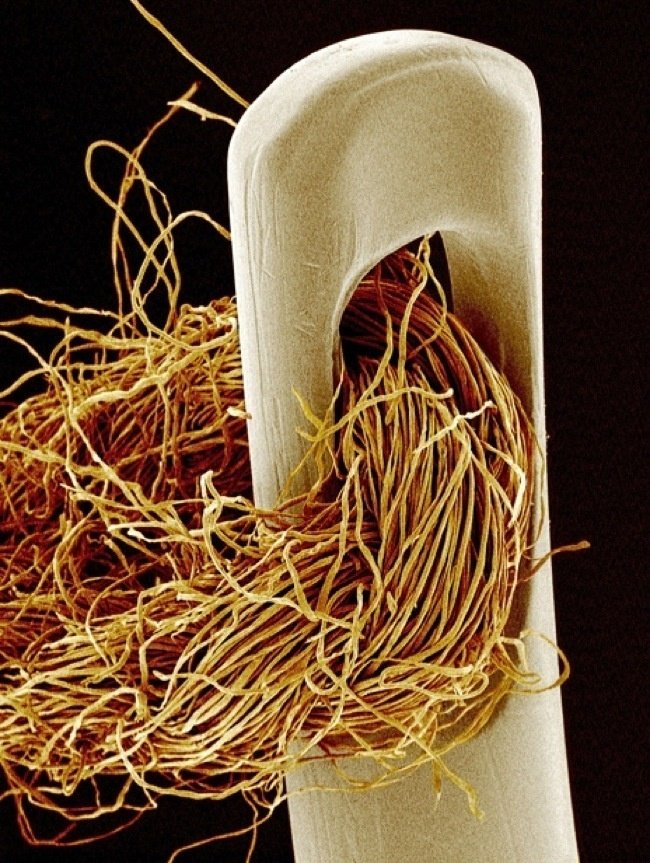
How small ARE #atoms? Dive into the head of a pin to get a sense of the smallness of atoms.
Visit conceptualscience.com to see more. #chemistry #edchat #science #sciencevideo #homeschool #LearnLAP
1
24 Mar 2019
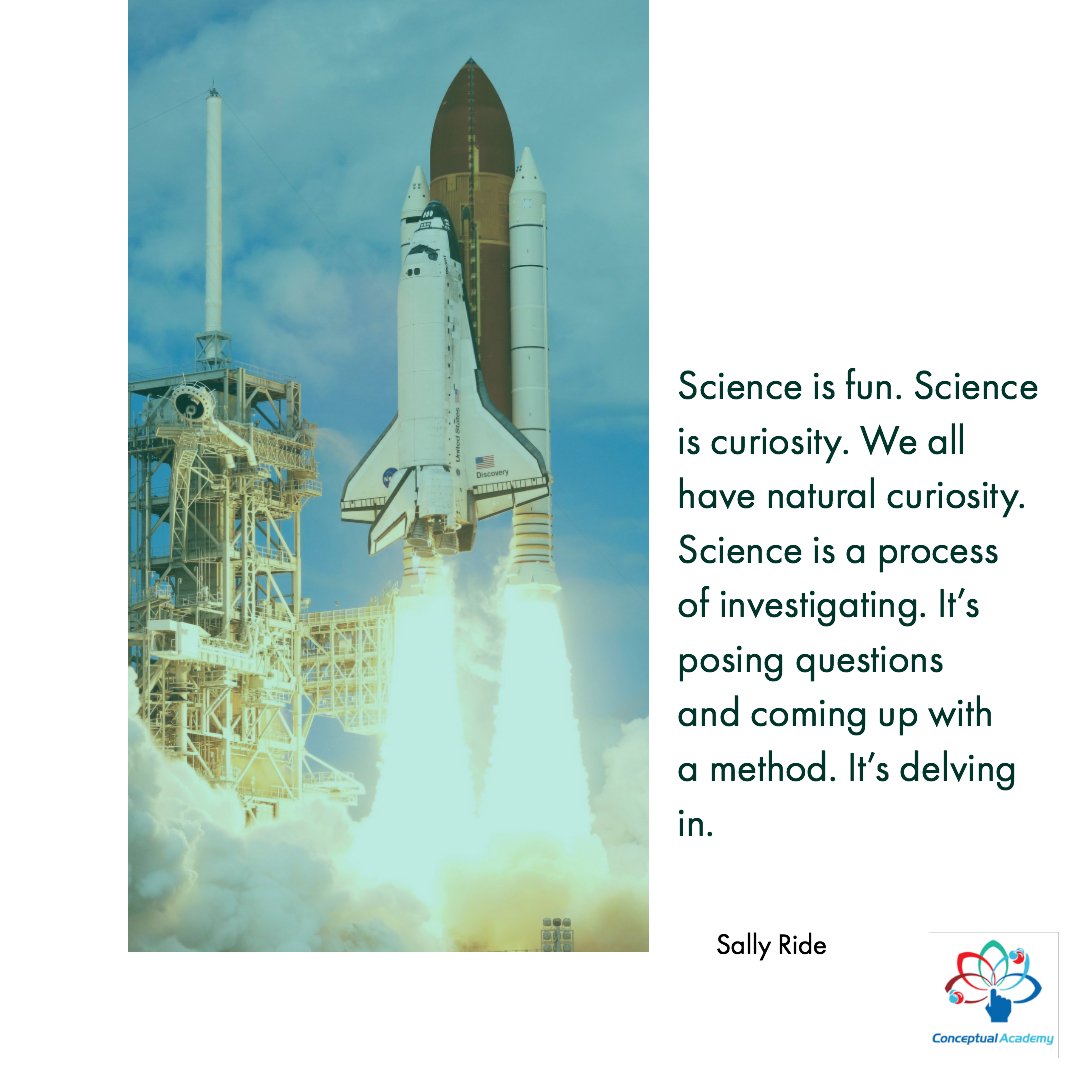
#QuoteoftheDay. "Science is fun. Science is curiosity. We all have natural curiosity. Science is a process of investigating. It's posing questions and coming up with a method. It's delving in." #Science #Retweet #EdChat #ConceptualLearning #tlap #SundayThoughts
23 Mar 2019
What's Step 1/ Step 2 Learning?
Step 1: student is introduced to content (as per textbook, lectures, live or online). It's an input process.
Step 2: student articulates what they think they learned. It's an output process.
Do you use this process in your classroom? #edchat
Conceptual Academy retweeted

19 Mar 2019
Words all kids appreciate:
1. I love having you in my class.
2. Please & thank you.
3. I believe in you.
4. Here’s one thing you are good at.
5. When I was a kid I did that too.
#edchat #tlap #kidsdeserveit #thatonekid #culturize
17
592
1,729
22 Mar 2019
Listen to our #podcast. Episode 1 covers topics like the scientific method, basic & applied research, and unit conversion. Advice on how to make good use of the traditional science textbook is also provided. conceptualscience.com/podcas… #chemistry #IAedchat #edchat #chartingchemistry
1
Conceptual Academy retweeted

20 Mar 2019
This could help explain why the Milky Way is sandwiched between giant bubbles of gamma rays. ow.ly/ZJNu30o7NJ2
3
57
128
19 Mar 2019
Walking your dog? Going on road trip? Download our latest #podcast #episode here: conceptualscience.com/podcas… where you'll learn effective study strategies and review topics like the scientific method, basic and applied research, and unit conversion. #listening #thoughts #edchat

Do you see the ☕ in this @chandraxray image?
Nicknamed the "Teacup," this object is about 1.1 billion light years away. The "handle" is a ring of optical and X-ray light, while the "cup" is a black hole known as a quasar. Details: go.nasa.gov/2TTsmQu
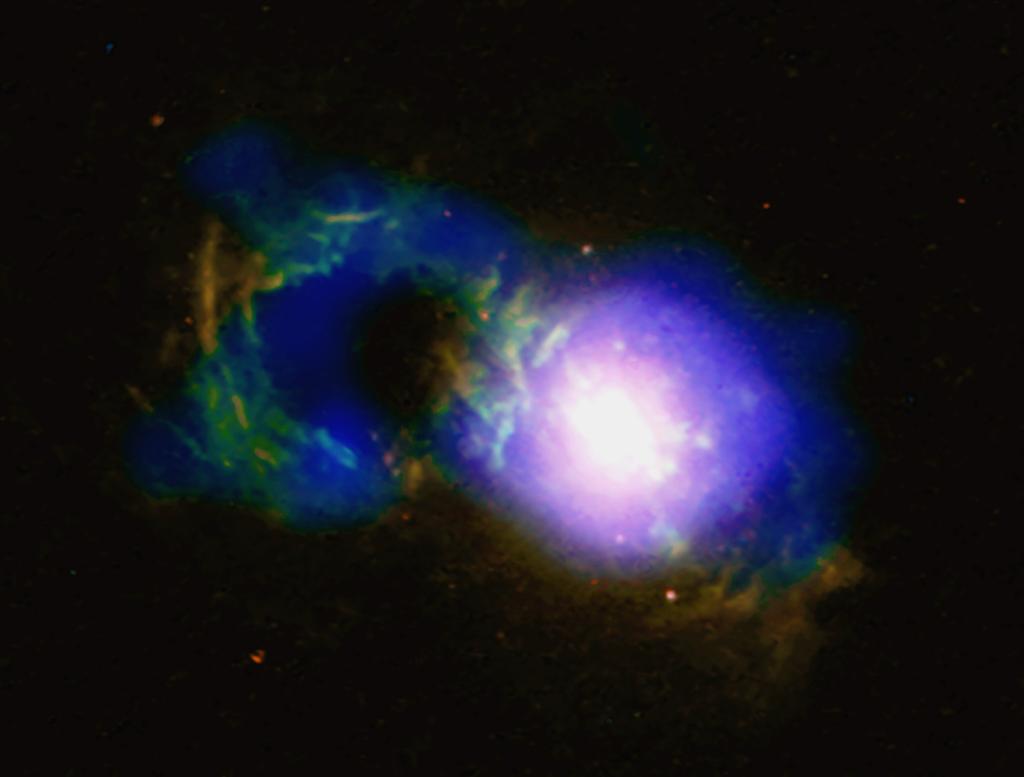
ALT image of "teacup" structure in galaxy
117
902
4,610
15 Mar 2019
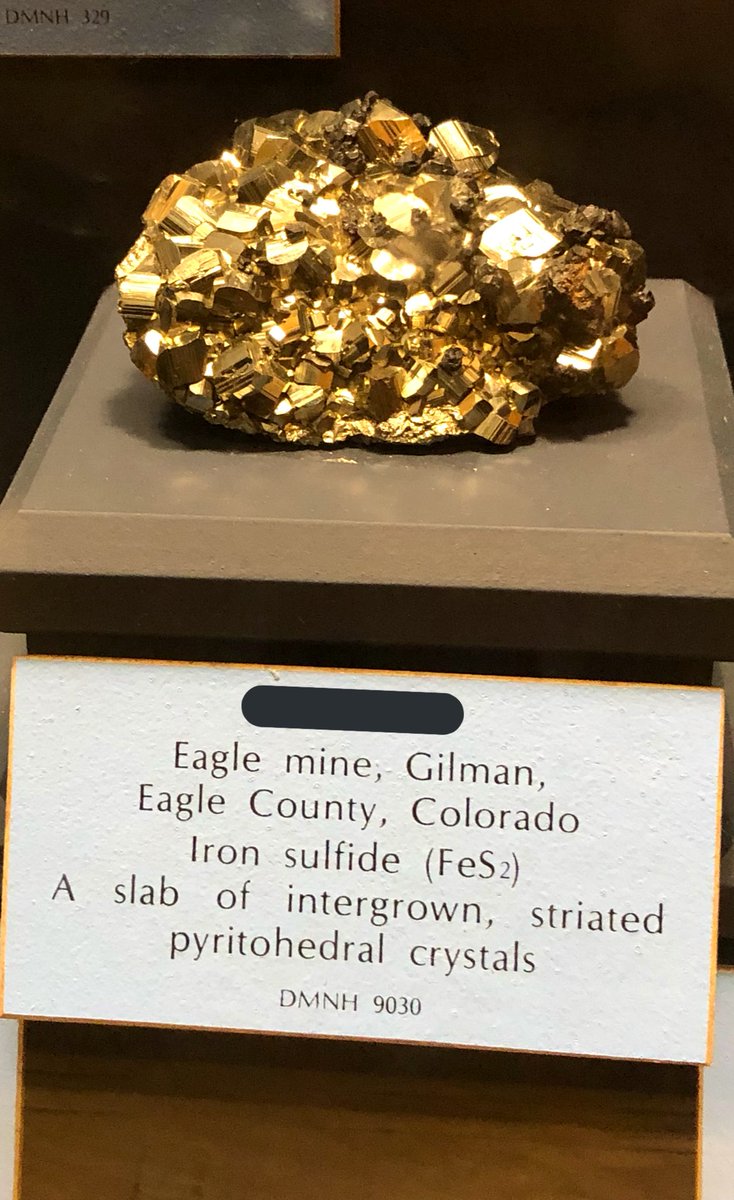
Pop quiz! What is this #mineral? Hint: it is the most widespread and abundant sulfur in the world.
#science #Homeschooling

Conceptual Academy retweeted
8 Mar 2019
After being snubbed for a Nobel Prize for the discovery of pulsars, Jocelyn Bell Burnell won a $3 million Special Breakthrough Prize. She donated the prize to create scholarships for underrepresented minorities in physics and astronomy. #IWD2019 ow.ly/AVjD30nXQgs
1
64
204
6 Mar 2019
A quick look at the relationship between the #acceleration due to #gravity and #WindResistance from the point of view of #skydiving.
Watch the entire video here: youtube.com/watch?v=09PZ3n5X… #physics #ConceptualPhysics #PhysicsExplained
5 Mar 2019
We’re a small enough company that all tech support comes directly through us. For instructors and students, we are here for you on a personal basis!