A research-based shared reading program that integrates rich vocabulary instruction in science-based topics
Joined January 2022
- Tweets 144
- Following 98
- Followers 34
- Likes 38
90 Photos and videos










25 Jul 2022
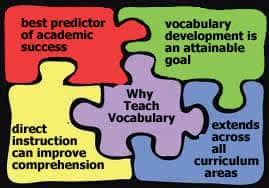
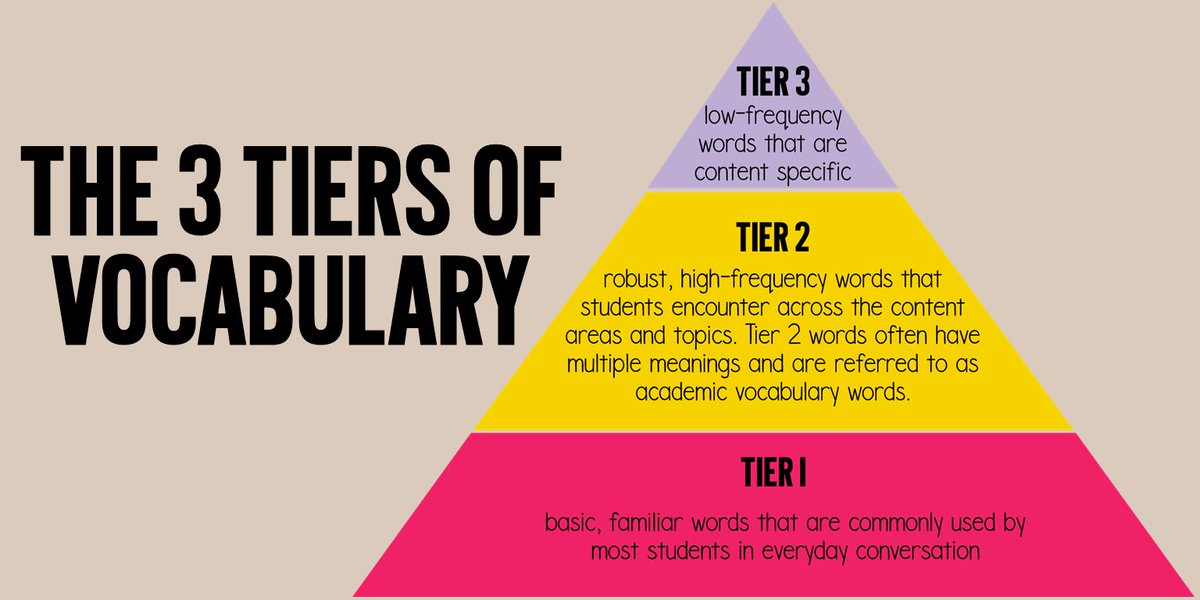
What makes a good vocabulary curriculum?
Check back with us all this week for the features of vocabulary instruction to look for when choosing a vocabulary curriculum.
Read more about the importance of vocabulary from @susanbneuman & Julie Dwyer ⤵️
bit.ly/3PFZFzT
1
22 Jul 2022
Vocabulary is more than words. It is knowledge.
Check back with us next week for an in-depth look at these instructional features!
Until then, read more about the importance of vocabulary 👇
bit.ly/3PFZFzT
#Vocabulary #EarlyLiteracy #EarlyChildhoodEducation
22 Jul 2022
4⃣steps for effective vocabulary instruction:
Step 3⃣ Review vocabulary words periodically
Step 4⃣ Observe and monitor progress through
assessments to decide further instruction
#EarlyLiteracy #Literacy #EarlyChildhoodEducation
2
20 Jul 2022
4⃣steps for effective vocabulary instruction:
Step 2⃣ Involve a good deal of practice that is active,
guided, and extensive
#EarlyLiteracy #Literacy #EarlyChildhoodEducation
19 Jul 2022
4⃣steps for effective vocabulary instruction:
Step 1⃣ Be systematic and explicit, providing children
with plenty of opportunities to use words in
classroom transactions
#EarlyLiteracy #Literacy #EarlyChildhoodEducation
2
18 Jul 2022
Vocabulary instruction should be about helping children to build word meaning and the ideas that these words represent.
Read more about the importance of vocabulary 👇
bit.ly/3PFZFzT
and check back tomorrow for more!
#EarlyLiteracy #Literacy #EarlyChildhoodEducation
15 Jul 2022
To review and promote retention of new vocabulary words, provide opportunities for children to review the vocabulary words learned in previous weeks or previous months.
#EarlyChildhoodEducation #Literacy #EarlyLiteracy
13 Jul 2022
What does a child-friendly definition look like?
👀 the example of how teachers can define target words before a story:
“In this story, the kids look for insects that are CAMOUFLAGED. The insects DISGUISE themselves by changing their color to stay away from their enemies.”
1
12 Jul 2022
After selection of target words, there are 4⃣ key steps for instruction:
1- Define these words in a child-friendly way
2-Contextualize words into varied & meaningful formats
3-Review words to promote retention over time
4-Monitor children’s progress and reteach if necessary
1
11 Jul 2022
Follow us this week to learn how to develop a weekly instructional regime for vocabulary to support future reading comprehension.
First, identify target vocabulary words that need to be taught.
Next, select 6-10 target words per week
#EarlyLiteracy #EarlyChildhoodEducation
8 Jul 2022
Feature 4⃣: Consider an 'Instructional Regime' for Your Most Challenging Words
Children need many encounters in meaningful contexts to learn more challenging words. For these words in particular, consider a weekly instructional regime.
Check back here next week to learn more!
7 Jul 2022
Feature 3⃣: Build word knowledge through knowledge networks
Create lists of words that are related to a theme. This can encourage children to build interconnections between them.
#EarlyChildhoodEducation #EarlyLiteracy #Literacy
6 Jul 2022
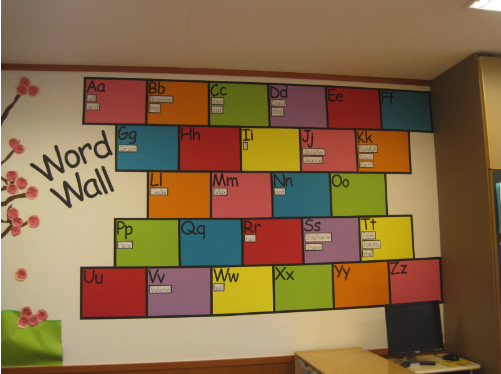
Feature 2⃣: Choose Words that give ‘Word Power’
Teachers can identify the target words they plan to teach for the week, and then include these weekly 'magic words' on their word walls.
#EarlyChildhoodEducation #Literacy #EarlyLiteracy
World of Words retweeted

5 Jul 2022
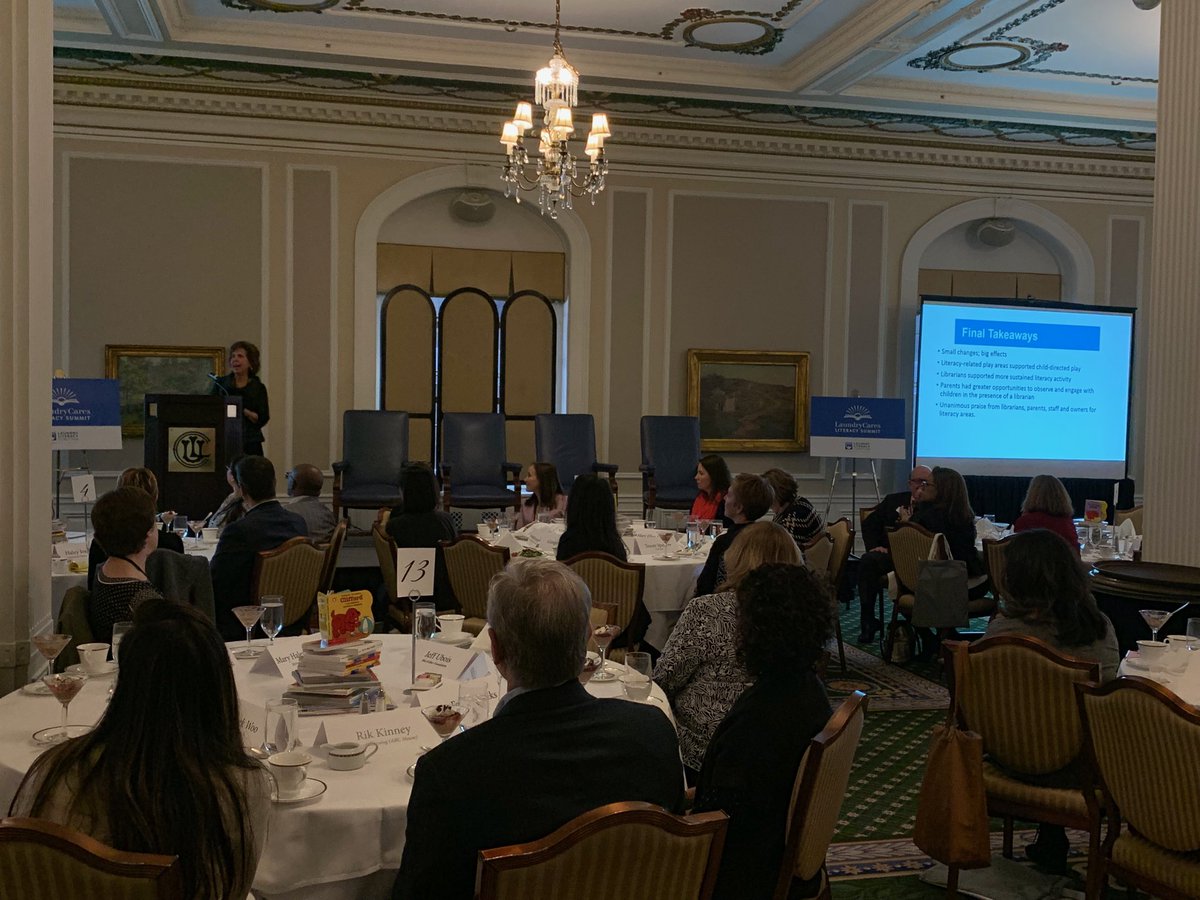
Catch a glimpse at Dr. @SusanBneuman discussing key findings of her literacy in laundromats study in New York.

Dr Susan Neuman discussing the results of the literacy in laundromats study in NY. Bottom line- The Wash and Learn literacy initiative is the future! @EasternFunding @CoinLaundryAssn @2SmallToFail @BSF_Intl @AmericanCoinOp #LaundryLiteracy
2
1
6 Jul 2022
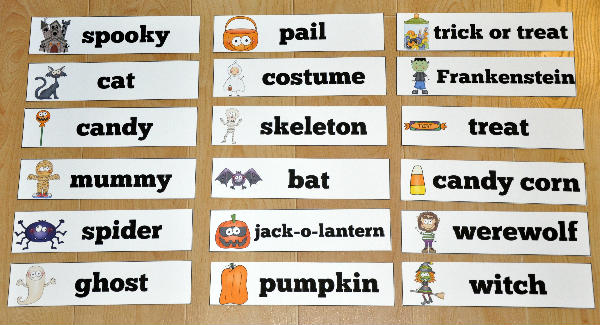
Feature 1⃣: Target Key Words for learning
Before reading a story, introduce several key words that will be be integral to the story. These become children’s “magic words.”
Encourage them to listen for the magic words and
to raise their hands whenever they hear one!
#Literacy
1
4 Jul 2022
‘Teachable moments’ can be useful in a classroom, but students need intentional instruction in vocabulary for long-term gains in reading.
Follow along this week as we discuss key features of vocab instruction to build knowledge to support future reading comprehension.
#Literacy
1 Jul 2022
Instruction Feature 4:
Offer opportunities for sustained, in-depth learning
Provide children with extended blocks of time in which they can engage in sustained investigation, exploration, interaction, and play. Offer questions to stimulate children’s thinking.
#EarlyLiteracy
30 Jun 2022
Instruction Feature 3:
High levels of teacher instruction can assist and guide students’ learning.
Asking questions, labeling objects and experiences with new vocabulary, and offering practice can help students remember and generalize new concepts and skills.
#EarlyLiteracy
1
1
29 Jun 2022
Instruction Feature 2:
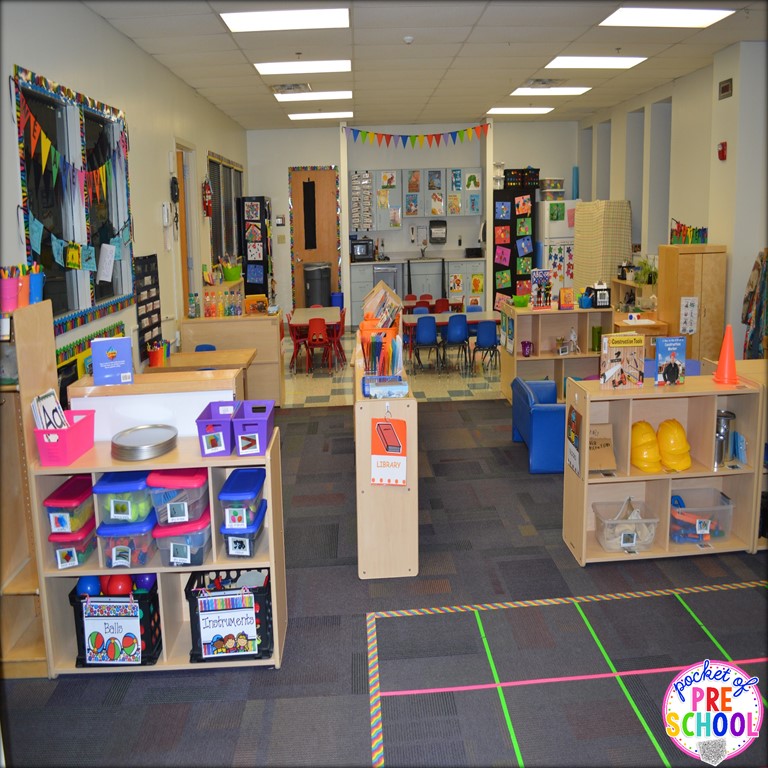
A supportive learning environment in which students have access to a wide variety of print resources, including fiction and non-fiction texts, labels, printed directions and student work.
#earlyliteracy #EarlyChildhood