Proud parent & Community Pathways Teacher|@PCMHontario🏆for Teaching Excellence|Nominee:🇨🇦PM's Award|#EveryChildMatters🪶🧡 #SoRLearner📚 #GoIrish☘️🏈🏒🥍🎸🌊
- Tweets 2,232
- Following 309
- Followers 216
- Likes 10,120





















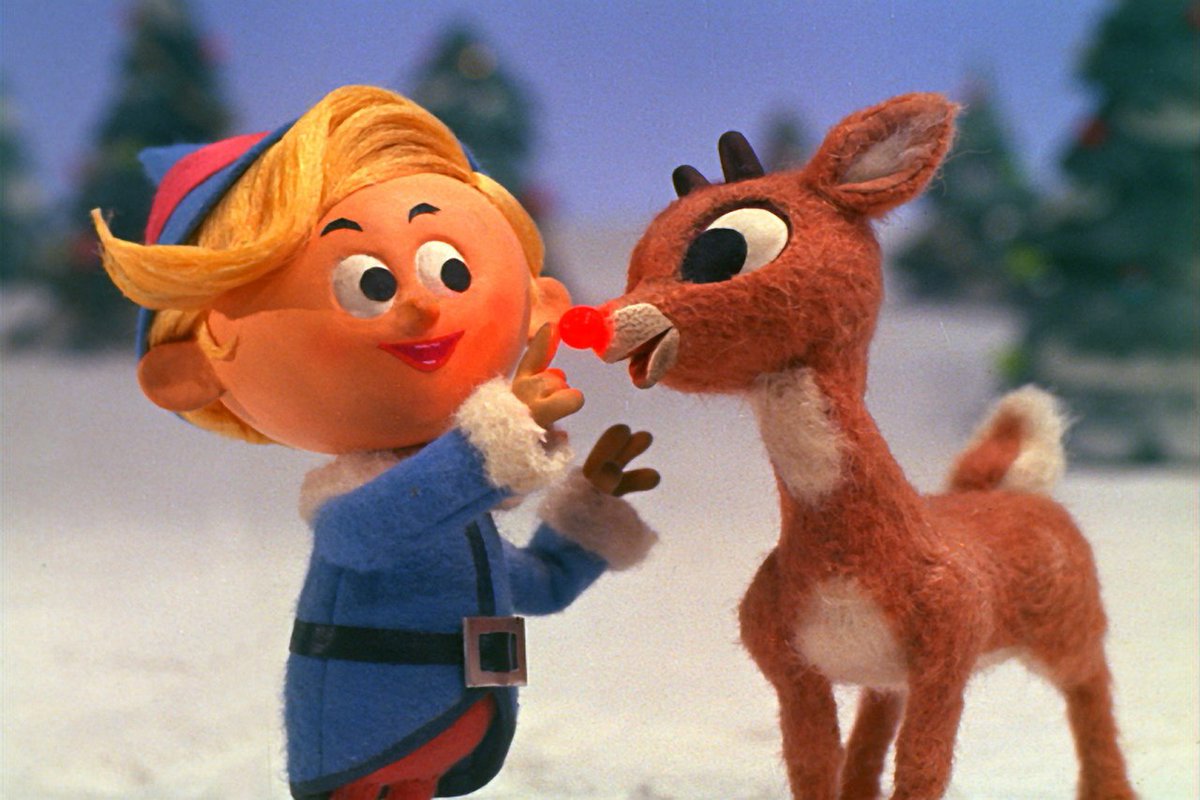
ALT This image is from the classic Christmas television special "Rudolph the Red-Nosed Reindeer" (1964). It features two of the main characters: Hermey the Elf: On the left, Hermey is depicted with his blonde hair and wearing his blue and white outfit, which is typical for an elf in the North Pole setting. Hermey is known for wanting to be a dentist rather than making toys like the other elves. Rudolph the Red-Nosed Reindeer: On the right, Rudolph is the young reindeer with the distinctive shiny red nose, which is a central element of the story. He is shown here with his large eyes and brown fur. In this scene, Hermey appears to be inspecting or talking about Rudolph's red nose, highlighting a moment of friendship and support between the two characters who both feel like outcasts in their respective communities. The background shows a snowy landscape with Christmas trees, reinforcing the winter holiday theme.