Learning with FASD is an online portal that provides Australian primary school educators with evidence-based resources and tools to support children with FASD.
Joined October 2021
- Tweets 614
- Following 124
- Followers 205
- Likes 289
383 Photos and videos












Did you miss our webinar with Australian Teacher Aide (ATA)?
You can catch up now via the ATA website and learn more about #FASD, how it can affect learning and behaviour, and practical strategies for supporting students at school. ow.ly/pUe550Zajjx
1
9
When educators understand FASD, they are better placed to support students’ strengths, learning and wellbeing.
@FASDHubAustralia’s short video explains some of the strengths and challenges children with FASD may experience in the classroom: ow.ly/6pp450Zajjk
1
10
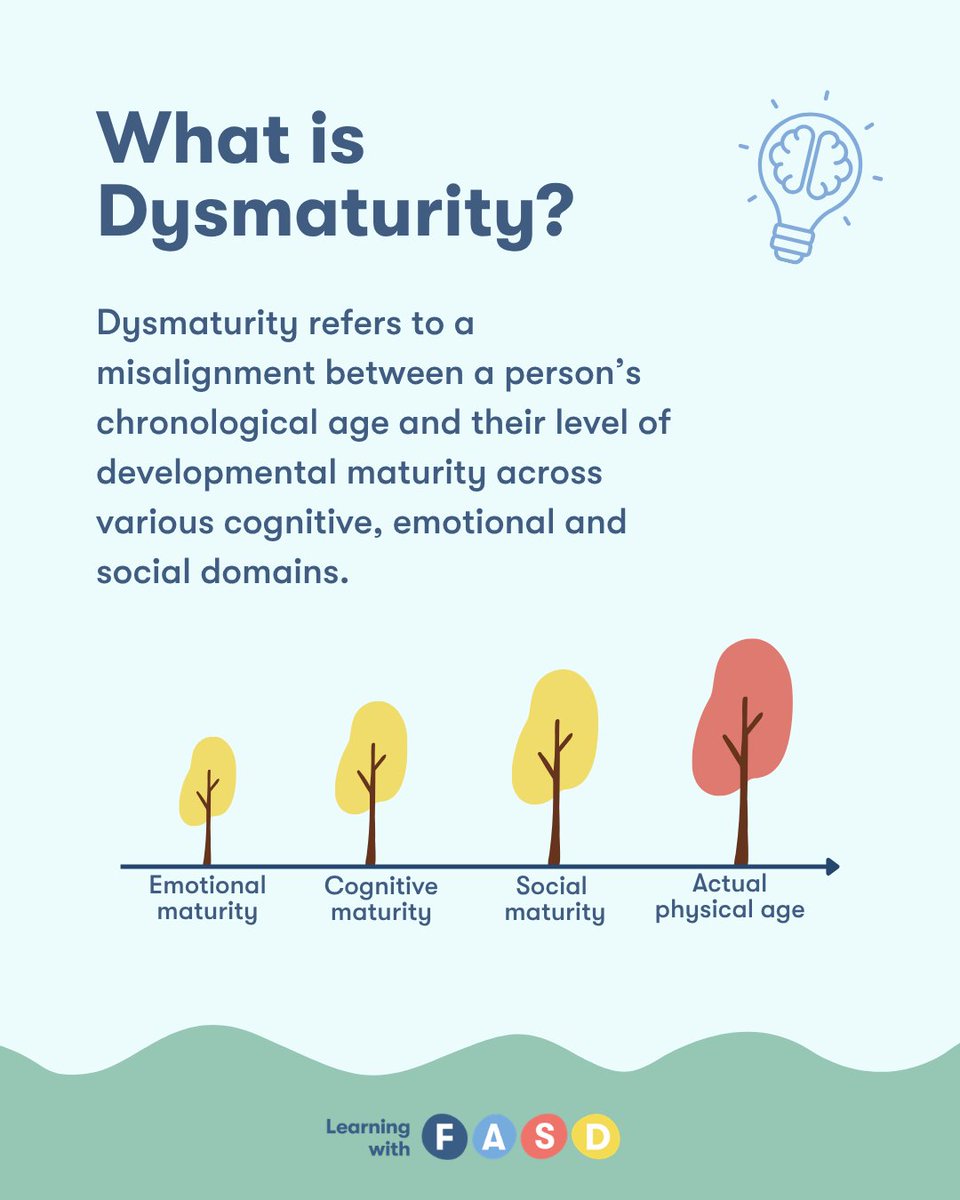
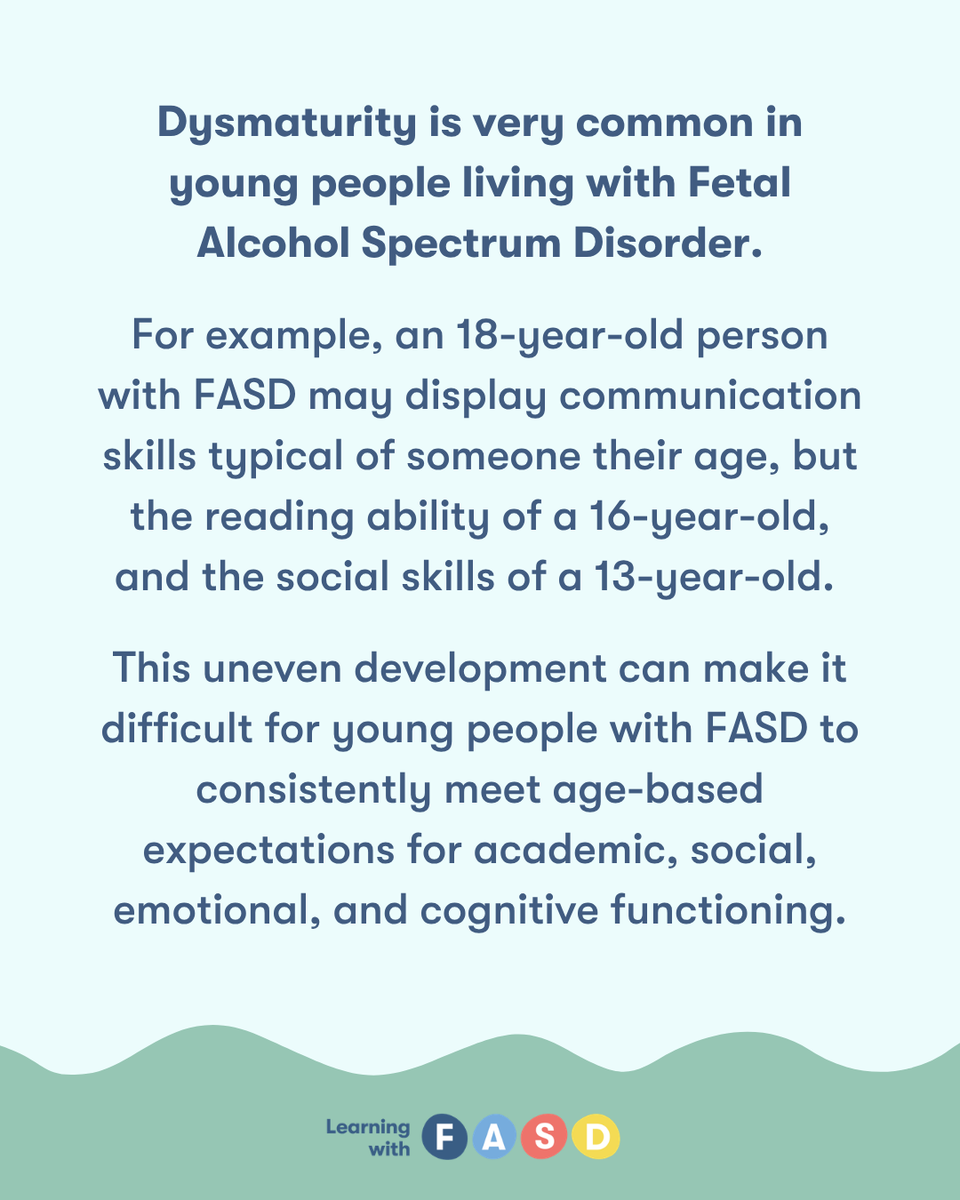
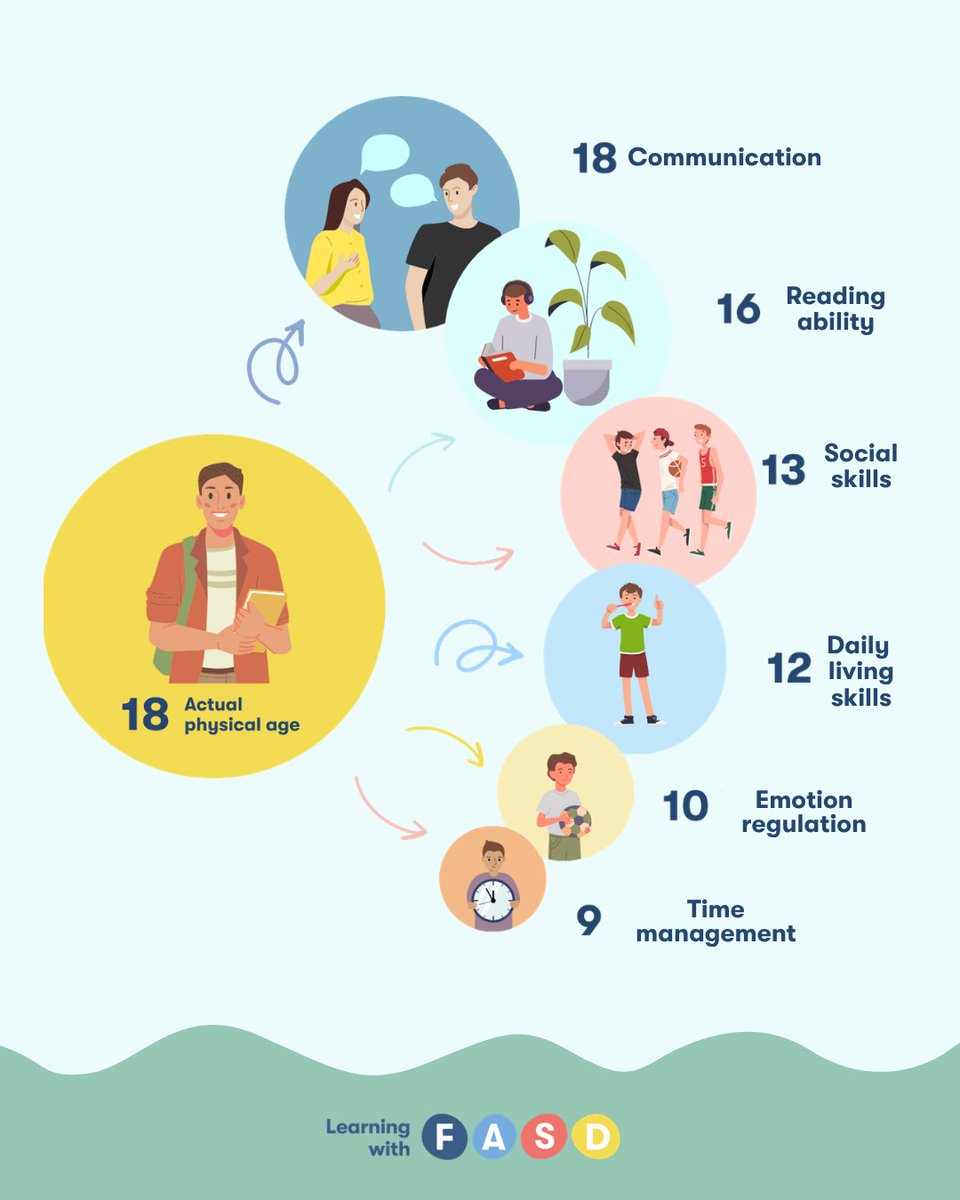
Have you heard of dysmaturity? Dysmaturity is common among people with #FASD, and refers to differences between a person’s age and levels of developmental maturity.
Our new resource helps educators understand dysmaturity. Check it out now! ow.ly/zUpk50Z7SPs
18
Educators play a key role in recognising when a student may need further support. In this webinar, experts from The CICADA Centre NSW discuss potential indicators of #FASD in school settings and explain the referral, assessment and diagnostic process ow.ly/XniP50Z2wCs
10
FASD can present in many different ways. Our resource Our resource covers some of the common presentations of #FASD in the school environment. Check it out here: ow.ly/2HYe50Z2wBR
7
How can teaching and support staff use classroom adjustments to support students with mental health conditions? This NCCD podcast shows how strategies like brain breaks and visual schedules can help students stay engaged and supported ow.ly/vLOh50Z2wBK
9
Executive functioning helps us do things like follow instructions, shift between tasks, manage emotions, and complete schoolwork. For students with #FASD, these skills may need extra support. Learn more in our latest factsheet ow.ly/2TuC50YZmqi
9
Looking for practical examples of FASD-informed teaching? 💭
In this episode from @POPFASD, two teachers share classroom strategies that support students’ learning, relationships and behaviour ow.ly/WYM950YZmp3
13
Challenging behaviour can be a sign that a student with #FASD is overwhelmed. In this podcast episode, Christine Brooks from @NOFASDAustralia shares how understanding the 'why' behind behaviours can help educators respond in a supportive way.
Listen now: ow.ly/Wwa350YZmnP
1
1
25
Last chance to register! Join us tomorrow for a webinar with Australian Teacher Aide on supporting students with #FASD. We’ll cover an introduction to FASD, how it can affect learning and behaviour, and practical strategies for teaching and support staff. bit.ly/4n1PqHT
1
1
34
Not sure how to start a conversation about a student's specific needs with parents or caregivers?
Our customisable template helps educators talk through a student’s strengths, needs and supports in a collaborative way. 🖊️ ow.ly/i4LJ50YVS2c
10
Join us on next week for a webinar with Australian Teacher Aide on supporting students with #FASD. Learn how FASD can affect learning and behaviour, and discover practical strategies to support young people in the school environment.
Register now! bit.ly/4n1PqHT
34
Looking for ways to build targeted strategies to support a child with Fetal Alcohol Spectrum Disorder FASD at school? @EducationGovtNZ have developed a guide for educators to help identify needs and provide support. Check it out here 👉 ow.ly/olm350YOQ3X
19
Have you heard of the 8 Magic Keys? These keys are foundational approaches for working with students with FASD. Learn more here: ow.ly/EP9L50YOPor
1
1
16
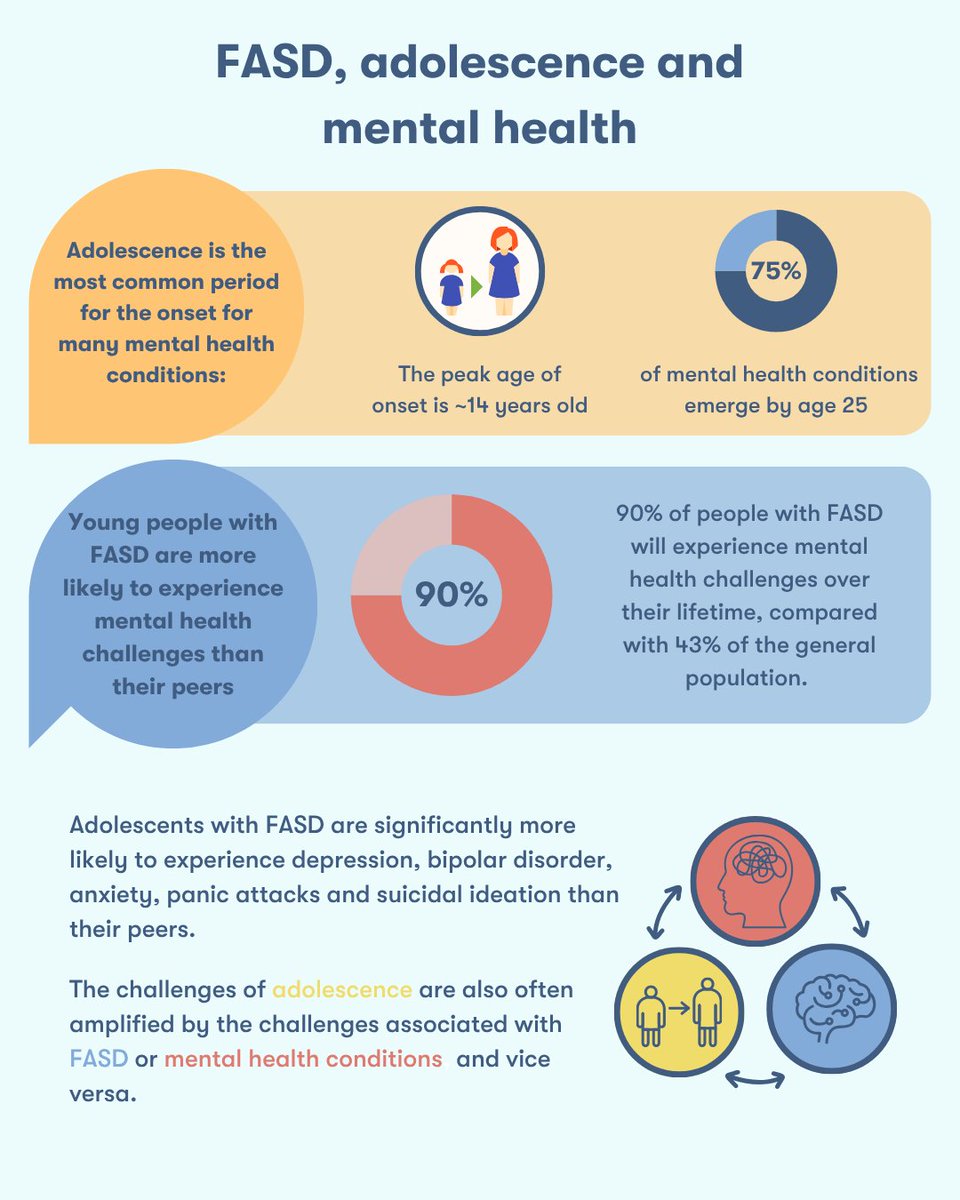
Did you know around 75% of mental health conditions emerge before age 25?
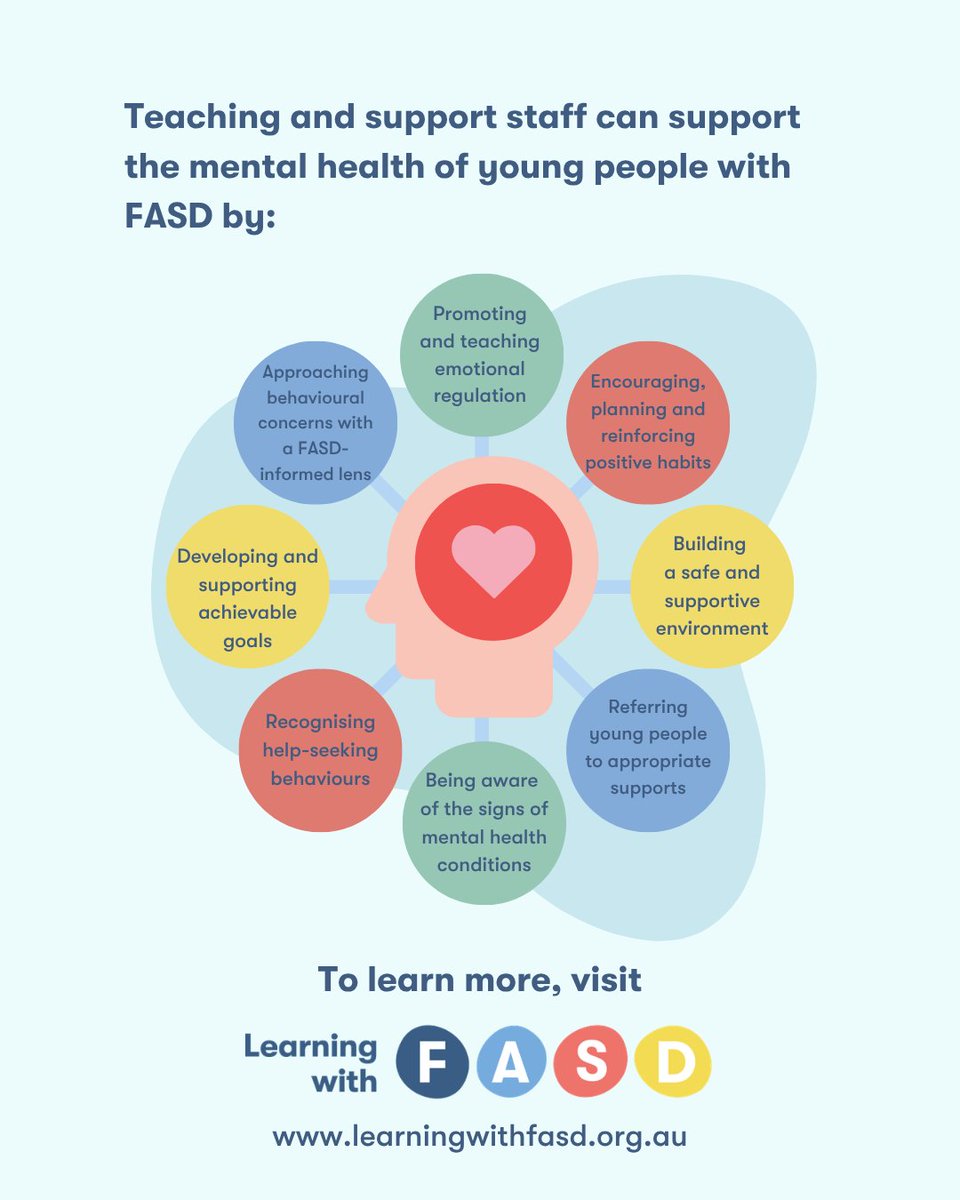
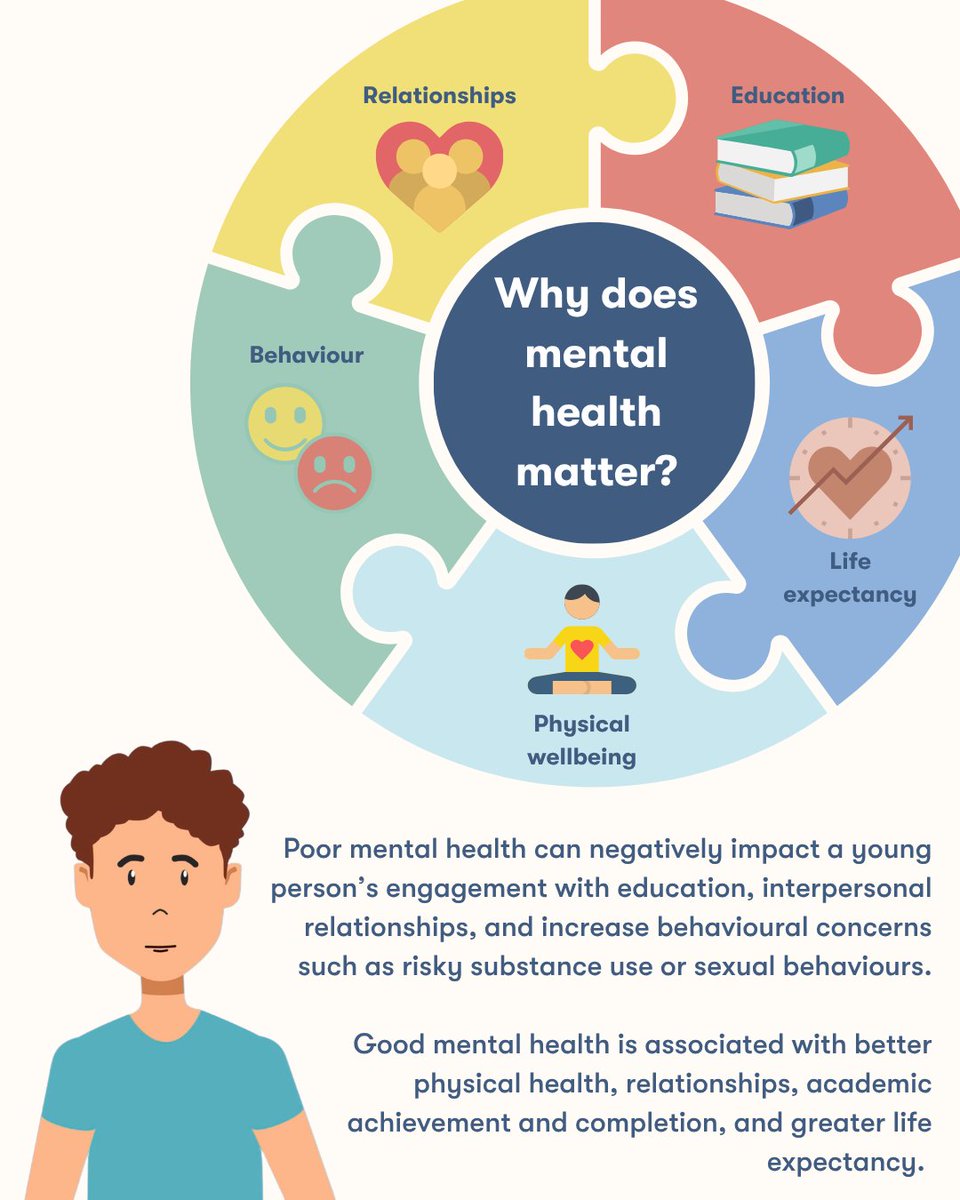
Young people with #FASD may need additional support during adolescence. Our factsheet shares practical strategies educators can use to promote wellbeing at school. Learn more: ow.ly/vQ4N50YMnfK
7
Trauma and #FASD commonly co-occur. By using a strength-based, trauma-informed approach, teaching and support staff can ensure school is a safe and supportive place for all students. Read Marninwantikura Women's Resource Centre's guide for more: ow.ly/47mB50YMnct
1
1
14
True or false? The relationship between parents or caregivers, and their child’s school can positively impact that child’ success.
Put your knowledge to the test with our classroom strategies quiz 👉 ow.ly/SelT50YFjPQ
6
Experimenting with alcohol and other drugs, such as nicotine and cannabis is common among young people, including those with #FASD. Our factsheet offers practical guidance to help educators communicate about substance use and related risks. ow.ly/Rk3850YFjPr
7
When a child is experiencing difficulties in the classroom, engaging with their parents or caregivers is an important first step. Our guide to the referral process outlines how educators can raise concerns in a sensitive, supportive way. Read here: ow.ly/WgJf50YFjKG
6
Looking for practical professional learning on #FASD? Explore our free webinars for educators on understanding FASD, classroom strategies and more. ow.ly/OIzt50YFjGX
7