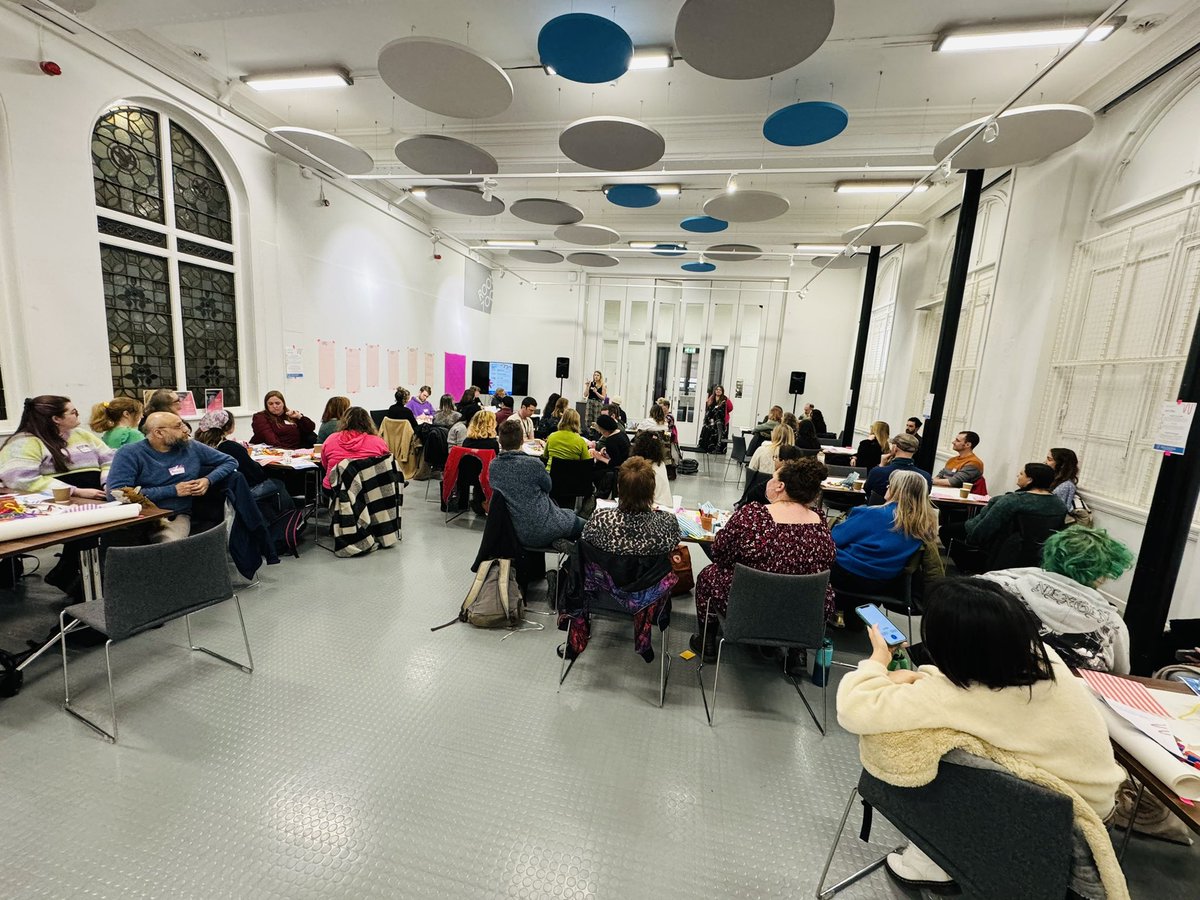
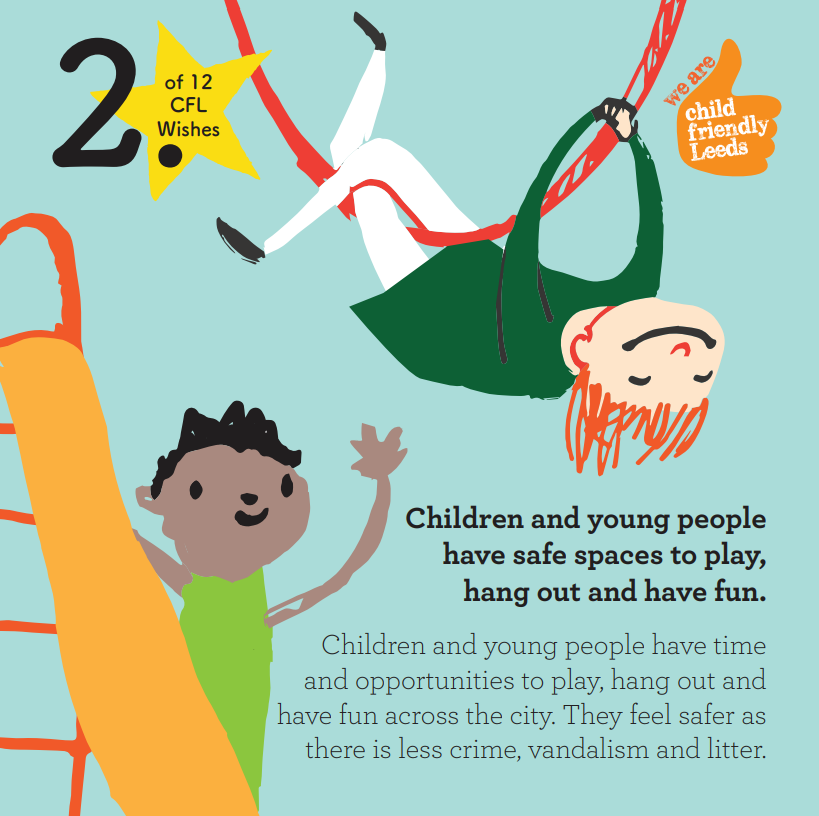
Championing children's rights to play in Leeds (led by Active Leeds with Child Friendly Leeds, LBU, Fall into Place & Playful Anywhere) with @Ludicology
Joined June 2021
- Tweets 195
- Following 62
- Followers 248
- Likes 155
38 Photos and videos
PlaySufficiencyLeeds retweeted

11 Nov 2024
Were you involved as an organiser, participant, supporter or cheerleader of the Festival of Play and Creativity this year?
Come along to our post festival fiesta fuddle eventbrite.co.uk/e/festival-… RSVP
#LeedsPlayFest
8
10
677
PlaySufficiencyLeeds retweeted
5 Nov 2024
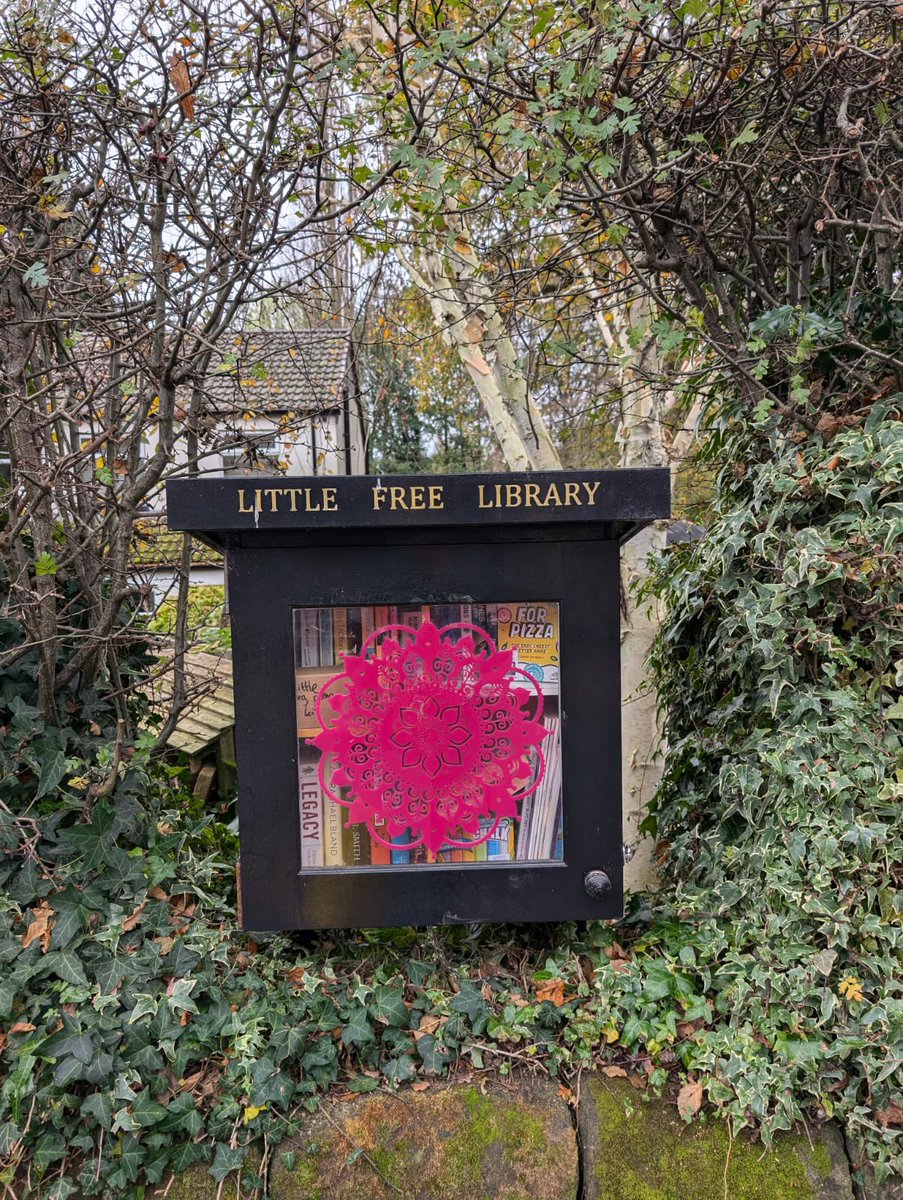
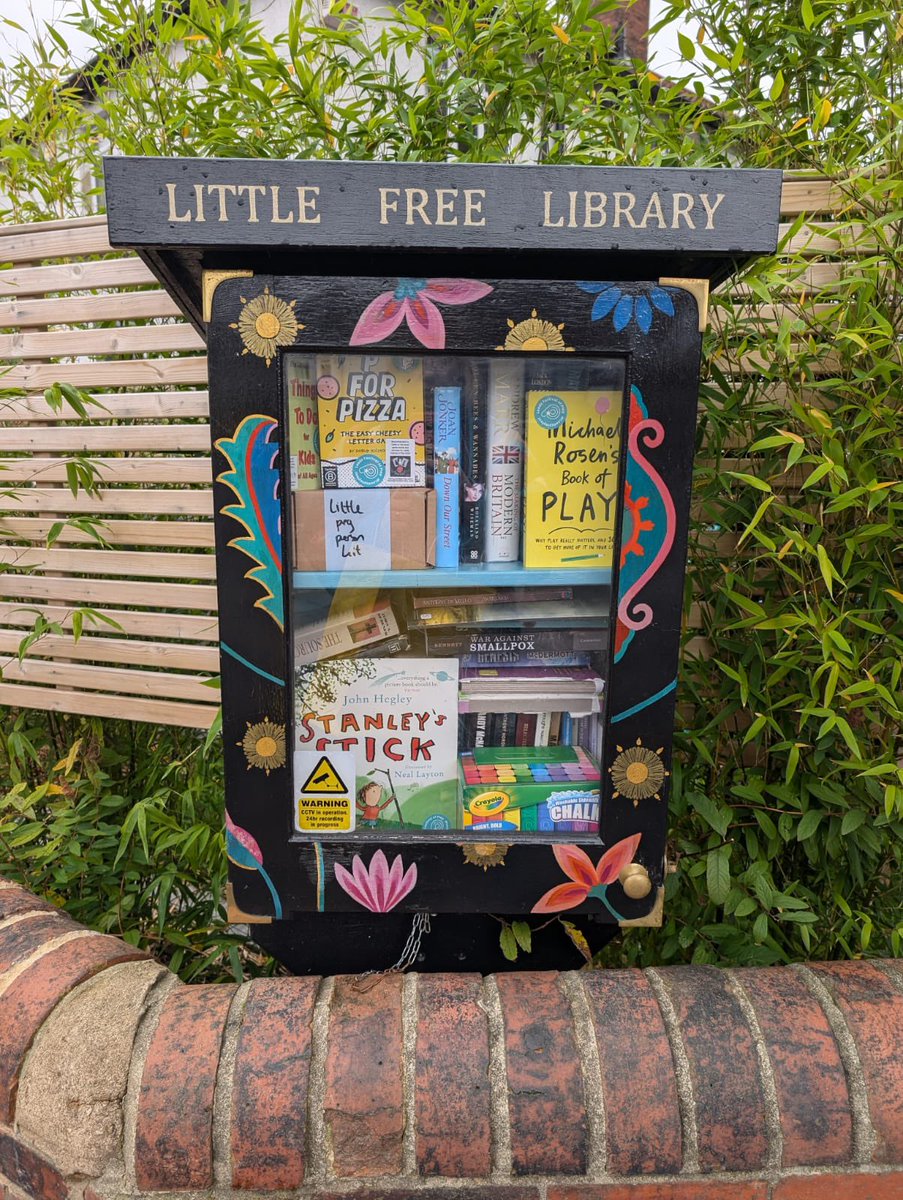
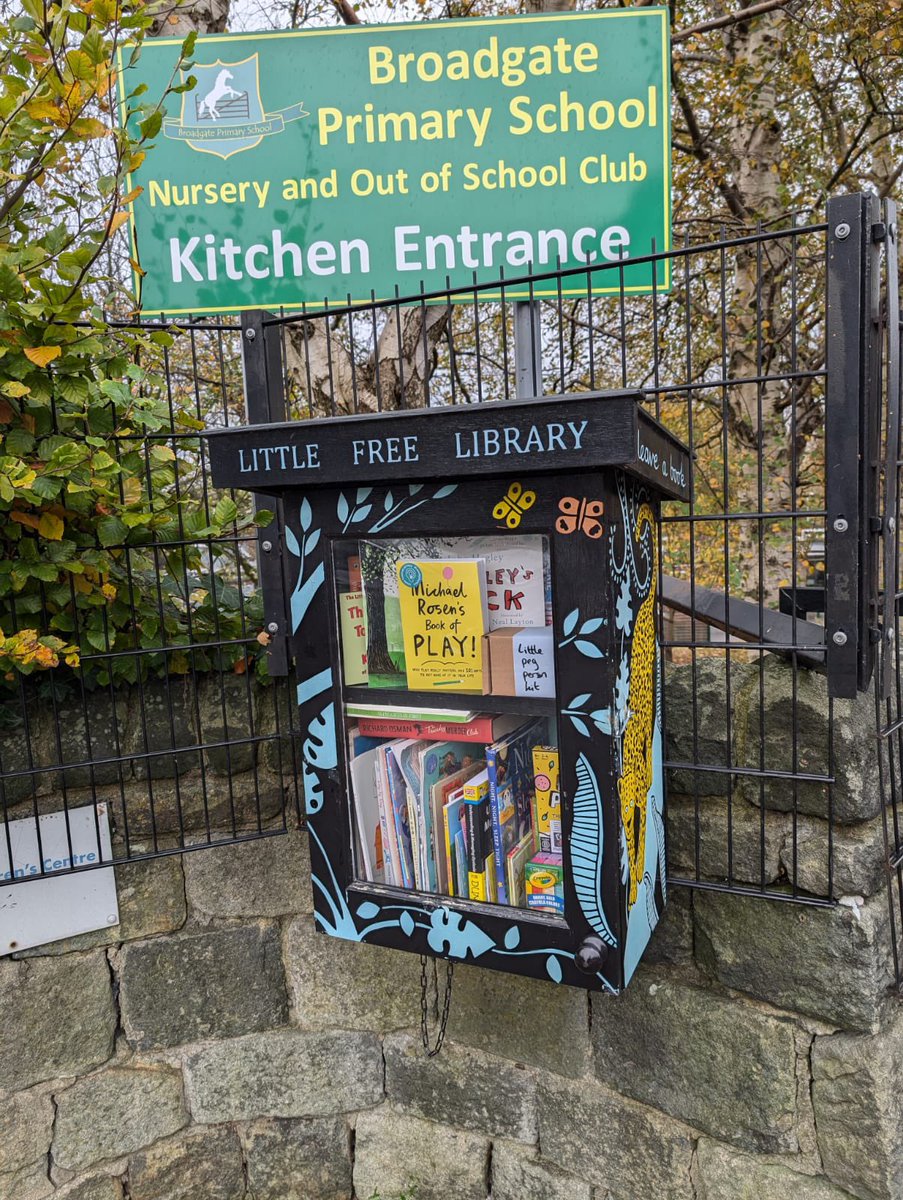
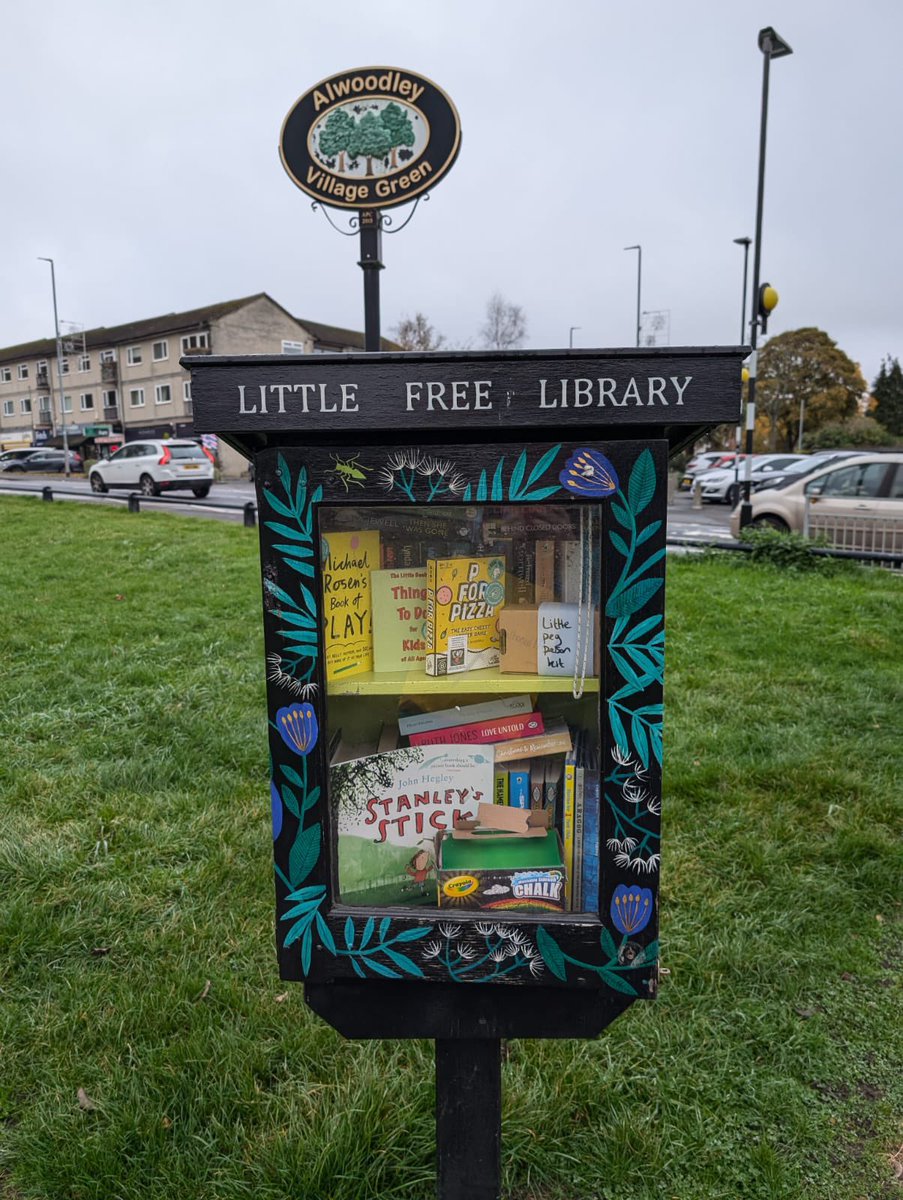
Play Packs were delivered to Little Libraries in wards where local councillors contributed MICE funding.
They included @MichaelRosenYes ‘Play’
John Hegley’s Stanley Stick
P is for Pizza game
Craft kits by @scrapleeds
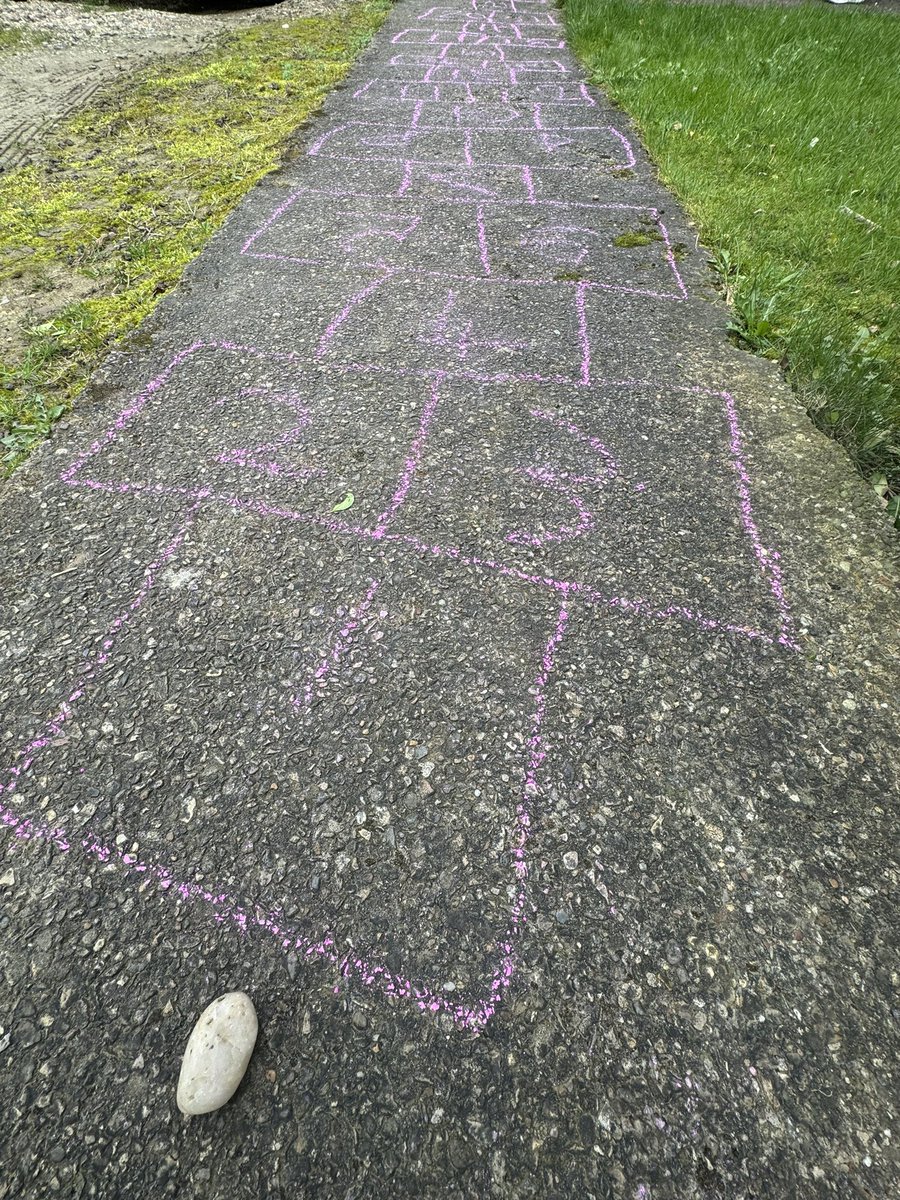
& a box of @Crayola pavement chalk
@leedslillibrary
7
28
2,008

25 Oct 2024
So much play happening this week at the Festival of Play. Do check out the calendar and see if you can join anything.
25 Oct 2024

🎉🎉🎉Ta da!
Just take a moment to applaud the amazing work Joanne Michael has put into supporting & gathering all of those in the community of play in Leeds to pull this programme together.
🍍There are more than 70 happenings!
📚25 Little Free Library packs
#LeedsPlayFest
1
3
182
PlaySufficiencyLeeds retweeted
10 Oct 2024
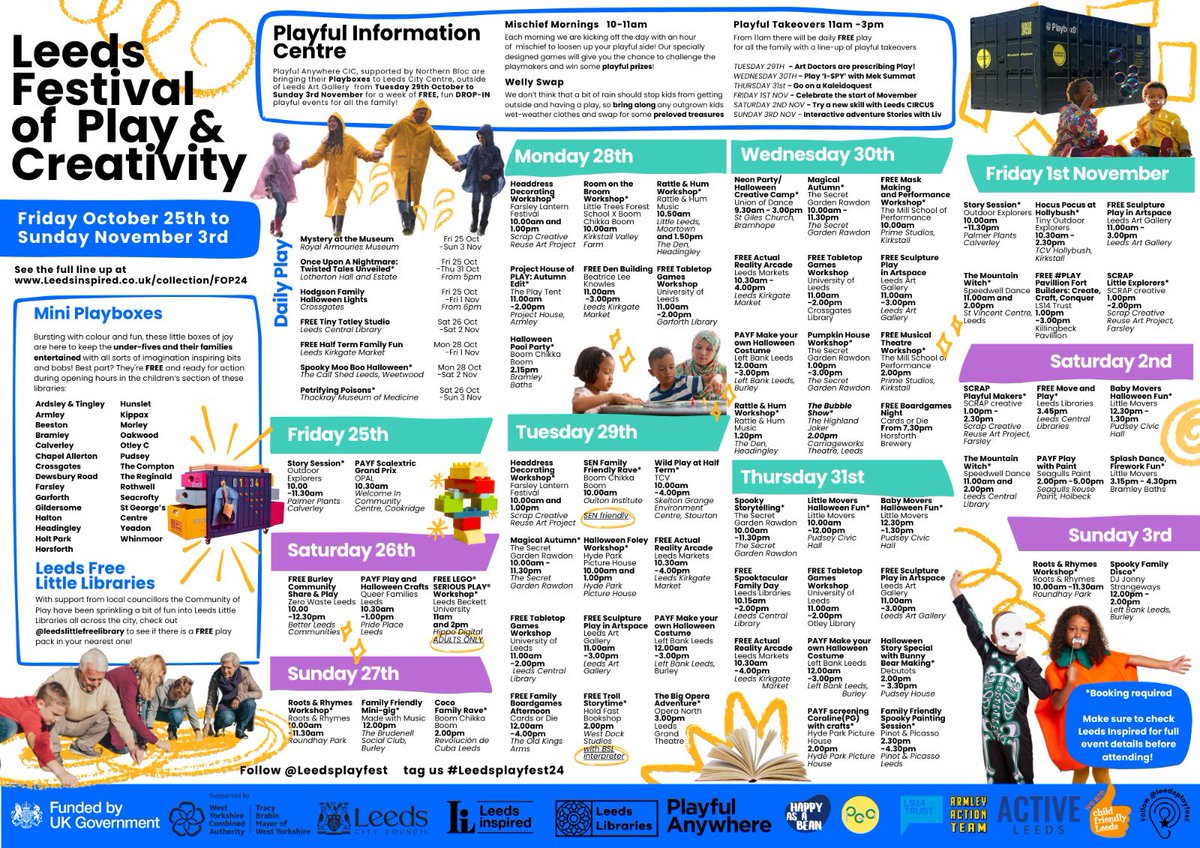
Leeds you are VERY PLAYFUL
Look at the huge variety of free & pay for events, workshops and wonderful goings on across the city between 25th Oct to 3rd Nov.
Check out leedsinspired.co.uk/collecti… as some events required pre booking & more being added daily.
#LeedsPlayFest
1
23
27
3,706
PlaySufficiencyLeeds retweeted

10 Oct 2024
Never heard of a Play Street before? Find out more here: wearechildfriendlyleeds.com/… #leedsplay #playstreets
5
241
PlaySufficiencyLeeds retweeted
11 Sep 2024
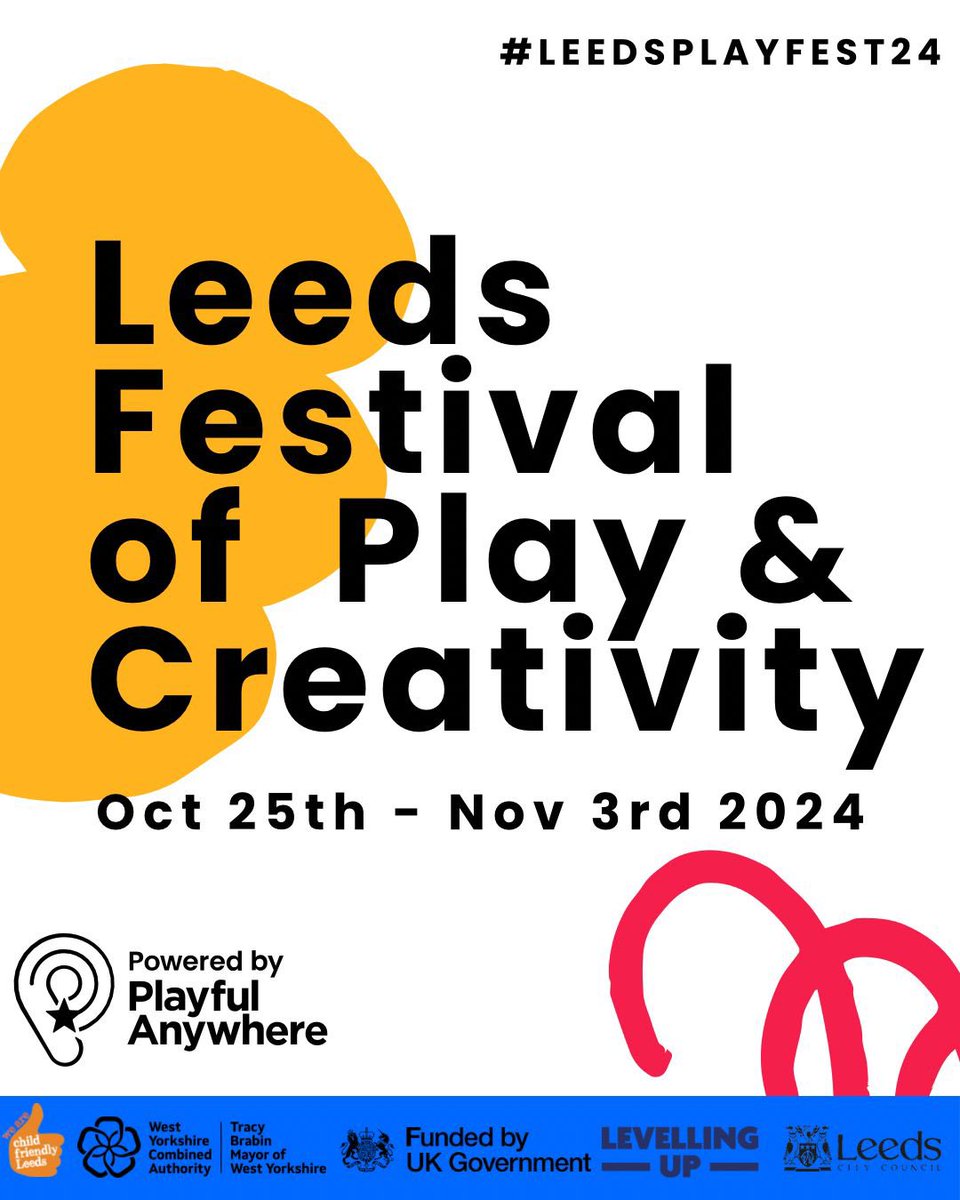
We’re part of a collective of playful people in Leeds putting on a city side Festival of Play & Creativity.
It’s the kind of festival which celebrates the tiniest little moments of playfulness to putting on talks, workshops and happenings.
Get involved!
25th Oct -3rd Nov
(1/6)
3
25
47
3,967
PlaySufficiencyLeeds retweeted
18 Sep 2024
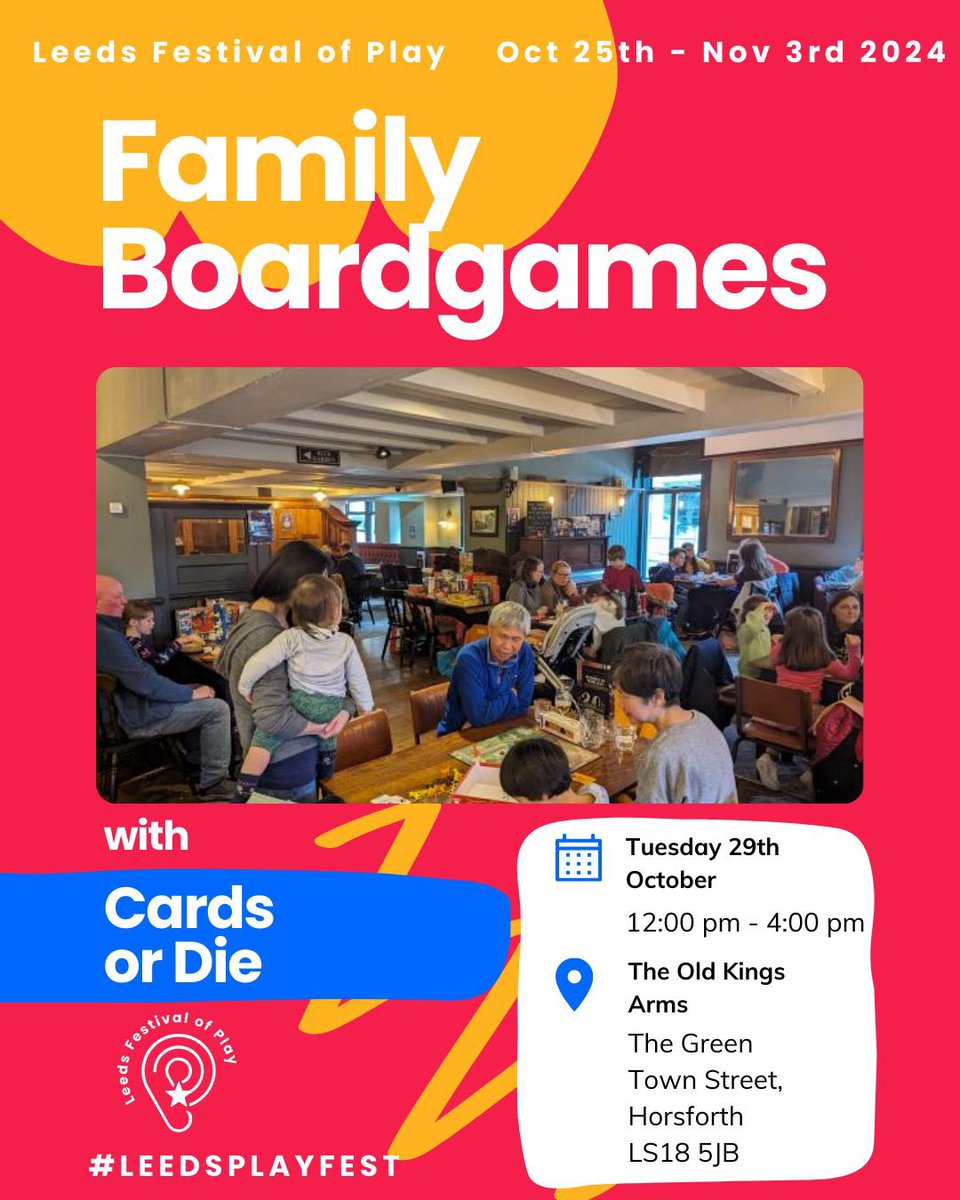
We have events being shared by playful people & organisations on the @LeedsInspired website for the Festival of Play & Creativity
First up is absolute Queen of games @CardsOrDie
Family Boardgames
29th Oct
The Old Kings Arms #Horsforth
#LeedsPlayFest24
leedsinspired.co.uk/collecti…
5
2
409
PlaySufficiencyLeeds retweeted
15 Sep 2024
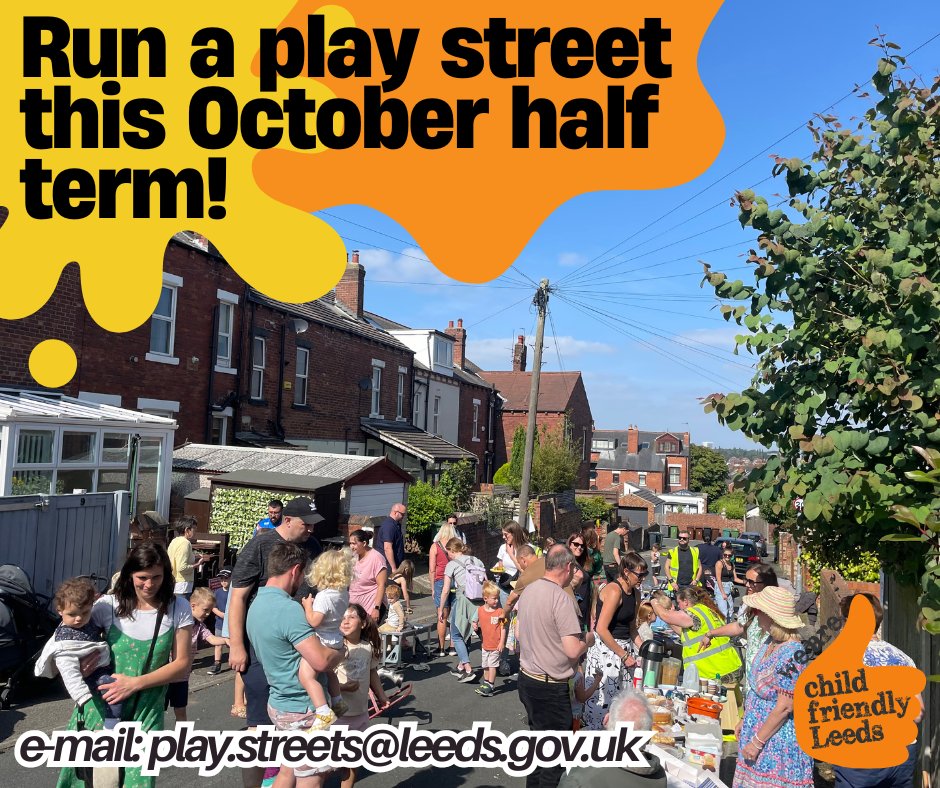
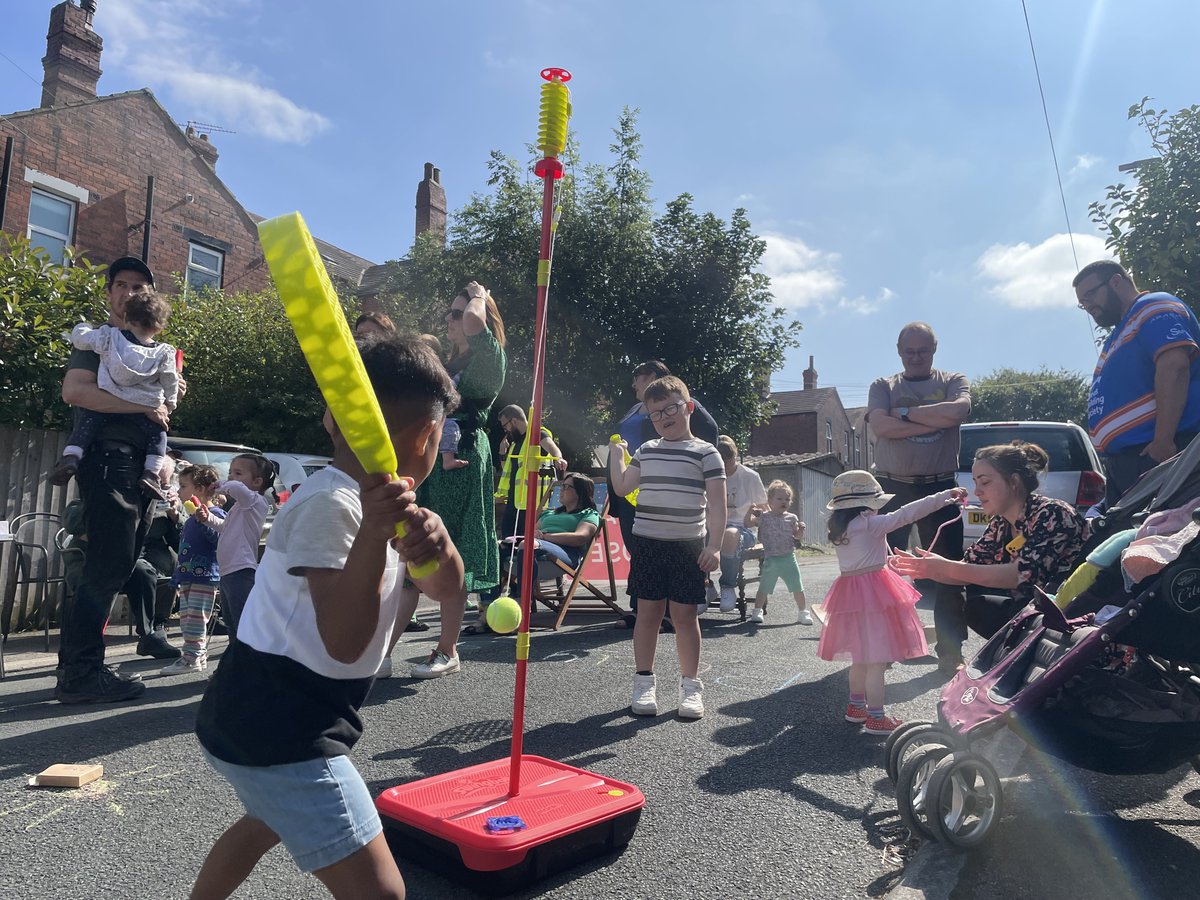
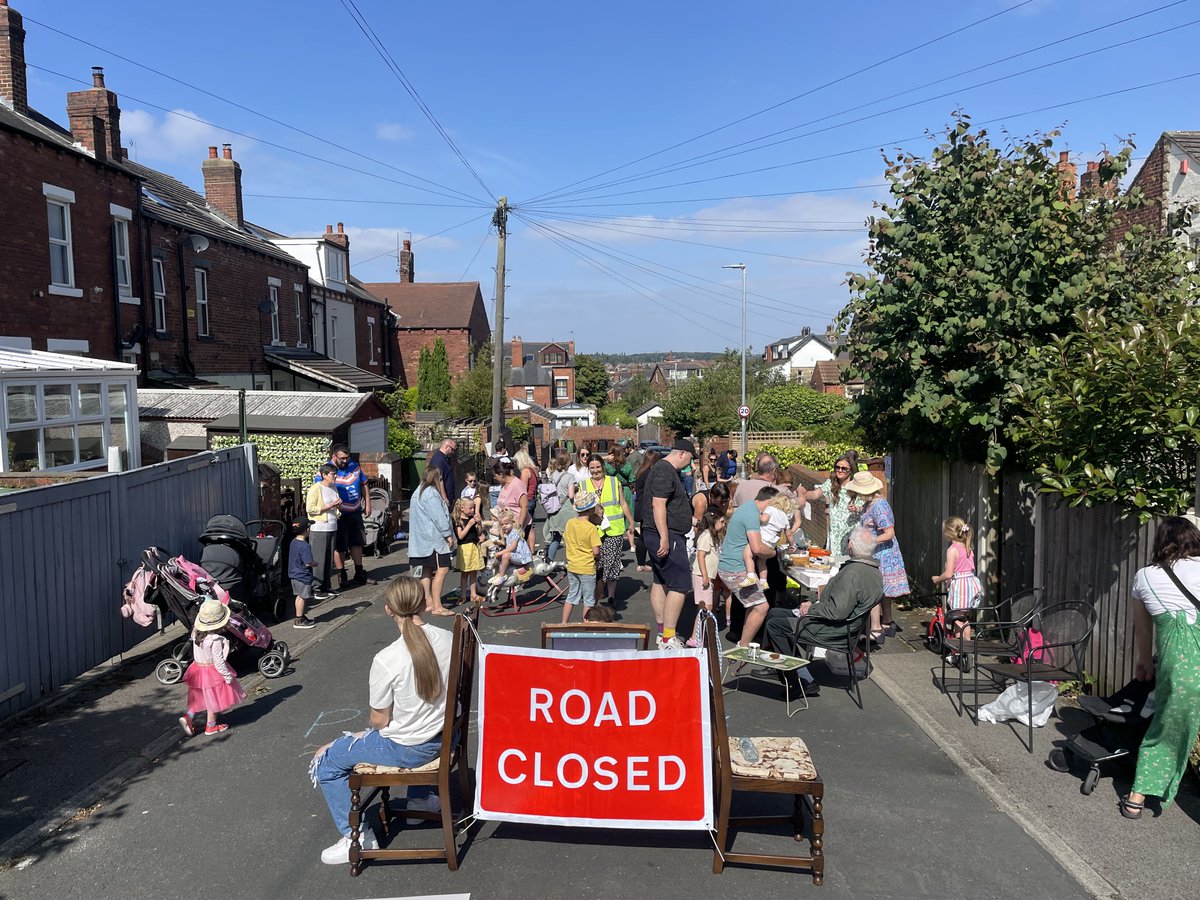
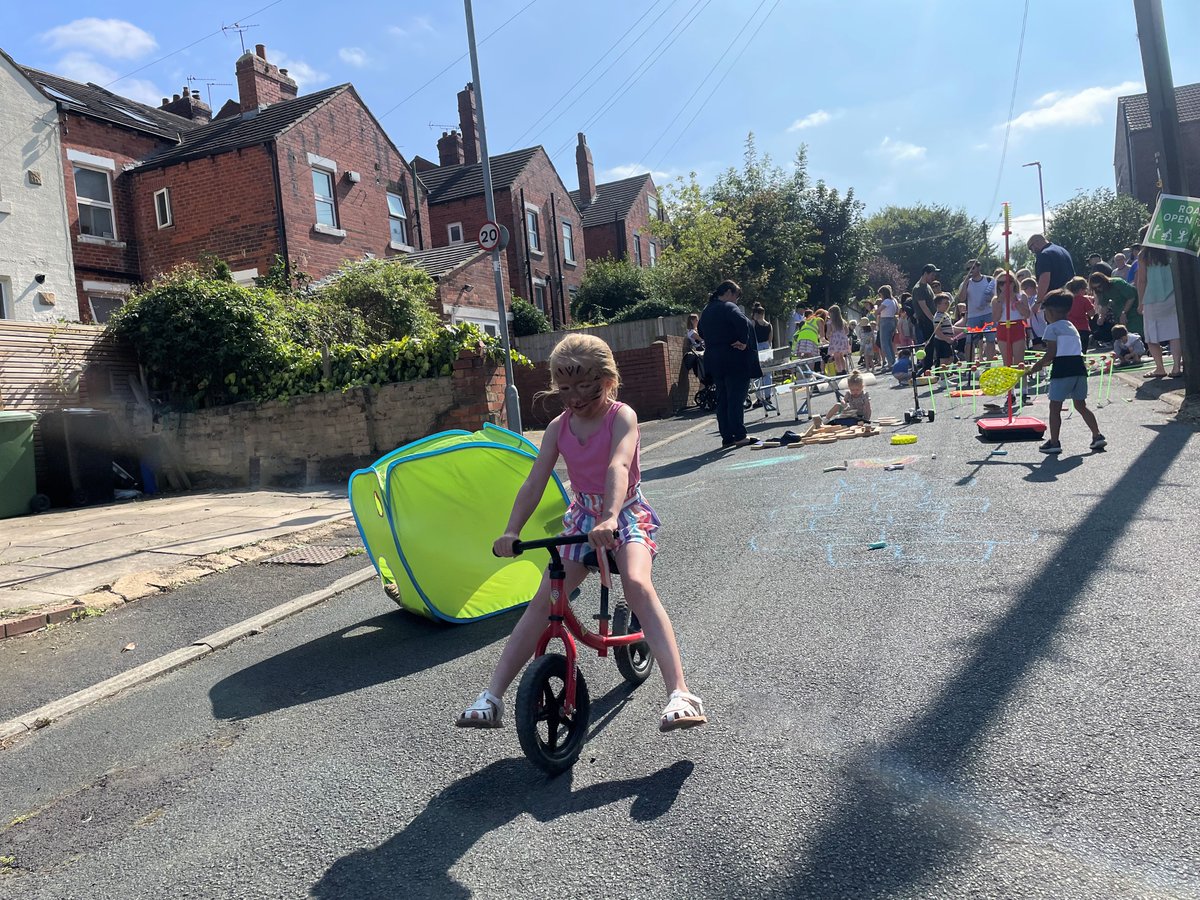
This Oct half-term the Leeds Festival of Play is taking place, and we are aiming to have as many Play Streets as possible taking place across the city!
Send "I'd love to run a play street for the Festival of Play" to play.streets@leeds.gov.uk to join the fun #LeedsPlayFest
8
6
629
PlaySufficiencyLeeds retweeted
17 Sep 2024
📣Calling all schools - take 10 minutes of your day to get your class to vote for the next @LSChildrenMayor 🌟 a quick win to teach British Values by getting involved with democracy in our city 🗳️ wearechildfriendlyleeds.com/…
15
11
1,225
PlaySufficiencyLeeds retweeted
17 Sep 2024
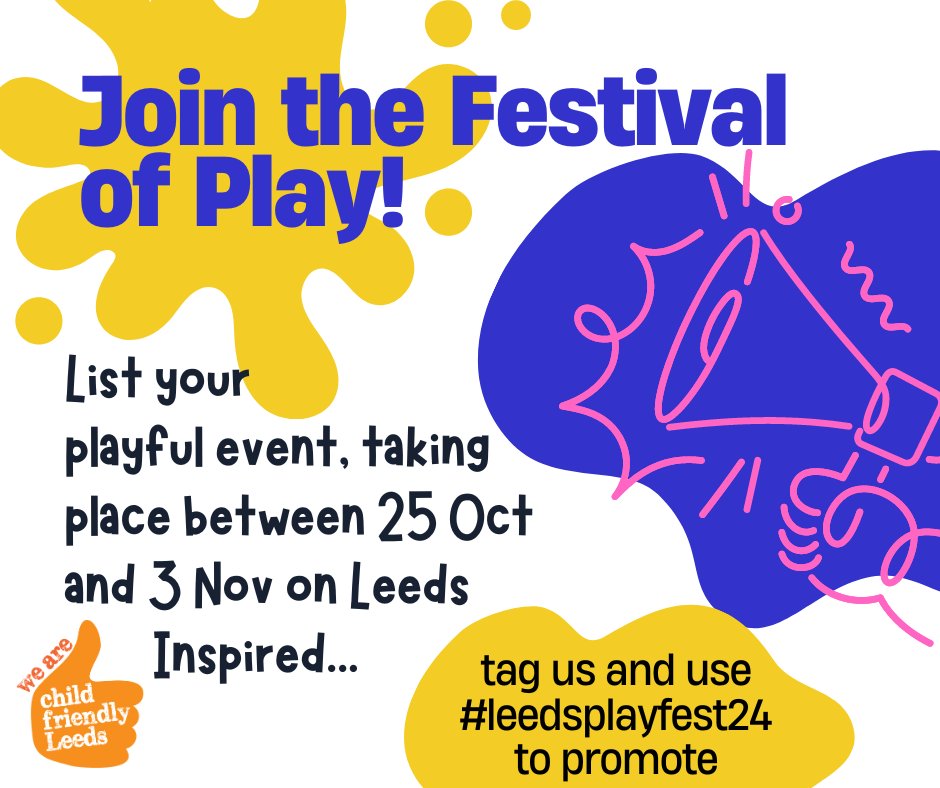
Introducing…a city-wide takeover of playful fun during the October half-term. Planning a playful activity for the half term? List the event(s) on Leeds Inspired using the tag #LeedsPlayFest and #Play, to be a part of the city's first Festival of Play!
1
14
13
827
PlaySufficiencyLeeds retweeted
10 Sep 2024
It's conker season right?
Please gather them up and be prepared to conquer the conker in Half Term as part of the silly fun stuff at the Festival of Play 2024 #LeedsPlayFest24 leedsinspired.co.uk/events/c…
2
3
9
441
7 Aug 2024
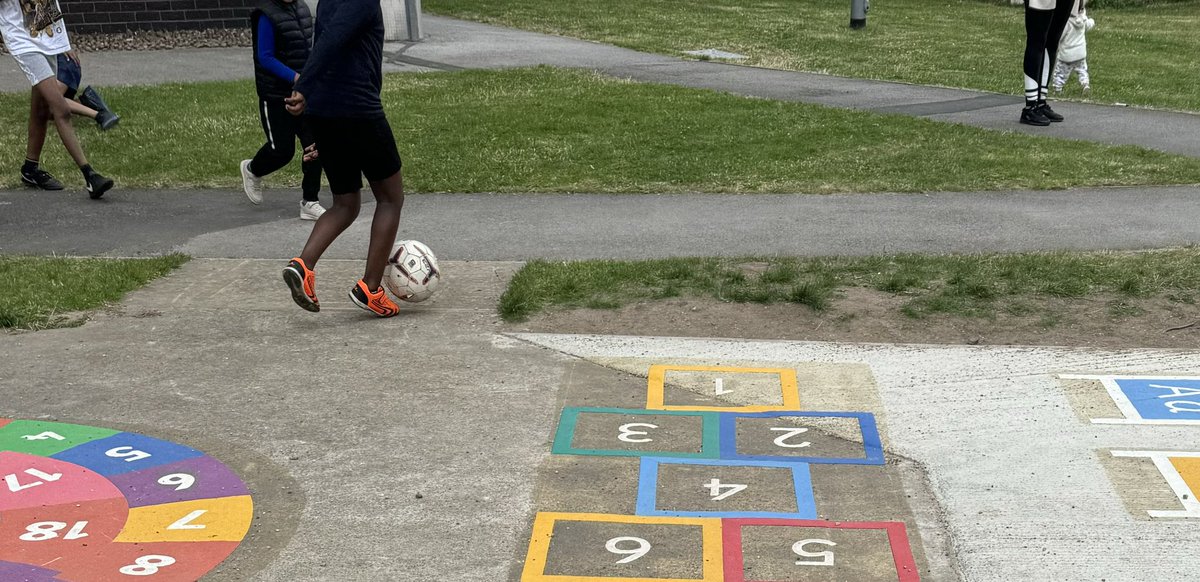
Today for National Playday we joined @NewWortleyCC at some tower blocks for a ‘come and play community day’ joined by lots of families and children, enjoying a space which now invites play.
1
2
11
405
7 Aug 2024
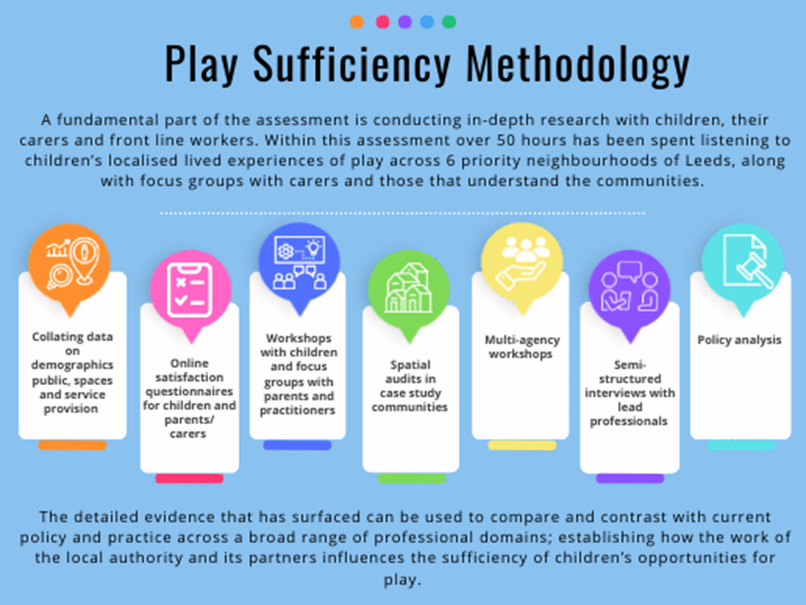
Our Play Sufficiency research identified many children living in the tower blocks, with families not playing out as they didn’t have the confidences to utilise the green spaces. Today it was joyful seeing so many children out #playmatters #happyplayday
148
7 Aug 2024
Happy National Playday!
7 Aug 2024
Happy National Playday!
In Leeds we have a huge community of playful spirits who are plotting a Festival of Play & Creativity for October Half Term.
Here’s a little bit about it on the wonderful
@LeedsInspired website
leedsinspired.co.uk/blog/lee…
1
4
402
PlaySufficiencyLeeds retweeted

7 Aug 2024
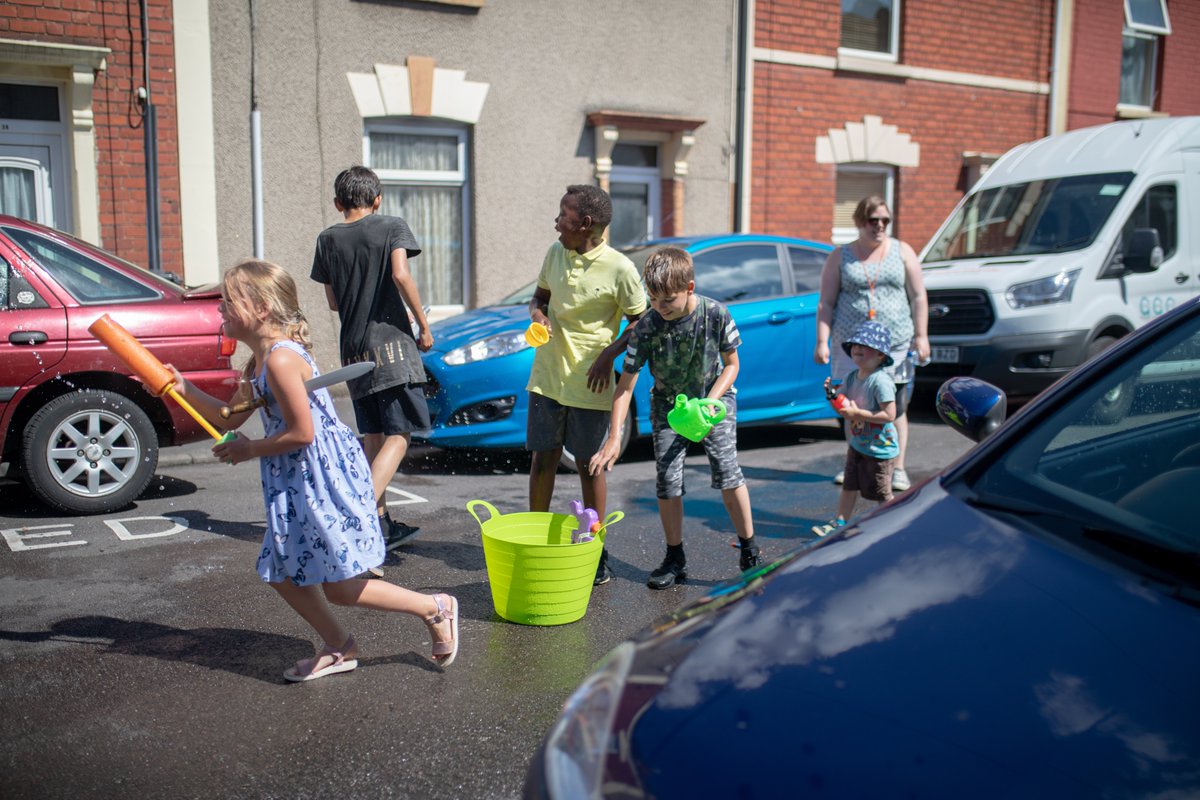
Happy #Playday2024! What is the state of children’s play, and what needs to change so children can play more? The National Play Commission call for evidence needs your views to move play up the political agenda and shape policy - ends 30/9, please share! centreforyounglives.org.uk/p…
17
29
1,832
PlaySufficiencyLeeds retweeted
11 Jul 2024
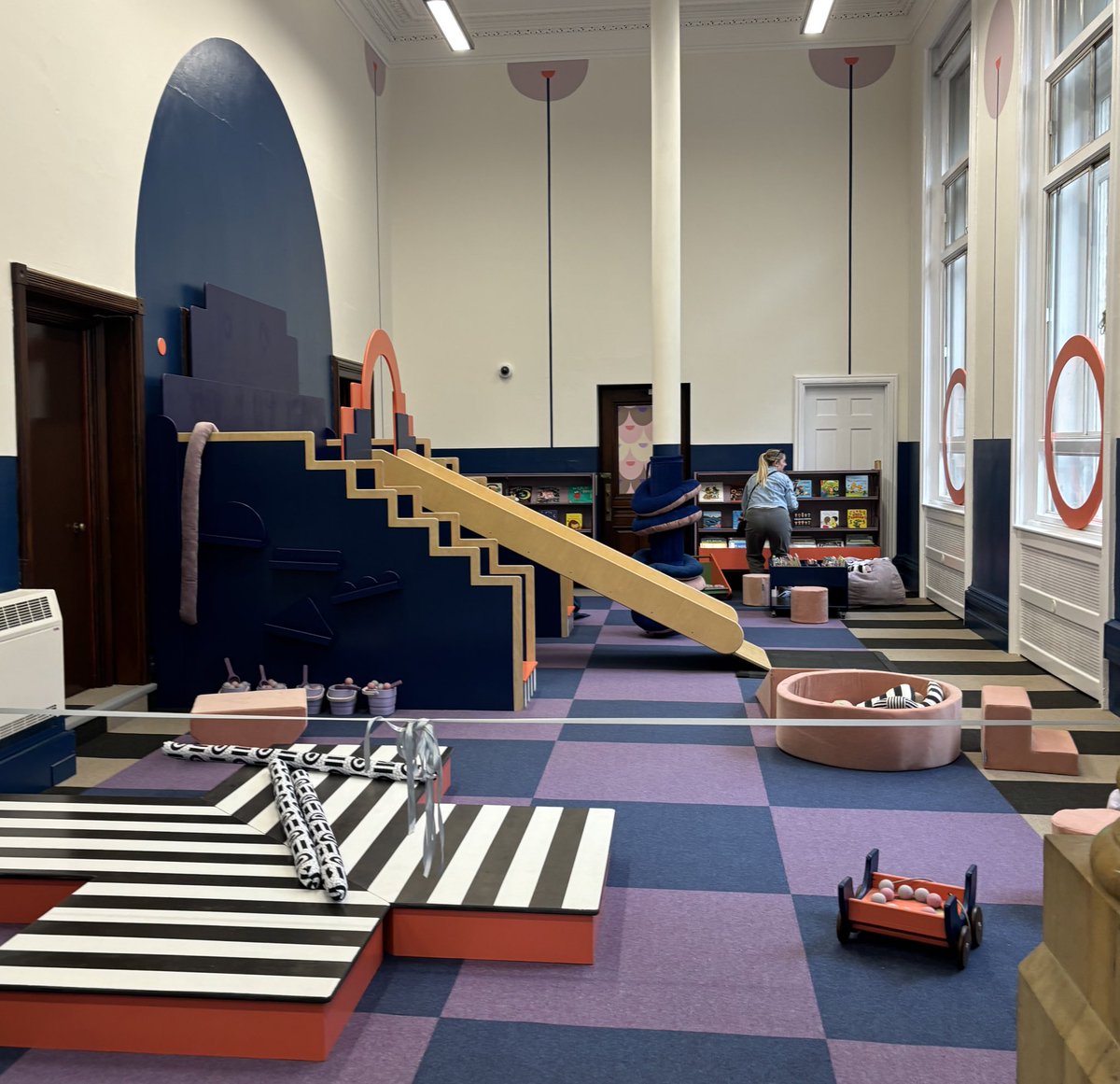
Leeds Central Library has a slide…🛝weeeeeeeeeeeeeeeeeeeeeeeeee
#PlayfulCities
Steph Jefferies is a star! ⭐️ So are Rachel Ingle Teare (Children’s Librarian) and team Yorkshire Contemporary
Bravo @leedslibraries @YorkshireContmp @Leeds_City_Ctr @Child_Leeds
@libsconnected
1
8
20
834
PlaySufficiencyLeeds retweeted

23 Jun 2024
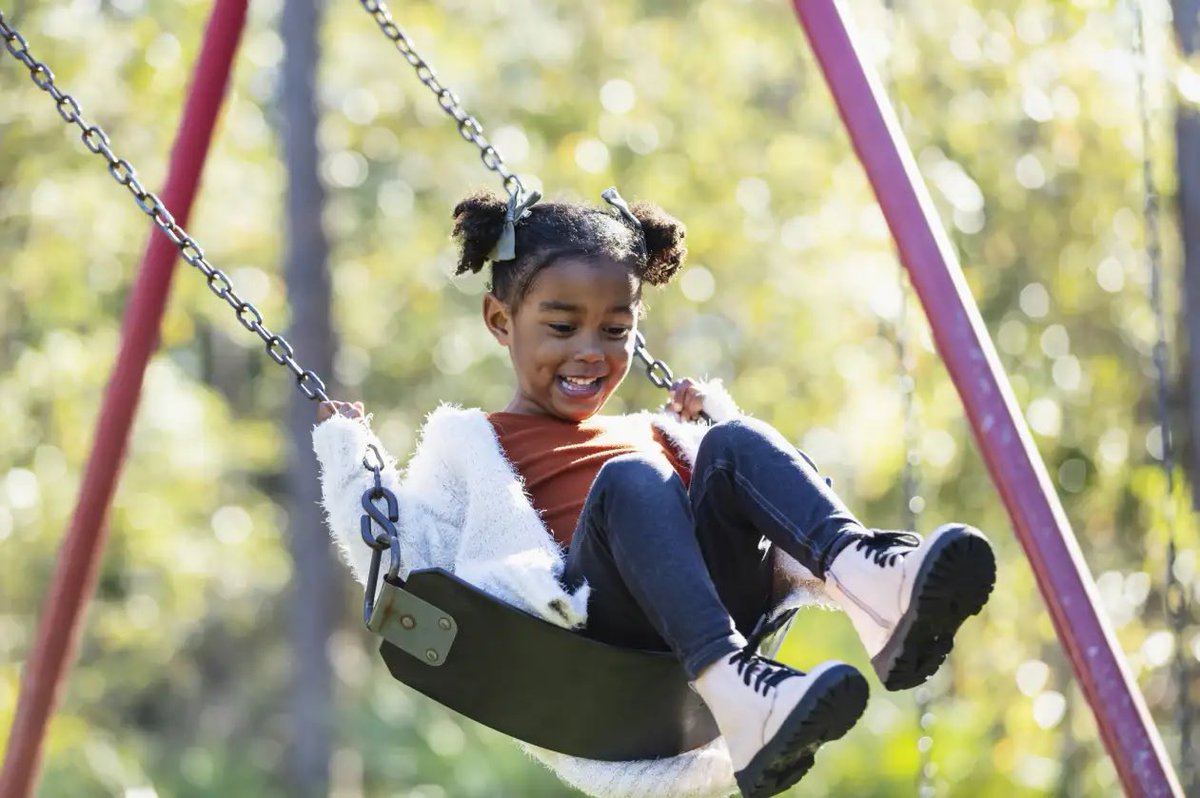
‘When children push themselves during unstructured play to climb higher, run faster, or engage in other forms of risky play, they learn about their own limits, how to problem-solve, and how to make decisions.’ -this is exactly what we find in our sessions #LetThemRoam
23 Jun 2024

‘The importance of risky play (& the 17-second rule)’ - @ActiveForLife
activeforlife.com/17-second-…
Risky play is any type of play that is exciting and challenging, that might involve some risk-taking or chance of injury. It’s the type of play that tests a child’s limits and challenges ours (adults).
When children push themselves during unstructured play to climb higher, run faster, or engage in other forms of risky play, they learn about their own limits (which makes their play safer in the long run!), how to problem-solve, and how to make decisions.
They become more brave, more inquisitive, and more creative. And when they know they can push the limits of how they play, they tend to become less bored with the exhilaration of challenging themselves and overcoming their worries of “What might happen if . . .”
When a child senses that their parent/caregiver is anxious, it sometimes makes them worried too. So how do we convey our confidence in children and give them the space and time to “figure it out?”. . . The 17-second rule.
Instead of jumping in at the first sign of a child doing something that makes you worried during free play, step back. Breathe. Count to 17. And watch . . . 👀
In those 17 seconds, we’re giving children the chance to problem-solve and think about their next step. We’re also showing children that we are confident in them.
The 17-second rule will grow our confidence in children and their confidence in themselves, which is a positive step forward for their well-being now and in the future.
🏫🚸🌿🍁🍂🪵 🚲 🛴 🛹🛼 🛝 🏃🏼♂️🏃🏼♀️🏃🏾👩🦽🚴🏿🚏🚶🏻🤸🏾♂️🤸🏼♂️🌳🏘️
#PlaySufficiency #FreePlay #RiskyPlay #PhysicalLiteracy #PhysicalActivity #Leisure #Sport #ActiveTravel #PlayStreet #SchoolStreets #StreetPlay #HomeZones #Playces #Splace #Playgrounds #Parks #FreerangeUrbanNeighbourhoods #FUN #KnowBallGames #UNCRC #Article31
3
11
457
PlaySufficiencyLeeds retweeted
18 Jun 2024
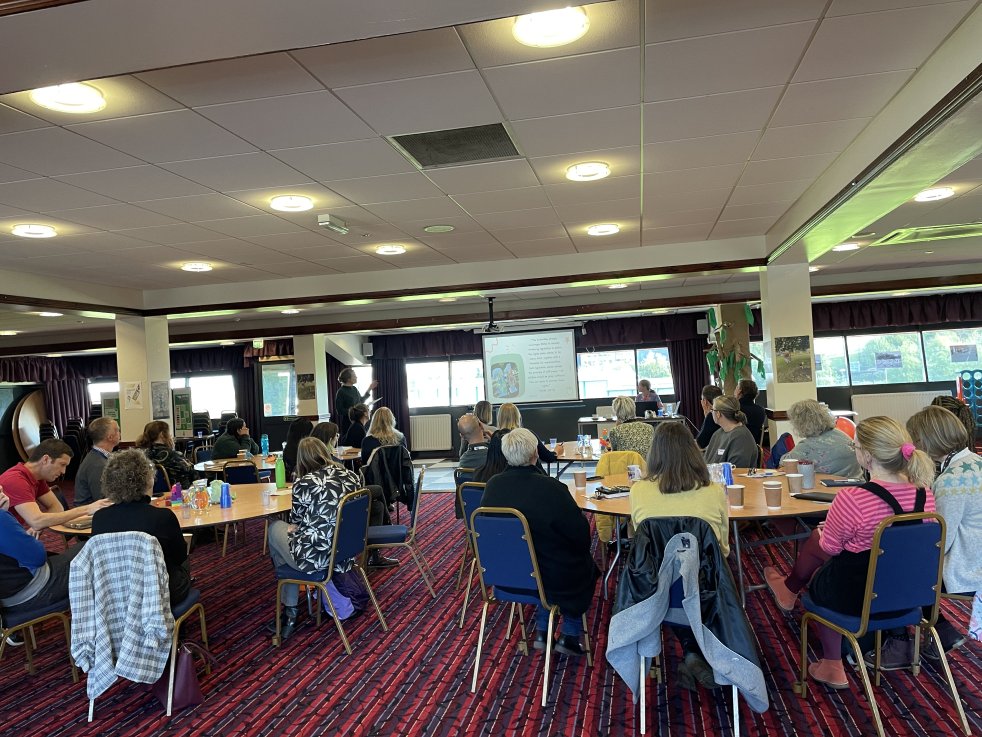
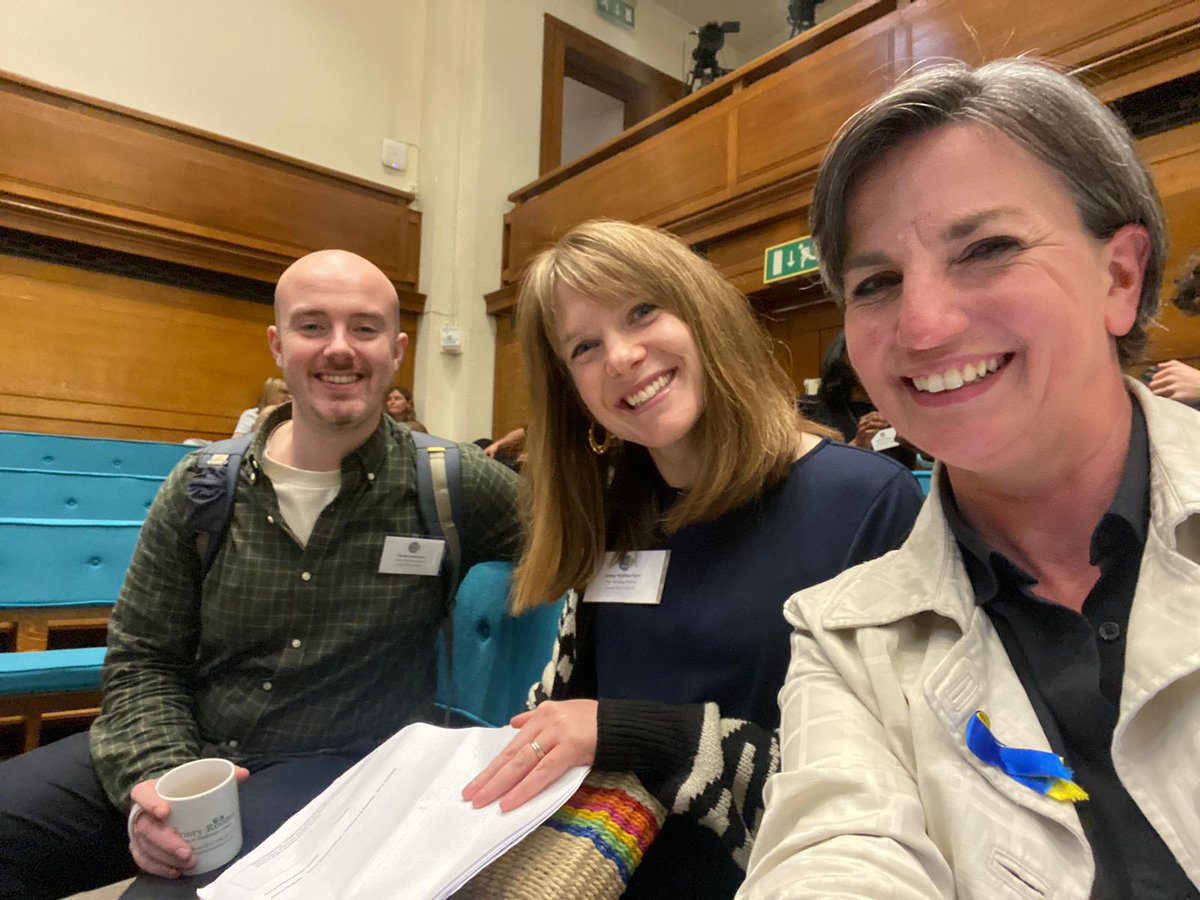
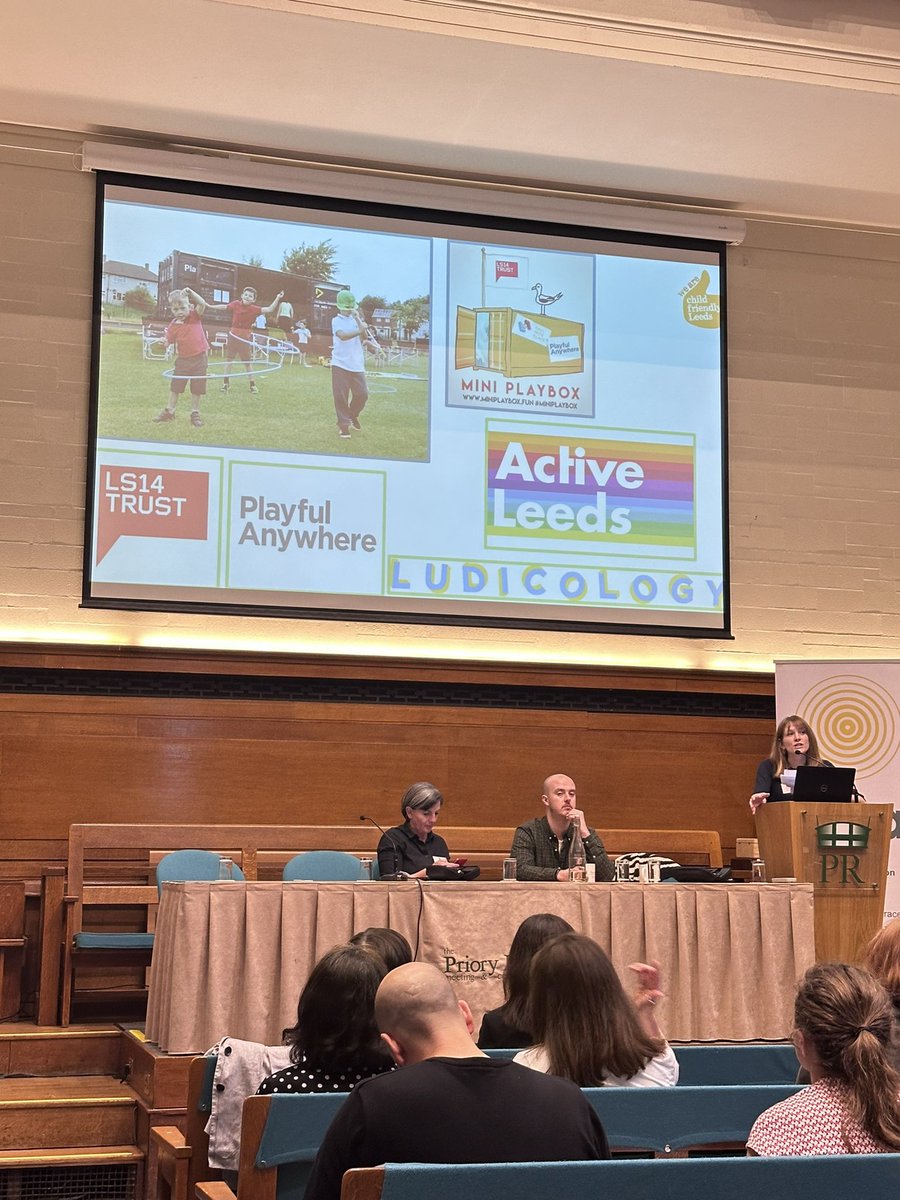
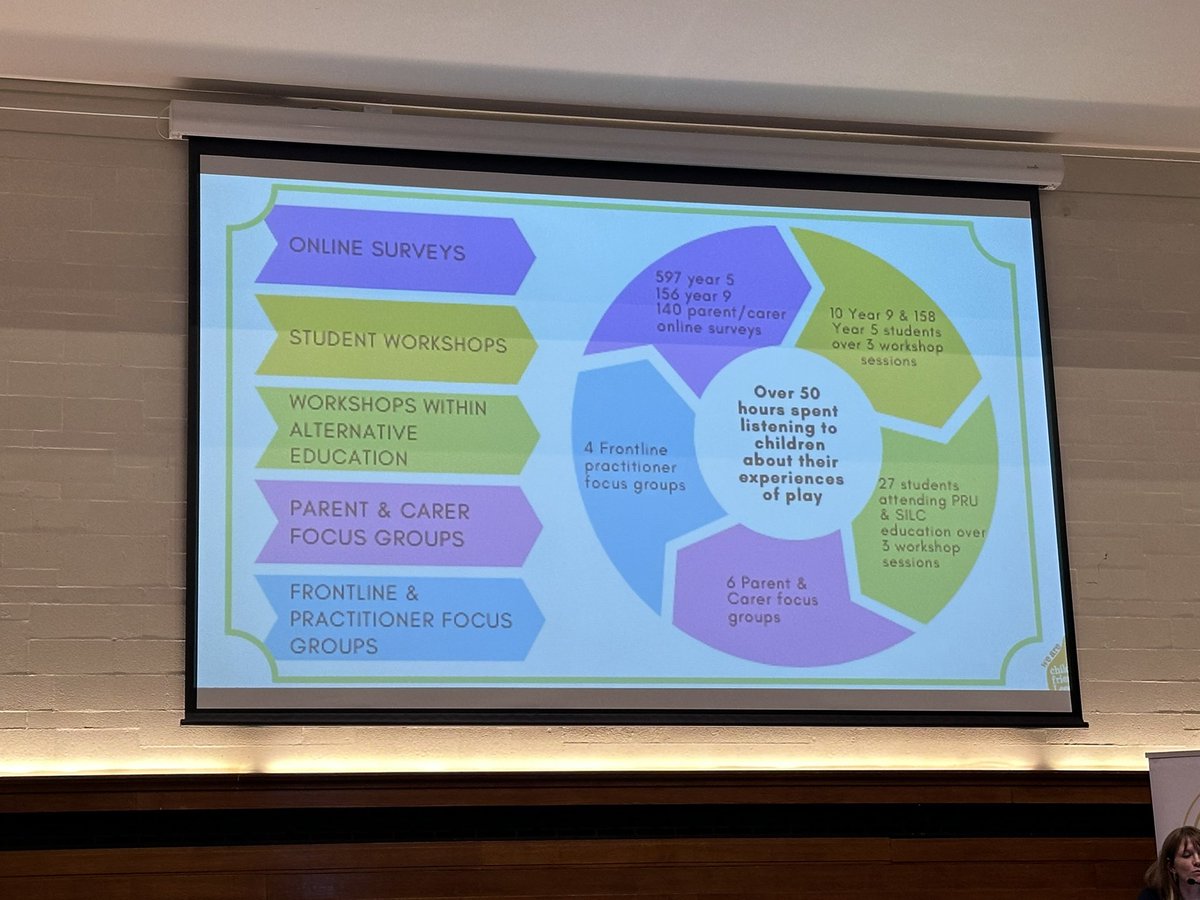
What a day! Thank you @theTCPA for inviting us to share our work on Play Sufficiency - it's been such an inspiring conference! Time for big reflections and moving forward with new partnerships struck up today. Momentum is building...! @LeedsPlay @ludicology @annelongfield
1
6
23
1,186
PlaySufficiencyLeeds retweeted

18 Jun 2024
What a cracking talk concluded perfectly by Cllr Hayden talking about making big change and taking policy risks. “Just put your flap jacket on get out there and get shot down every now and again our children are worth it”
2
1
12
728