
Joined January 2013
- Tweets 373,517
- Following 16,014
- Followers 29,019
- Likes 266,799
40,008 Photos and videos




Pinned Tweet

25 Dec 2021
🛑NEW RULE --
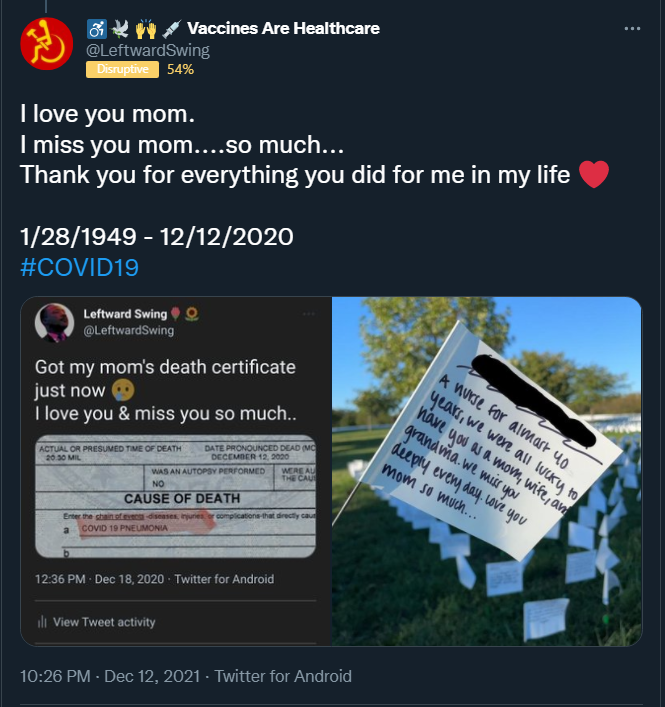
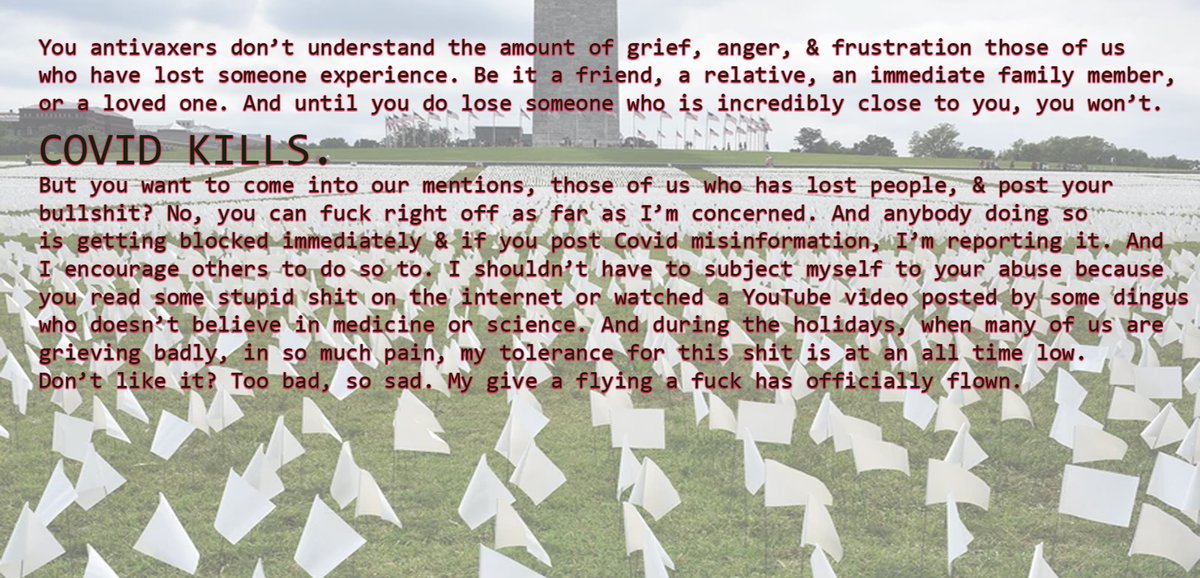
Anyone posting antivax anything in my mentions is getting blocked. If you post Covid misinformation you're getting reported. I'm done. Myself & others who've lost loved ones shouldn't have to deal with your bullshit. Period. #COVID19
26
132
651
LeftwardSwing ♿🕊️ 💉 🏳️⚧️🏳️🌈 retweeted

Jun 13
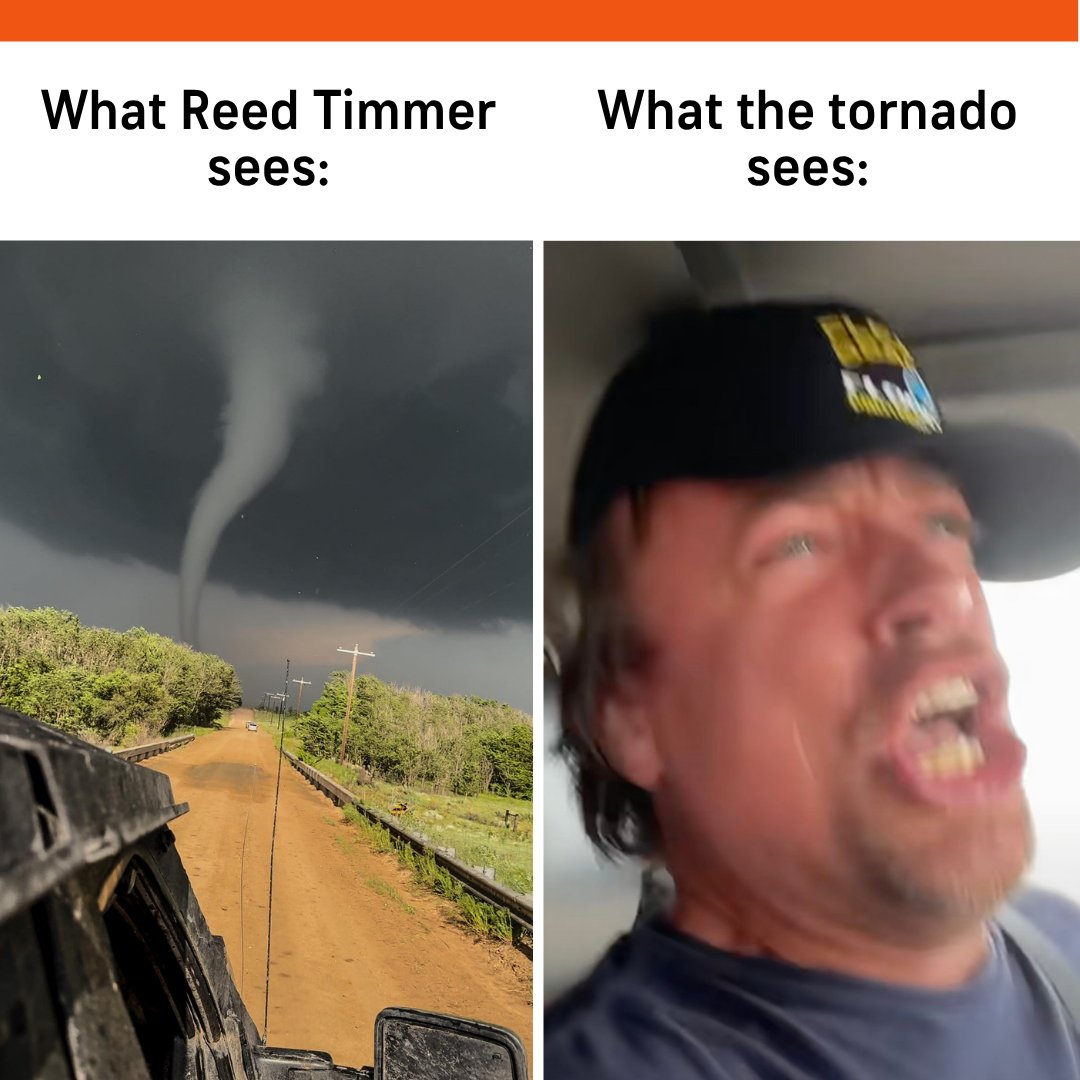
From the tornado's perspective, it's being chased. 🌪️@ReedTimmerUSA
45
237
2,993
257,661
A lying sack of shit posing as a news agency.

"USA! USA! USA!"
Chants erupted throughout Madison Square Garden during Game 3 of the NBA Finals with President Trump in attendance.
1
80
LeftwardSwing ♿🕊️ 💉 🏳️⚧️🏳️🌈 retweeted

Jun 4
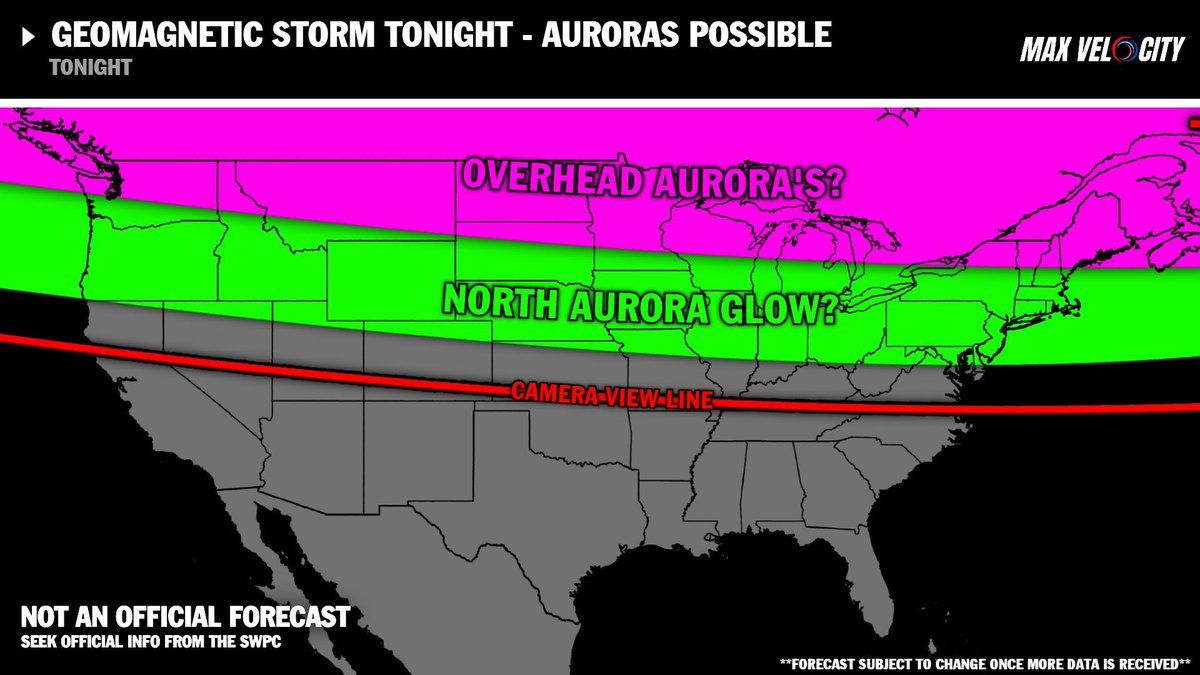
NORTHERN LIGHTS are possible tonight due to a possible geomagnetic storm!
This could lead to auroras being visible as far south as Kansas with a camera. If you live in Canada, your odds of seeing Northern Lights are increasing. Severe storms will increase cloud cover across the Northern Plains and Midwest tonight, so this could disrupt viewing.
48
525
5,389
596,513
LeftwardSwing ♿🕊️ 💉 🏳️⚧️🏳️🌈 retweeted

Native Americans defending immigrants
May 9

“Alligator Alcatraz” May Close After Months of Tribal Resistance in the Everglades. nativenewsonline.net/current…
24
2,490
21,442
315,494
LeftwardSwing ♿🕊️ 💉 🏳️⚧️🏳️🌈 retweeted

May 8
It's hard to retain employees at a workplace that expects to get dismantled.
Scientists are already leaving NCAR, the federal weather lab in Boulder. @spencersoicher reports for @nexton9news:
29
46
250
24,204
LeftwardSwing ♿🕊️ 💉 🏳️⚧️🏳️🌈 retweeted

May 7
Earlier today, a Magnitude 4.0 earthquake struck near Weston, Colorado. A 33-inch snowstorm yesterday and an earthquake today—Colorado is really experiencing every force of nature this week! 🏔️📉 #COwx
5
14
707
LeftwardSwing ♿🕊️ 💉 🏳️⚧️🏳️🌈 retweeted

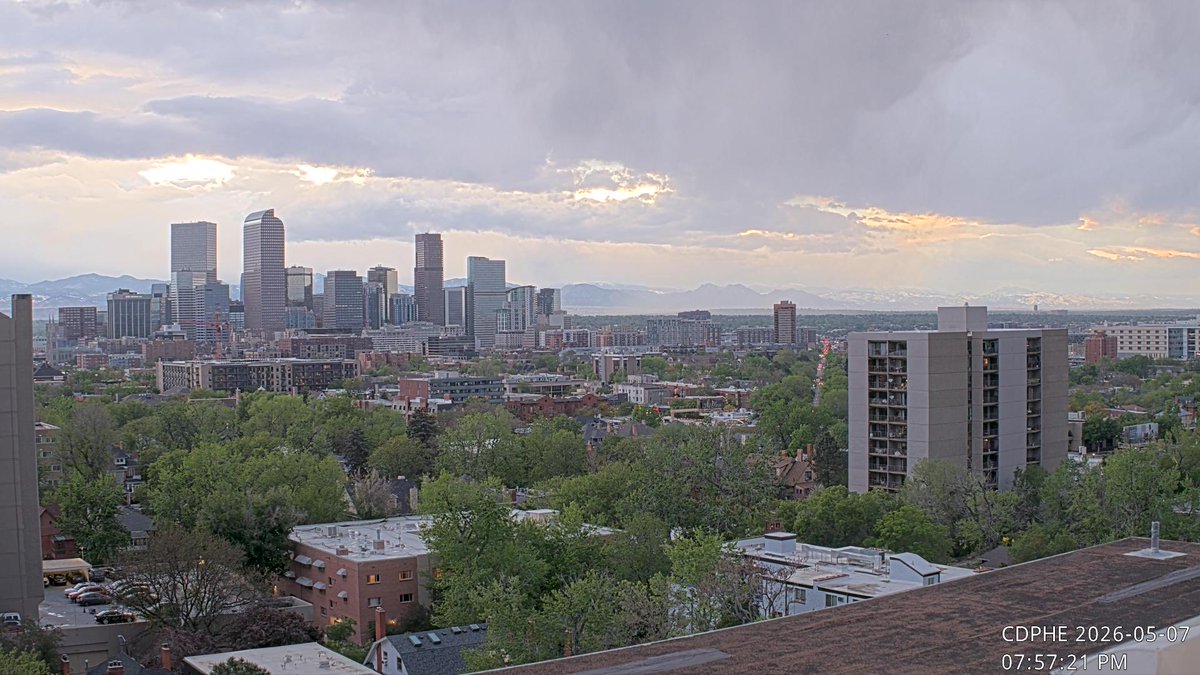
🌅 Happy first 8pm or later sunset of 2026, Denver!
We’ll have 8p or later sunsets all the way through August 11th.
#COwx
2
21
333
9,751
LeftwardSwing ♿🕊️ 💉 🏳️⚧️🏳️🌈 retweeted

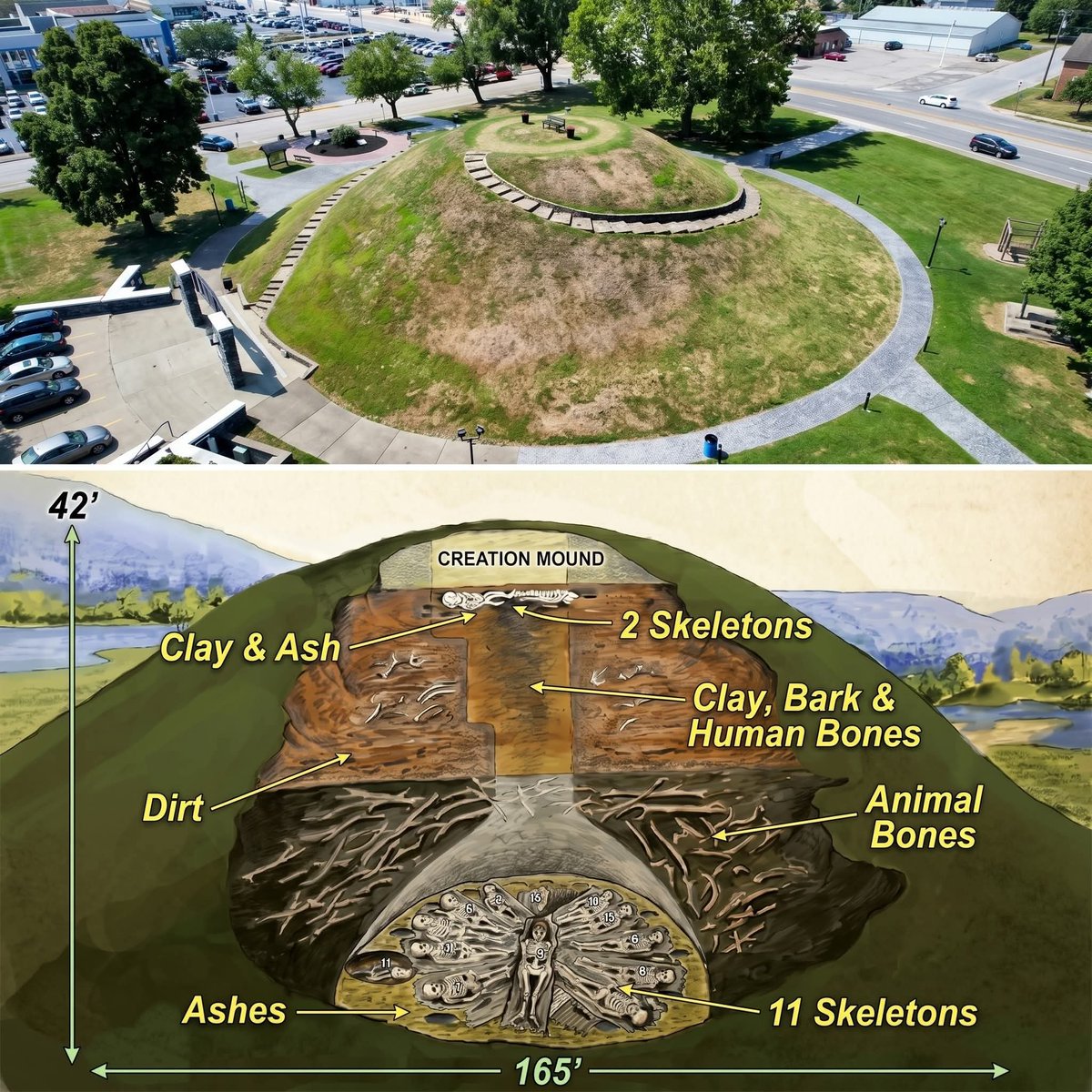
Beneath a quiet West Virginia mound, archaeologists found eleven people laid around one central burial, a pattern so deliberate it still unsettles the imagination.
What makes Criel Mound linger in the mind is not simply its age, but the care buried inside it. Deep beneath the earth, eleven people were found together at the base, arranged around one central burial in a layout that looked intentional, ceremonial, and impossible to dismiss as random.
That arrangement is the detail people remember, because it suggests a community making a statement in earth and ritual. Ten individuals surrounded the central figure, and the finds around that middle burial made excavators believe this person held unusual importance.
Today the mound stands in South Charleston, but long before streets and businesses surrounded it, this was part of a much larger ceremonial landscape in the Kanawha Valley. The mound was once among extensive earthworks that stretched for miles on both sides of the river, evidence that this was not an isolated monument but part of a broader sacred geography.
Archaeologists generally connect the mound to the Adena world, with the West Virginia Encyclopedia placing such builders in the Ohio and Kanawha drainages between roughly 1000 and 200 B.C. The commonly repeated estimate for Criel Mound itself is around 250 to 150 B.C., though some older nomination language also noted a mingling of Adena and Hopewell traits in the material recovered there.
Even in altered form, the mound still conveys scale. Sources describe it as about 33 feet high after historic damage, making it one of the largest surviving burial mounds in West Virginia and second only to Grave Creek Mound in the state.
But Criel Mound was not left untouched by the modern world. Before the Smithsonian excavations, its summit had already been leveled for a bandstand or judges’ stand, tied to a racetrack that once circled the mound, so by the time investigators arrived part of the original form had already been lost.
That loss matters, because every change to a mound like this erases context that can never be fully restored. What survives is precious not because it is complete, but because it endured despite being treated for years as scenery, usable land, and public space rather than as an irreplaceable archive of Native history.
In late 1883, Smithsonian investigators began cutting a shaft from the top down toward the original ground surface. Near the upper levels they found burials at shallow depths, and the associated artifacts led later interpreters to believe those upper interments were intrusive and from a later period rather than part of the mound’s first use.
Then came a long stretch of earth with no major discovery. Only when excavators neared the base, roughly 31 feet down, did the original burial deposit appear and reveal the moment for which the mound had first been raised.
The dead at the bottom were found on a prepared setting of bark and ash, then covered with another layer of bark. Postmolds and structural traces suggested some form of tomb or vault, which helps explain why this was understood as a formal, deliberate burial event rather than a casual accumulation of graves.
The central burial drew the most attention, and not only because of position. Copper near the head, shell beads, and weapon points were associated with that individual, while some of the surrounding burials had fewer or no objects, creating a pattern of difference that likely reflected status, role, or ceremony.
Older retellings often fixate on the size of the person in the center. Some sources and later retellings describe a skeleton around 6 feet or even 6 feet 8 3/4 inches long, but the West Virginia Encyclopedia stresses that Norris reported the individuals as adults of medium size, and the National Register form itself warns that the extreme height may have been exaggerated by pressure from the earth.
#archaeohistories
39
84
540
58,899
Butch Wars is running for Governor of California? Hell ya!
Apr 30

With me as governor, we’re going to get ICE out of California.
ICE will have to go through every law enforcement officer and lawyer in this state before they touch a hair on your head.
If LAPD or any municipality colludes with ICE, they face the full wrath of the state.
1
112
LeftwardSwing ♿🕊️ 💉 🏳️⚧️🏳️🌈 retweeted

The folks celebrating Democrats gerrymandering Virginia at the same time CA Democrats used their supermajority to kill single-payer healthcare don’t get it: Giving Democrats power does not translate into wins for the people because their party serves the capitalist oligarchy too.
161
1,263
5,708
97,329
LeftwardSwing ♿🕊️ 💉 🏳️⚧️🏳️🌈 retweeted

Apr 10
Health insurance is not healthcare.
It’s what stands between people and the care they need.
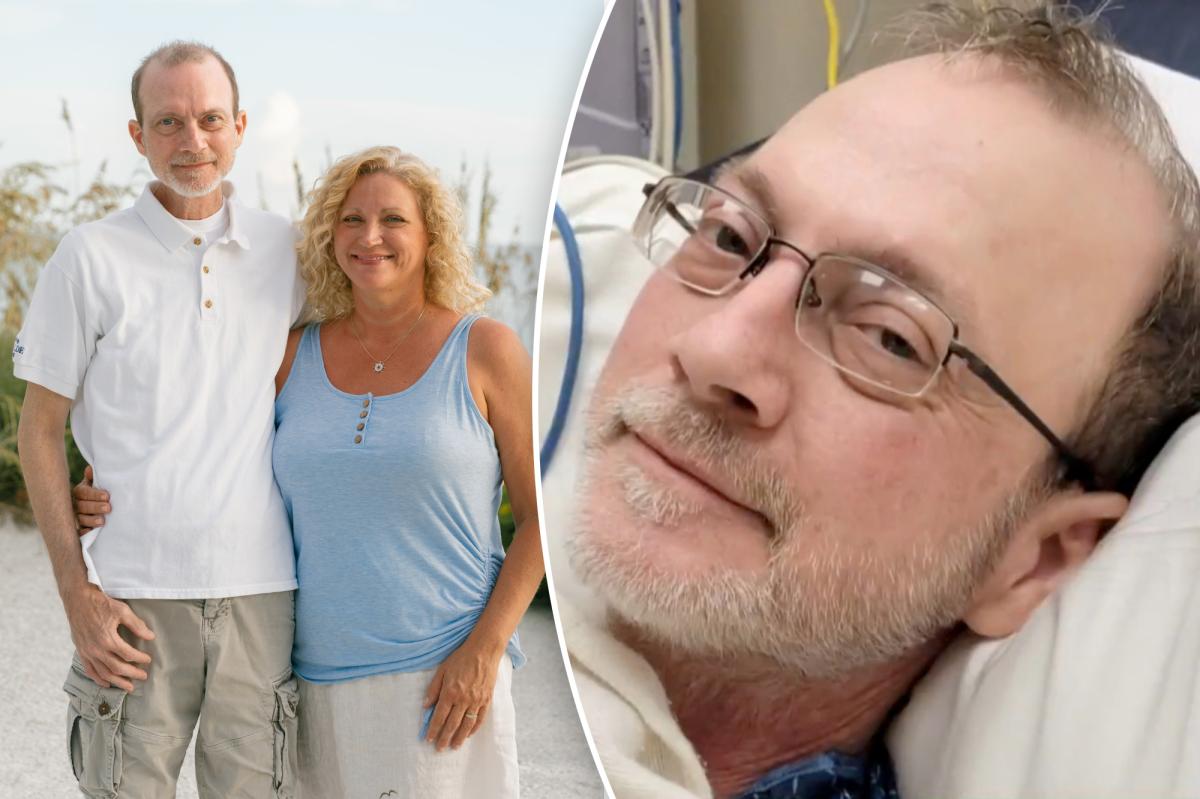
This man’s tragic death was a profit opportunity for his insurance company.
Demand Medicare for All.
Apr 10

Dad with stage 4 cancer dies after insurance company said tumor-shrinking treatment was 'not medically necessary' trib.al/aYAtuEv
56
886
2,222
32,299
LeftwardSwing ♿🕊️ 💉 🏳️⚧️🏳️🌈 retweeted

Apr 6
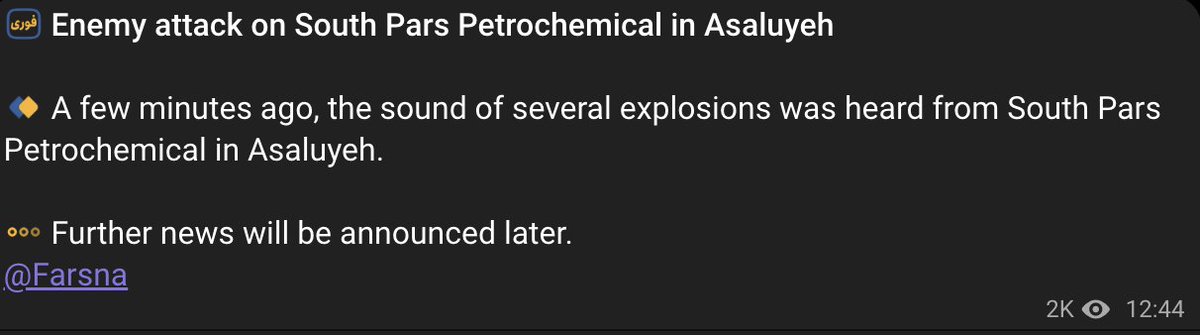
The Israeli Air Force has attacked Iran's "largest petrochemical facility" a short while ago, with it being put out of commission, Israel's Defence Minister says
The facility accounts for about 85% of Iran's petrochemical exports
Apr 6

BREAKING: Iran's South Pars Petrochemical facility in Assaluyeh has been attacked with multiple explosions reported, according to IRGC-affiliated Fars News Agency
16
229
840
119,712
LeftwardSwing ♿🕊️ 💉 🏳️⚧️🏳️🌈 retweeted

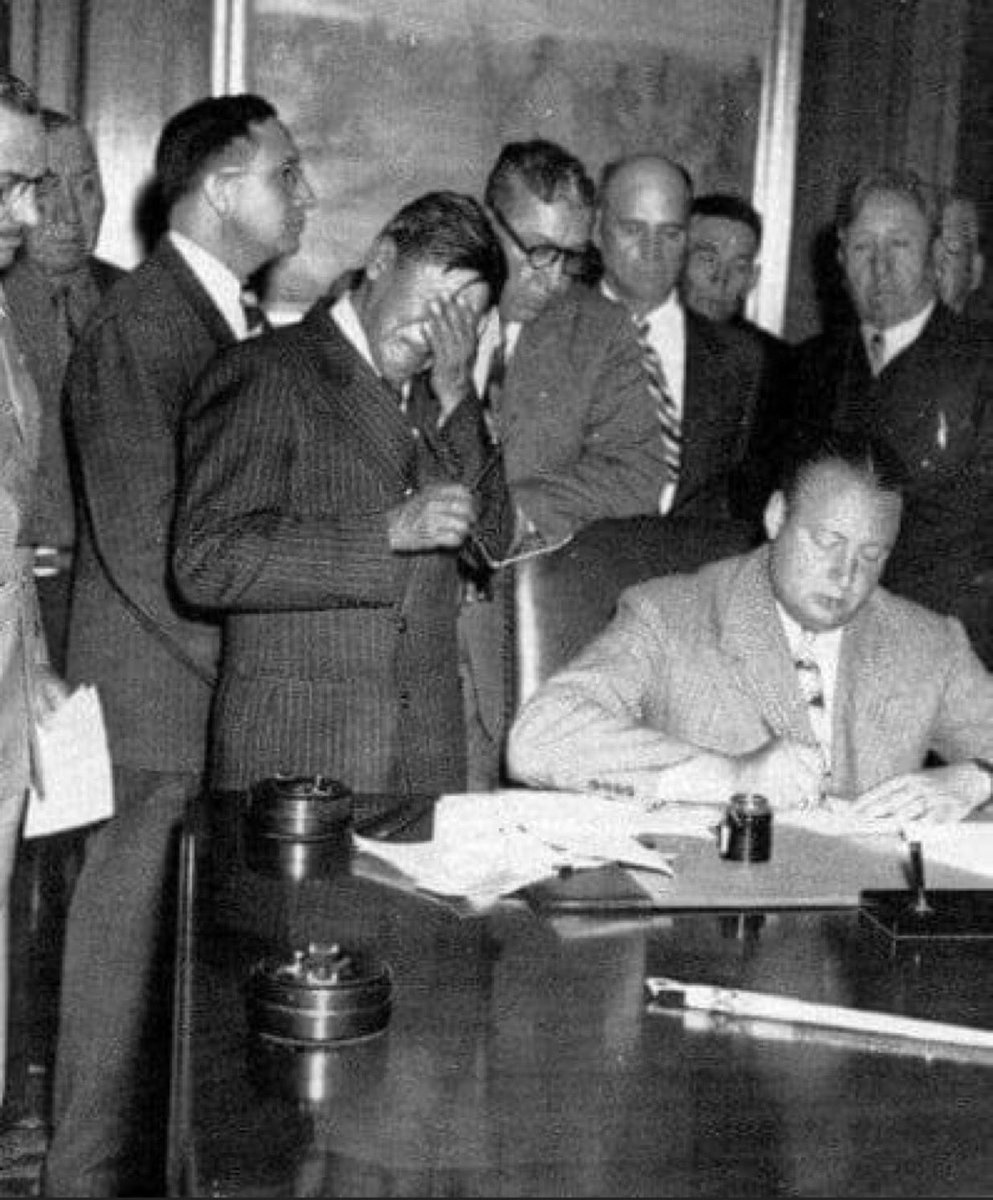
The local chief of the Mandan tribes, Arkara and Hidatsa in North Dakota, weeps, forced to sign a treaty transferring the fertile lands on the Missouri River plain, the homeland of these tribes, under threat of the destruction of his entire people.
United States, 1948.
287
6,477
14,095
1,184,447
LeftwardSwing ♿🕊️ 💉 🏳️⚧️🏳️🌈 retweeted

I have built a network of paramedics, nurses, PAs, and doctor friends who are always up for texting me advice visiting ppl who need treatment on the streets (sometimes after grueling 12 hr shifts @ the hospital).
They shouldn't have to but we live in a country where they do.
Apr 2

A nonprofit is bringing free health care to Americans who can’t afford it. Some patients wait days and sleep in their cars for treatment. Scott Pelley reports, Sunday. 60Minutes.com
7
445
1,378
24,892
LeftwardSwing ♿🕊️ 💉 🏳️⚧️🏳️🌈 retweeted

Mar 29
Says the insider trader political royalty who used her office for decades to pocket more than $100 million.
Mar 28

NO KINGS - that was the WHOLE POINT of the American Revolution and our Constitution - NP
#WeSayNoKings
80
395
1,542
20,092
LeftwardSwing ♿🕊️ 💉 🏳️⚧️🏳️🌈 retweeted

Mar 27
This is horrifying! I’m glad Nerdeen is safe. The Zionist who planned to bomb Nerdeen’s home is Alexander Heifler. According to reports Heifler had an escape plan to leave the country. Who wants to guess what country he would flee to?

Late last night the FBI Joint Terrorism Task Force informed me that a plot against my life that was "about to" take place, and that agents had conducted an operation in Hoboken related to this plot. For months, Zionist organizations like Betar and politicians like Randy Fine have encouraged violence against my family and me. I will have more to say as additional details come to light. I will not stop speaking up for the people of Palestine. Thank you for your support.
nytimes.com/2026/03/27/nyreg…
10
75
346
5,934
LeftwardSwing ♿🕊️ 💉 🏳️⚧️🏳️🌈 retweeted
Mar 25
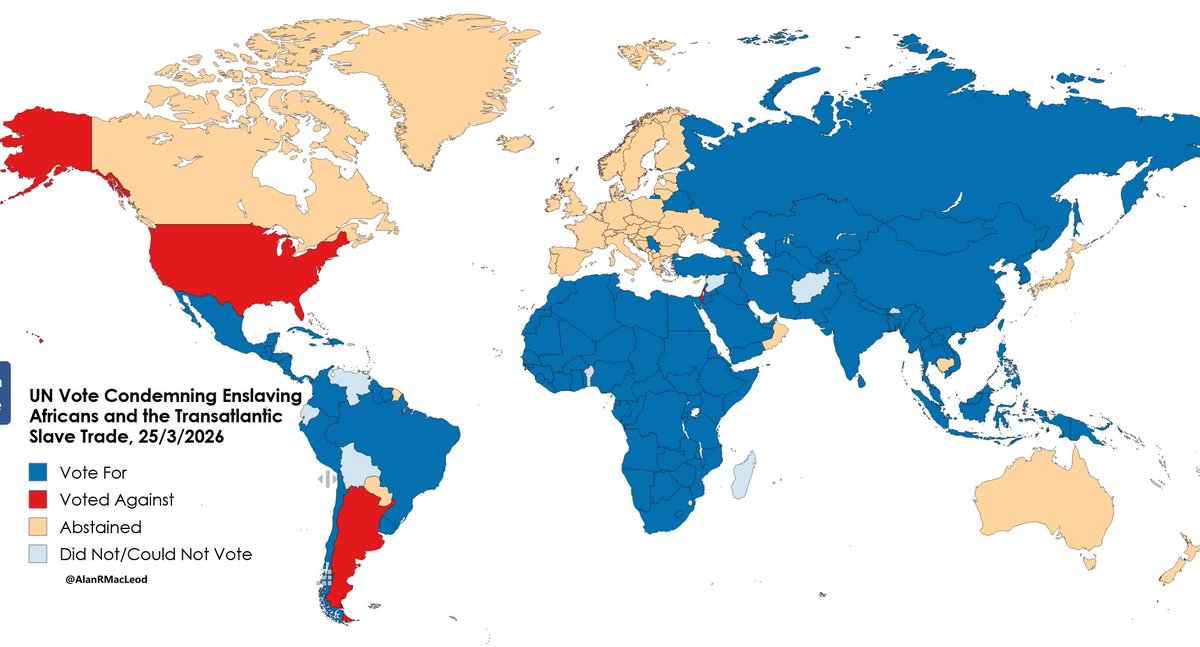
Look at the countries that REFUSED to condemn the transatlantic slave trade.
Look at the countries that did condemn it. Does everyone get it now?
Mar 25

BREAKING: The United Nations has voted 123-3 in favor to condemn the enslavement of millions of Africans and the trans-Atlantic slave trade.
The three countries voting against it?
🇺🇸 USA
🇮🇱Israel
🇦🇷 Argentina
Nearly all of Europe abstained.
Community note
Context: the resolution wasn’t just a condemnation of the slave trade; it also called for reparations and described slavery as “the gravest crime against humanity,” which some countries rejected as creating a hierarchy of crimes (over genocide, etc.).
wfsb.com/2026/03/25/un-…
bbc.com/news/articles/…
gov.uk/government/spe…
50
228
682
12,816