Dreamer....
Joined June 2012
- Tweets 75,461
- Following 1,386
- Followers 178
- Likes 4,148
636 Photos and videos
Pinned Tweet

2 Jul 2022
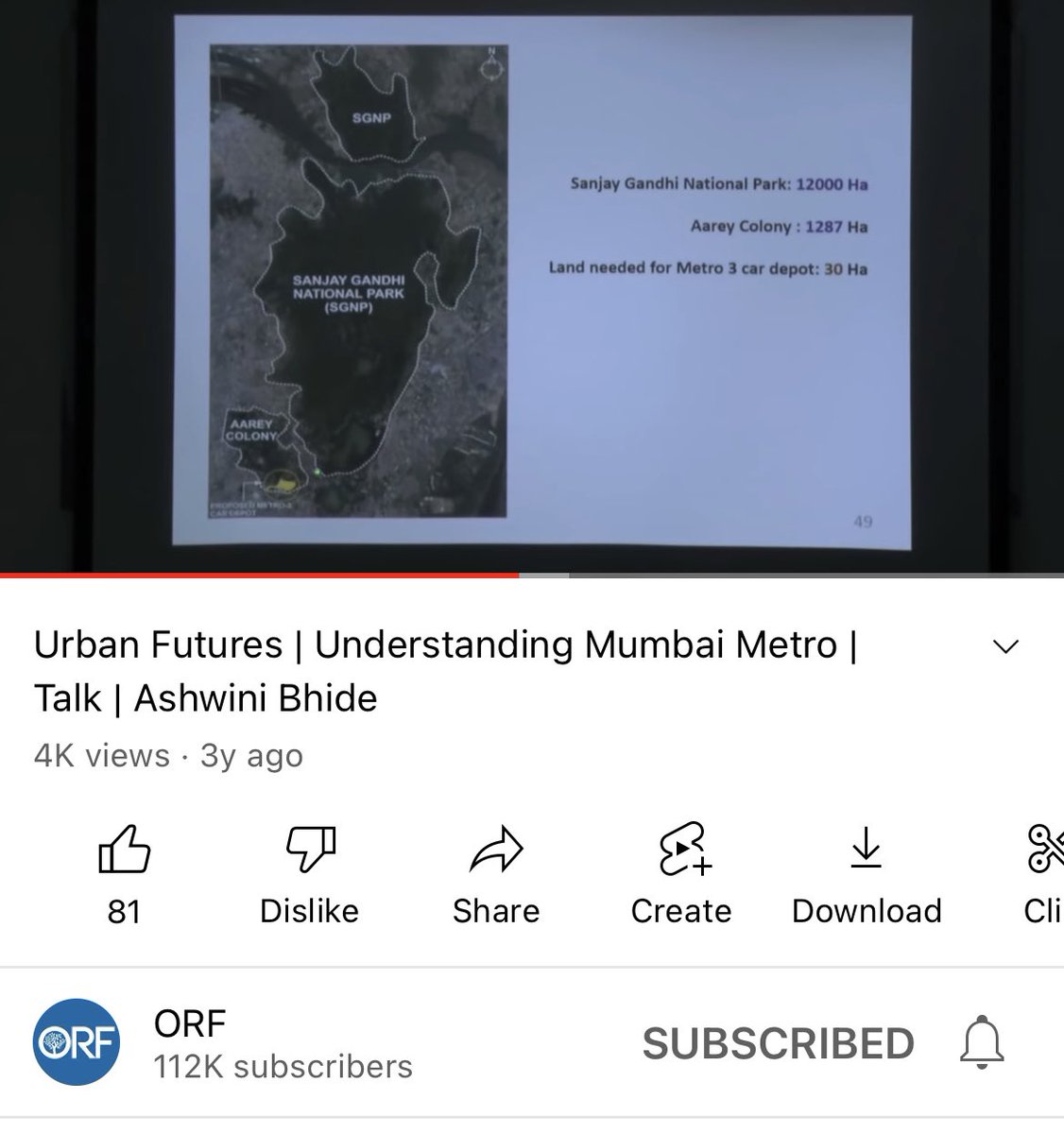
Get some real information from the bureaucrat who was leading @MumbaiMetro3. Don’t fall for propaganda - youtu.be/hsW7dqleAzE
9
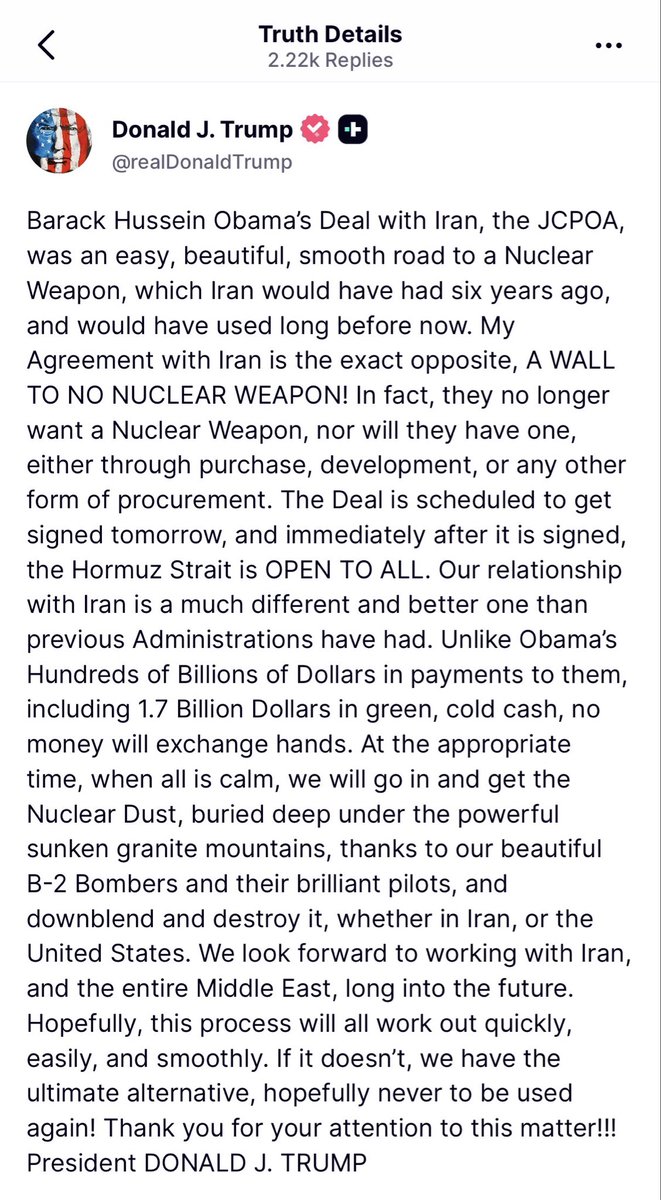
So nothing about Iran supporting terrorists who send suicide bombers to Israel, similar to what Pakistan is doing to India. Why would Israel support Iran, when more wealth means more money to Hamas, Hezbollah, and Houthis?

For Israel, the Iranian issue has never been only about the nuclear programme. It has also been about the emergence of a large, populous, resource-rich, technologically capable regional rival at the centre of the Middle East.
Iran possesses attributes that no other regional state quite combines: A population of around 90 million.
A highly educated scientific and technical base.
Significant industrial capacity.
Vast oil and gas reserves.
Strategic geography linking the Gulf, Central Asia, the Caucasus and the Indian Ocean.
A deep civilisational identity and state tradition.
Even after decades of sanctions, war, and isolation, Iran has remained consequential.
The counterfactual is striking.
Had Iran not spent much of the last four decades under sanctions and geopolitical pressure, it might today resemble something closer to Turkey on a much larger scale, or perhaps even a Middle Eastern equivalent of a G20 power.
That is why many Israelis have long believed that sanctions were not simply a tool to constrain nuclear ambitions. They were also a means of limiting the emergence of a powerful regional competitor.
Now imagine a different future.
If sanctions are eased, oil exports resume, frozen assets are released, shipping normalises through Hormuz, and foreign investment gradually returns, Iran could regain significant economic momentum. Recent reporting suggests that any emerging US-Iran understanding may include substantial sanctions relief, particularly on oil exports and associated financial services.
For Israel, that prospect is strategically uncomfortable. Which explains the meltdown in Jerusalem.
For India, however, the calculus is different. India has never viewed Iran as a threat.
A stronger Iran does not automatically diminish India’s position.
Indeed, a reintegrated Iran could create opportunities for Indian trade, connectivity, energy security, and regional diplomacy.
That does not mean India would welcome an Iranian nuclear weapon or regional destabilisation. It would not.
But India has no structural interest in keeping Iran permanently weak. This is perhaps where Indian and Israeli interests diverge most clearly.
Israel’s ideal outcome has often been a non-nuclear, economically constrained Iran.
India’s ideal outcome is a non-nuclear, stable, economically integrated Iran.
Those are not the same thing.
10
LeftyCricketer retweeted

Looks like Pegwant Mann is going to be the first high profile victim of the blasphemy law he enacted. Leave that aside. Imagine a modern nation enacting bronze Age legislation while nursing delusions of “leadership” in the 21st century.
43
614
3,415
53,881
LeftyCricketer retweeted

Jun 16
The Strait of Hormuz is legally an international strait where the sovereign territorial waters of Iran and Oman overlap.
Thailand, Malaysia, Singapore and Indonesia do not charge for the use of the Straits of Malacca despite territorial waters overlapping.
Denmark and Sweden do not charge vessels navigating through the Danish Straits despite their territorial waters overlapping.
Only Turkey charges vessels passing through the Bosporous as these waters are classified as ‘internal waters’ by the Montreaux Convention.
2
1
4
174
LeftyCricketer retweeted
Jun 15
“Iran is not seeking to impose tolls. However, in return for navigation services, environmental protection, insurances and other maritime services, Iran will collect the necessary fees.”
Can the ships refuse such services? because if they aren’t, then there’s another name for these tolls…EXTORTION!

JUST IN: Iran’s Foreign Ministry Spokesman, Ismael Baqaei on the Strait of Hormuz:
“According to the MoU, Iran and Oman will be responsible for managing passage through the Strait of Hormuz.
Iran is not seeking to impose tolls. However, in return for navigation services, environmental protection, insurances and other maritime services, Iran will collect the necessary fees."
12
53
200
18,061
LeftyCricketer retweeted

22h
We must purge the virus of subterranean separatism from Tamil Nadu politics.
I often remind my team "We are drawn from the same pool of talent as any other company, we are not special in any way, and if we have to achieve better results, we must show that through our hard work and perseverance".
Tamil Nadu is Bharat 🙏
218
900
4,372
182,054
LeftyCricketer retweeted

Jun 16
I had always viewed Annamalai positively in BJP and even after he left. But this narrative against Northern state is unacceptable. Is it a slip from or step to another Dravidian movement, future alone can tell. @annamalai_k

"வட மாநில" என்ற சொல்லை 10 முறை பயன்படுத்தும் அளவுக்கு அப்படி எங்கு திடீரென்று வந்து இந்த கோபம்?
குழந்தை பாலியல் தாக்குதலுக்குள்ளாகி இறந்த சம்பவம் மிகவும் கண்டிக்கத்தக்கது.
ஆனால் அரசிடம் வைத்த கோரிக்கைகள் சரியா?
வெளிமாநிலத்தவர்கள் விவரங்கள் சேகரிக்க சொன்னது சரியா?
அவ்வாறு அவர்களது விவரங்களை சேகரித்தால் மட்டும் குற்றங்கள் தடுக்கப்படுமா?
கேட்டிருக்க வேண்டிய கேள்விகள்:-
- குற்றம் நடைபெற்ற இடங்களில் போலீசார் ரோந்து வழக்கமாக சென்றார்களா?
- ரோந்து செல்லும் அளவுக்கு இல்லாமல் போலீசார் பற்றாக்குறை இருந்தால் அதிக போலீசாரை பணியமர்த்தும் கோரிக்கையை விடுத்திருக்கலாம்.
- சிங்கப்பெண்கள் திட்டத்தால் இதுவரை எத்தனை பேர் கைது செய்யப்பட்டுள்ளார்கள் என்றும் கேட்டிருக்கலாம்
ஆனால் அதை விட்டுவிட்டு வட மாநிலத்தவர் என்ற வார்த்தையை 10 முறை பயன்படுத்தும் நோக்கம் என்ன??
நாம் தமிழர் 2.0 வாக உருவாகப் போகிறதா தங்கள் ஆரம்பிக்கப்போகும் இயக்கம் ?

202
229
802
127,470
LeftyCricketer retweeted

Unfortunate behaviour by St Annamalai
With this attitude he will struggle to climb the ranks of Nationalist Citizen Party in the future.
Jun 15

திருவள்ளூர் மாவட்டம் கும்மிடிப்பூண்டி அருகே, 3 வயது பெண் குழந்தை பாலியல் தாக்குதலுக்குள்ளாகி, சிகிச்சை பலனின்றி உயிரிழந்த செய்தி, மிகுந்த அதிர்ச்சியும், வருத்தமுமளிக்கிறது.
இந்தக் குற்றத்தில் தொடர்புடைய வடமாநிலத்தைச் சேர்ந்த ஒரு நபர் கைது செய்யப்பட்டிருக்கிறார். அதே போல, காஞ்சிபுரம் மாவட்டம் ஆதனூரில், பத்து வயது பெண் குழந்தைக்கு பாலியல் தொல்லை கொடுத்த வடமாநில நபர் கைது செய்யப்பட்டிருக்கிறார்.
கடந்த சில மாதங்களாகவே, தமிழகத்தின் பல்வேறு பகுதிகளில் நடைபெறும் குற்றங்களில், வட மாநிலங்களைச் சேர்ந்தவர்கள் தொடர்பு இருப்பது அதிகரித்துள்ளது.
இந்த ஜூன் மாதத்திலேயே, சென்னையில் மூதாட்டியிடம் சங்கிலி பறிக்க முயன்ற ஒரு வடமாநில இளைஞர் ஒருவர் கைது செய்யப்பட்டார். கடந்த மாதம், தாம்பரம் அருகே இளம்பெண்ணிடம் பாலியல் தொல்லை செய்த வழக்கு, திருவள்ளூர் அருகே வீட்டில் தனியாக இருந்த பெண்ணிடம் அத்துமீறிய வழக்கு, சென்னை வேளச்சேரி பேருந்து நிலையம் அருகே 61 வயது பெண், கூட்டு பாலியல் வன்கொடுமை செய்யப்பட்ட வழக்கு, சென்னை வேளச்சேரியில் மனநலம் பாதிக்கப்பட்ட பெண்ணுக்கு பாலியல் தொல்லை கொடுத்த வழக்கில், 15 வயது சிறுவன் உட்பட மூன்று வடமாநில தொழிலாளர்கள் கைது, சென்னை மதுரவாயல் பகுதியில் அதிகாலையில் வீட்டிற்கு வெளியே கோலம் போட்டுக் கொண்டிருந்த பெண்ணிடம் பாலியல் சீண்டல் செய்த வழக்கு என, தொடர்ந்து பல குற்றங்களில், வட மாநில இளைஞர்கள் கைது செய்யப்படுவது பல கேள்விகளை எழுப்பியுள்ளது.
குற்றங்களில் ஈடுபடுபவர்களை, காவல்துறை உடனடியாகக் கண்டுபிடித்துக் கைது செய்வது பாராட்டத்தக்கது. ஆனால், குற்றங்கள் நடைபெறாமல் தடுப்பதற்கான என்ன நடவடிக்கைகளை மேற்கொள்ளப் போகிறது தமிழக அரசு?
பணி நிமித்தமாக, பல மாநிலங்களைச் சேர்ந்தவர்கள் தமிழகத்துக்கு வருவதும், தமிழகத்தைச் சேர்ந்தவர்கள், பல இடங்களுக்குச் செல்வதும் இயற்கை. ஆனால், பிற மாநிலங்களிலிருந்து தமிழகத்துக்கு வருபவர்கள் குறித்த சரியான விவரங்கள், அவர்களை பணியிலமர்த்தும் ஒப்பந்ததாரர்களிடமோ அல்லது, நிறுவன உரிமையாளர்களிடமோ இருக்கிறதா? இந்த விவரங்கள், தமிழக அரசிடம் வழங்கப்படுகிறதா? இதனை முறைப்படுத்த வேண்டாமா?
தமிழக அரசு உடனடியாக இது குறித்து நடவடிக்கை எடுக்க வேண்டும். தமிழகத்தில் வடமாநிலங்களைச் சேர்ந்த எத்தனை தொழிலாளர்கள், எந்தெந்த நகரங்களில் இருக்கிறார்கள், அவர்கள் சொந்த ஊர் உள்ளிட்ட விவரங்கள், தற்போதைய பணியிடங்கள் மற்றும் தங்குமிடம் என, அனைத்து தகவல்களையும், வடமாநிலத் தொழிலாளர்களைப் பணியமர்த்தும் உரிமையாளர்கள், தமிழக அரசுக்கு வழங்க வேண்டும். இதனை தமிழக அரசும் முறையாகக் கண்காணிக்க வேண்டும் என்று வலியுறுத்துகிறேன்.
3
14
128
4,525
LeftyCricketer retweeted
I for one will be heartbroken if Annamalai doesn't wait at least 3 months before demanding the eradication of Sanatan Dharma
18
126
896
22,212
LeftyCricketer retweeted

Jun 15
Building material power is politically unglamorous and definitely slower than electoral cycles. Critical minerals, semiconductor fabrication, aero-engine programmes, indigenous propulsion, pharmaceutical intermediates, energy storage or even creating fashion brands: these have long build cycles and won’t produce news headlines anytime soon. But then that is the difference between a country that can act decisively and a country that can only hedge.
1
1
1
95
LeftyCricketer retweeted
Jun 15
I also think that multi-alignment should be discussed more honestly and without being too embarrassed about it, because it is a serious response to the dependence portfolio that we have. Sometimes, multi-alignment is intelligent hedging, and at other times it is weakness being managed carefully. Hedging buys us time while only material capacity buys autonomy. If we confuse the two we will keep mistaking options on the table for actual power.
1
1
1
98
LeftyCricketer retweeted
Jun 15
I think the time has come to focus less on “strategic autonomy” and focus more on “strategic capacity”: the ability to produce, deploy, replace, and sustain in the critical domains of the country. True strategic autonomy is a product of strategic capacity.
1
1
2
95
LeftyCricketer retweeted
Jun 15
We had serious external dependencies through the decades: American grain powered the 1960s; the 1970s and 1980s ran on Soviet defence; Western capital arrived in the 1990s. We have always negotiated our autonomy against our dependencies, even when our strategic elite grew used to pretending otherwise. The pretence that our strategic autonomy is not negotiable has only cost us conceptual clarity.
1
1
2
103
LeftyCricketer retweeted
Jun 15
This has been a persistent condition of Indian foreign policy. Non-alignment was always a feel-good political posture and belief; material non-alignment almost never existed. If anything, there is more material basis for nonalignment today than ever before in our history.
1
1
1
101
LeftyCricketer retweeted
Jun 15
Consider the Russia example. Russian oil is a strength until Western secondary sanctions came along. American technology access is a strength until an unfriendly White House makes it a weapon. The Chinese supply chain is tolerable until a border incident makes the supply chain a Chinese weapon. Each of these has been tested in the last five years. And to be fair, we have not always passed the test. Nor have we failed them all.
1
1
1
118
LeftyCricketer retweeted
Jun 15
The bigger and more ambitious a country, as is India, the less it would want to align with an external power. Conversely, the bigger and more materially dependent it is on external powers, the less it can act on its own. Ambition pushes India to claim strategic autonomy while dependence stops India from exercising it. It is a function of comprehensive national power not keeping pace with its physical size and political ambition.
1
1
1
147
LeftyCricketer retweeted
Jun 15
Let me put it bluntly: A country’s autonomy is, at the heart of it, a function of its national power, not a function of its political intentions or declarations. Let’s take a look at the nature of our material dependence on external powers. The Middle East supplies most of our energy; a great deal of manufacturing comes from China; technology and capital come from the US; Russia replenishes our legacy defence inventory; and France and Israel (and increasingly the US) provide us with high end military ware. So whether or not we pretend this material background exists, Indian state’s policies cannot ignore this background.
1
2
1
221
LeftyCricketer retweeted
Jun 15
Of course, we must safeguard our strategic autonomy. But much of our conversation about strategic autonomy has been lop-sided. We have been debating its political grammar with little focus on its material base. Debating the political foundations of strategic autonomy without addressing its material foundation is like theorising nuclear deterrence without possessing nuclear weapons.
1
1
4
430
LeftyCricketer retweeted
Jun 15
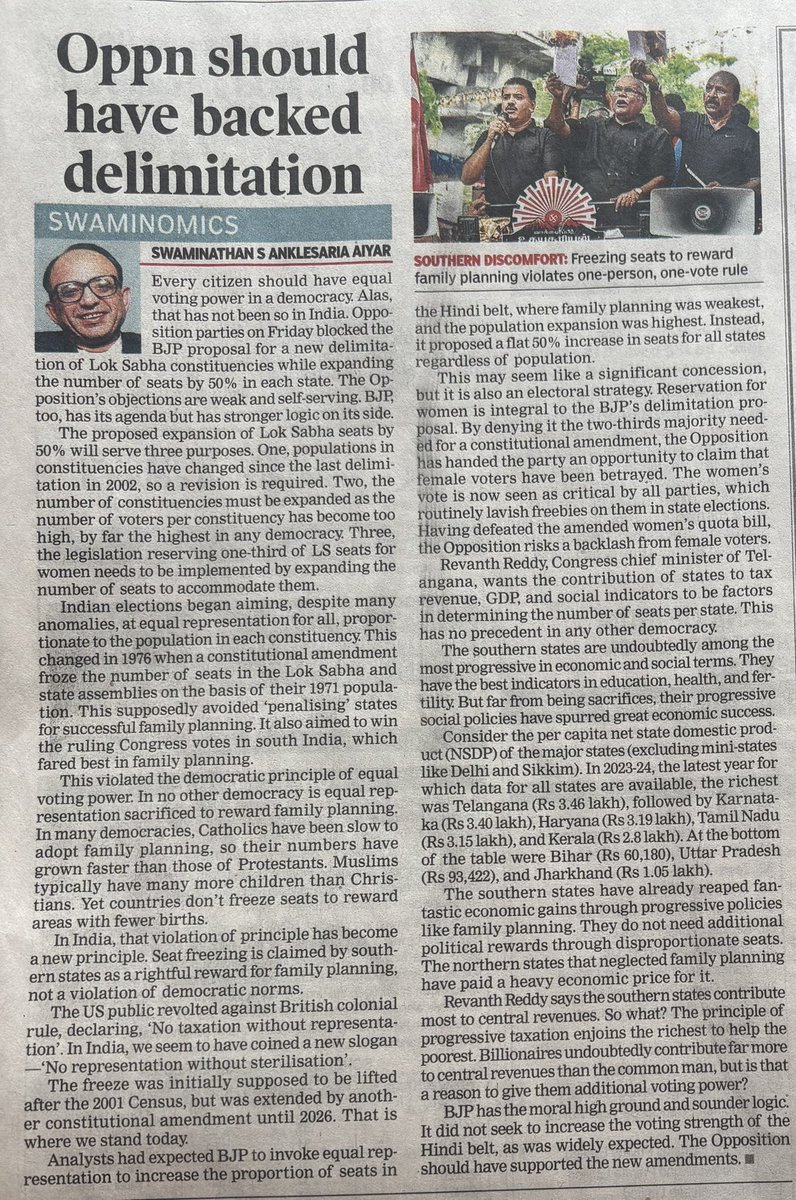
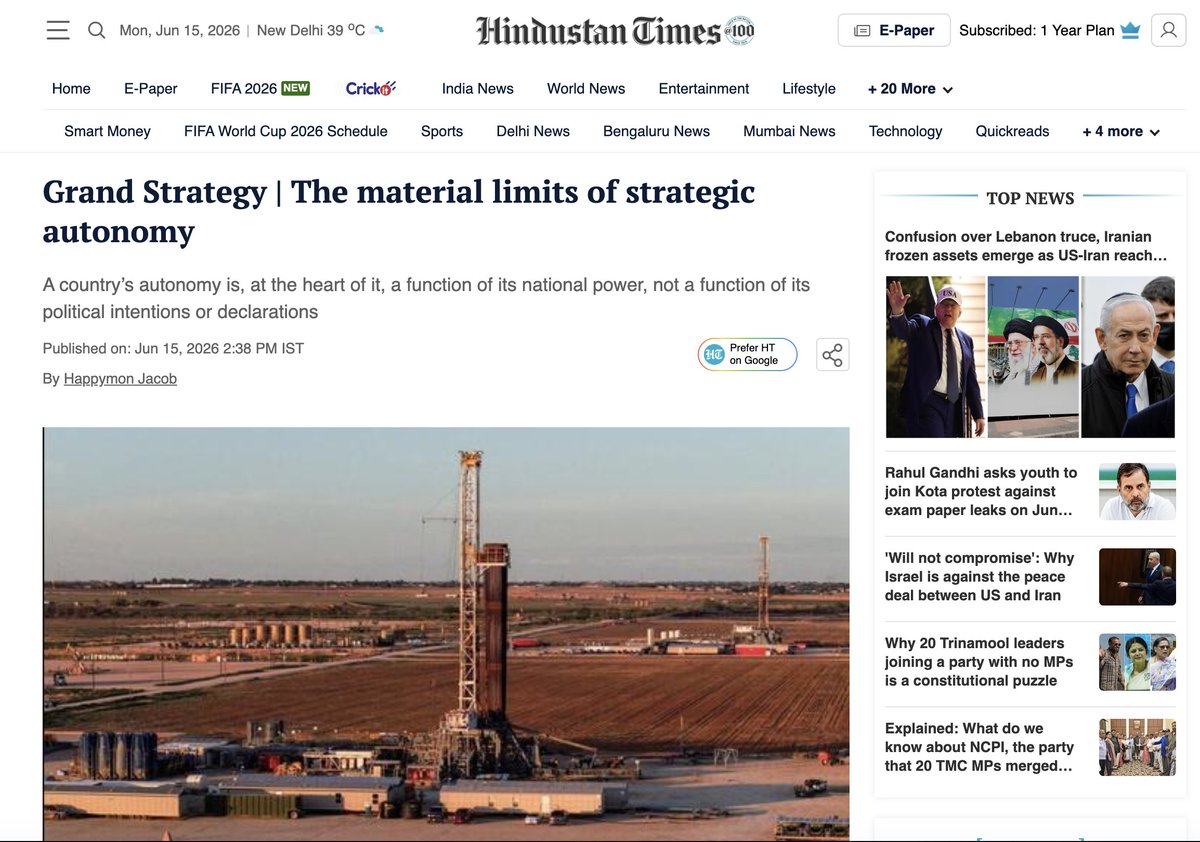
In my latest for @httweets, I argue that while its global ambition drives India to claim & maintain strategic autonomy, external dependence stops it from effectively exercising it.
Here's the problem: India's comprehensive national power simply hasn't kept pace with its physical size and political ambition.
6
8
47
4,484
LeftyCricketer retweeted

Jun 15
I seriously think sushant bhai would have more credibility if he dialed it down a bit 😜
Jun 15

"In Switzerland, with Pakistan as an interlocutor, the historic USA-Iran détente will be signed. Elsewhere in the globe, some will be vanquishing a broken oppositin to shards. And drooling over a film called Dhurandhar."
Making India irrelevant since 2014
thewire.in/diplomacy/pakista…
16
29
294
15,681
LeftyCricketer retweeted

India hasn't been the first in any of the large areas in the past. We got our internet access right two decades after every one else. We skipped most of the CDMA drama and went straight to GSM 3G after the world had figured out mobile telephone way earlier. We were late to payments, but figured out a way better way to clear payments than most others.
We have been late to every new technological change, mostly because we've been loathe to invest large sums where failure is a given. Even our space and nuclear programs - where we have had to work indigenously with local research - we've taken a lot of time, to avoid major failures.
The cost of failure is not just financial in India, it's the fear of shame that runs way too deep. New nice looking road? Oh look, not enough traffic on it, shame. That rocket didn't take off? Shame on us, we should have worked harder so it wouldn't fail the first time. Failed an exam? Shame. A gap year in your resume to try something out? Shame.
This feeling is pervasive, but it's changing as we speak. As it does, India is investing into things, and we embrace failure a lot more these days. This will come from the next brand of companies that aren't afraid of failure, perhaps not so much from the older set of companies that have designed themselves to be cash flow giants. Not just IT, but in FMCG, etc. (Though in metals, we have seen massive risk being taken)
There are companies that have transformed themselves through very large risk oriented projects - the biggest company in India is one. But I believe technological risk will be taken by startups and will be funded by people in the space who've seen what risk can produce, through successful exits in ESOPs or as founders from companies in otherwise boring spaces.
We've lacked that capital really, because otherwise capital has been preserved in large families - risk taking is obviously stunted there as preservation takes a larger role in their future. Now that the first gen capital is more, expect some of this to happen. And no, I don't think the government should play this role (they can help by deregulating business) - it's private capital that should fund the next big thing. From the people that don't consider it shameful to fail.
34
96
591
66,089