
Hyper educative posts on cyber defense and GitHub repos...⚒️
Joined March 2025
- Tweets 146
- Following 5
- Followers 4
- Likes 72
13 Photos and videos
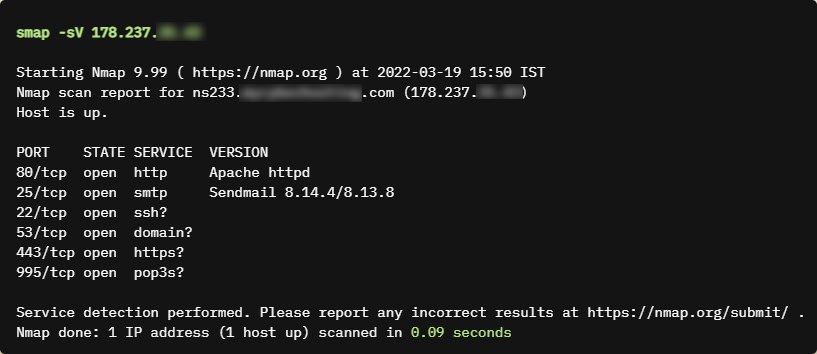
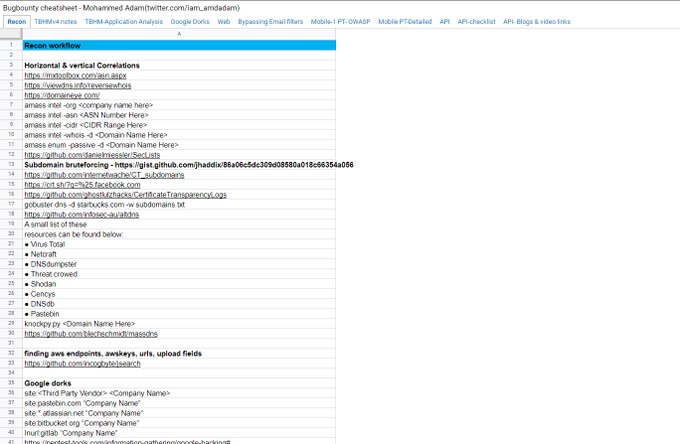

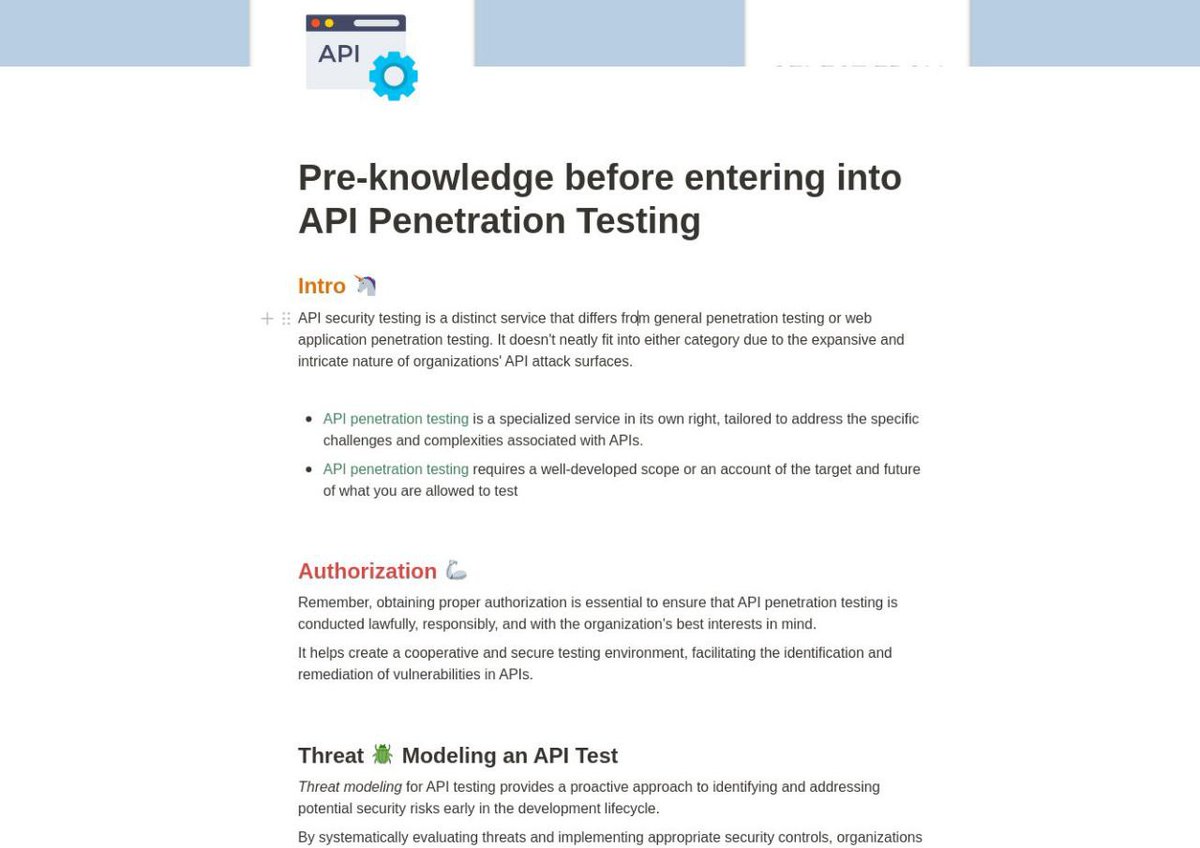

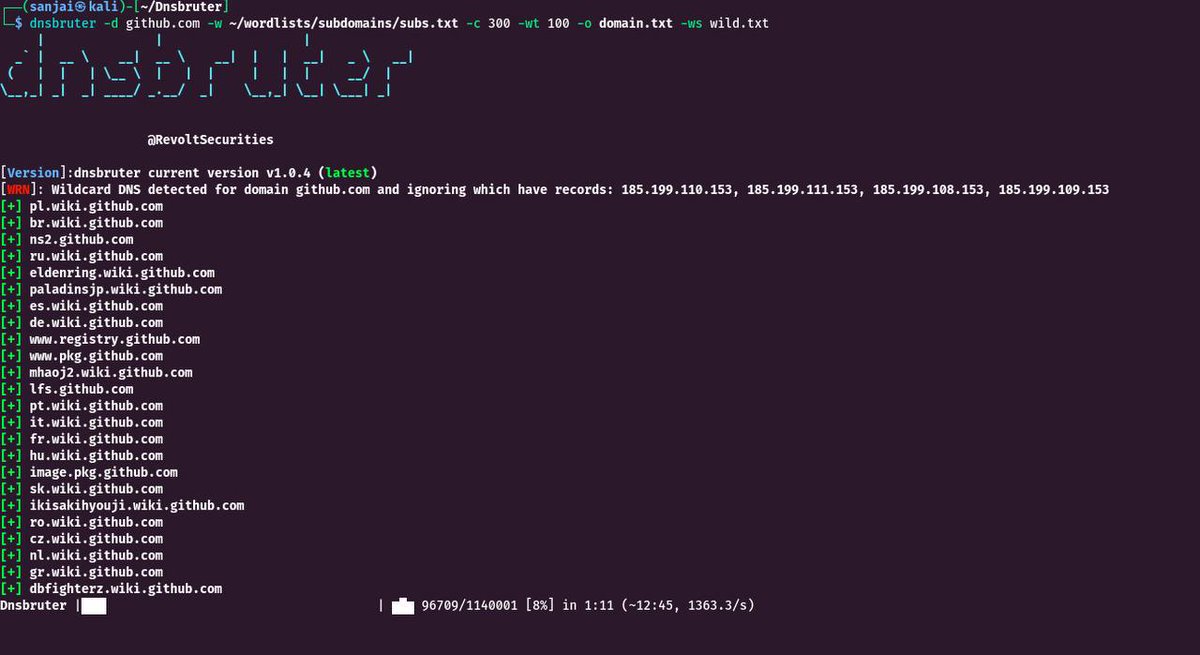
Top 10 Web Hacking Techniques of 2025 by PortSwigger
portswigger.net/research/top…
I also recommend checking out the full list of nominees
portswigger.net/research/top…
1
8

10 Nov 2025
100 web Vulnerabilities, categorized into various types:
Injection Vulnerabilities:
1. SQL Injection (SQLi)
2. Cross-Site Scripting (XSS)
3. Cross-Site Request Forgery (CSRF)
4. Remote Code Execution (RCE)
5. Command Injection
6. XML Injection
7. LDAP Injection
1
1
27
10 Nov 2025
Client-Side Vulnerabilities:
56. DOM-based XSS
57. Insecure Cross-Origin Communication
58. Browser Cache Poisoning
59. Clickjacking
60. HTML5 Security Issues
Denial of Service (DoS):
61. Distributed Denial of Service (DDoS)
62. Application Layer DoS
63. Resource Exhaustion
1
54
10 Nov 2025
64. Slowloris Attack
65. XML Denial of Service
Other Web Vulnerabilities:
66. Server-Side Request Forgery (SSRF)
67. HTTP Parameter Pollution (HPP)
68. Insecure Redirects and Forwards
69. File Inclusion Vulnerabilities.
70. Security Header Bypass
71. Clickjacking
29
10 Nov 2025
HTTP 2 vs HTTP 3 — What's the Difference?
• 1996 → HTTP 1
• 1997 → HTTP 1.1
• 2015 → HTTP 2
• 2022 → HTTP 3
But what’s the difference? Starting at the foundation:
1
1
15
10 Nov 2025
✓ 𝗙𝗮𝘀𝘁𝗲𝗿 𝗵𝗮𝗻𝗱𝘀𝗵𝗮𝗸𝗲𝘀 — Combines transport encryption setup in one step
✓ 𝗠𝗮𝗻𝗱𝗮𝘁𝗼𝗿𝘆 𝗲𝗻𝗰𝗿𝘆𝗽𝘁𝗶𝗼𝗻 (𝗧𝗟𝗦 𝟭.𝟯) — Security by default
✓ 𝗖𝗼𝗻𝗻𝗲𝗰𝘁𝗶𝗼𝗻 𝗺𝗶𝗴𝗿𝗮𝘁𝗶𝗼𝗻 — Seamless across network changes
1
8
10 Nov 2025
𝗜𝗻 𝗮 𝗻𝘂𝘁𝘀𝗵𝗲𝗹𝗹: HTTP 2 optimized TCP, but HTTP 3 rewrites the game with QUIC, making it faster, more reliable, and encrypted by default.
9