
686 Photos and videos

Level Playing Field retweeted

11h
when a chain starts getting pulled into uae infrastructure, the market usually needs time to figure out what it is looking at.
is it just a headline?
or the beginning of a jurisdictional footprint?
that is the question.
because the uae is not treating crypto like one sector.
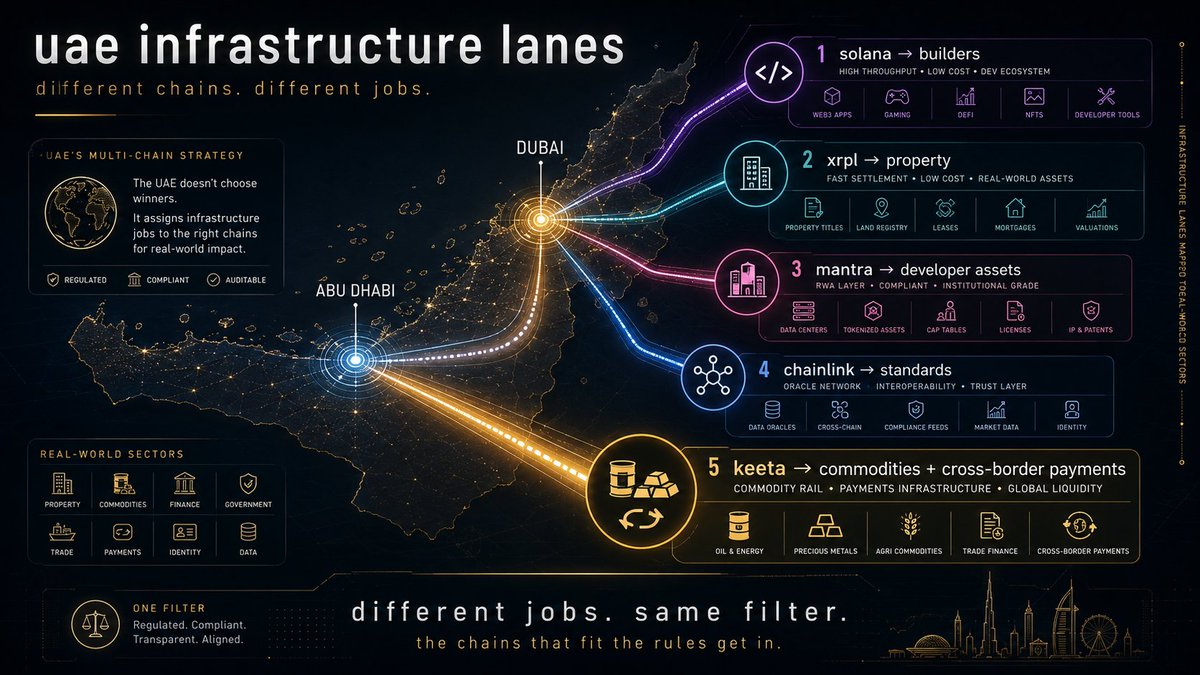
it is turning blockchain into infrastructure lanes.
look at who the uae has pulled into its financial architecture.
solana.
abu dhabi global market signed an MoU with the solana foundation in february 2024.
the purpose was ecosystem and developer growth under adgm's blockchain foundations framework.
chainlink.
adgm signed an MoU with chainlink in march 2025.
the scope was tokenization standards, cross-network interoperability, and proof of reserves.
xrpl.
the dubai land department put real estate title deeds on the xrp ledger through prypco mint, with ripple providing custody.
the pilot is small.
around five million dollars across ten properties.
but the stated government target is sixteen billion dollars in tokenized property by 2033.
mantra.
dubai developer damac signed a one billion dollar deal to tokenize real estate, hospitality, and data center assets on mantra chain in january 2025.
keeta.
the ask group joint venture, signed this month, targets gulf commodities and the uae's largest remittance corridors.
ask holds execution rights across the uae, mea, and india.
now read the list again.
solana got ecosystem development.
chainlink got standards and interoperability.
xrpl got real estate title deeds.
mantra got developer assets.
keeta got commodities and cross-border payments.
these are not five chains competing for the same prize.
they are five different jobs.
and here is the part the market keeps missing.
the uae is not picking a favorite chain.
it is building a regulatory surface, use case by use case, and admitting the chain that fits each one.
the clearest proof is the real estate lane.
when dubai tokenized property on xrpl, vara did not just allow it.
it created a new regulatory class for asset-referenced virtual assets to define what those tokens are and who can trade them.
the rulebook came first.
the chain came second.
that is the pattern.
a jurisdiction writes the rules for a market.
then admits the infrastructure built to operate inside them.
so the question was never which chain the uae likes.
the question is which real-world market each chain was mapped to.
solana, builders.
xrpl, property.
mantra, developer assets.
chainlink, standards.
keeta, commodities and the movement of money across borders.
different jobs.
same filter.
the chains that fit the rules get in.
and keeta just got mapped to one of the biggest lanes on the board.
2
6
33
1,163
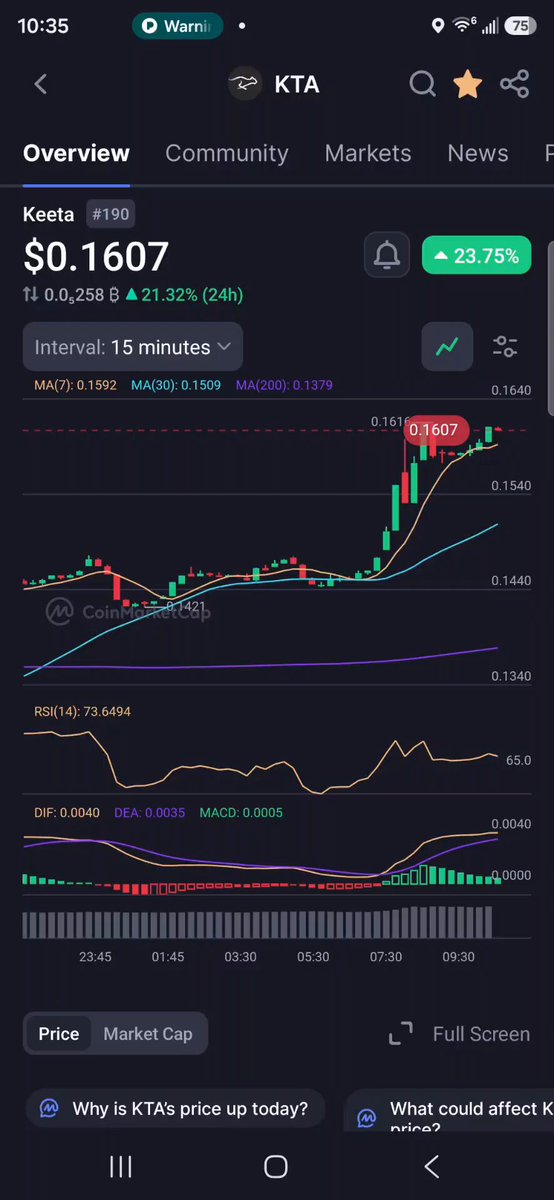
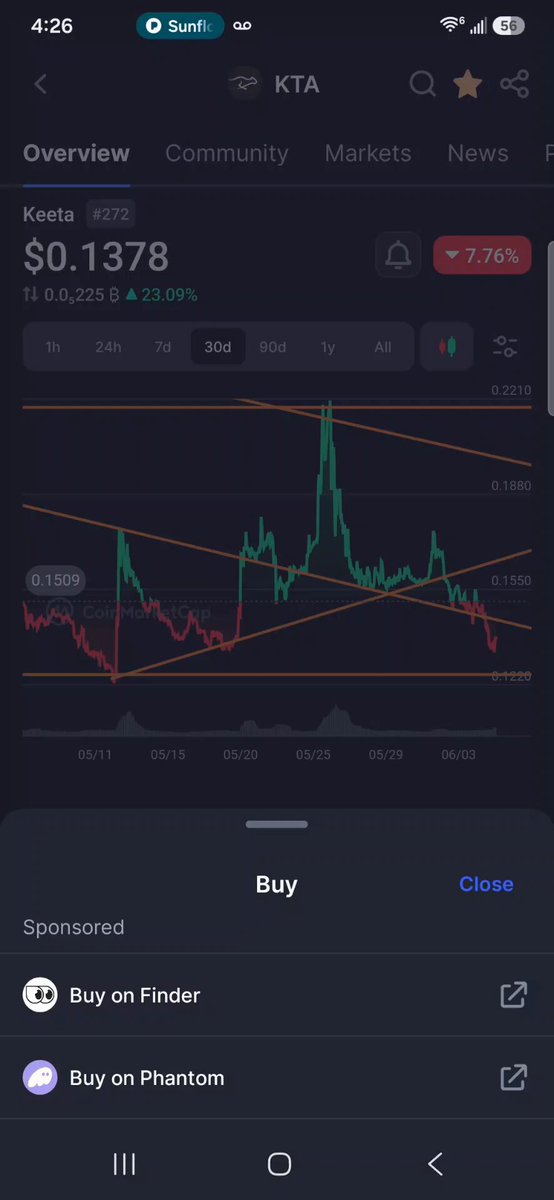
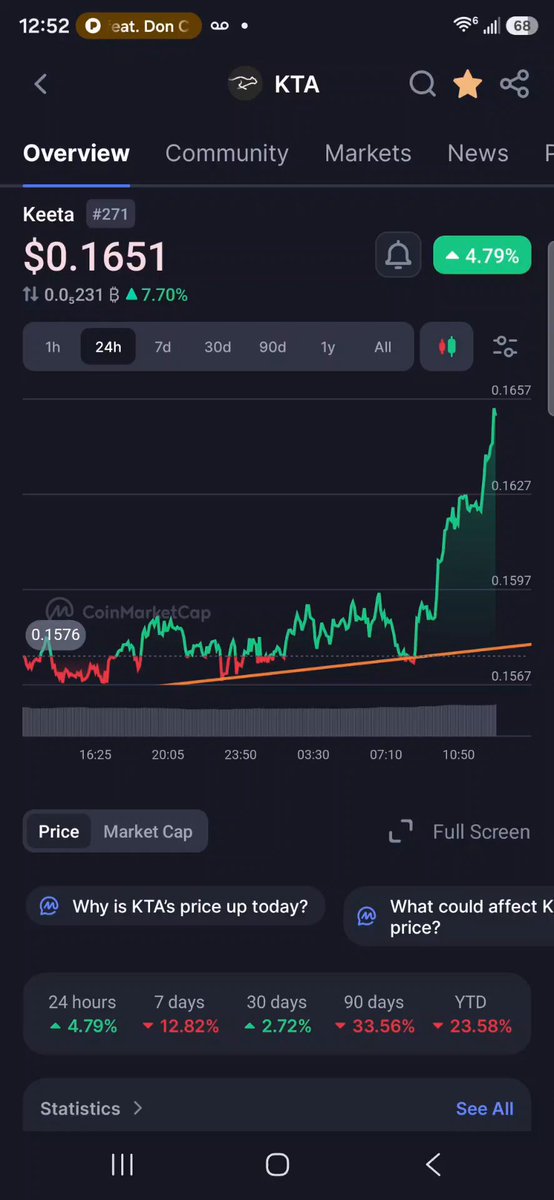
$KTA Sorry but there's just not enough keeta for everybody.
They're coming for your bags because they'll need them.
Token scarcity is real that will hit hard as this evolves.
Do you know what is even more scarce ? This type of tech stack right now. What it does , can do and will do as a whole is unmatched on many levels. Potential to pave the way....
Keeta is the future in the making. Good luck to those that understand this.
7
7
104
3,344
$KTA keeta:native
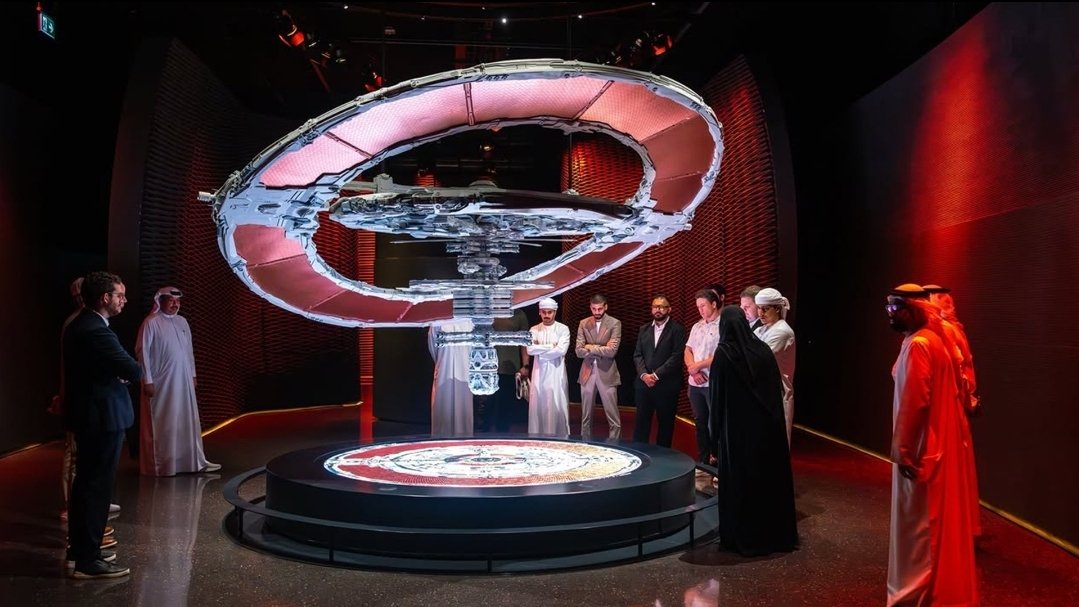
The partnership between ASK Group (Ahmed Bin Sultan) and Keeta Network just got even more interesting. This futuristic orbital concept model shown in the UAE ties directly into the broader vision: advanced space infrastructure, including solar-powered data centers that could generate and tokenize solar energy credits. With Eric Schmidt’s involvement and Keeta’s regulated settlement rails (Visa Direct, tokenized fiat Anchors, SWIFT), this creates a natural path for:
•Tokenized solar credits / RWAs
•Agentic energy markets
•Global settlement for space-based assets
Keeta isn’t just building payments infrastructure. It’s positioning itself as the connective financial layer for the next generation of tokenized real-world assets — including those originating from orbital systems. Long-term thinking in action. $KTA
The Network of Networks
The Bank of Banks
The Infrastructure for Infrastructure
The Anchor of Anchors
The Asset of Real World Assets
2
9
84
2,512

I’m grateful for our friendship and the opportunity to build alongside you. The UAE has become a blueprint for the future through bold vision and relentless execution. Together, we will redefine how global finance works for generations to come.
13
43
205
1,808
$Kta Catalysts and Confirmations
Keep Stacking there's more to come !!
4
85
2,098
Level Playing Field retweeted

Jun 9
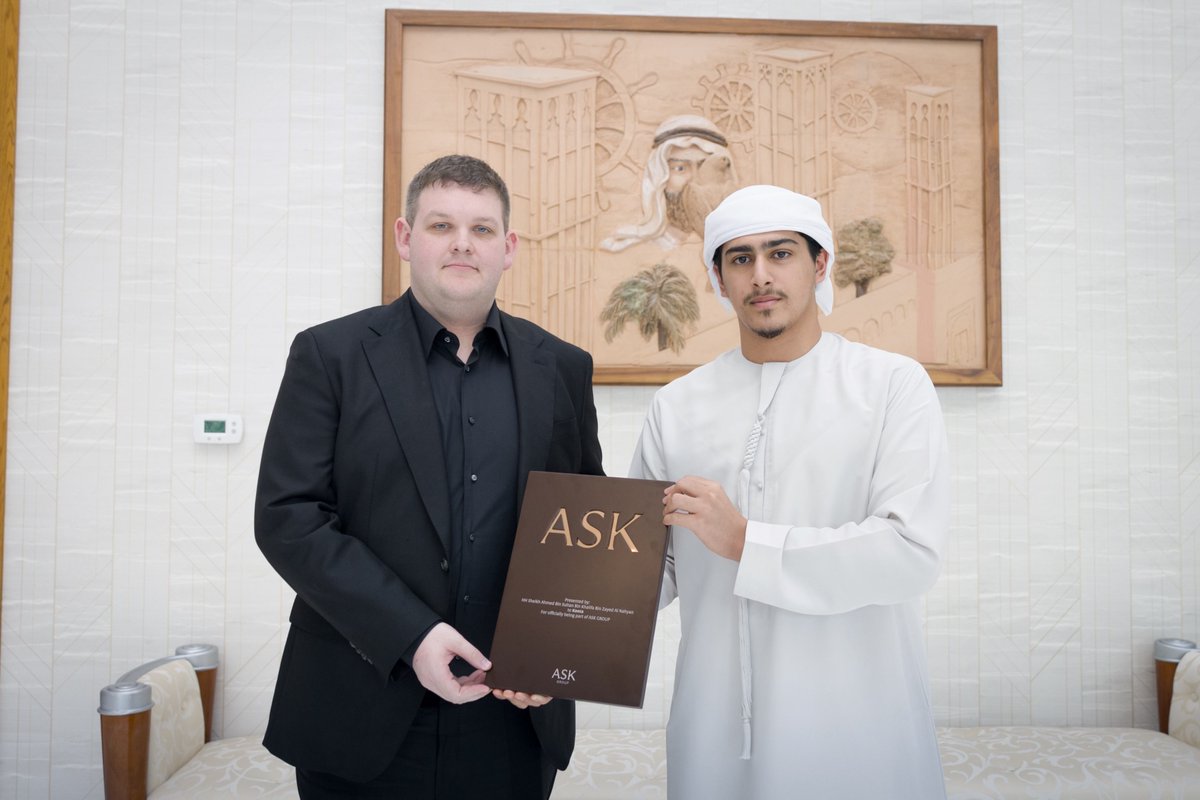
(1/9) Keeta and ASK Group @askgroupae, a UAE-based investment group led by His Highness Sheikh Ahmed bin Sultan bin Khalifa bin Zayed Al Nahyan @asknahyan, have created a joint venture aiming to tokenize tens of billions of dollars of commodities and modernize cross-border payments in the Gulf Cooperation Council (GCC) region and beyond, contributing to the UAE's vision and commitment to growth as a global leader in digital finance and real-world asset infrastructure.
132
323
924
309,446
$KTA Intelligent Payments 🐆🌎🏆⚽️
Jun 4

𝐓𝐡𝐞 𝐖𝐨𝐫𝐥𝐝 𝐂𝐮𝐩 𝐢𝐬 𝐜𝐨𝐦𝐢𝐧𝐠. 𝐈𝐬 𝐭𝐡𝐞 𝐩𝐚𝐲𝐦𝐞𝐧𝐭𝐬 𝐢𝐧𝐝𝐮𝐬𝐭𝐫𝐲 𝐫𝐞𝐚𝐝𝐲? 🏆⚽️
Day 2 at @money2020 Europe was insane!
Follow my account @arthur_bedel for your daily fintech news.
#money2020 #visadirect #payments #fintech #worldcup
22
671
$KTA 🤔 ⚓️⚓️⚓️⚓️
Jun 3

🚨 STRIPE, VISA AND MASTERCARD TO LAUNCH NEW STABLECOIN PLATFORM
The payments giants are said to be close to launching a new stablecoin platform, with Coinbase also considering joining.




2
3
83
3,477
Level Playing Field retweeted

Jun 1
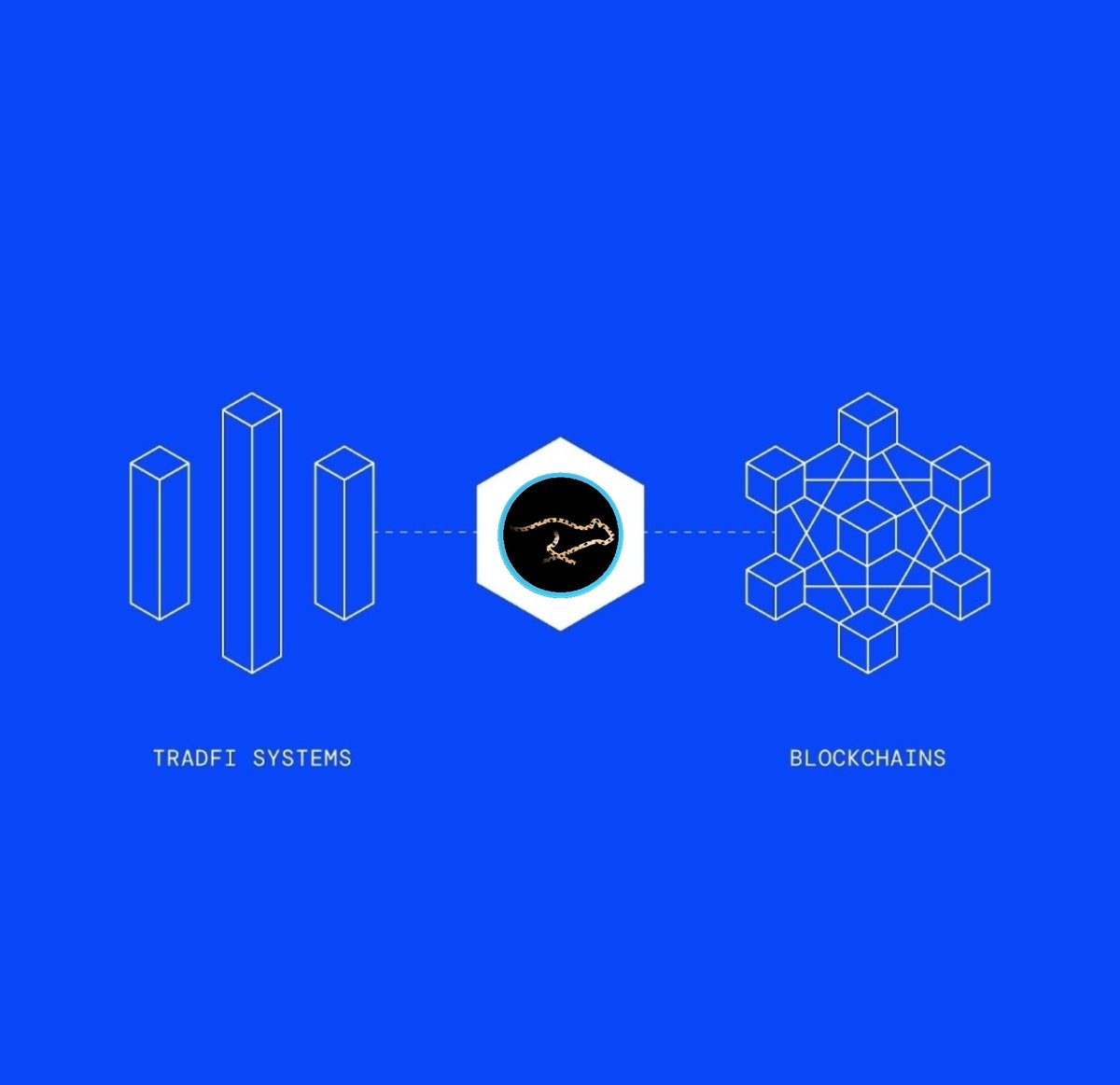
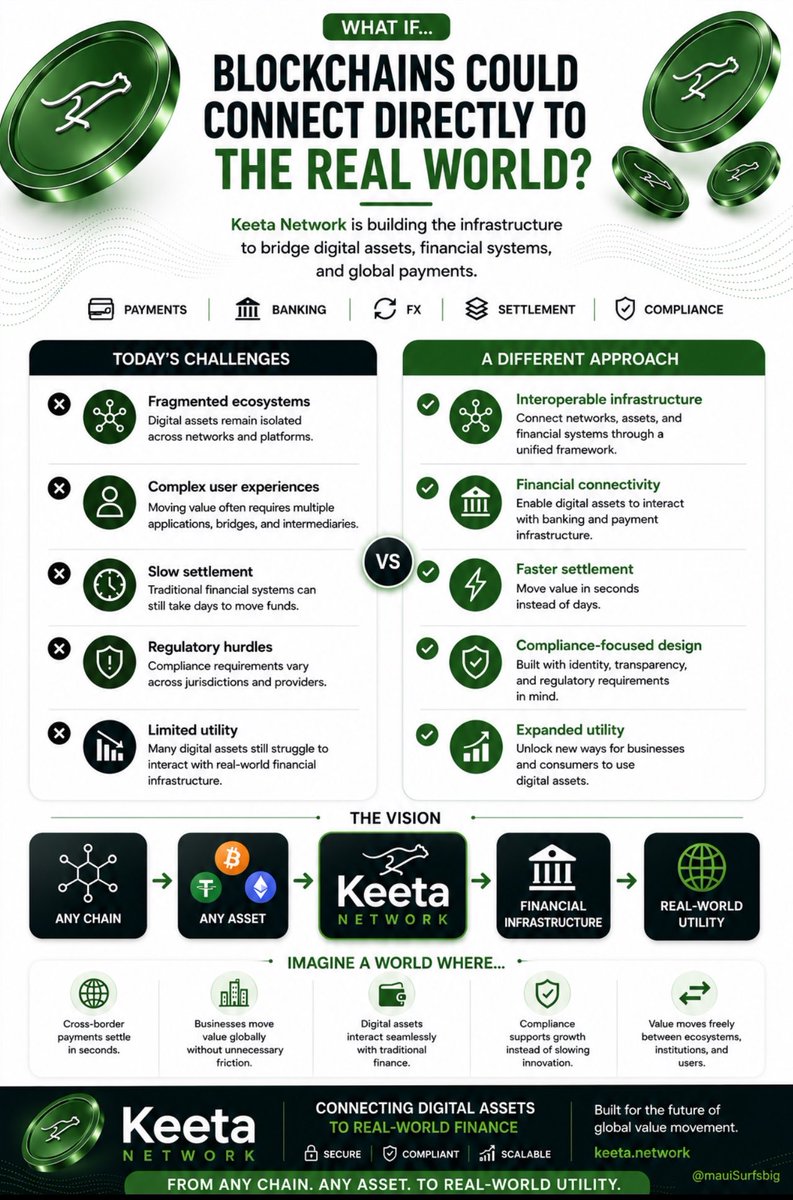
Keeta Network is connecting blockchain to the real world in real time!!
That’s the vision behind #KeetaNetwork.
Not another chain competing for liquidity. Not another ecosystem fighting for attention.
Infrastructure!!
$KTA framework is designed to help connect digital assets, financial systems, payments, compliance, and settlement into a more seamless experience.
The future of #crypto isn’t just moving tokens between wallets.
It’s enabling value to move between chains, institutions, businesses, and everyday people with less friction.
From any chain, any asset, to real world utility!!
That’s the bigger picture!!
#KEETA is just getting started
Visit keeta.com/
🤙
2
29
124
3,164
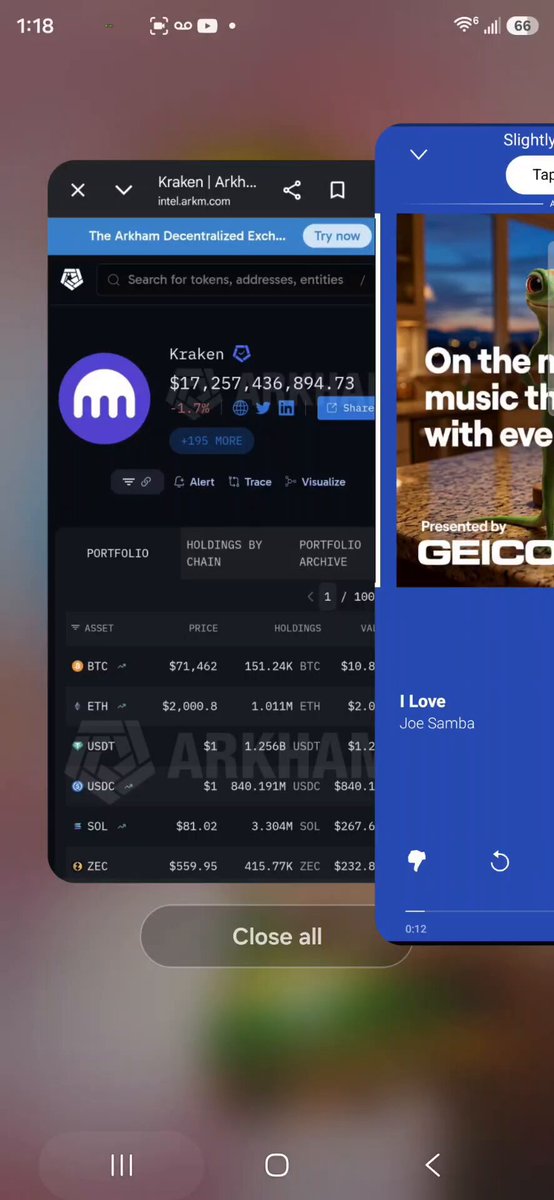
$KTA Centralized Exchanges stacking for their custys. @Revolut has seen a nice uptick on the 30 day even though its small compared to @krakenfx which hit 70 million
Just recently kraken was sitting in the 50m zone . Great signals for the premier up and coming Layer 1 that will facilitate what other layer 1s have only dreamed of. Keeta where other Layer 1s dreams come true !!!
4
7
99
6,180
$KTA covers so many narratives simultaneously. In my mind we are very well positioned for the new financial system across the globe 🌎
Now we patiently wait but it's looking like this summer will be 🔥🔥🔥
3
4
84
1,830
Why SWIFT’s New Framework Is a Massive Tailwind for $KTA
SWIFT’s initiative (launched March 2026) focuses on faster, predictable retail/SME cross-border payments with over 50 major banks (BoA, JPMorgan, HSBC, State Bank of India, etc.) committing. It includes:
Enhanced ISO 20022 messaging for transparency and speed.
Parallel blockchain/shared ledger work for tokenized deposits and 24/7 settlement.
Explicit support for crypto rails alongside traditional ones.
This is not replacing SWIFT — it’s upgrading it for the tokenized/agentic era.Keeta’s Positioning (Near-Perfect Fit)Keeta is already operating at the exact intersection SWIFT is moving toward:
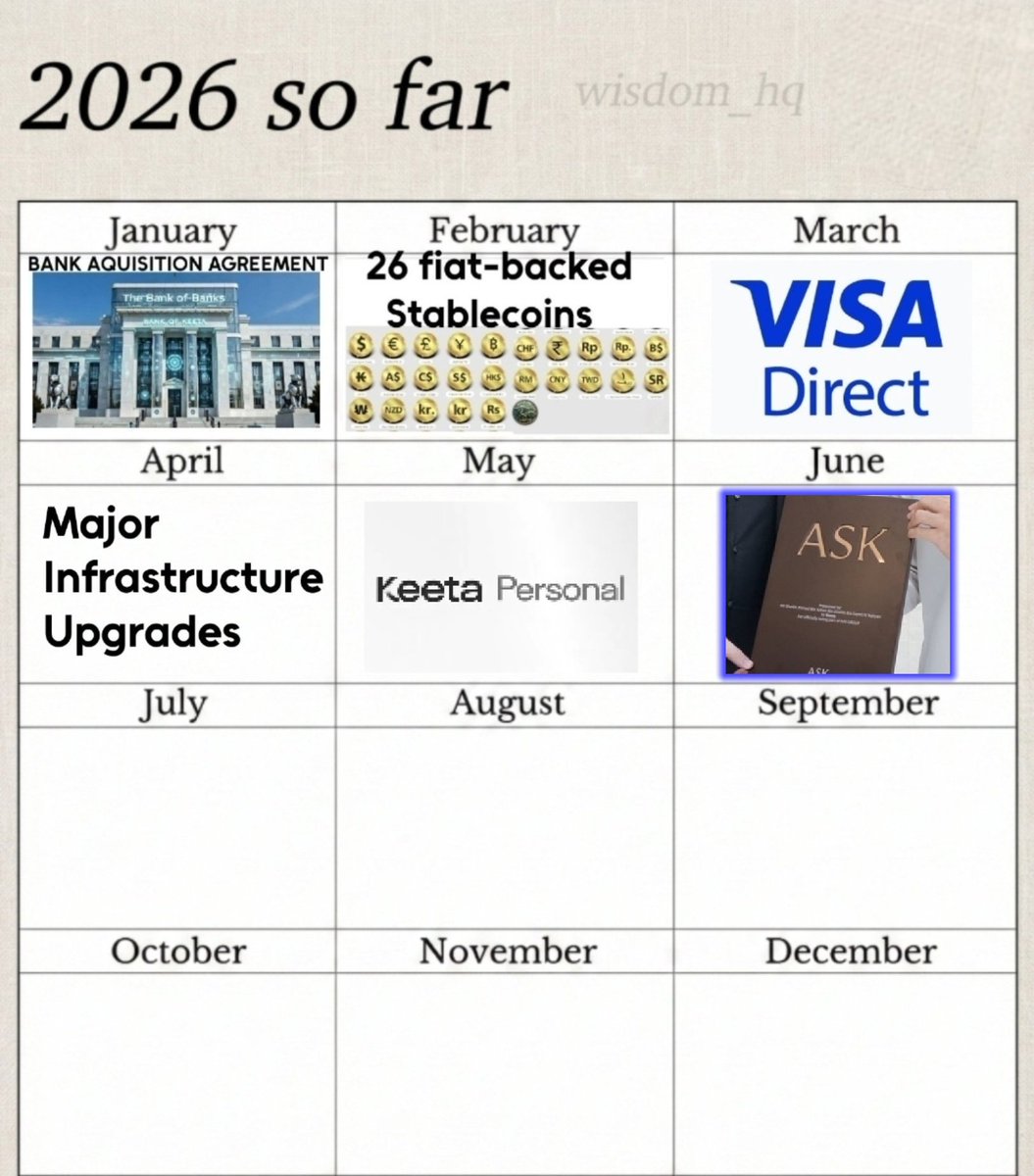
Live SWIFT Integration: BIC KEFSUS62XXX (Keeta Financial Services) is registered and active. Keeta can natively participate in (or complement) this new framework.
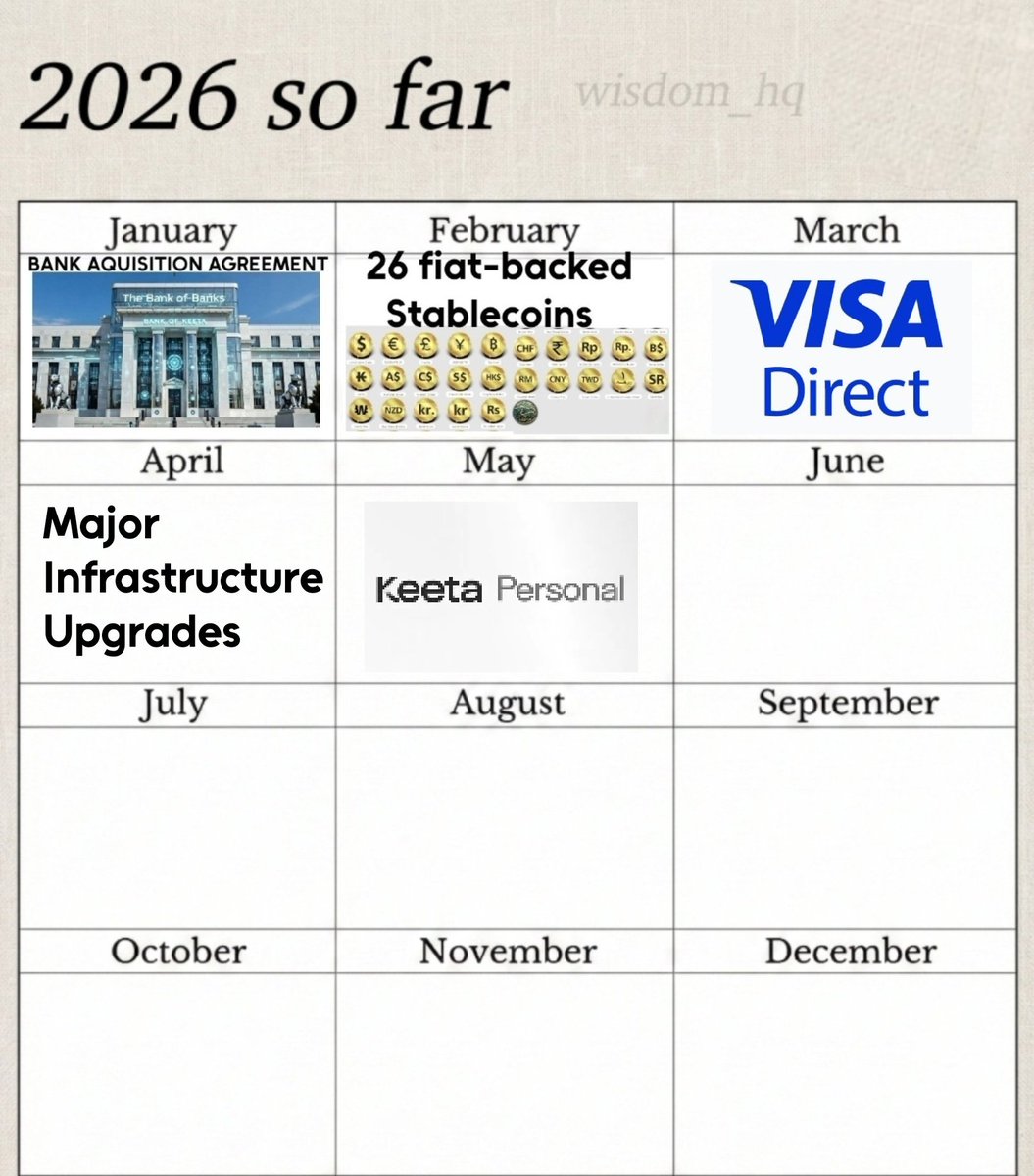
Visa Direct Anchor (live to 190 countries) tokenized fiat Anchors (20 currencies) gives it faster last-mile rails than traditional correspondent banking.
Anchor SDK Neutral Layer: Banks can plug into Keeta as a settlement backend for tokenized value, atomic FX, and compliance (on-chain identity, sanctions screening).
Agentic Regulated Stack: Google Cloud Spanner scalability, agent wallets, and U.S. bank acquisition path make it ideal for the “crypto rails” portion of SWIFT’s push.
Bidirectional Potential: Ty’s recent comments on outbound smart contracts Web3-oriented next Anchor position Keeta to handle flows triggered from other chains into this SWIFT-enhanced ecosystem.
Big Picture Impact
For Banks: They get faster/cheaper corridors while leveraging Keeta for on-chain settlement, stablecoins, and RWAs without building everything themselves.
For Keeta: Massive inbound volume as banks experiment with tokenized rails. Every new bank using the SWIFT framework becomes a potential Keeta Anchor partner.
Flywheel Effect: More banks → more tokenized flows → more demand for Keeta’s neutral, high-speed settlement layer.
Keeta doesn’t compete with SWIFT — it becomes the on-chain accelerator that makes SWIFT’s new framework actually deliver instant, global, programmable value transfer.
x.com/i/trending/20614620455…
3
4
58
1,370
