
I write about crypto news, protocols, DeFi, RWA, Airdrops, Yield, TA and everything crypto!
Joined June 2017
- Tweets 3,037
- Following 4,799
- Followers 420
- Likes 7,167
153 Photos and videos
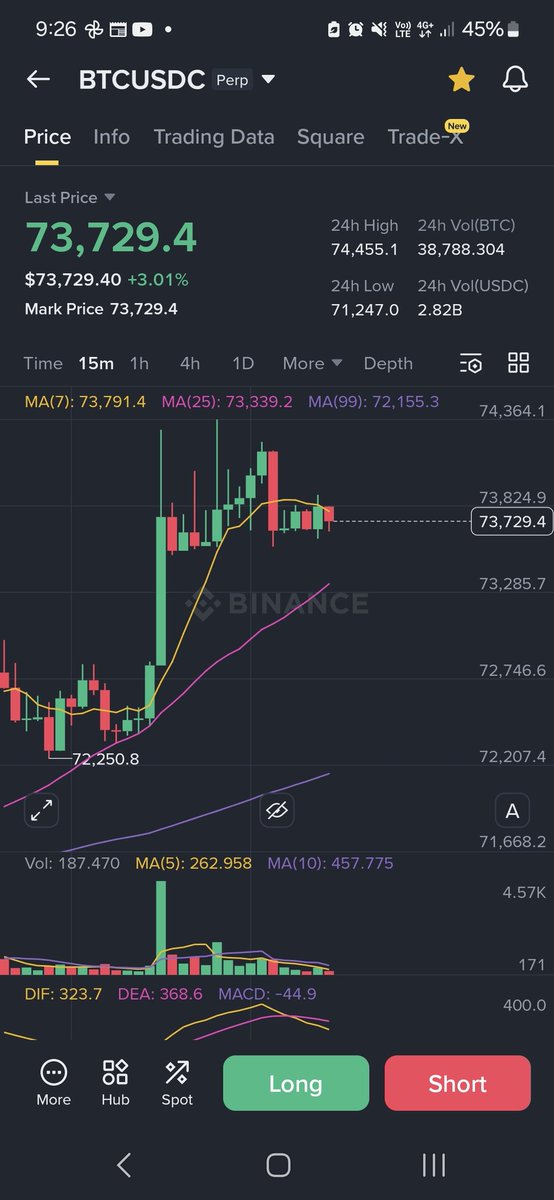

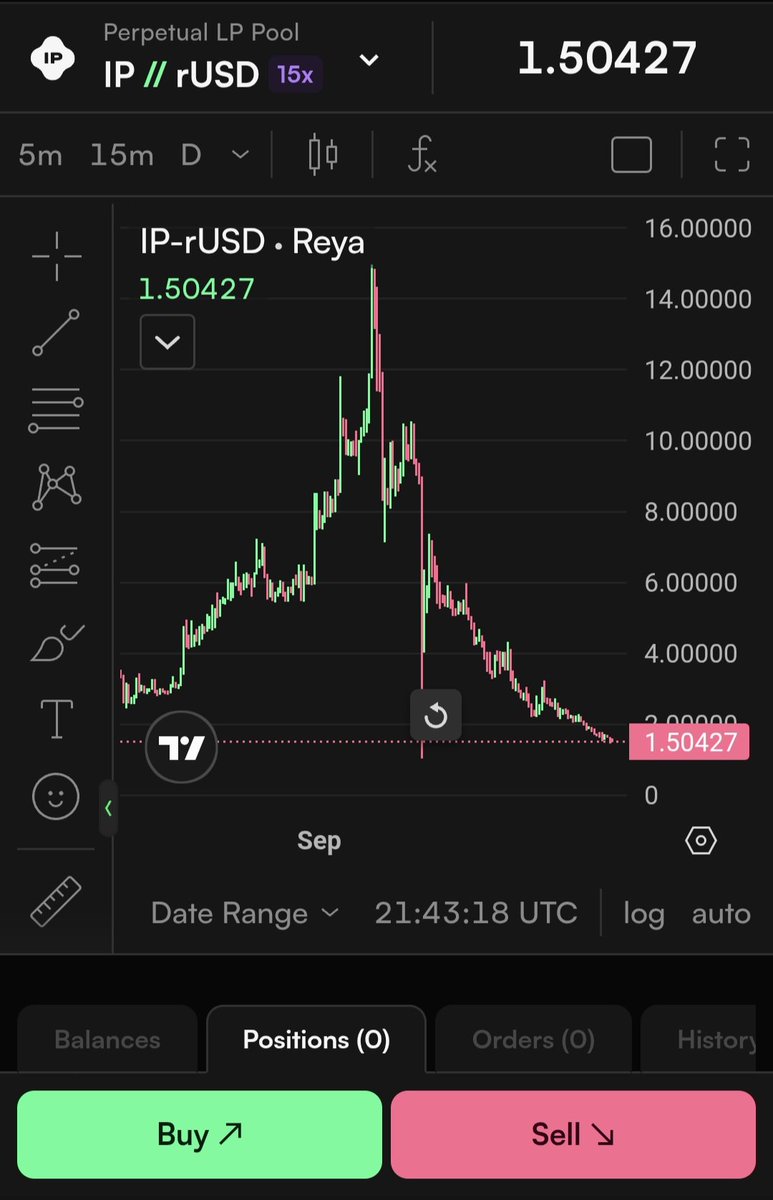
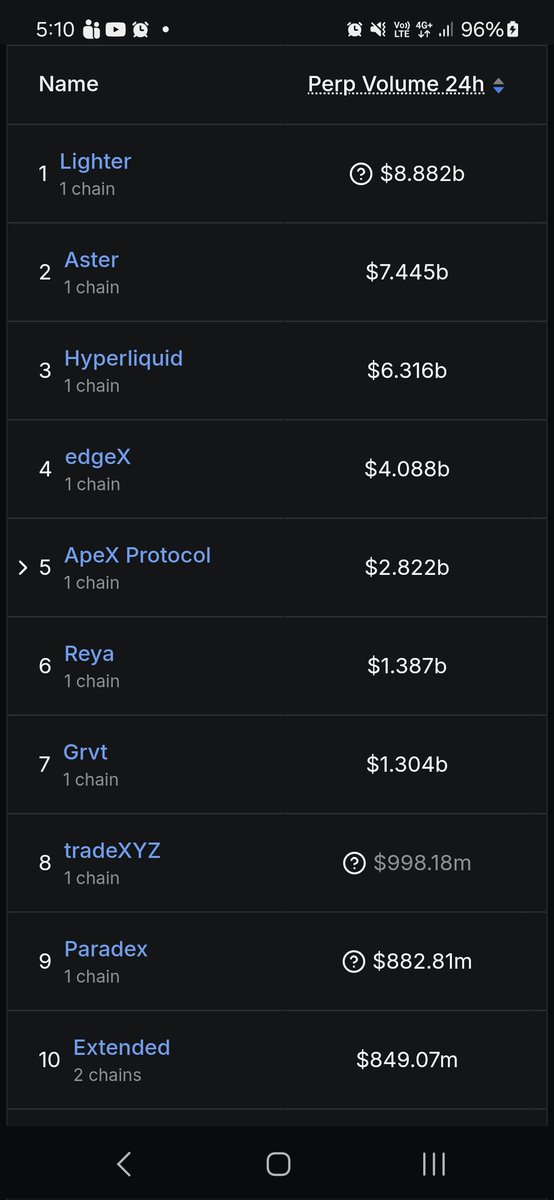
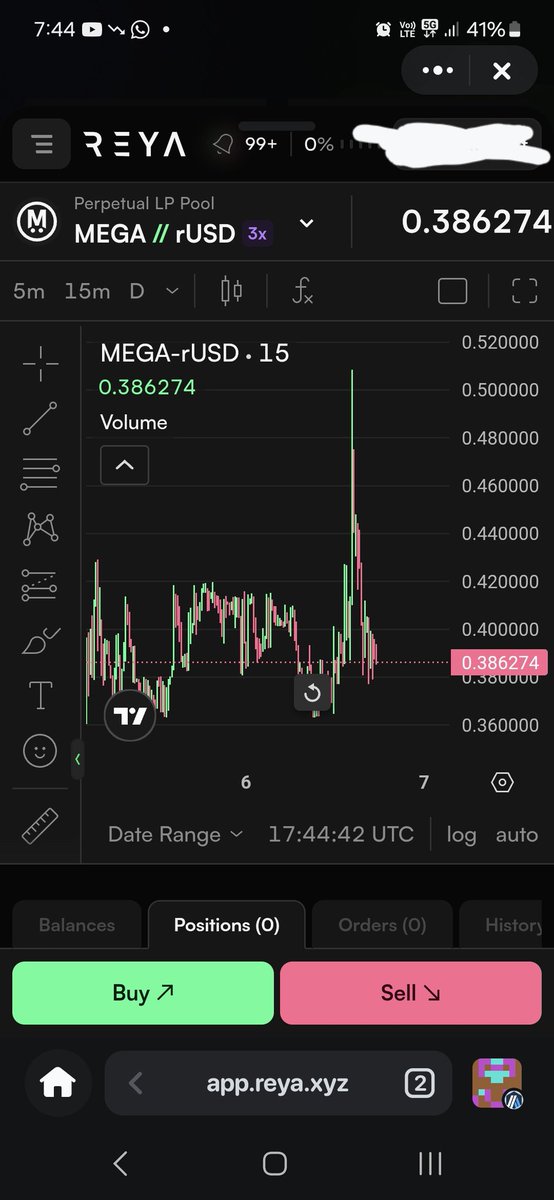
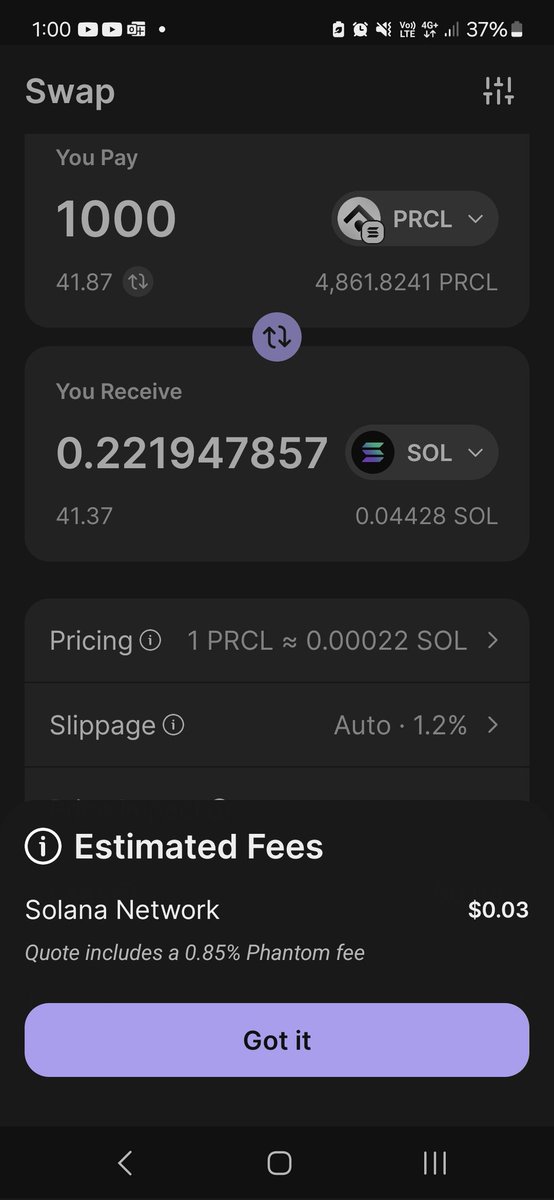
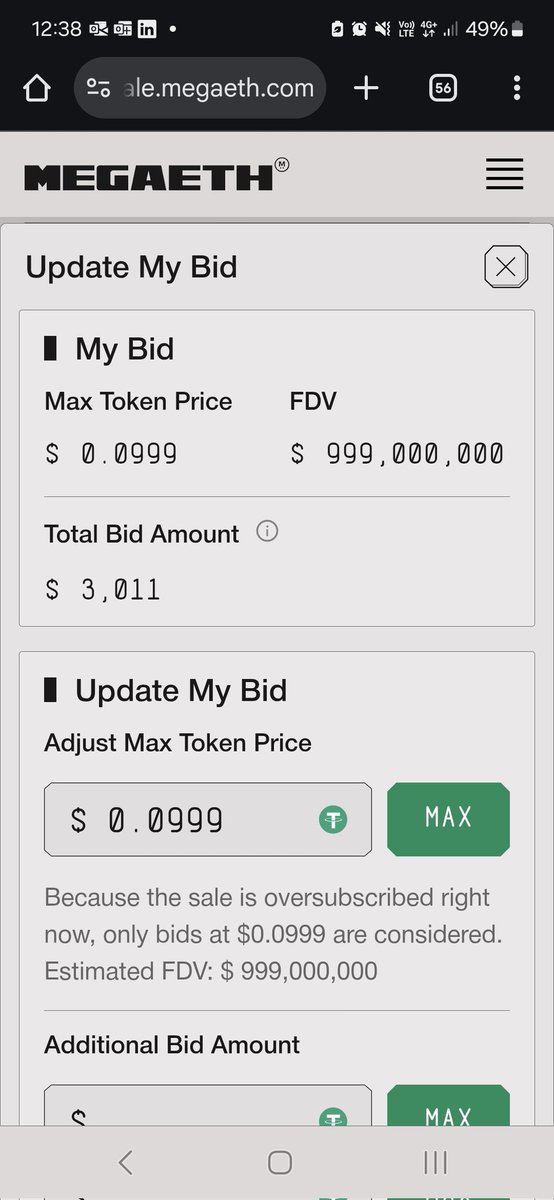
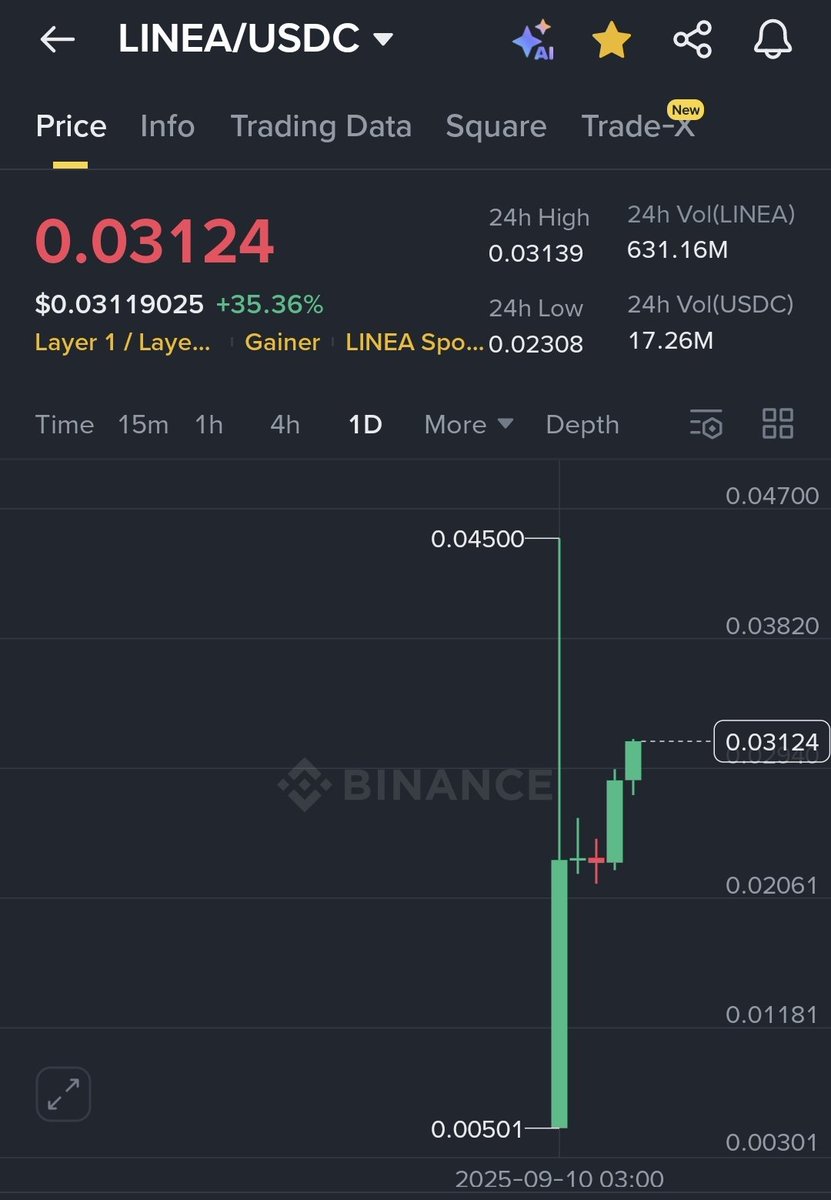
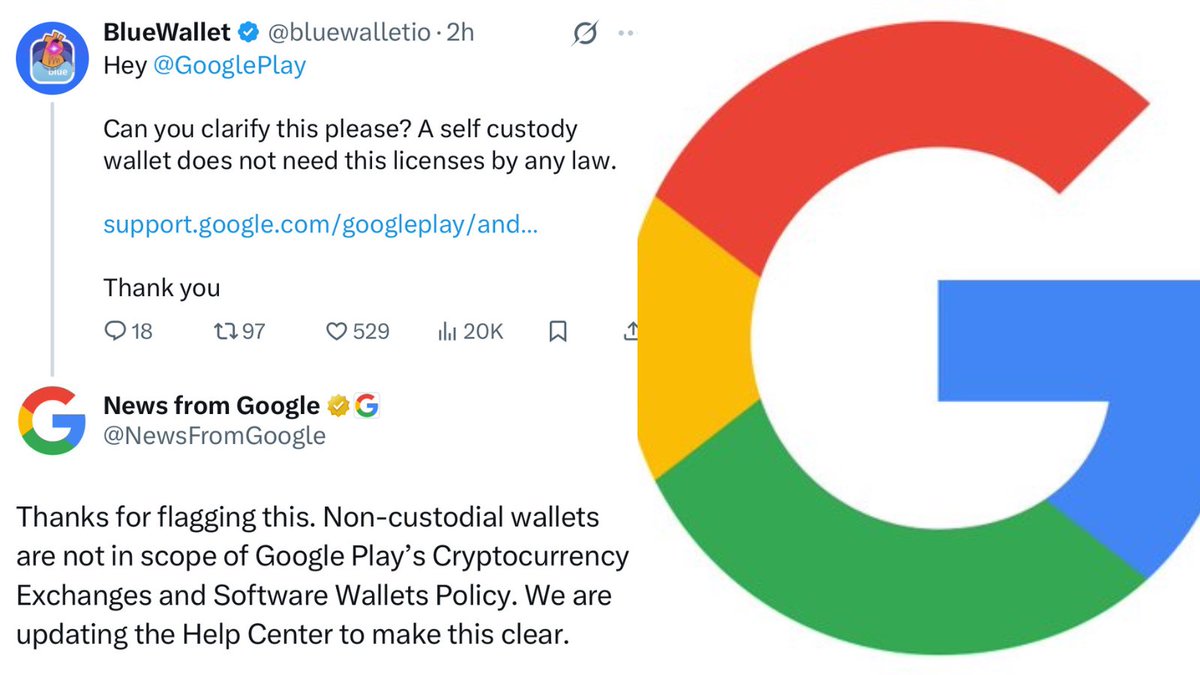
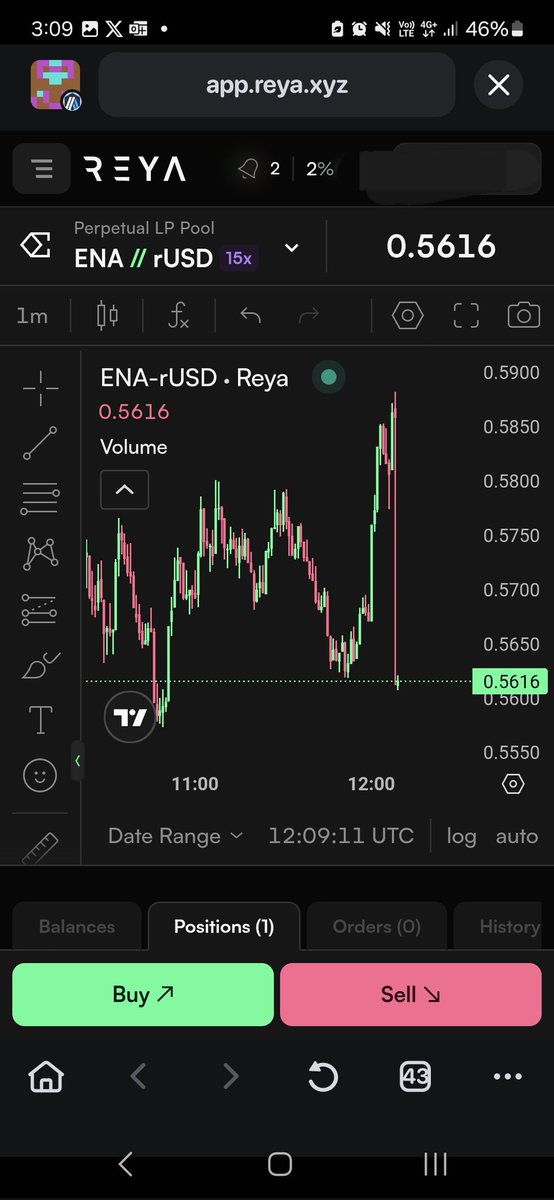
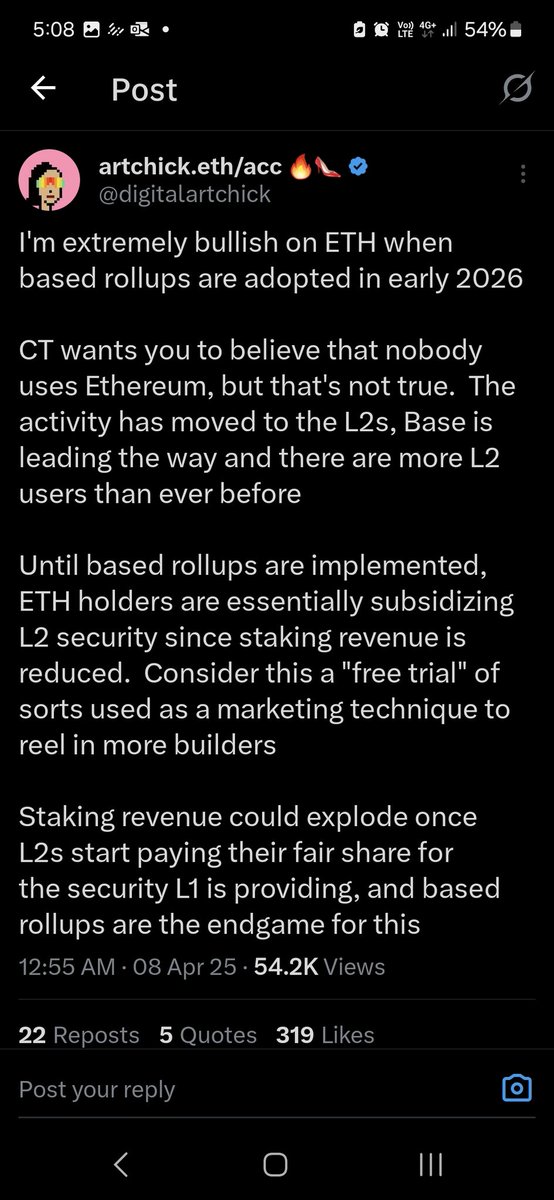
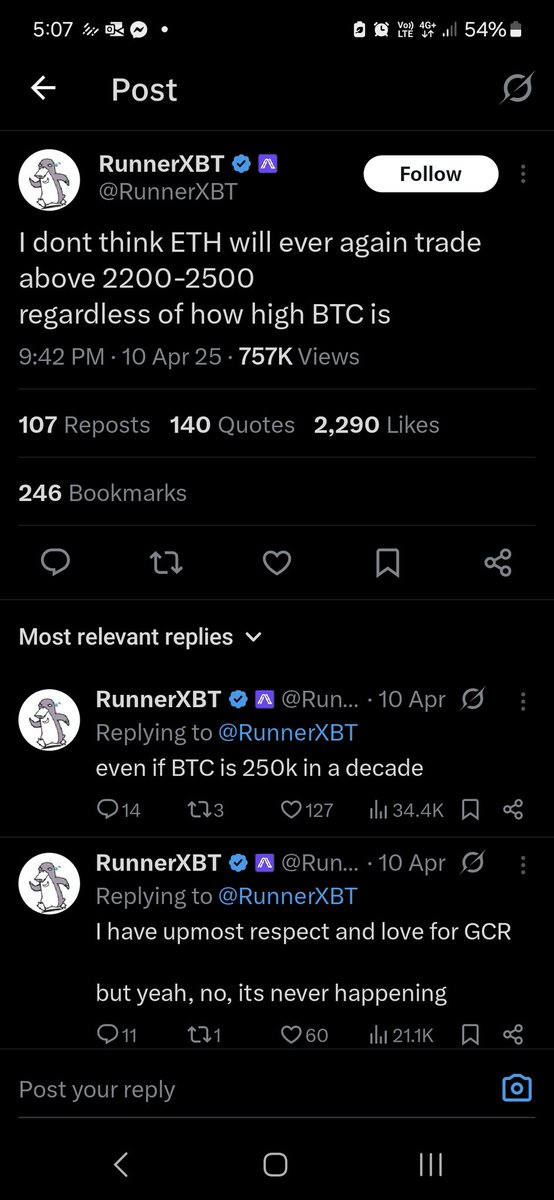
REYA is running a 3-week-competition. The last sentence is a killer! "There is no guarantee that the competition finishes before TGE"

1
79
What was it? SOL to 1000 United States dollars this cycle, right? Hahahahaahhhahahaah
45

Jan 29
What happened to "GOLD peaked as we see queues of buyers around the whole world from Tokyo to New York". I guess we'll never know
56
Jan 10
Hope you realize how INSANE the time we live in is.
Jan 9

BREAKING:
The UAE announces it will cuts funds for citizens who want to study in the UK out of fear of Emirati students being radicalized by Muslim Brotherhood Islamists on British campuses.
An Arab state now views a European state as a dangerous Islamist radicalization hotspot

1
3
81
Millionaires bragging about driving a 20-year-old $5k car is such a weird, almost low IQ flex.
Gets you from A -> B, but breakdown with your family onboard is imminent at some point.
1
36
Sounds pretty cool. All the revenue goes to buybacks again but maximizing the number of tokens bought. Win win

The most successful projects from this cycle actually messed up their charts and users with their automatic buybacks. The early cycle darlings like $HYPE, $ENA, and $JUP topblasted many millions at frankly ridiculous prices on a fair multiple basis.
This led to many retail fomo buying these tops (price drives narrative) and getting rekt. All of the founders of these projects drank too much coolaid of this self-reinforcing thinking the multiples were justified.
After months of decline and no clear path to the previous high prices, some are blaming the mechanism saying “price keeps correcting from the previous (too high) level, buybacks dont work”.
This is just as wrong a statement. How many times do we relearn basic economics truths from hundreds of years of financial markets?
Sure if there isnt enough to pay developers to build then dont spend the limited funds on tokens. But once there is success and consistent revenue— as a holder what is even the point of the token if there is no dividend or buyback or at minimum super clear financial utility?
I propose a more nuanced solution to this “to buyback or not” discussion-
Buyback amount that depends on the price is a good target—
If price is cheap you want to buyback as much as you can as you can have a huge % supply taken out. When market is too hot slow it down.
Some founders more comfortable with traditional buyback decisions made my the CEO/management can do it ad hoc (like, you know, real companies have always done).
But there are programmatic ways for more decentralized protocols to do it if transparency and predictability or legal concerns are a priority—
One simple way is to use a calculated price to earnings ratio. It can be designed by each protocol to suit its specific details. One potential example-
Take an ema of revenue (decide the half-life of time that makes sense) Annualize this as your earnings number
Every day/block of revenue—
if the token price that can be achieved with the buyback is a PE ratio of under 4 buyback 100%, if 4 to 6 buyback 75%, if 6 to 8 buyback 50%, if 8-10 buyback 25%, over 10 dont buyback.
All revenue remainder that gets kept goes to buybacks on buying dips that just looks at price ema. Eg buyback from this reserve at a speed that increases when the price is at very low levels of the last 90 day price ema. This helps plunge protection.
Yes this proposal takes a bit of sophisticated financial engineering compared to all or nothing buybacks, but after the failure of things like web3 gaming, web3 social, metaverse and the like, it should be clear by now that crypto is finance and finance is crypto. If you are a serious project and dont have a finance expert on your time thats fine but you should at least the use a top external advisor or specialized firm to assist.
If Jupiter or other team with high revenue want me to help design something like the above for them I’ll do it for free, you can reach out.
1
49
31 Dec 2025
45
23 Dec 2025
Well does the jury of a trial vote on day 3 or first listen to all witnesses, information and evidence? I mean I don't even fully follow what's happening but the optics is veery bad.
22 Dec 2025

Oh. So voting isn’t the answer?
1
2
40
15 Dec 2025
See, exactly what happened! Now time to start.
14 Dec 2025

Alot of drama on $XPL losses on CT. Gives me signal to buy now meaning I have to wait at least 2 more days before actually longing.
Try it sometimes. When you think you have to short/long wait more and see. Alternatively scale in slowly if you cannot resist the urge.
2
34
14 Dec 2025
Alot of drama on $XPL losses on CT. Gives me signal to buy now meaning I have to wait at least 2 more days before actually longing.
Try it sometimes. When you think you have to short/long wait more and see. Alternatively scale in slowly if you cannot resist the urge.
1
119
13 Dec 2025
During the current AAVE drama, one thing is CLEAR: Nothing stays hidden with blockchain. Everything surfaces and is transparent despite British Virgin Islands financial maneuvers. Cheers!
13 Dec 2025

This isn’t a builder vs. Token holder battle. There wouldn’t be funds for building without the token.
The funds can easily pass through the DAO and be distributed to whomever including Aave labs.
The problem is the fact token holders have funded the builders and instead of having control over the benefits of that funded work, receive nothing.
61
6 Dec 2025
So REYA does more volume than Grvt, Paradex, Pacifica, Extended, Gate, Variational, dYdX, GMX, etc etc, but your KOL doest mention it?
When @0xSimonJones drops 30% of $REYA airdrop on TGE, they will LITERALLY CRY.. lmfao
@reya_xyz
1
1
214
27 Nov 2025
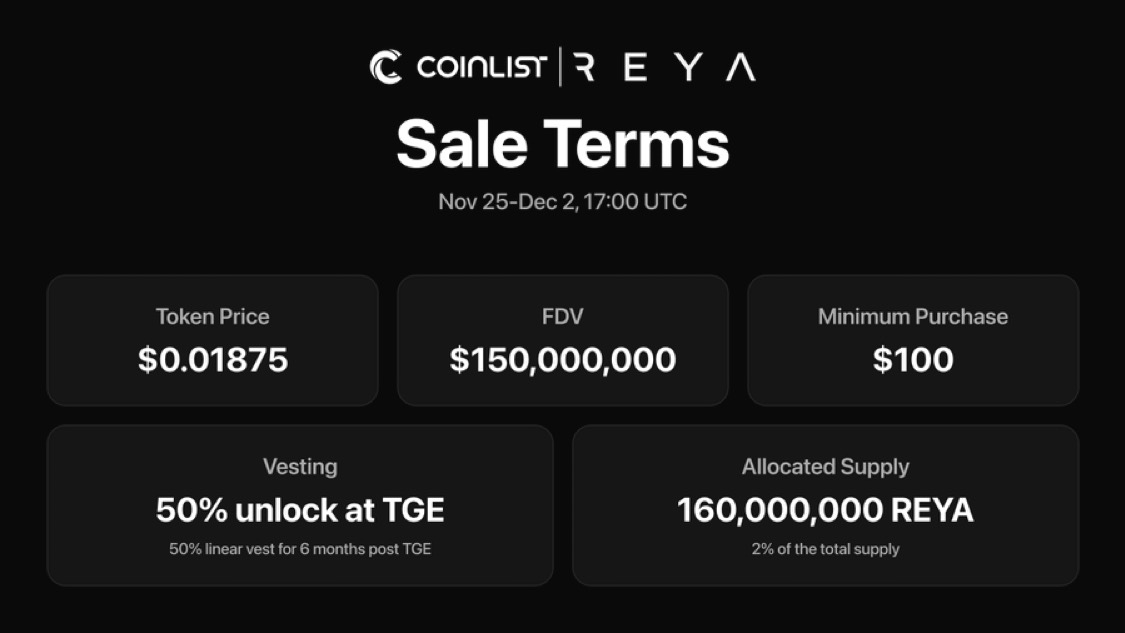
If you really want to be part of the most Ethereum aligned DEX out there, instead of farming the usual suspects - participate in the $REYA ICO.
THEY GIVE YOU A CHANCE ON $150M FDV. You have until 2 Dec.
Price is only $0.018
Coinlist. co/reya
1
61
25 Nov 2025
tbh I am mostly surprised that ETH gas fee for the @megaeth predeposit is like $0.5 and transactions go through quickly.
I expected gas wars, traffic etc.
66
20 Nov 2025
It really does feel as if someone blew out. Excessive BTC and ETH selling while ETH betas not really moving much. Hm
57