
Deciphering the keys to the bacterial lifestyle switch at @CABD_UPO_CSIC. Molecular microbiology to understand #biofilm and #flagella dynamics in P. putida.
Joined June 2020
- Tweets 277
- Following 122
- Followers 264
- Likes 93
47 Photos and videos

Pinned Tweet

18 Jun 2020
In our lab, we routinely evaluate biofilm growth of different Pseudomonas putida strains.
Some time ago we designed a simple methodology to recapitulate the biofilm formation and dispersal behaviour in one single microtiter dish. Here we explain you how 👇pubmed.ncbi.nlm.nih.gov/2411…
1
5
11
Govantes Lab retweeted

11 Nov 2024
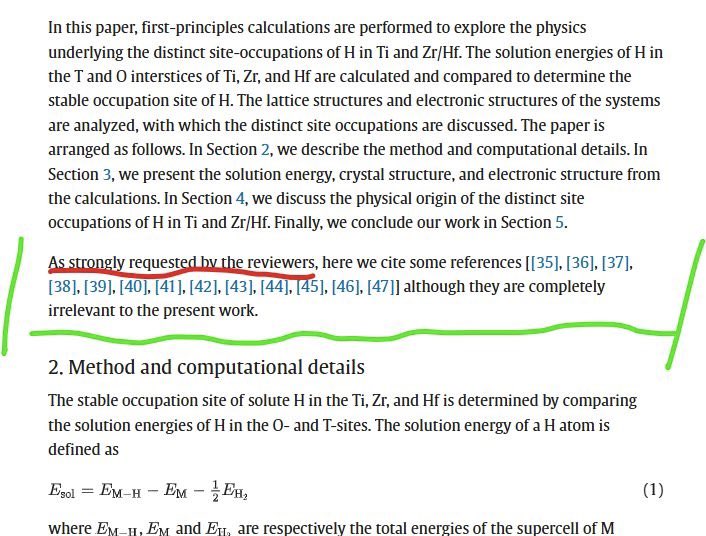
OMG, this is killing me 😂😂😂
69
780
6,312
651,430
Govantes Lab retweeted

20 Dec 2025
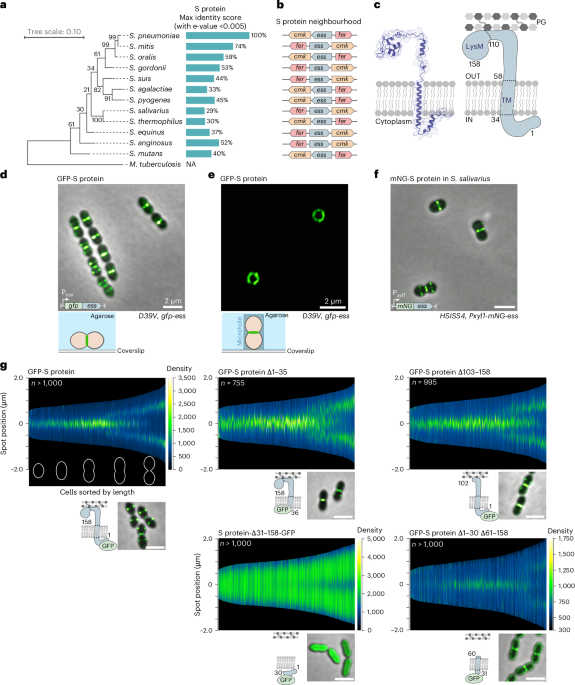
Out Now! Pneumococcal S protein coordinates cell wall modification and repair to resist host antimicrobials bit.ly/44zqdN5 #Microbiology #Pneumococcus #Streptococcus
23
73
6,764
Govantes Lab retweeted

18 Dec 2025
🤝Professional labs around the globe are expanding SEVA and its standard. Meet our collaborators and learn about their research! seva-plasmids.com/the-seva-c…
1
1
224
Govantes Lab retweeted

18 Dec 2025
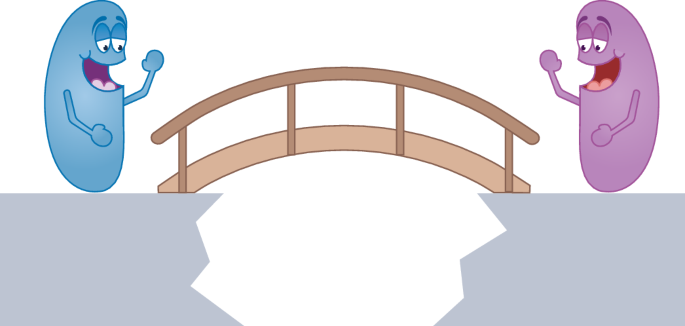
New online! A transcription factor that links domains nature.com/articles/s41579-0…
9
37
6,993
Govantes Lab retweeted

19 Dec 2025
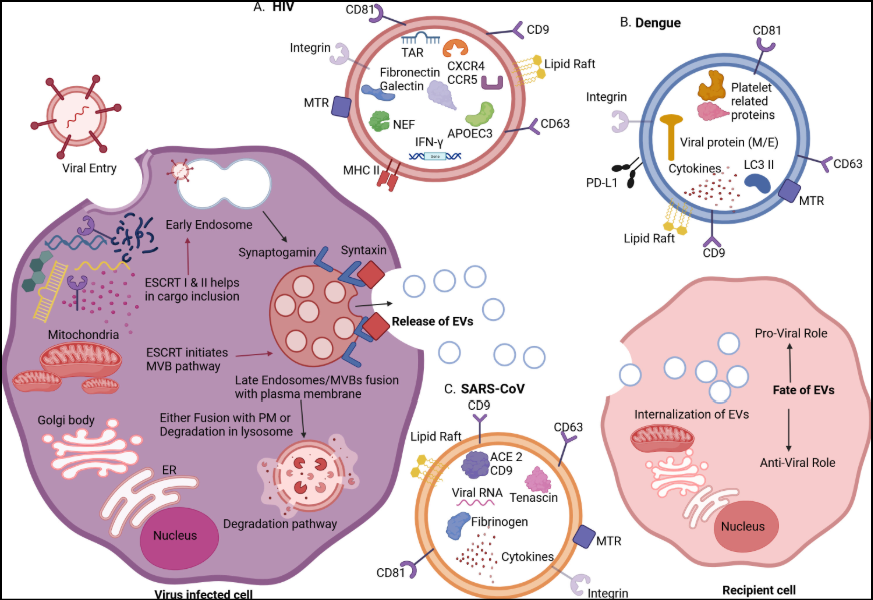
Extracellular vesicles (EVs) aren't just cellular debris. They influence viral transmission, immune modulation, and disease outcomes. This #mBio review summarizes current insights into EV biogenesis, cargo, and their dual role in infection & pathogenesis. doi.org/10.1128/mbio.03316-2…
3
48
147
7,920
Govantes Lab retweeted
14 Nov 2025
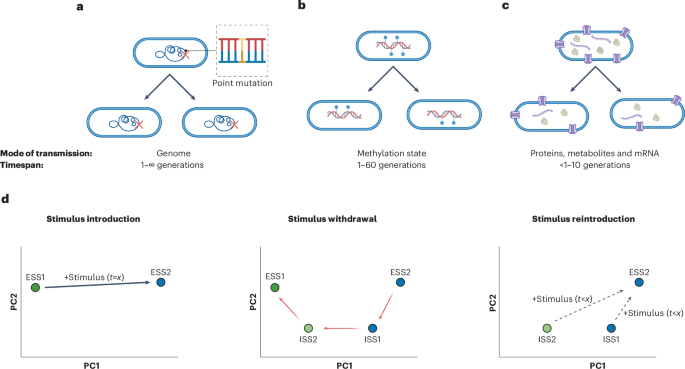
Out Now! Exploring the concept of bacterial memory bit.ly/3WYFAdL #BacterialMemory #Microbiology #NatureResearch
1
41
124
10,439
Govantes Lab retweeted

25 Sep 2025
Computational function prediction of bacteria and phage proteins | Microbiology and Molecular Biology Reviews journals.asm.org/doi/10.1128…
1
1
4
125
26 Nov 2024
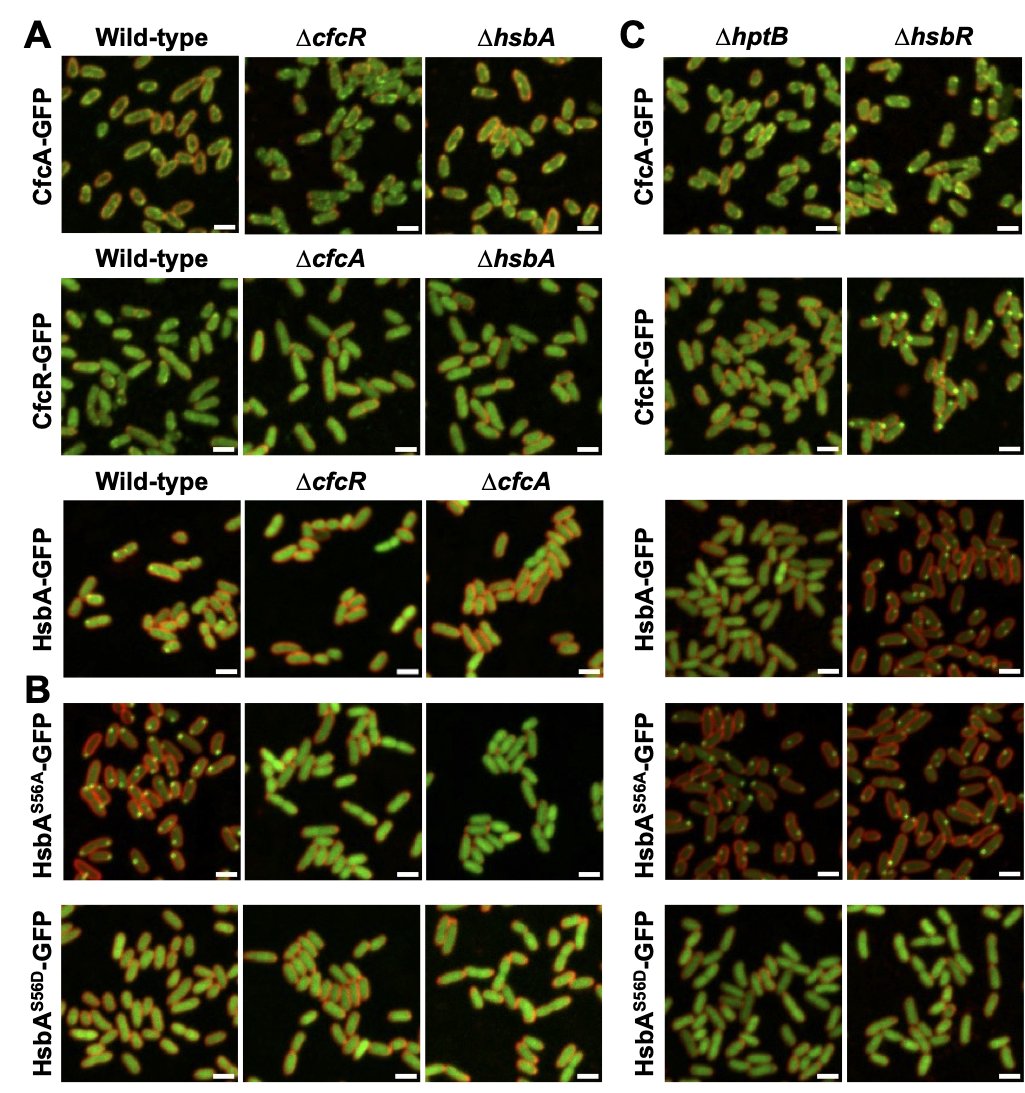
Enjoy our new manuscript "HsbA represses stationary phase biofilm formation in Pseudomonas putida" at bioRxiv (biorxiv.org/content/10.1101/…) @CABD_UPO_CSIC @marpulsan @aroalopsan @Parazelso
2
3
12
795
19 Dec 2025
And one year later, this paper finally came to fruition. I am happy to present our newest publication in Microbiological Research sciencedirect.com/science/ar…
1
1
32
Govantes Lab retweeted

3 Apr 2025
6/6
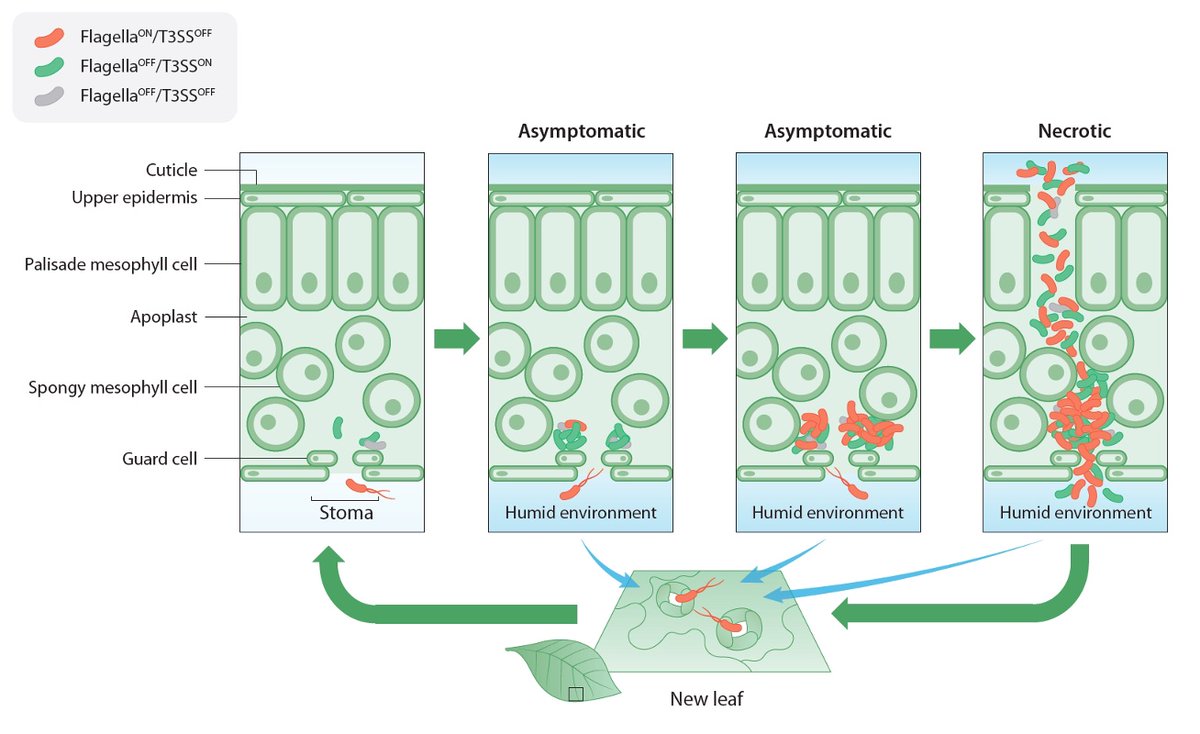
With implications for understanding crop diseases, this work reveals new vulnerabilities in plant pathogens. Could targeting their teamwork lead to sustainable plant protection strategies? This work opens doors for innovative pest control. #PlantPathology
#BacterialMotility
1
1
4
177
Govantes Lab retweeted
3 Apr 2025
5/6
And here’s the kicker: specialization helps bacteria spread! Flagella-equipped bacteria exit the infected tissue, ready to colonize new areas. This coordinated strategy is key for the pathogen's success.
#PlantScience #Microbiology
1
1
4
144
Govantes Lab retweeted
3 Apr 2025
3/6
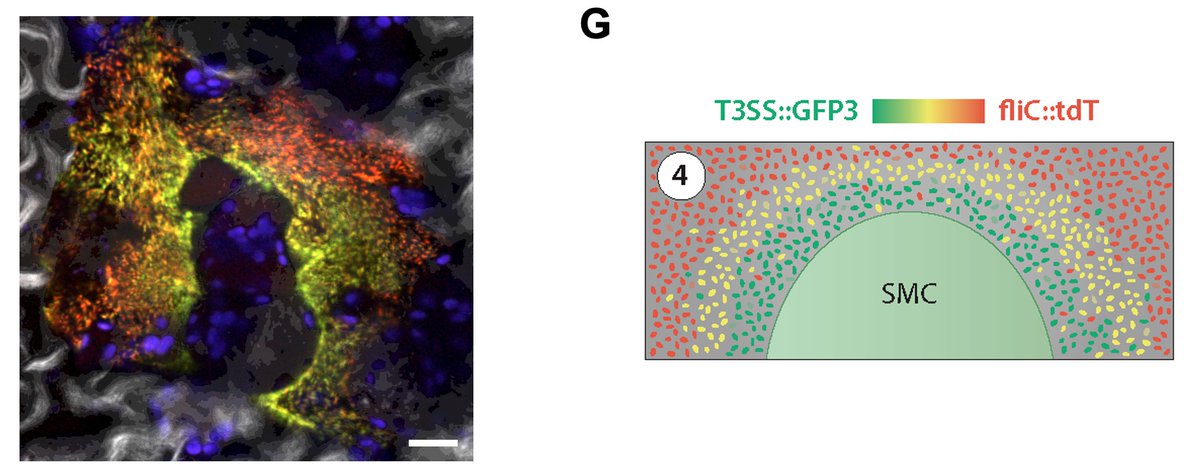
Think of it as a team effort to overcome immunity:
-Attack team: Cells activate a secretion system to suppress plant defenses, creating a "safe zone" for their kin.
-Escape team: Motile cells flee infected tissue before necrosis, ensuring survival and pathogen spread
1
1
3
133
Govantes Lab retweeted
3 Apr 2025
2/6
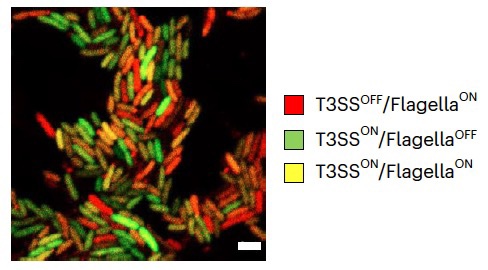
Individual bacteria specialize, some suppress immunity, while others escape early to spread infection before the plant tissue collapses. It's a division of labor! The study highlights how phenotypic heterogeneity allows pathogens to adapt to host environments dynamically.
1
1
3
194
Govantes Lab retweeted
3 Apr 2025
How Bacteria Outsmart Plants—Then Flee the Scene
🧵1/6
Ever wonder how bacteria organize during an infection?!
Our new research in Nature Microbiology uncovers the sophisticated teamwork of Pseudomonas syringae, a notorious plant pathogen.
🔗 rdcu.be/egczU
1
28
38
3,394
11 May 2024
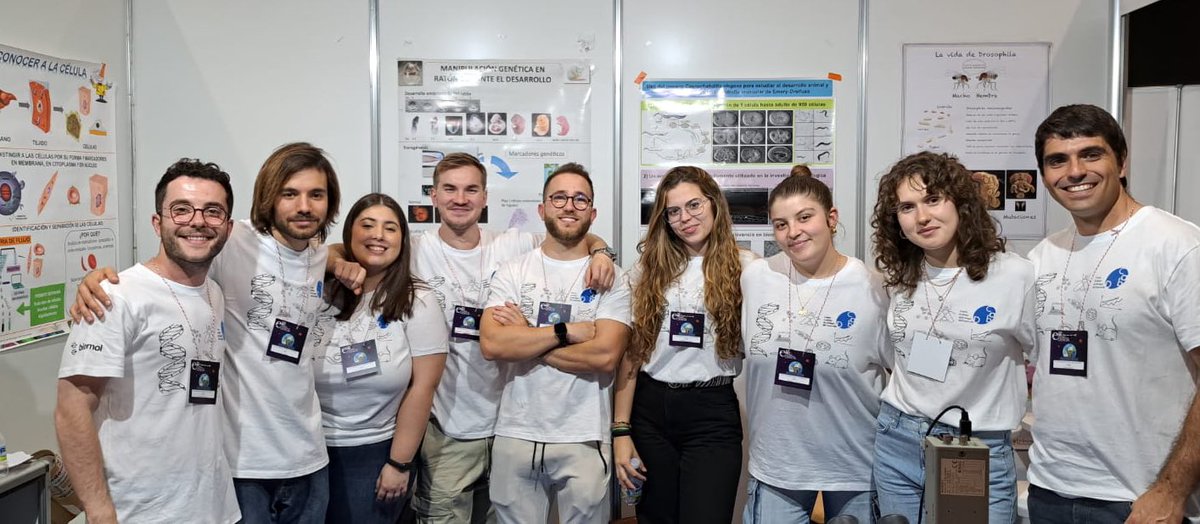
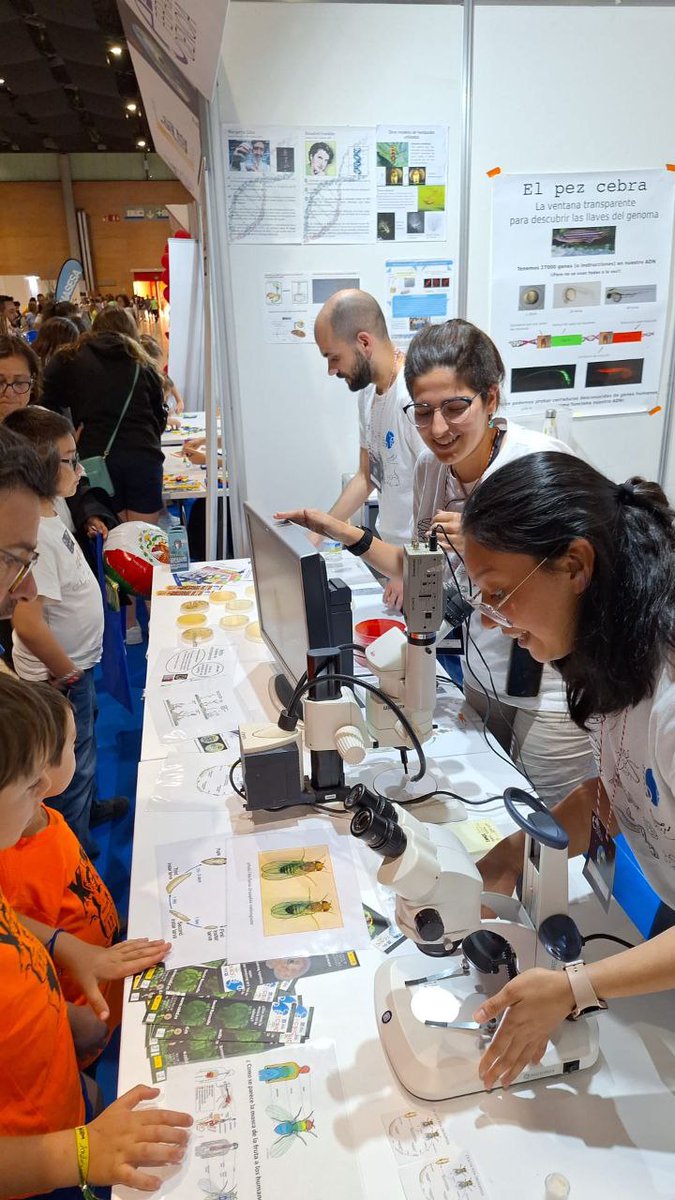
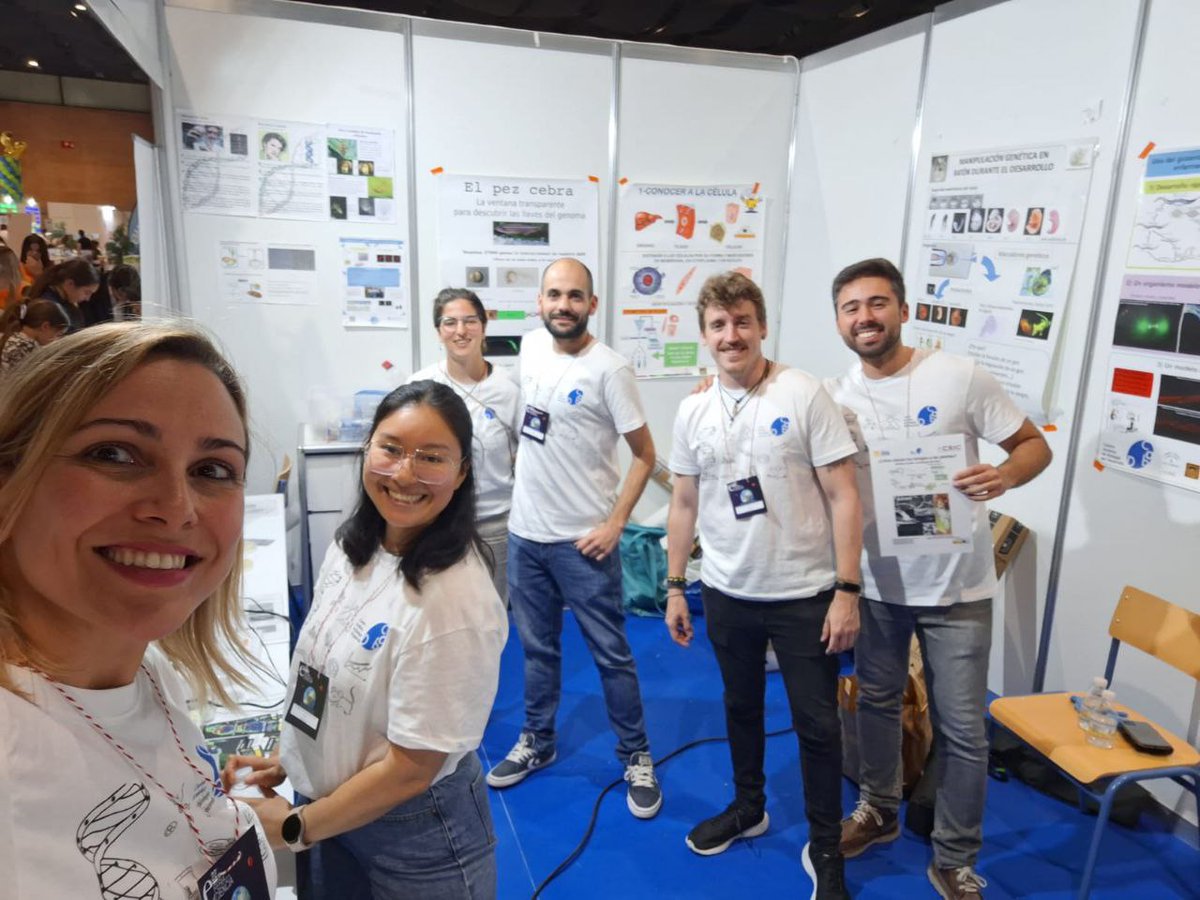
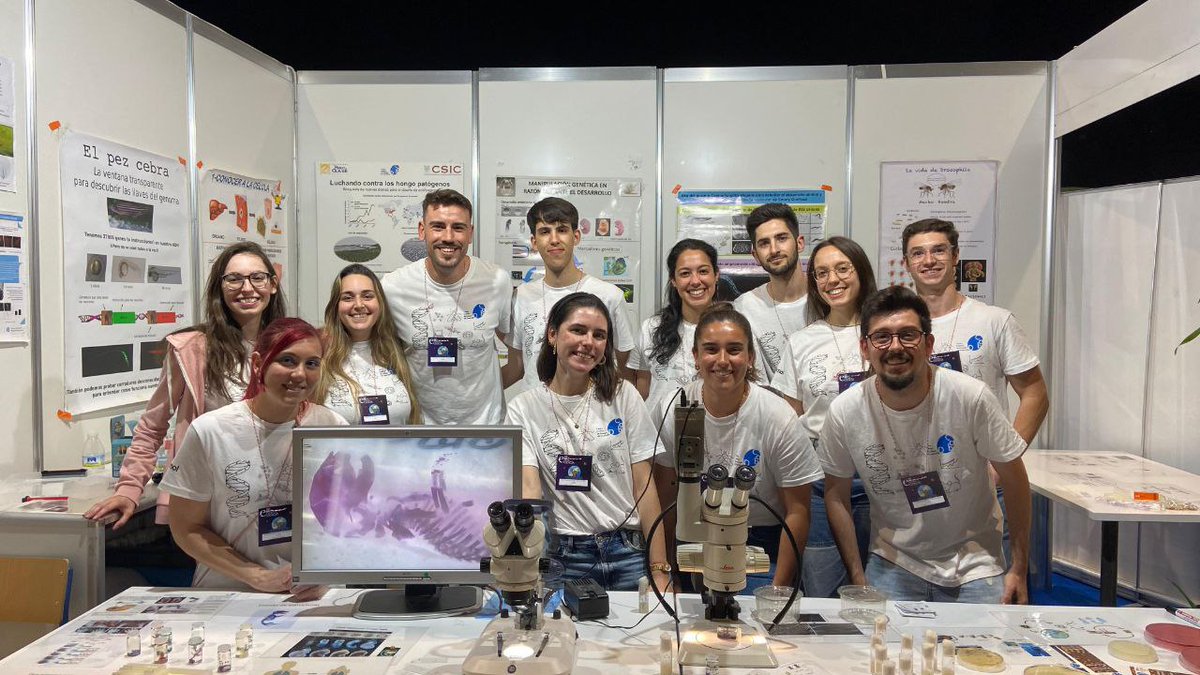
One more year, Seville celebrates science in the #22FeriaCiencia 🧪
Great work from our micro-mates Elisa, Isamar, Valentín, Luis, Juan, Irene... and all the talented volunteers (dozens!) who have been highlighting research at @CABD_UPO_CSIC during these days!
4
14
471
22 Mar 2024
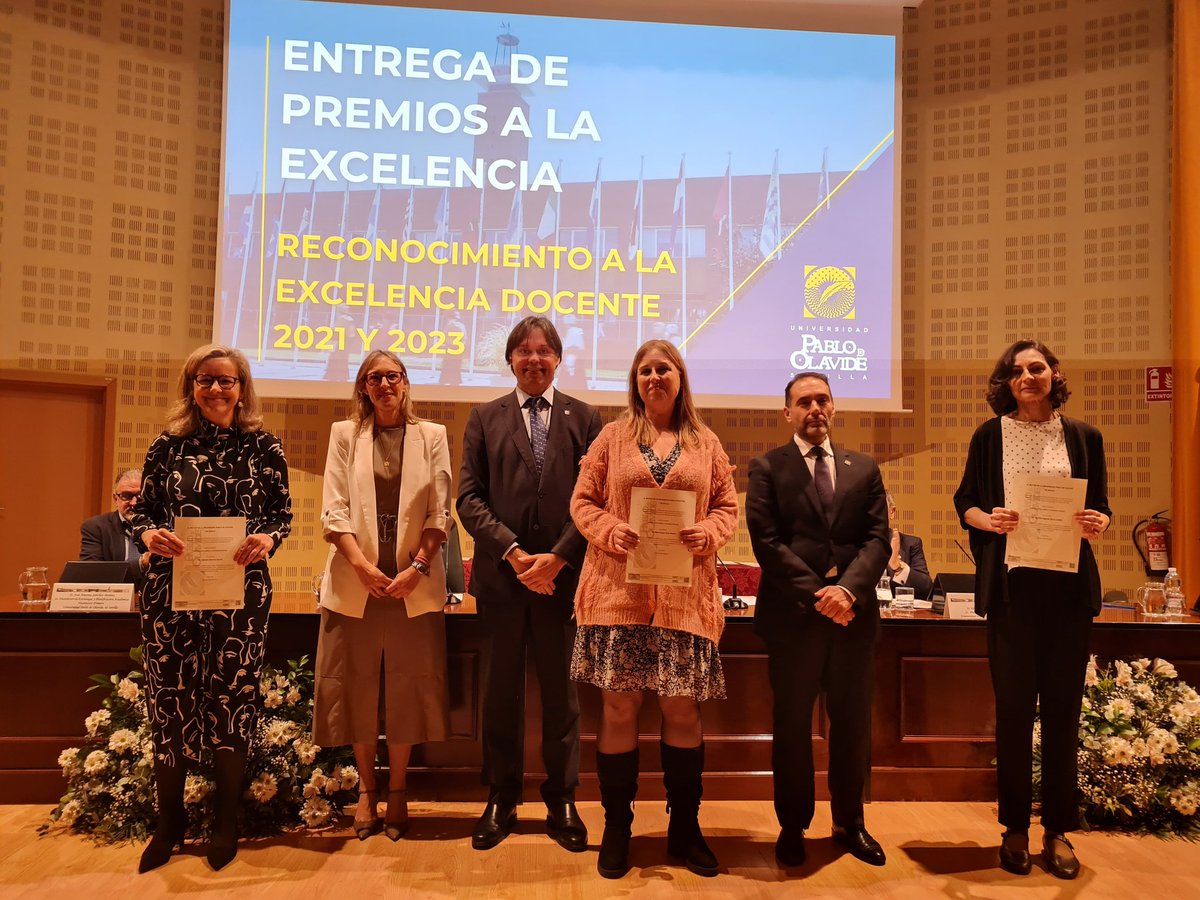
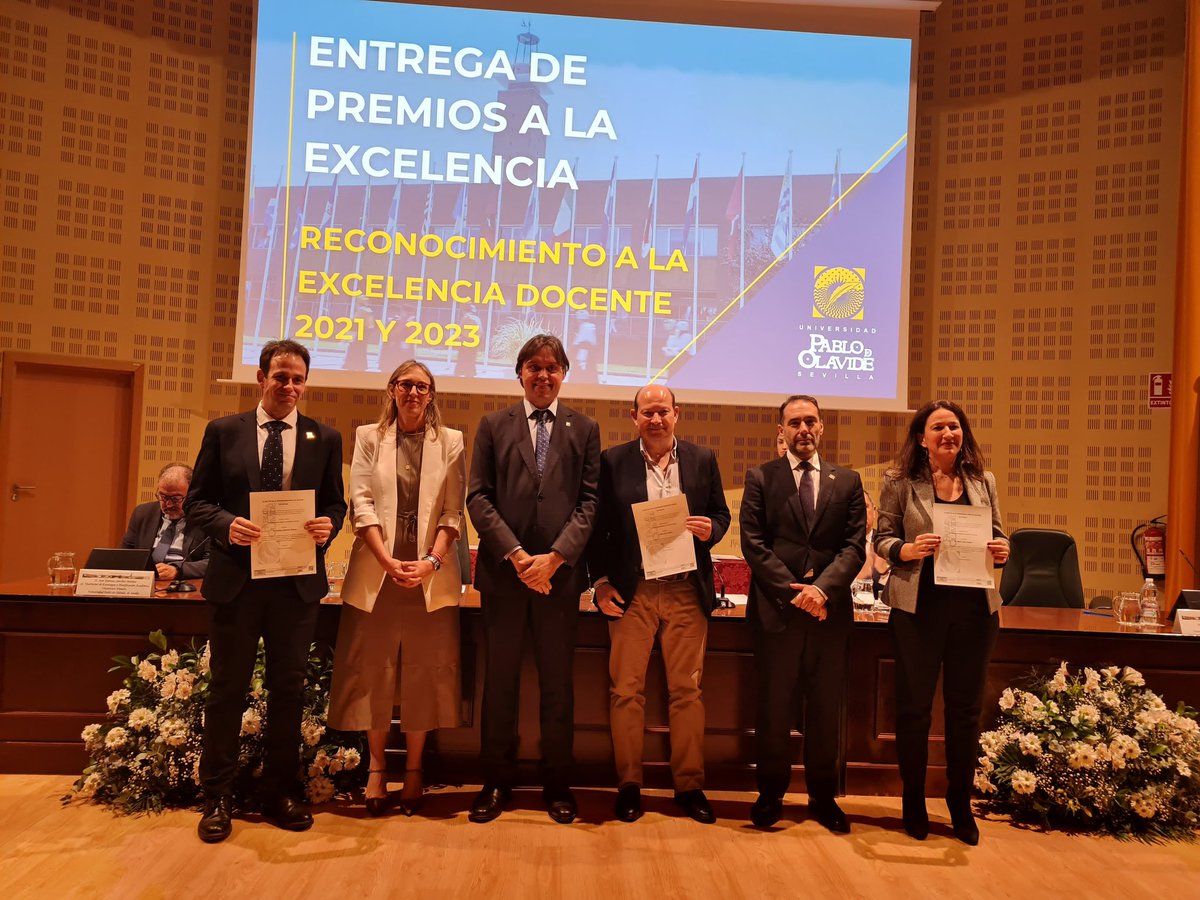
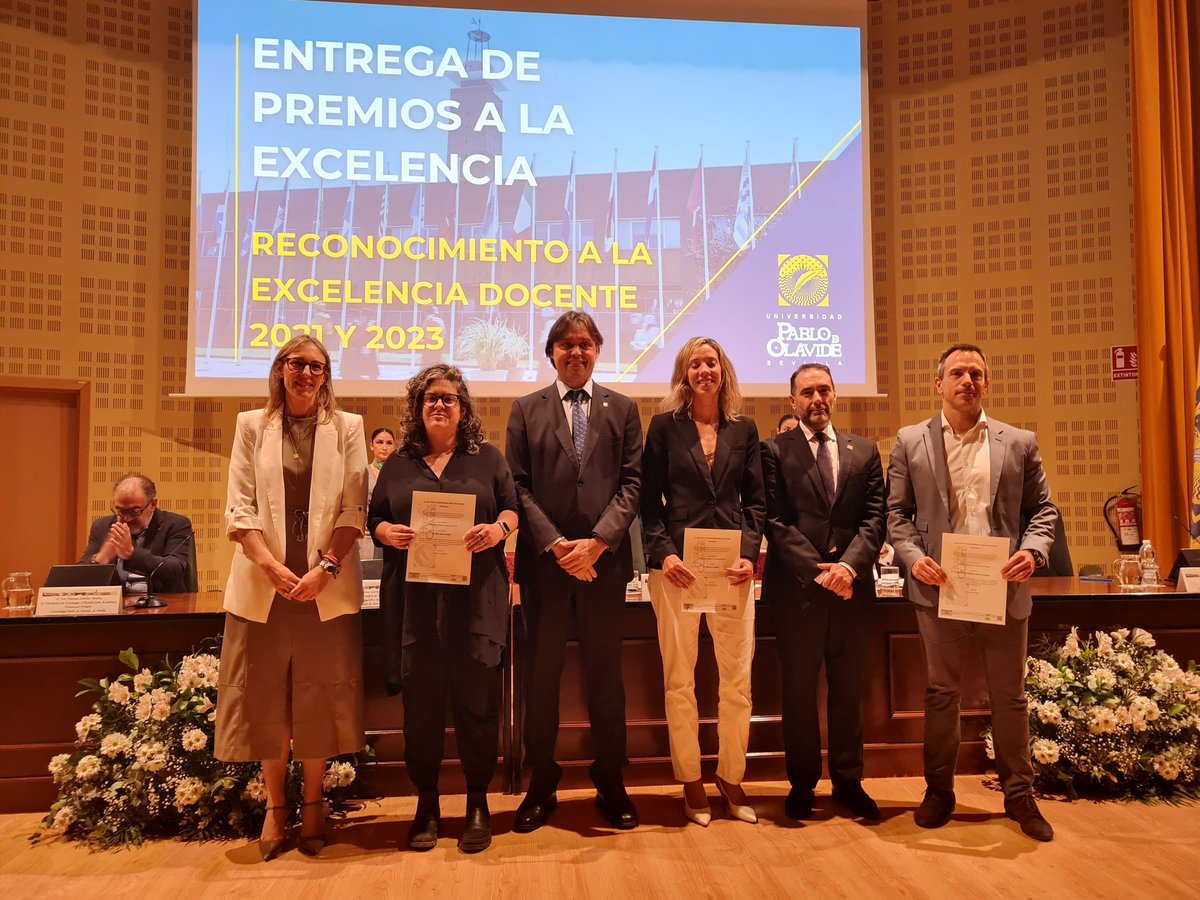
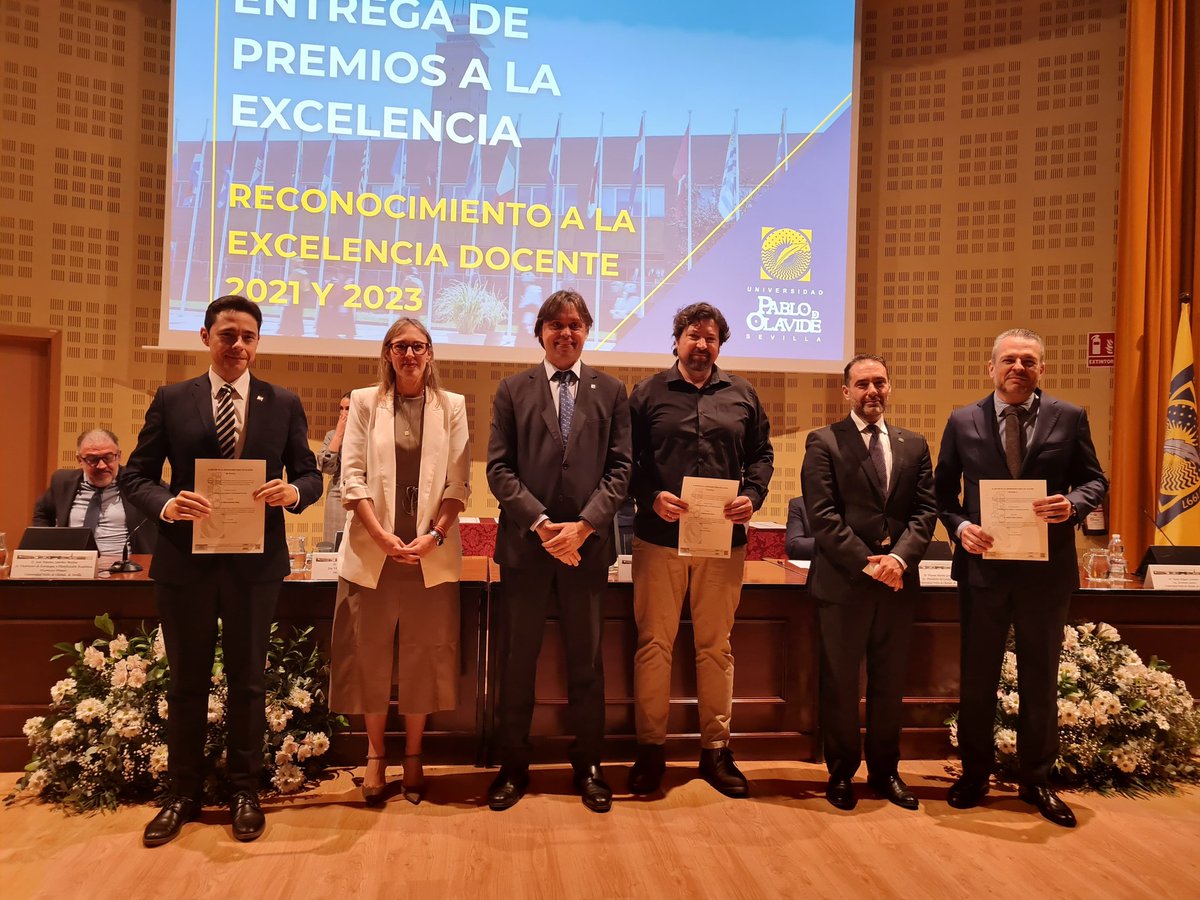
Proud to announce that @aroalopsan has been recognized with a teaching excellence award by @pablodeolavide
And huge congrats to Nacho Flor too! Very well deserved!👏
21 Mar 2024

1
2
15
556
Govantes Lab retweeted

@marpulsan from @LifeSwitchCABD’s lab and @JuanMartManc from @canosa_ines & @AmandoFlores_1’s lab participated in the Workshop "Environmental Microbiology: Microbes as Safeguards of the Environment" in Baeza! Great representation from #CABD!
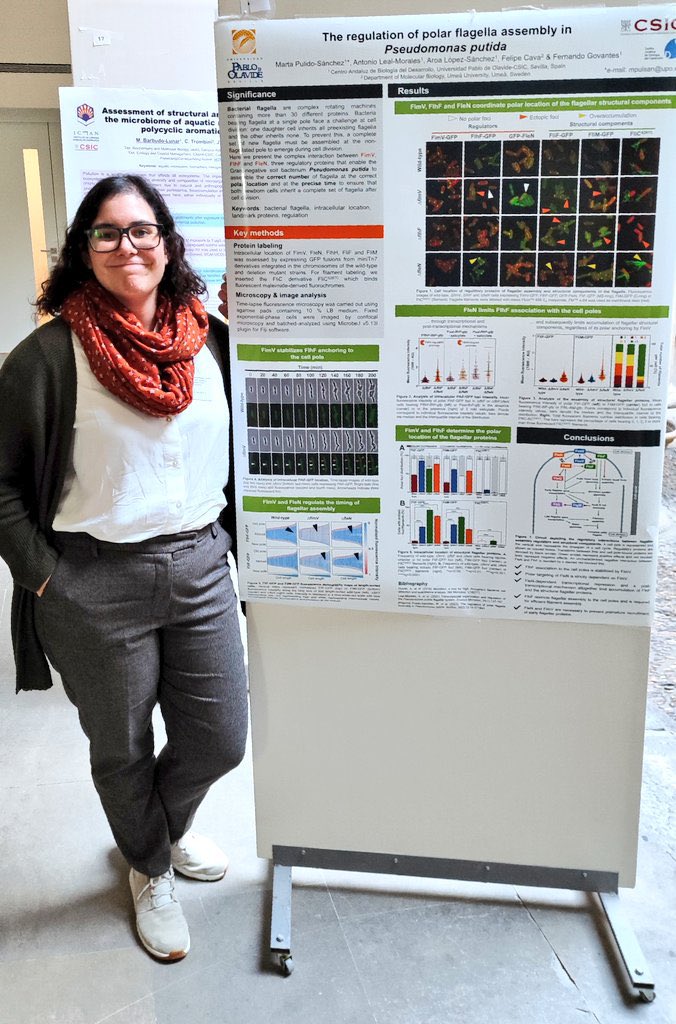

15 Mar 2024

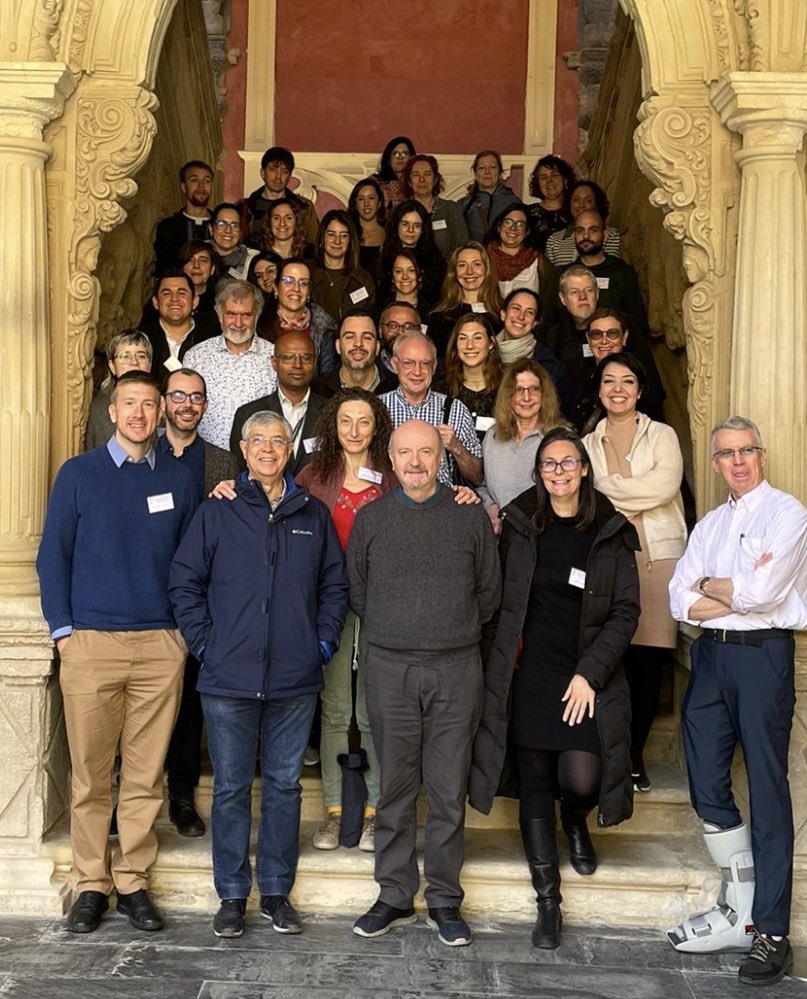
… and a family picture of all participants of the memorable Baeza meeting—a memento for posterity 😅! Thanks @ramoslabgranada for orchestrating the whole thing 👇!
1
3
8
402
Govantes Lab retweeted
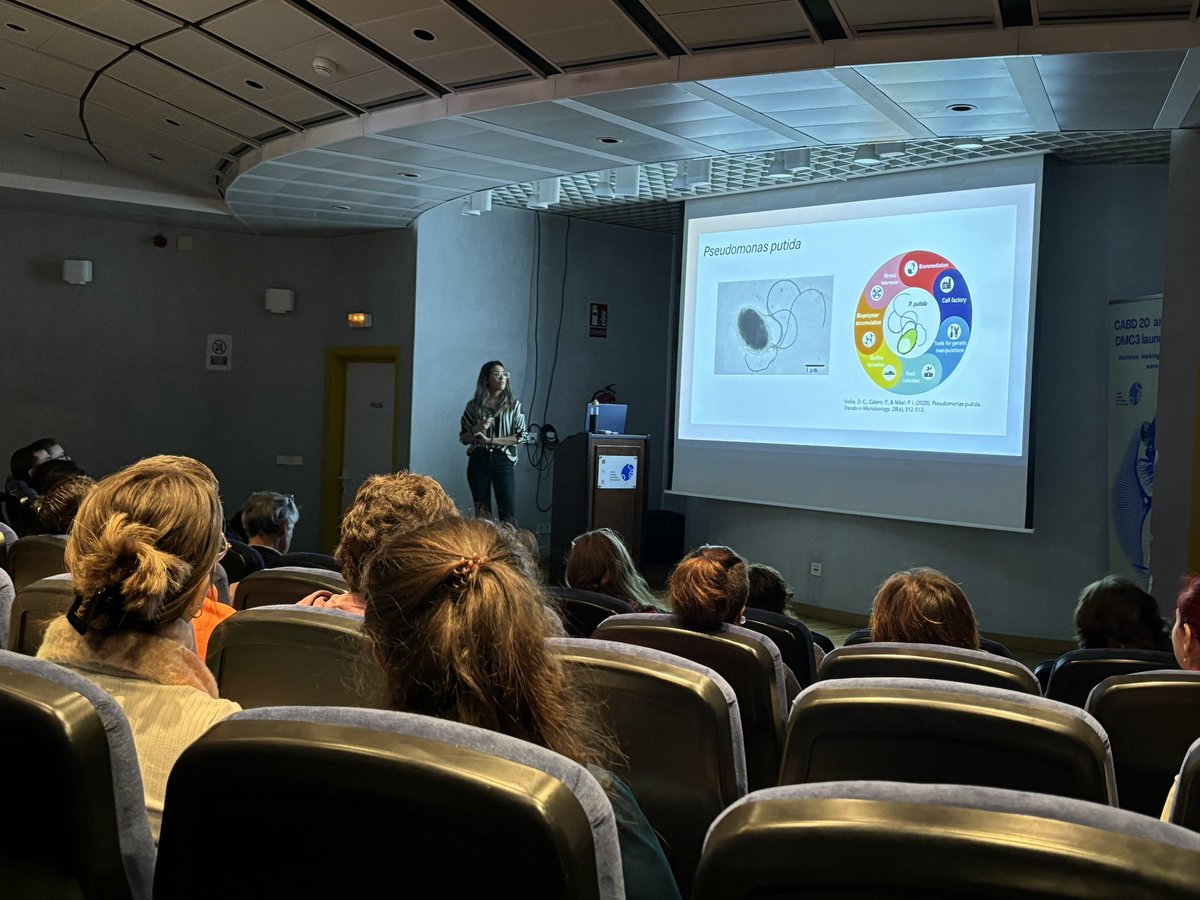
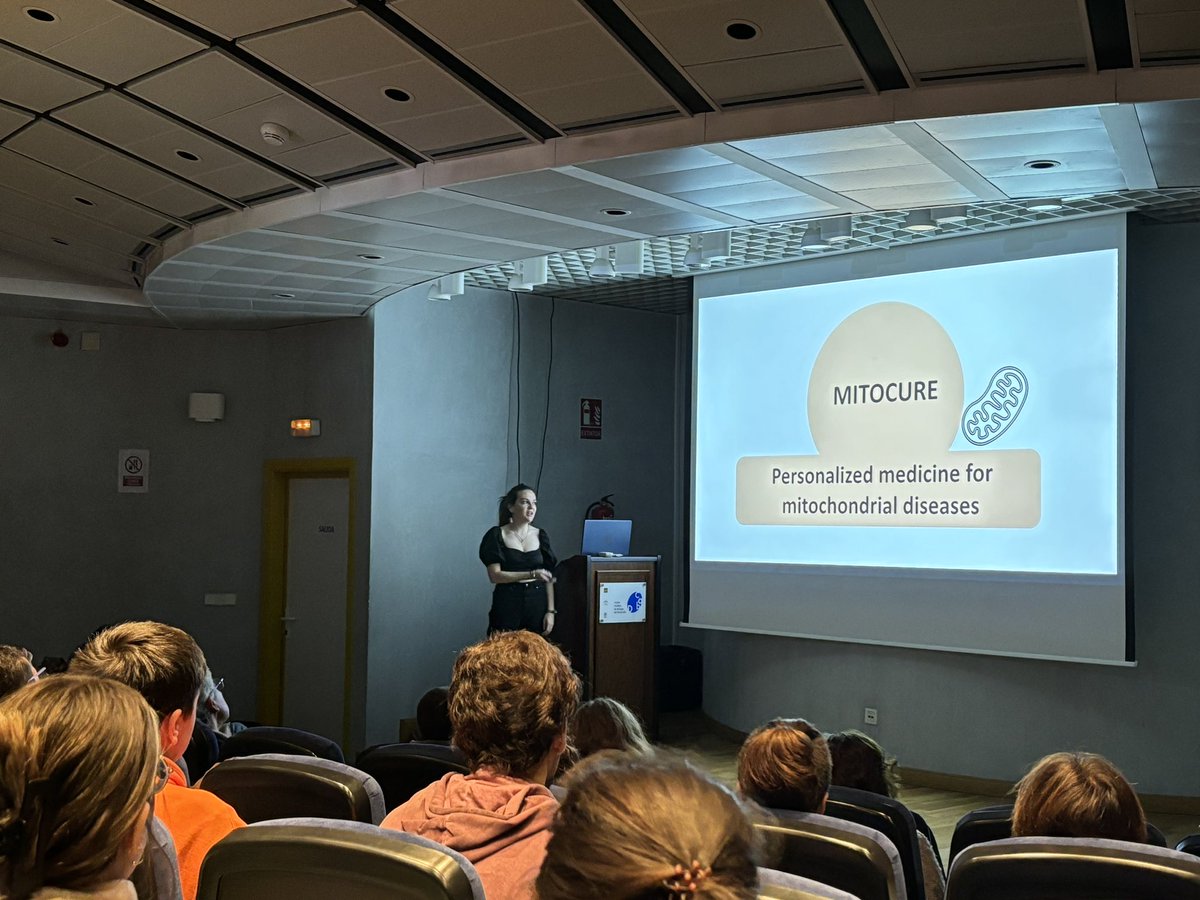
Last Monday @Mariazcr12 & @Paulacilleros15 presented the latest results from their PhD research work at #cabdmeetings. María is doing her PhD with @Parazelso and @aroalopsan. Paula is working at @Braincure_CABD supervised by @ALCAZAR156. The talks were chaired by @tzinicris_p
4
6
456