
Joined January 2018
- Tweets 17,633
- Following 2,473
- Followers 2,542
- Likes 44,125
755 Photos and videos










Pinned Tweet

Feb 17
I've decided to reboot my channel and content creation! I'm going to be all over the place. I hope you stick around for the ride. 👏
4
4
42
1,423
Jun 7
🌙 Official Launch Day! Introducing Dream Drifter and the Global Dream Experiment. 🌎
Dream Drifter is a dream journaling app I built to help people capture, track, and understand their dreams before they disappear each morning. Simple, beautiful, and deeply personal.
But today I also want to talk about something I've built into the premium experience that I'm incredibly proud of.
The Global Dream Experiment is a worldwide research study embedded directly into the app. Premium members can choose to submit their dreams to the study, contributing to a growing collective dataset that I analyze for shared patterns, recurring symbols, and messages emerging from the sleeping human mind across cultures, languages, and borders.
I believe the dreaming mind holds insights we've barely begun to understand. And I think the only way to truly understand it is together.
Dream Drifter is live today. I'd love for you to be part of what comes next.
Available on iOS and Android
DreamDrifterJournal.com

✨ Introducing Dream Drifter 🎉 Official Launch Day is HERE ✨
Your dreams have always meant something. Now, for the first time, we're finding out what they mean together.
Dream Drifter is your personal dream journaling app. Capture your dreams the second you wake up, track recurring themes, and explore your subconscious like never before. Whether you're dreaming about flying, showing up to school with no pants, or something way weirder... we don't judge. We just help you remember. 😄
And for premium members? You're invited to be part of something much bigger.
🌍 The Global Dream Experiment.
A worldwide study where participants submit their dreams to be analyzed for shared patterns, symbols, and messages rising up from the collective sleeping mind of the human race. Eight billion people close their eyes every night. What are we all dreaming about? What themes keep coming back across cultures, continents, and languages?
We're about to find out. And you can be part of it.
We're LIVE! Come drift with us. 🌊🚀
Available on iOS and Android
DreamDrifterJournal.com
8
8
22
1,069
Jun 5
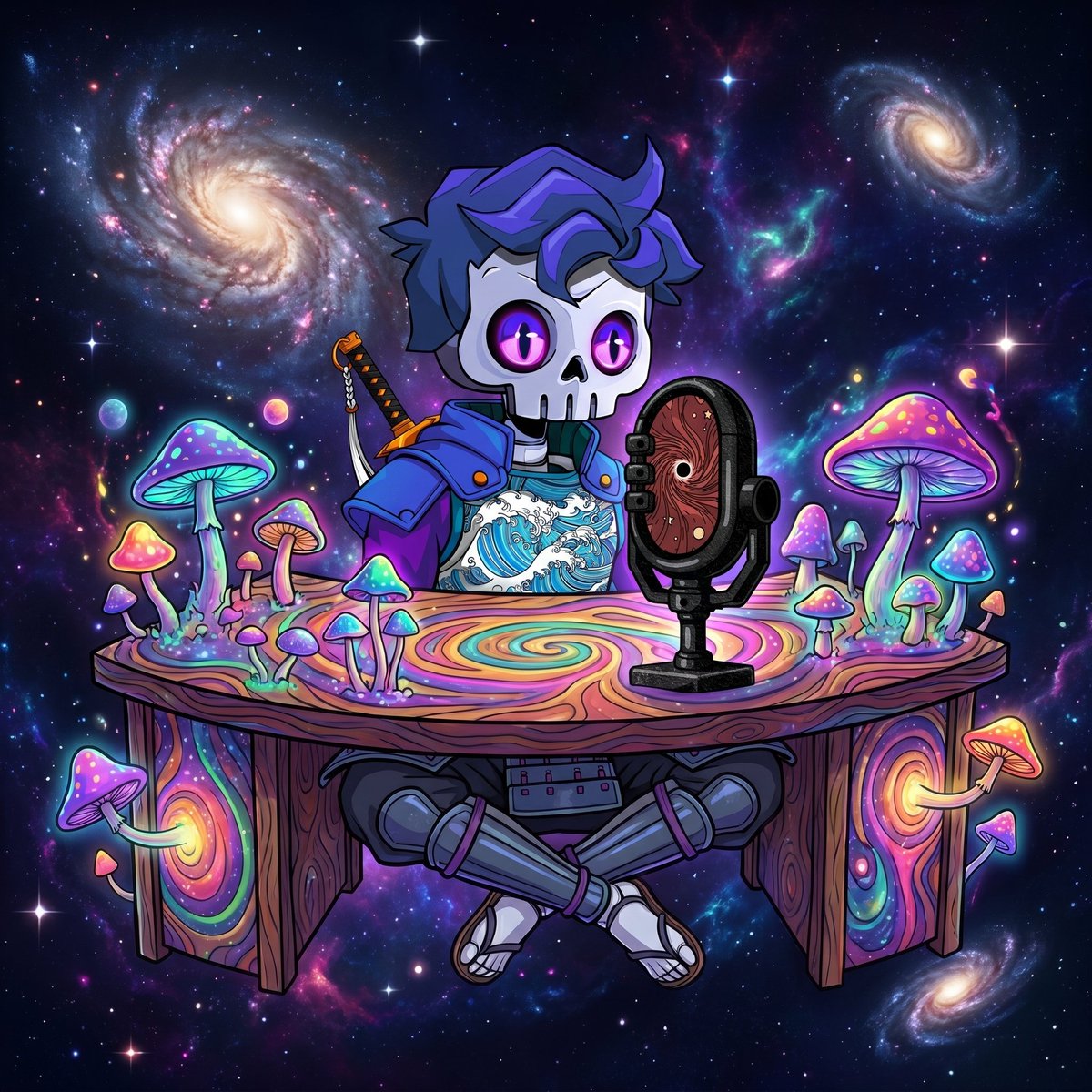
Meet Janet 💀 @DedGorgez
She is one of the top agents for a private organization called Legacy & Hollow. Constantly dealing with requests and bounties from all over the universe and interdimensional realms, she is the intermediary between them and the field operatives.
Loving these competitions @Cryptokeysm 🔥 They're an awesome way to allow the community to build on top of Los Gorgez 💀💙 #DDGGIF
6
3
15
357
Jun 1
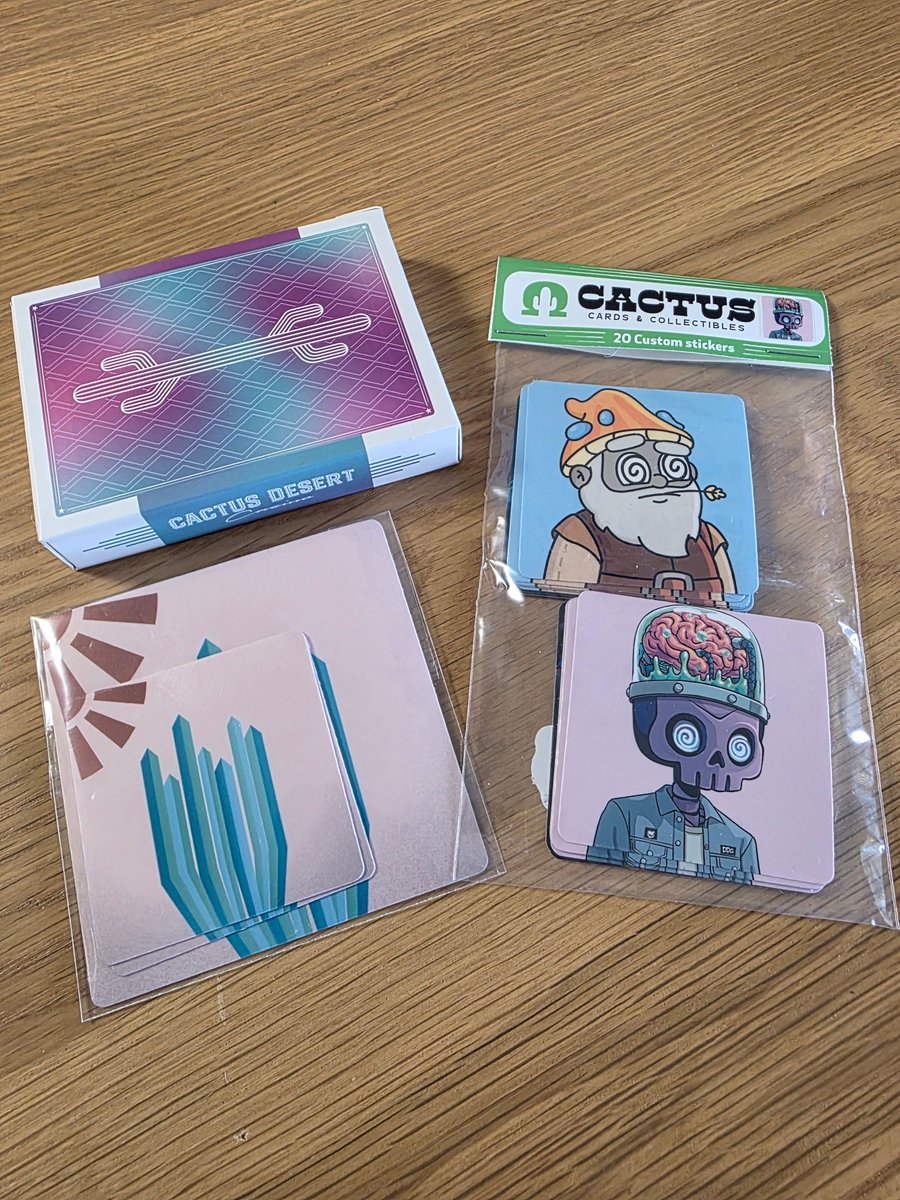
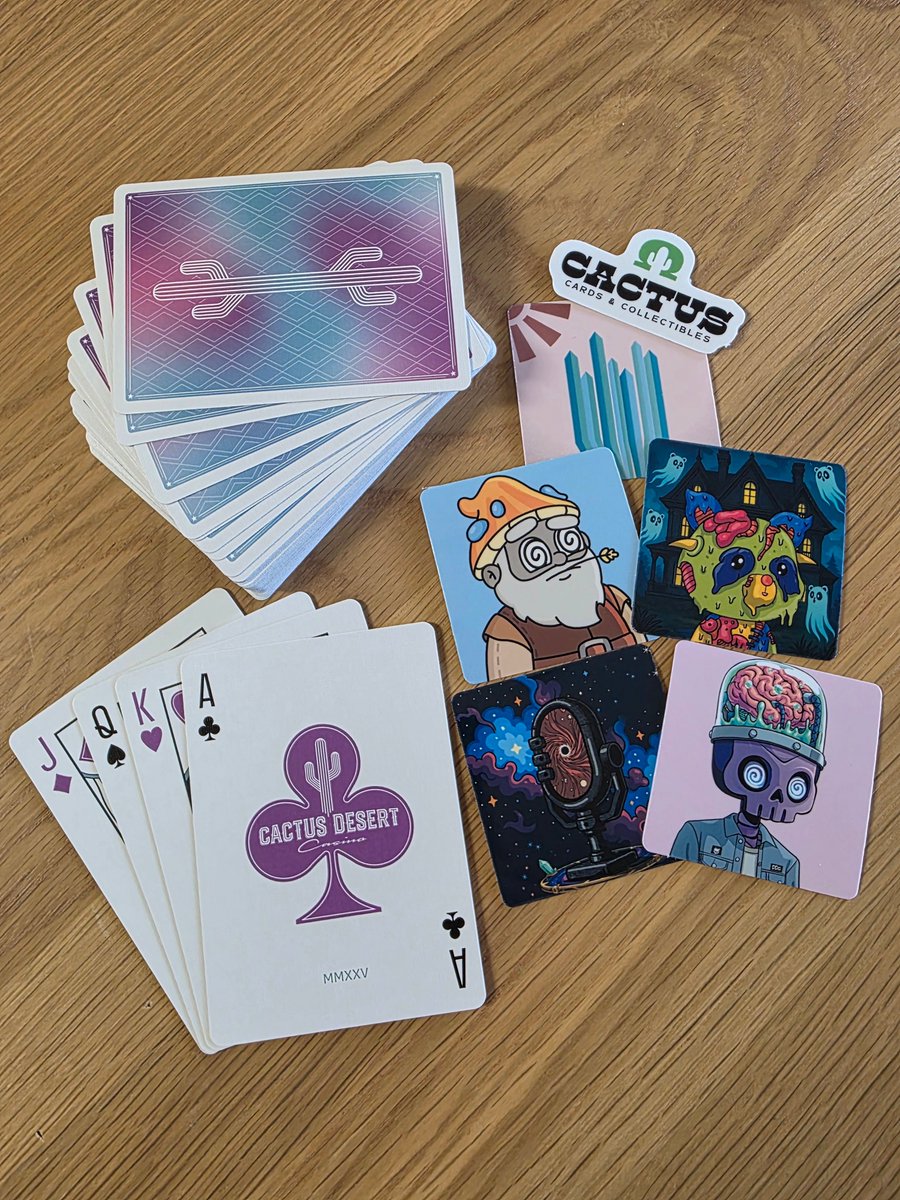
I recently grabbed a @CactusEcho nft and claimed a free deck of cards (only 50 of them made). The founder @jabarlocker is also the guy who produces these high quality stickers. Of course, I couldn't help myself and had to get more 🤩 And once again, they turned out great! I love what you're doing dude 💙
Actually playing poker with the boys this weekend and will definitely be using this deck 👏
Shout out to these stellar communities 🔥
@DedGorgez
@PandaPals__
@Spaces_MediaLLC
@frankythefrog
4
5
22
704
Jun 1
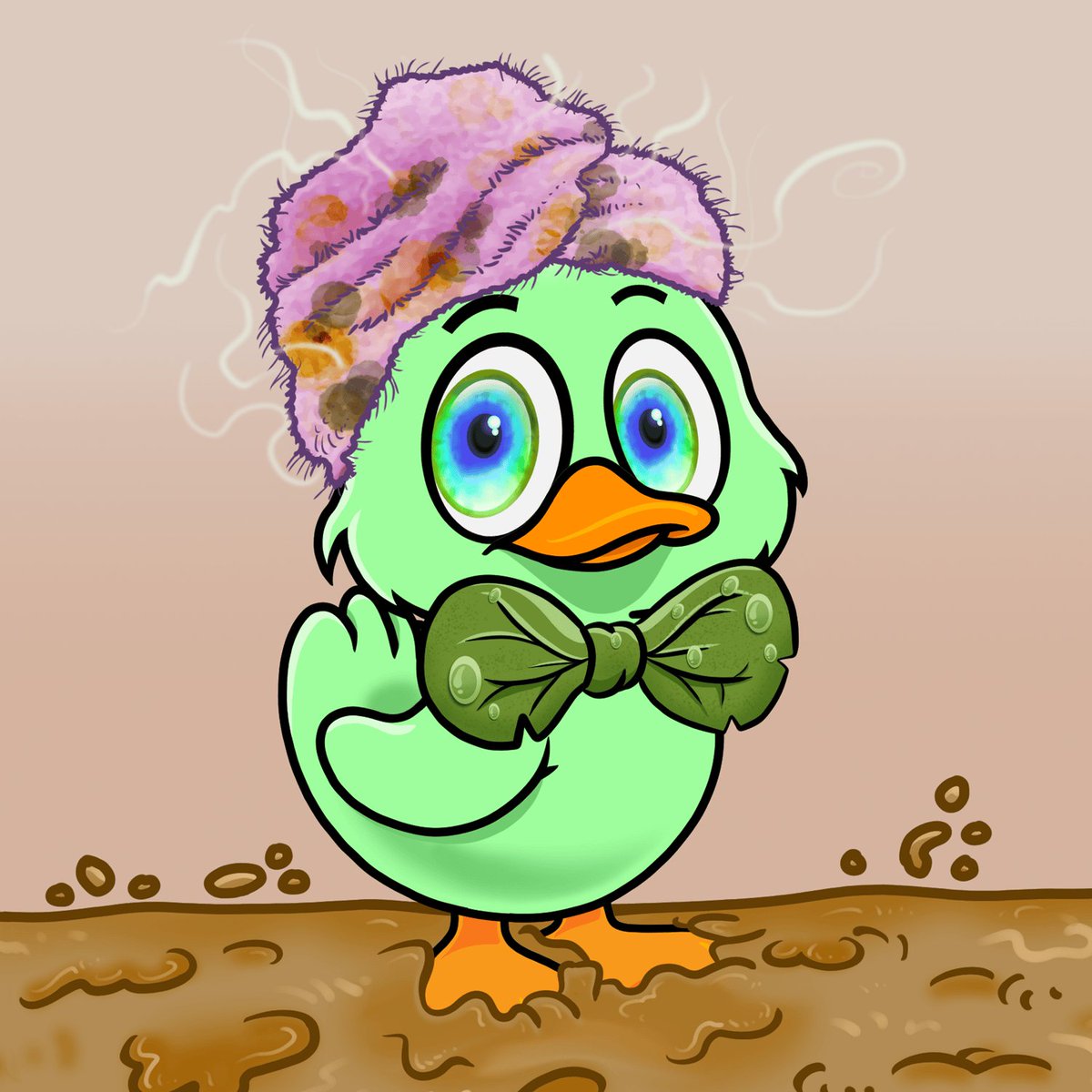
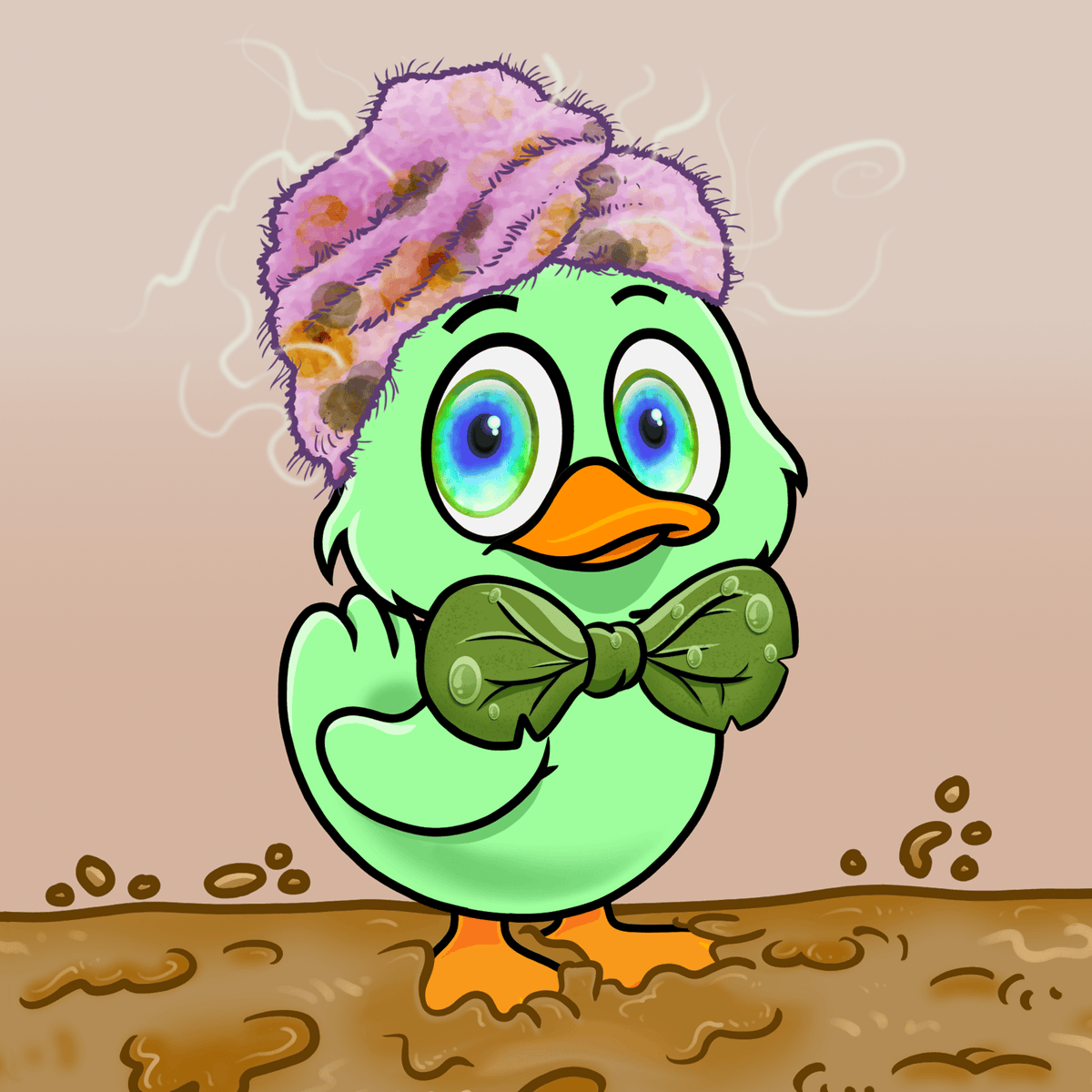
I've just been gifted my first @yuckyducks 🦆
This little guy is great and I really love the color! 💚 Thank you @MamabearK444 and @papabear_ish for bringing me into the community 🙏 If any of you out there are looking for a space with good people, these two host spaces everyday at 7pm est ✊
44
37
65
1,000
May 31
Mad respect to Wizard Finn-@BeeCuzFuture for scanning the soul of Nendu the Drifter and gifting him Etclora 🐙
This companion creature should not be underestimated. All of @DedGorgez need to get their souls scanned!
Etclora's Abilities 👇
Language of Before - It communicates in a form that predates all spoken language, a deep cosmic resonance that any living creature instinctively understands regardless of what language they speak.
Cosmic Allure - Enemies eyes are constantly drawn to look at the galaxy in Etclora's head. If enemies stare too long they are pulled into a trance and trapped mentally inside the galaxy living an entire lifetime as something else in a matter of seconds, while their body stands frozen. Only the strong minded can overcome this allure. Anyone can choose to do this if they desire.
Ink Void - Etclora releases a cloud of pure darkness that doesn't just block light. It erases sound, magic, and even smell, making the area completely undetectable.
Black Hole Grasp - A tiny black hole forms at the tip of one tentacle, pulling small objects, projectiles, and even weak spells toward it and swallowing them completely.
Emotion Fermentation - Etclora absorbs the raw emotions of those around it, strong fear, rage, grief, and can distill them into a tangible glowing liquid stored in small vials on its tentacles that Nendu can use as potion ingredients.
Thousand Arms Illusion - It briefly projects the image of hundreds of tentacles thrashing in every direction simultaneously, making it impossible to track where the real ones are.
Sheeeeshhh 😍 Thanks BeeCuz! 🙏💙
Let me see those companion creatures! What are their abilities?!
💀🧙♂️🐙
May 30

This is Finn. He’s my wizard and has the ability to scan your soul and gift you your own creature companion. We are not meant to wander Los Gorgez alone. All who want may receive his gift. Here are a couple who have already visited Finn and now travel with their creatures.



3
4
18
887
May 29
DDG Dance Challenge Accepted!💀
With my Noid as the DJ 🤩 It's time for Wizard Nendu to get down 🧙♂️
Sound on 🔊
Another enjoyable creative process! Thanks @CreaMetaX for throwing this competition and bringing people to the dance floor.
Shoutout to @DedGorgez and @thehumanoids 👏
These communities and collections are 🔥🔥🔥
May 27

🚨 The DDG Wizards Challenge You 🚨
It’s time for EVERY community to step onto the dance floor. 🧙♂️💀🕺
Quote tweet this with:
🔥 your NFT/character
🎵 an EPIC dance animation
⚡ maximum aura & creativity
Hip-hop, chaos, cinematic, funny, unhinged… we want to see it all.
HOW TO ENTER:
✅ Follow @DedGorgez
✅ Quote tweet this with your dancing NFT
Winner gets a DDG 🔥
We’re officially turning the timeline into a giant multiverse dance battle.
Shells, wizards, legends, creatures… EVERYONE is welcome.
Now show us who really got rhythm
Let the dance battle begin 🎶
10
13
57
1,856

May 25
Wizard Nendu rides Segovia the machine aether board.
Magically handcrafted by Nendu himself, it manifests energy from the aether, compressing and directing it.
Calling all Wizards of @DedGorgez
What's your transportation?
May 25
What does your wizard ride? 🪄
A broomstick?
A flying carpet?
A glowing cloud like Nimbus? ☁️
A dragon?
A floating throne?
A ghost train through the stars?
A neon Ferrari powered by arcane magic?
The Order accepts all forms of legendary transportation.
Let’s see yours
Prompt in comments👇

9
4
28
1,287
May 20
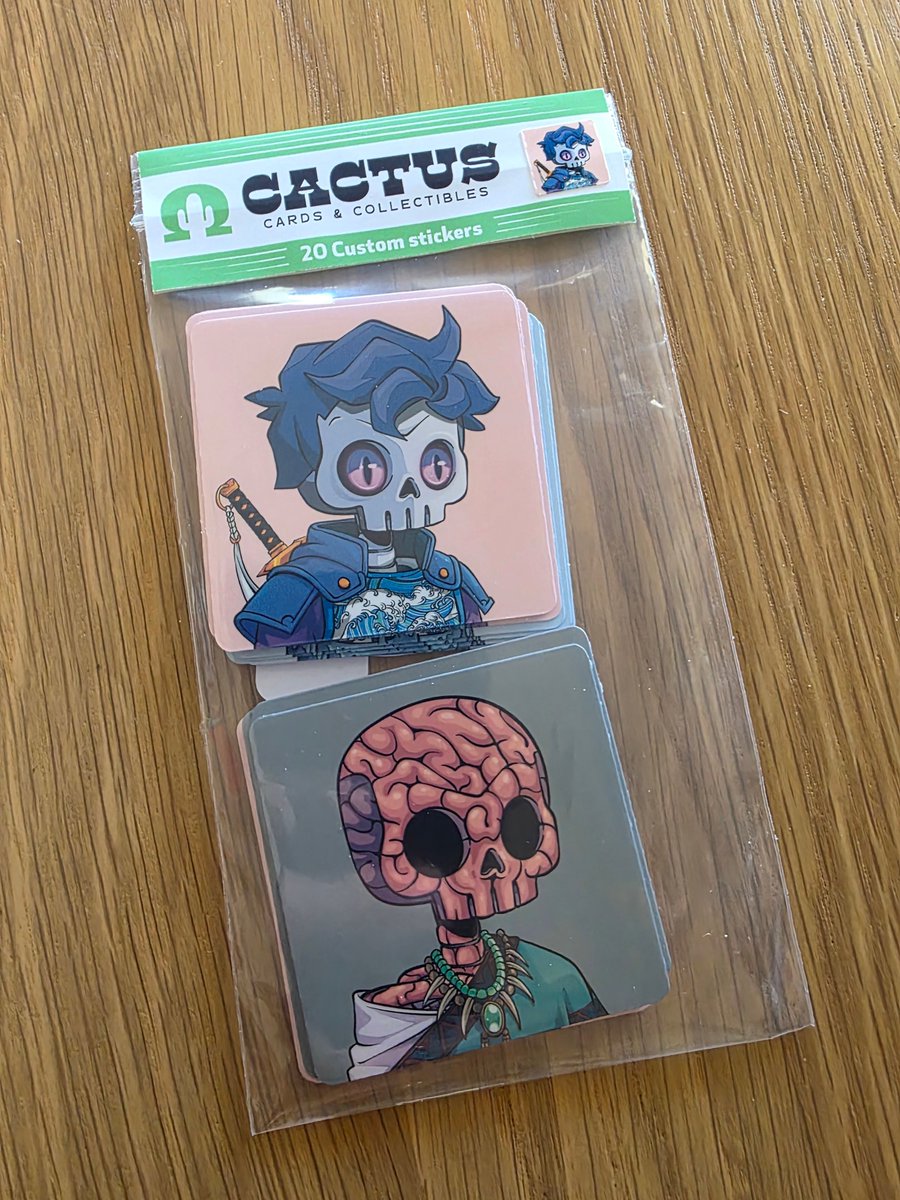
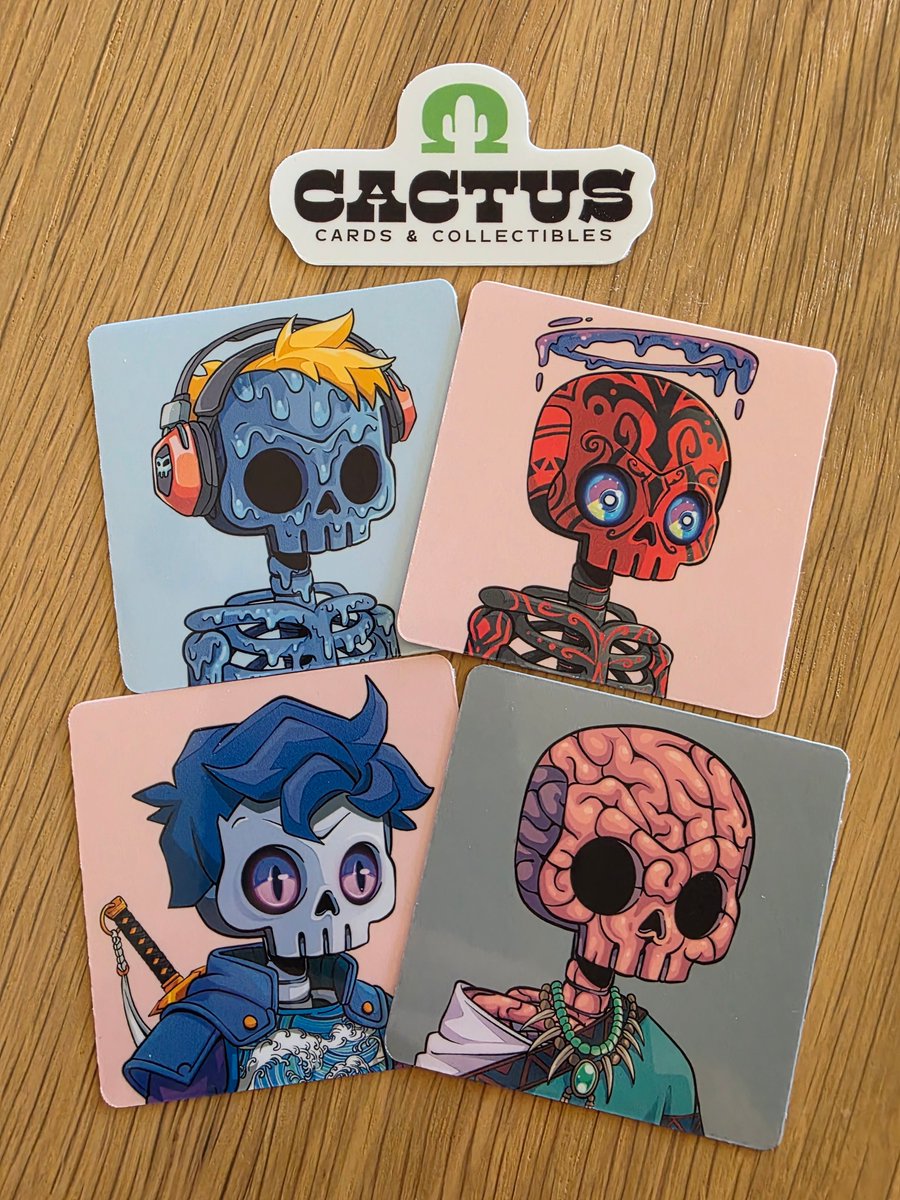
Just received these in the mail from @jabarlocker 😍 These @DedGorgez stickers turned out great! Thank you! 💙
I'll be a returning customer for sure 🌊🤘
7
7
32
2,972
May 16
Wow 🤩
A huge Thank You to @joethecoworkerx for picking me as one of the three winners for a Nibbles in the @frankythefrog universe! I've been eyeing this collection for awhile now and its awesome to be onboarded into the community this way. Super stoked to have received the one I had my eyes on 👀🍄💙
Also, a shout out to @MamabearK444 for the nomination! This wouldn't have been possible without you ❤️ Thank you!

13
5
33
887
May 15
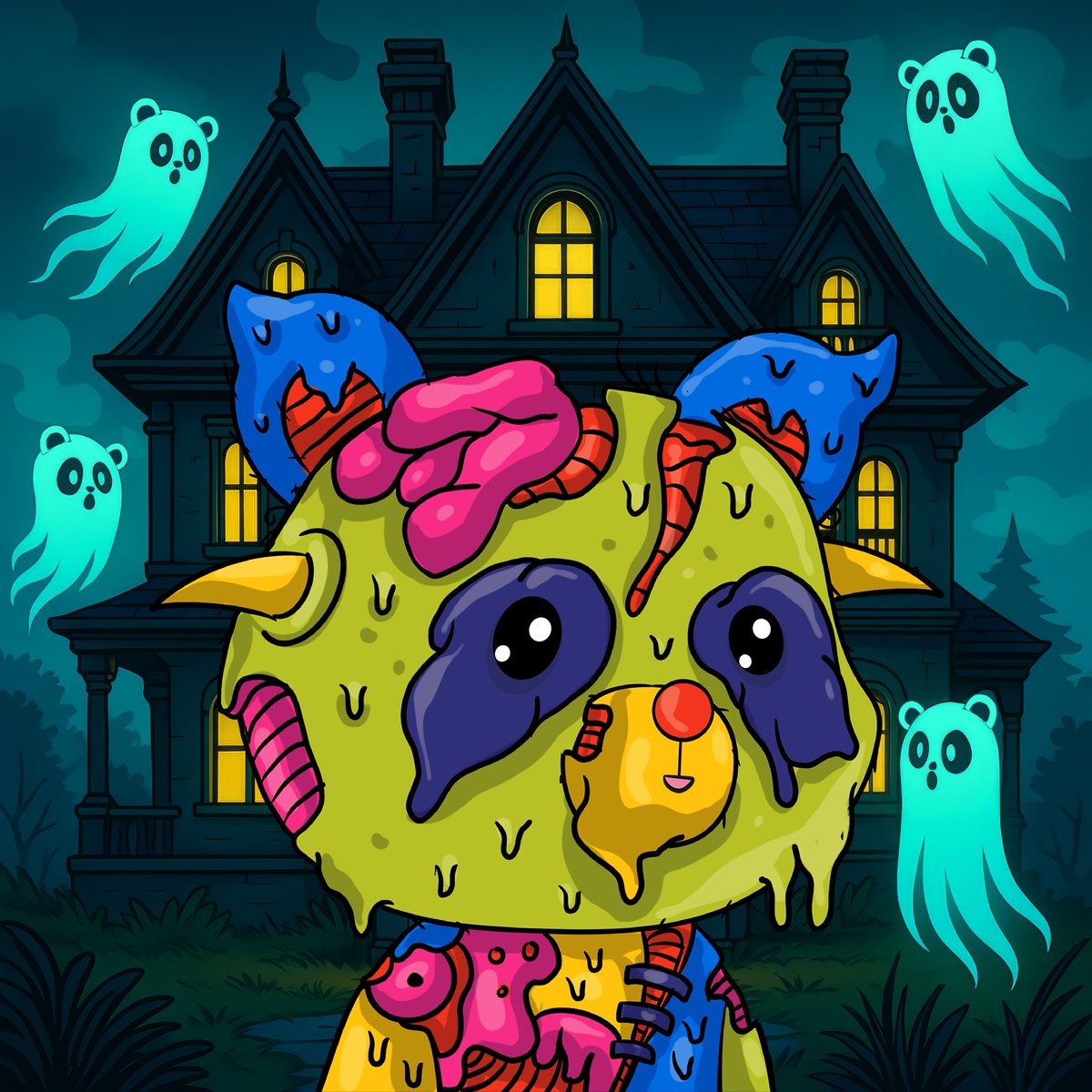
Shout out to the @PandaPals__ 👏Another incredible community I've been rolling with. The positivity, love and meaningful conversations I've experienced have been amazing. To @PandaPump_ @BillabongM @ewwwtoasty1 @waldoforrealz @notbrvnd0n @KiloSilo47 , you guys have been truly genuine and wild at times 🙂
See you guys Monday at the Roundtable!
Also minted this Undead Panda last night! Love it! 💙
11
4
27
493
May 10
Scientists discovered water has a secret 4th phase and it acts like a battery. 💦⚡️
We all learned water has 3 states: solid, liquid, gas.
But Dr. Gerald Pollack's lab found something near water-loving surfaces that breaks that rule entirely.
It's called Exclusion Zone water (EZ water).
When water touches certain surfaces, it reorganizes into a gel-like layer that literally *excludes* particles, pushing them out like a force field.
That alone is weird enough.
But here's where it gets strange.
This zone separates into positive and negative charges, creating a natural battery you can draw electrical current from.
And it grows when exposed to infrared light.
Meaning sunlight and body heat are continuously *building* this structured water inside your cells.
The water in your body may not be a passive medium.
It might be an active, light-powered electrical system.
We've studied water for centuries. We still don't fully understand it.
4
158
May 9
What I've seen transpire over the last week with @DedGorgez has been excellent. They showed us how its done with remarkable character. Congrats!!
This art 🤩 @ruangsunyiart Fantastic style, dude! Bravo!
Here are a few of my favorites🫠
5
3
26
288
Feb 15
These are some of my recent grabs! Awesome art and even better communities full of solid human beings.
@thehumanoids
@DeadBunniesHQ
@Spaces_MediaLLC
@PandaPump_
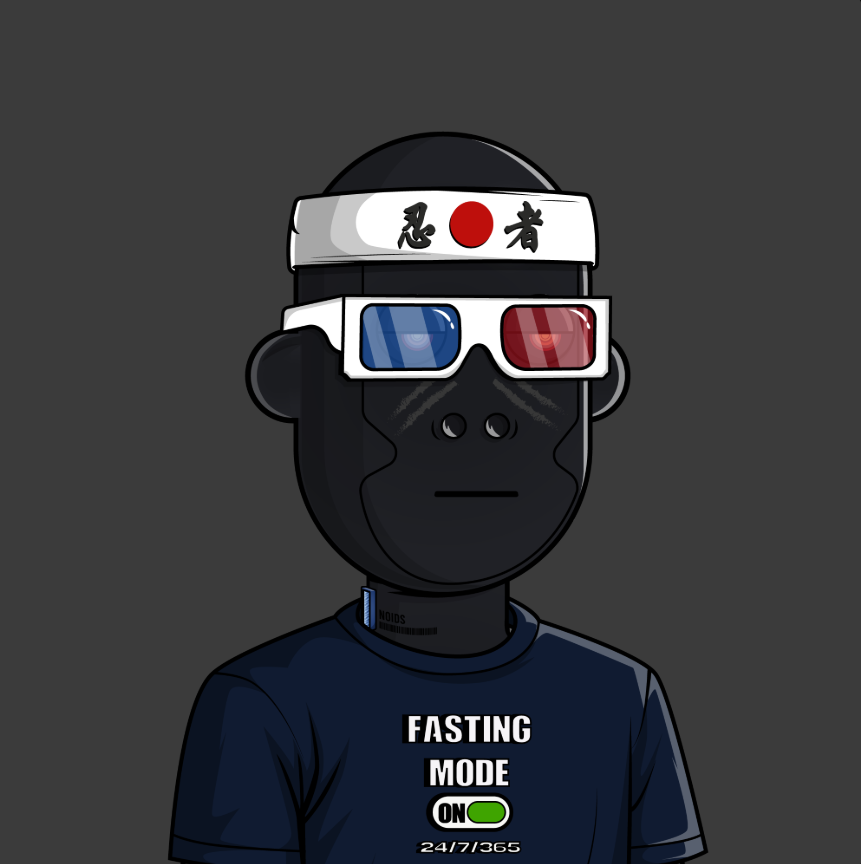
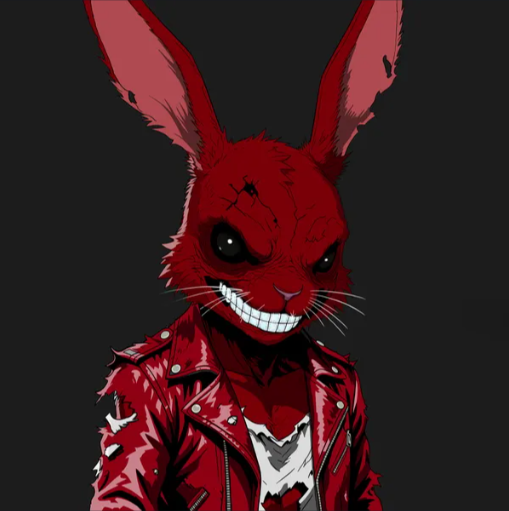

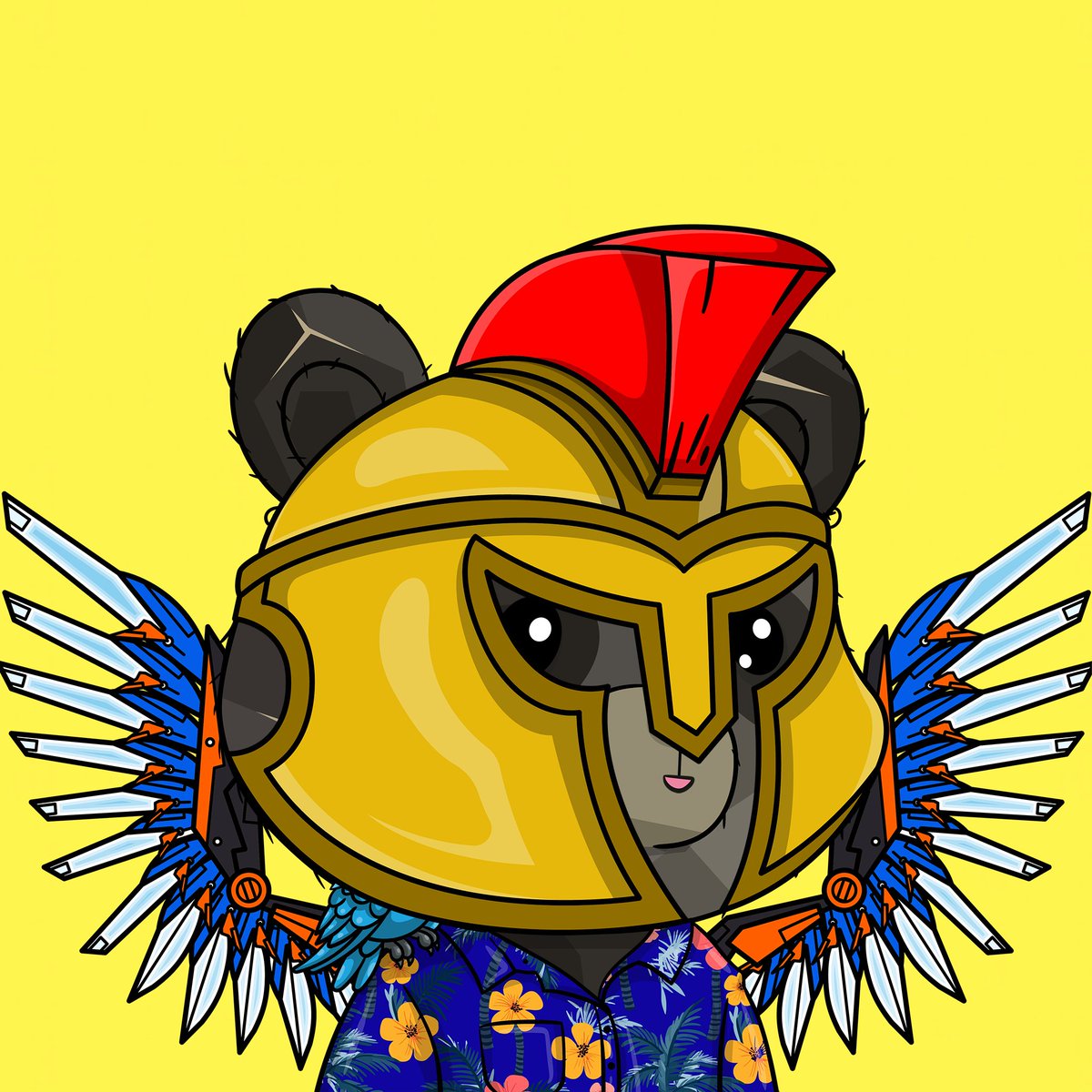
8
5
33
628
Feb 4
Vibravision: Seeing Without Eyes in Utah 👀
In the foothills of Utah's Wasatch Mountains sits a training facility where people learn to do something impossible. Perceive colors without using their eyes.
The Program
Vibravision, headquartered in Ogden, Utah, teaches a practice rooted in a 500-year-old Indonesian martial art called Merpati Putih. Founded by brothers Mike and Nate Zeleznick in the late 1990s, the program trains participants to sense the "vibrational energy" of objects around them, including their colors, while completely blindfolded.
During five-day immersive trainings, students wear special blindfolds that seal out all light. Working with partners, they learn to locate small colored beanbags placed on mats in front of them, navigate obstacle courses, and identify colors, shapes, and even text. All without sight.
The Method
The training combines specific breathing exercises, physical movements from the martial arts tradition, deep meditation, and sensory-expansion techniques. Practitioners claim that colors emit distinct vibrational frequencies that can be detected through the hands and body once the brain is trained to perceive them.
The Claims and the Controversy
Vibravision has attracted both devoted followers and sharp skeptics. In 2000, practitioners attempted the James Randi Million Dollar Challenge and failed under controlled conditions. Yet testimonials from participants describe the experience as transformative, with many reporting they successfully identified colors while blindfolded during training.
Whether the phenomenon represents untapped human potential or something more explainable, the question it raises is compelling. How much of perception lies beyond what we think we know?
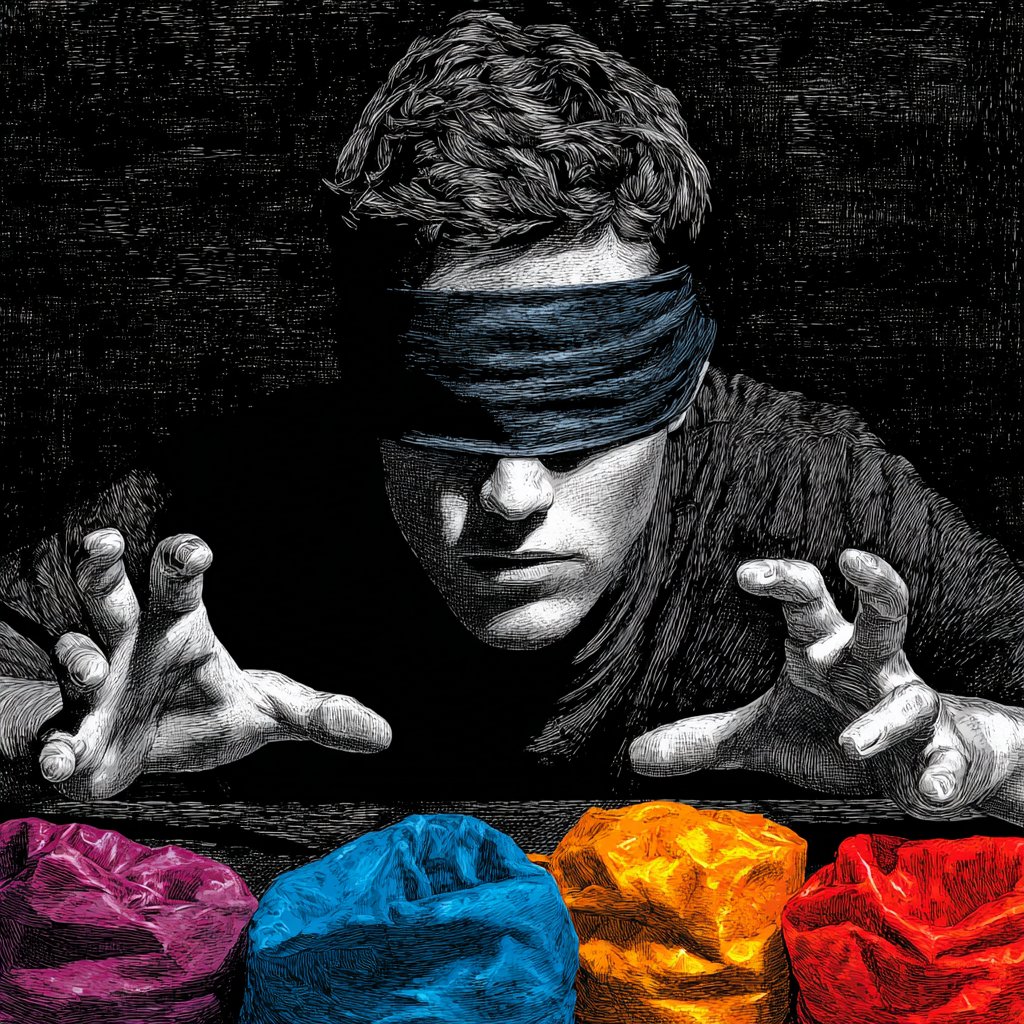
11
213
Jan 26
The Power of Kind Words🪴When Plants Seem to Listen👂
What happens when you speak lovingly to a living thing that cannot understand you? A series of curious experiments suggests the answer may surprise us.
The Experiments
In 2018, IKEA conducted a widely shared demonstration in schools across the United Arab Emirates. Two identical plants received the same water, sunlight, and fertilizer but one heard recordings of compliments while the other was subjected to insults and harsh words. After thirty days, the complimented plant stood healthy and vibrant. The bullied plant had wilted, its leaves drooping and brown.
A decade earlier, Britain's Royal Horticultural Society ran a more controlled study. Ten tomato plants wore tiny headphones playing recorded voices. After one month, plants exposed to human speech outgrew the silent control group. Those listening to female voices grew an inch taller than those hearing male voices. The winning plant? It listened to Sarah Darwin, great-great-granddaughter of Charles Darwin, reading from On the Origin of Species.
Even the television show MythBusters tested the theory, exposing plants to positive speech, negative speech, classical music, death metal, and silence. The silent greenhouse produced the weakest growth. Surprisingly, the death metal plant thrived most of all.
The Science and the Skepticism
Researchers have confirmed that plants respond to vibration and sound waves. South Korean scientists found that sound at conversational volume activates genes related to growth. Yet critics rightly point out that none of these experiments were rigorously controlled scientific studies. Some were marketing campaigns, others entertainment.
Still, the question lingers. Even if plants cannot comprehend our words, do the vibrations of kindness carry some invisible weight? And if they do for plants, what might they do for us?
6
167
Jan 18
Wim Hof - The Ice Man
He has climbed Mount Everest in shorts. Sat immersed in ice for nearly two hours. Ran a marathon in the Namib Desert without water. And according to science, he can do something once thought impossible. Consciously control his own immune system!
Meet Wim Hof, the Dutch athlete who turned breathwork into superhuman feats.
The Method?
The Wim Hof Method rests on three pillars. Cold exposure, commitment, and a specific breathing technique. The breathwork involves 30-40 deep, rapid breaths followed by a full exhale and extended breath hold, sometimes for several minutes. Practitioners repeat this cycle three or four times.
The effect is profound. The technique temporarily alters blood chemistry, increasing oxygen saturation and pH levels while suppressing the body's automatic stress responses. Practitioners report surges of energy, heightened focus, and a remarkable tolerance for extreme cold.
The Science
In 2014, researchers at Radboud University Medical Center injected Wim Hof and trained practitioners with bacterial endotoxins that normally trigger flu-like symptoms. The results stunned the scientific community. Hof's group showed dramatically reduced immune responses, fewer symptoms, and elevated adrenaline levels, all through breathing alone.
The study proved that the autonomic nervous system and immune response, long considered beyond conscious control, could be voluntarily influenced.
His Feats?
Twenty-one Guinness World Records. Ice submersion. Barefoot arctic marathons. Yet Hof insists the real victory isn't spectacle. It's showing ordinary people they possess extraordinary, untapped capacity.

1
3
12
236