
Joined March 2022
- Tweets 1,618
- Following 49
- Followers 225
- Likes 211
772 Photos and videos
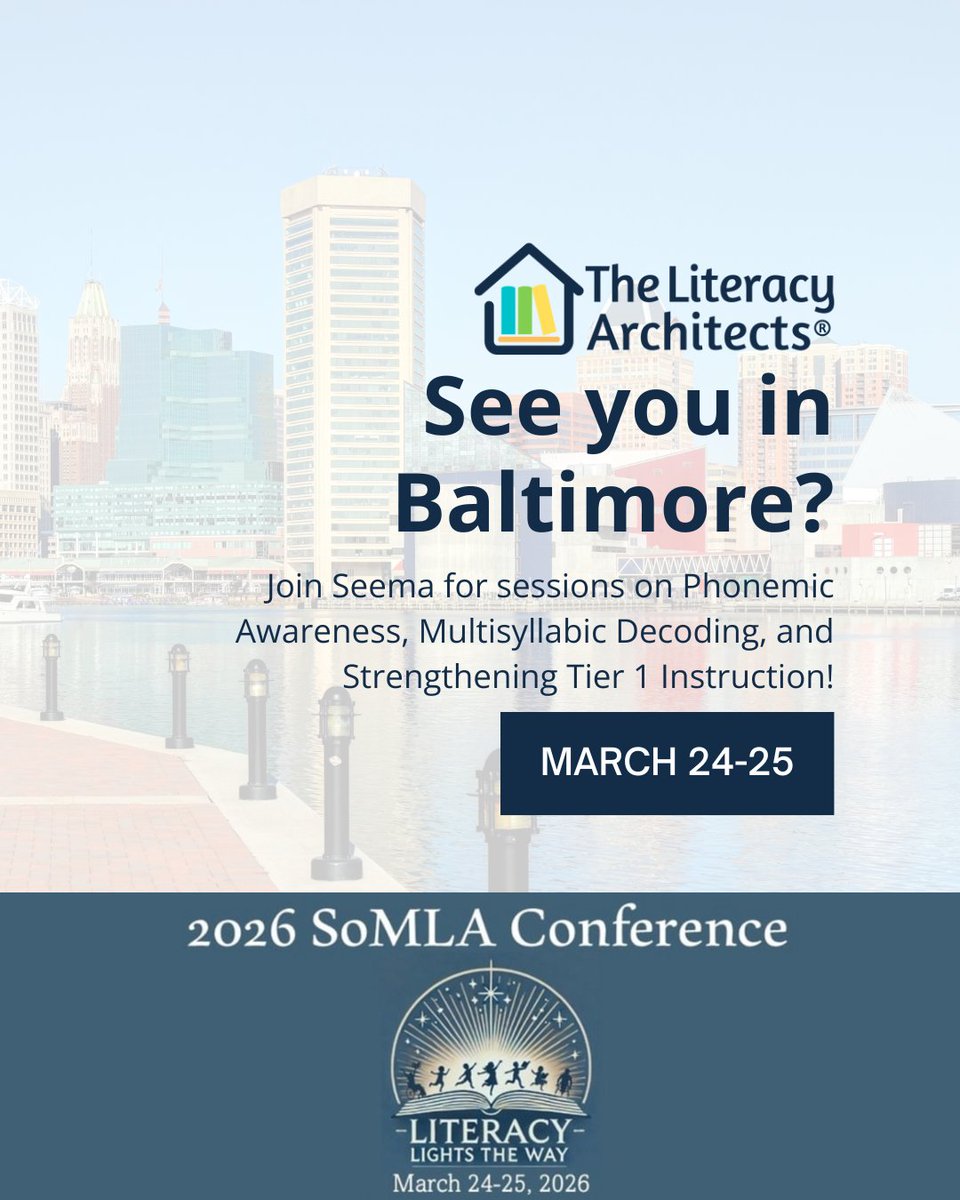





We're counting down the days until the annual State of Maryland Literacy Association Conference! Learn more and register here: bit.ly/4boN9Ci
7
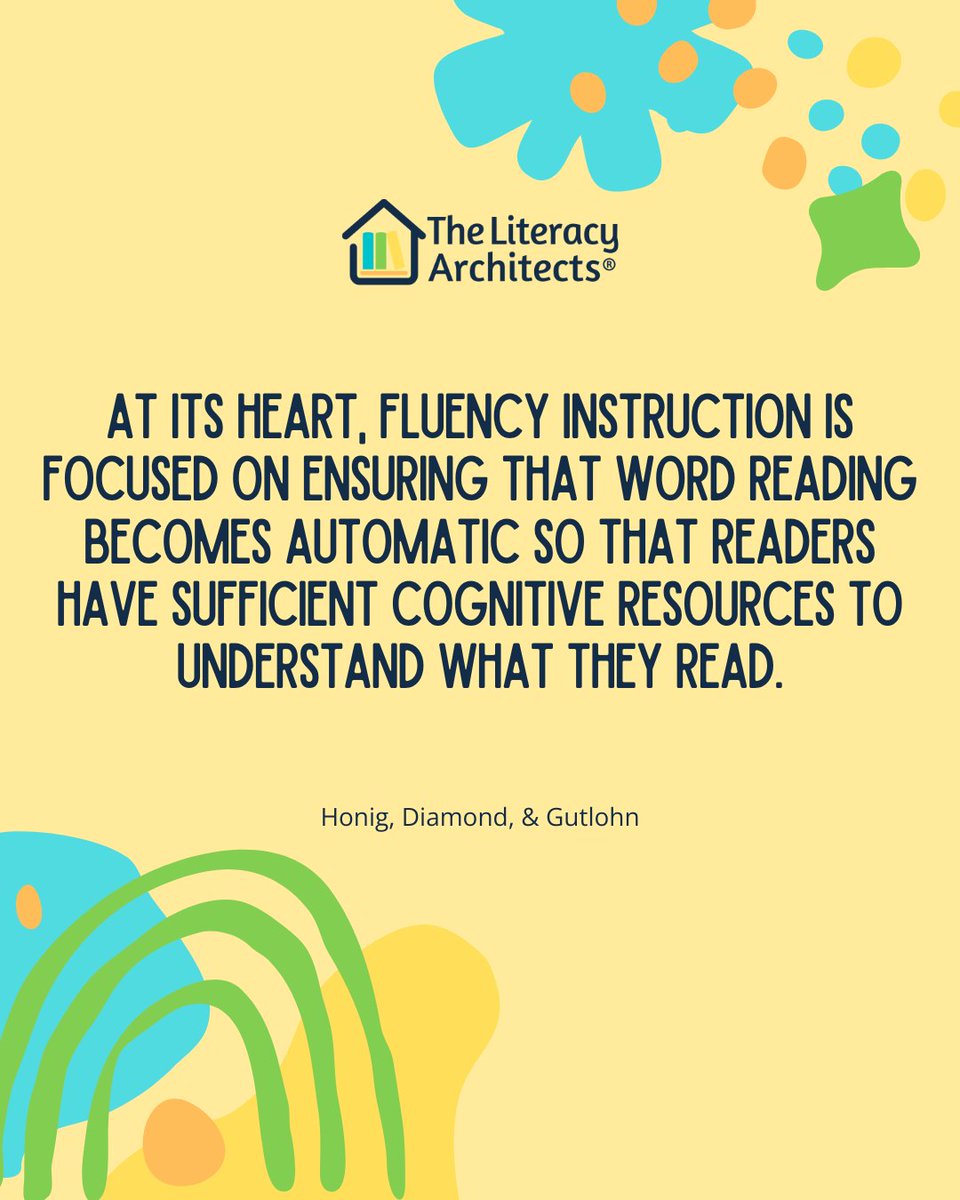
Research shows that practice makes perfect when it comes to fluency, and that explicit feedback and repeated practice can increase awareness of prosody, in addition to overall fluency and comprehension. (Schreiber, 1980 & 1991)
9
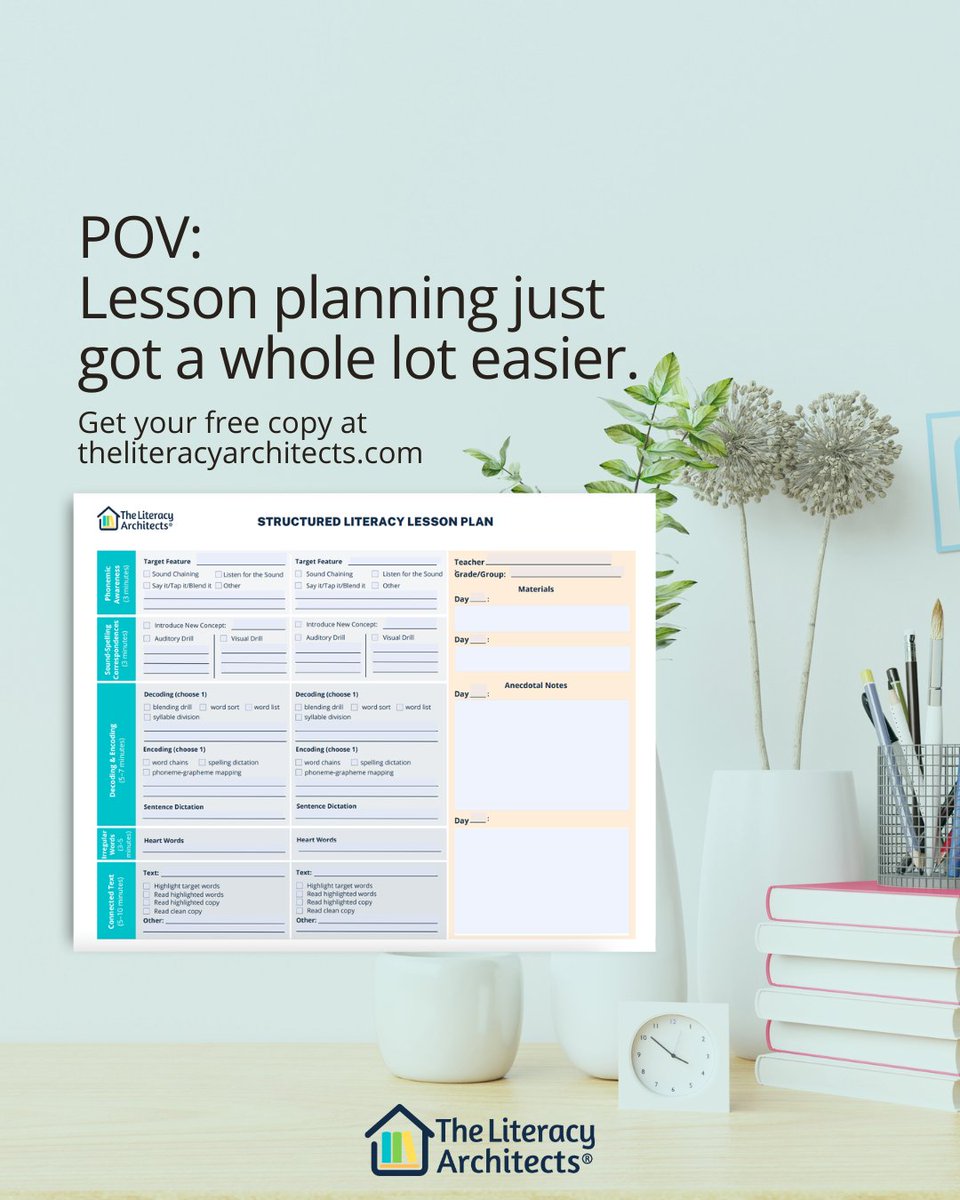
This lesson plan was designed to help you plan and deliver targeted instruction that includes all the components of a structured literacy lesson you need to strengthen the reading brain. 🧠
Download it here: bit.ly/4gqe4gg
13
🎉 Big news! We’re now featured in the #PLPG—a vetted guide from @RivetEducation connecting districts to expert curriculum-based PL partners. Learn what sets us apart: bit.ly/4rZaMa0 #HQIM
6
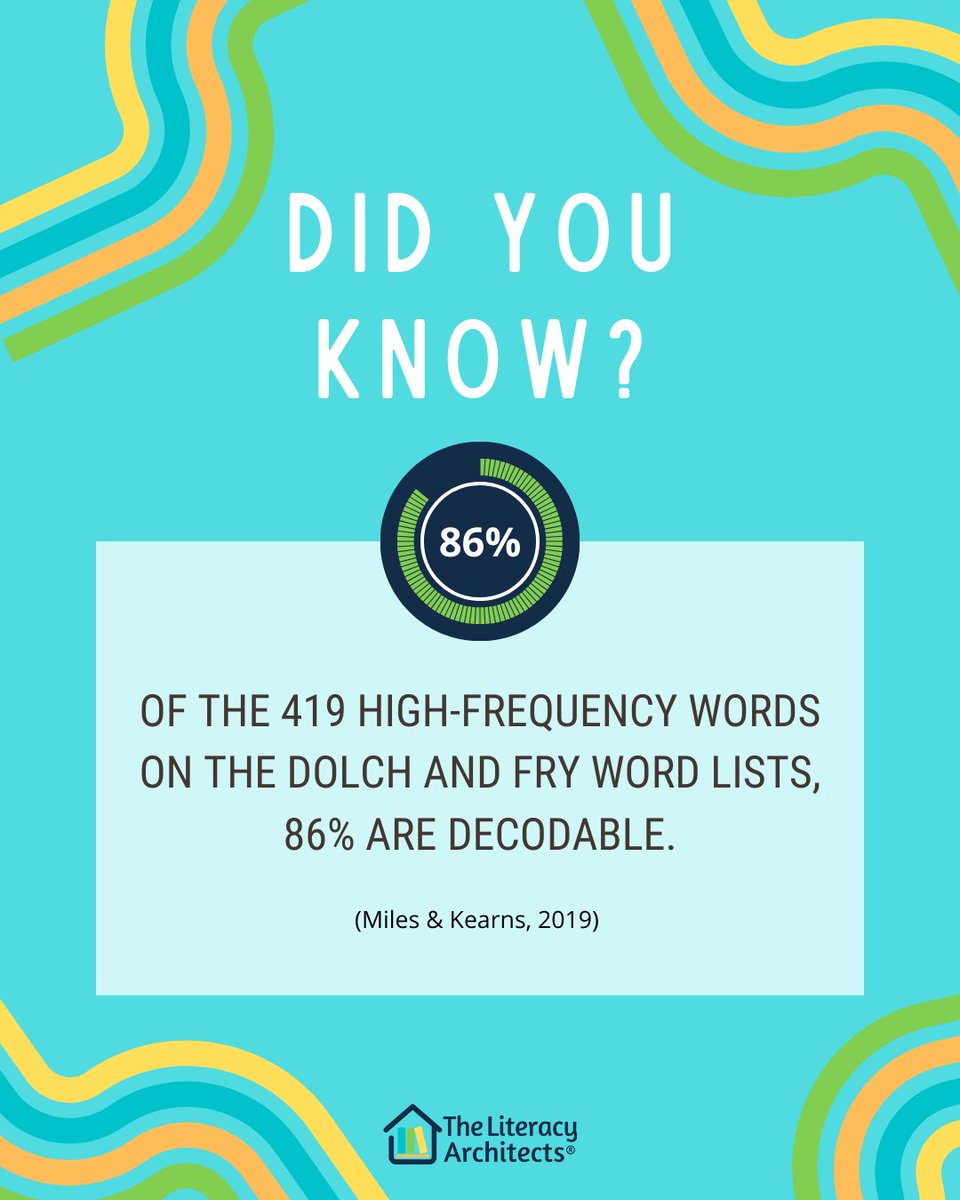
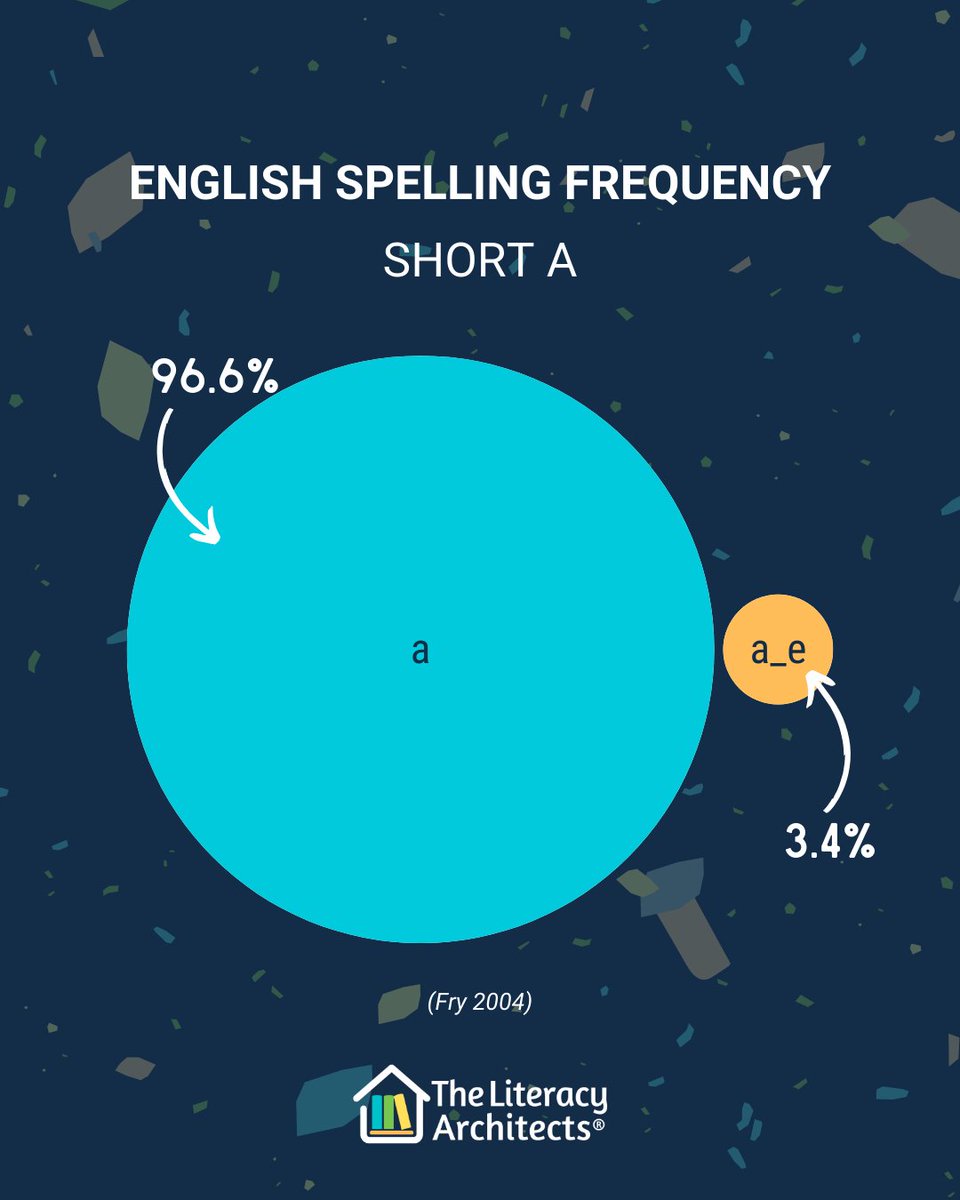
High-frequency words occur most commonly in text, but that doesn't mean they have to be memorized! Decoding & encoding high-frequency words based on their regularly spelled patterns will help students orthographically map these words into long term memory.
11
➡️ 96.6% of the time, short a is spelled A, like in cat. 🐈
➡️ 3.4% of the time, short a is spelled A_E like in dance. 👯
8
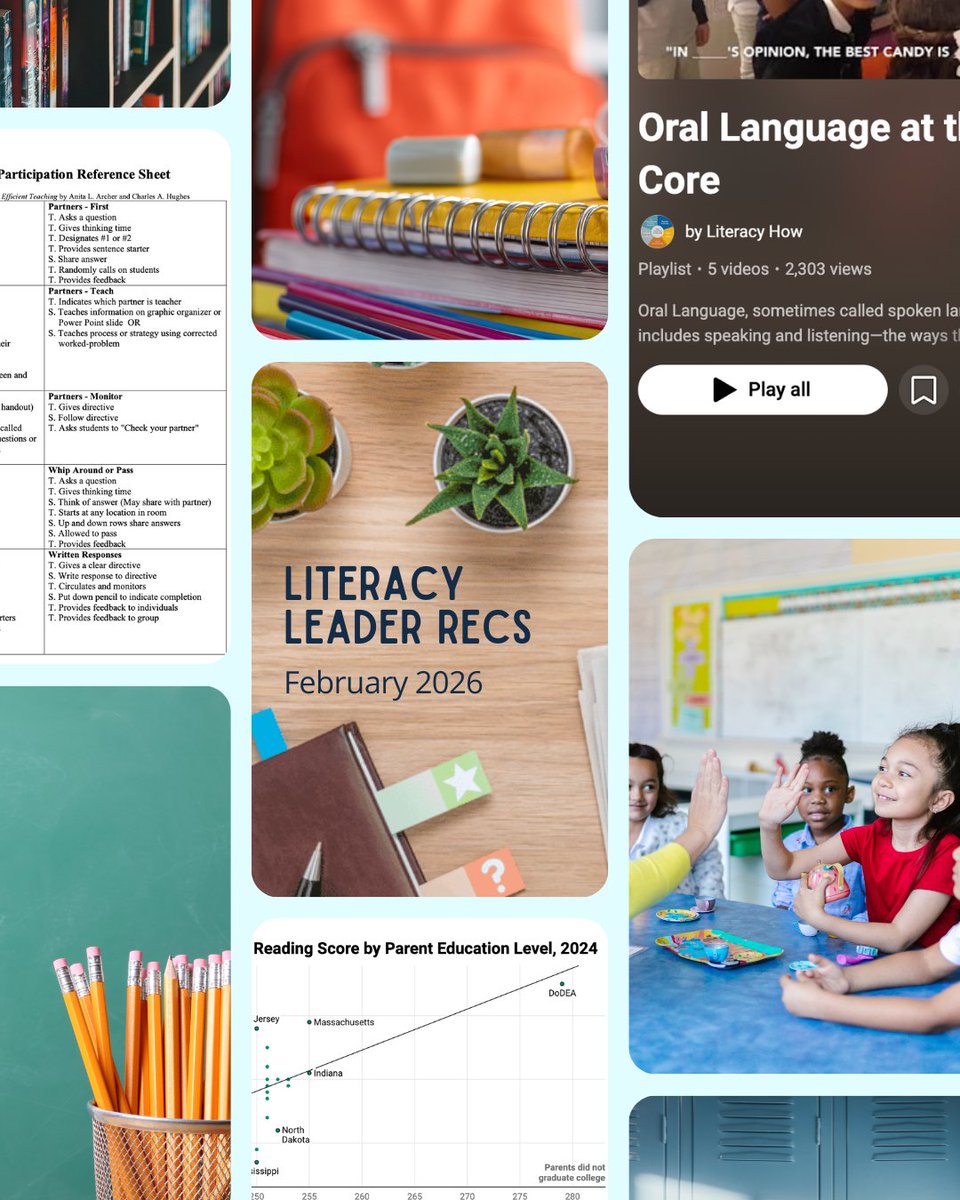
Here are the literacy headlines that caught our attention during the month of February 🧡💚🩵
1/5
1
3
Kentucky lawmakers have advanced House Bill 253, which would ban the use of the three-cueing strategy in classrooms by 2029–30
courier-journal.com/story/ne…
4/5
2
22
Utah’s SB241 proposes a sweeping overhaul of early literacy policy, but researchers caution that the proposal needs to be more supportive of teachers.
moabtimes.com/articles/heres…
5/5
4
Our Higher Education CoP is designed to help you grow no matter your starting place!
Our Summer cohort begins on May 29. Save your spot today: bit.ly/3EpM6Es
7
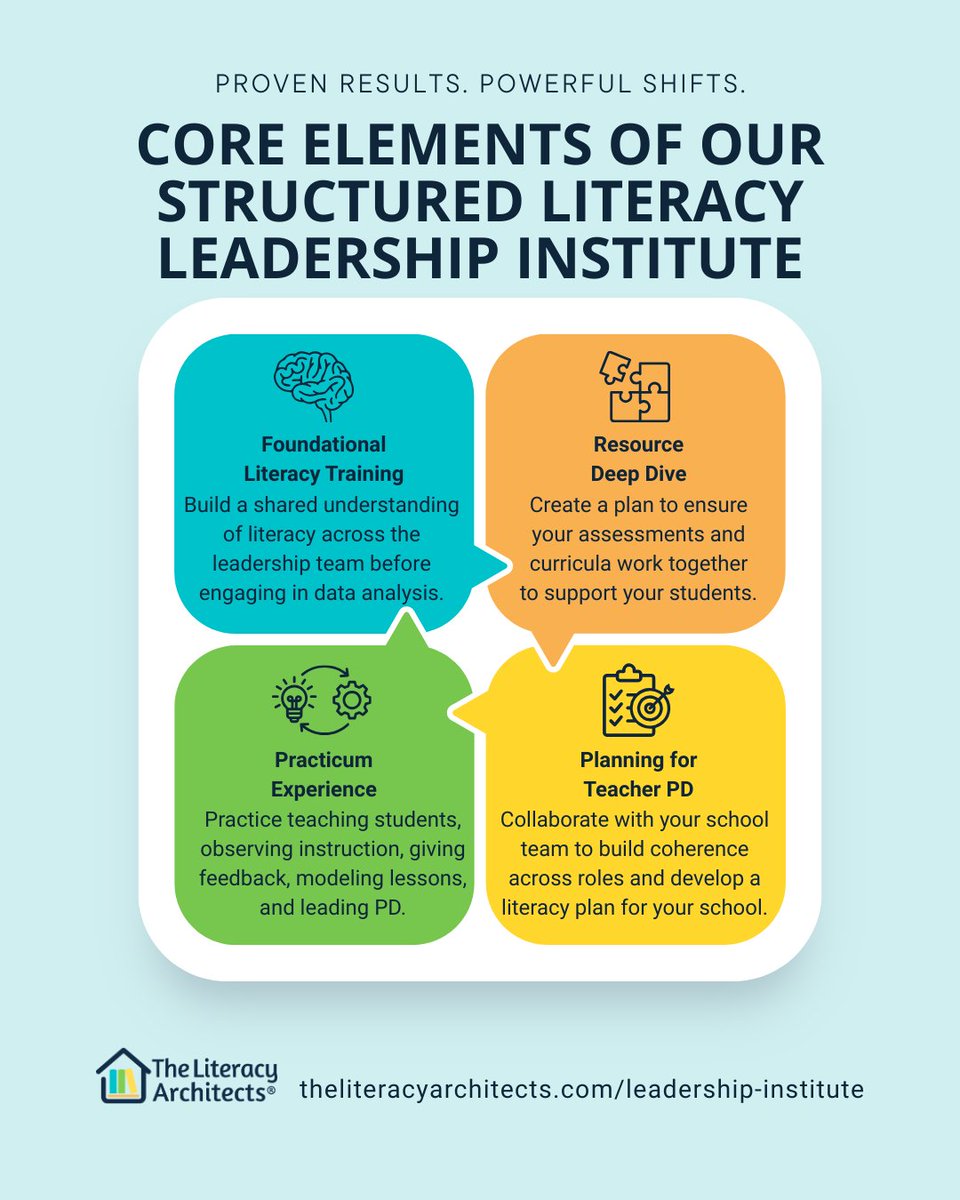
We help leadership teams cut through the noise and lead literacy work with clarity, coherence, and confidence.
Learn more about our Structured Literacy Leadership Institute here: bit.ly/4n8oxRd
4
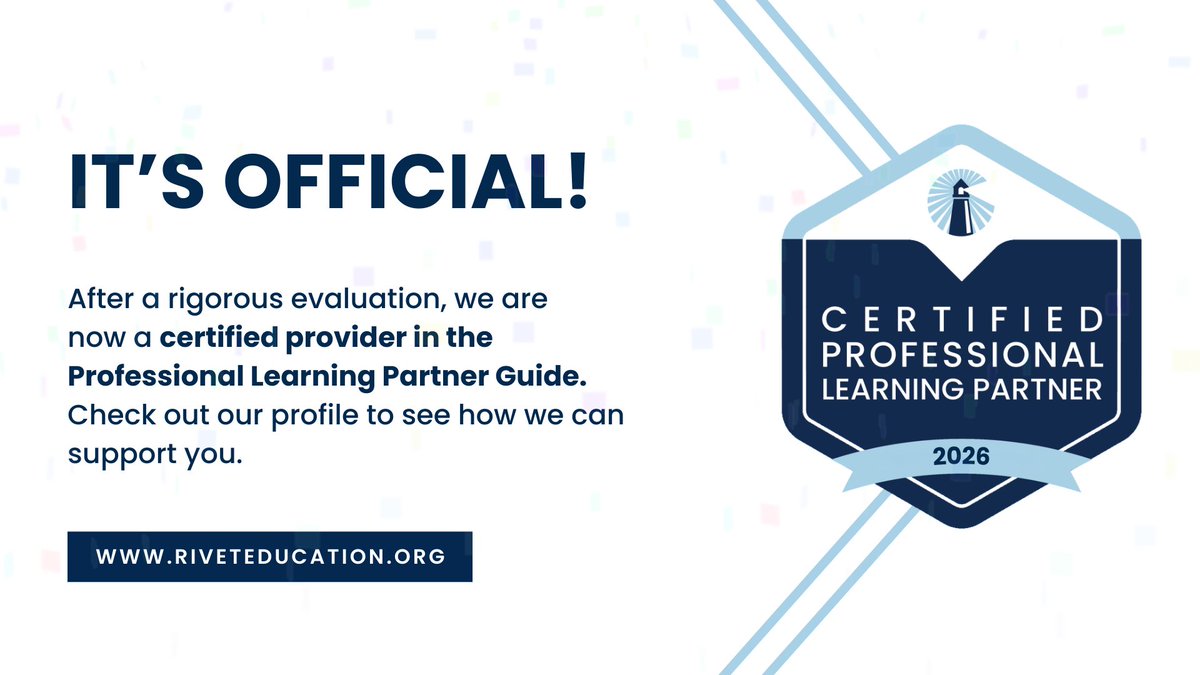
We're officially certified in @RivetEducation’s Professional Learning Partner Guide!
Explore our profile to see how we support HQIM implementation: bit.ly/4rZaMa0
6
By the end of this course, you will be able to:
📌 Pinpoint which reading skills warrant whole class vs. small group instruction
🚩 Flag students who require a diagnostic survey
Plus so much more!
Register here: bit.ly/45BEMQI
10
🫳🏽
⬇️
⬇️
⬇️
⬇️
🎤
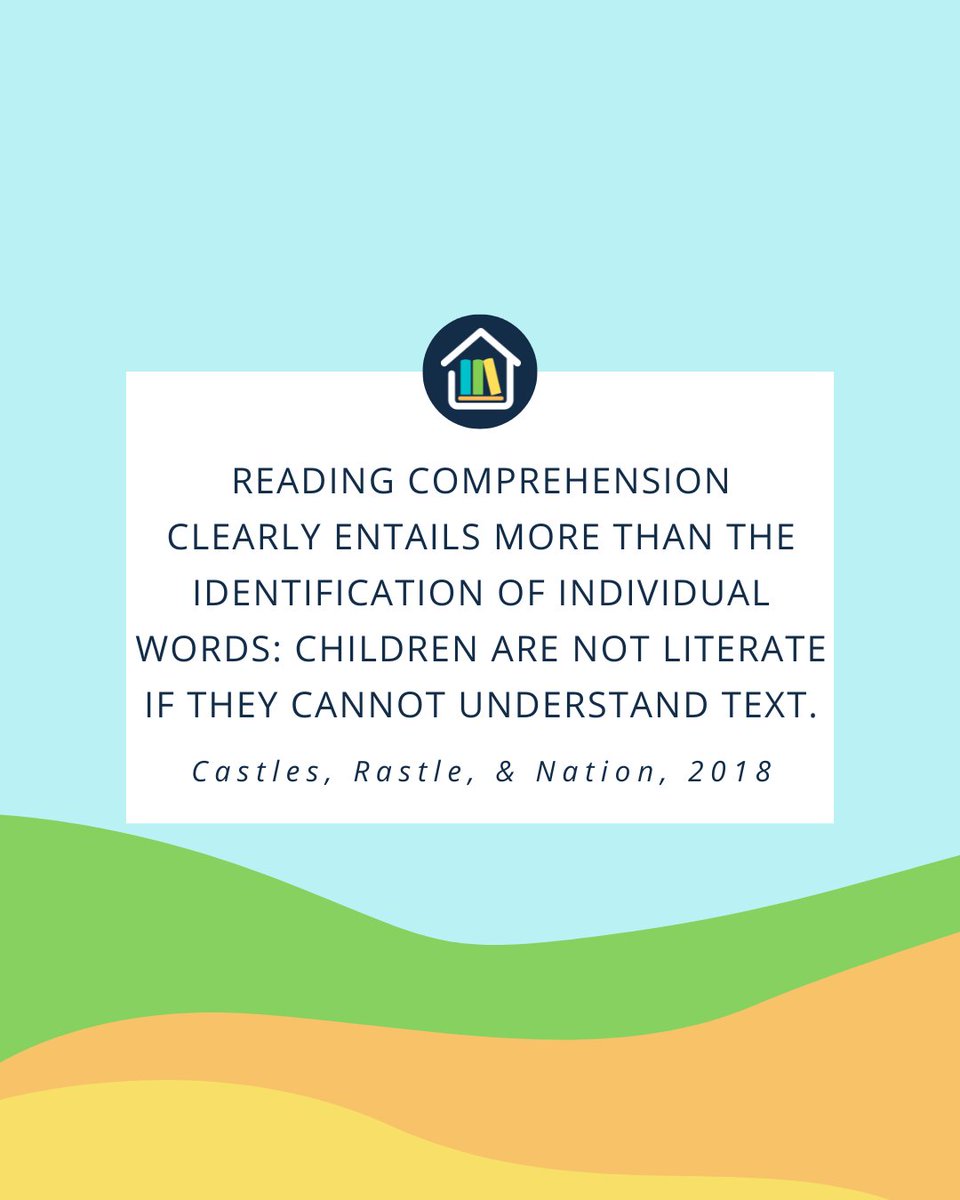
Literacy is more than just decoding instruction!
9
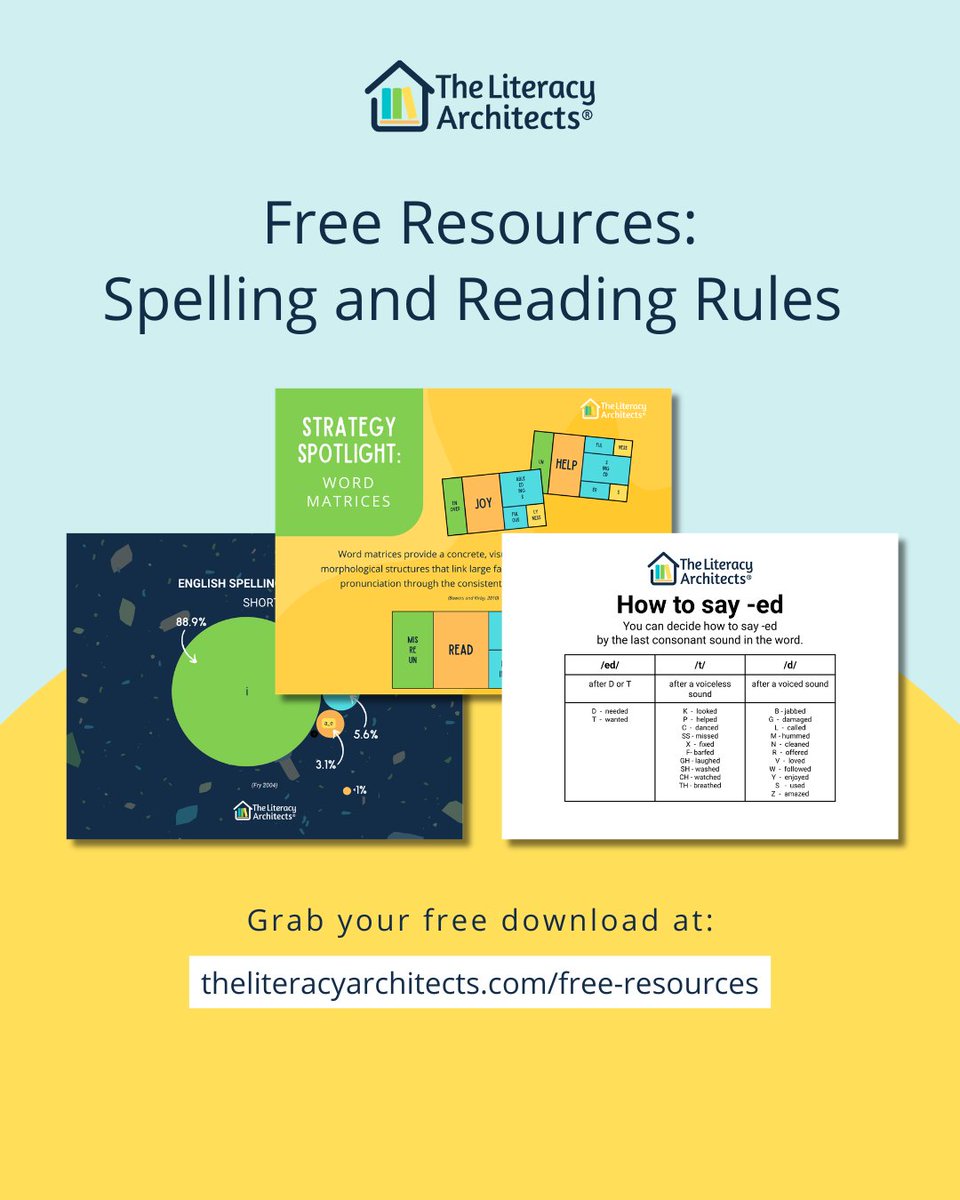
These free resources are the perfect refresher for you and your students on reading and spelling rules. Download them here: bit.ly/4gqe4gg
6
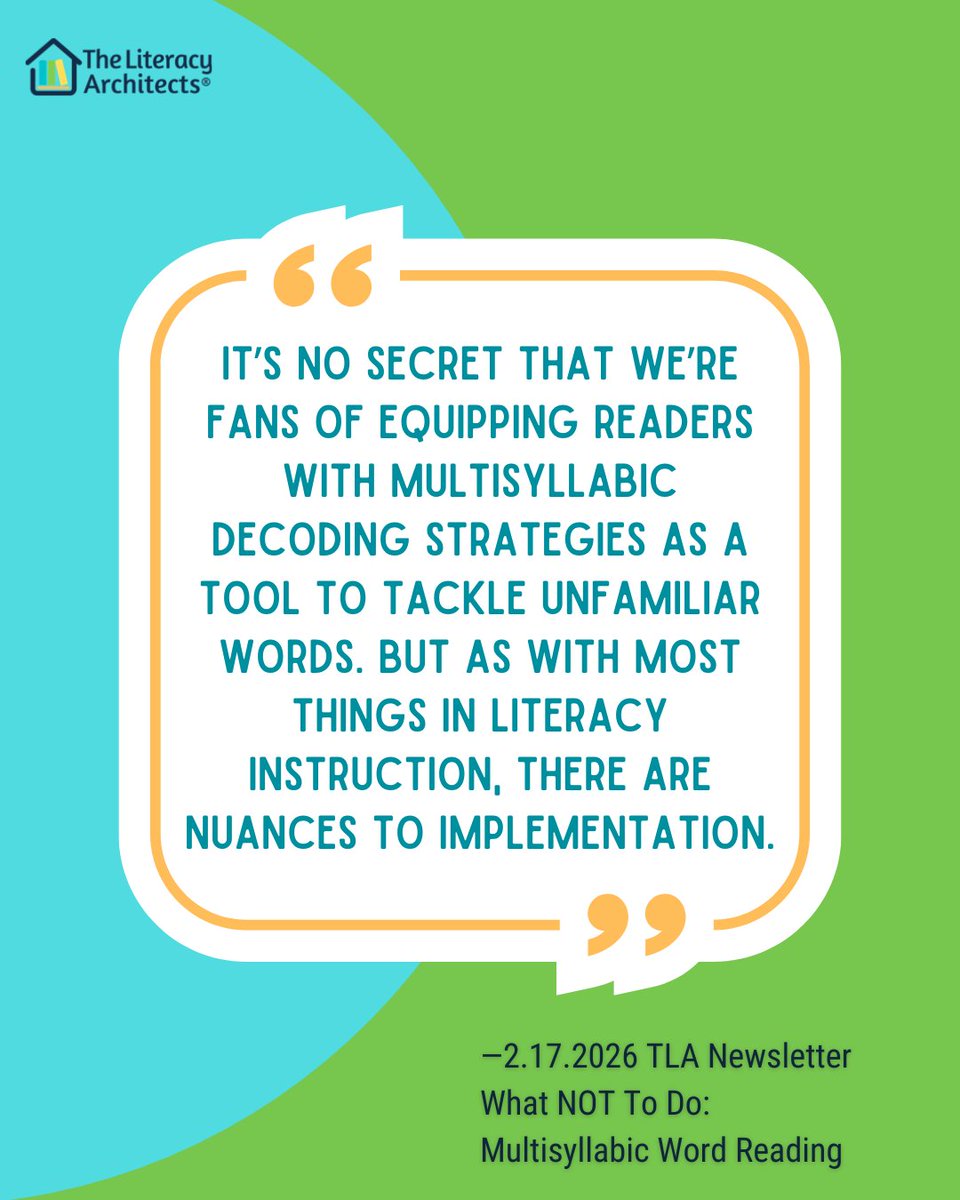
What NOT to do when it comes to multisyllabic word instruction ➕ what to do instead!
Read all about it in this week's newsletter: bit.ly/3sLM0kJ
6
Professors: Save your spot to collaborate, network, and grow with us this summer!
Join the waitlist here: bit.ly/3EpM6Es

9
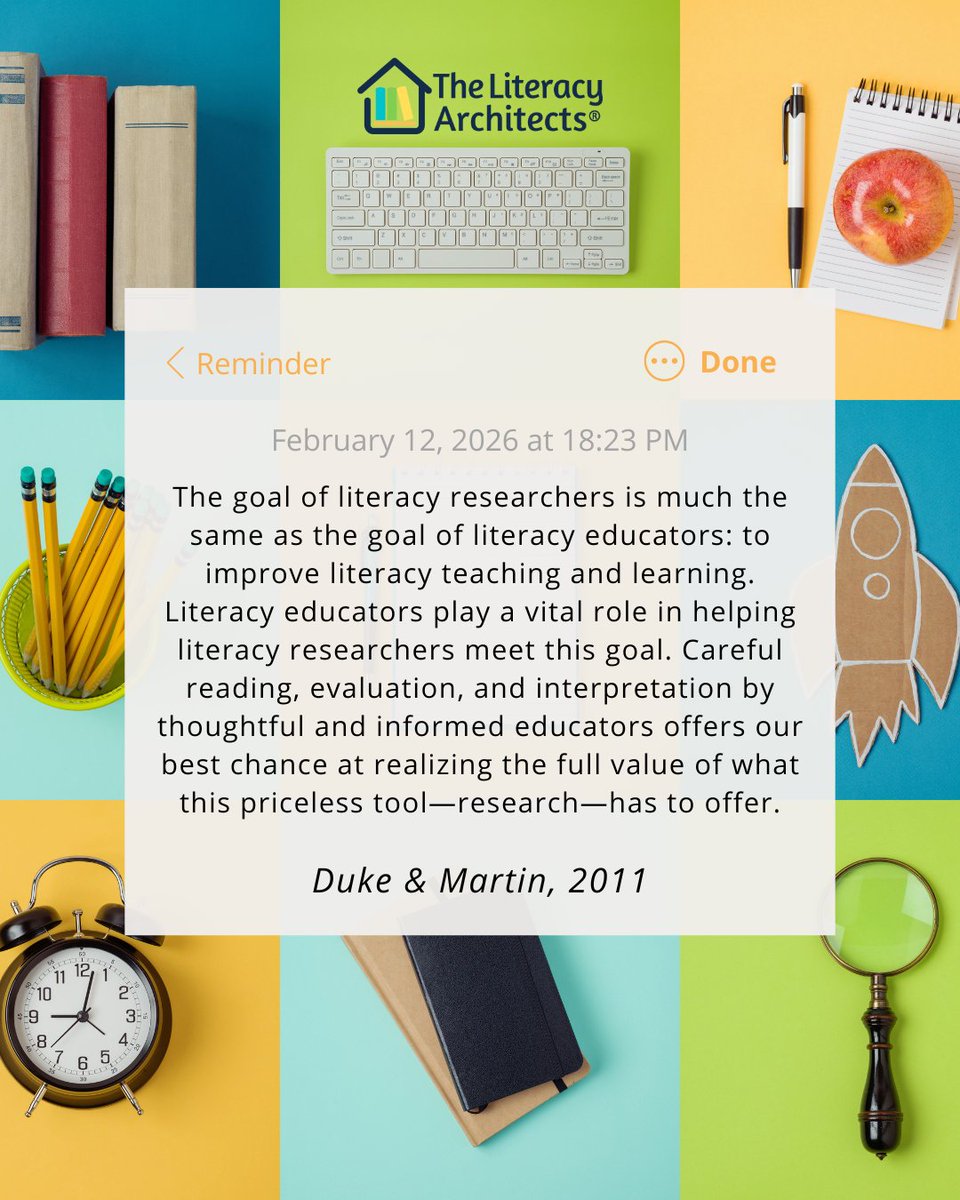
The science of reading is a rich interdisciplinary field. Education professionals and education researchers are both key players to advancing literacy outcomes for all learners.
10