
Human who loves nature, music, trekking and living life happily with other humans. 🤘🏻😎
Joined January 2010
- Tweets 858
- Following 136
- Followers 27
- Likes 678
6 Photos and videos

Akanksha Pandey retweeted

Jun 4
Save the botanical garden in koregaon park Mundhwa by raising your objections.
punesamvad.wordpress.com/202…
8
51
77
1,756
Akanksha Pandey retweeted

Jun 4
🚨 Save *≈1500* Trees 🌳🪚❗
at *Botanical Garden Mundhwa* ☠️
✉️ Send *Objection* Email : punesamvad.wordpress.com/202… ✊🏽
⏰ Deadline: *9 June 2026* (Tuesday) at *6pm*
⚠️ Please Share and Spread... 🙏🏽
Jun 4

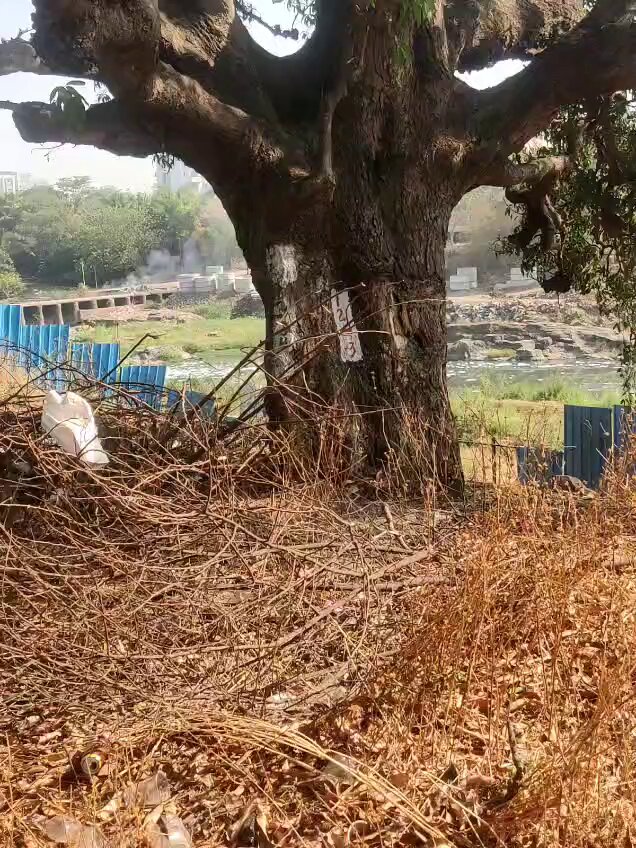
They want to fell 1488 trees at the Botanical Survey of India campus in Pune for a new road. 🌳
Together let’s file an objection to this mindless massacre.
This is a protected botanical garden - a living lab for science, conservation & our vanishing green cover. Not one more old growth tree should fall. Leave the garden alone. Scrap the RFD. (River Front Development).
The points for the riverside objection i.e the current one tap email are as follows :
1. There is no valid tree authority in Pune which needs to have minimum 5 members
2. The supreme court CEC has ordered a stay on riverside tree cutting without their approval/experts report.
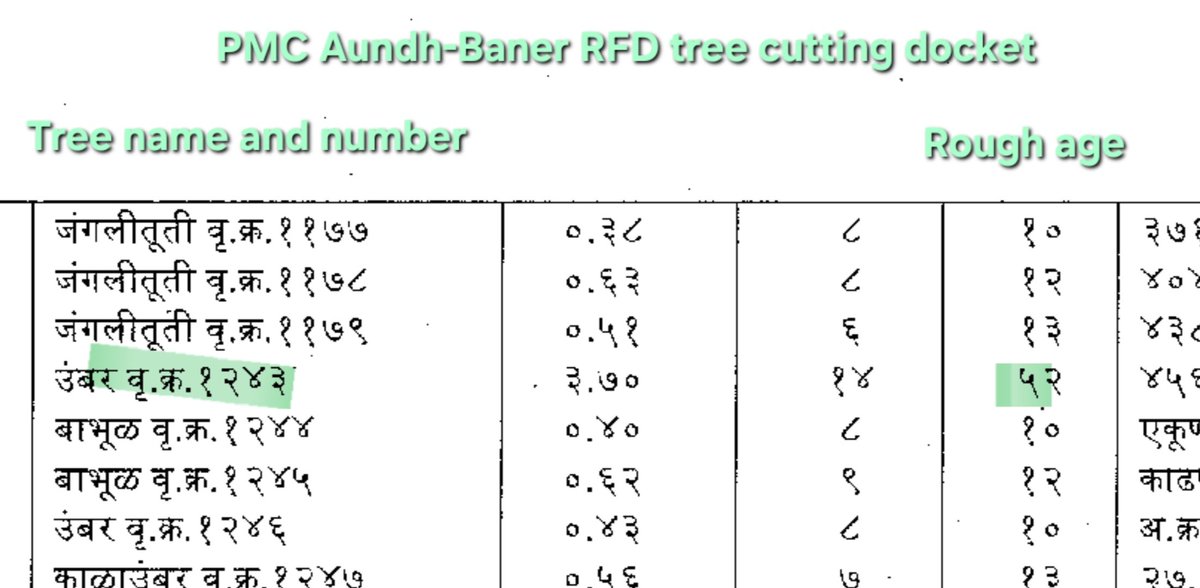
3. The advt published by PMC does not contain meaningful/accurate details about trees to be felled such as the age, species, tree size, gps location, photos, co2 sequestered and future ecosystems services loss.
4. Flood lines have not been remarked since 2011. There was a major flood in Pune in 2019 so flood lines to be considered should be after 2019. NDRF evacuated 88,000 people on our river banks & 27 people died during those flash floods. With this RFD we are looking at similar disasters taking place across Pune yet again.
5. The tree officer has powers to postpone/decline any plans that do not preserve trees. They are choosing not to use their power. They recieve “marching” orders otherwise. Where is their courage ?
6. There is no alternate plan submitted by the applicant “PMC projects department” which would reduce number of trees to be cut. We have been asking for leaving our urban forests alone. Is it too much to ask ?
7. The riparian zone is rich in biodiversity, hence as per the wildlife protection act they cannot proceed until it's shown there are no rare/endangered/critical species there.
We have documented over 125 bird species and 85 spider species along with countless insects and shrub life.
8. The Tree census should have been done in 2026, every 5 years as per law. Nothings been done since 2013 (even after high court ordered it) that’s because with a census each tree gets an identity and a geotagged location or address - once that’s done it’s impossible to kill trees without us knowing they’re gone.
These are just some of the points.
Pune’s already down to 5-6% surface areas as green. Law mandates 33% surface area as green to keep the city climate resilient.
It’s 44 degrees Celsius already when will we wake up to reality and save our trees.
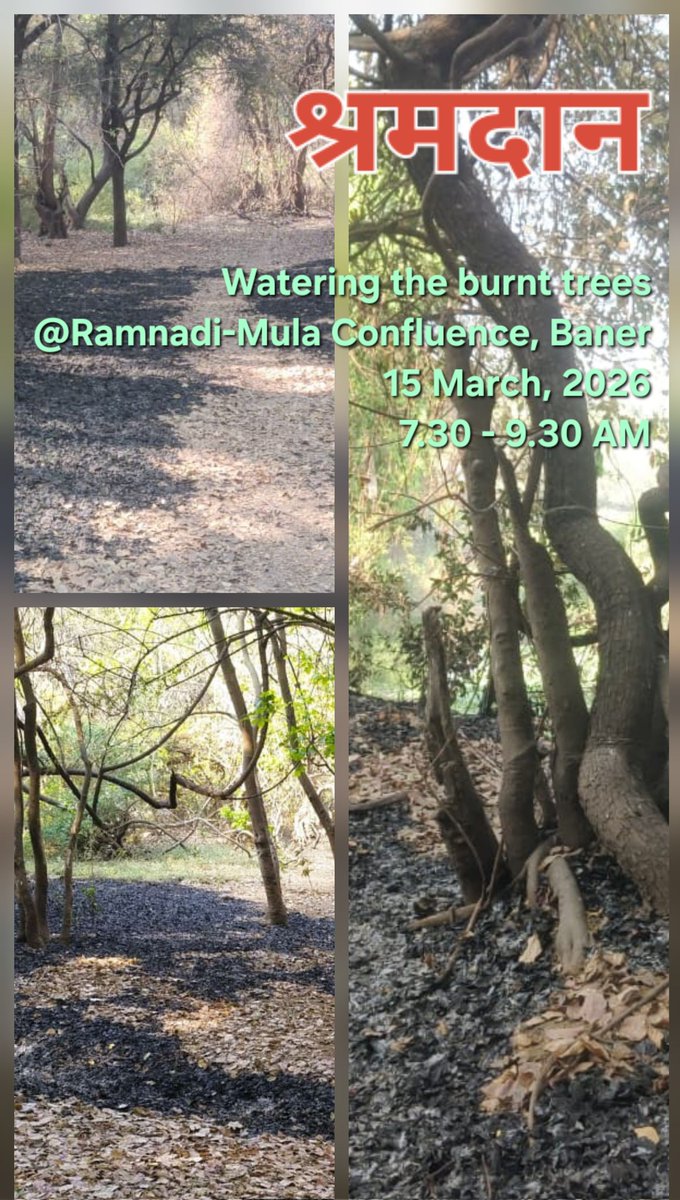
We’ve lost lakhs of canopy trees, our riparian forests are choked with concrete due to RFD. Metro, roads, “development” - all continuous tree felling without real survival of transplants.
Here, Money talks, ecology pays.
We can’t keep sacrificing the last lungs for concrete & debt. Prioritise carrying capacity, not more urban collapse.
Sign the objection letter it’s a one tap email: link given below 👇🏽
punesamvad.wordpress.com/202…
Save BSI Pune. No more chopping.
#SaveBSIPune #PuneTrees
1
2
137
Akanksha Pandey retweeted
May 30
We shall overcome, one day. ✊🌳
If we walk hand in hand, stand united, and keep believing in our cause, change is inevitable.
Together, we are stronger. 💚
#WeShallOvercome #HandInHand #CitizenPower #Unity #TogetherWeCan #SaveOurTrees #Pune #PeoplePower #CommunityFirst #StrongerTogether
6
17
275
Akanksha Pandey retweeted
May 29
"Listen to Rekha Maushi and understand the various steps and efforts citizens have undertaken so far regarding the RFD project." 🎙️📢
#SavePuneHills 🌳
#NoToRFD 🚫
#CitizensForPune ✊
#ProtectOurHills ⛰️
2
17
56
881
Akanksha Pandey retweeted
May 28
🚇 One metro = approx 1000 passengers.
Even with 10-20 trips per hour, capacity is only 10,000–20,000 people.
But Hinjewadi has nearly 5 lakh daily commuters. 🤯
Single-track metro can never handle this load alone.
People are being sold dreams instead of real solutions. 🚧
#Pune #Hinjewadi #PuneMetro #Traffic #Infrastructure #Development #SmartCity #Punekars #UrbanPlanning #MetroReality #HinjewadiTraffic #PublicTransport
99
49
155
106,705
Akanksha Pandey retweeted

Kudos to puneri people who are fighting for saving cities Green cover .. 👏🏼👏🏼
2
4
42
Akanksha Pandey retweeted
May 23
🚨 Maharashtra’s budget is ₹7 lakh crore.
36 districts.
People are not against development.
People are against unplanned construction destroying quality of life. ⚠️🏗️🌳
#Maharashtra #UrbanPlanning #UDCPR #SaveTrees
4
25
96
2,086
Akanksha Pandey retweeted
May 22
The Curious Case of the Invisible Tree Expert
In a city already straining under rapid urbanisation and shrinking green cover, a recent municipal meeting has exposed a troubling paradox at the heart of environmental governance: decisions affecting thousands of trees are being made with the approval of an expert who is, for all practical purposes, invisible.
The meeting held on 19th May 2026 by the Pune Municipal Corporation (PMC) was convened to address growing public concern over rampant tree felling across the city. What emerged, however, was not reassurance—but a deeper institutional opacity that raises serious questions about accountability, legality, and environmental stewardship.
The Invisible Authority
Under the provisions of the Trees Act—formally known as the Urban Trees Protection and Preservation Act—the role of a designated “tree expert” is central to any decision involving the felling of trees. This expert is tasked with evaluating the health, structural integrity, and necessity of removal of trees before any permission is granted.
Crucially, the law mandates that this expert be present at all public hearings concerning tree felling.
Yet, during the course of the meeting, it was revealed that this tree expert has not attended a single one of over 150 public hearings conducted over the past four years. Despite this, approvals bearing the expert’s signature have consistently been made available to the authorities.
This contradiction—absence in person but presence on paper—has turned the role of the tree expert into a symbol of systemic dysfunction.
A Role Revealed by Litigation
Perhaps even more concerning is the fact that the very existence and operational role of this tree expert only came to light after a civil case was filed. For years, decisions affecting thousands of trees were being made without public awareness of the expert oversight supposedly guiding them.
This raises a fundamental question: if oversight exists only in documentation but not in practice, can it be considered oversight at all?
The Disappearing Trees—and Numbers
The meeting also exposed inconsistencies in the PMC’s tree plantation commitments. Authorities had originally provided a written assurance to plant 51,000 trees. This number was later reduced to 41,000.
Of these, the PMC claims that 8,000 saplings have been planted. However, independent verification by citizen groups confirms the existence of only around 800 such trees.
This leaves approximately 33,000 trees unaccounted for—trees that were promised but have yet to materialise since 2024.
Such discrepancies are not merely administrative lapses; they represent a tangible loss in ecological restoration efforts in a city already facing environmental stress.
The Riverfront Impact
Adding to the concern is the ongoing riverfront development project, which, according to surveys conducted by activists and students, has encroached upon nearly 40 percent of the riverbank. This has reportedly resulted in the loss of between 1,15,000 and 1,25,000 trees.
Notably, no expert evaluation or documented opinion from the designated tree expert was presented in relation to this massive ecological impact.
Trees as Public Assets
In India, trees are not merely part of the landscape—they are recognised as public assets. Their value extends far beyond aesthetics. In dense urban environments like Pune, trees:
Reduce air pollution by filtering particulate matter
Lower temperatures through shade and evapotranspiration
Recharge groundwater and prevent soil erosion
Support biodiversity by providing habitats
Improve mental and physical health of residents
The loss of tree cover directly translates into increased heat, poorer air quality, and diminished quality of life.
Custodianship and Responsibility
As the governing civic body, the PMC functions as the custodian of these public assets. This role is not symbolic—it carries legal and ethical obligations these are wilfully and maliciously ignored.
May 21

🚨 51,000 compensatory trees promised.
Only 8,000 claimed planted. 🌳
Where are the remaining 43,000 trees? ❓
If commitments are not fulfilled, why grant further permissions? ⚠️
#SaveTrees #SaveBHS #Pune #EnvironmentalJustice
3
10
18
505
Akanksha Pandey retweeted
May 21
🚨 51,000 compensatory trees promised.
Only 8,000 claimed planted. 🌳
Where are the remaining 43,000 trees? ❓
If commitments are not fulfilled, why grant further permissions? ⚠️
#SaveTrees #SaveBHS #Pune #EnvironmentalJustice
3
19
40
945
Akanksha Pandey retweeted

May 15
Most of them become politicians & ruin the country.
I feel ashamed of your views, My Lord.
Remember, wherever there are Serial Offenders, Serial Defenders are born.
@BDUTT
@bahardutt
@sardesairajdeep
@BhavreenMK
@lifeindia2016
@ameetgsingh
@ShripadManthan
@suchetadalal
@DrVishwam
2
1
9
312
Akanksha Pandey retweeted
May 16
Some of us are proud cockroaches
May 15

Most of them become politicians & ruin the country.
I feel ashamed of your views, My Lord.
Remember, wherever there are Serial Offenders, Serial Defenders are born.
@BDUTT
@bahardutt
@sardesairajdeep
@BhavreenMK
@lifeindia2016
@ameetgsingh
@ShripadManthan
@suchetadalal
@DrVishwam
1
1
2
84
Akanksha Pandey retweeted

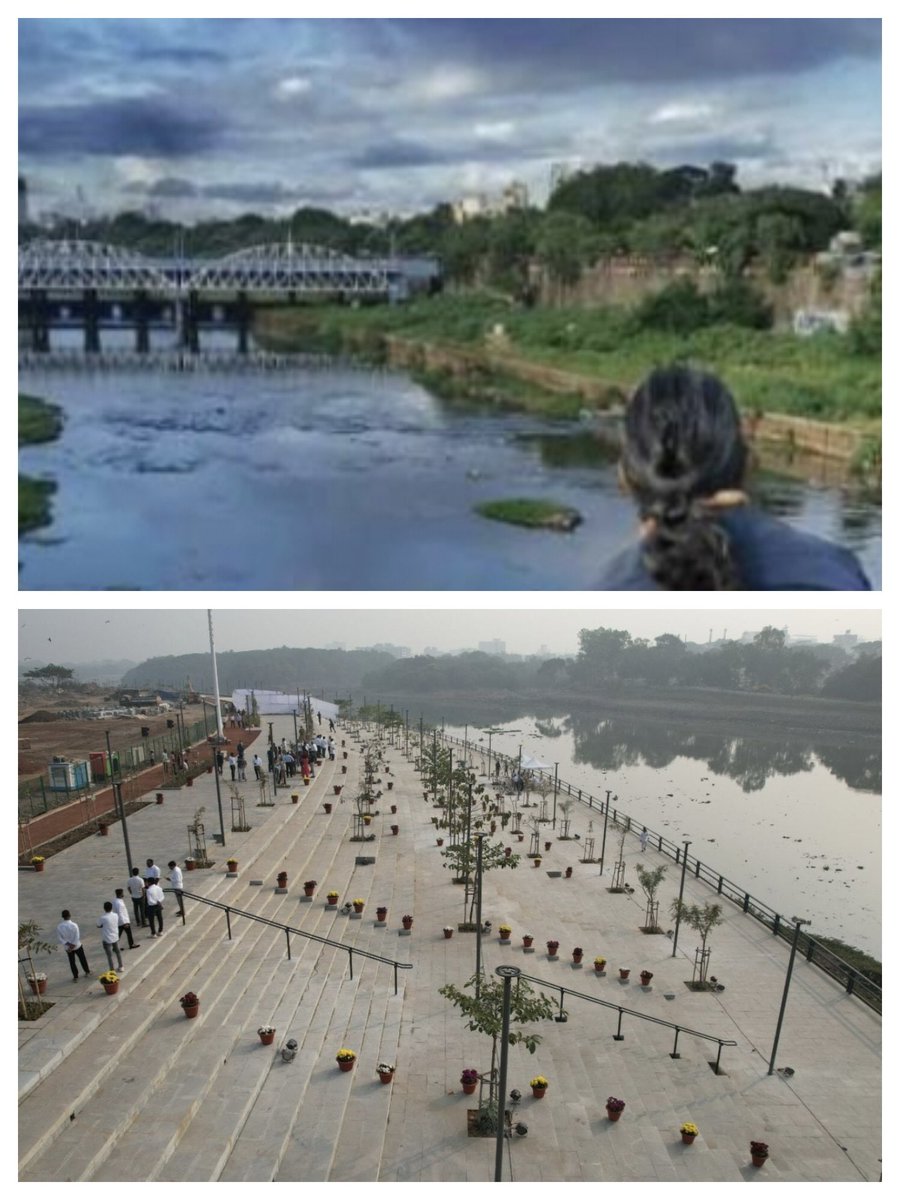
Just accept my challenge..
Try standing for 5 minutes at 1pm in the RFD completed zone, bare feet
.vs
Standing on the non RFD river bank, like near the SMJoshi bridge
2
8
11
257
Akanksha Pandey retweeted
May 15
Balaji Station wasn’t in the original Metro plan — the design was changed later for “ridership.”
If alignments can change for stations, why not to save 2–3 heritage trees? 🌳
#SavePuneTrees #AlternateDesign #GreenPune
2
14
56
1,731
Akanksha Pandey retweeted
May 14
🌳 We are not fighting only for trees. We are fighting for human lives & safer cities. 🌧️⚠️
Ambil Odha floods were a warning — lives were lost because natural drains, hills & green cover were ignored. 🌊💔
#AmbilOdha #PuneFloods #ClimateCrisis #ChaloPMC
#Drrahulsawant
3
9
163
Akanksha Pandey retweeted
May 12
⚖️ Know The Act 🌳
As per the Tree Act, there should be a tree every 10 meters.
Citizens must demand greener, healthier, and sustainable cities. 🌱🚩
5
8
107
Akanksha Pandey retweeted
May 8
False transplantation reports won’t hide the truth.
You can cut trees, manipulate files, and spread lies — but people are watching.
Centuries-old trees are not numbers on paper.
#SaveTrees #StopGreenWashing #Pune #EnvironmentalJustice #chalopmc_punesamwad
2
8
84
Akanksha Pandey retweeted
May 9
⚠️🌍 Pune is growing fast…
More buildings 🏢
More roads 🚧
More concrete 🏗️
But are we prepared for the next seismic event? 💥
Disaster doesn’t arrive with a warning. 🚨
Preparedness is not fear — it’s responsibility. 🙏
#Pune #Earthquake #SeismicAlert #DisasterPreparedness
6
11
386
Akanksha Pandey retweeted
May 1
“Central Govt funded” — that’s what the Tree Officer claimed.
But facts
Not fully central. It’s a 50:50 GoI–GoM project.
And 70–80% funding is debt (incl. EIB & AFD loans).
This debt is repaid by the project → citizens of Pune pay.
That’s why public transport gets costlier.
1
4
10
1,978