
Boutique communications agency for growing business and startups. Experts in #Technology 🤖 #FinancialServices #Fintech #Startups #Banking #Purpose #Impact
Joined May 2017
- Tweets 1,324
- Following 1,725
- Followers 217
- Likes 8,290
120 Photos and videos












LoBelloComms retweeted

May 13
TrueShort, which makes AI vertical films for mobile phones, just raised $12 million from a who's who of Hollywood and tech. bit.ly/4dgtsMQ
2
10
4,908

On Squawk Box, Kalshi CEO Tarek Mansour struggles to answer why a Bad Bunny dancer -- who watched rehearsals -- betting on the Halftime Show predictions markets would not be considered insider trading.
Sports was estimated to be 90% of betting on Kalshi during the NFL season.
149
310
3,382
1,132,568
LoBelloComms retweeted

Feb 5
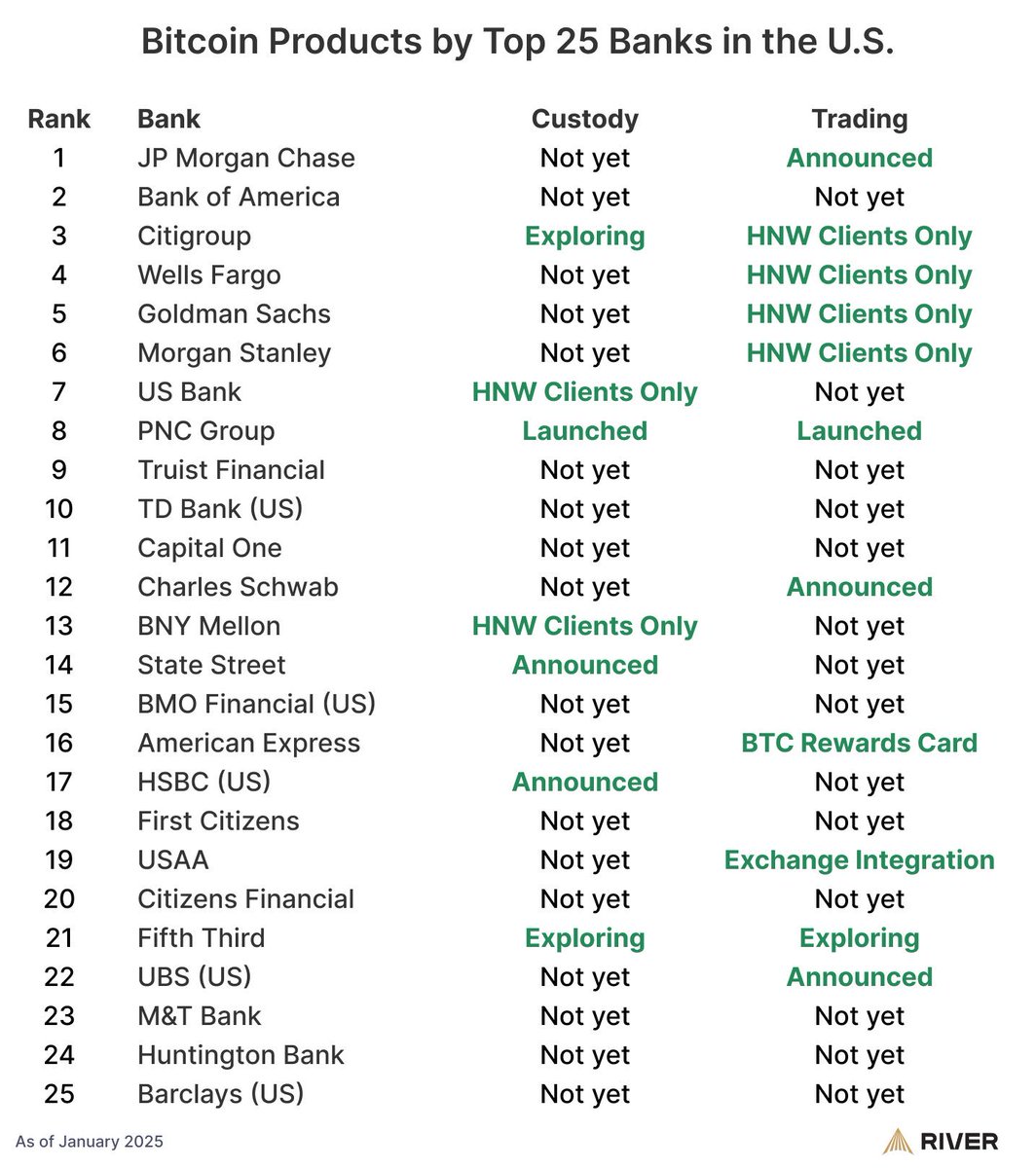
This is what adoption actually looks like
Most top U.S. banks now support Bitcoin in some form
Now, the question is, how do they put it to work?
BitSafe is the answer
2
2
13
797
LoBelloComms retweeted

Jan 22
Capital One acquires Brex for $5 billion wsj.com/finance/banking/capi…
17
44
605
170,003

Jan 19
Huge news: @NYSE develops tokenized securities platform to support 24/7 trading @humanjets theblock.co/post/386123/nyse…
1
15
Jan 7
Big news via @DanielGKuhn - "JPMorgan brings JPM Coin to @CantonNetwork , its second extension after launching on Base" theblock.co/post/384575/jpmo…
17
LoBelloComms retweeted
31 Dec 2025
Bitcoin’s lack of native staking is a design choice
But it left institutions with limited, often unattractive yield options
For years, the only avenues for Bitcoin yield came with uncomfortable trade-offs: centralized lenders with opaque books, structured notes too complex for treasury teams, or zero utilization at all
Today, regulated yield frameworks are replacing those compromises
Institutions can now deploy wrapped BTC into audited, conservative money-market protocols, market-making programs, or collateralized lending pools with clear risk disclosures. These are stable, transparent, and designed for institutional oversight
When a corporate treasurer holds $500M in BTC that has retraced 15%, even a 1–2% regulated yield becomes meaningful. It’s a path to offset losses without increasing risk, a strategy rooted in sound financial stewardship

3
4
43
1,329
LoBelloComms retweeted
19 Dec 2025
Our partnership with @bronwallet is already getting noticed
Check out the coverage to see how we’re enabling seamless BTC-CBTC and CC-CBTC swaps on @CantonNetwork
thestreet.com/crypto/newsroo…
financialtechtimes.com/bitsa…
13
9
75
3,910
LoBelloComms retweeted

15 Dec 2025
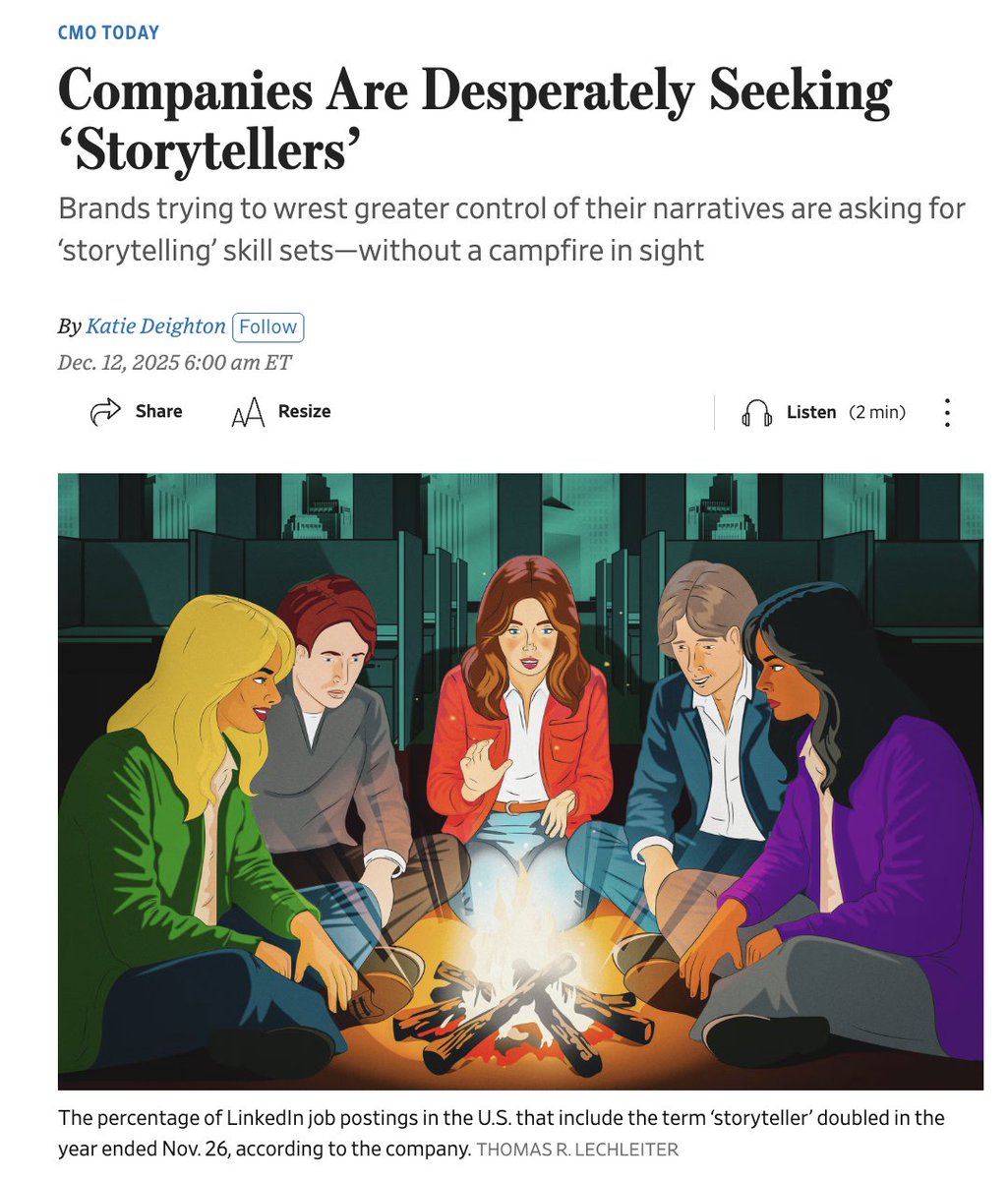
The hot new job at tech companies is leading "storytelling."
The term doubled on LinkedIn job posts in the U.S since last year. The WSJ writes:
"Compliance technology firm Vanta this month began hiring for a head of storytelling, offering a salary of up to $274,000."
"Productivity app Notion recently merged its communications, social media and influencer functions into one 10-person, so-called storytelling team."
"Financial technology brand Chime last month began hiring for a director of corporate editorial and storytelling—its first storyteller opening."
As a former reporter and career-long content/brand leader, I have some thoughts!
These examples point to a shift in internal marketing orgs that reflect a shrinking earned media landscape and an endless, growing number of distribution channels to share and own your narrative, i.e. "going direct."
It's not entirely editorial, or events, or PR, or marketing. It's how all these pieces work together and how they contribute to the bigger picture - your story!
I joke with my reporter friends that they are infinitely hireable if they ever left journalism. Why? Because we are trained to ask: "So what? Why should readers care? What does it mean for them?" To me, that's a big nuance in this conversation. Because...
*Storytelling is a human act and it's a service.*
Super interested to watch what happens here. Are you long/short on this role?
446
841
6,991
1,807,101
LoBelloComms retweeted
28 Nov 2025
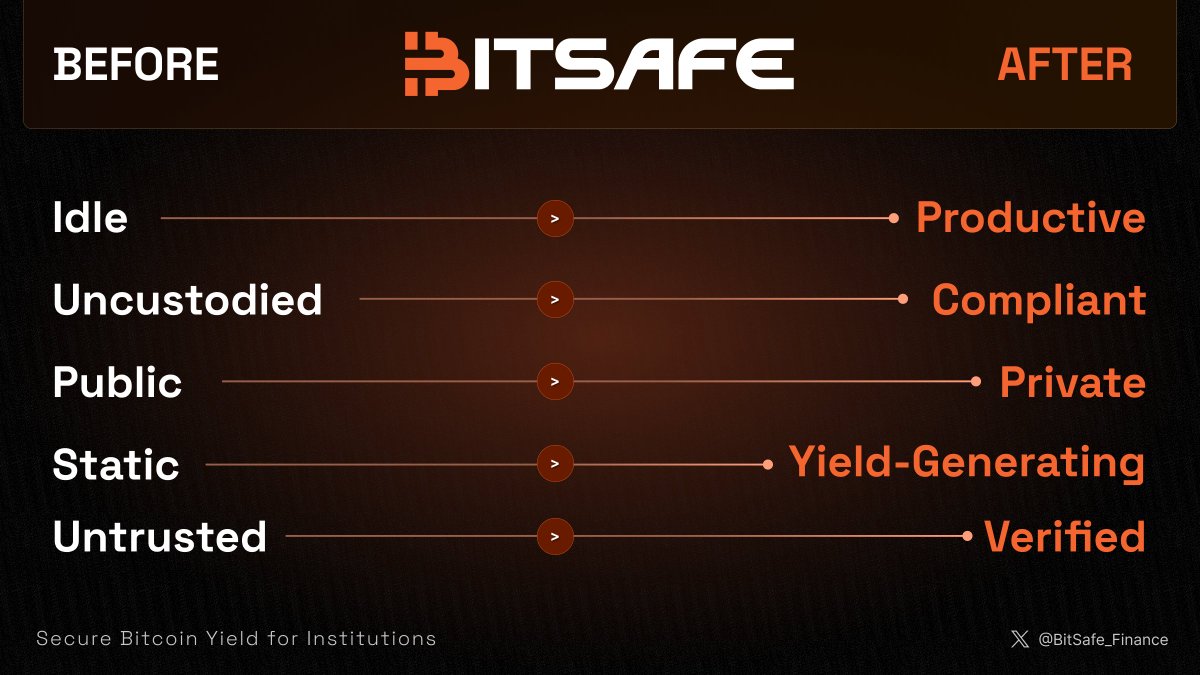
Institutions hold trillions in Bitcoin, but most of it sits idle.
BitSafe turns passive BTC into productive capital.
✅ 1:1 wrapped CBTC on Canton
🔒 Privacy-enabled settlement
⚙️ Institutional custody options
This isn’t DeFi hype. It’s compliant Bitcoin yield.
Explore how: bitsafe.finance
4
2
7
854
28 Nov 2025
@usbank could become the first major institution to issue a stablecoin… americanbanker.com/payments/…
28

前几日 Chris @ViewsOfChris 问的BTCFi的收益来源的问题。
在比特币生态中原来的DLC团队推出的IBTC,虽然一直看好,但随着生态的转冷也有一点不温不火。
团队随后在 @CantonNetwork 上推出了 $CBTC,解决了几个核心的问题:1,对象转为机构持有的比特币; 2,实行许可制度需要做KYB;最重要的是,利用canton network精心设计的动态 tokenomics,BTC生息的收益来源:每一个CBTC的铸造,交易,转账,销毁都将产生 $CC 的收益。而 $CC 这棵大树显然有成长为森林的趋势。
近期 @BitSafe_Finance 团队在做的活动推广,其利润来源也来自于此。作为现今canton上面的几个明星项目,这次 @AkiBalogh 要起飞to da moon了 🌝 .

8
2
23
6,158

A relief rally swept across global markets and lifted stocks in trading in Asia as investors cheered Nvidia's market-topping earnings reut.rs/488Ugw2
8
5
15
35,672
LoBelloComms retweeted
18 Nov 2025
🚀 CBTC Incentives Update!
The airdrop is officially live → you can expect to receive your CBTC in the next few days.
We’re also opening the CBTC Incentives Program to ALL wallets starting today.
Once your airdrop lands:
💸 Send 100 CBTC sats to a friend
💰 Earn 1,000 sats per send
Keep the momentum going and connect with other BitSafe users in our Telegram community to find people to send to:
👉 Join the chat: t.me/BitSafeFinance
25
10
58
5,857
LoBelloComms retweeted
17 Nov 2025
We’re excited to partner with @cantor8, creators of the @C8Wallet 🤝
Together, we’re bringing new ways to earn sats and $CC. All while getting involved in the @CantonNetwork ecosystem.
18
14
82
4,833
14 Nov 2025
“…the pipeline on the office side I’ve never seen my whole career, never seen it as strong as it is right now in tenant demand.”
#nyc #cre #wallstreet @CNBC cnbc.com/2025/11/14/new-york…
1
32
LoBelloComms retweeted

13 Nov 2025
🎥 Inside Innovation | Satisfi Labs
In live entertainment, milliseconds matter—and @SatisfiLabs is helping venues move smarter with real-time, agentic AI.
From guest services to ticketing, their tech powers seamless fan experiences at scale.
🔗 youtu.be/Vl8Z_e72reg
1
3
128