
Joined May 2011
- Tweets 20,373
- Following 738
- Followers 3,290
- Likes 49,706
3,539 Photos and videos
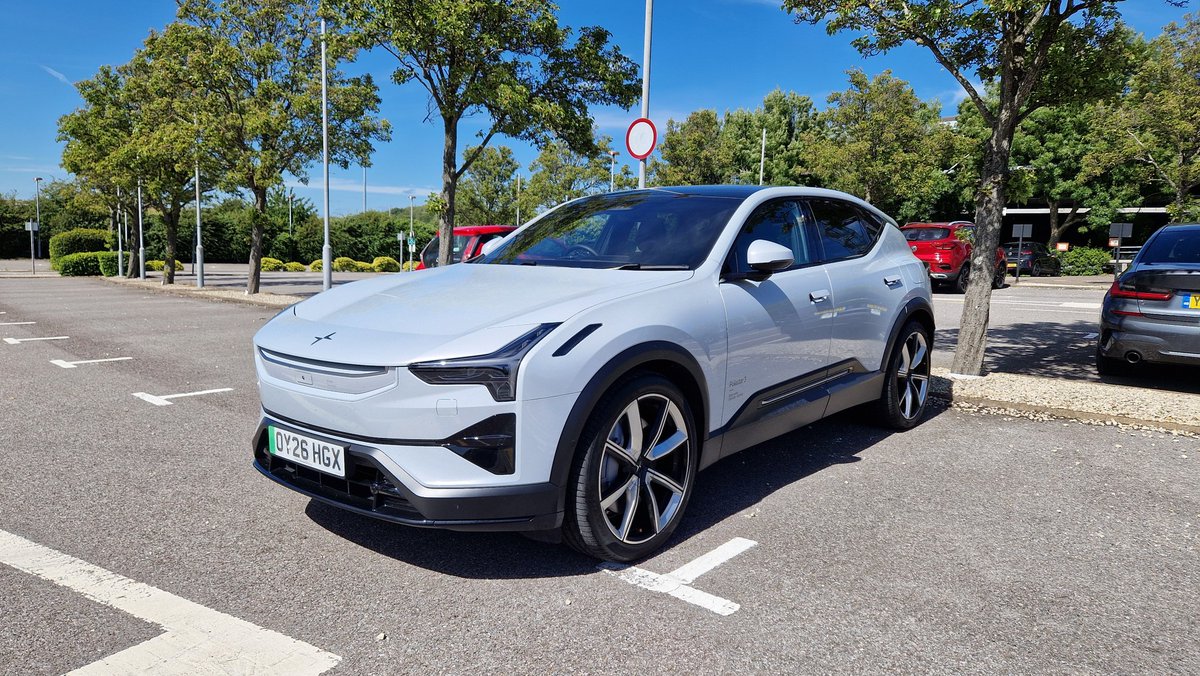
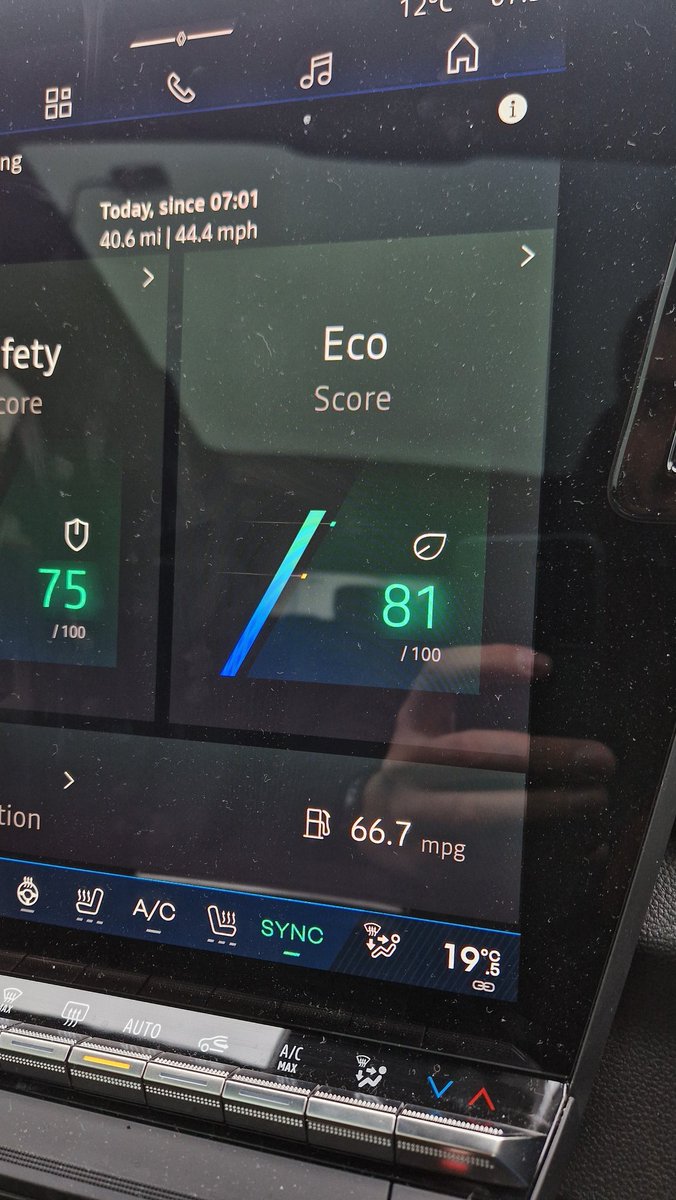

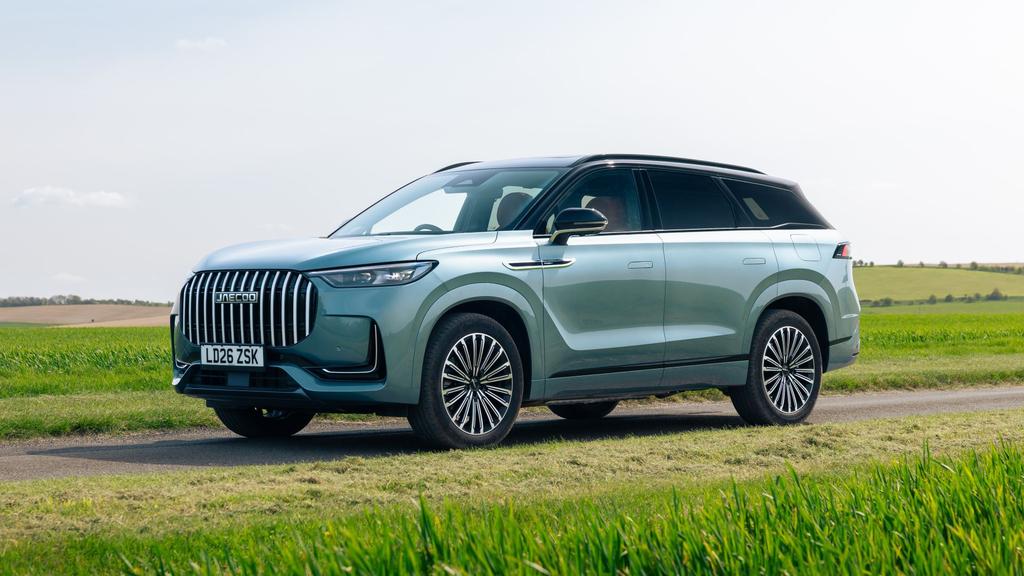
Sorry I'm in angry luddite mode but got apocalyptically cross dropping this Polestar 3 at the office today.
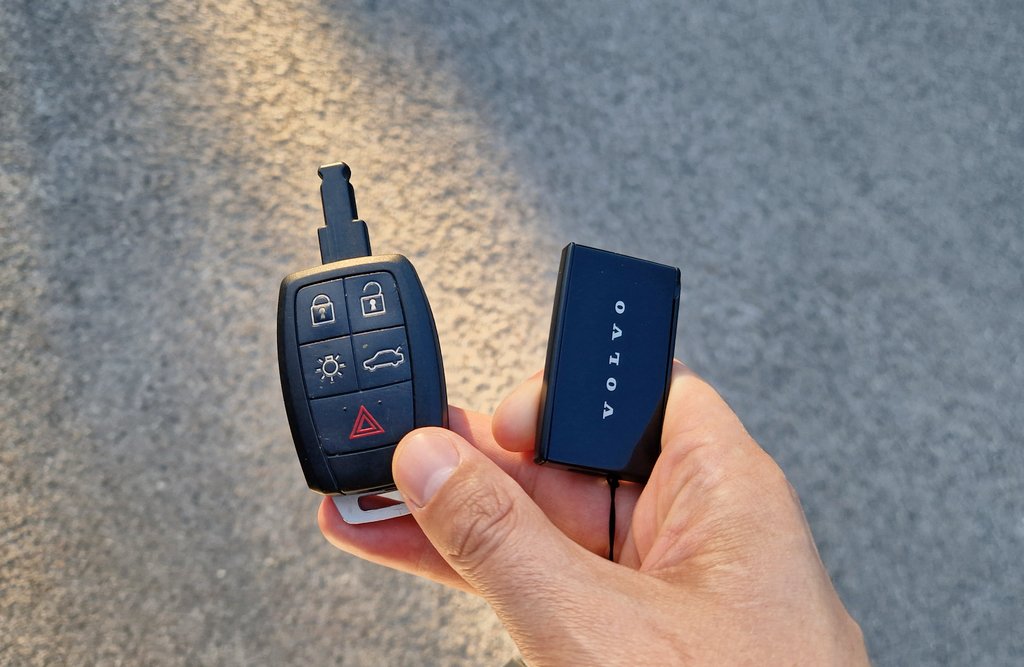
Keyfob battery is dead and won't charge on the wireless pad for some reason. I also have a key card which simply refused to lock or unlock the car for about 15 minutes.
5
10
2,189
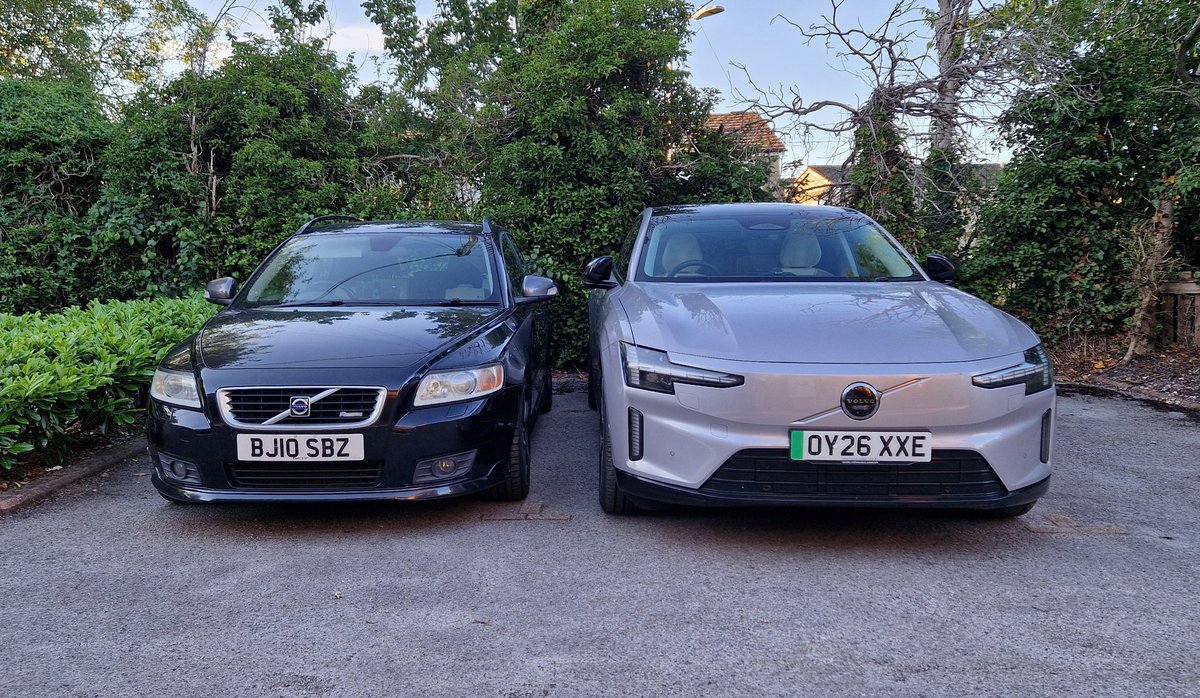
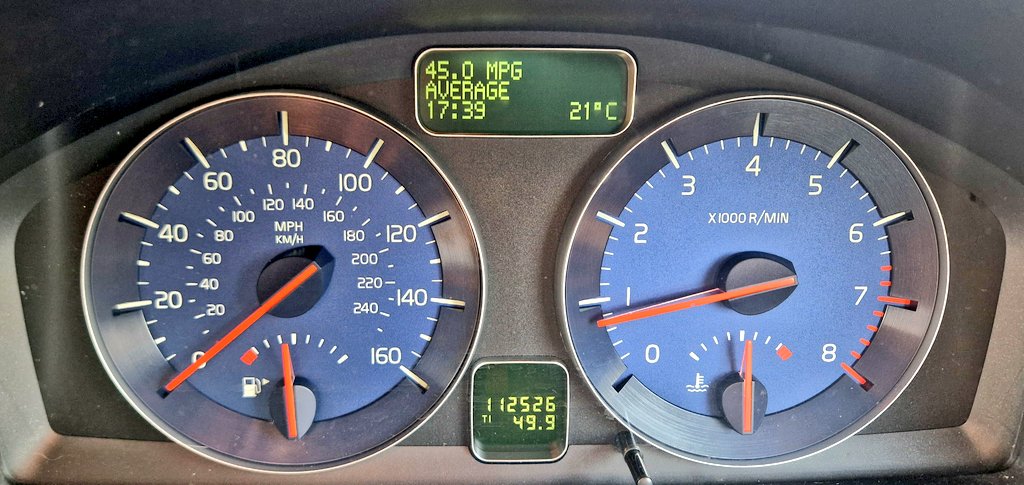
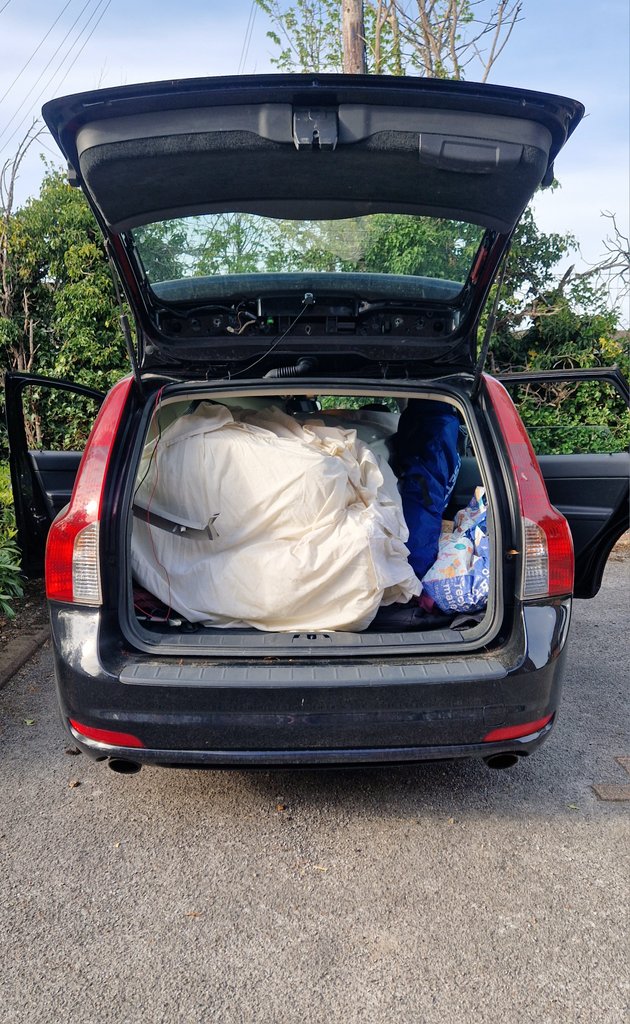
I'm not going to pretend my old V50 is somehow nicer to drive or better than the ES90. It just isn't. But it is:
- 17cm narrower
- 1150kg lighter (!)
- has a key with buttons that always works
- makes inline-five turbo noises
45
23
1,281
145,297

Jun 9
Change of heart: should have bought this for Lucy and I to smoke about in. £4k spent on the top end and other bits in Spain 2yrs ago.
May 31

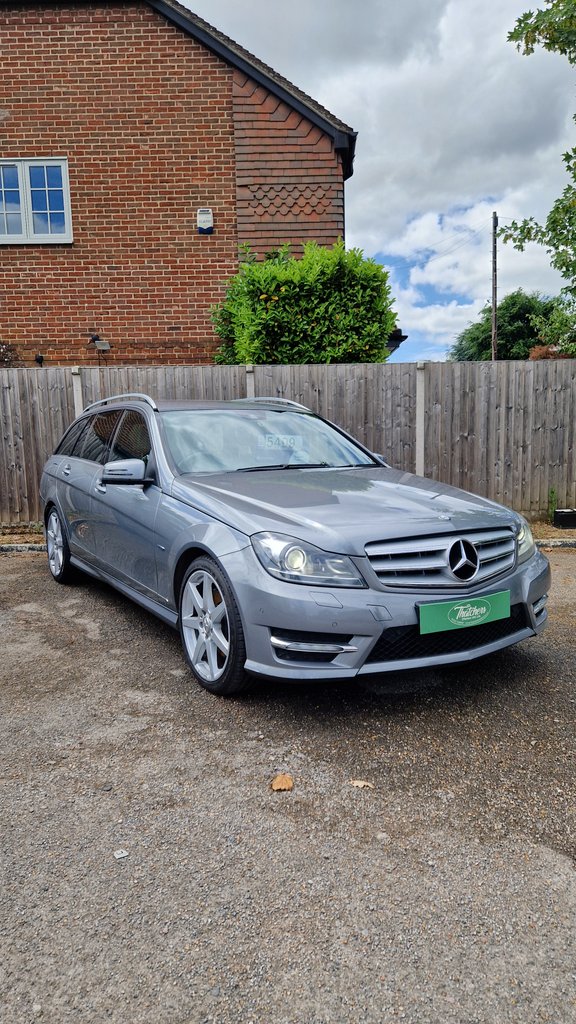
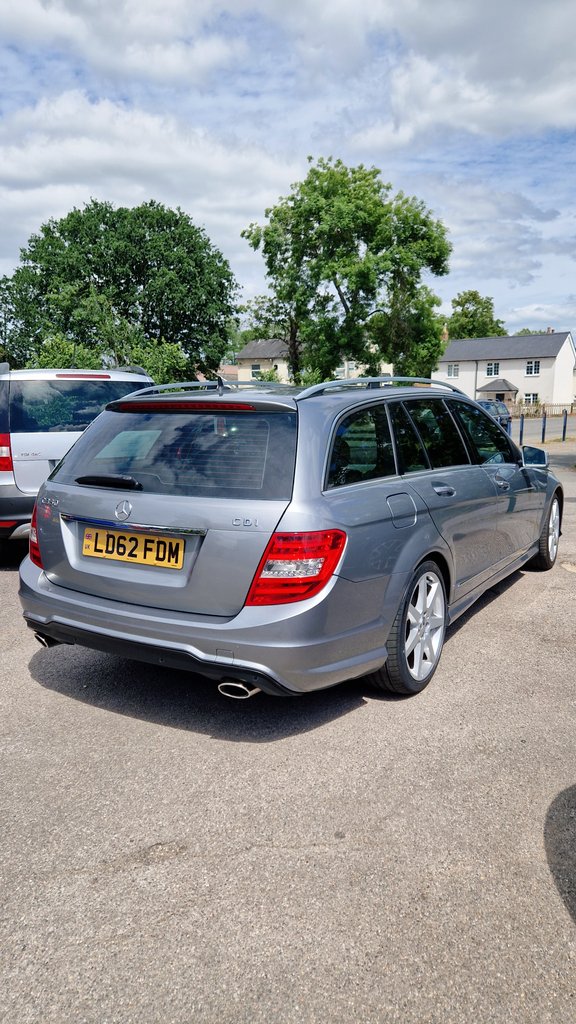
It's worth test driving something if you think you're falling out of love with your car. This one-owner C350 CDI with new injectors is a lovely cruiser for £5,295, but I enjoyed the T5 more on the way back. Good cupholder game, though.
1
995
Jun 9
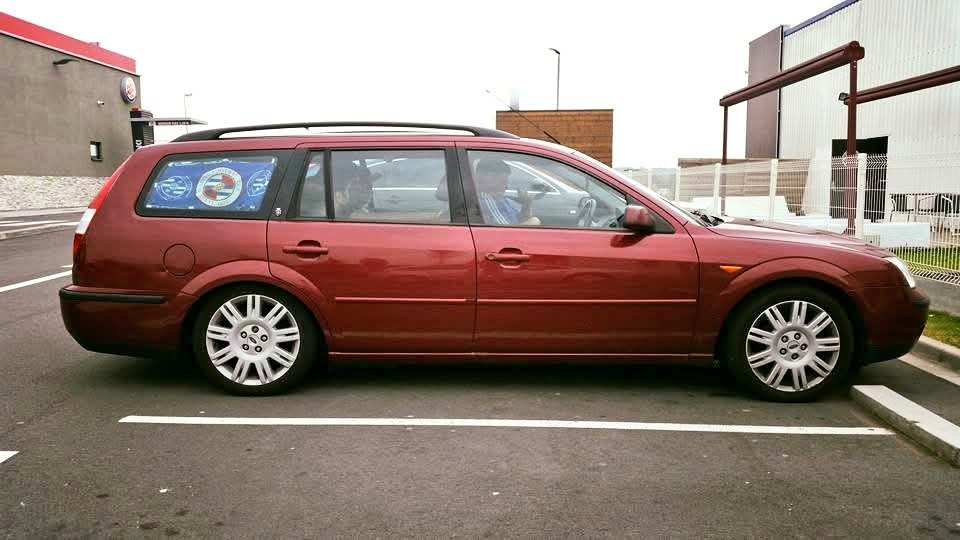
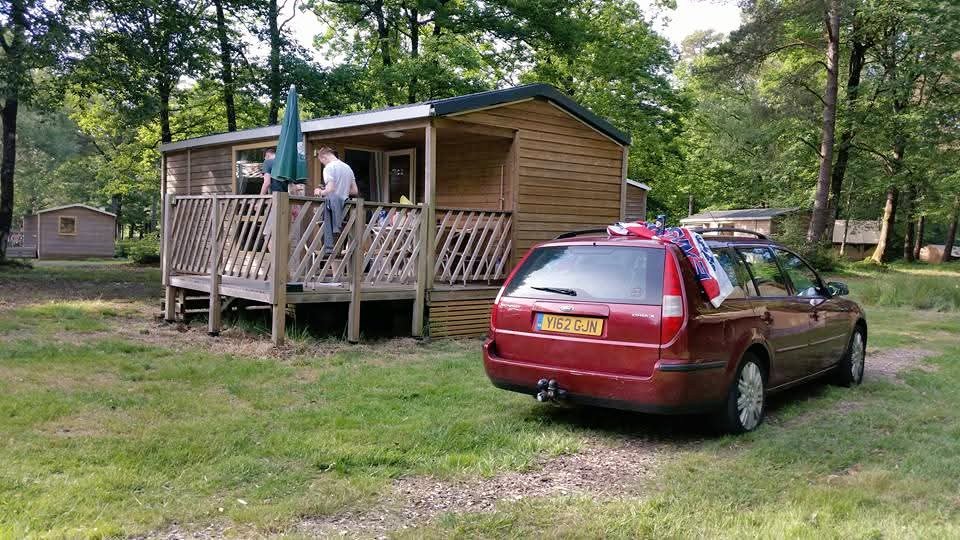
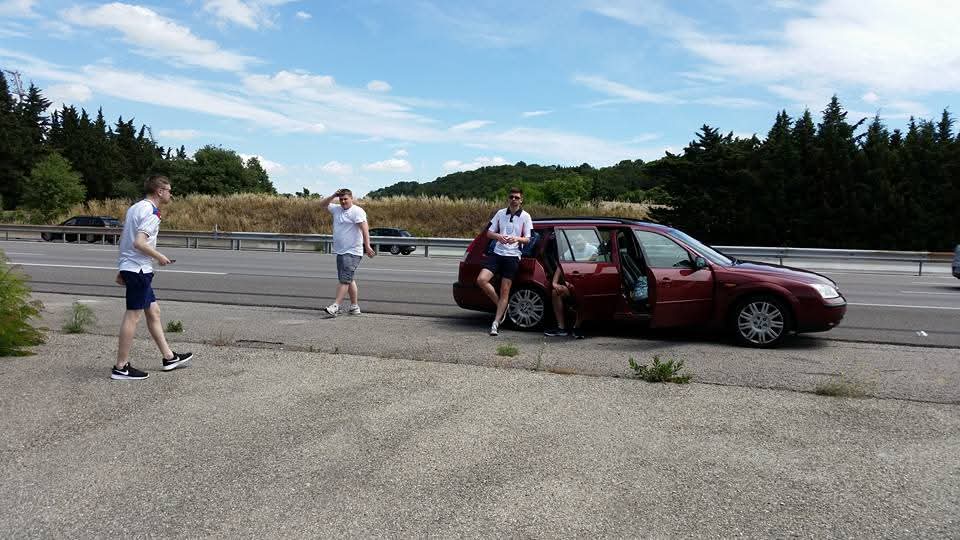
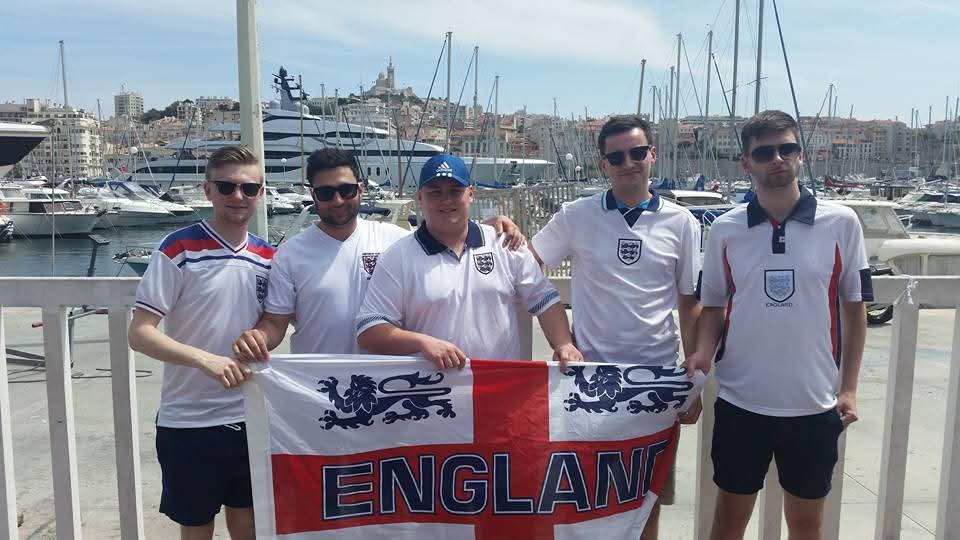
10 years ago this week five of us spent £750 on a Mondeo (Ghia X, ya know), thrashed it 2,200 miles around France for the Euros then sold it for £820 to a bloke whose Range Rover broke down a day before his caravan holiday.
21
14
1,315
85,351
Lawrence Allan retweeted

Jun 5
I’ve taken a lot of hits, and I’ve deserved some of them. I beat myself up over them more than you can imagine.
But the grace people have shown me here is truly humbling.
Some of the kindest words have come from the people you’d least expect.
And for that I am so grateful.
This isn’t about me. It’s about every person in recovery who shows up and tries again.
And to everyone still in the fight tonight: you are not alone, I see you.

MAGA supporters have seemingly had a change of heart about attacking the former first son, with many now championing him for his sobriety.
thedailybeast.com/how-hunter…
3,754
6,708
93,939
4,139,766
Jun 4
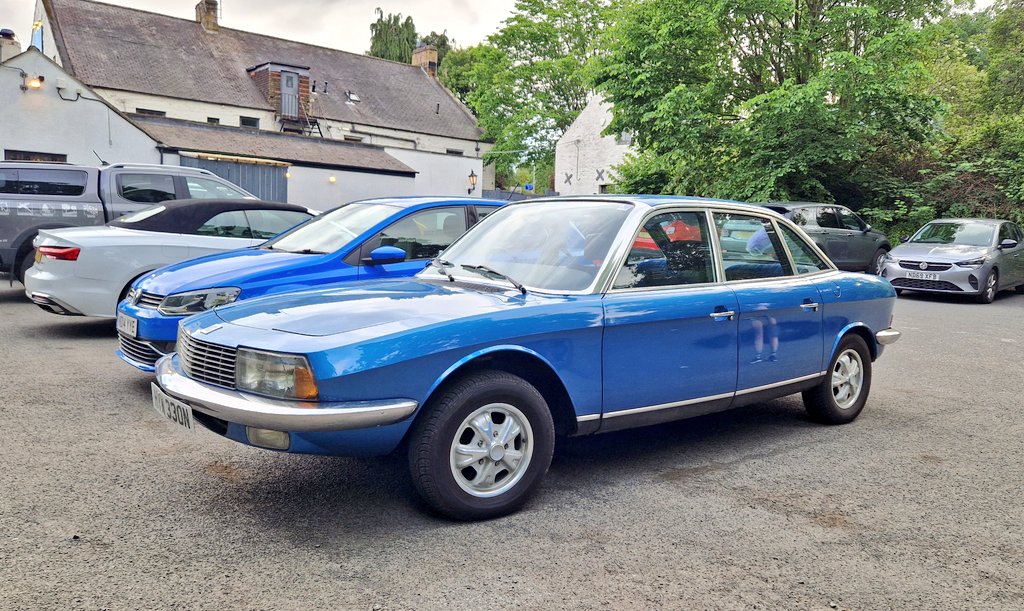
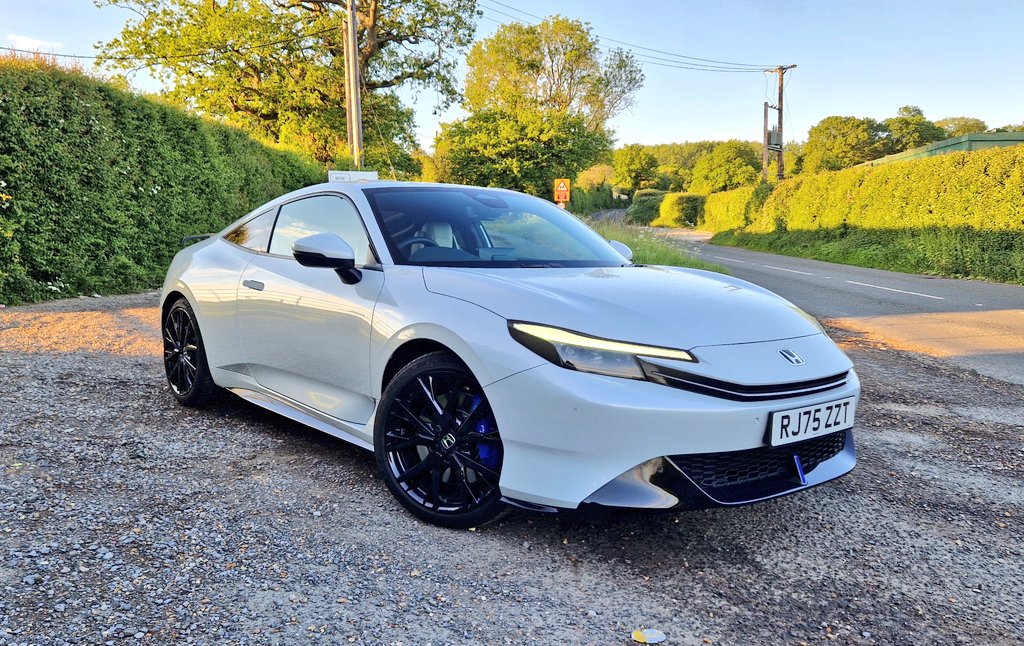
It's not really an R8 successor though, is it? Half a million quid and limited-run. Eh 🤷♂️
Anyway, here's an Ro 80 at the pub.
2
9
1,740



May 31
It's worth test driving something if you think you're falling out of love with your car. This one-owner C350 CDI with new injectors is a lovely cruiser for £5,295, but I enjoyed the T5 more on the way back. Good cupholder game, though.
2
28
7,064
May 30
Surely ex-police looking at the spec/cabin. But low mileage for it. Cheap...worth breaking the Bradford rule for? ebay.us/m/ap2JPI #eBay via @eBay_UK
2
828
May 29
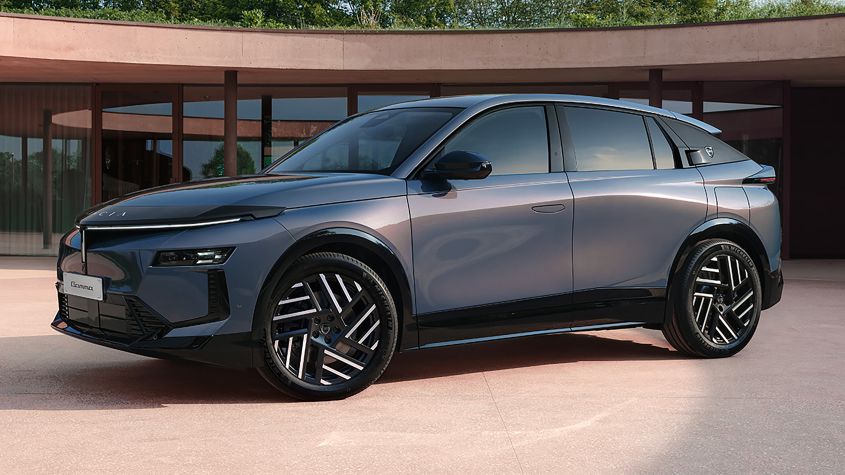
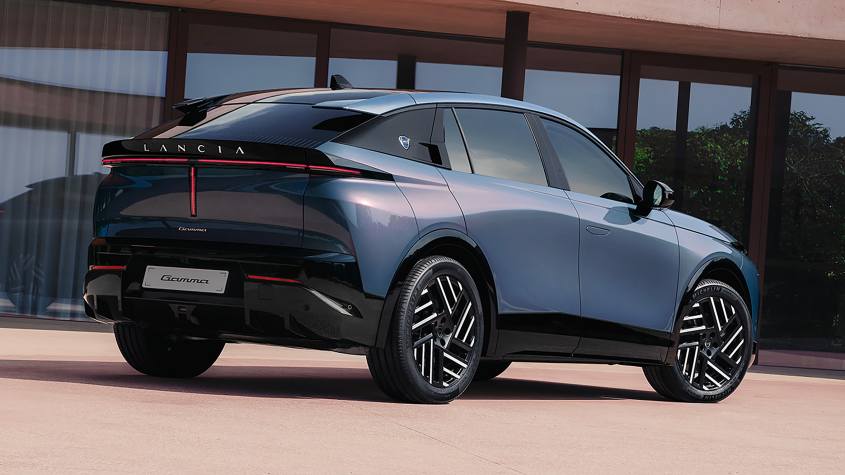
Given it's far more relevant to consumers than that Ferrari, I was expecting more outrage at the new 'Lancia Gamma' being a Peugeot 3008 with some plastic tat stuck on...
33
7
105
22,307
May 29
I should have said *Italian* consumers. Lancia registered 90% of its 12,000 cars built last year in Italy. This will possibly outsell the Luce, if nothing else.
3
457
May 20
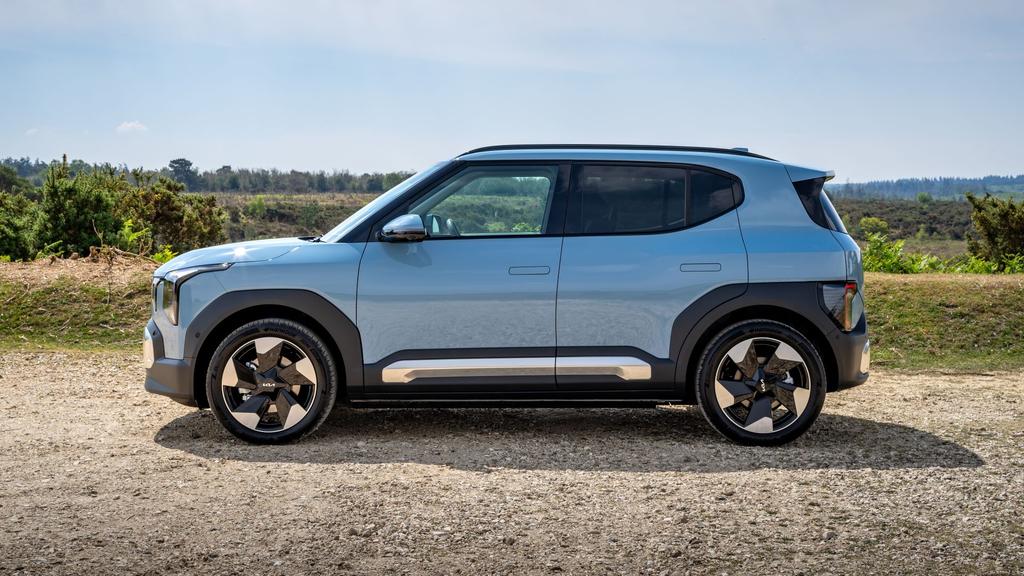
This is my new small EV benchmark. Caveat being I'm yet to drive the new VW Group bunch, but they'll have to go some to beat this share.google/svo066Y3OPjoYbH…
5
502
Lawrence Allan retweeted

May 18
“happy to hop on a call” i would actually rather join a 14th century monastery
77
7,243
56,805
997,539
Lawrence Allan retweeted

May 17
I left school when I was 17 (got 'asked to leave', is the more accurate term I guess). This was 1997.
My unqualified, entry-level salary was more than the average salary now.
My Dad - hopping mad - had sent me to three months of secretarial college and I came out into an £18k job in the local Glaxo factory as an admin assistant.
To give a sense of how long ago this was - my boss would hand-write messages onto sheets of paper and I would touch-type them into this new-fangled 'email' thing she couldn't fathom.
Nearly 30 years later, the equivalent - in purchasing power at least - would be £36k.
A year later, I parlayed that up to a £21k job in the R&D side - still as a PA, 18 years old.
I saved up and went to Taiwan to teach English for a bit. When I got back, I went to London and got a job earning £24k designing presentations and documents in a marketing agency.
I was 20yo.
The equivalent in 2026 would be £46k.
With zero qualifications beyond the ability to touch-type and a certificate saying I could use Word, Excel and PowerPoint, I was on 1.35x the average salary now.
I made a lot of mistakes as a kid. Most of my mates did.
But the economy I lived in allowed the messiness of life to roll out. We could learn, take risks and still be able to live and breathe.
We are failing future generations.
And we have a generation that's already been failed.
Our politicians are addicted to cheap slogans. They want power, not service. The failure of their reality-denying ideologies continues to spiral outwards.
Yes, immigration plays a role. Yes, housing, technology and deindustrialisation play a role. But the state has morphed into a deeply incompetent, self-indulgent boondoggle machine, that spends more time bribing voters than it does serving - or investing in - the country.
May 17

The average British salary should be £65,000.
It's £34,000.
Fifty years of political failure.
One plan to fix it.
The SDP's Investment State documentary, out now:
87
412
4,509
560,011
Lawrence Allan retweeted

May 16
FIFA painted over a beautiful, long-standing mural in Downtown Dallas.
It was gifted to the city by marine life artist & conservationist Wyland in the 90s as a reminder to protect our beloved oceans.
What an unnecessary loss, especially given no matches are actually in Dallas.


595
6,892
68,347
2,372,265
Lawrence Allan retweeted

May 16
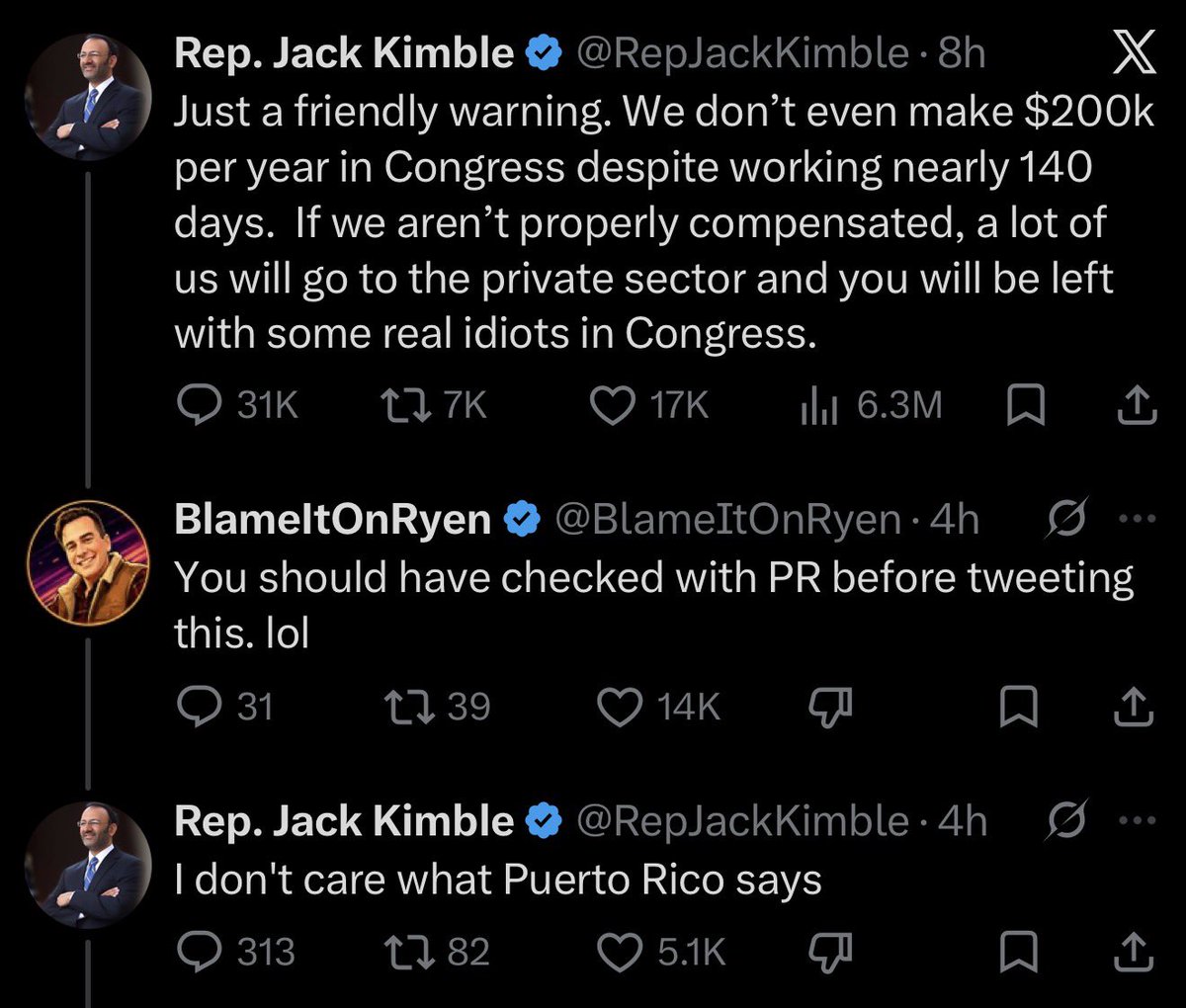
Hang it in the Louvre
May 16

Just a friendly warning. We don’t even make $200k per year in Congress despite working nearly 140 days. If we aren’t properly compensated, a lot of us will go to the private sector and you will be left with some real idiots in Congress.
419
15,263
166,905
4,557,236
May 17
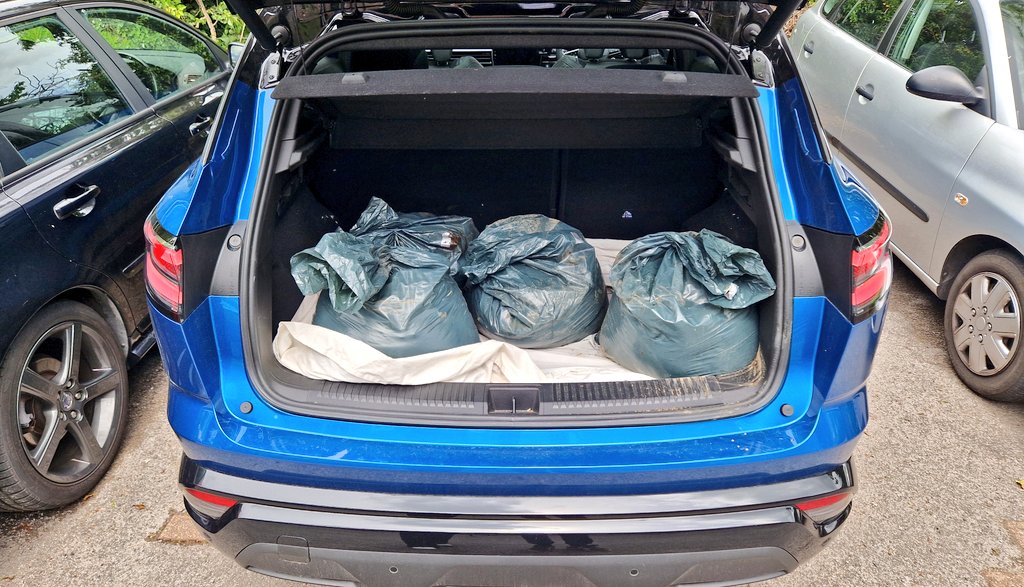
I got these monumentally heavy bags of wet sharp sand in the Austral but I'm not sure I'm getting them out. At least they improve the ride.
1
455
Lawrence Allan retweeted

May 12
LOUIS THEROUX: (shouting at ceiling) Hi Wallace, it's Louis. Are you coming down?
V.O.: I'd been told to expect the unexpected when Wallace came down for breakfast.
WALLACE: Be there in a minute! Enjoy the show!
LOUIS: (to Gromit) Is this normal?
20
1,068
10,333
266,216
May 11
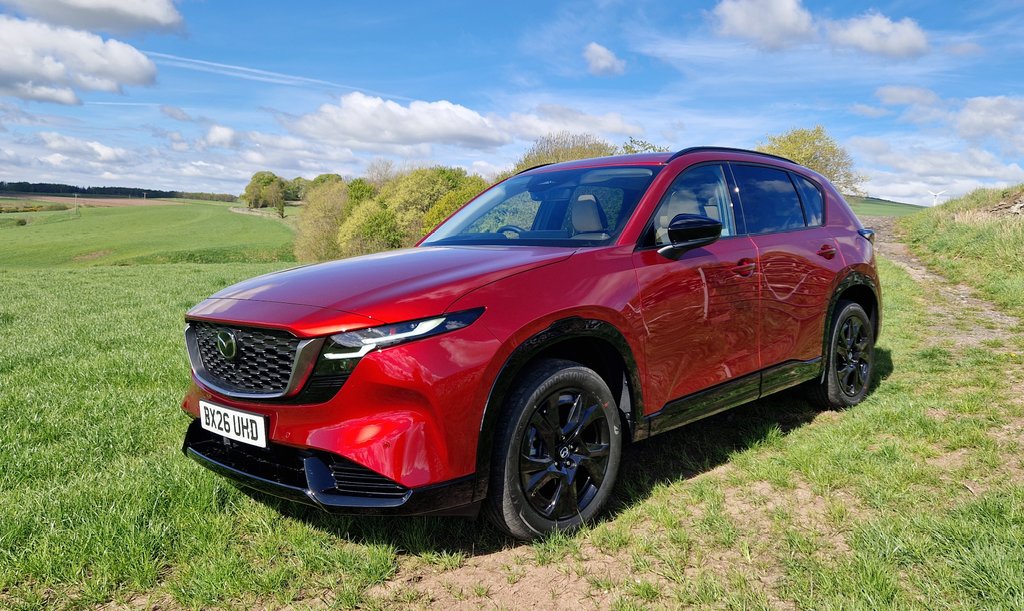
I like this a lot. But I understand why many wouldn't.
Really comfy, easy 50mpg , relatively compact, impressive chassis. And I'm on board with the 'gears'.
But if you climbed out of, say, a 230i and into this, you'd think it was in limp mode. Depends what you're used to.
7
50
10,130