Non-party-political #humanrights organisation. Campaigning for a unitary Republic of #Cyprus free from Turkish occupation, without ethnic/religious segregation.
Joined July 2011
- Tweets 2,891
- Following 4,322
- Followers 4,859
- Likes 8,022
546 Photos and videos




Pinned Tweet

20 Jul 2025
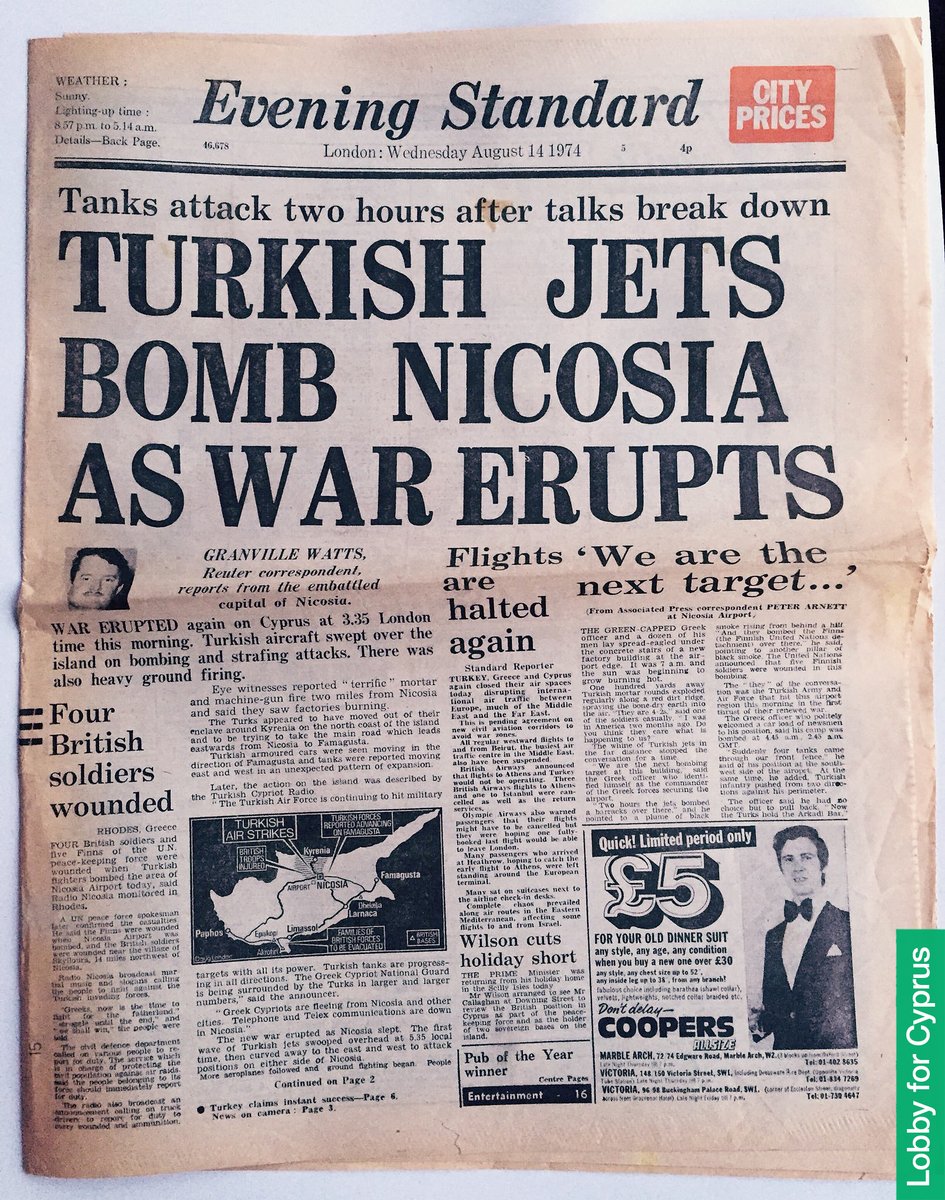
51 years of illegal Turkish occupation, injustice and impunity. On 20 July 1974 Turkey launched a brutal invasion of the Republic of #Cyprus, demonstrating that in its view, use of force is better than rule of law and that human dignity counts for nothing
lobbyforcyprus.wordpress.com…
21
59
2,806
Lobby for Cyprus retweeted

Apr 24
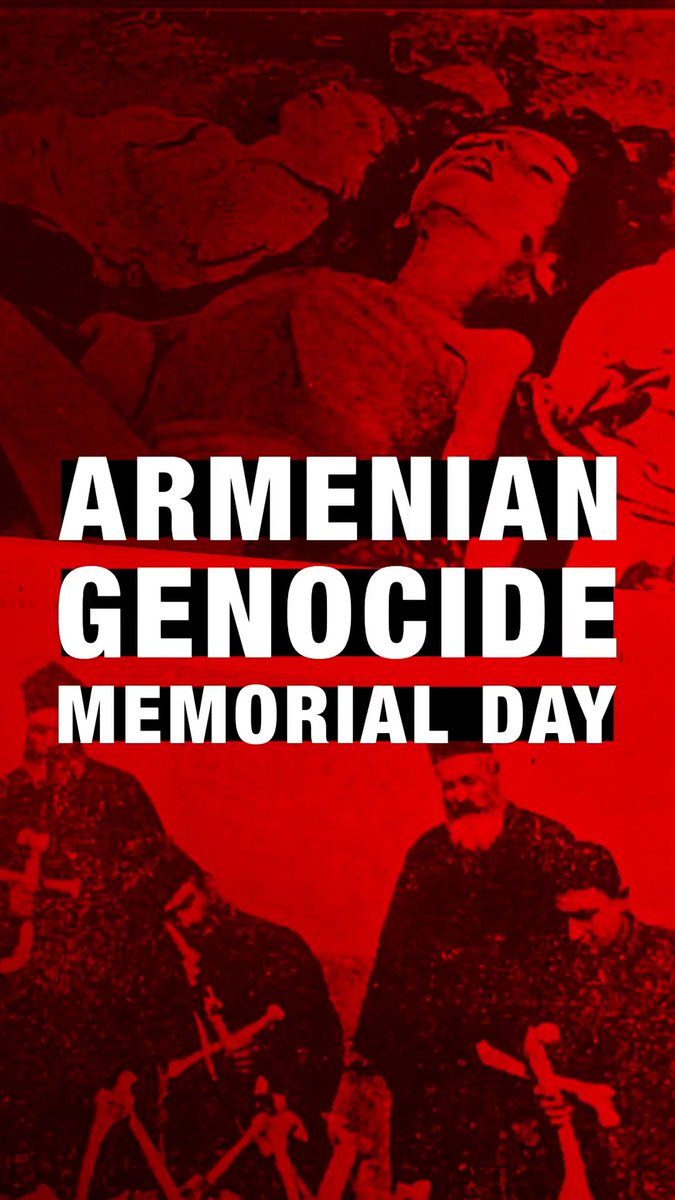
111 years ago, the Armenian Genocide systematically uprooted and destroyed a people through death marches, mass killings, and forced exile.
Across the Ottoman Empire, hundreds of thousands were driven from their homes under so-called “relocation” orders, forced to march for days without food, water, or shelter.
Along these routes, families were torn apart—men were executed, women and children subjected to violence, abduction, and slavery, and countless lives were lost to starvation and exhaustion.
Bodies were left unburied, thrown into rivers like the Euphrates River or into ravines, while those who survived the marches were sent to camps in places like Deir ez-Zor, where death awaited them.
1.5 million Armenians were killed, and an ancient presence spanning thousands of years was nearly erased from its homeland.
Today, we remember not only the lives lost, but the resilience that endured—and the responsibility we carry to grow stronger so that such crimes are never repeated.
111 years later, we stand for truth, memory, and justice — We Remember and Demand.
Recognition. Reparations. Restitution.
9
82
222
3,984
Apr 24
On #ArmenianGenocide Memorial Day, we stand in solemn remembrance of the 1.5 million Armenians who were murdered by the Ottoman Empire and the emerging nation of Turkey.
We call on all states to recognise this state-planned, systematic mass destruction for what it is: #Genocide.
We also remember the 1 million Greeks, Assyro-Chaldean Syriacs and other Christian populations who suffered a similar fate at the hands of Turkey. Their stories remain etched in our history and their legacy lives on in our pursuit of justice.
We will never forget.
#1915NeverAgain #Genocide1915
8
24
685
Lobby for Cyprus retweeted

Apr 24
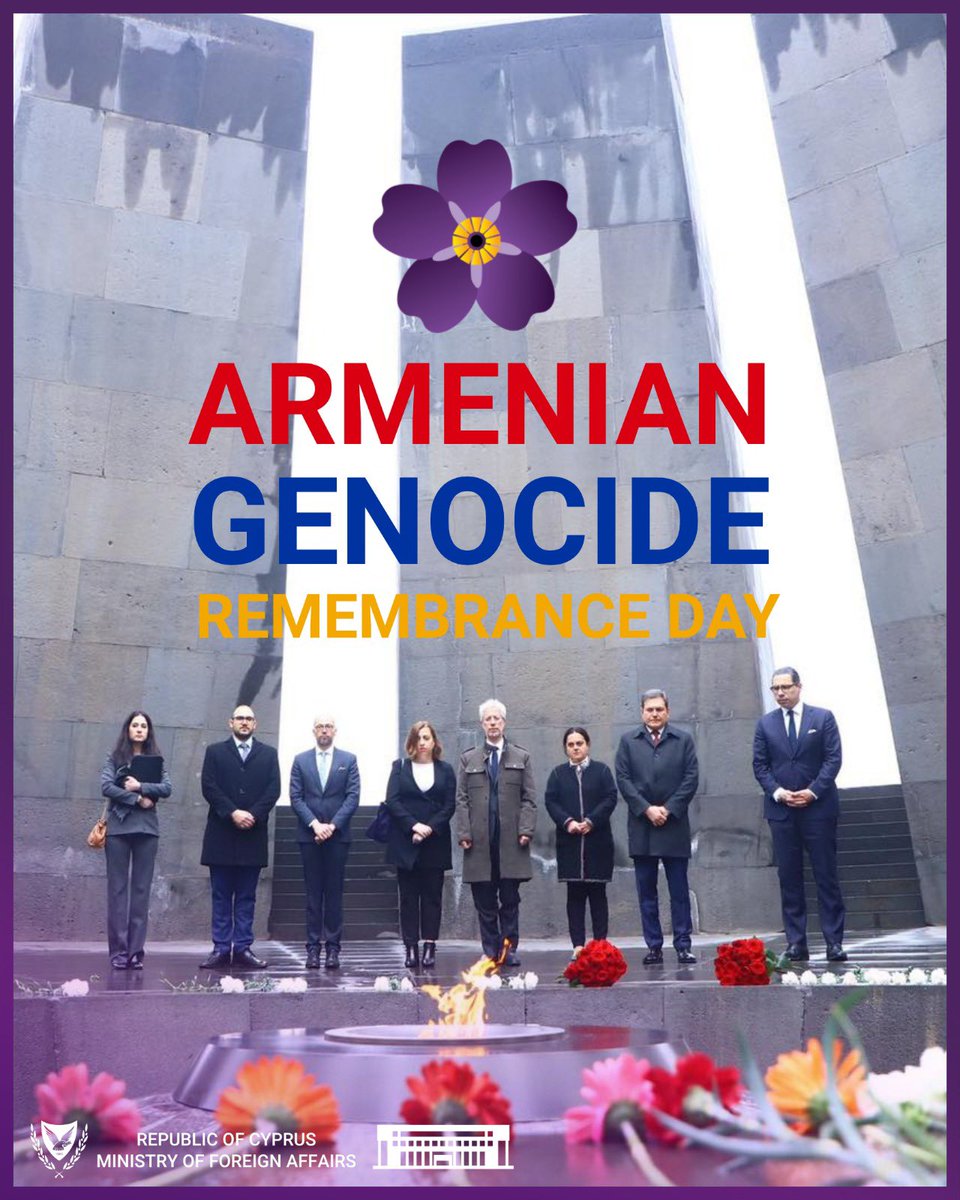
On #ArmenianGenocide Remembrance Day, we remember the victims of the Genocide and vow to uphold their sacred memory.
#NeverAgain
📸 Armenian Genocide Memorial, March 2024
74
144
540
23,375
Apr 12
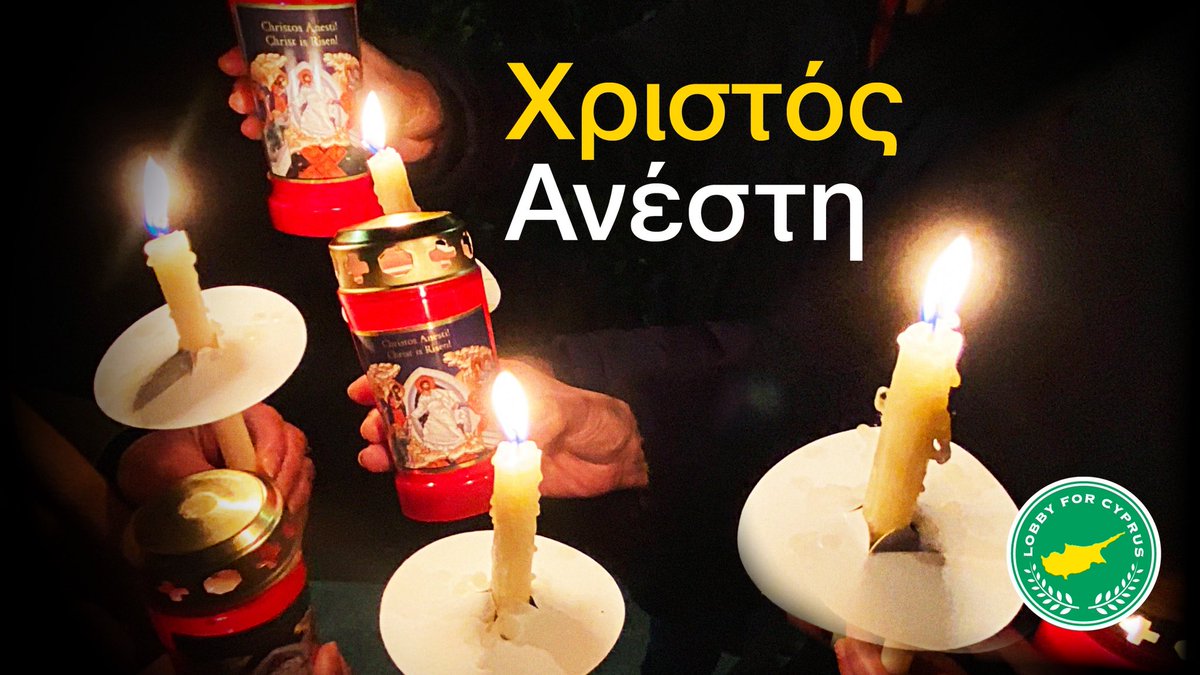
Kαλό Πάσχα / Happy Easter
Χριστός Ανέστη (Christ is risen).
Xρόνια πολλά σε όλους με υγεία και ευτυχία.
The team at Lobby for Cyprus wishes all Orthodox Christians throughout the world a happy and blessed Easter. Wishing health and happiness to all.
#ΧριστόςΑνέστη #ChristIsRisen #GreekEaster #OrthodoxEaster #Easter
1
9
98
Apr 11
Χριστός Ανέστη! Xρόνια πολλά σε όλους #ChristIsRisen #ΧριστοςΑνεστη #GreekEaster #OrthodoxEaster #Easter #Pascha
2
7
125
‘FOR THE SELF-DETERMINATION OF CYPRUS’
On 1 April 1955, the anti-colonial struggle to liberate Cyprus from British imperial rule began.
We honour and pay tribute to those who made the ultimate sacrifice in the pursuit of freedom.
The liberation struggle for self-determination paved the difficult road toward Cyprus’ independence in 1960.
However, the journey remains unfinished. 71 years after that first spark of resistance, the struggle for true freedom continues against the illegal Turkish occupation in the northern part of the Republic of Cyprus.
We remember the past to protect our future. #FreedomforCyprus 🇨🇾
#Cyprus #1ηΑπριλίου1955
6
13
455
31 Dec 2025
#HappyNewYear2026 from the team at Lobby for Cyprus. Wishing health, happiness and prosperity to all. In 2026 we pledge to continue campaigning for a unitary Republic of #Cyprus that is free from Turkish occupation without any forms of segregation along ethnic or religious lines and without discrimination against any Cypriot citizen. #ΚαλήΧρονιά με υγεία και ευτυχία. #HappyNewYear
10
162
24 Dec 2025
Merry #Xmas2025 from the team at Lobby for Cyprus. We extend our best wishes to all for happiness, health, peace and prosperity this #Christmas and in the New Year. Καλά Χριστούγεννα σε όλους. #MerryChristmas 🎄
6
294
2 Oct 2025
65 years of Cyprus independence
On the 65th anniversary of Cyprus independence day, we reiterate to the international community that 36 per cent of the territory and 57 per cent of the coastline of the Republic of Cyprus tragically remain under illegal occupation by Turkey.
We pledge to continue campaigning for a unitary Republic of Cyprus. We stand firm against Turkey’s ongoing authoritarianism, aggressiveness and lawlessness that endangers Cyprus, the remainder of the European Union and the wider western world.
Long live the Republic of Cyprus.
Χρόνια Πολλά Κύπρος!
#Cyprus🇨🇾 #CyprusIndependenceDay
3
14
308
16 Sep 2025
We will never forget the Greek Genocide – the systematic extermination of indigenous Greek populations from their ancestral homelands in Asia Minor, the Pontus region and eastern Thrace.
The Greek Genocide was perpetrated by the government of the Ottoman Empire and the Turkish Nationalist movement under Mustafa Kemal Atatürk, which sought to eradicate Christian populations in order to create a homogeneous ‘Turkey for the Turks’.
From the start of the genocide in 1914, Greeks in the Ottoman Empire were subjected to slaughter, death marches, starvation, conscription into brutal labour battalions, pillage and other atrocities. Survivors were forced to flee or were among the one million Greeks expelled in a population exchange in 1923.
We honour the memory of the one million Greeks who were killed due to this Turkish genocidal policy, as well as the 1.5 million Armenians and 800,000 Assyrians who also lost their lives at the hands of the Young Turks and the Kemalists.
The burning and destruction of the Christian quarters of the city of Smyrna by the Turks in September 1922 and the vast barbaric massacres of its Greek and Armenian population, remains a devastating symbol of this horrific period.
We stand against the continued denial of this history. The Greek Genocide is a well-documented historical fact, yet its recognition remains elusive. Many major international bodies and nations are yet to officially acknowledge it. This lack of recognition compounds the trauma for the victims’ descendants, stands in the way of true accountability and represents a tragic and monumental failure to deliver justice.
#GreekGenocide #AsiaMinor #Σμυρνη #SmyrnaHolocaust
1
6
18
564
14 Sep 2025
RT @ictinus_x: Today, 14th September, is the Day of National Remembrance in commemoration of the genocide of Asia Minor Greeks by the Turki…
549
Lobby for Cyprus retweeted

8 Sep 2025
The FACTS about
Turkey 🇹🇷
@piersmorgan
@VDHanson
51
343
1,030
49,139
8 Sep 2025
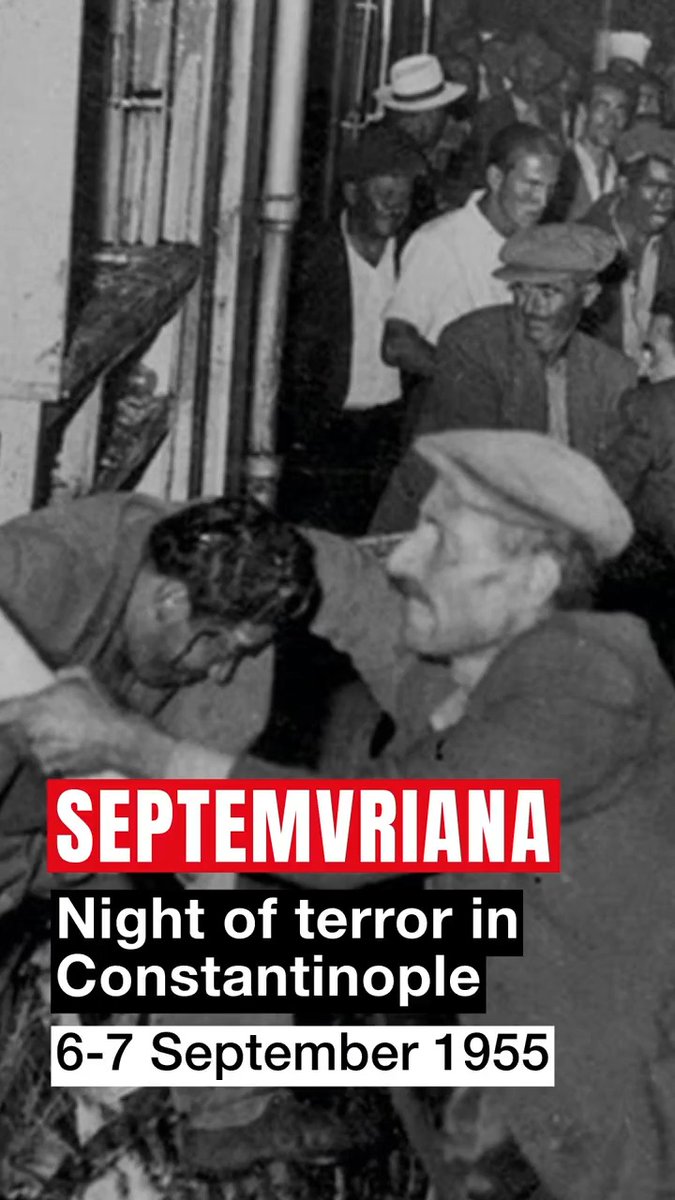
The 'Septemvriana' anti-Greek pogrom: a night of terror in Constantinople, 6-7 September 1955
A brutal and organised pogrom targets the ancient, indigenous, Greek minority population in Turkey.
For nine hours, Greeks are terrorised by violent mobs.
Turkish nationalists are stirred up into an anti-Greek frenzy after a false flag operation spreads baseless rumours of an impending massacre in Cyprus.
The riots suspiciously erupt when dynamite explodes in the Turkish consulate in Thessaloniki – at the house where Mustafa Kemal Atatürk was born. False reports blame Greeks.
Approximately 30 Greeks are killed, 32 are seriously injured, 50-200 women are violated. Men, including a priest are forcibly circumcised. Priests are scalped and burned.
Thousands of Greek properties are destroyed. Churches, homes, schools, businesses and cultural centres are devastated and looted. Rioters also attack in Smyrna.
Armenians and Jews are also targeted.
The pogrom accelerates the exodus of ethnic Greeks from Turkey. Their presence has never recovered.
Between 1955 and 1960,the Greek population(once the majority) in the Constantinople area decreases from 65,000 to 49,000. Approximately 2,000 Greeks now remain.
A Turkish consulate usher confesses to planting the explosive device. Compelling evidence shows the pogrom was orchestrated by Turkey's prime minister Menderes and intelligence organisations.
During the Constantinople pogrom, Turks carried the ‘Kibris Türktür’ (‘Cyprus is Turkish’) placard and chanted slogans such as ‘Demolish and break the property of the infidels’.
The pogrom had a political motive: to advance the Turkish government's position on Cyprus; and to intimidate and decimate the Greek population of Constantinople.
After a 1960 military coup in Turkey, former prime minister Menderes and his hardline foreign secretary Zorlu are tried in court.
They are accused of formenting the anti-Greek Constantinople pogrom, in order to impress the British government with Turkish intransigence at a tripartite conference on Cyprus, on 29 August to 7 September 1955 in London.
Menderes and Zorlu are convicted and hung.
In 2007, international law expert Alfred de Zayas characterised the Septemvriana pogrom as a ‘crime against humanity’, comparable to Germany’s Kristallnacht in 1938.
He noted that it met the criteria for genocide due to the Turkish government’s demonstrable intent to destroy the Greek ethnic minority in Turkey.
#Septemvriana
12
27
877
Lobby for Cyprus retweeted

6 Sep 2025
It was a warm September evening in 1955, in the heart of Constantinople, a city still echoing with the ghosts of its Greek Byzantine past. The Greek community, though diminished, thrived in neighborhoods like Pera and Fener, their lives woven into the city’s fabric through shops, churches, and schools. The Greek minority, already marginalized by years of discriminatory policies, felt the weight of suspicion.
On September 6, a false report spread like a spark in dry grass: a bomb had allegedly damaged the Turkish consulate in Thessaloniki, near the house where Mustafa Kemal Atatürk was born.
The bombing was a staged provocation, orchestrated by Turkish authorities to incite rage. By dusk, the city was a tinderbox. Mobs, organized and armed with clubs, knives, and gasoline, poured into the streets, targeting Greek homes, businesses, and churches. The government’s role was clear; lists of Greek properties had been prepared in advance, and the police stood by, complicit or indifferent.
Dimitris, a baker in Beyoğlu, is locking up his small shop. Suddenly, a roar of voices fills the air. A crowd, chanting Kemalist slogans, smashes his windows, looting everything; shelves, ovens, even family photos. Down the street, Eleni, a widow running a grocery, watches helplessly as her store is set ablaze. The mob moves with precision, targeting Greek-owned properties with chilling efficiency. Churches, like the Zoodochos Pigi in Balat, are desecrated; holy icons are shattered, and altars burned. The Greek cemetery in Şişli is vandalized, graves defiled in an orgy of destruction.
4,348 Greek businesses, 110 hotels, 27 pharmacies, 23 schools, and 73 churches were damaged or destroyed.
At least 11 people were killed, though some sources claim up to 15, with hundreds injured and numerous women assaulted. The violence wasn’t random; it was a calculated assault, fueled by propaganda and enabled by state inaction. The mobs, often transported from outside Constantinople, carried out their rampage over two days, September 6–7, leaving the Greek community in ruins.
The pogrom was a death knell. Many lost everything; homes, livelihoods, security. The psychological toll was immense; the exodus of Greeks from Turkey, reduced a once-vibrant community of over 150.000 to fewer than 2.000 (maybe more) today.
As dawn broke on September 7, Constantinople became "Istanbul". The last Greeks, descendants of those who found the City, who built the city, who defended the City, who had history in this City, were expelled from their ancestral homeland. Streets were littered with broken glass and shattered dreams.
The Greek community, a cornerstone of the city’s history, was left to pick up the pieces.
That was, the anti-Greek "Istanbul pogrom" that took place on 6–7 September 1955.
How can we forget all the thing they did to us? They came and they expelled Greeks from their homes.
Constantinople, Asia Minor, Cappadocia, Pontus, Cyprus, Ionia.
We will never forget, everything they did to us.
We will never coexist with them.
19
193
620
16,213
1 Sep 2025
International Day of the Victims of Enforced Disappearances, 30 August 2025 @UN
The plight of the families of the ‘disappeared’ of #Cyprus continues. The right to know the fate of victims must include thorough and impartial investigation into all cases of disappearance.
Turkey must abide by human rights law and sign the International Convention for the Protection of All Persons from Enforced Disappearance.
#StandUp4HumanRights #EnforcedDisappearance
un.org/en/observances/victim…
9
17
698
1 Sep 2025
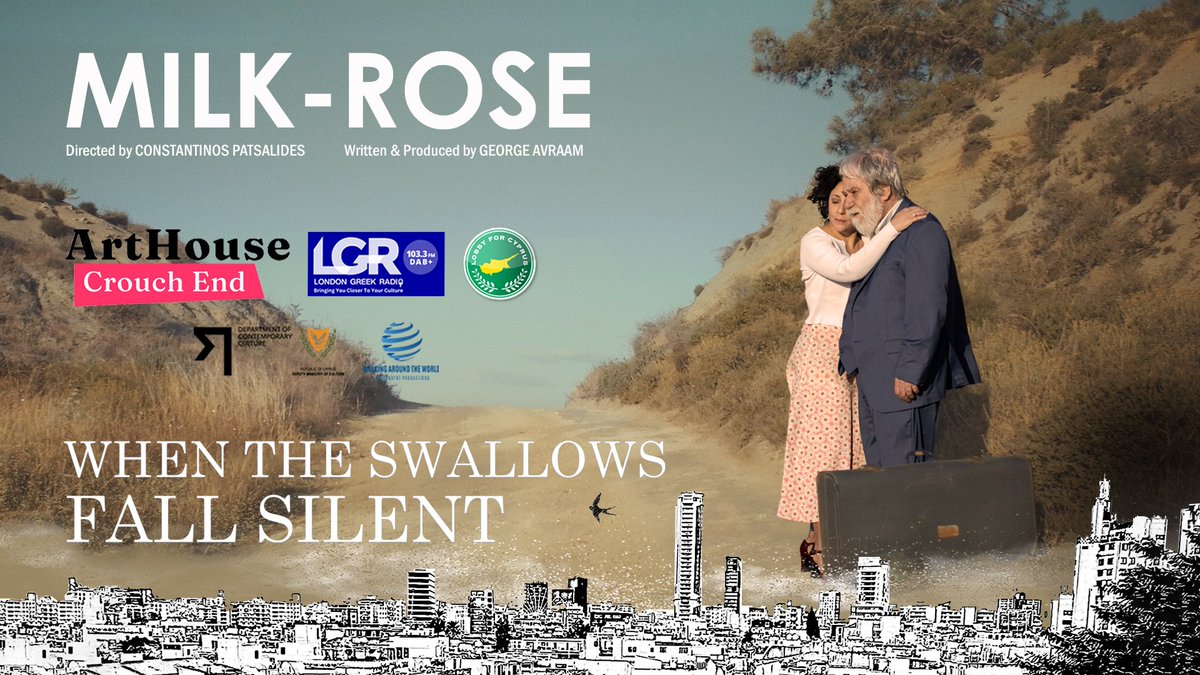
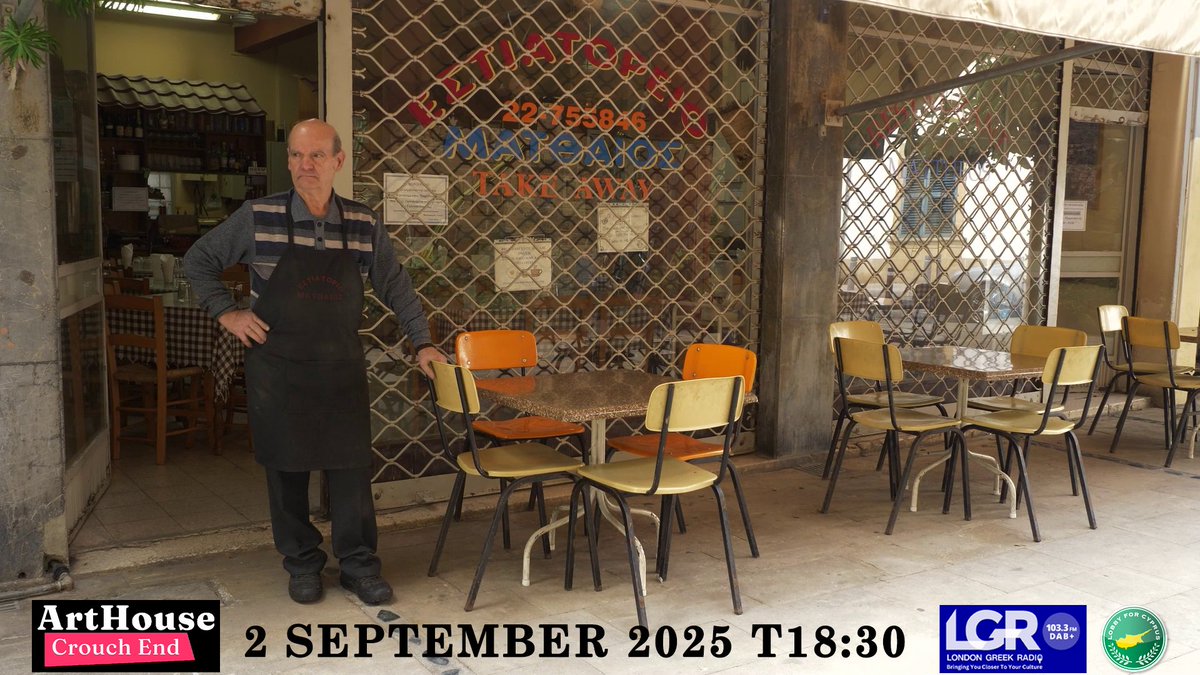
Tickets are still available for screening of two films from #Cyprus: 'When the Swallows Fall Silent' & 'Milk – Rose short film' 2 Sep 2025 18:30 @arthouseN8 London (in Greek with English subtitles). Media sponsors @LGR1033 & @LobbyforCyprus Info/booking: arthousecrouchend.co.uk/prog…
7
15
513
Lobby for Cyprus retweeted

23 Aug 2025
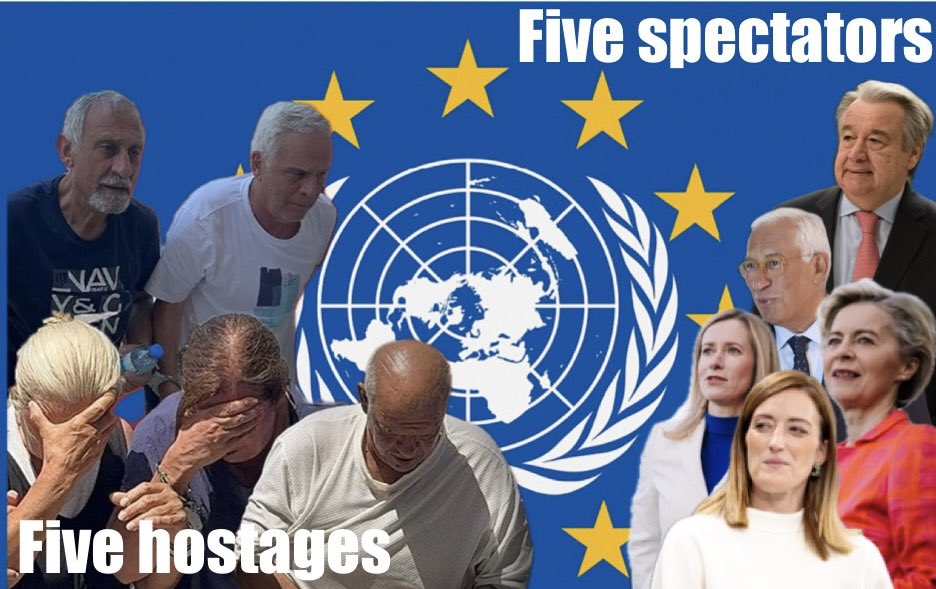
UN & EU’s SHOCKING IGNORANCE🚨
Five pensioners were abducted by Turkish forces in occupied Cyprus on July 19 and remain being held hostage since then.
These vulnerable pensioners are enduring appalling conditions, crammed into dungeon-like cells without air conditioning during Cyprus’ brutal summer heat, denied proper medical care, and isolated from their families. Their detention has been extended multiple times, with no sign of release in sight.
The Republic of Cyprus is proceeding with legal action at the European Court of Human Rights, condemning this as a blatant violation of international law.
Where is the outrage from the EU and UN?
The EU remains deafeningly silent while quietly pushing for closer ties with Turkey, potentially via the back door into the EU, despite Ankara’s notorious human rights abuses, refusal to recognize Cyprus as a sovereign EU nation, and ongoing violation of its territorial integrity. This hypocrisy undermines the very principles of the Union.
The UN fares no better, tiptoeing around Turkey to avoid upsetting a NATO “ally”, instead perpetuating a narrative that blames Greek Cypriots for the stalemate in peace talks.
Justice demands action now, not excuses. We demand the immediate and unconditional release of these five hostages, their lives hang in the balance.
Pressure the EU and UN to hold Turkey accountable and end this 51 year-old illegal occupation.
@antonioguterres @Keir_Starmer @EmmanuelMacron @GiorgiaMeloni @sanchezcastejon @realDonaldTrump
14
91
176
12,404
Lobby for Cyprus retweeted

21 Aug 2025
"The EU continues to fund the Turkish-occupied part of Cyprus despite ongoing breaches of international law by its self-declared authorities." - @bulutuzay_ writes in our latest👇
europeanconservative.com/art…
6
77
152
10,816