
Seeking molecular mediators of kidney disease through human genetics, genomics, and novel experimental models. @UCSF, @UCSFNephrology
Joined August 2022
- Tweets 35
- Following 63
- Followers 57
- Likes 11
2 Photos and videos
Pinned Tweet

Feb 10
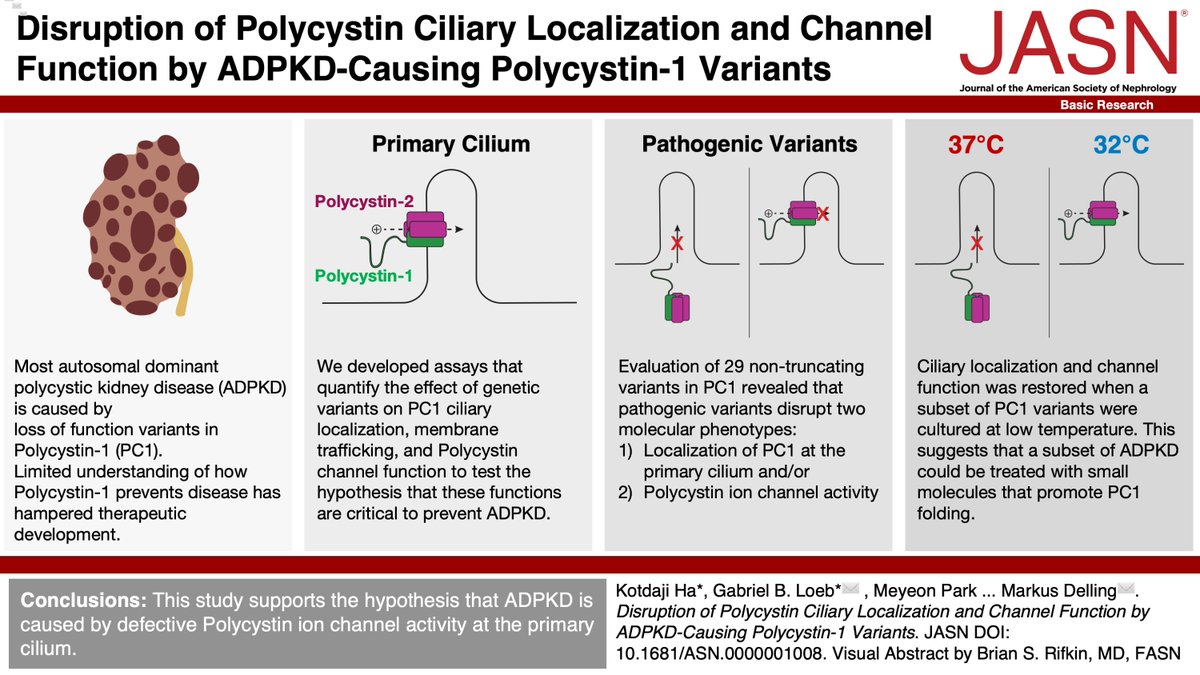
Polycystic kidney disease is the most common monogenic cause of kidney failure and affects over 10 million individuals. We've known most PKD is caused by mutations in PKD1 for over 30 years. But how PKD1 prevents disease has remained mysterious, limiting effective therapy.
3
3
10
1,491
Feb 10
Polycystic kidney disease is the most common monogenic cause of kidney failure and affects over 10 million individuals. We've known most PKD is caused by mutations in PKD1 for over 30 years. But how PKD1 prevents disease has remained mysterious, limiting effective therapy.
3
3
10
1,491
Feb 10
1
1
3
265
Feb 10
We are constantly thinking about how to integrate human genetics and better experimental models to identify the mechanisms of human disease @UCSFNephrology, @IHG_at_UCSF, @UCSFDOM . Funding for the next generation of medicine from @NIH.
Critiques and feedback welcome!
2
106
Gabriel Loeb retweeted

11 Nov 2025
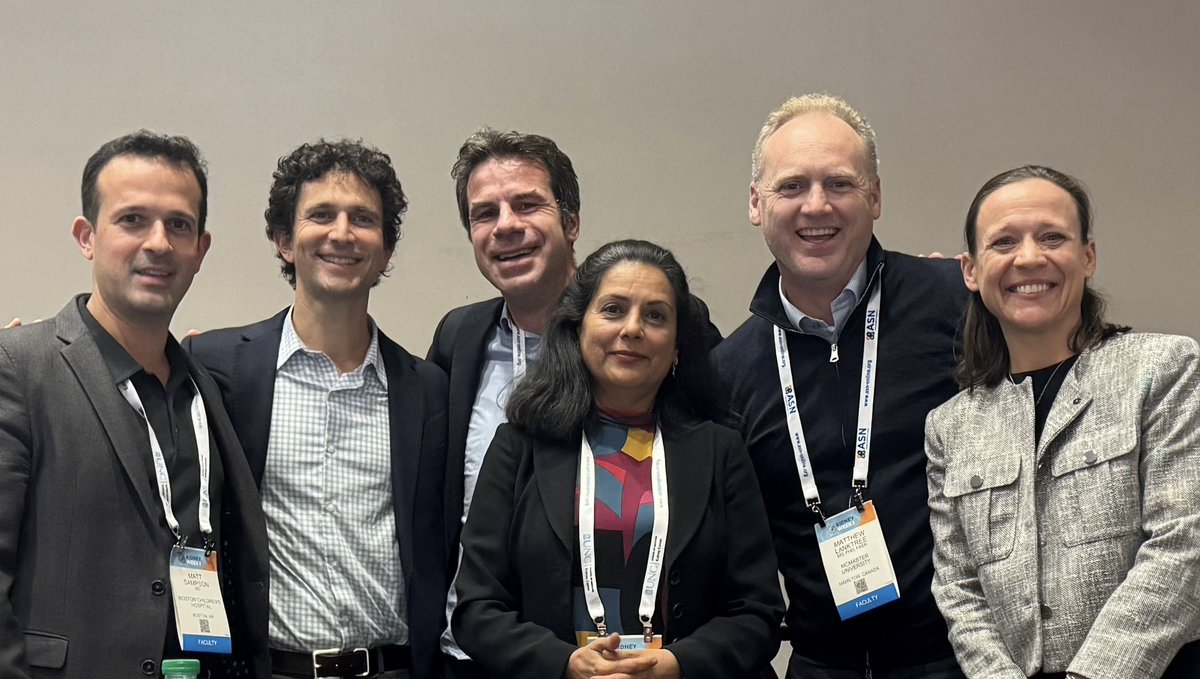
What an awesome session on common variant CKD genetics @ASNKidney #KidneyWk @kidneyomicsamps @LoebLab @LimdiNita
1
5
850

Gabriel Loeb retweeted

8 Nov 2025
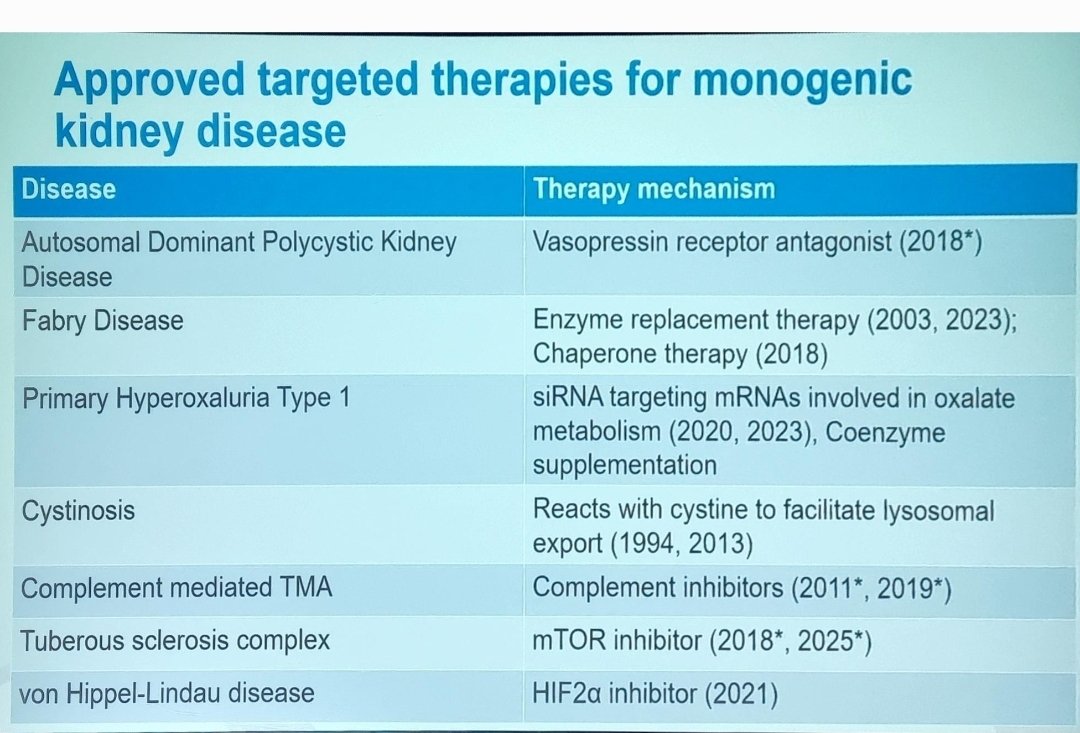
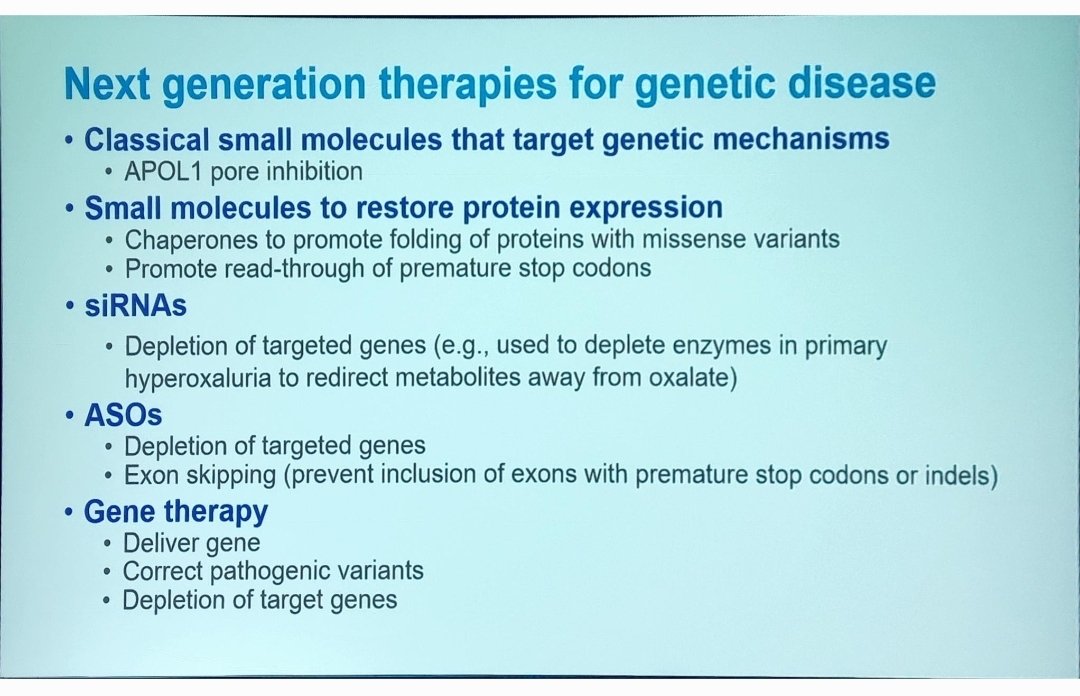
Incredible session on Genetics in Kidney Disease #KidneyWeek @ASNKidney
Outstanding organization & insightful talks by @Vishal_D_Patel #DanielGale #AliGharavi #GabrielLoeb
Grateful for the opportunity to present on Genetics of TMA🙏
Thx #ArleneChapman & #EmilieCornecLeGall
5 Nov 2025

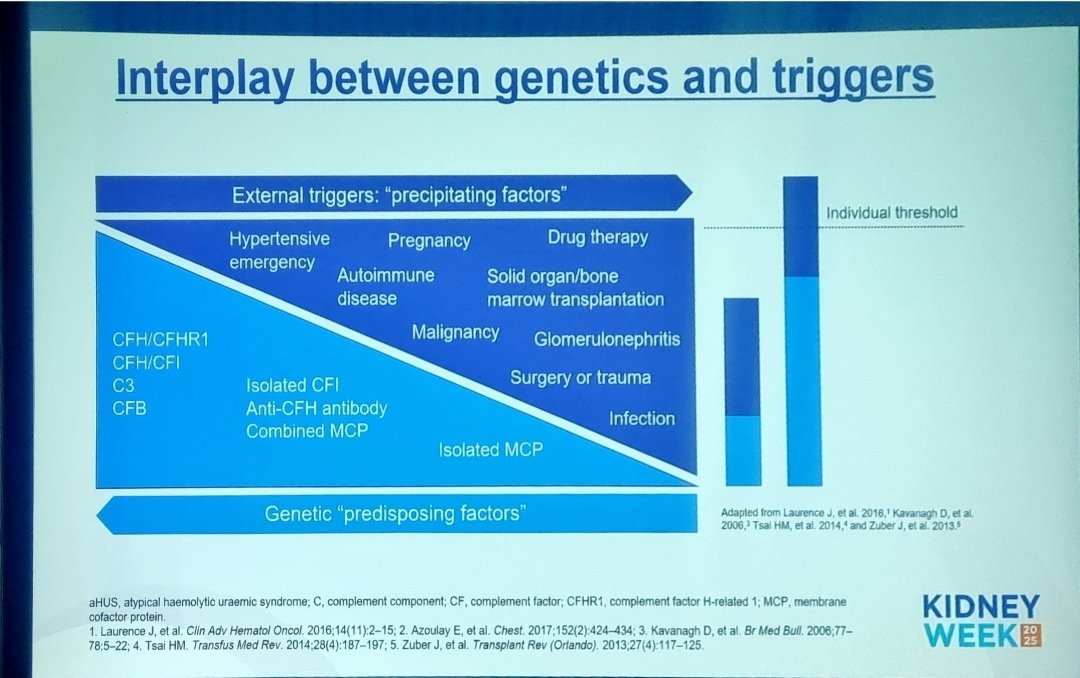
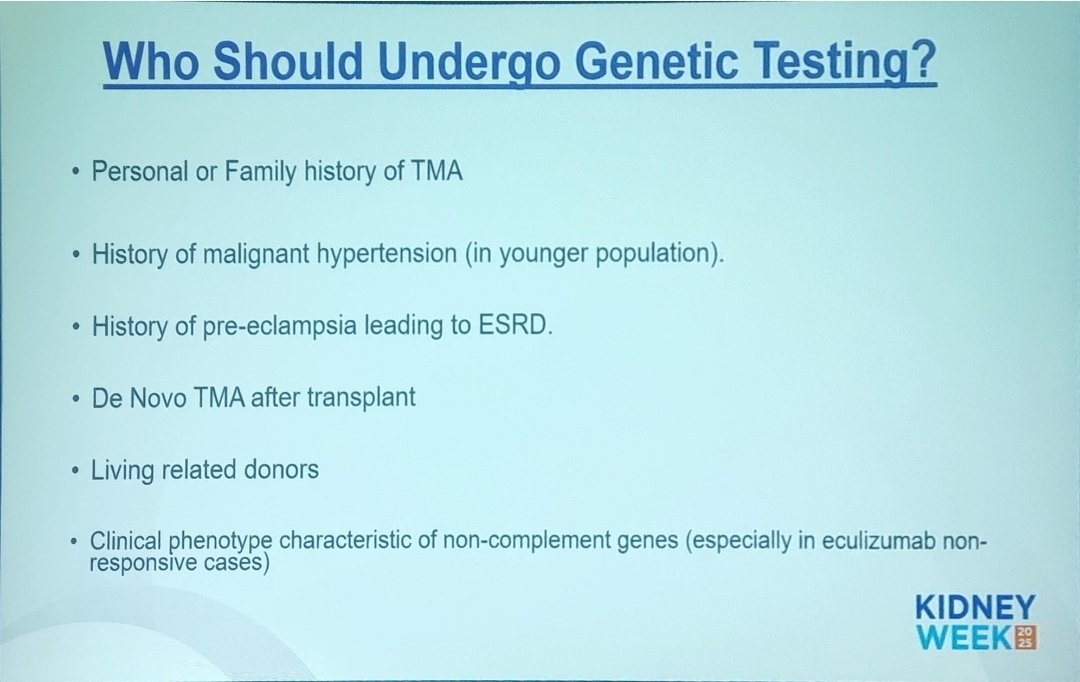
🧬Very nice talk about genetics of TMA by @anuja_java at #KidneyWk
👉🏽 Interplay between genetics and triggers
👉🏽Who should we test?
2
6
25
2,237
1 Jul 2025
Thank you @ASNKidney! Our lab is very grateful to receive the 2025 Carl W. Gottschalk Research Scholar Grant. Read more about the work here: kidneycure.org/pages/qa.aspx….
3
9
799
Gabriel Loeb retweeted

27 Jun 2025
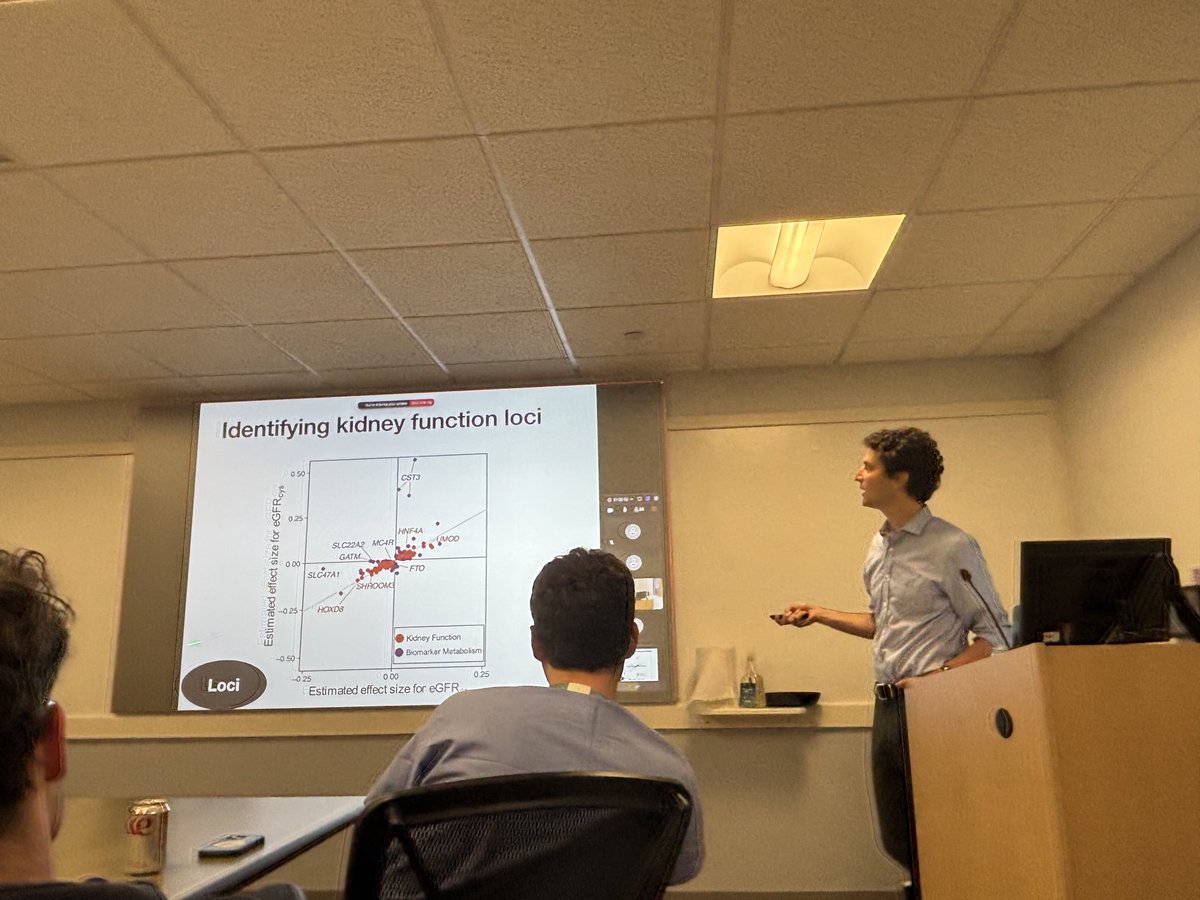
#Whyscience Day51🧠✨A strong finish to our Renal Grand rounds series by a rising star physician scientists @LoebLab @UCSFNephrology Pushing the frontiers of kidney genomics and single cell omics. The future of nephrology is bright🔆
1
4
26
1,776
24 May 2025
Steven Pinker:
And if you’re still skeptical that universities are worth supporting, consider these questions: Do you think that the number of children who die every year from cancer is just about right?
1
117
24 May 2025
Are you content with your current chance of developing Alzheimer’s disease?
100
4 Oct 2024
Exciting paper by @CanaudLab in @jclinicalinvest--doi.org/10.1172/JCI176402. 1) Somatic mutation as a (presumably) very rare cause of FSGS, 2) Targeting the mutated gene PIK3CA is helpful in multiple mouse FSGS models, 3) Activity of podocyte targeted therapy in mouse FSGS.
1
2
1,336
Gabriel Loeb retweeted

1 Oct 2024
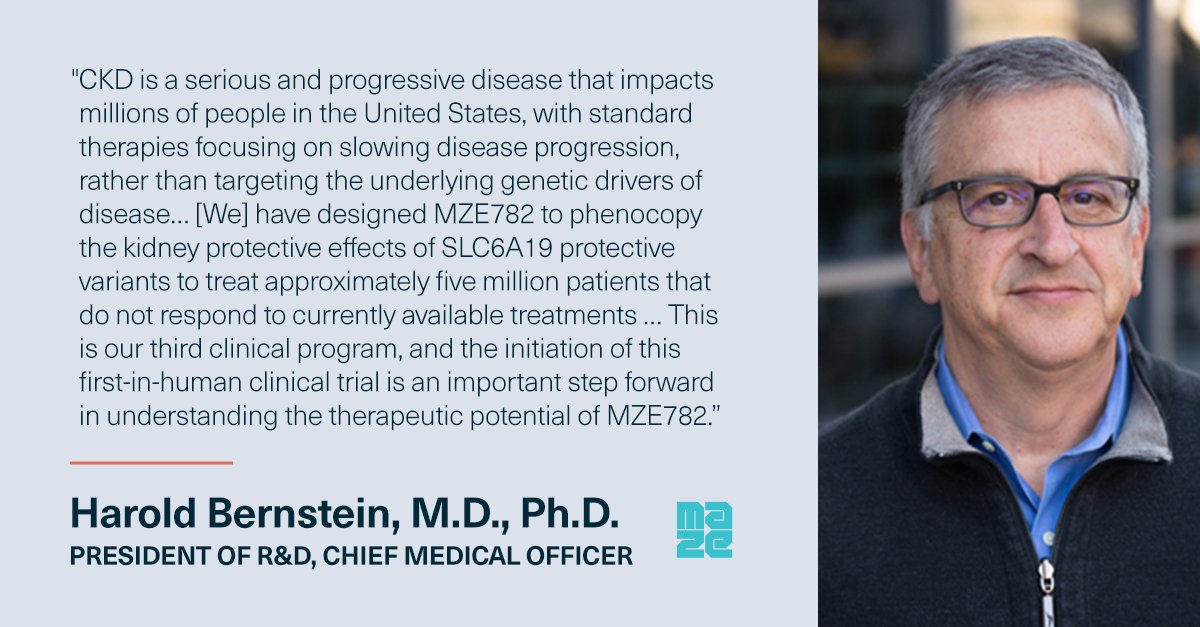
We are pleased to announce that the first participant has been dosed in our Phase 1 clinical trial evaluating MZE782. MZE782 is a potentially first-in-class, oral, small molecule targeting the solute transporter, SLC6A19, and has the potential to address chronic #kidneydisease (CKD) patients. Learn more about the MZE782 program here: businesswire.com/news/home/2…
2
4
10
1,988
Gabriel Loeb retweeted

11 Sep 2024
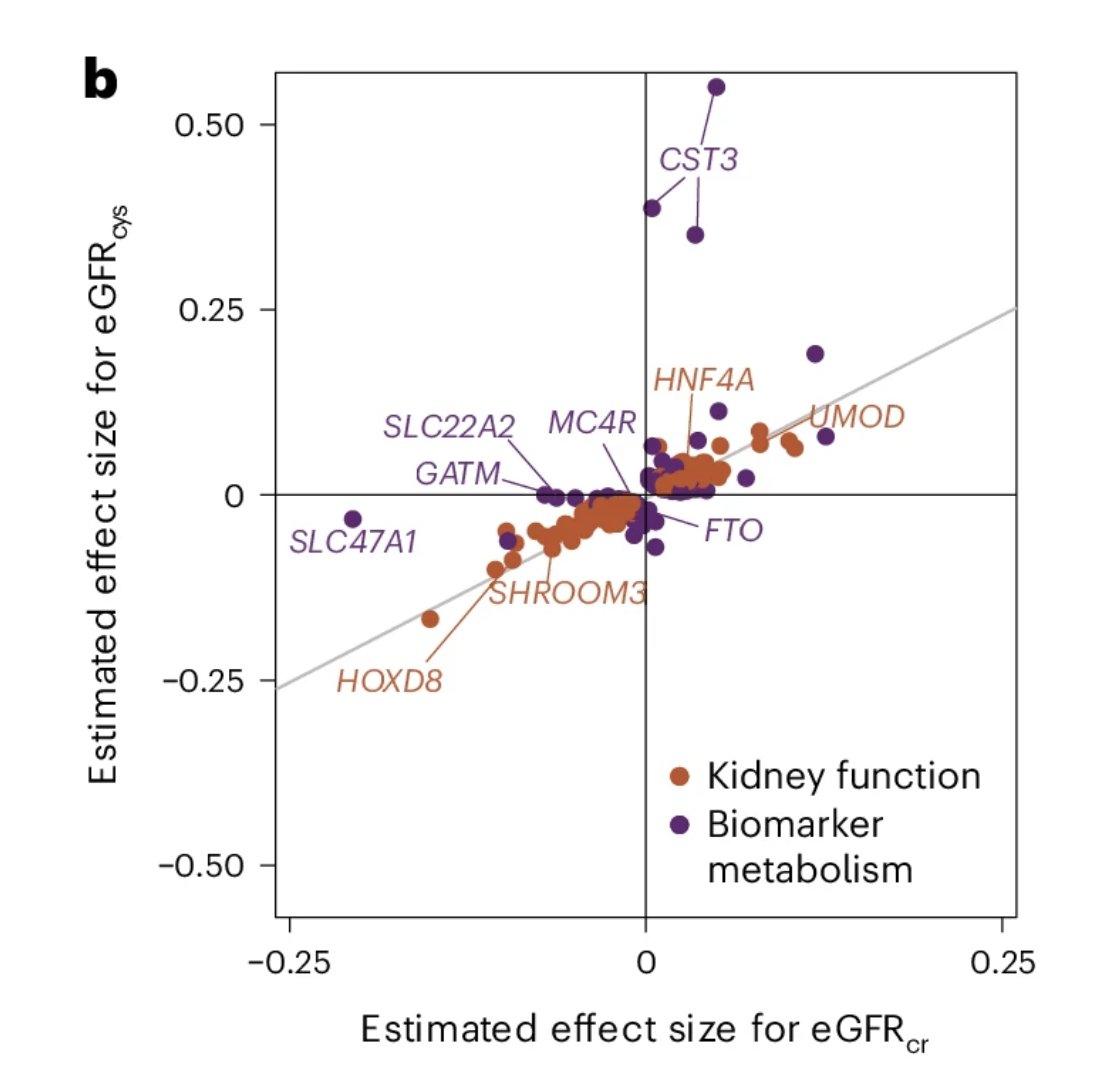
Great paper that dissects the genetics of kidney function by combining GWAS results with data from single cell ATAC sequencing of kidney tissue.
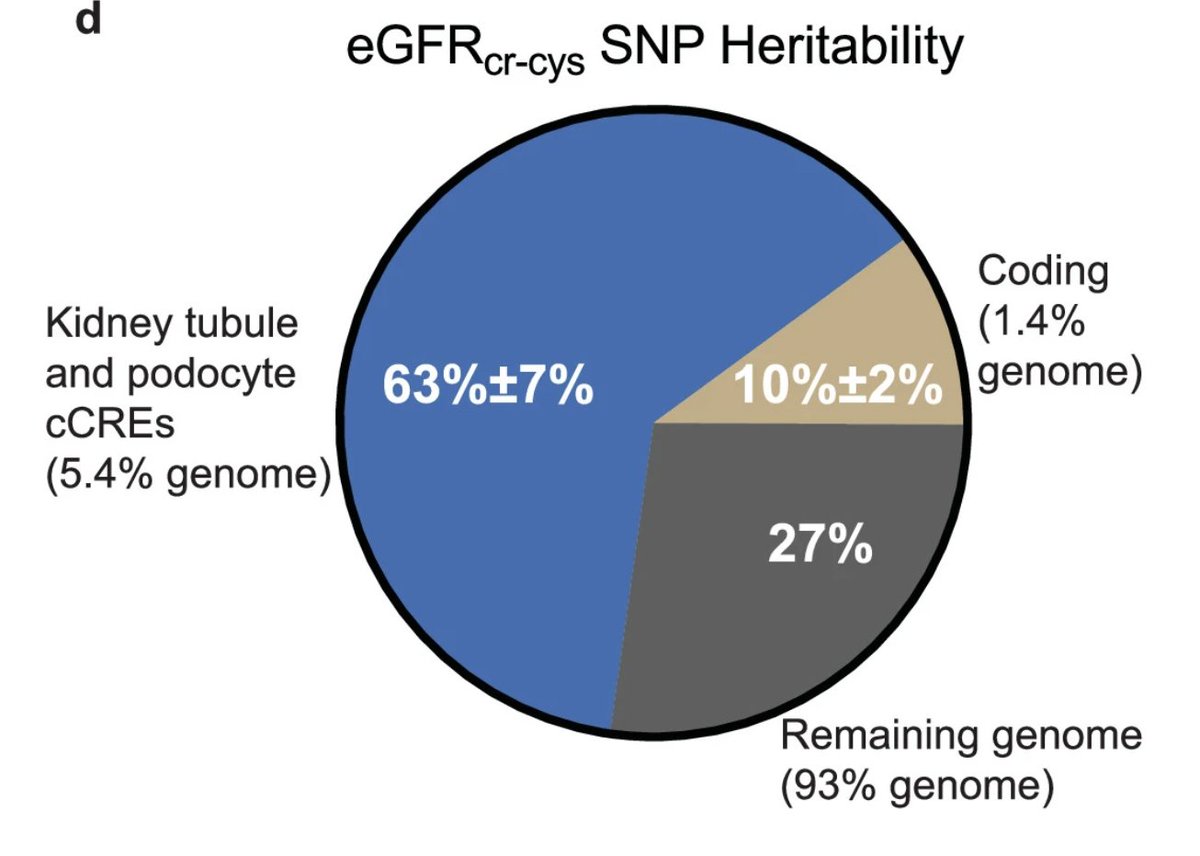
The authors make a strong case for the majority of the heritability of polygenic traits come from a small portion of disease-relevant regions in the genome and not from all over the genome.
Using LD score heritability enrichment analysis, the authors show that
- 63% of the SNP heritability of kidney function comes from cis regulatory elements related to kidney tubular epithelial cells (56%) and podocytes (7%), which together represent mere 5.4% of the genome
- 10% come from coding regions containing genes well implicated in kidney function, either through Mendelian diseases or mouse knockout studies, which represent mere 1.4% of the genome
- and the rest 27% of SNP heritability come from the remaining 93% of the genome.
Loeb et al. Nat Gen
nature.com/articles/s41588-0…
3
17
77
7,468