
Confused Catholic • Perennialist • Me ne frego
Joined January 2023
- Tweets 27,828
- Following 759
- Followers 730
- Likes 295,074
2,917 Photos and videos










Why aren’t lepers good liars?
Because they crumble under pressure
Sir “The Tallyman” Mustard retweeted
“He needs cooties to live.”

1
2
58
693
The last act of the physical Israel, before being inherited by the European nations, was the crucifixion of Christ
It is for this reason the jews lost their place as the leaders of Israel
1
4
93
The jews were the main perpetrators of Christ’s death, and Rome was the means by which it was carried through
1
3
44
All of the triumphs and woes that were Israel’s are now Europe’s
1
27
Sir “The Tallyman” Mustard retweeted

Jun 15
The Fart of War by Sun Tzoot
1
4
14
292
Sir “The Tallyman” Mustard retweeted

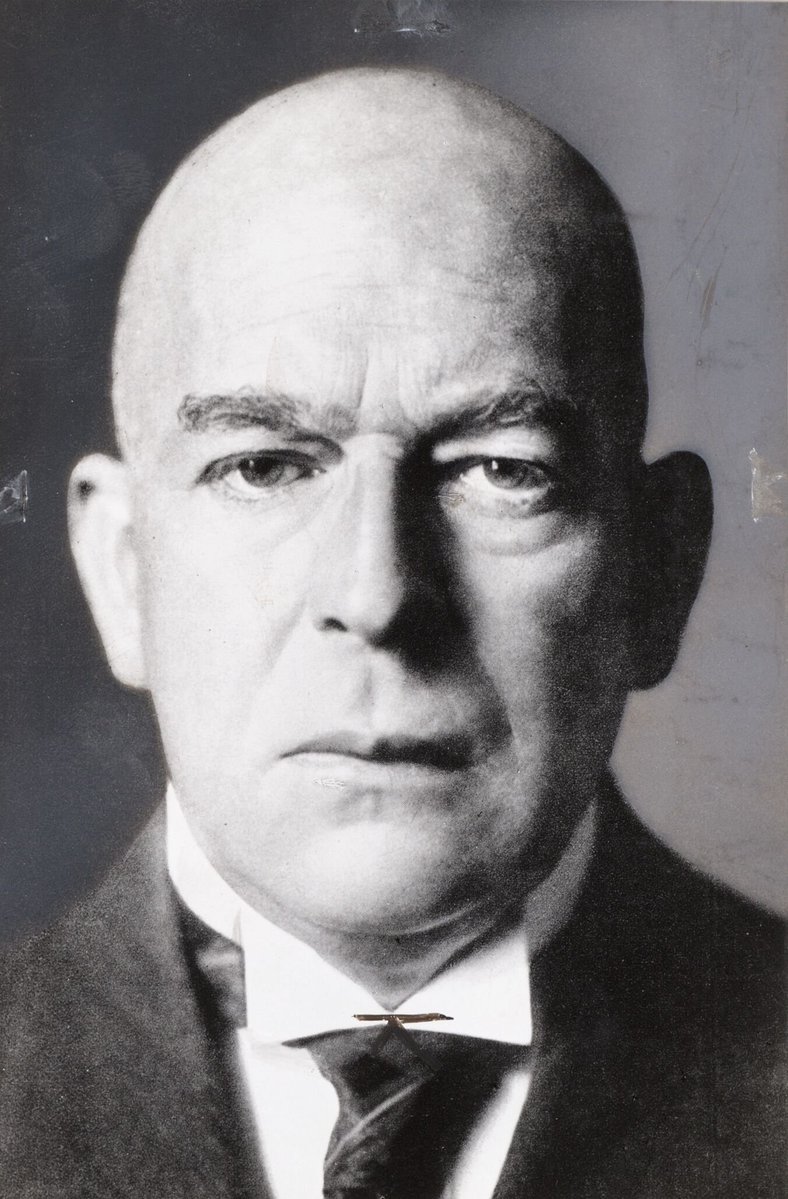
In The Decline of the West, Spengler argues that the soul of Northern European man is "faustian," the prime symbol of which is “pure and limitless space”:
"Far apart as may seem the Christian hymnology of the south and the Eddas of the still heathen north, they are alike in the implicit space-endlessness of prosody, rhythmic syntax and imagery. Read the Dies Irae together with the Völuspá, which is little earlier; there is the same adamantine will to overcome and break all resistances of the visible."
Further, he states that “the Faustian is an existence which is led with a deep consciousness and introspection of the ego, and a resolutely personal culture evidenced in memoirs, reflections, retrospects and prospects and conscience.”
What characterizes the Faustian soul, then, is a kind of duality. On the one hand it is given to solemn inwardness; to looking within, and finding the answers within our own individual conscience. But this goes together with an outward-striving will that, in multiple forms, yearns for the infinite.
One commentator (John Farrenkopf) expounds upon Spengler’s conception of the Faustian as follows:
"The architecture of the Gothic cathedral expresses the Faustian will to conquer the heavens; Western symphonic music conveys the Faustian urge to conjure up a dynamic, transcendent, infinite space of sound; Western perspective painting mirrors the Faustian will to infinite distance; and the Western novel responds to the Faustian imperative to explore the inner depths of the human personality while extending outward with a comprehensive view."
In sum, Spengler holds that European man is animated by the will not just to master all of nature, but to transcend the limits of the physical world itself.
Spengler writes
"What is Valhalla? . . . [It] is something beyond all sensible actualities floating in remote, dim, Faustian regions. Olympus rests on the homely Greek soil, the Paradise of the Fathers is a magic garden somewhere in the universe, but Valhalla is nowhere. Lost in the limitless, it appears with its inharmonious gods and heroes the supreme symbol of solitude. Siegfried, Parzeval, Tristan, Hamlet, Faust are the loneliest heroes in all the cultures. Read the wondrous awakening of the inner life in Wolfram’s Parzeval. The longing for the woods, the mysterious compassion, the ineffable sense of forsakenness – it is all Faustian and only Faustian. Every one of us knows it. The motive returns with all its profundity in the Easter scene of [Goethe’s] Faust I.
“A longing pure and not to be described
drove me to wander over woods and fields,
and in a mist of hot abundant tears
I felt a world arise and live for me.”
Of this world-experience neither Apollinian [Greco-Roman] nor Magian [Middle Eastern] man, neither Homer nor the Gospels, knows anything whatever."
7
42
1,542
Sir “The Tallyman” Mustard retweeted

Jun 15
Shaving Ryan's Privates
1
1
2
52

Sir “The Tallyman” Mustard retweeted

Jun 13
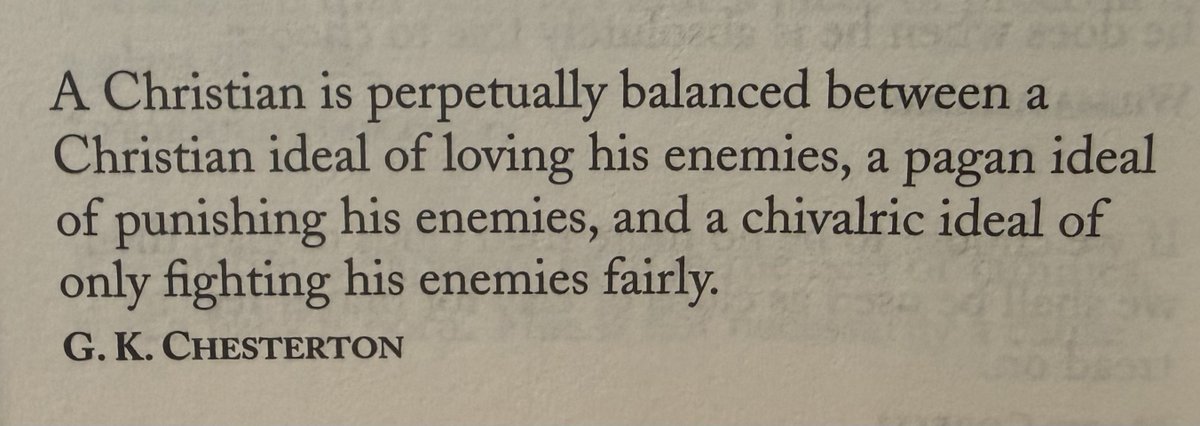
I think about this line a lot
72
884
9,625
176,059
I’m a sucker for architecture
I should have been an architect
4
12
138
Sir “The Tallyman” Mustard retweeted

Jun 13
The whiteness of papal robes once symbolized innocence.
Now it symolizes naïveté.
Jun 12

🚨 Pope Leo XIV has sent a WARNING to migrants, telling them how to behave when they arrive into new countries:
'Learn its language, to respect its laws, to get to know its customs, to participate in communal life and to offer your gifts with gratitude'

6
5
95
4,291
Sir “The Tallyman” Mustard retweeted

Jun 14
Millenials really arent the problem, they are really the ultimate victims of the system of structured civilizational decline, and their particular culture is the result of the decline, like the culture of the roaring 20s in America, England, Weimar Germany etc
1
2
476
Sir “The Tallyman” Mustard retweeted
Jun 14
Pagan Spirit Christian Heart

1
18
643
Sir “The Tallyman” Mustard retweeted

Jun 14
Harvey Fent

6
4
95
1,800
Sir “The Tallyman” Mustard retweeted

Jun 14
People say “there is no Great American Novel” like they’re the Oracle at Delphi muttering hitherto unknown doctrine, as if that isn’t the most banal, boring statement of postmodern litcrit ever. There’s dozens of Great America Novels, the most mythic of them being among Dick.
4
1
17
551
Sir “The Tallyman” Mustard retweeted

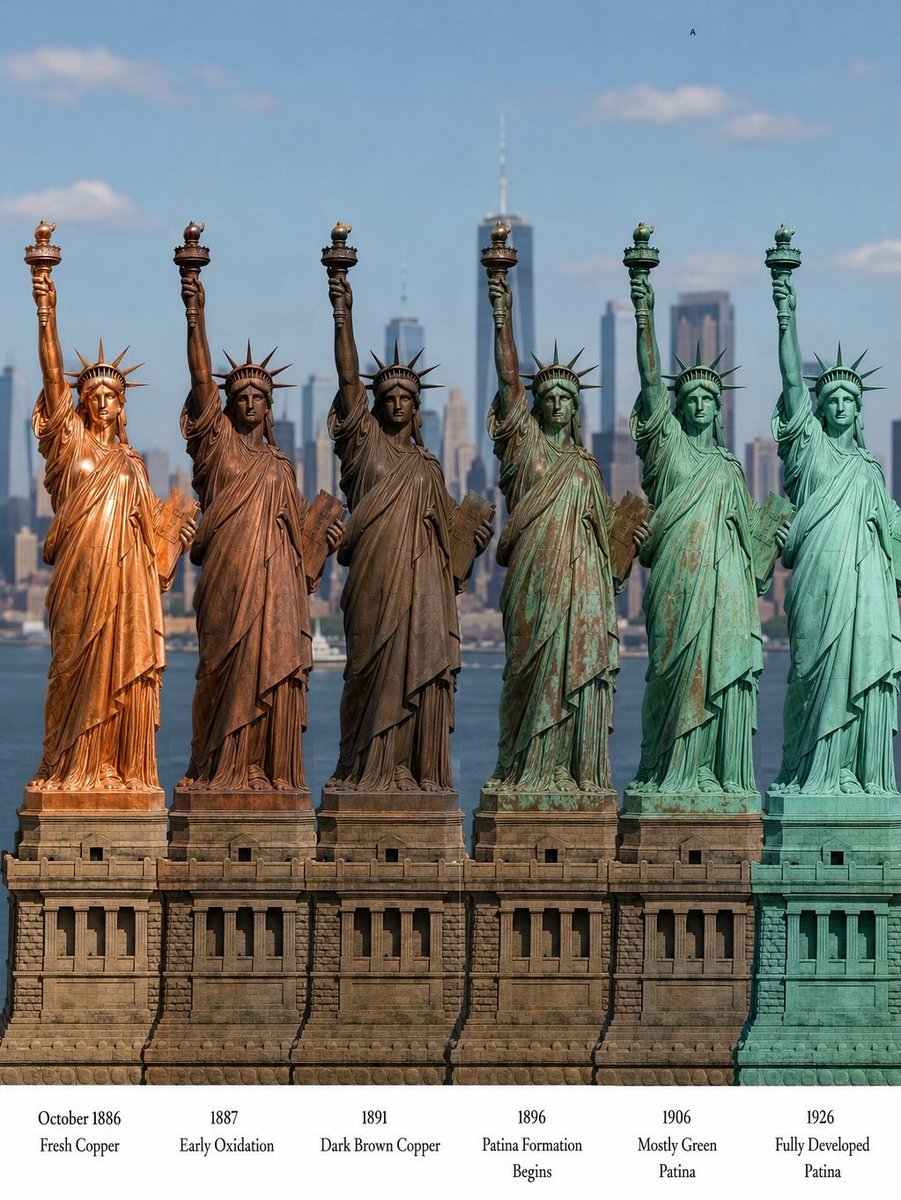
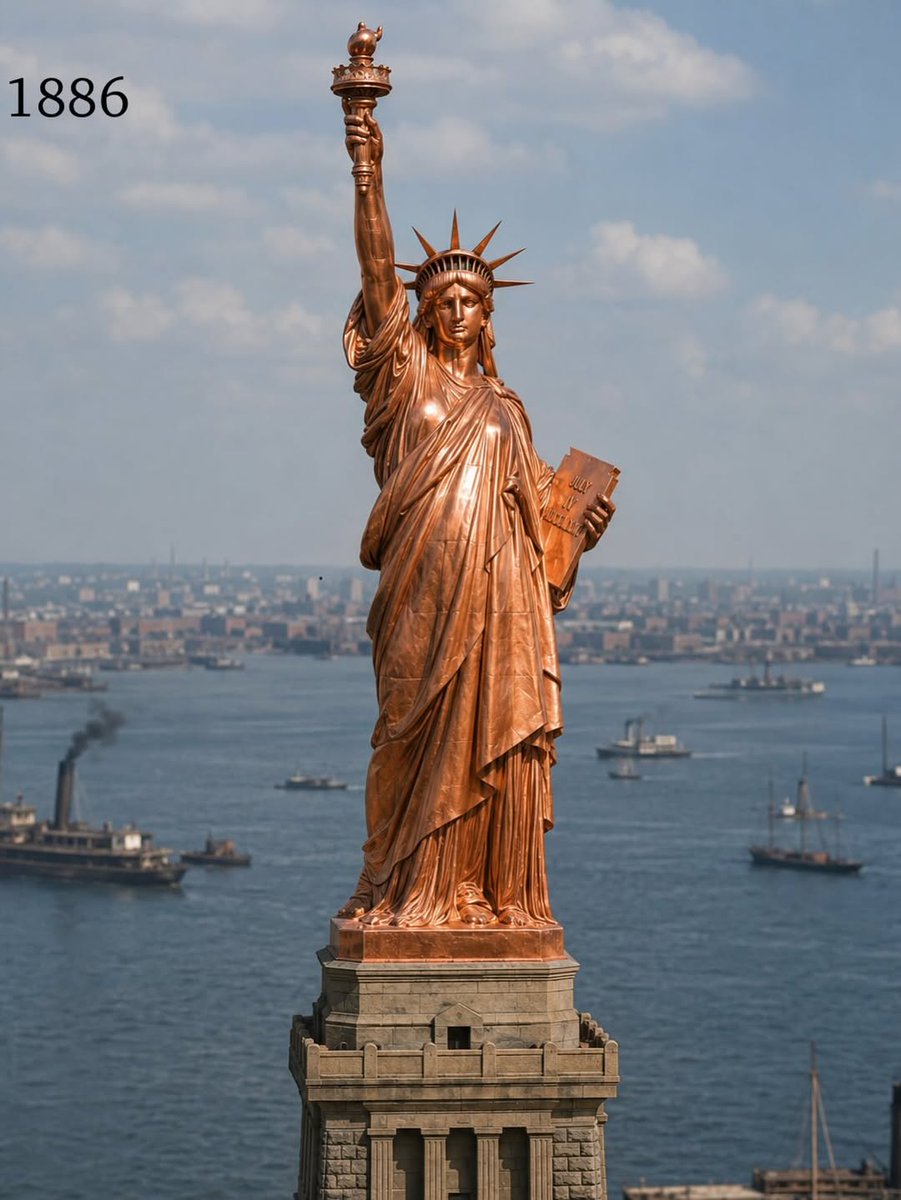
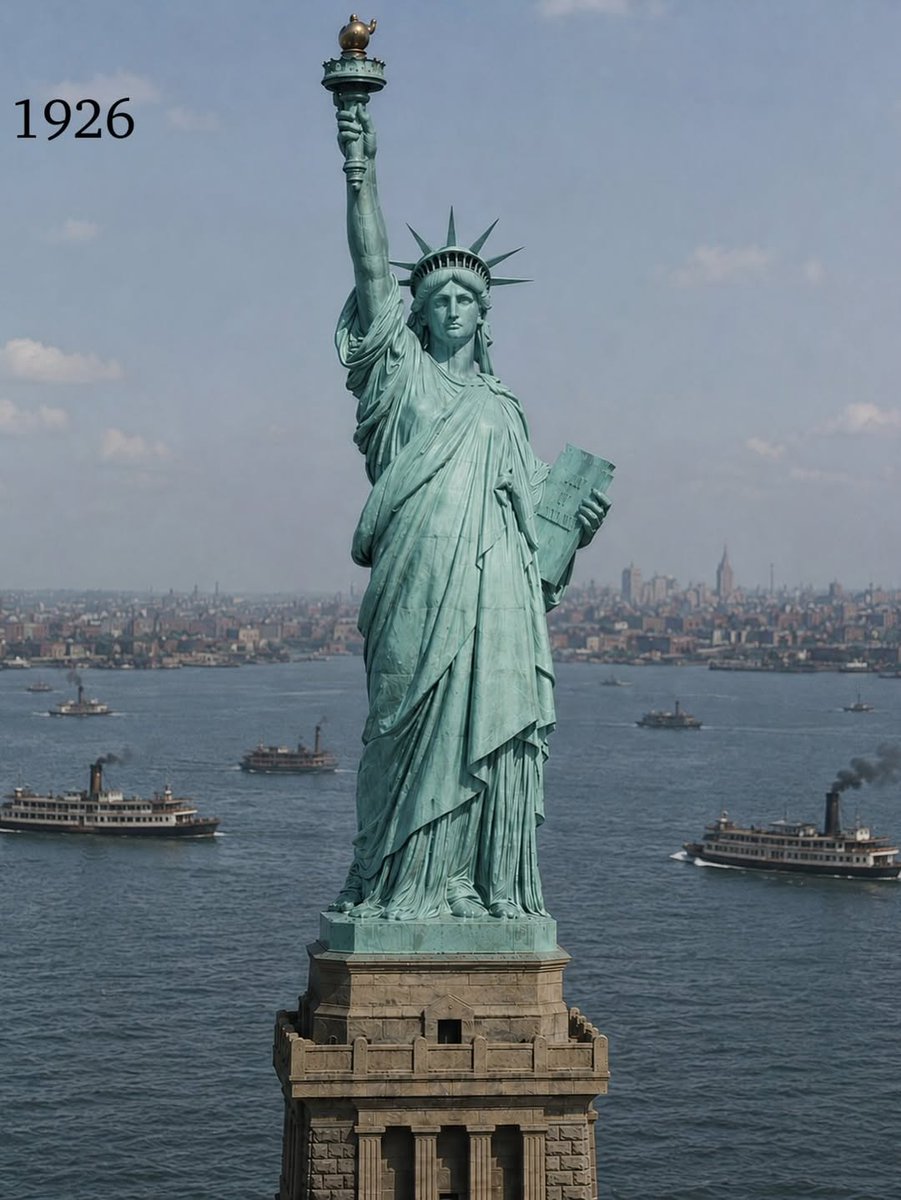
The Statue of Leprosy

1
2
30
623