
Organizational Psychologist @Purdue. Director of wam-lab.com. Founder of @expiwell.
Joined February 2021
- Tweets 736
- Following 234
- Followers 472
- Likes 517
52 Photos and videos


Jun 8
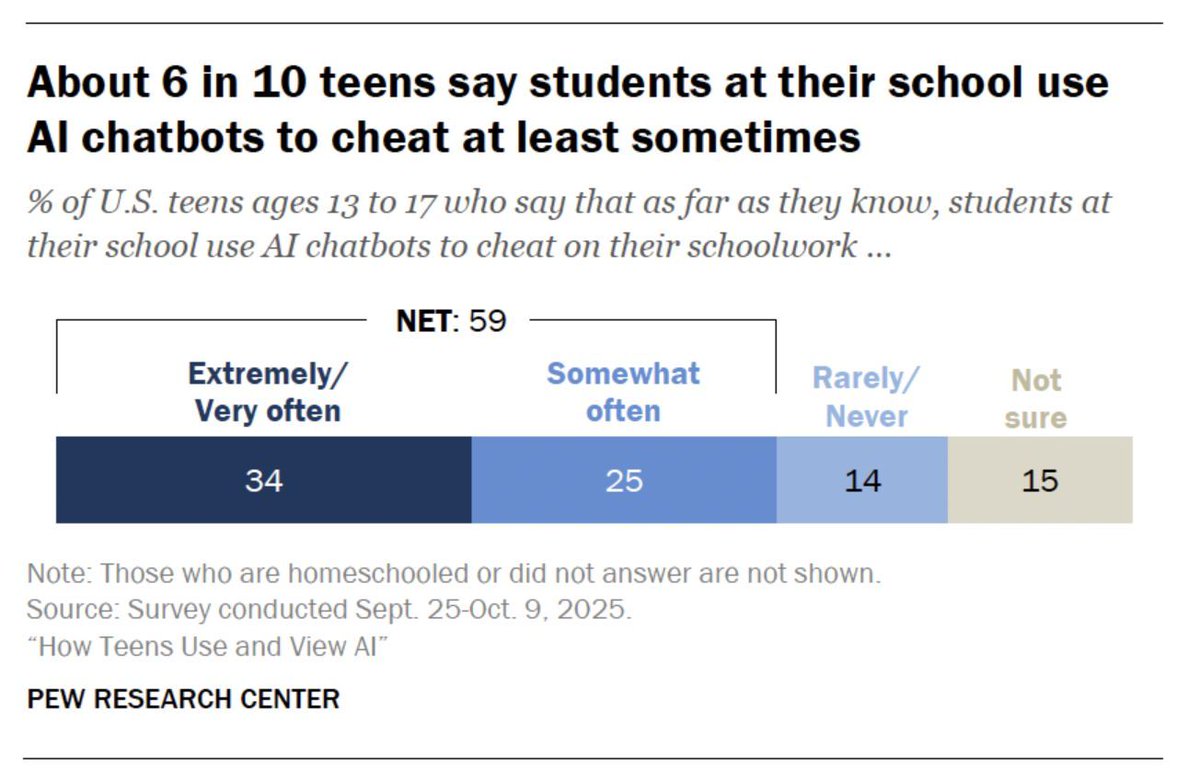
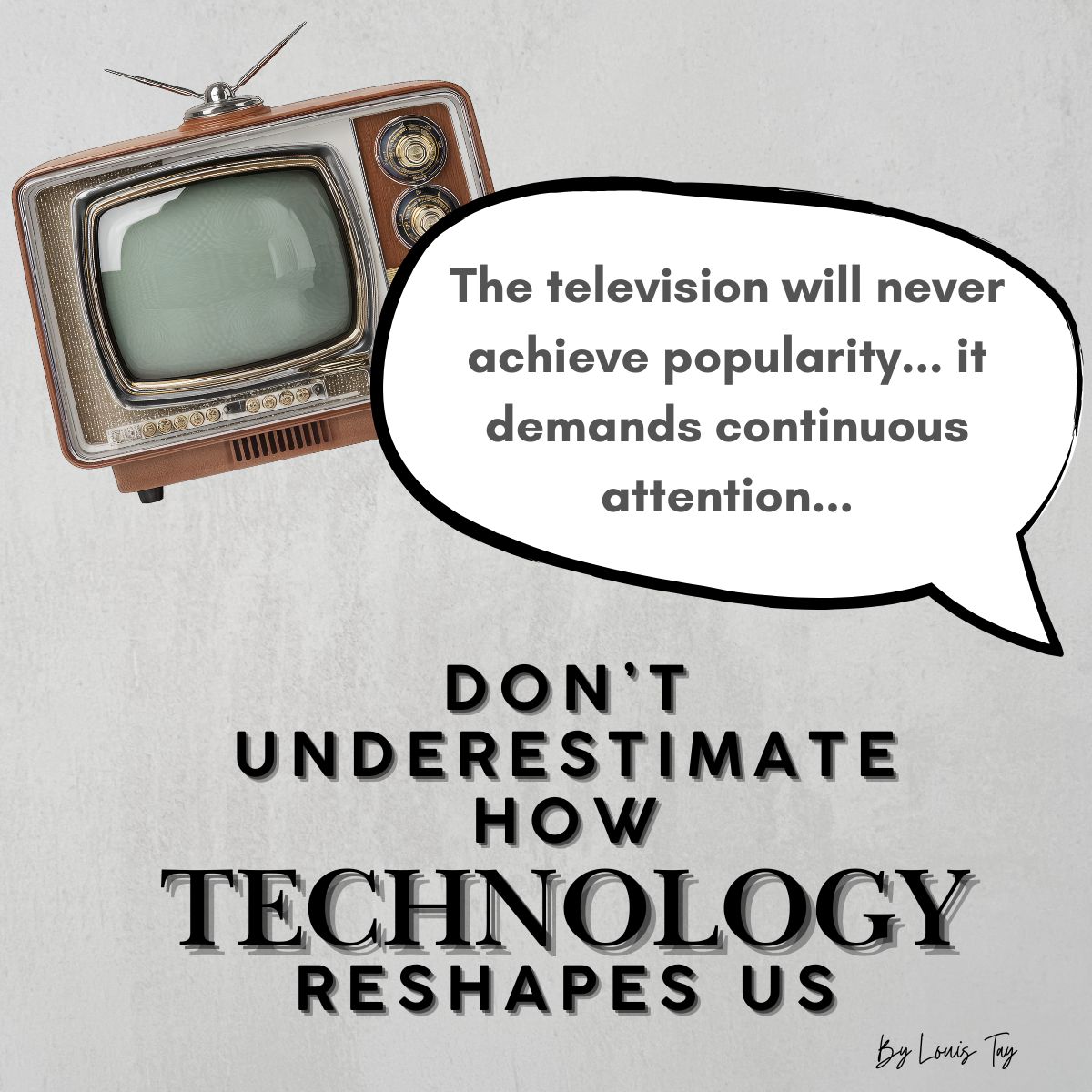
As more university administrators invest in and embrace AI, we still lack clarity on a basic distinction: what counts as "AI literacy" versus "AI handicapping"?
1
37
Jun 8
In my view, literacy should build a capability that students embody. But handicapping outsources the capacities and thinking that our education is supposed to develop.
1
16
Jun 8
AI tools can do either. And from the outside, the two often look identical!
npr.org/2026/05/25/nx-s1-577…
#AI #literacy #education
9
Jun 5
As a Singaporean, I grew up with a "kiasu" (惊输) culture - afraid to lose, afraid to be number two.
My parents added to this with my Chinese name: Xian Jie (先杰) - the first to excel.
Thanks, parents.
1
74
Jun 5
Academia is no exception. As important as our outputs are, life is more than another publication. Or another grant.
It is being able to deeply connect with others - family, friends, colleagues. And for those who are spiritually minded, our faith.
1
31
Jun 5
It is growing personally and, with our community, into something better.
As much as we seek work excellence, let's press even harder to make time for what matters.
#connection #rest #wellbeing #work #excellence
16
Jun 4
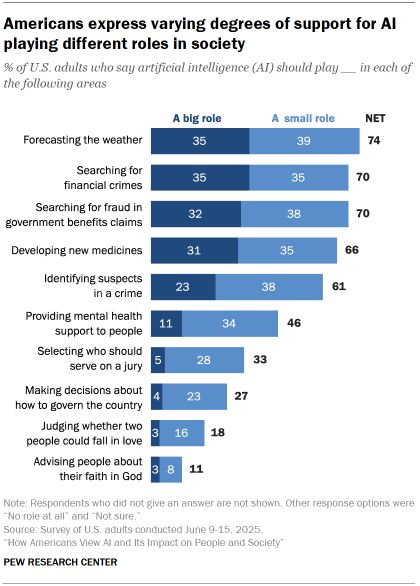
Is there truly an American rebellion against AI?
It seems like public sentiment shows broad concerns about AI technology - but much more active protests against AI infrastructure like data centers.
#AI #trends #concerns
wsj.com/tech/ai/the-american…
28
Jun 3
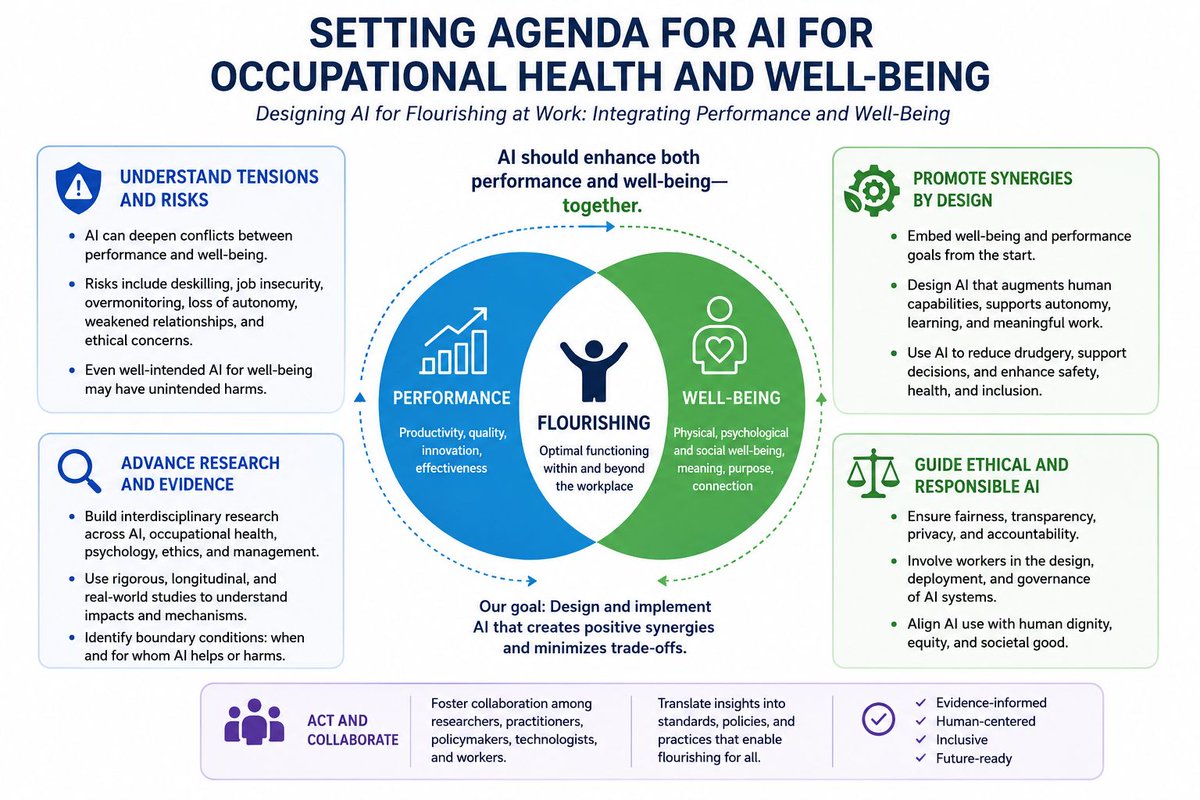
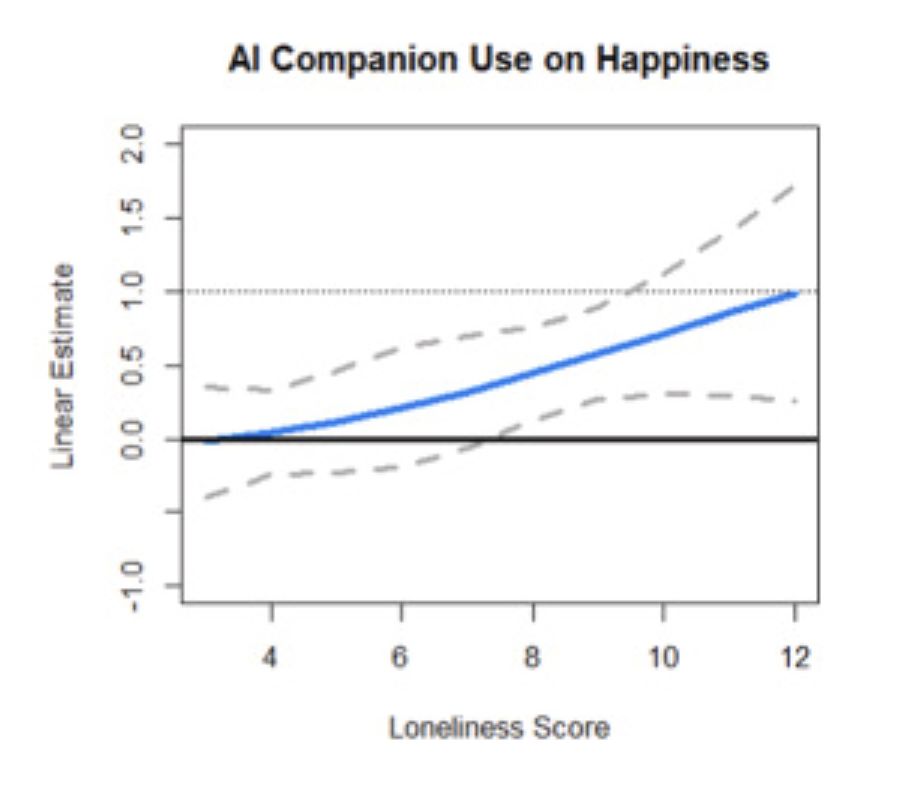
Well-being is optimal functioning.
I argue that it is not merely feeling good and having a meaningful life - as central as those are.
It also includes performing well, utilizing our talents and interests.
link.springer.com/article/10…
1
32
Jun 3
From that perspective, we need to design AI that can promote both.
link.springer.com/article/10…
26
Jun 2
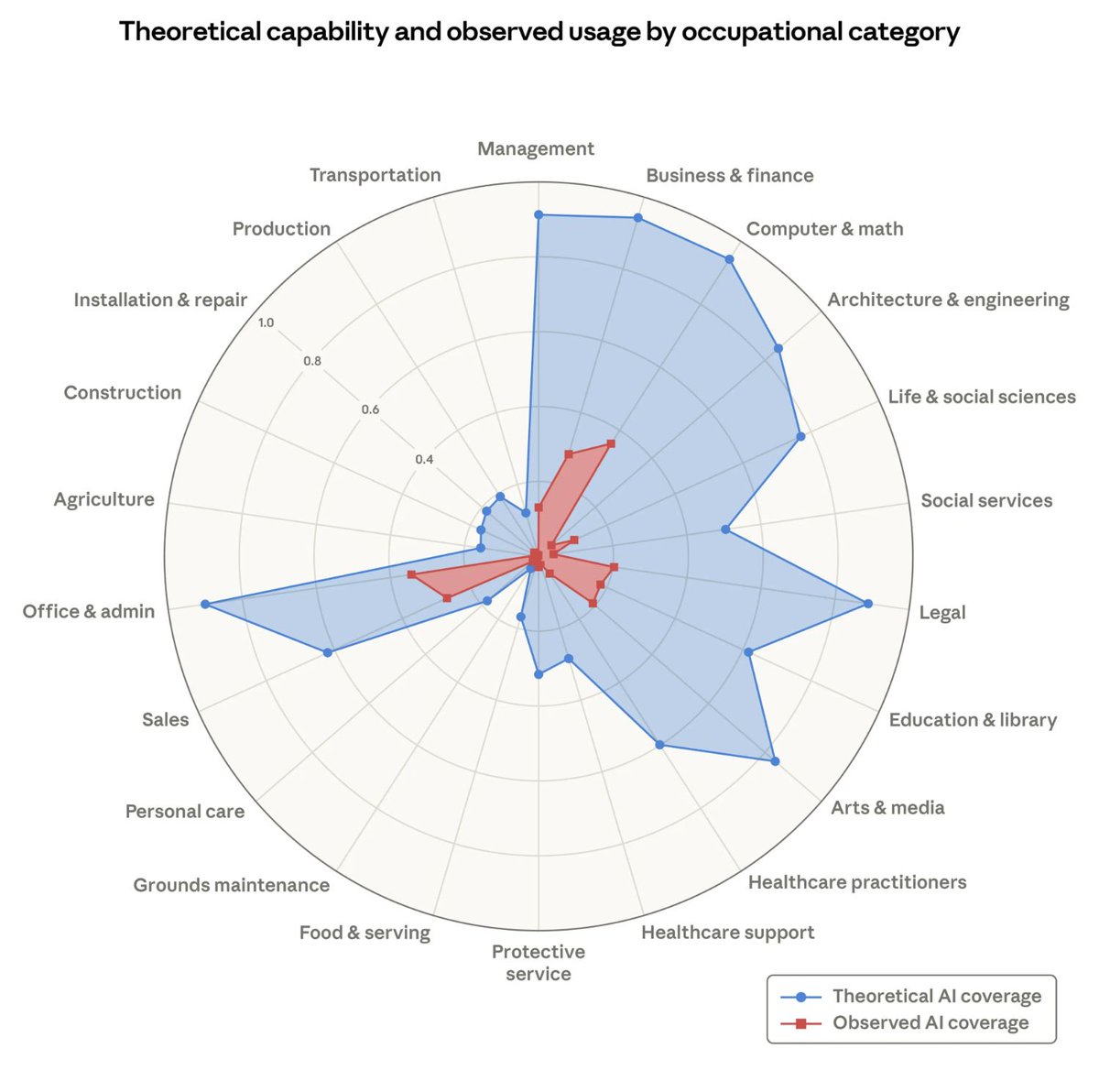
57% of special education teachers used AI to help write individualized education programs (IEPs) last year. This is up from 39% the year before.
npr.org/2026/05/20/nx-s1-581…
While some might be concerned, this is exciting for me.
1
1
44
Jun 2
Mary Acebu, a teacher in the story, uses it to speed up the paperwork so she can spend more time with her students. She mentions a kid who couldn't read at the start of seventh grade and is reading now. That happened because she was present.
1
8
Jun 2
The research from UVA and UCF even suggests that, used well, AI can help produce IEPs of equal or higher quality than teachers working alone.
#AI #productivity #work #burden
26
Jun 1
AI is increasingly able to help students and mentees with process-related know-how. Analyzing better. Writing better. Coding better.
Does this obviate the role of mentors?
Not at all.
1
49
Jun 1
As knowledge becomes ever more democratized, the framing of what matters does not.
Knowing how to do something is different from knowing what is worth doing - not just in general - but worth doing by the mentee based on their interests and abilities.
1
1
25
Jun 1
That discernment is what a good mentor provides. And AI can't replace it - because it requires understanding the mentee and the field, not just the facts.
What's the most important thing a mentor helped you see that you wouldn't have found on your own?
13