
MD, MSc, FISC. Cardiologist at Ospedale Santa Maria Goretti, Latina. PhD Candidate @SapienzaRoma. Associate Editor at @JCVPOnline and Cardio-Oncology.
- Tweets 906
- Following 1,867
- Followers 1,144
- Likes 3,360
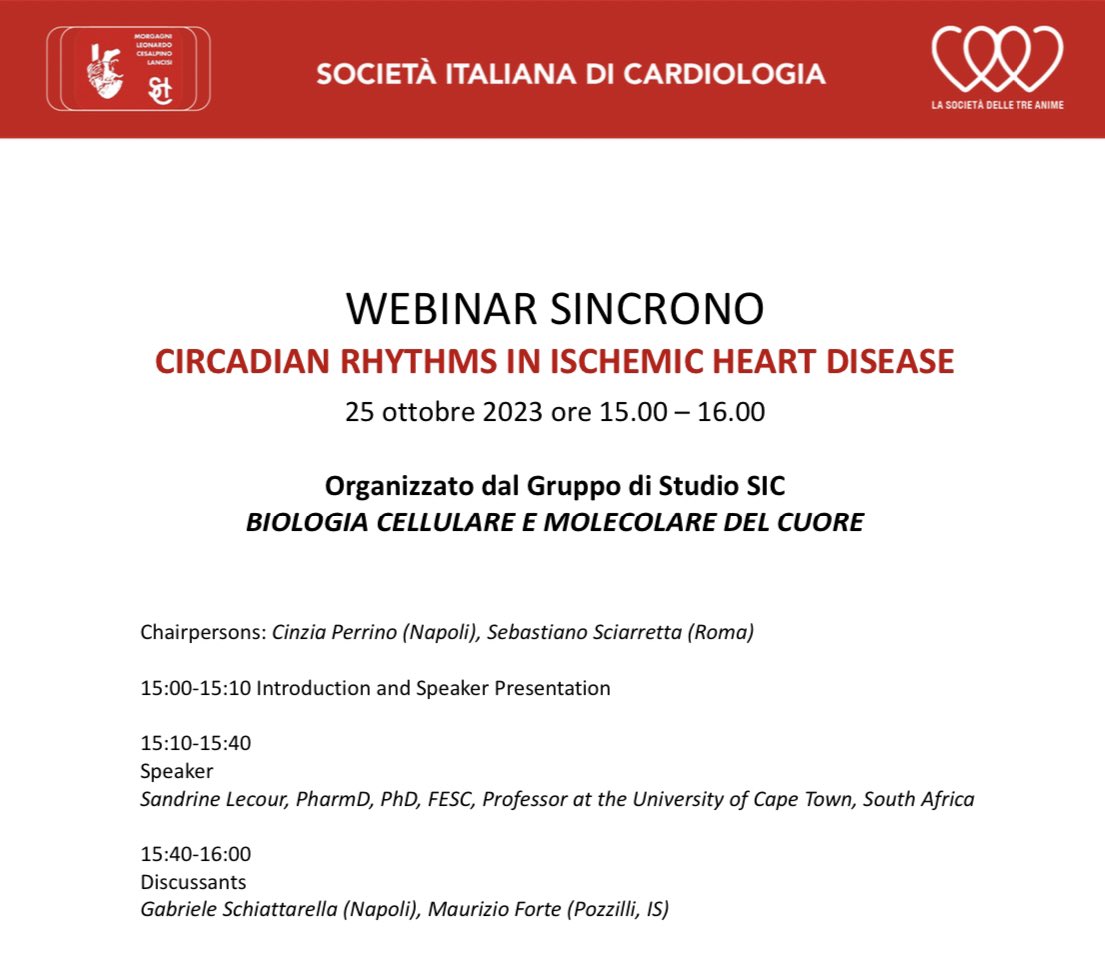





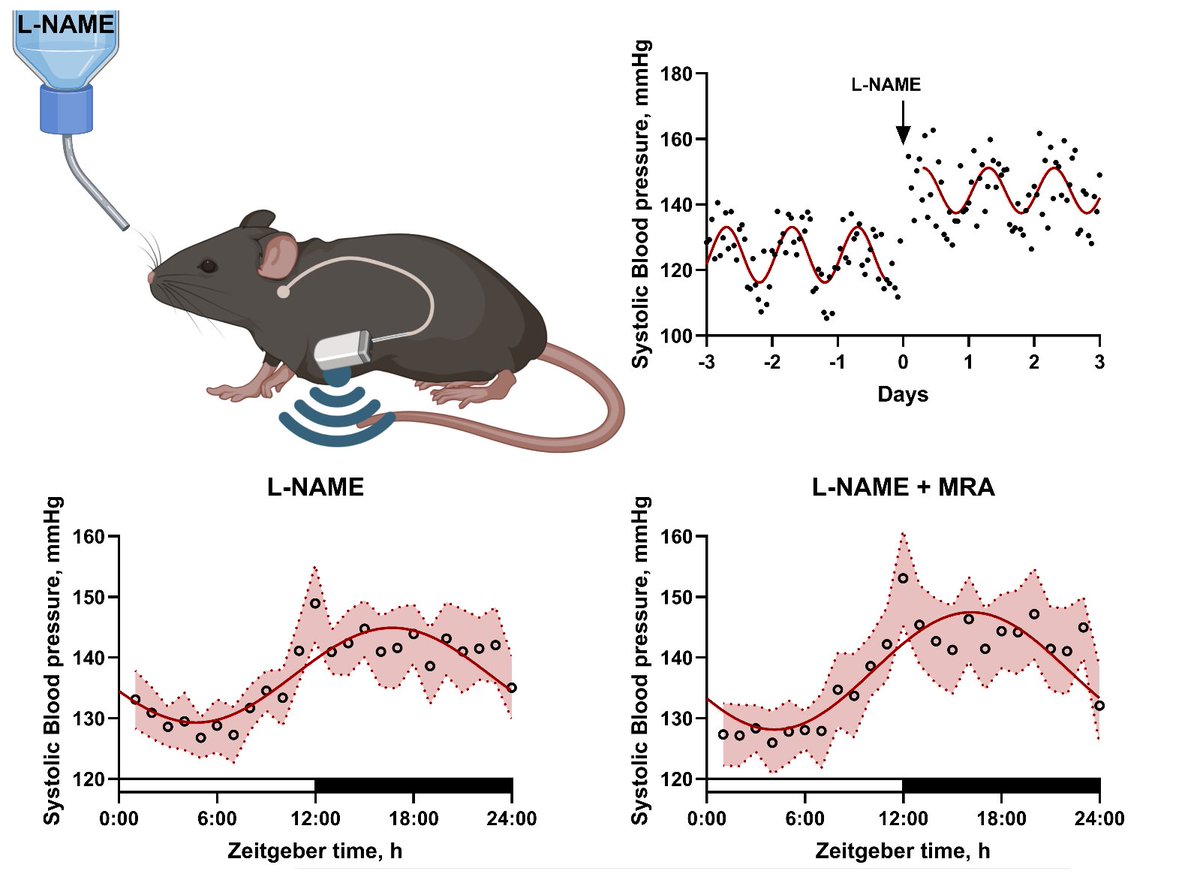
ALT In hypertensive mice, MRAs did not restore a normal dipping pattern or alter 24h BP rhythms. What does this mean for targeting circadian dynamics in hypertension?
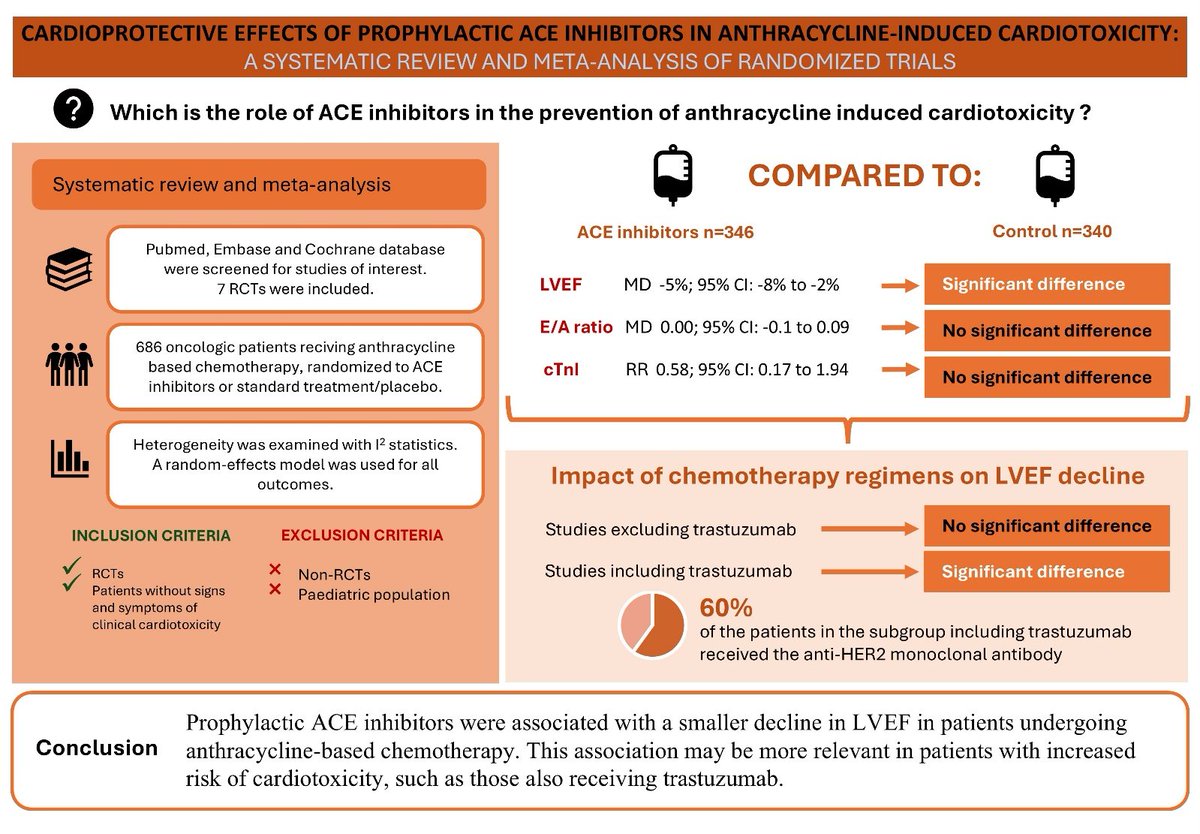
ALT A meta-analysis of RCTs shows ACEi may attenuate LVEF decline—especially in patients receiving trastuzumab. Could this reshape cardio-oncology practice?

ALT A scoping review suggests somatostatin/analogues may safely reduce chest tube output, though one-third still require further intervention. Could earlier or better patient selection improve outcomes?
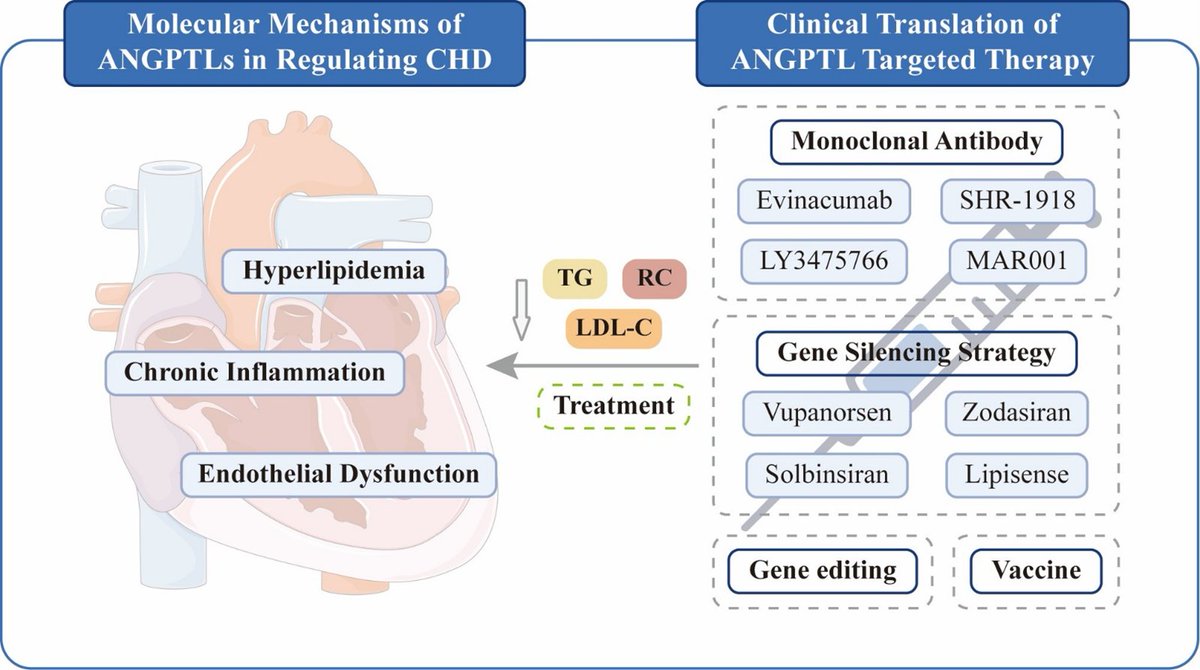
ALT ANGPTLs regulate lipid metabolism and inflammation—key drivers of atherosclerosis. Emerging therapies (mAbs, siRNA) show promising lipid-lowering effects. Are we approaching a new therapeutic frontier?
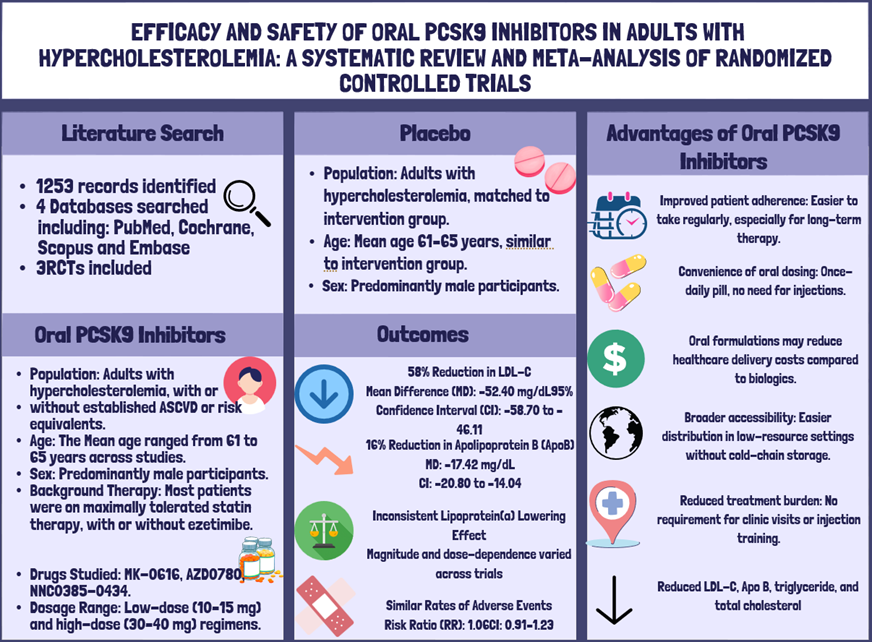
ALT This systematic review and meta-analysis of RCTs shows that oral PCSK9 inhibitors significantly reduce LDL-C and ApoB with a safety profile comparable to placebo. Promising convenience, but cardiovascular outcome data remain scarce—what evidence would you need to fully embrace them?
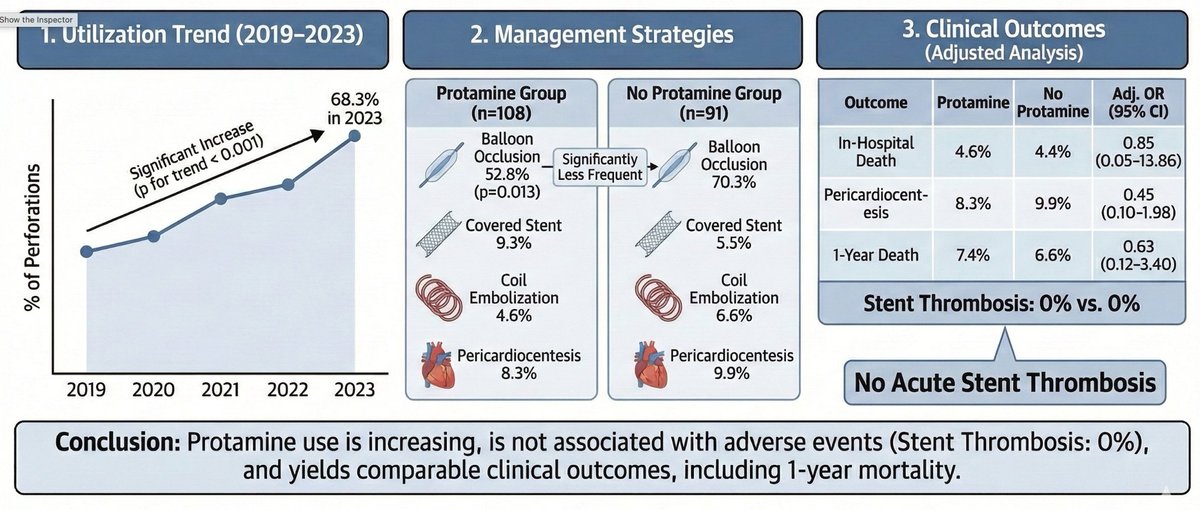
ALT In a single-center cohort of CTO PCI perforations, protamine reversal showed no increase in in-hospital or 1-year adverse outcomes, including death, MI, or stent thrombosis. Appears safe, but without clear added benefit—how do you approach protamine use in complex PCI?
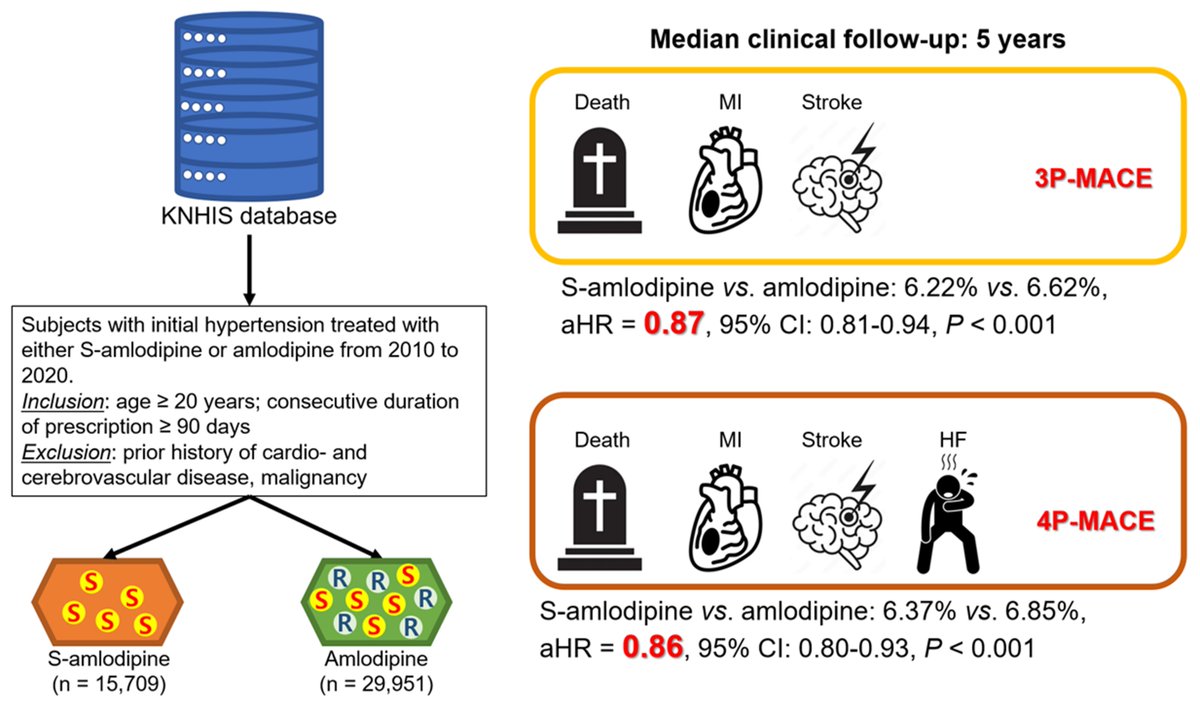
ALT In a nationwide Korean cohort (~45k patients, ~5-year follow-up), S-amlodipine was associated with lower risks of MACE (death, MI, stroke ± HF hospitalization) and slightly better adherence compared with racemic amlodipine. Observational data—but intriguing signals. Thoughts from the community?
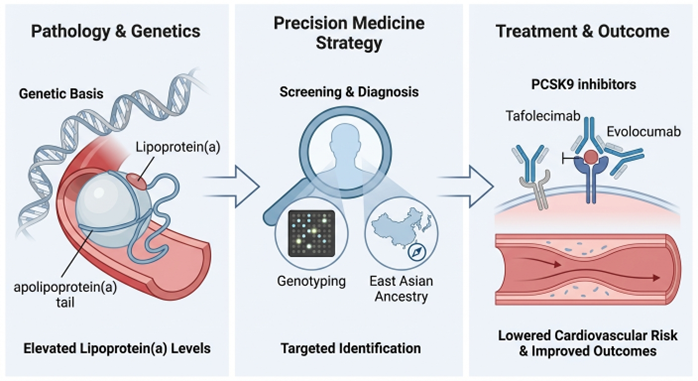
ALT Emerging evidence shows PCSK9 inhibitors reduce LDL-C by ~60% and Lp(a) by 20–30%, addressing residual ASCVD risk through dual mechanisms. Ethnic variability and precision medicine implications raise important questions—how should we integrate these therapies into practice?
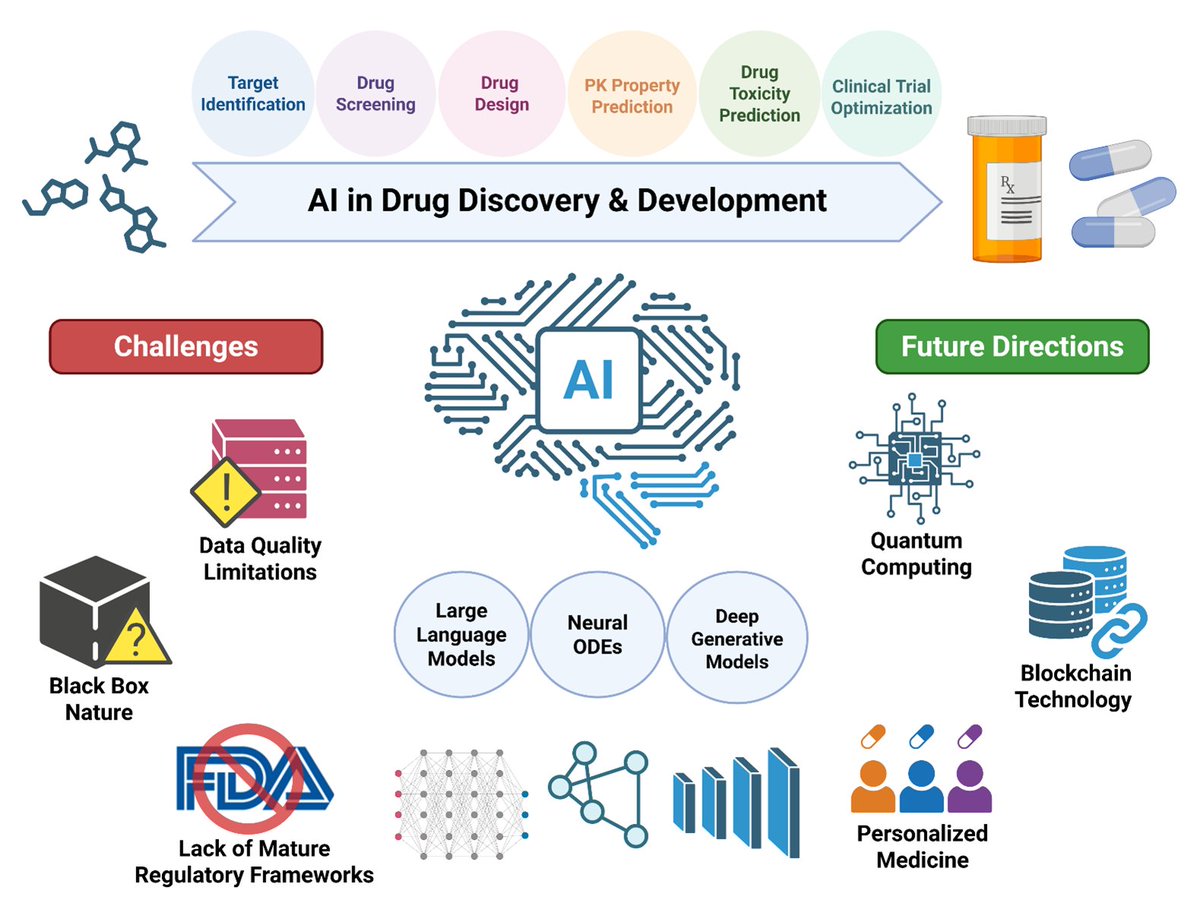
ALT Artificial intelligence is reshaping cardiovascular drug discovery—from target identification to clinical trials—by accelerating timelines, improving precision, and enabling personalized therapies. Yet concerns around data quality, bias, and regulation remain. How should the field balance innovation with reliability?
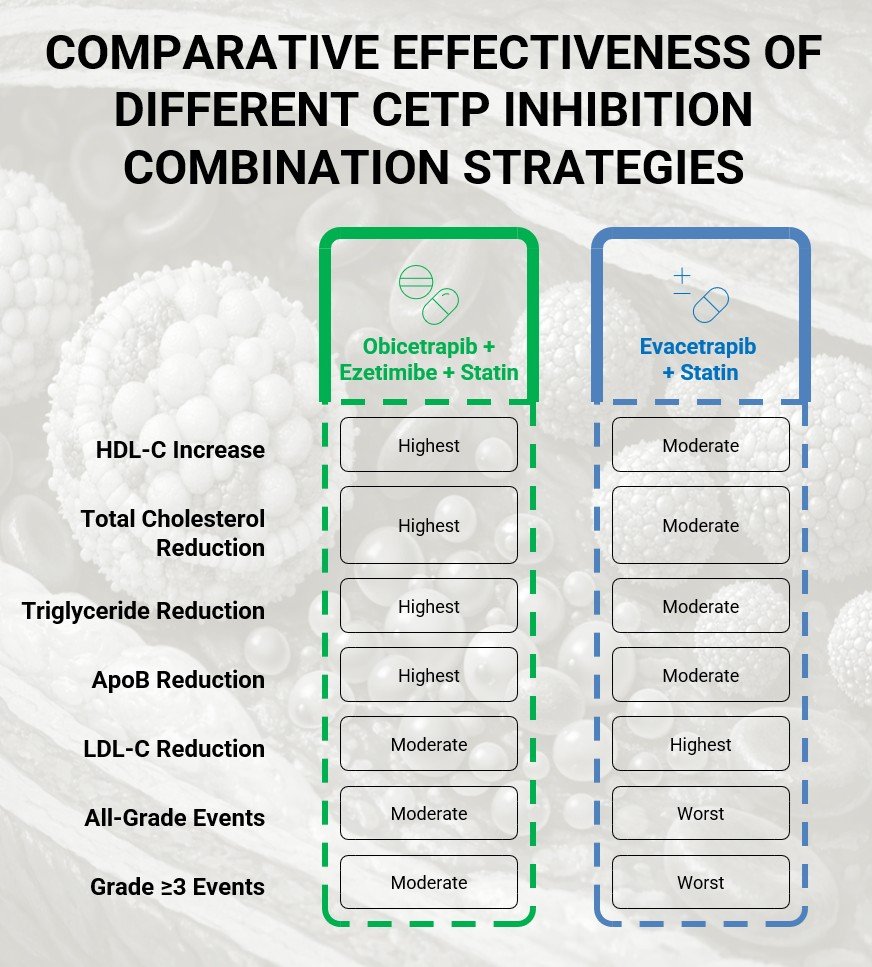
ALT This editorial highlights the resurgence of CETP inhibitors as part of combination lipid-lowering therapy, showing substantial apoB reductions when layered with statins and ezetimibe. While promising, questions remain around long-term outcomes, safety, and real-world positioning. Where do you see CETP-based strategies fitting in practice?
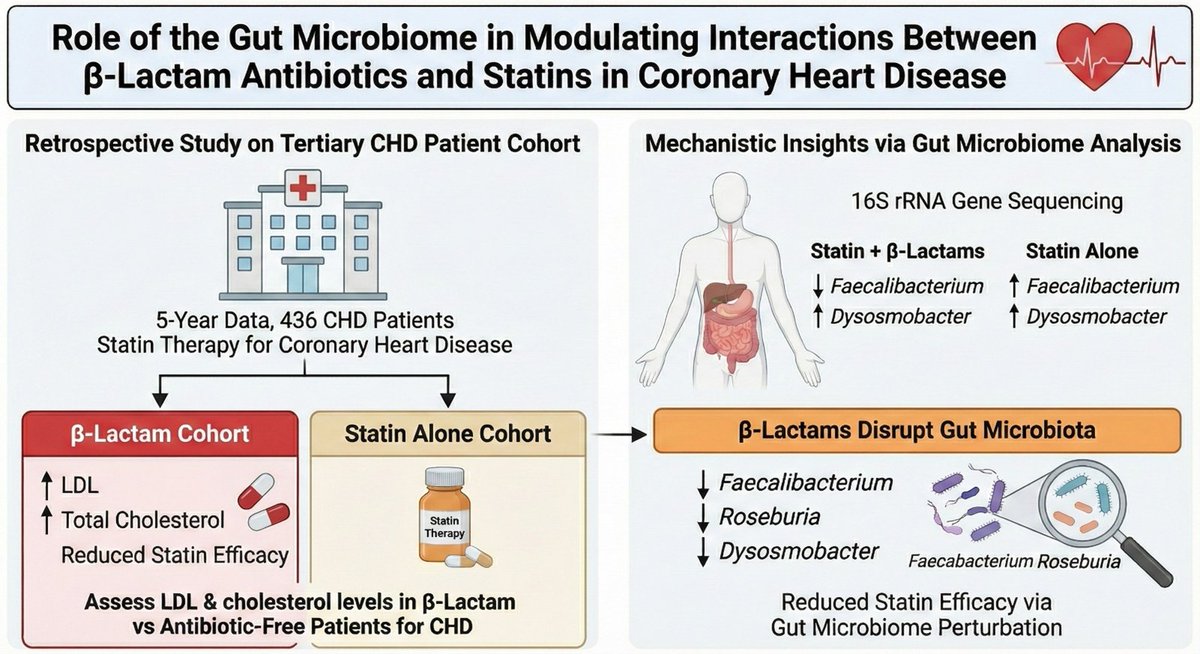
ALT New data suggest β-lactam antibiotics may blunt statin efficacy in CHD by disrupting gut microbiota, including key taxa linked to lipid regulation. Could microbiome-aware prescribing improve outcomes? Curious to hear how others interpret or apply this in practice.
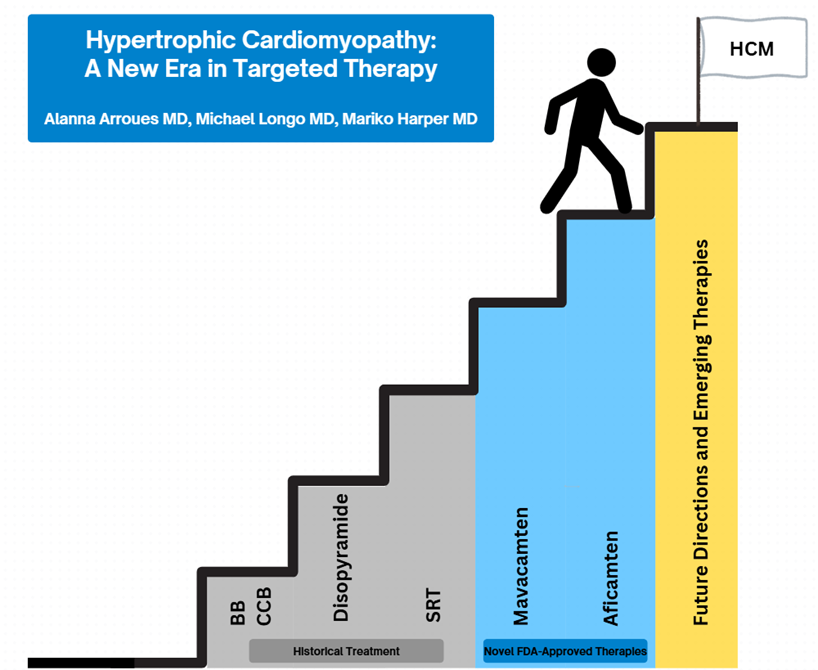
ALT HCM treatment is entering a new era. Cardiac myosin inhibitors target the underlying sarcomere dysfunction, improving symptoms and cardiac function—marking a shift from traditional therapies. What could this mean for long-term outcomes?

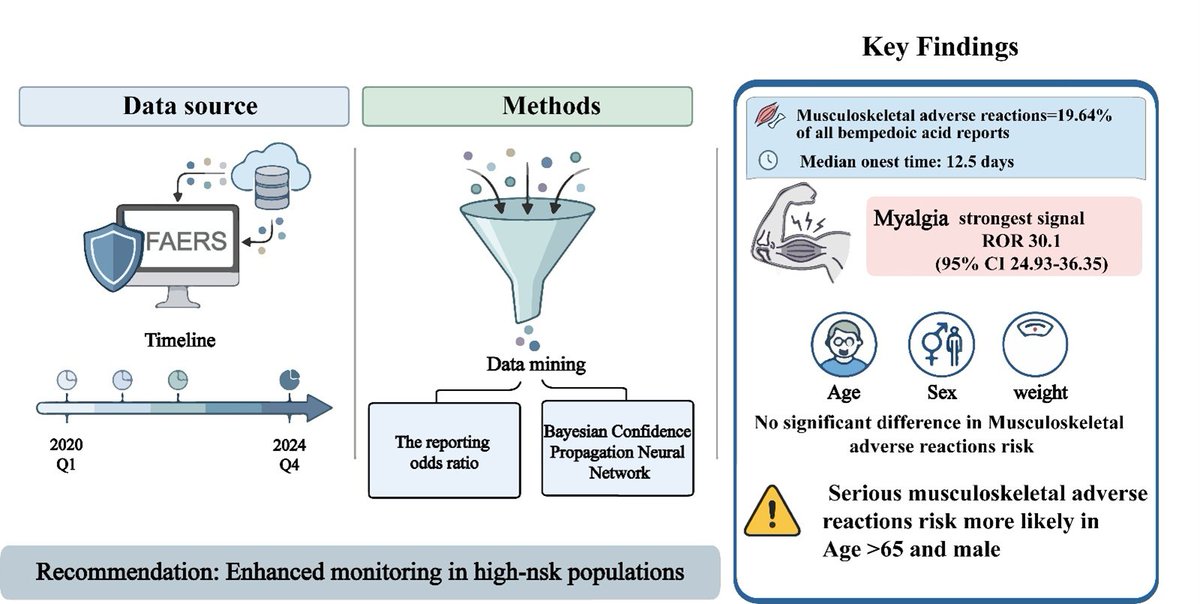
ALT This FAERS pharmacovigilance study links bempedoic acid to musculoskeletal adverse events in real-world use, with myalgia showing the strongest signal and older men at higher risk for serious events. Useful reassurance—or a call for closer monitoring in practice?
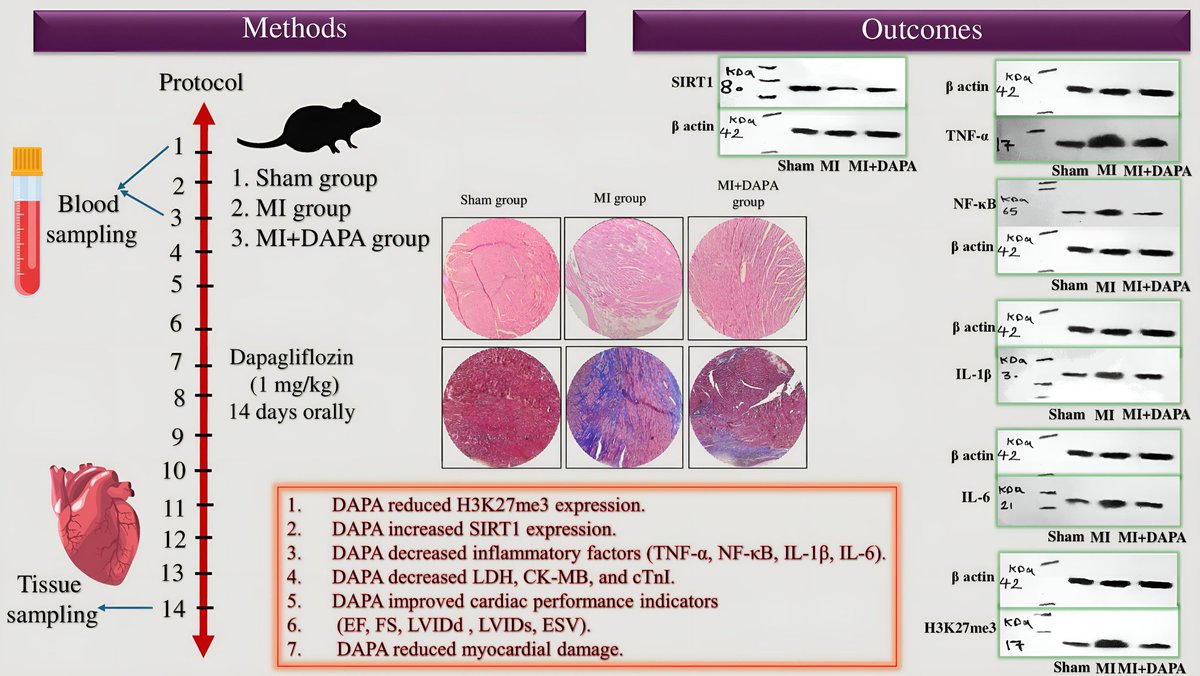
ALT In a rat MI/reperfusion model, dapagliflozin reduced myocardial injury, inflammation, fibrosis, and oxidative stress while improving LV function—linked to downregulation of EZH2/H3K27me3 and upregulation of SIRT1. Beyond glucose control, are epigenetic pathways the next frontier for cardioprotection?
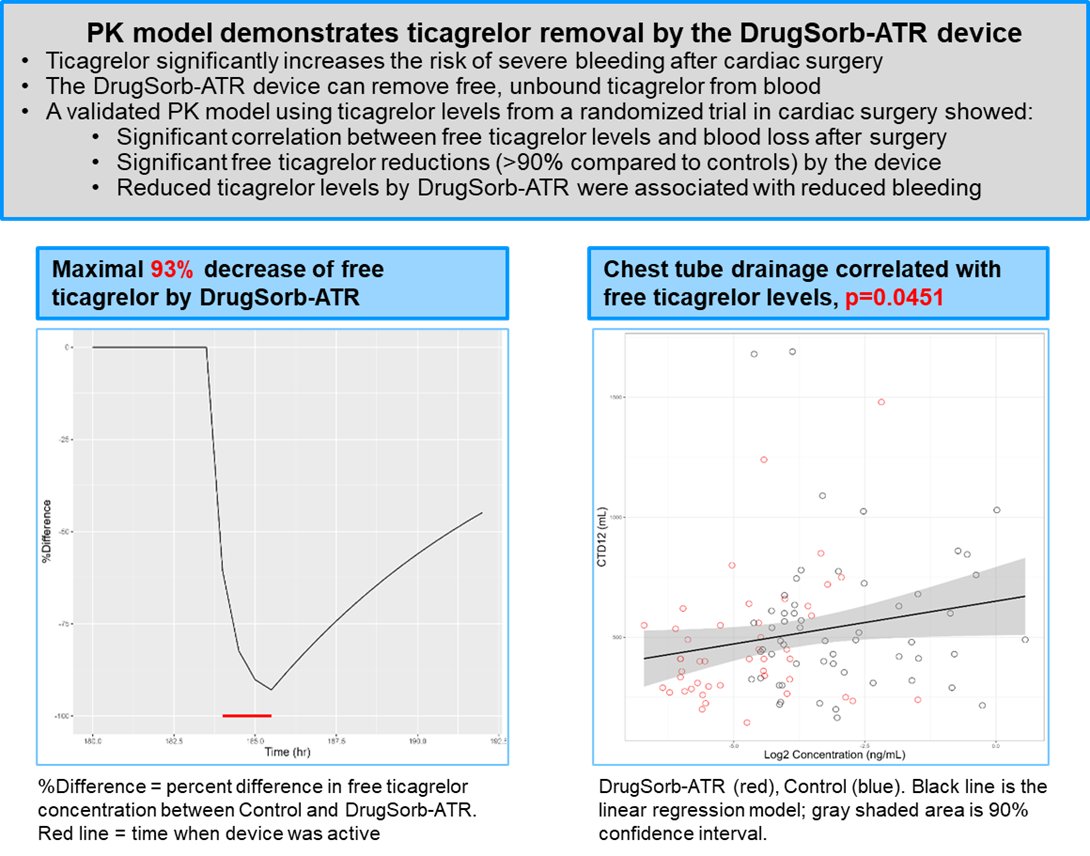
ALT Using PK modeling from the STAR-T trial, this study shows the DrugSorb-ATR device significantly lowers unbound ticagrelor and its active metabolite during cardiac surgery—reducing the probability of clinically relevant bleeding. Could this reshape perioperative management in urgent cases? Curious to hear your takes 👇
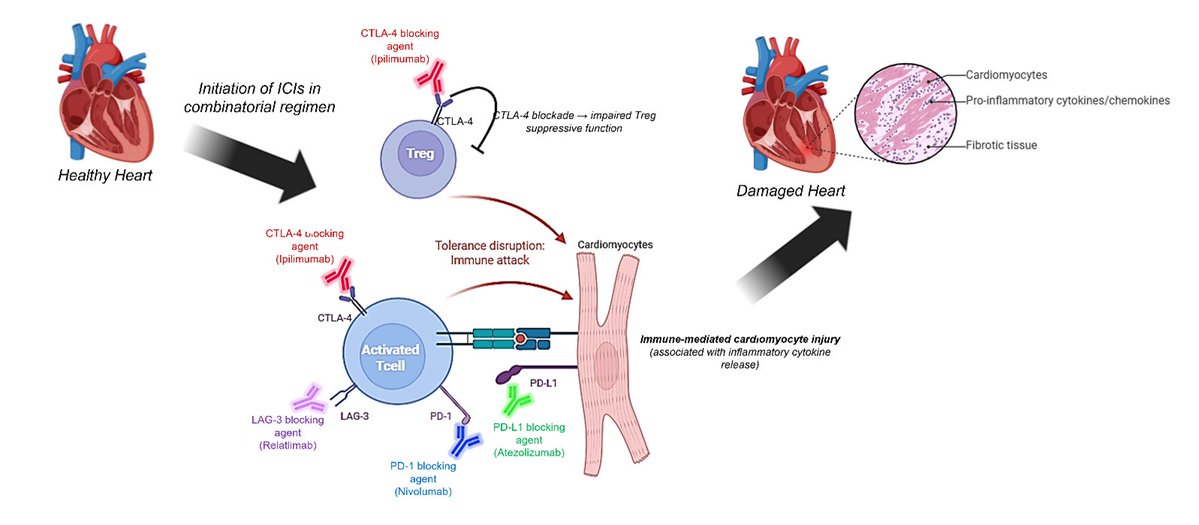
ALT This translational study shows that triple immune checkpoint blockade triggers marked immune-mediated cardiomyocyte damage in a human co-culture model, exceeding single and dual ICIs. Strong cytokine release and inflammasome activation raise a clear alert for intensified cardio-oncology surveillance. What monitoring strategies make sense here?
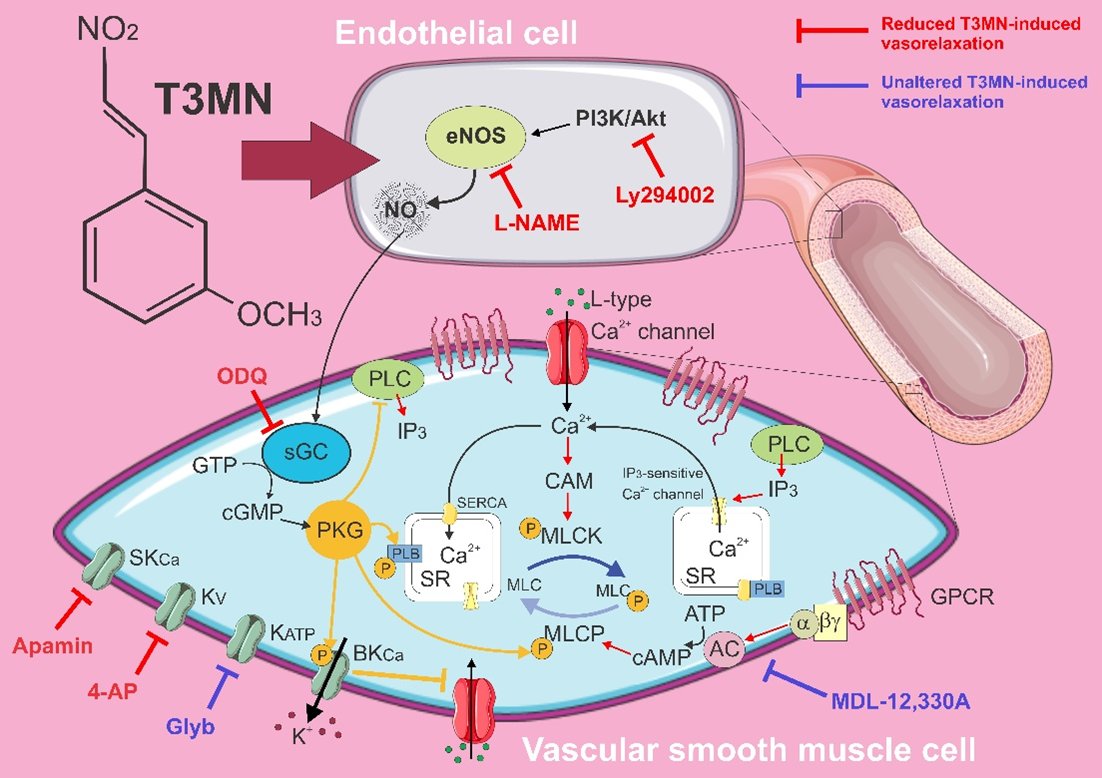
ALT A meta-methoxy nitrostyrene showed ~100× greater vasorelaxant potency than its para-counterpart in rat aorta, engaging both endothelial NO signaling and smooth-muscle sGC/cGMP pathways. Small chemical tweaks, big physiological impact—how might this guide future vasodilator design?