Southern Miss Assistant ST Coordinator #SMTTT
Joined August 2016
- Tweets 18,108
- Following 2,195
- Followers 5,136
- Likes 291,696
463 Photos and videos







Luke Kerver retweeted

Wyndham pulling up to the Rink at the Canadian Open rocking the USA Hockey jersey & making bird.
Incredible 💀
71
546
11,795
605,568
Luke Kerver retweeted

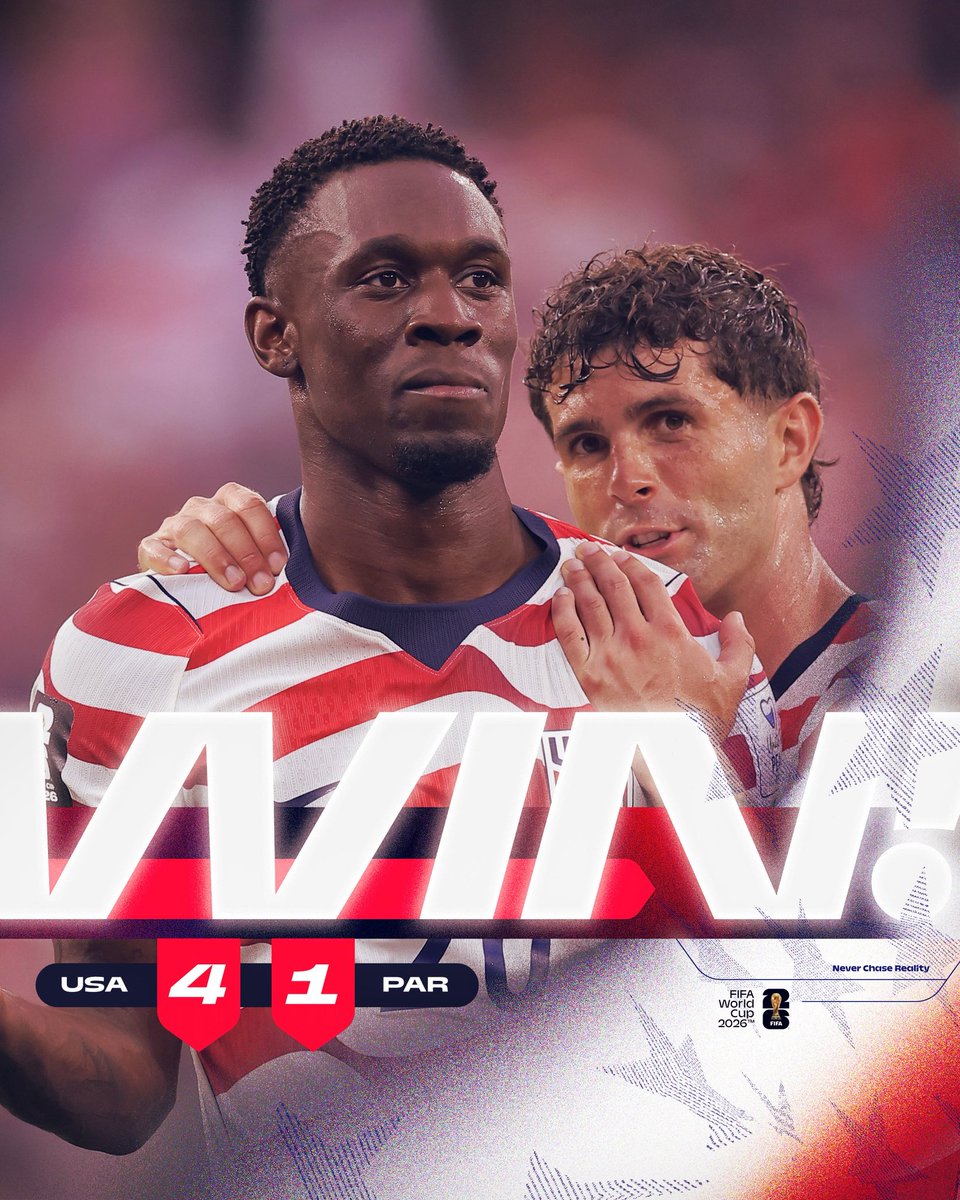
Opening Statement. 🇺🇸
1,781
11,870
76,299
3,080,020
Luke Kerver retweeted

Jun 13
THE PASSION FROM CHRISTIAN PULISIC
13
265
6,682
57,935
Luke Kerver retweeted
FINISHING IT OFF WITH A FOURTH GOAL!
305
822
5,248
209,616
Luke Kerver retweeted
Jun 13
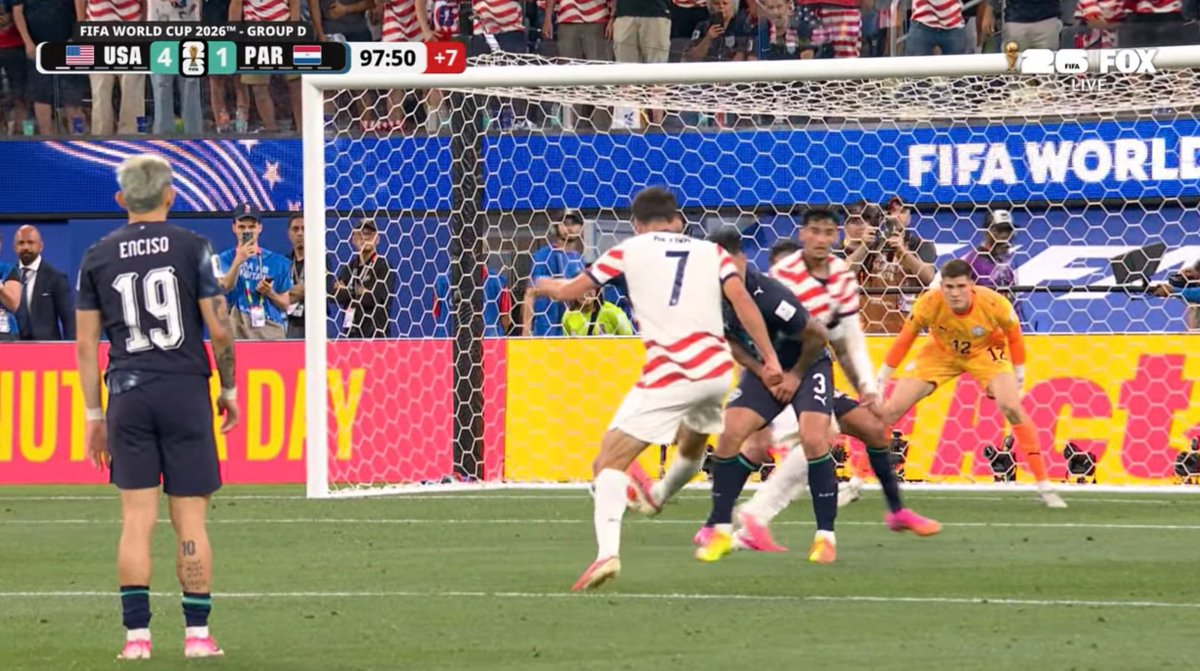
OH MY GOODNESS!!!
GIO REYNA WITH AN ABSOLUTE BANGER TO MAKE IT 4-1 JUST BEFORE FULL TIME.
ARE YOU SERIOUS?!?!?!

48
191
3,919
49,984
Luke Kerver retweeted
Jun 13
GIO REYNA, TAKE A FUCKING BOW SON!!!
23
124
2,370
33,722
Luke Kerver retweeted
Jun 13
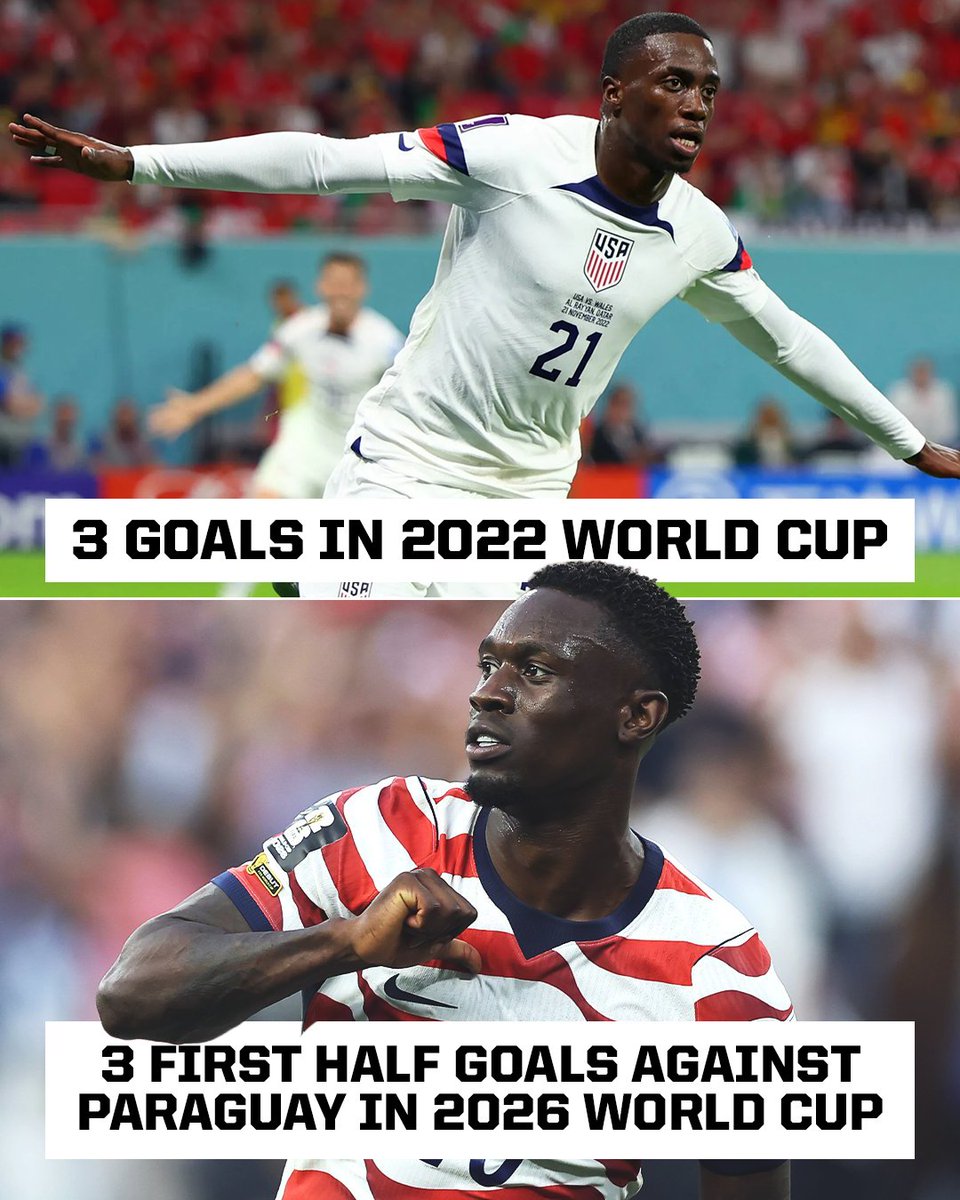
The USMNT scored as many goals in the first half of their 2026 World Cup opening match against Paraguay (3) as they did in the ENTIRE 2022 World Cup campaign (3).
What a start 🇺🇸👏🔥
21
161
1,874
38,719
Luke Kerver retweeted
Jun 13
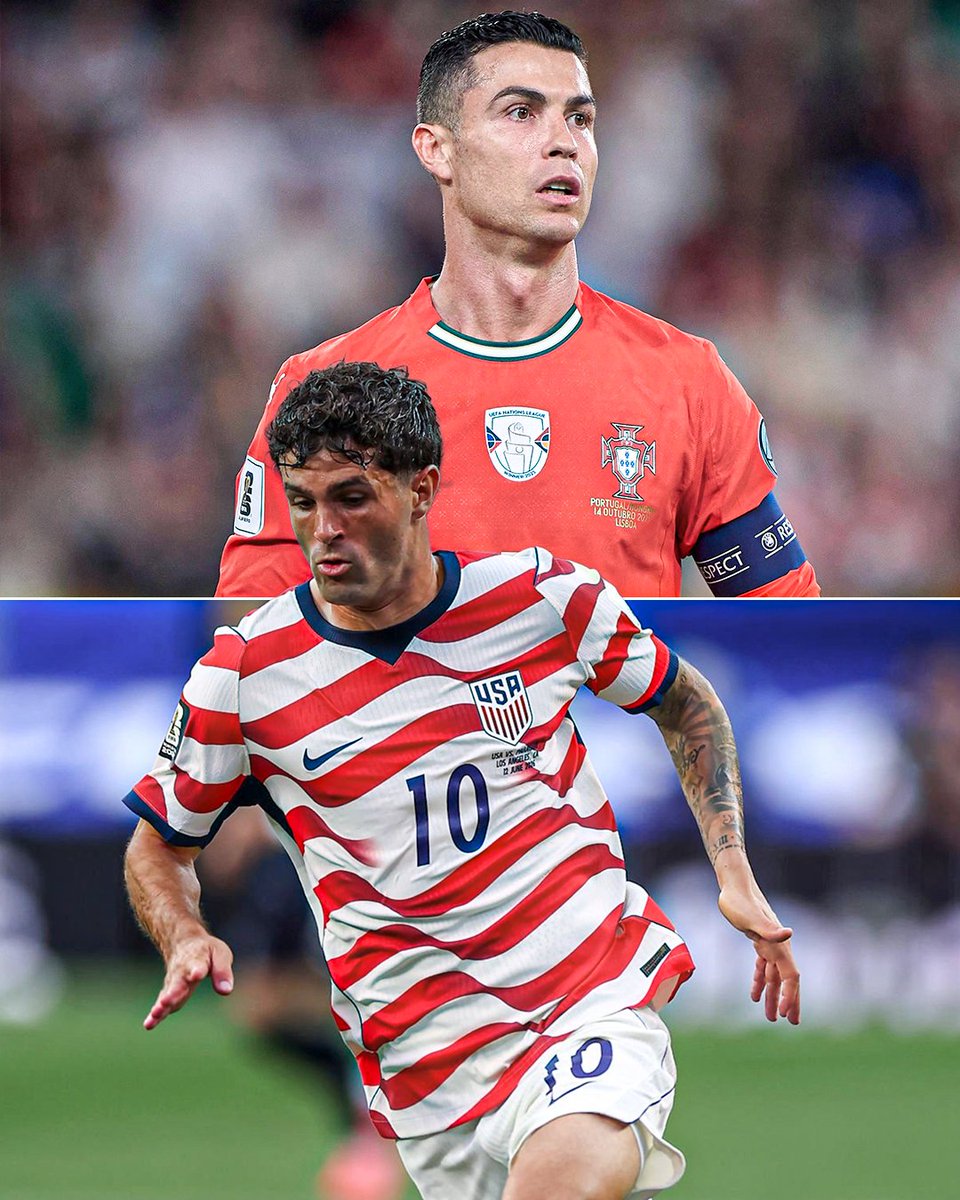
WORLD CUP ASSISTS
🇺🇸 Christian Pulisic: 3
🇵🇹 Cristiano Ronaldo: 2
320
2,034
23,202
1,645,546
Luke Kerver retweeted
Jun 13
Chills ahead of the USMNT World Cup opener.
❤️🇺🇸
10
88
1,512
35,071
Luke Kerver retweeted

Jun 12
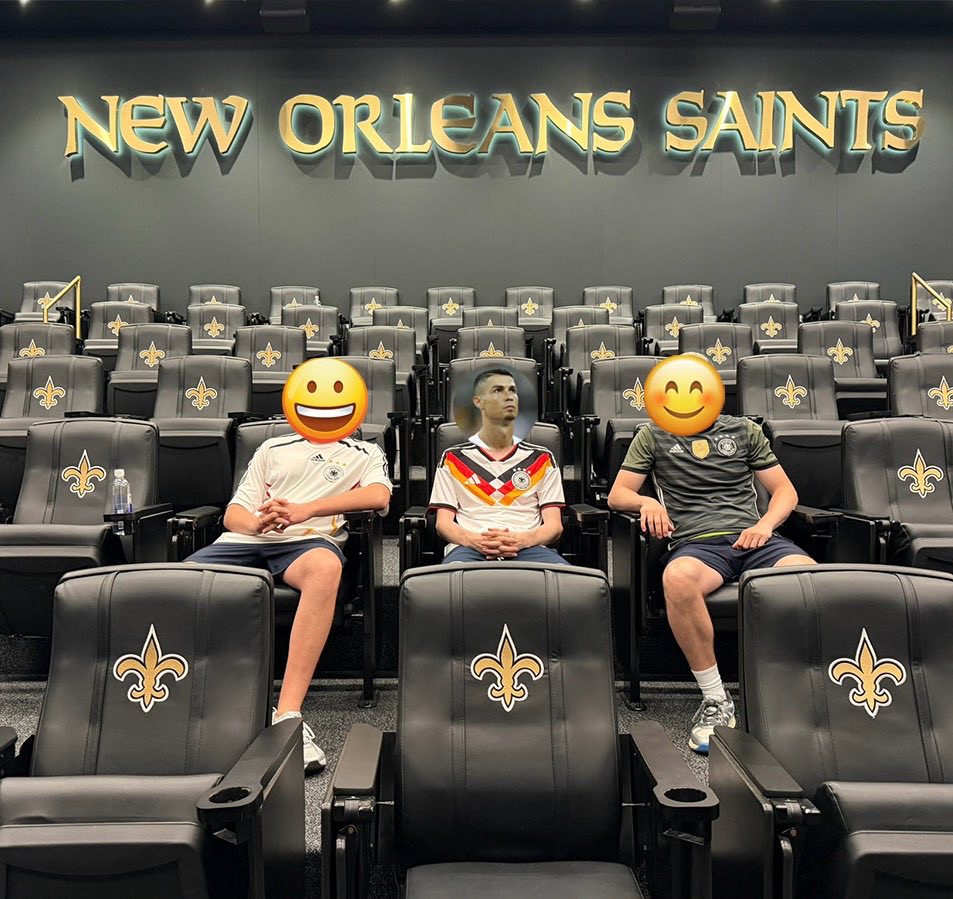
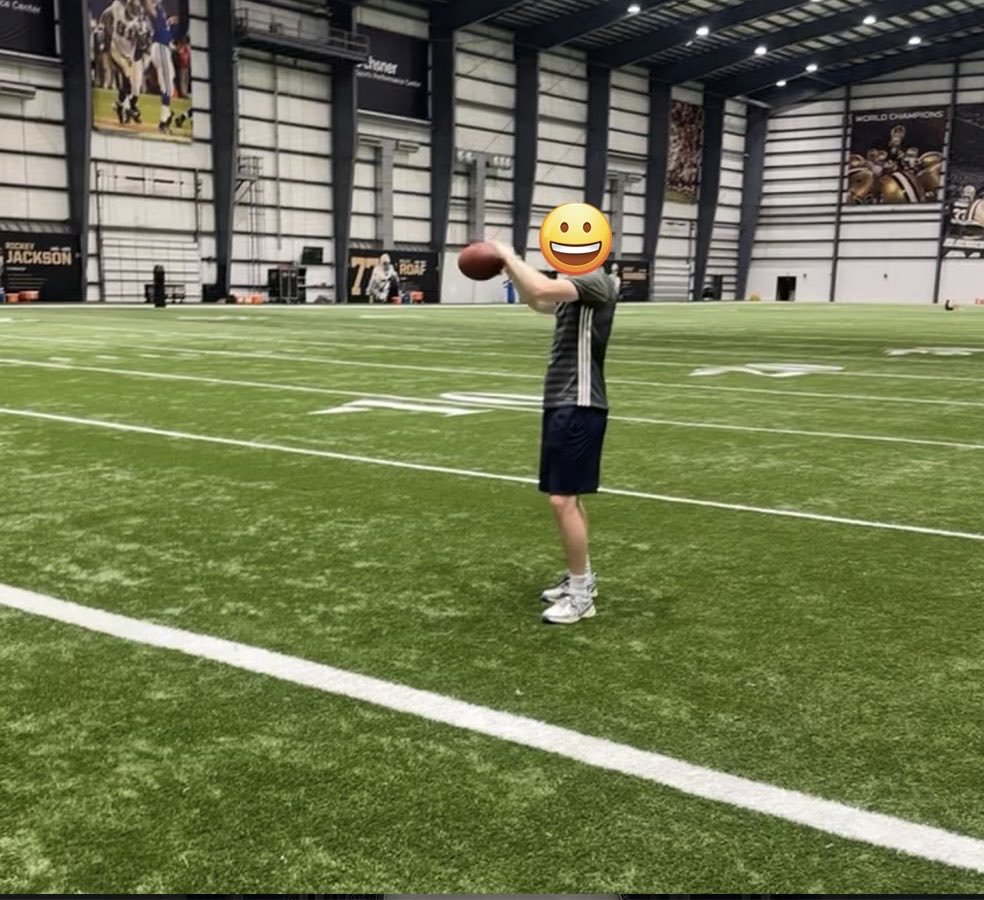
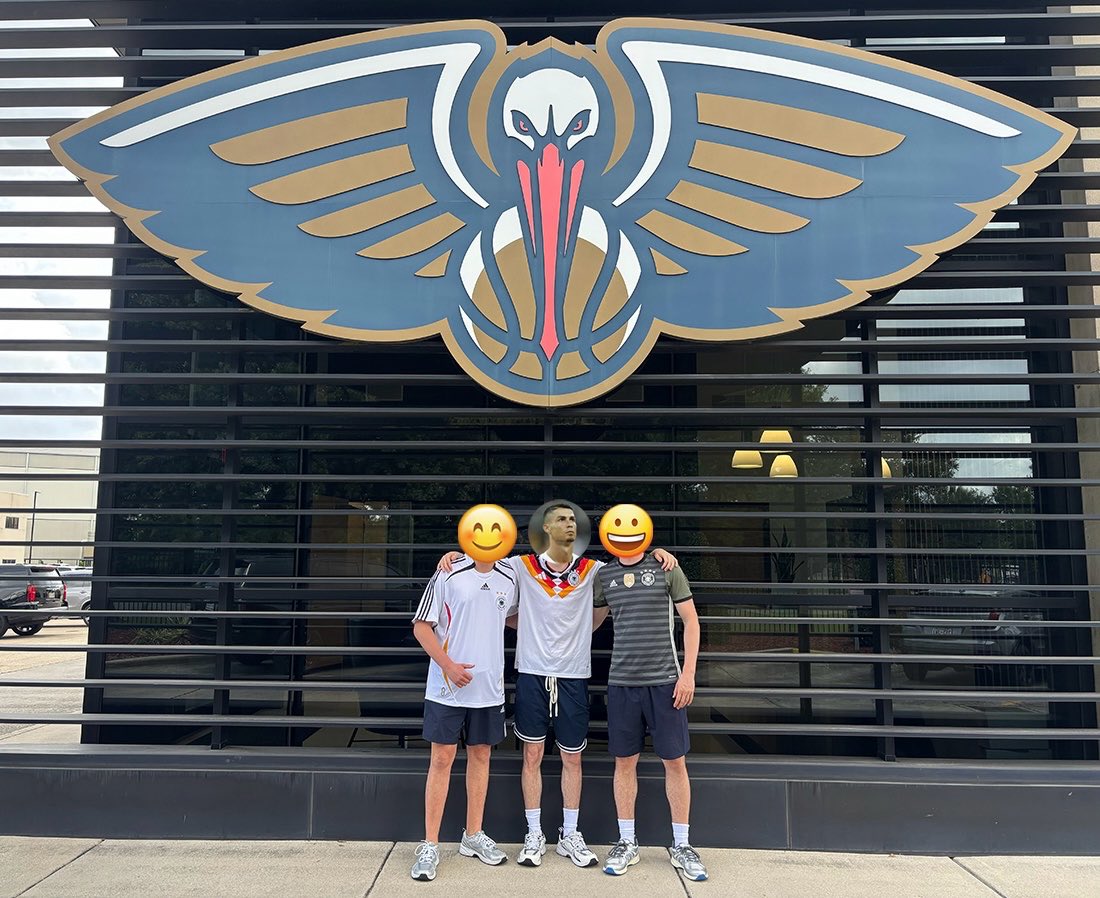
This is not what we expected to happen when we boarded the plane to the USA last week😭

768
2,216
88,891
2,265,132
Luke Kerver retweeted
Jun 12
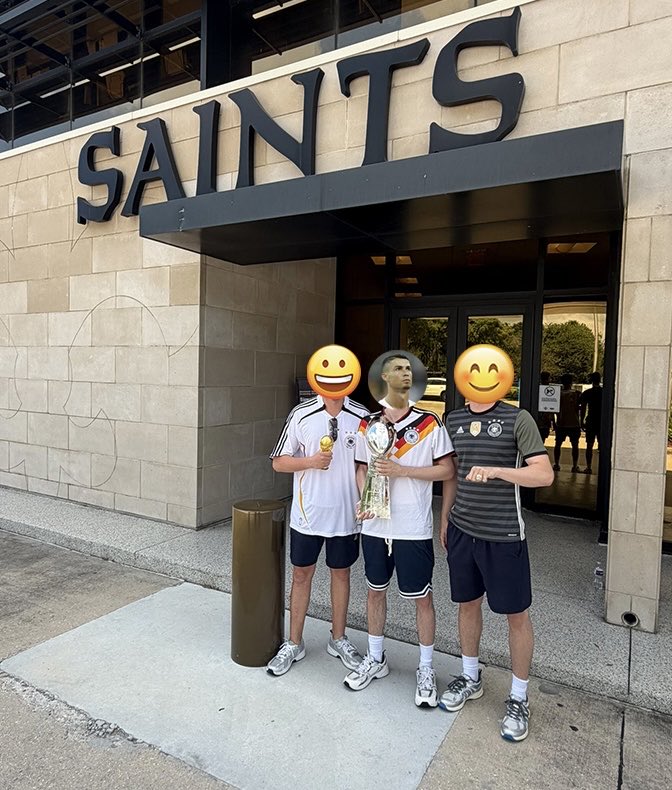
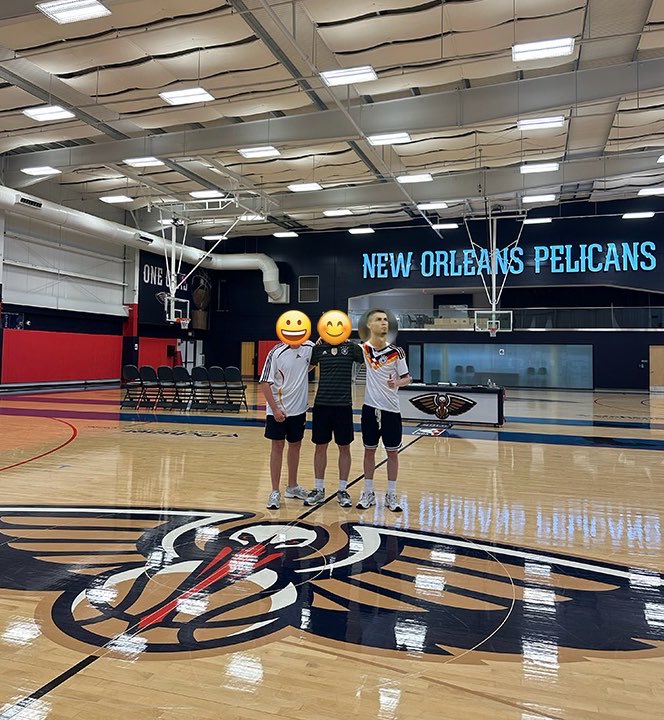
Quite the surreal morning in New Orleans today. We got a tour of the Saints and Pelicans facilities.
Thank you so much for giving us this opportunity. Once in a lifetime.
695
2,476
86,162
7,615,592
Luke Kerver retweeted
Jun 11
The most surreal thing of our trip so far. Currently driving towards Louisiana and the radio station we were listening to started talking about our trip and played Ella Langley especially for us😭😭😭
1,896
7,977
178,808
4,710,081

Luke Kerver retweeted
Jun 10
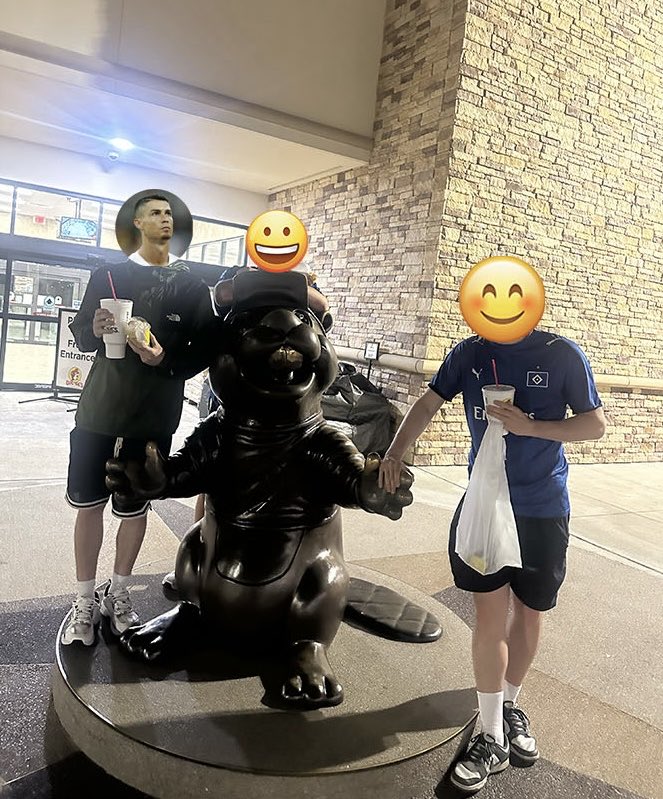
The travel group with Buc-ee🦫
579
1,239
70,433
1,813,081
Luke Kerver retweeted

Jun 10
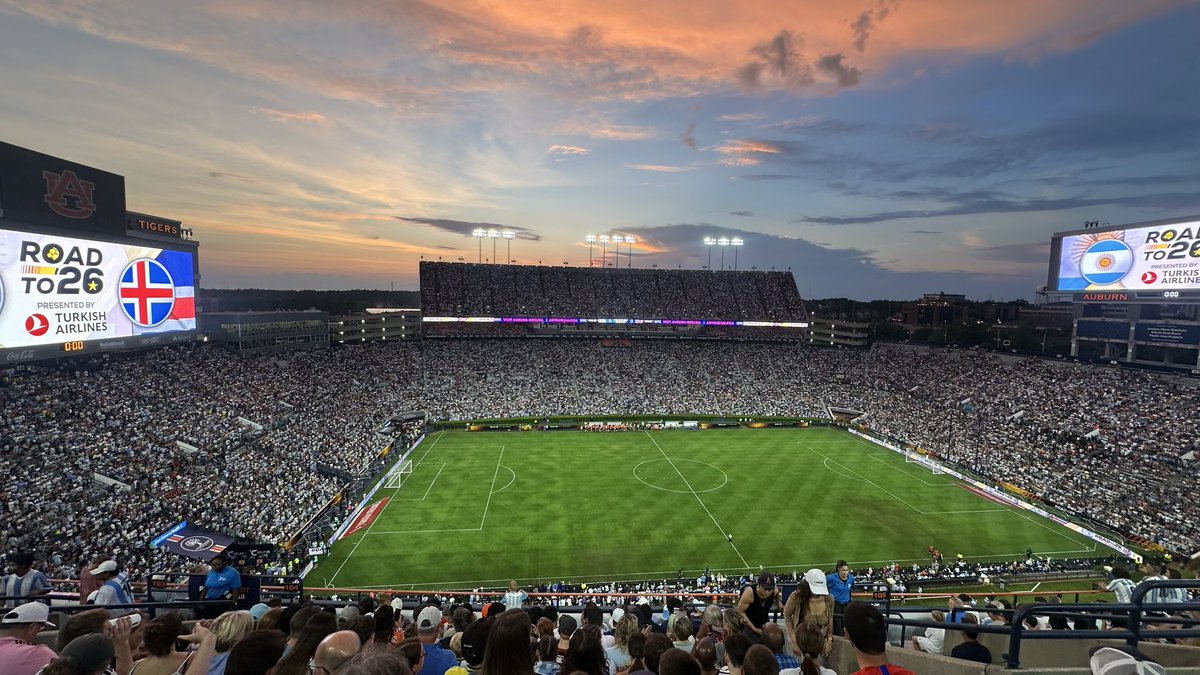
Dude did Waffle House, a game at Jordan Hare, and Bucees within about 36 hours.
He’s speed running the SEC experience.
13
53
1,948
27,822
Luke Kerver retweeted

Jun 10
Common Tuesday activities in America Freddy
Welcome 🇺🇸🫡

32
87
5,237
164,924
Luke Kerver retweeted
Jun 10
This is the most “The European mind can’t comprehend this” moment of my life. One of my friends said, “Punch me five times tomorrow and I’ll still think this isn’t real.”
1,203
4,177
108,321
9,749,199

The European mind being American pilled by SEC football stadiums.
I’m gonna shed a tear.
Jun 10
This is the craziest stadium I’ve ever been to, and I’ve been to a lot of ones.
34
389
13,398
455,246
Luke Kerver retweeted

Jun 9
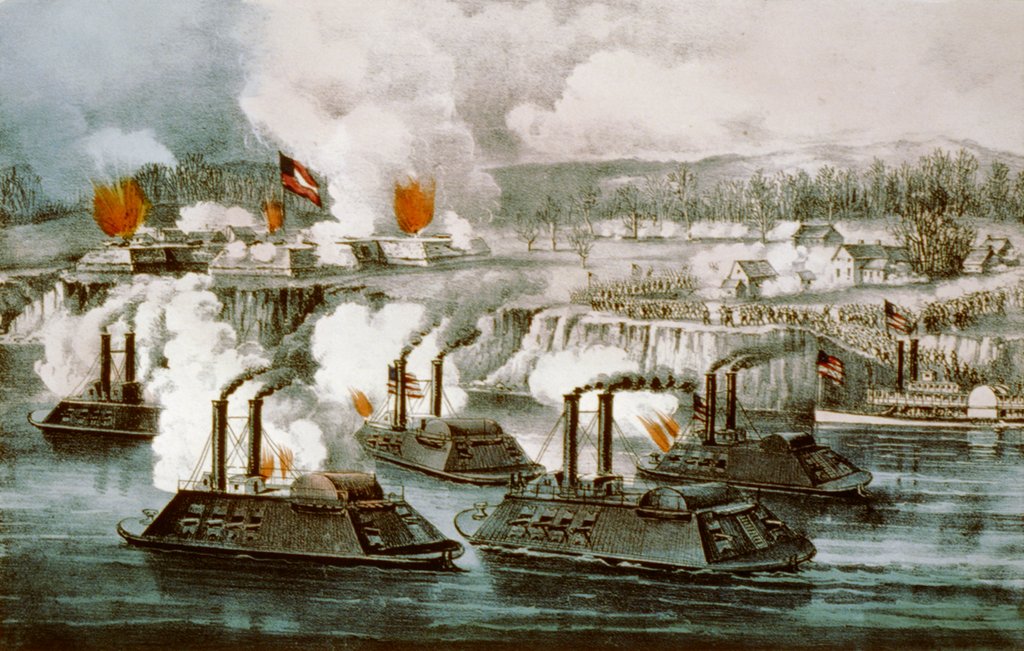
On this day in 1863, Union gunboats fired 443 mortar shells into Vicksburg in a single day.
But that number alone doesn't tell you what it was actually like to be inside the city.
By this point, over 500 caves had been dug into the yellow clay hillsides of Vicksburg. Families lived underground for weeks. Some caves were carpeted. Some had furniture. Enslaved people charged $30 to $50 per cave to dig them out for families who couldn't do it themselves.
The civilians got eerily good at identifying incoming fire by sound alone. Parrott shells made a whistling shriek and were the most feared. Mortar rounds, though, made a slow arc through the sky you could actually track, almost lazy, more like "fireworks." People would step outside, watch one rise, calculate its trajectory, and go back underground.
Over the full 39-day siege, roughly 22,000 shells landed in the city. Every pane of glass in Vicksburg was shattered. Not most. Every single one.
Food ran out first. Then dignity. Citizens ate mules. Then rats. Then their pets.
"We are utterly cut off from the world, surrounded by a circle of fire," wrote civilian Dora Miller in her diary.
The guns never broke the city. Grant's army never stormed it. Vicksburg surrendered on July 4, 1863, because the people inside were starving to death.
30,000 Confederate soldiers laid down their arms. Grant, rather than humiliating them, let them walk home on parole.
The most devastating siege on American soil, and most people couldn't name a single detail from it.
8
78
346
7,154