Joined January 2018
- Tweets 552
- Following 166
- Followers 49
- Likes 1,631
49 Photos and videos

AlphaNeedle retweeted

10 Aug 2025
Paul Finebaum says he will leave the country if an SEC team doesn’t win the National Championship.
689
538
3,351
2,665,320
AlphaNeedle retweeted

30 Dec 2025
I am genuinely confused by all the consternation over Baylor's signing of James Nnaji. There is no substantive difference between his case and the hundreds of other internationals who are playing college bkb and getting paid quite well for it. The only difference is he was drafted by an NBA team, but he never played in the NBA and never signed a contract. And he never played in college, so under long-established NCAA rules he should be eligible. So what's the difference between his case and the many other internationals — who everyone seems to agree have been a huge boon for college hoops?
If the issue is midseason transfers playing right away and displacing current players, what is the difference between Nnaji and all the other midseason transfers who are going to start playing right away — again, under long-established NCAA rules?
What's different here aren't the eligibility rules post-NIL/House but the incentive of international players to play college ball in the States for multiple times what they can get paid overseas. Either bringing in the international players is good for college hoops, or it's not. (Narrator: It is.) Being drafted by an NBA team you never played for or signed a contract with is not a material difference IMO, by the letter or the spirit of the rules that were in place long before NIL and the House settlement.
So what am I missing?
228
61
427
459,051
AlphaNeedle retweeted

28 Dec 2025
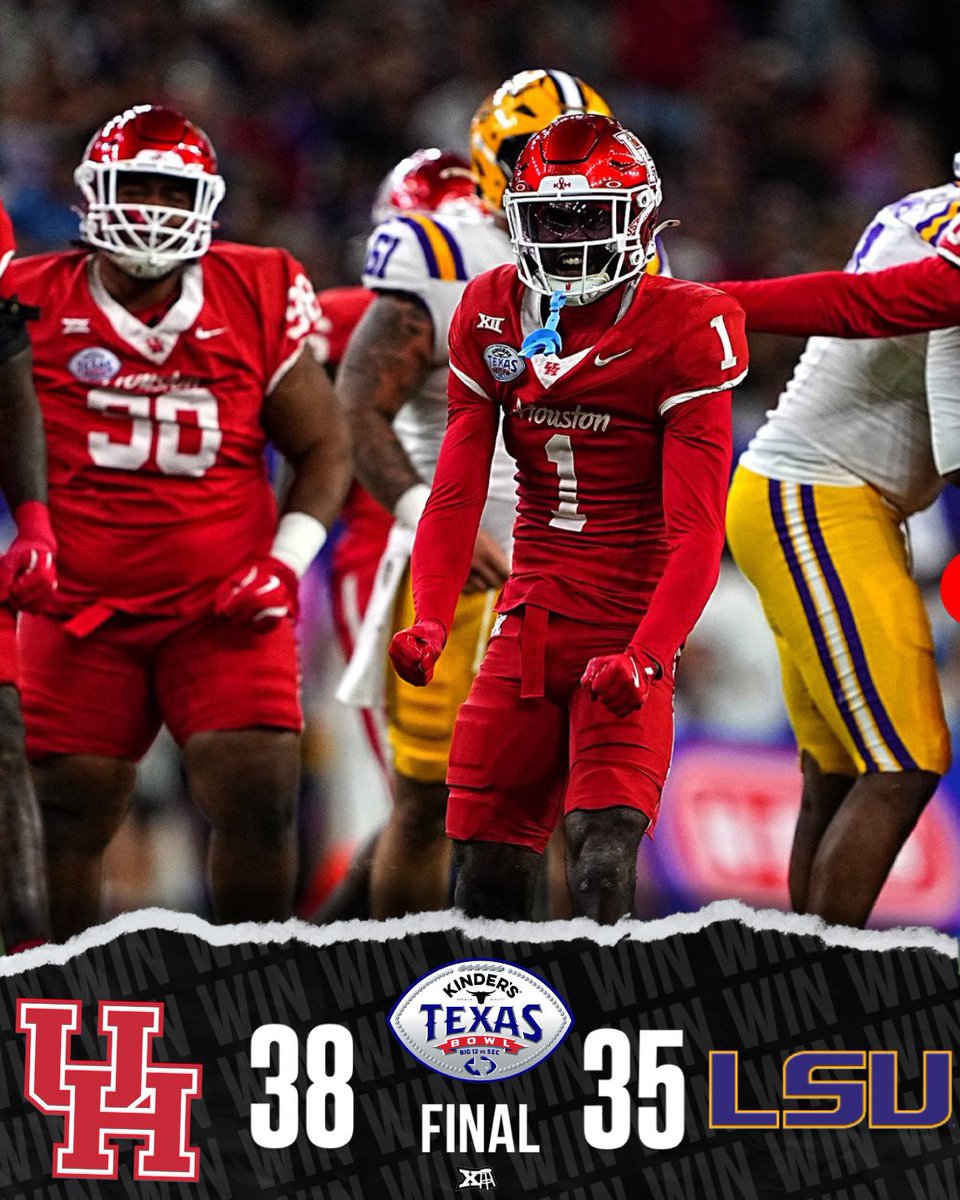
IT JUST MEANS MORE.
156
705
17,492
319,531
AlphaNeedle retweeted

23 Dec 2025
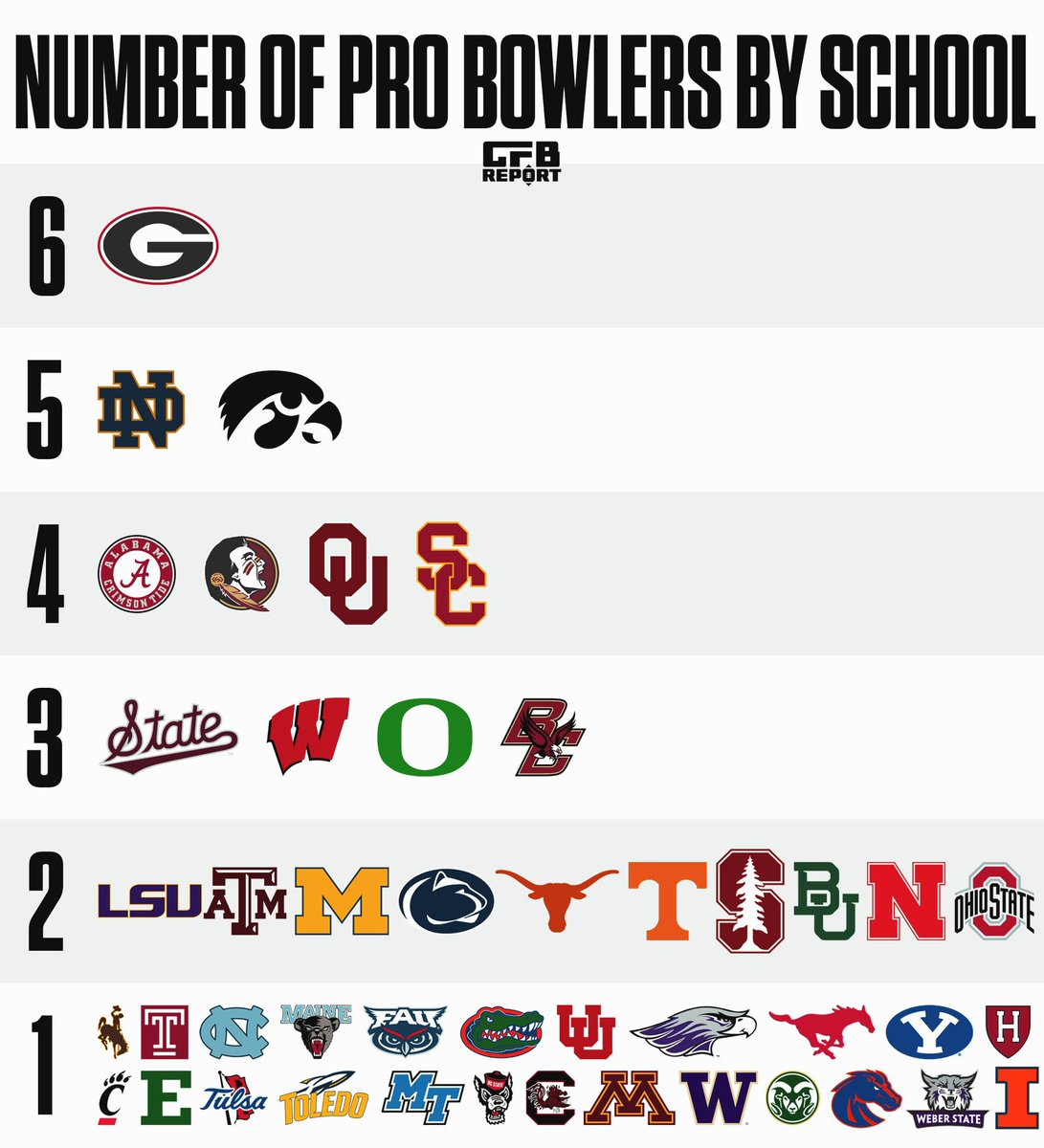
Number of NFL Pro Bowlers By College 🏆
157
719
7,593
755,839
AlphaNeedle retweeted

24 Dec 2025
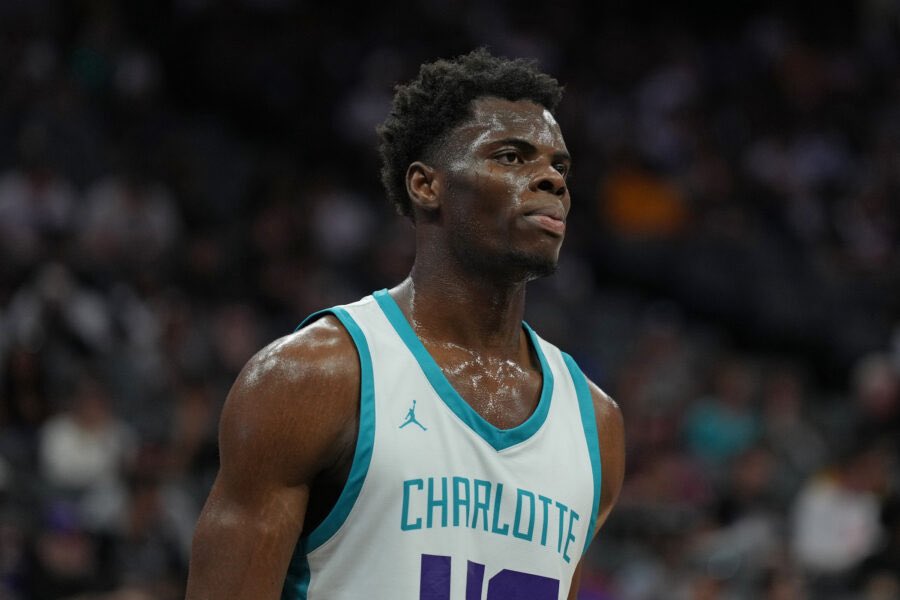
BREAKING: 7-foot center James Nnaji has committed to Baylor, per @JoeTipton.
Nnaji was the 31st pick in the 2023 NBA Draft.
What is going on in College Basketball…?
433
474
15,988
2,785,750
AlphaNeedle retweeted

20 Dec 2025
Texas A&M averaged 32.6 points against SEC opponents this season.
They scored 3 points at home against Miami today. An ACC team that finished 3rd in their conference.
(By the way the same conference whose basement dweller beat Alabama.)
Stop drinking the #eSECpn KoolAid plebs.
41
345
3,097
64,617
AlphaNeedle retweeted

20 Dec 2025
Maybe let’s not have 5 SEC teams in the playoff next year
205
226
7,082
279,220
AlphaNeedle retweeted

20 Dec 2025
Texas A&M went 7-1 in the SEC and was a tiebreaker away from making the SEC Championship Game and scored 3 total points at home against a "lowly" ACC team, so I think we need to retire the "SEC teams would go undefeated in every other conference" narrative forever
559
1,737
18,409
700,226
AlphaNeedle retweeted

20 Dec 2025
Texas AM would've been 8-4 in the ACC
769
457
6,065
401,336
AlphaNeedle retweeted

6 Dec 2025
Kirk Herbstreit says BYU will be penalized with a loss in the Big12 championship
No less than 2 minutes later, Herbstreit and Saban both agree that Alabama cannot be penalized for a loss in the SEC championship.
This whole thing is a total sham. Always has been.
777
2,486
31,939
1,048,542
AlphaNeedle retweeted

4 Nov 2025
Now that baseball has gained back the nation’s affection I say eliminate inter league play. I don’t need to see the Red Sox playing the Rockies in August. Bring back the AL/NL mystique.
425
181
3,351
139,842

AlphaNeedle retweeted

1 Jun 2025
The SEC had the
#2 overall seed in Football
#1 overall seed in Men’s Basketball
#1 overall seed in Softball
#1 overall seed in Baseball
None of those teams made the championship game and the softball and baseball teams didn’t even win their regional.
It. Just. Means. More.
317
619
11,390
844,722
AlphaNeedle retweeted

2 Jun 2025
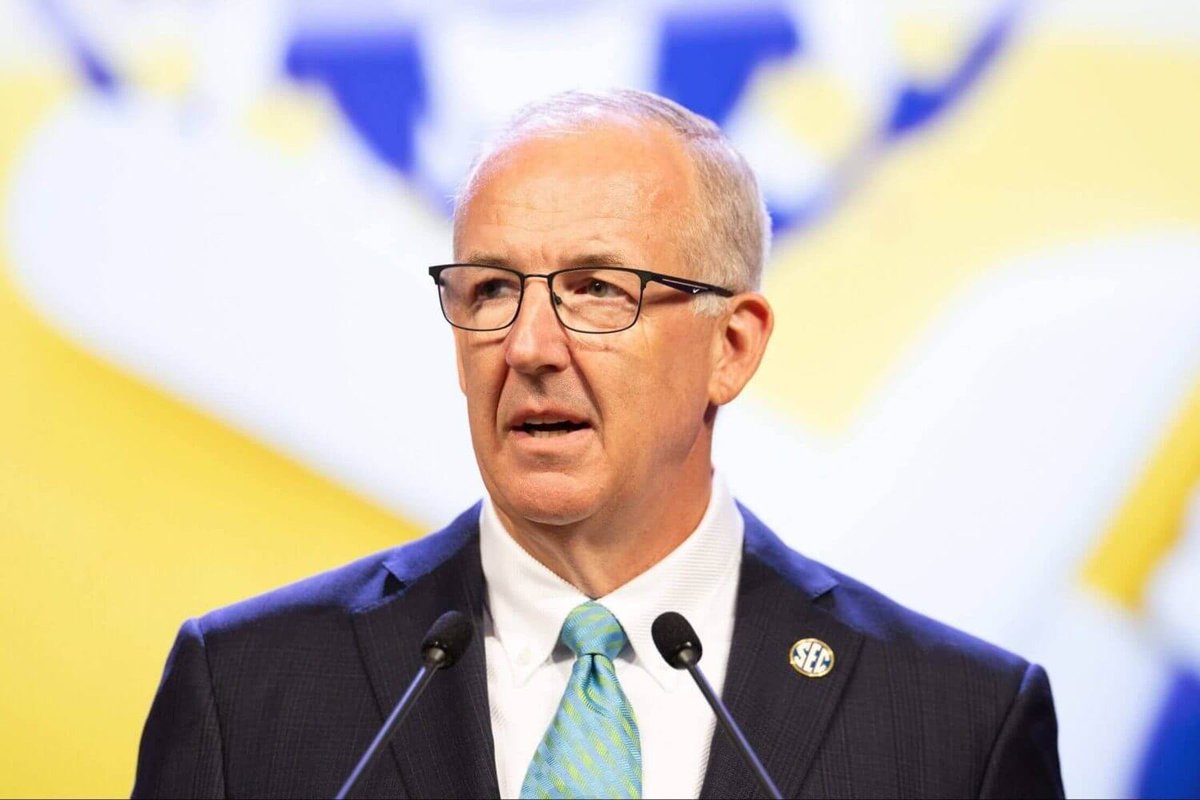
BREAKING: Greg Sankey proposes the SEC receive three automatic bids to Omaha—citing “competitive imbalance” caused by everyone else not being the SEC.
8
15
173
14,487
AlphaNeedle retweeted

28 May 2025
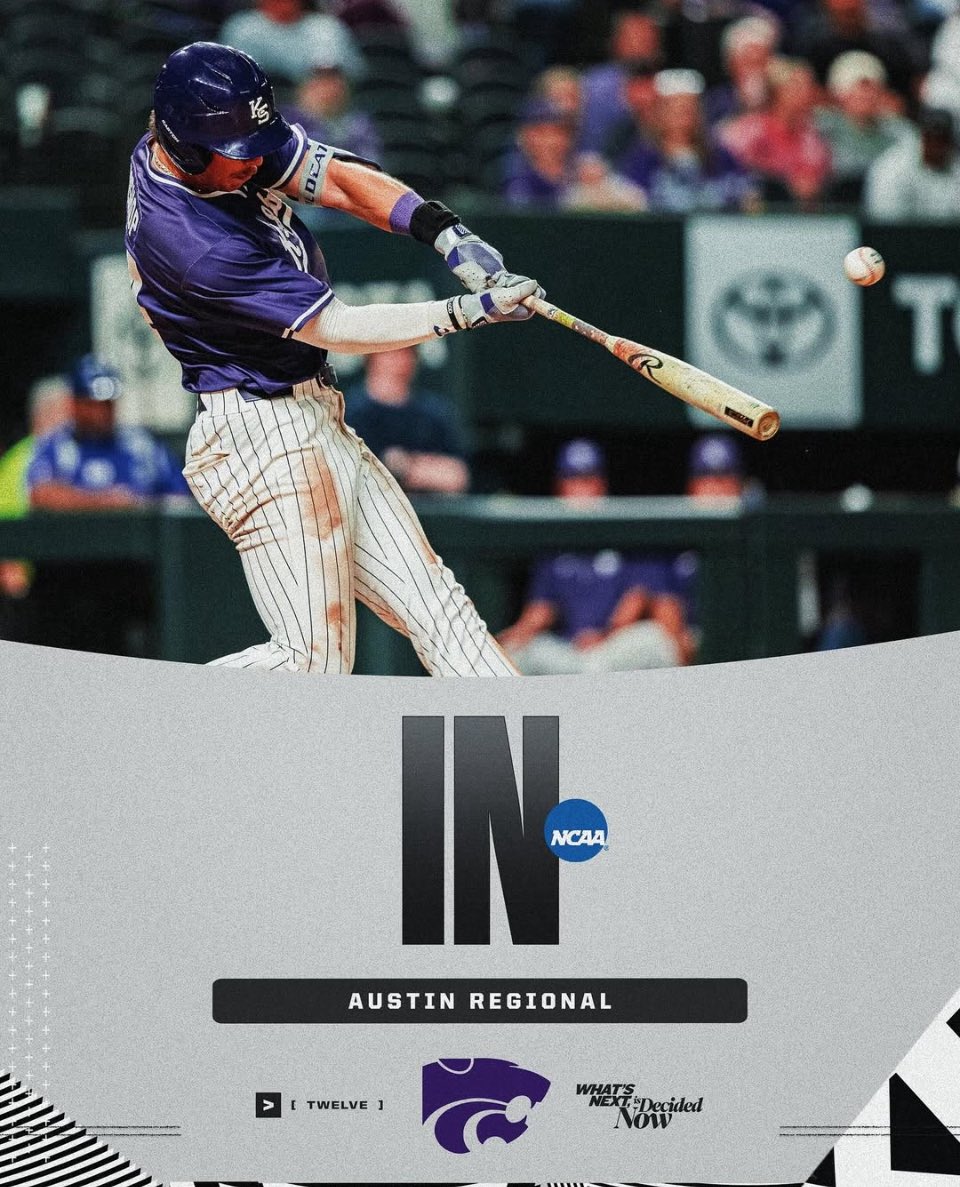
Best wishes to David Bishop (‘21) and @KStateBSB as they are headed to Austin for the 2025 @NCAABaseball Championship
🆚 USTA
📅 Friday (5/30)
🕖 7:00 pm (EST)
📺 ESPN
#HardWorkWins
#FellowshipBSBL
@FellowshipCS
@Coach_O_10
@FCS_Recruiting
Graphic Credit: #kstatebsb
5
20
825

Static networks can’t keep up with dynamic AI demands. We’re changing that. Integrated with Dell’s AI Factory, our DCI platform now helps optimize performance, reduce costs and support scalable, secure AI services. Find out more.
adtran.com/en/newsroom/press…

1
3
142
AlphaNeedle retweeted

17 Apr 2025
🤣 puppeteer dad negotiated the deal while knowing Rob had a signed NIL contract with Baylor. I believe that. I also believe BYU was willing to pay significantly more. NBA development? Drew has had four guards drafted in the 1st round for the past 5 years so not buying that!

Baylor transfer Robert Wright told me that BYU never talked to him directly about NIL; Everything was done through his father and his agency (Wasserman). Was BYU the highest bidder? "I am not even sure. I really don’t know. I couldn’t even tell you," he said.
22
34
299
34,428

5 Apr 2025
It’s not the start of the Braves season again until you hear Timothy Miller sing “God Bless America”. @Braves
49