
🌕 Open-Source Lunar City Simulator 🏙️
Joined May 2022
- Tweets 8,478
- Following 7,150
- Followers 12,861
- Likes 75,695
1,139 Photos and videos
Pinned Tweet

Jun 10
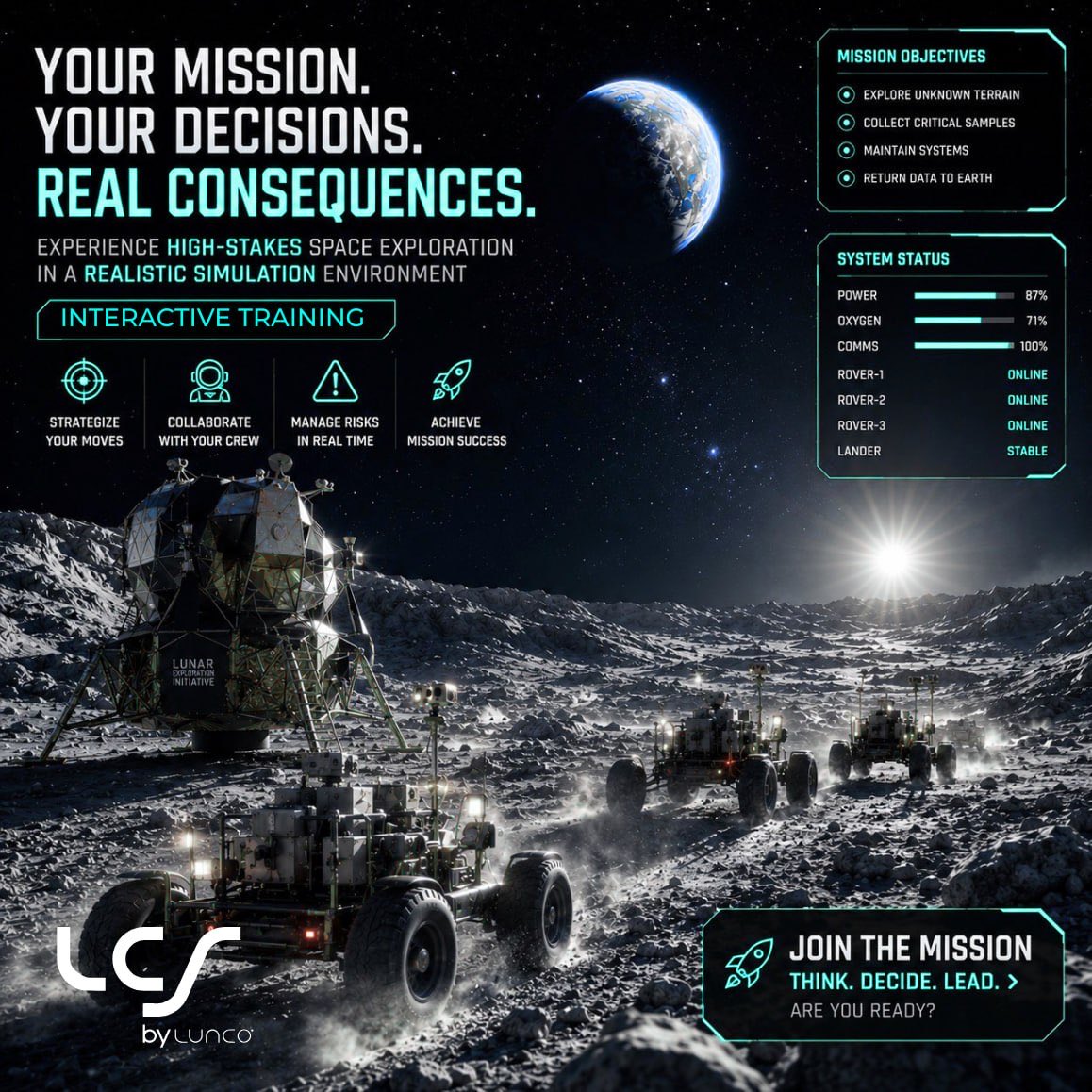
On July 18, six people will sit down at a live mission control console and drive their own rover across the lunar South Pole.
Real telemetry. Real procedures. A live anomaly they'll have to catch and fix.
6 command seats. 🌗
Soon on @OfficialMoonDAO marketplace — search "Take the Operator's Seat: Live Lunar Rover Mission Simulation" 👇
moondao.com/marketplace
Run by a rover operator planetary scientist. Built on our LunCoSim
4
5
223
LunCo.eth(🌍🚀🌖) retweeted
Jun 11
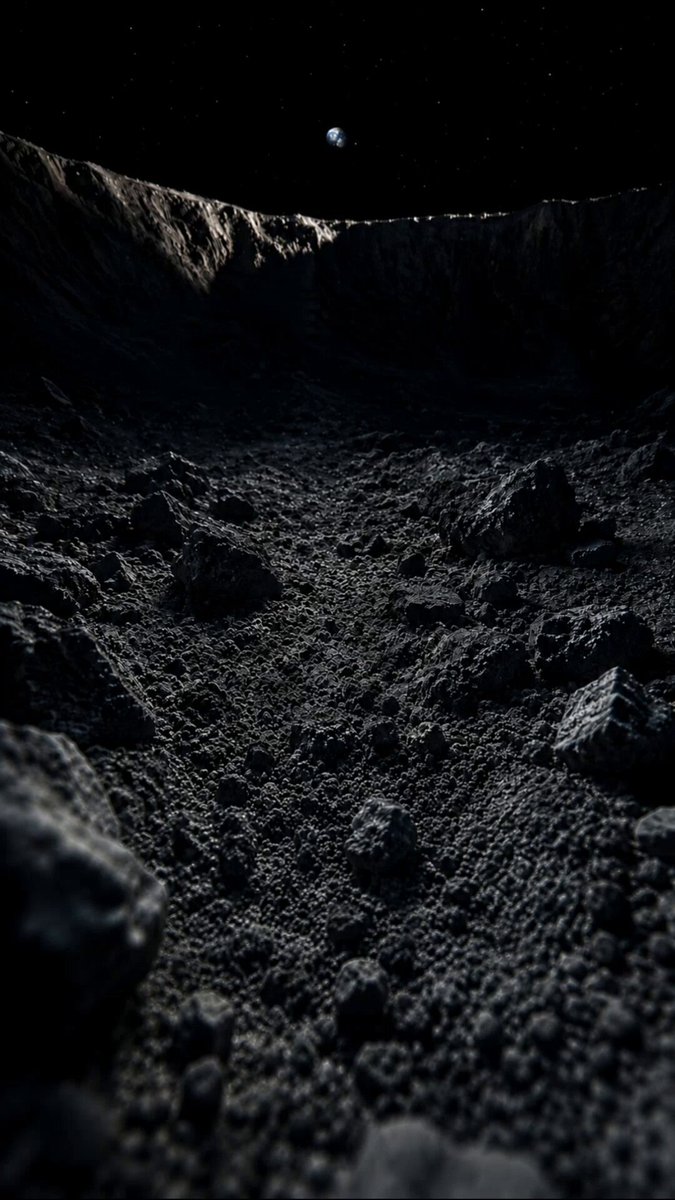
Video of the terrain that will be used for training Lunar Rover Operators.
The Shackleton–de Gerlache Connecting Ridge is one of the most important locations being considered for future lunar infrastructure.
Located near the Moon's south pole, it offers unique advantages for power generation, communications, and access to permanently shadowed regions that may contain water ice.
This video was generated directly from our simulation environment.
The terrain, lighting conditions, and environmental interactions are calculated in real time rather than pre-rendered.
Our goal is to build a simulation platform where engineers, researchers, and mission designers can explore and validate lunar operations before hardware ever leaves Earth.
The Moon is becoming an engineering problem—and engineering problems can be simulated.
1
8
11
841
LunCo.eth(🌍🚀🌖) retweeted

Jun 11
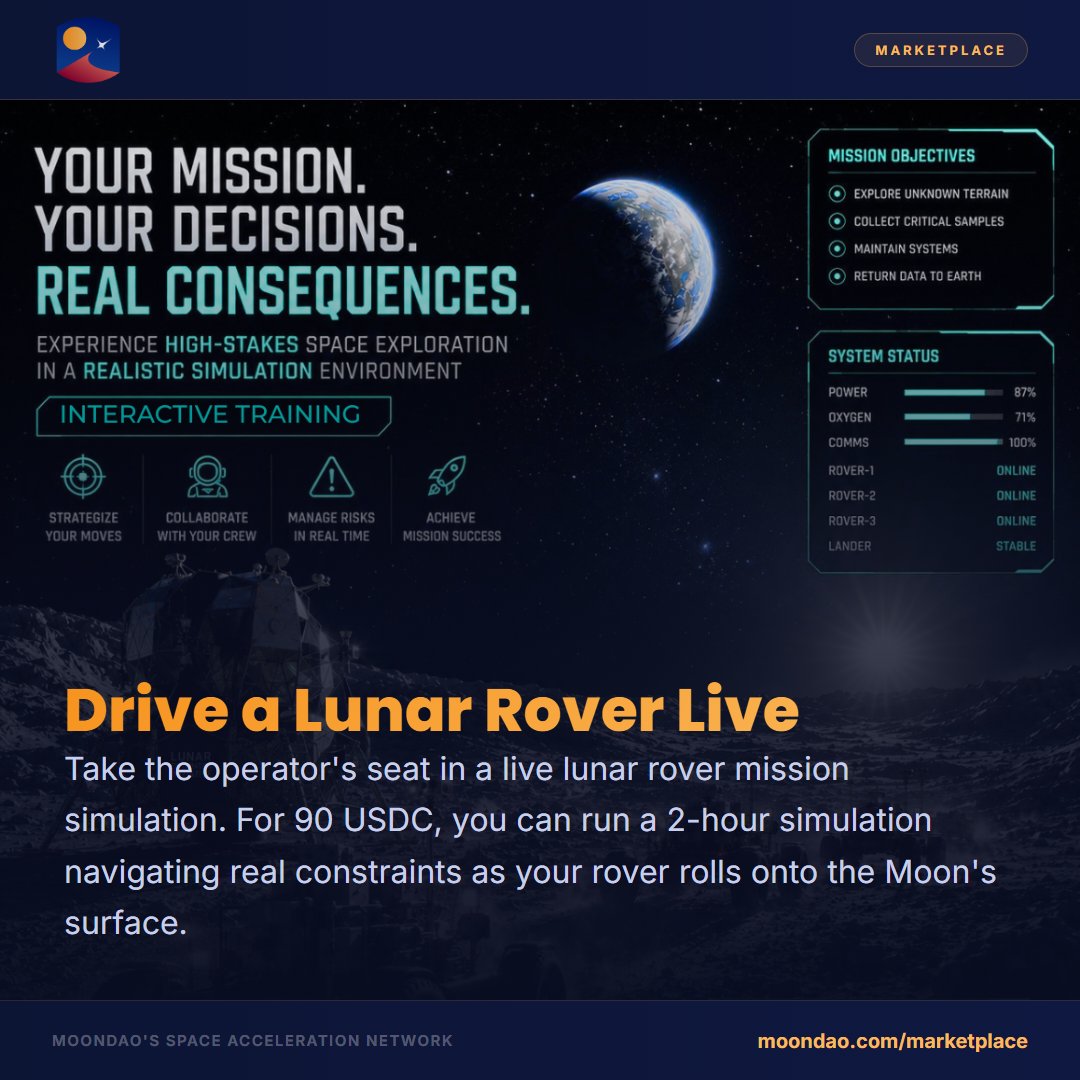
Cool training opportunity available in the Marketplace from @LunCoSim
1
1
2
56
LunCo.eth(🌍🚀🌖) retweeted
Jun 10
On July 18, six people will sit down at a live mission control console and drive their own rover across the lunar South Pole.
Real telemetry. Real procedures. A live anomaly they'll have to catch and fix.
6 command seats. 🌗
Soon on @OfficialMoonDAO marketplace — search "Take the Operator's Seat: Live Lunar Rover Mission Simulation" 👇
moondao.com/marketplace
Run by a rover operator planetary scientist. Built on our LunCoSim
4
5
223
LunCo.eth(🌍🚀🌖) retweeted
Jun 6
𝗧𝗵𝗶𝘀 𝗿𝗲𝗱 𝗯𝗮𝗹𝗹 𝗶𝘀 𝘄𝗵𝘆 𝗲𝗻𝗴𝗶𝗻𝗲𝗲𝗿𝗶𝗻𝗴 𝘀𝗼𝗳𝘁𝘄𝗮𝗿𝗲 𝗶𝘀 𝗮𝗯𝗼𝘂𝘁 𝘁𝗼 𝗰𝗵𝗮𝗻𝗴𝗲.
Not because it's a balloon.
Because it runs entirely in a browser.
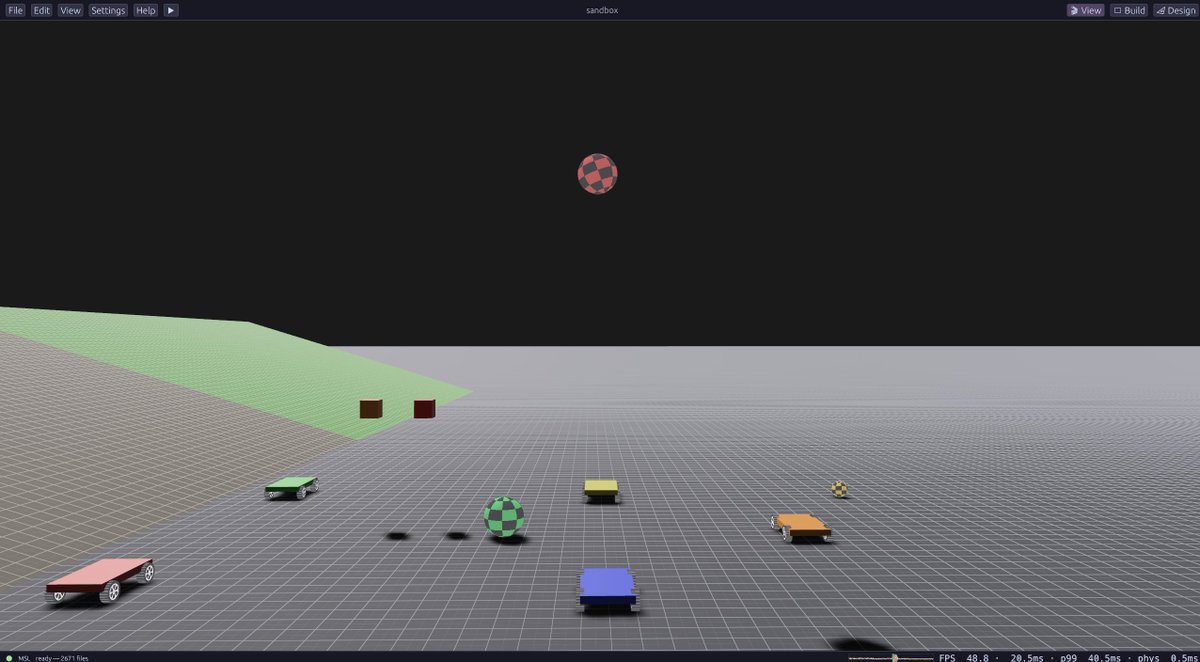
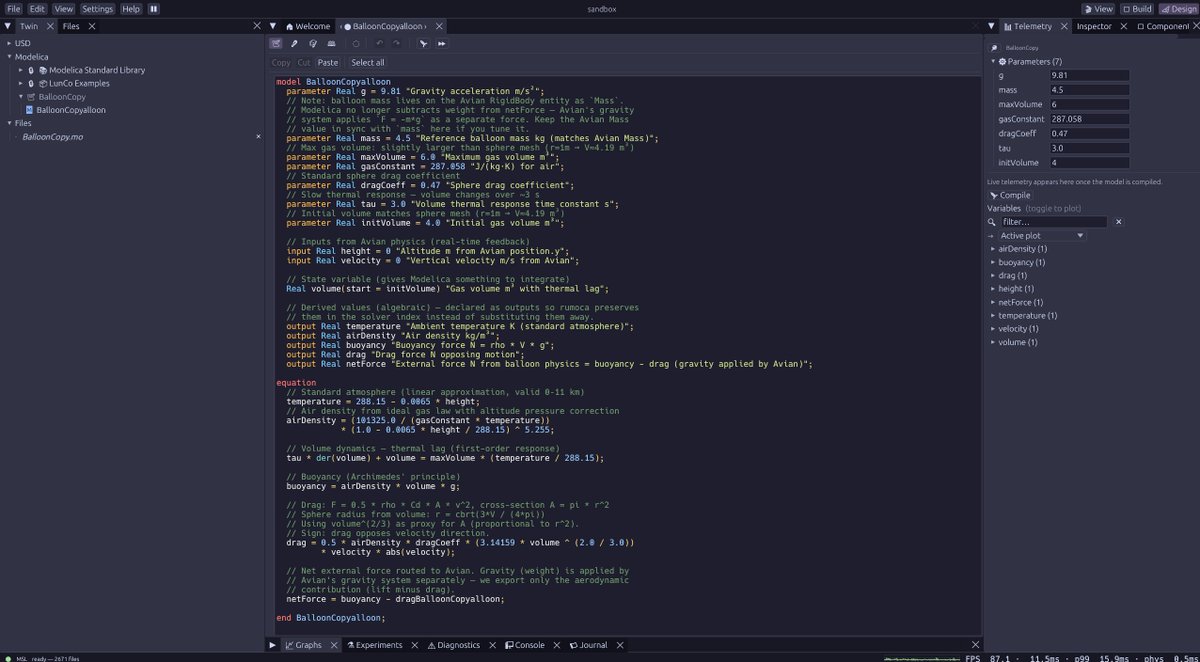
What you're looking at isn't an animation. The balloon's behavior emerges from a Modelica model that combines Newtonian gravity, Archimedes' buoyancy, the Ideal Gas Law, a standard atmospheric model, quadratic drag, and first-order thermal dynamics. Lift, drag, air density, and atmospheric conditions are continuously solved in real time.
Change the model, and the balloon behaves differently.
Change the environment, and the mission changes.
But the balloon isn't the interesting part.
The interesting part is that it's just one component inside a larger simulation.
You can launch multiple balloons, attach sensors and communications equipment, connect them to rovers, and watch the entire system interact in real time.
Need a communications relay for a rover? Attach a transmitter to a balloon.
Need multiple balloons working together? Launch multiple balloons.
Need multiple engineers collaborating on the same mission? Send them a link.
Because the entire simulation runs in the browser, multiple people can join the same world, interact with the same systems, and experiment together in real time.
No installation.
No setup.
No screenshots being emailed around.
Just physics, models, and collaboration.
Today it looks like a simple red sphere.
I see a future where physics-based engineering simulations are shared as easily as Google Docs.
And this red ball is one small step toward that future.
P.S. The second screen shows part of the code driving the simulation.
3
4
3
435
Jun 6
𝗧𝗵𝗶𝘀 𝗿𝗲𝗱 𝗯𝗮𝗹𝗹 𝗶𝘀 𝘄𝗵𝘆 𝗲𝗻𝗴𝗶𝗻𝗲𝗲𝗿𝗶𝗻𝗴 𝘀𝗼𝗳𝘁𝘄𝗮𝗿𝗲 𝗶𝘀 𝗮𝗯𝗼𝘂𝘁 𝘁𝗼 𝗰𝗵𝗮𝗻𝗴𝗲.
Not because it's a balloon.
Because it runs entirely in a browser.
What you're looking at isn't an animation. The balloon's behavior emerges from a Modelica model that combines Newtonian gravity, Archimedes' buoyancy, the Ideal Gas Law, a standard atmospheric model, quadratic drag, and first-order thermal dynamics. Lift, drag, air density, and atmospheric conditions are continuously solved in real time.
Change the model, and the balloon behaves differently.
Change the environment, and the mission changes.
But the balloon isn't the interesting part.
The interesting part is that it's just one component inside a larger simulation.
You can launch multiple balloons, attach sensors and communications equipment, connect them to rovers, and watch the entire system interact in real time.
Need a communications relay for a rover? Attach a transmitter to a balloon.
Need multiple balloons working together? Launch multiple balloons.
Need multiple engineers collaborating on the same mission? Send them a link.
Because the entire simulation runs in the browser, multiple people can join the same world, interact with the same systems, and experiment together in real time.
No installation.
No setup.
No screenshots being emailed around.
Just physics, models, and collaboration.
Today it looks like a simple red sphere.
I see a future where physics-based engineering simulations are shared as easily as Google Docs.
And this red ball is one small step toward that future.
P.S. The second screen shows part of the code driving the simulation.
3
4
3
435
Jun 5
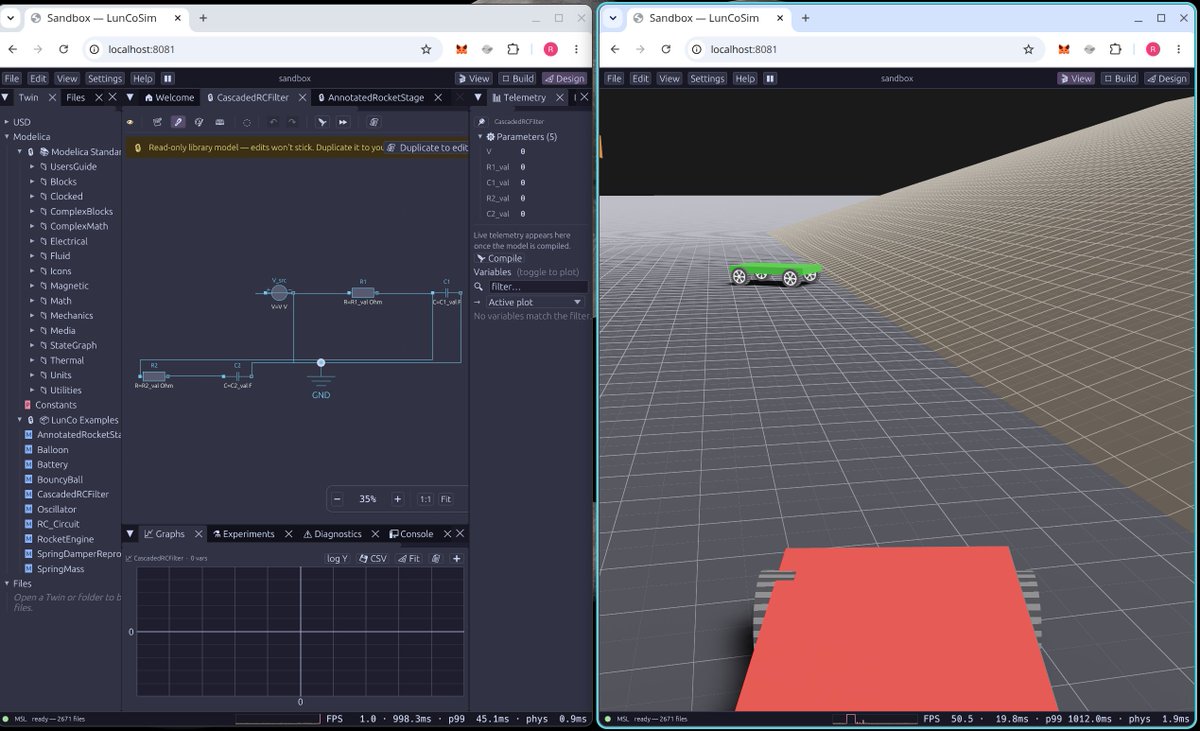
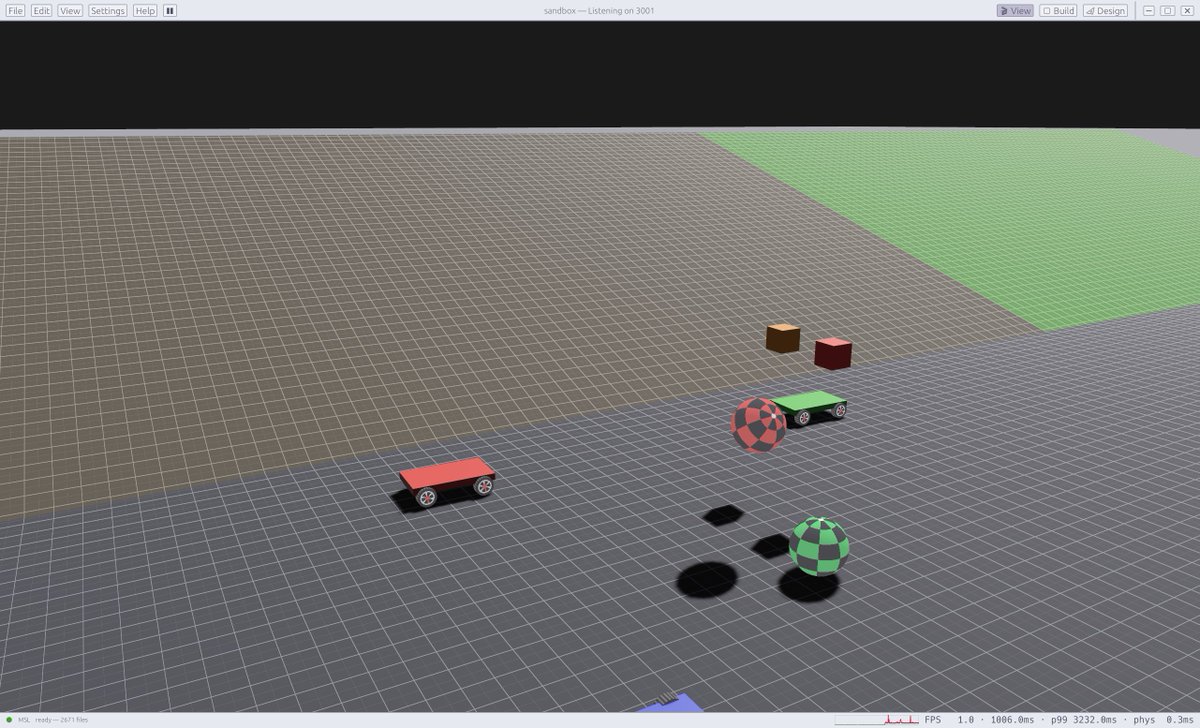
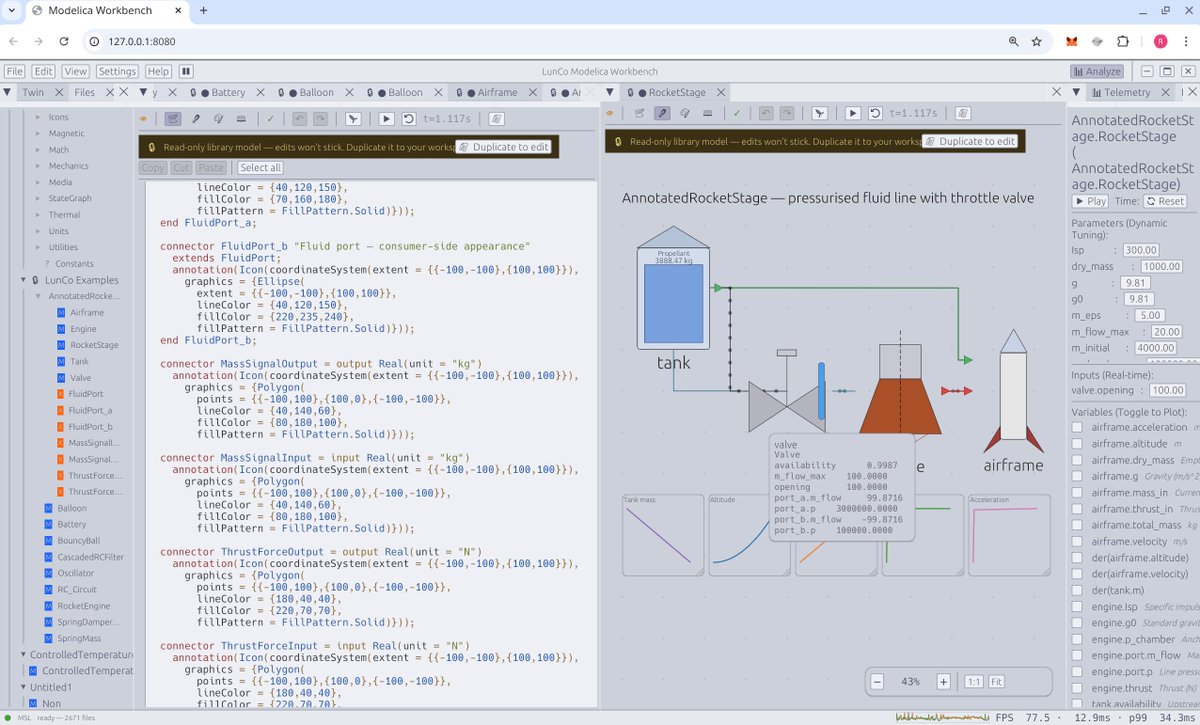
Our interactive simulator works in browser.
Just checked - both Lunica/Modelica & Sandbox/3D Sim.
Networked mode - when you can run simulations with you colleagues and friends is yet buggy on web
PS Leave a comment if you want to
1
2
72
LunCo.eth(🌍🚀🌖) retweeted
Jun 2
Moon Ice Is Stranger Than You Think
Moon ice is not a frozen lake hidden in a crater. It is chemistry trapped in permanent polar shadow.
The Moon has no breathable atmosphere, but its regolith contains oxygen locked inside silicates, oxides, and impact glass.
Solar-wind protons from the Sun can implant into damaged grain surfaces, become hydrogen, and react with oxygen sites to form hydroxyl - the first chemical step toward water.
But on sunlit lunar soil, heat, photons, sputtering, and vacuum remove fragile water molecules. Only in permanent polar shadow does the physics change: vapor pressure drops so low that molecules can remain trapped for extremely long timescales.
Lunar ice is not just frozen water.
It is ancient chemistry preserved by darkness.
1
7
15
508
Jun 1
You can watch three things indefinitely: how fire burns, how water runs and how someone is doing your job.
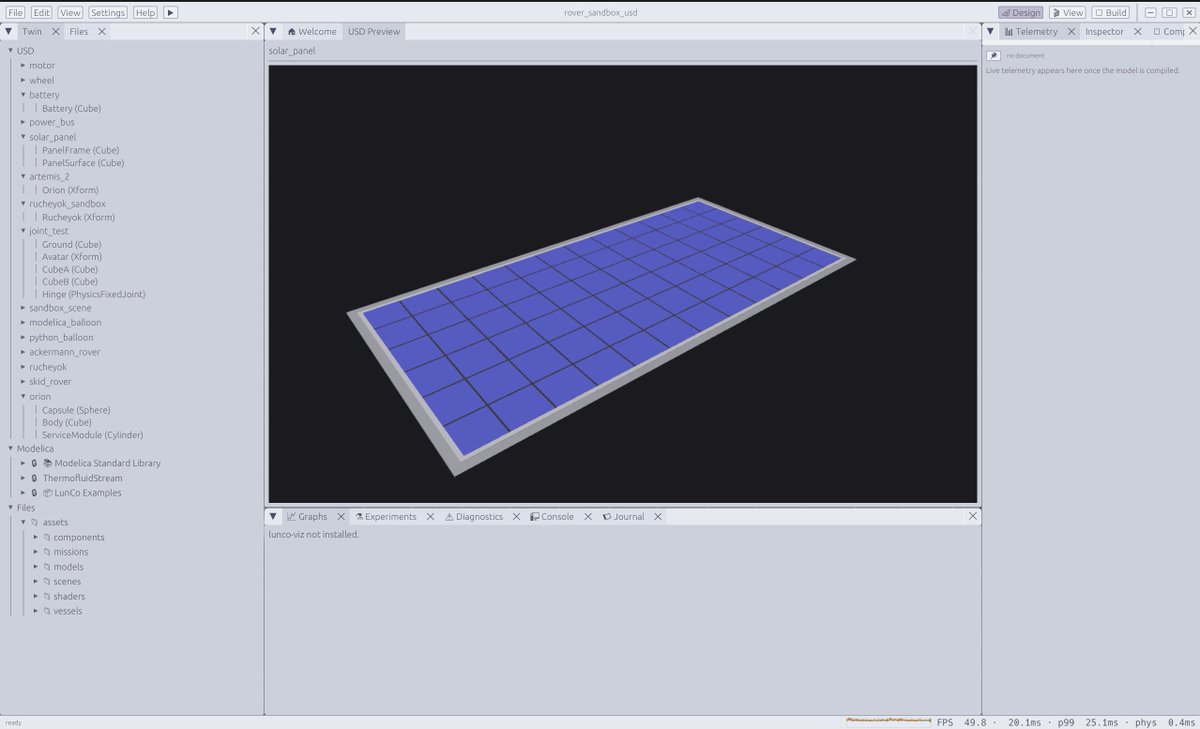
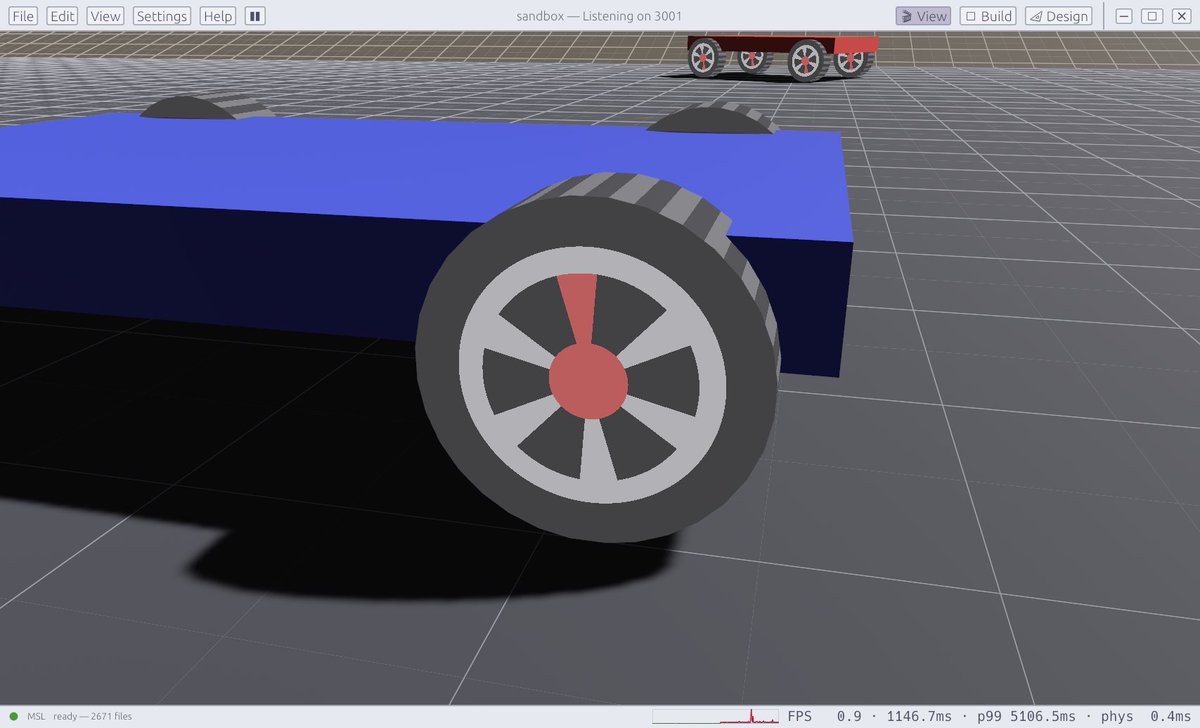
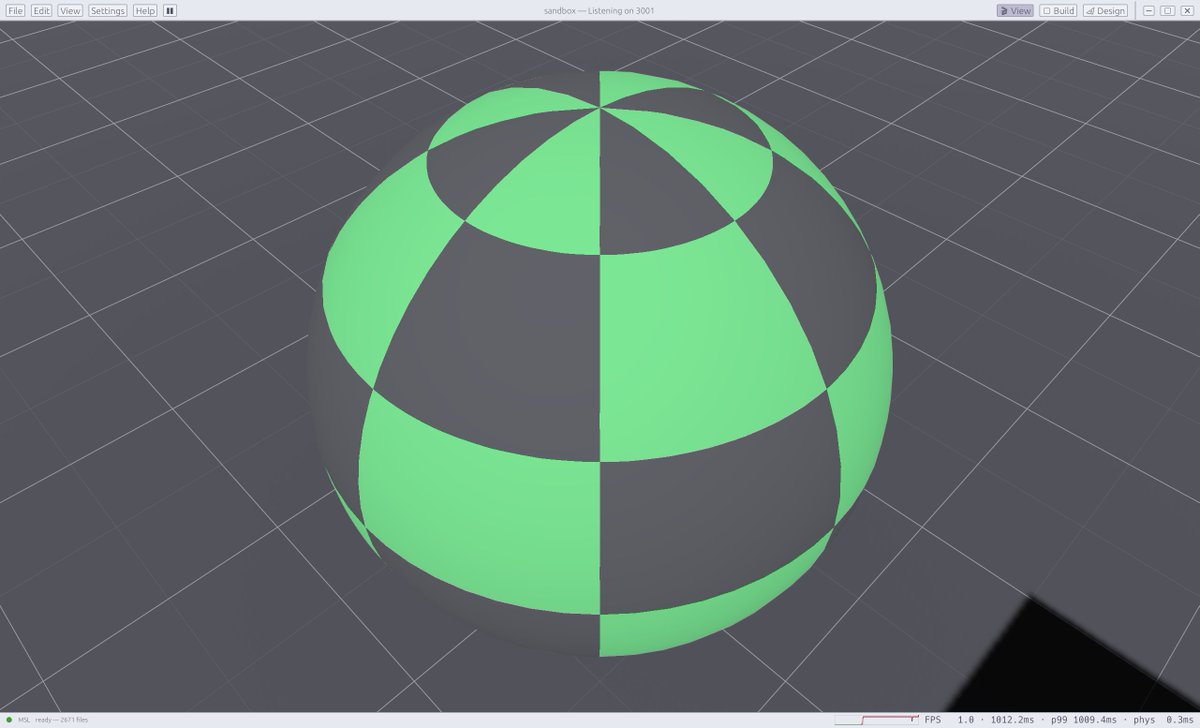
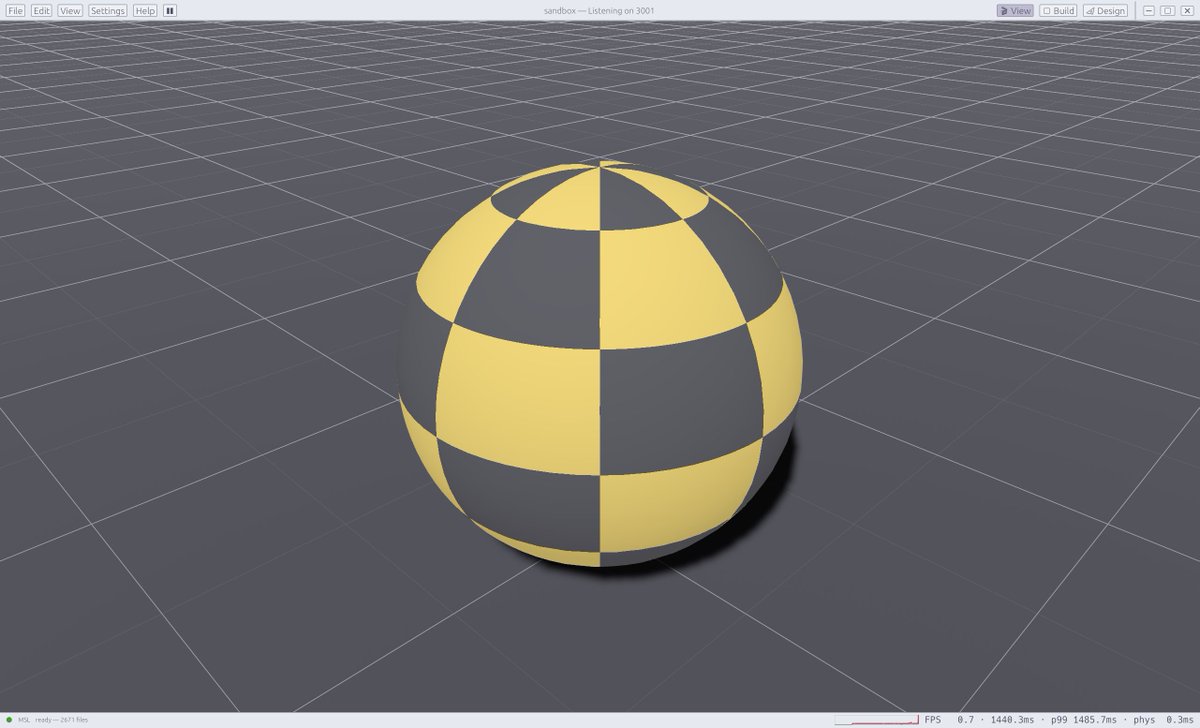
These screenshot AI/Claude Code did for itself while building tools/commands for LunCo
Particularly it's build shaders & created a command for realtime shader application for faster iterations
1
2
117
LunCo.eth(🌍🚀🌖) retweeted
May 21
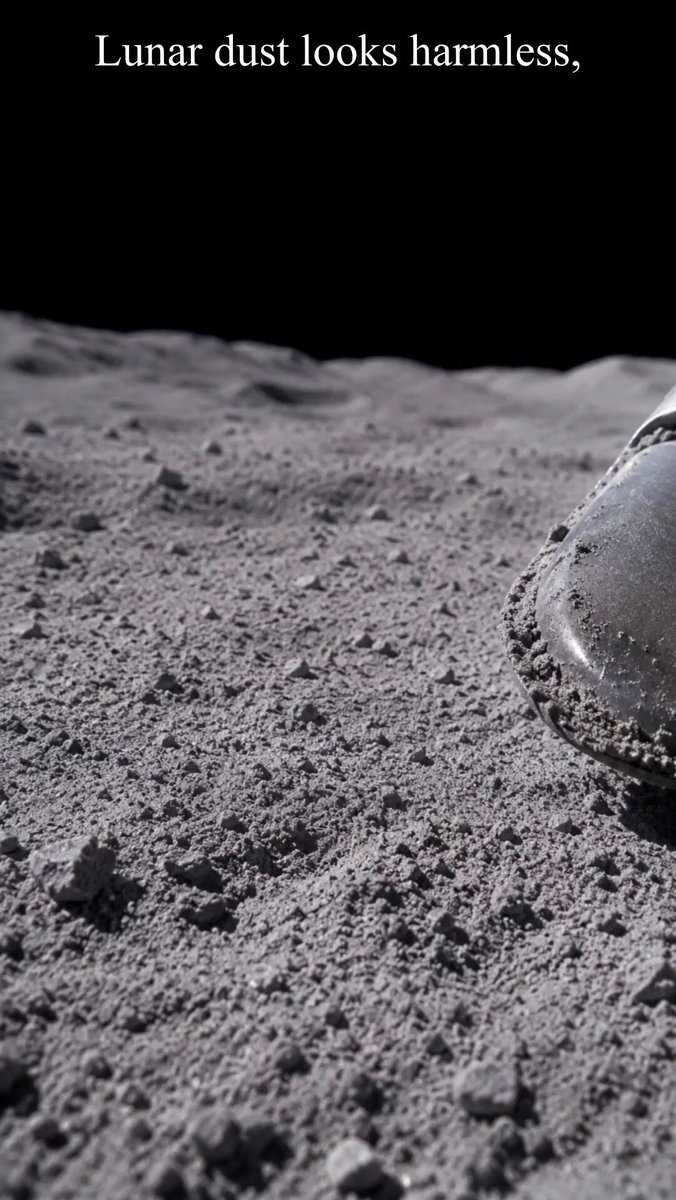
The Engineering Problem Hidden in Moon Dust
Lunar dust may look harmless, but it is one of the biggest engineering hazards on the Moon.
It is sharp, abrasive, electrostatically sticky, and fine enough to enter seals, joints, optics, suits, and hardware interfaces.
This video explains why lunar dust behaves so differently from Earth dust - and why future Moon missions must design around it.
16
37
144
11,407
LunCo.eth(🌍🚀🌖) retweeted
May 22
We are doing Professional Opensource Space Engineering Simulator.
You can check in on Github.
The simulator allows anyone to design their own missions for FREE instead of paying tens of thousands of USD for professional tools.
But...
We have to pay our bills :D
If you have a spare $11 plz support us with a donation on @Artizen
artizen.fund/index/p/lunco--…
5
6
18
1,423
LunCo.eth(🌍🚀🌖) retweeted
May 19
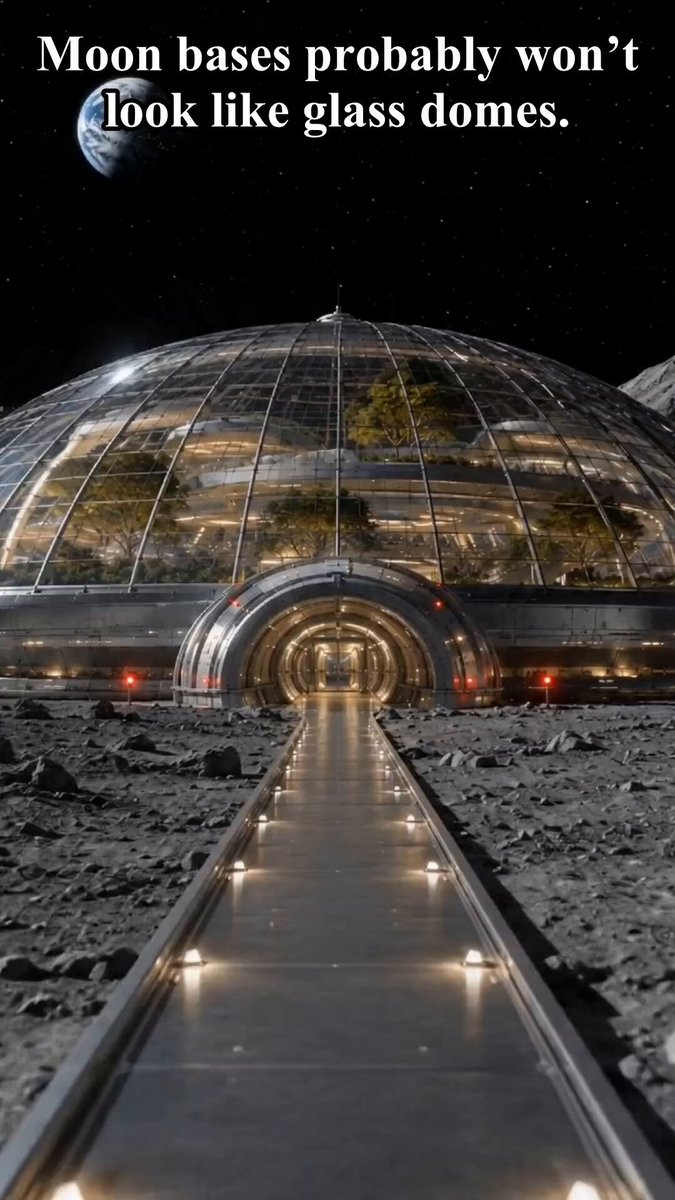
Why Moon Bases Won’t Look Like Glass Domes?
Moon bases in science fiction often look like giant glass domes.
But real lunar engineering is much harsher.
Future habitats will need protection from pressure loads, radiation, micrometeorites, temperature extremes, and lunar dust.
That means real Moon bases may look less like glass cities and more like shielded survival machines.
On the Moon, architecture is not about the best view. It is about keeping humans alive.
#MoonBase #LunarEngineering #SpaceArchitecture #SpaceExploration #NASA #Moon #YouTubeShorts
9
18
35
2,965
LunCo.eth(🌍🚀🌖) retweeted
May 27
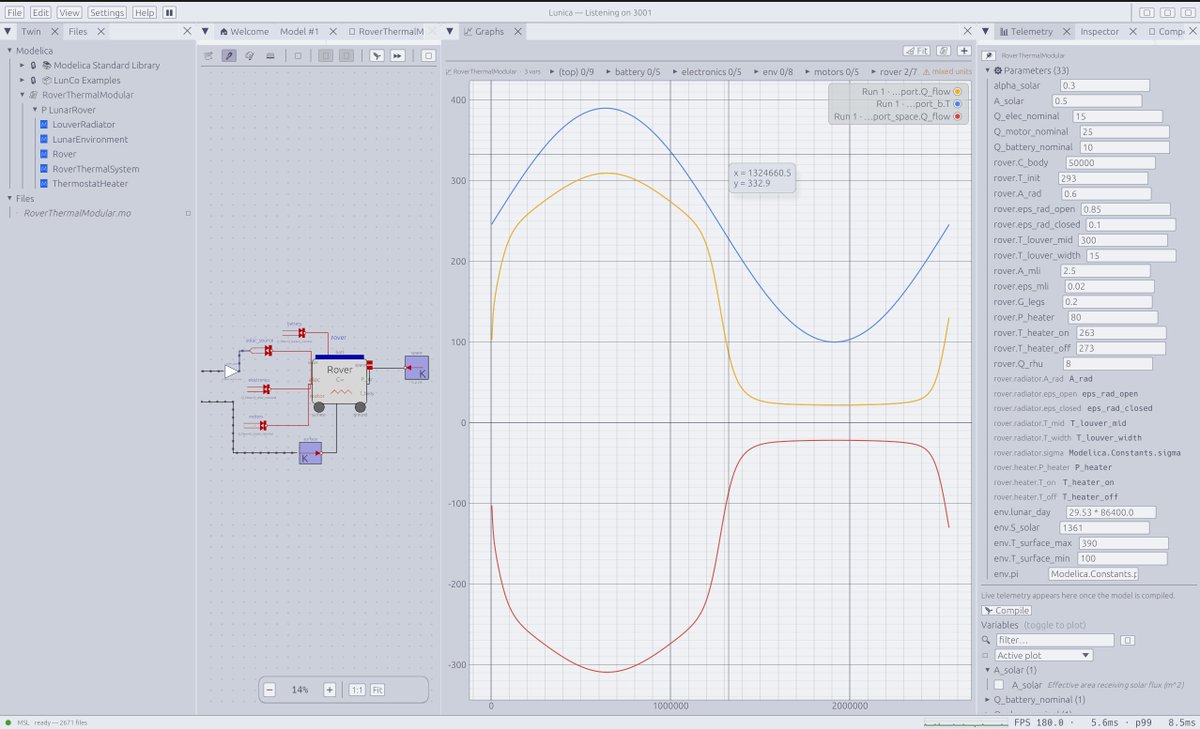
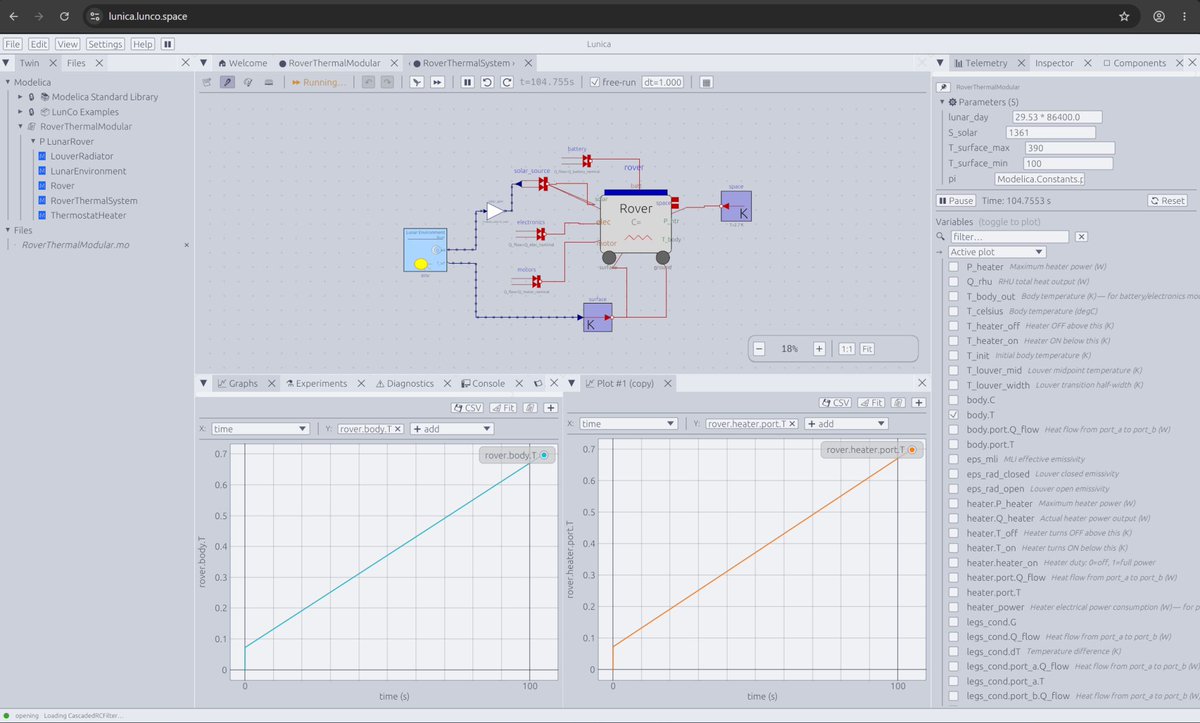
Lunar Rover Temperature during one lunar night.
Run in Lunica (LunCoSim Modelica Workbench).
Thx to @CognitioT new update to Rumoca it works much more stable
3
3
192
LunCo.eth(🌍🚀🌖) retweeted
24 Sep 2025
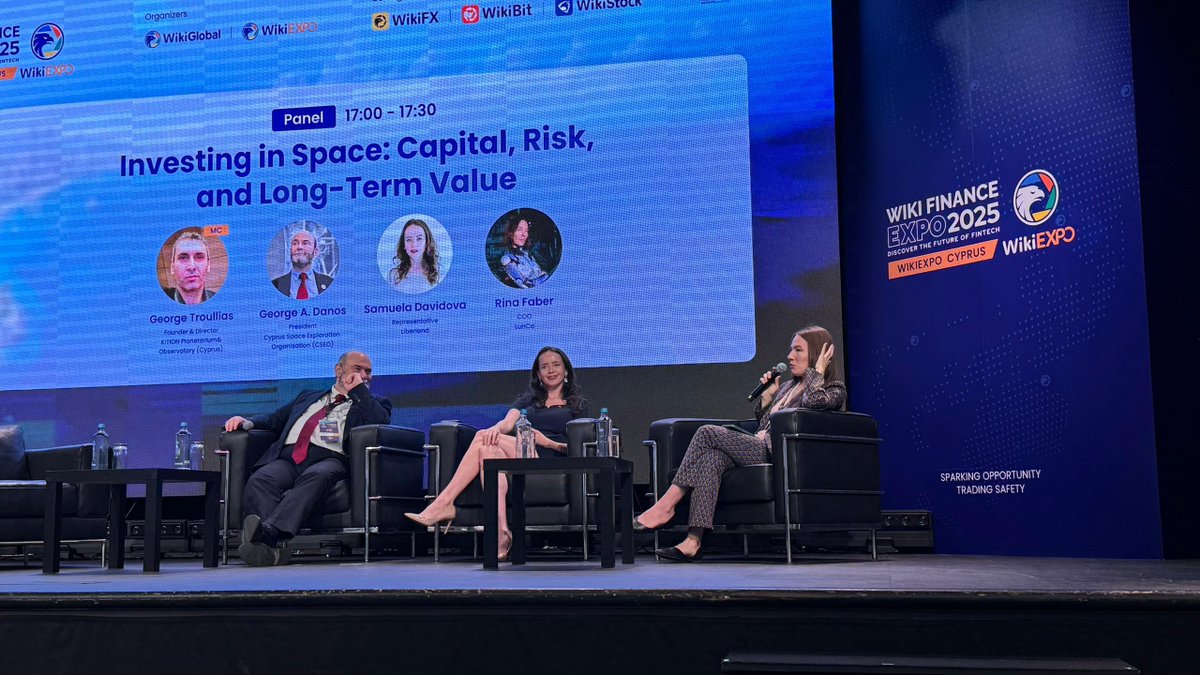
The space investment landscape is transforming rapidly, and our COO @CatFaber just shared critical insights at the "Investing in Space: Capital, Risk, and Long-Term Value" panel at @Wikiexpo_global
When launch costs hit $10-20/kg (SpaceX Starship targets), the game changes completely.
Mission design becomes the bottleneck, not hardware.
Companies solving collaboration at scale will capture disproportionate value.
1
6
17
463
LunCo.eth(🌍🚀🌖) retweeted
May 22
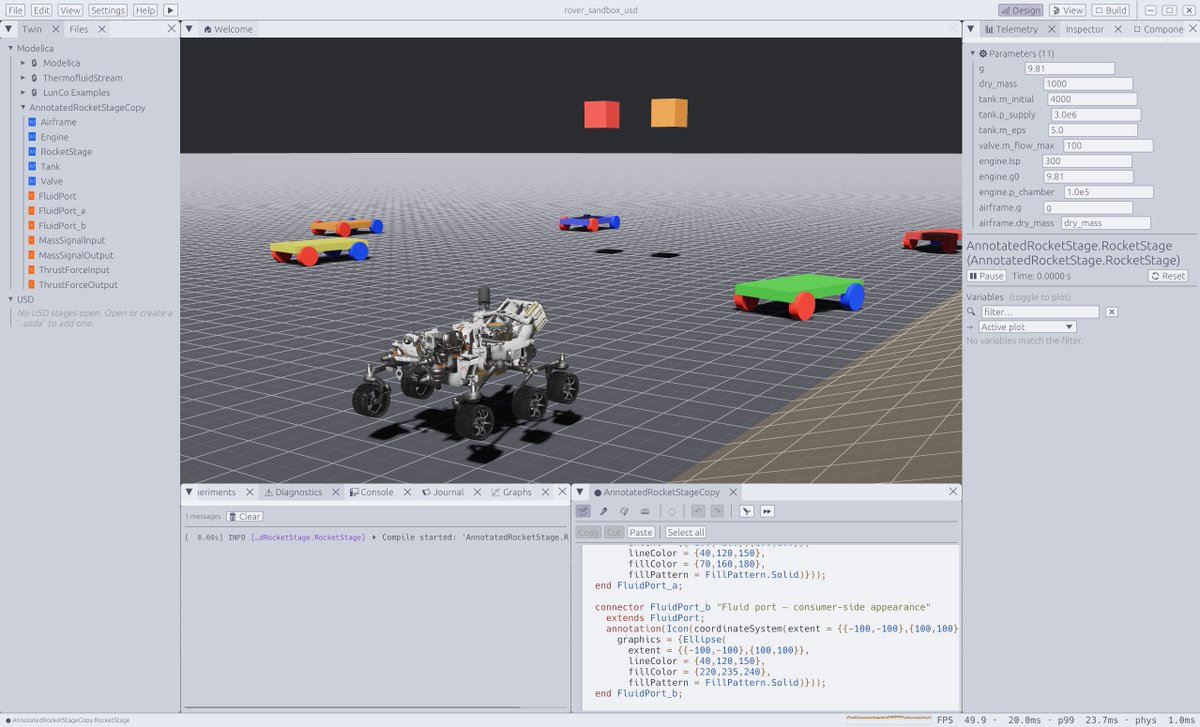
A while ago we switched from Godot to a more advanced Rust/Bevy.
With Godot we've made alpha.lunco.space
It had (now it's down) collaborative mode where several people could control rovers together via direct control or more realistic OpenMCT at alpha.lunco.space/mcc/index.…
However Godot is too limiting so we pivoted to a new tool.
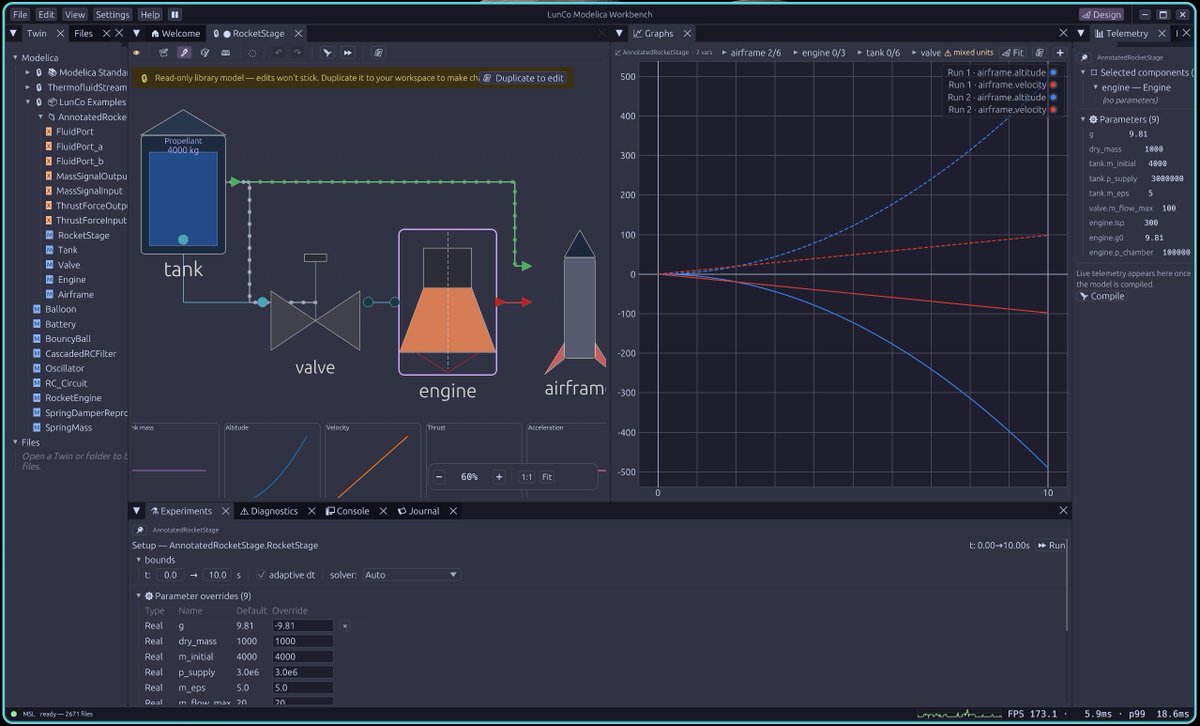
Now we have implemented Modelica support like in Dymola/Modelon at lunica.lunco.space
Using Modelica you can describe internal behaviour of the system like electic/thermal/power subsystem of a rover.
And we already have a so-called cosimulation when with Modelica we described a behavior and run it in the same loop. It's not in web thou, will be publish in 1-2 months.
We have 7 engineers testing Lunica (our Modelica Workbench), however it's too specific, so we are working on assets for beautiful videos and proper marketing of the sim, will be ready in a couple of weeks
1
2
4
226
May 22
We are doing Professional Opensource Space Engineering Simulator.
You can check in on Github.
The simulator allows anyone to design their own missions for FREE instead of paying tens of thousands of USD for professional tools.
But...
We have to pay our bills :D
If you have a spare $11 plz support us with a donation on @Artizen
artizen.fund/index/p/lunco--…
5
6
18
1,423