We are Helping #SmallBusiness #Educators and Individuals in creating their #Digital Footprints. Like Us on fb.me/M2WDS
Joined June 2017
- Tweets 165
- Following 92
- Followers 110
- Likes 108
15 Photos and videos


Pinned Tweet
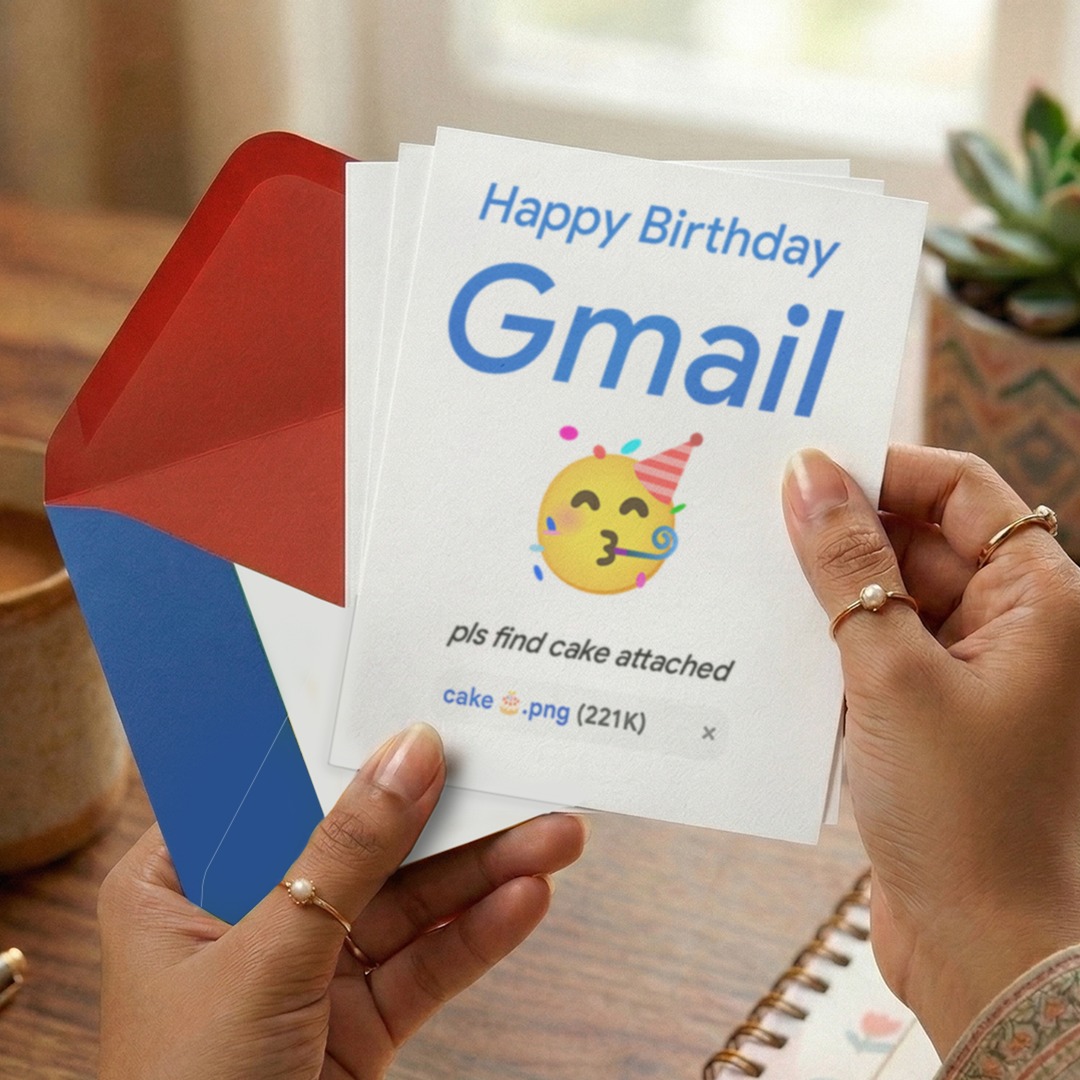
🥳Happy Birthday @gmail. We can't imagine our life without you. Thank you ✉️
ALT Gmail was officially launched on April 1, 2004, by Google engineer Paul Buchheit. While initially thought to be an April Fool's joke, it revolutionized email by offering 1 GB of storage-significantly more than competitors at the time-and launched with a clean interface. It turned 22 on April 1, 2026.
2
6
Enter the below text in your web browser and see what happened ✨
data:text/html, <html contenteditable>
2

13 Jul 2025
Digital Marketing Jargon Buster! 💥
37.) URL or Uniform Resource Locator — The unique address of a page or piece of digital content on the Internet.
E.g. “Aunt Sue, you can access my website by typing the URL into your browser.”
1
7
12 Jul 2025
Digital Marketing Jargon Buster! 💥
36.) Unique Visitor — A single visitor to a website during a specific period of time.
E.g. “No matter how many times Uncle Bob visits my website, he’s still just one unique visitor.”
1
6
11 Jul 2025
Digital Marketing Jargon Buster! 💥
35.) Traffic Acquisition The process of attracting visitors often referred to as traffic to websites, mobile apps and other digital assets.
E.g. “My acquisition strategy focuses on targeting people who have recently bought old houses.”
1
13
10 Jul 2025
Digital Marketing Jargon Buster! 💥
34.) Social Network — A community of individuals creating and sharing content.
E.g. “Social networks could be a good place for me to showcase my beautiful foyer murals and maybe get new customers.”
1
15
9 Jul 2025
Digital Marketing Jargon Buster! 💥
33.) Social Media — Content such as text, images, or videos, created by individuals and shared across the Internet.
E.g. “Social media changes all the time, so I hired my niece to help me create a social media strategy.”
1
12
8 Jul 2025
Digital Marketing Jargon Buster! 💥
32.) Session or Visit — A group of interactions that take place on your website within a given time frame. For example a single session can contain multiple page views and ecommerce transactions.
1
10
6 Jul 2025
Digital Marketing Jargon Buster! 💥
31.) Search Engine Results Page (SERP) — A list of results appearing in a search engine in response to a user’s search query.
1
6
5 Jul 2025
Digital Marketing Jargon Buster! 💥
30.) Search Engine Marketing (SEM) — A form of advertising that allows you to bid for your advertisement to show along with search results for keywords that people are typing in.
1
1
6
4 Jul 2025
Digital Marketing Jargon Buster! 💥
29.) Search Engine Optimization (SEO) — The practice of making changes to web pages, content, and the promotion of that content to improve visibility in the organic or unpaid search engine results.
1
14
3 Jul 2025
Digital Marketing Jargon Buster! 💥
28.) Search Engine — A tool that indexes and returns relevant digital content in response to users’ keywords. Popular Internet search engines include Google, Bing, Yahoo, DuckDuckGo, Baidu, Yandex and more.
1
33
2 Jul 2025
Digital Marketing Jargon Buster! 💥
27.) Ranking — A listing’s position on a search engine results page.
E.g. “With a lot of work, I’m hoping to get my website to the #1 ranking on search engines.”
1
9
1 Jul 2025
Digital Marketing Jargon Buster! 💥
26.) Query or Search Term — The keyword or phrase a user types into a search engine in order to find what they’re looking for.
1
8
1 Jul 2025
Digital Marketing Jargon Buster! 💥
25.) Pay-Per-Click (PPC) — An advertising system in which advertisers pay for users to click on their advertisements.
E.g. “I’m going to use pay-per-click adverts to promote my new faux finishes.”
1
7
30 Jun 2025
Digital Marketing Jargon Buster! 💥
24.) Paid Listings — Advertisements that appear on search engines results pages.
E.g. “I’m thinking about paying to have my website appear in the paid listings, so that I can bring more customers to my website.”
1
5
29 Jun 2025
Digital Marketing Jargon Buster! 💥
23.) Natural Listings or Organic Listings — Results from a search engine that are not paid adverts.
E.g. “The higher my website ranks in a search engine’s natural listings, the more website traffic I’ll get.”
1
9
28 Jun 2025
Digital Marketing Jargon Buster! 💥
22.) Mobile Device — A portable device, such as a smartphone or tablet, capable of connecting to the Internet and running applications.
1
8
27 Jun 2025
Digital Marketing Jargon Buster! 💥
21.) Link — A text or image that provides a link from one web page or website to another.
E.g. “When a major home decor blog linked to my website, I got a lot more visitors.”
1
10
26 Jun 2025
Digital Marketing Jargon Buster! 💥
20.) Landing Page — The first page on a website that a person usually sees—not necessarily the home page of that website.
E.g. “I’m adding a coupon to my landing page so that my website visitors will be encouraged to buy.”
1
7