
219 Photos and videos













MAGnumKrypto 🎯🇺🇸 retweeted

Feb 20
Every retweet of this post will equal a dollar given to children with Leukemia.
2,010
60,654
73,395
2,533,335
MAGnumKrypto 🎯🇺🇸 retweeted

Feb 13
1. You can hear the heartbreaking desperation in this dad’s voice — he wants to help his son so badly.
This video is over three minutes long which means it won’t get recommended in Instagram’s algorithm.
If you’re on Instagram, please go share it so more people can see it and become potential blood stem cell donors.
Link to the video in the post below.
81
1,765
3,811
474,649
👀👀👀👀👀👀👀👀👀👀👀👀
Feb 10

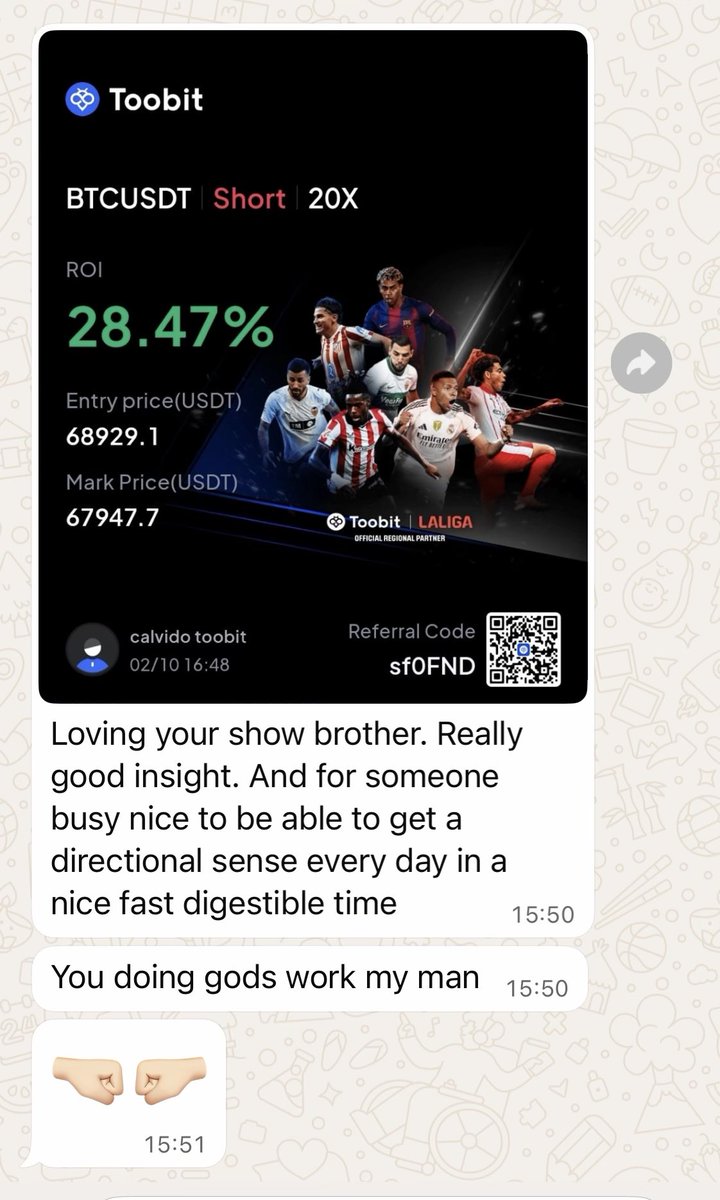
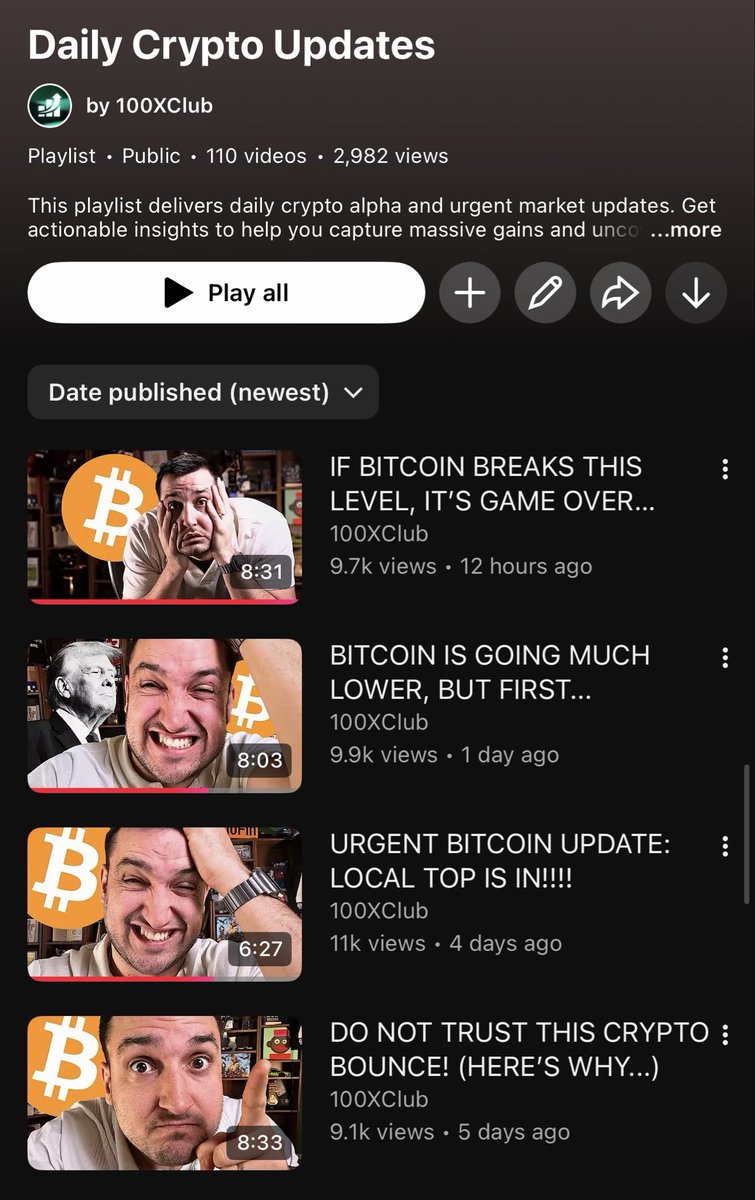
This is literally how I design the 100XClub daily videos on YouTube
Short
Concise
Actionable
Profitable
Every day
Tune in on YouTube by searching 100XClub 🤝
1
1
38
👀👂🏻👀👂🏻👀
23
🇺🇸🇺🇸🇺🇸🇺🇸🇺🇸🇺🇸🇺🇸🇺🇸🇺🇸
Jan 11

I love this video so much. You will too. This is what we stand for. This is the conservative movement. And if you stand with us too, drop a flag in the comments. Share this out. Spread the message.
America First.
God, Country, and Freedom. 🇺🇸🇺🇸🇺🇸
37
👀
Jan 9
Yo @benjamincowen
@grok says we should do a show together and discuss how we both called the top with completely different methods - then potentially discuss our different view re 2026.
Would love to host you on the 100XClub YouTube channel.
38
MAGnumKrypto 🎯🇺🇸 retweeted

Riddle you that one, eh...genius? Well, let's see. Last year, I personally sent $105,000 to the IRS and $20 to my State. Where did that $125,000 come from? From working my ass off...10-14 hours a day, 6 days a week. Because I am a business owner, I file under an LLC, and the IRS gets .50 on every damn dollar I make! So they can turn right around and give to a bunch of scammers who are too damn lazy to work. And who have zero morals or ethics and wouldn't think twice about stealing from the system. Does that answer your idiotic question? I sure hope so.
32
34
551
12,003
This woman is spot on…. 🙏🙏🙏

The difference between those celebrating the overthrow of Maduro and those condemning it.
34

🚨🚨🚨🚨🚨🚨🚨🚨🚨🚨🚨🚨
30 Dec 2025
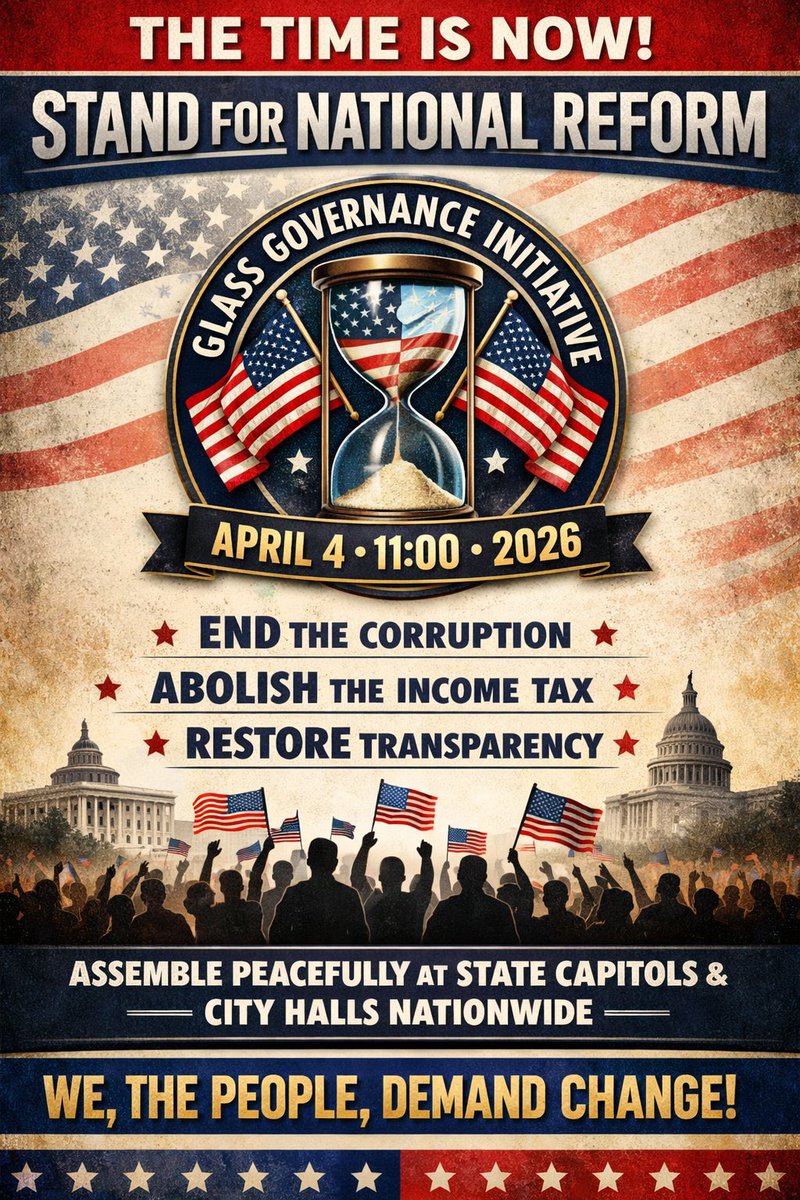
Glass Governance
A government said to be run by the People should not operate in the dark. Yet today, Americans are asked to fund a system they are not allowed to clearly see. Trillions of dollars are collected in our name, but even the most diligent citizen cannot trace—end to end—where that money actually goes. For generations, opacity has been normalized, and accountability has been replaced with trust without verification.
This is not a failure of technology. It is a failure of will.
We already possess the tools to track every dollar in real time. Modern financial systems routinely audit, log, and reconcile transactions at a scale far beyond government budgets. Yet public funds remain fragmented across agencies, obscured by aggregated reporting, delayed disclosures, and accounting standards that prevent meaningful oversight by the public.
Consider this:
•The federal government routinely issues financial statements that are unauditable in full, with major departments unable to account for assets, expenditures, or internal transfers.
•Oversight bodies exist, yet their findings are often delayed, summarized, or ignored—long after decisions are made and consequences felt.
•Citizens are shown totals and headlines, not ledgers and receipts.
Transparency delayed is accountability denied.
Glass Governance proposes a simple, enforceable principle:
Every elected office, agency, and major program must be attached to a public, continuously updated ledger—accessible, searchable, and understandable by any citizen. Each dollar collected. Each dollar allocated. Each dollar spent. With clear attribution.
Not reports written after the fact.
Not summaries filtered through committees.
But visibility by default.
Under such a system:
•Misuse of funds becomes immediately detectable, not politically debatable.
•Waste cannot hide behind complexity.
•Conflicts of interest surface on their own.
•Public trust is restored not through promises, but through proof.
You cannot steal from people who can see you.
You cannot mislead a public that can verify.
And you cannot remain in office once your actions are laid bare.
This is not radical. It is the standard we already demand of corporations, nonprofits, and financial institutions—often under penalty of law. A government that resists this level of transparency is not protecting stability; it is protecting insulation.
Glass Governance does not weaken democracy.
It completes it.
Because a government that truly serves the people should never fear being seen by them.
1
29

26 Dec 2025
🚨🚨🚨🚨🚨🚨🚨🚨🚨🚨

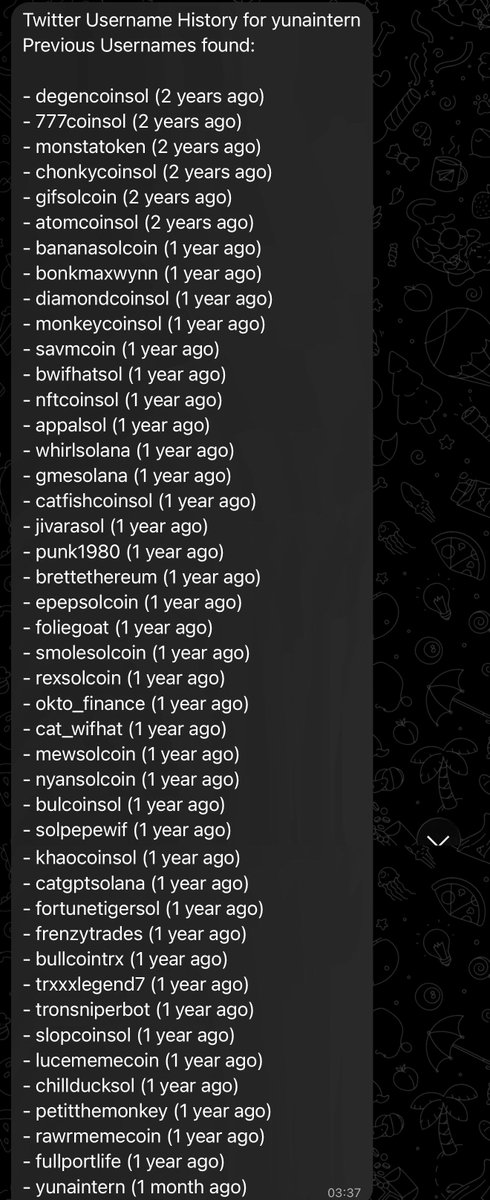
That X account is a scammer larping as a girl and lying about being a victim of the hack to bait engagement.
>44 username changes
>countless meme coin scams
>only 234 posts for a 2023 account
>they preblocked me
X User ID: 1725149174780268544


29
24 Dec 2025
🚨🚨🚨🚨🚨🚨🚨🚨🚨🚨🚨
This is what happens when you speak the truth with RECEIPTS about KOL’s and CT influencers… Do yourself a favor and STAY AWAY from this POS SCAMMER…
🤡🤡🤡🤡🤡🤡🤡🤡🤡🤡🤡
$BULLISH $BOTIFY #altszn #Altseason #BullMarket #bearmarket

1
311
24 Dec 2025
This pretty much sums it up….

19
20 Dec 2025
Walks Like a Duck
Quacks Like a Duck….
🐻 📉
19 Dec 2025

$BTC
Here is my breakdown & outlook on analysis for Bitcoin. Enjoy the video!
▫️Hourly = Neutral❌
▫️Daily = Bearish ❌
▫️Weekly = Bearish❌
▫️Monthly = Bearish❌
1
99
MAGnumKrypto 🎯🇺🇸 retweeted
13 Dec 2025
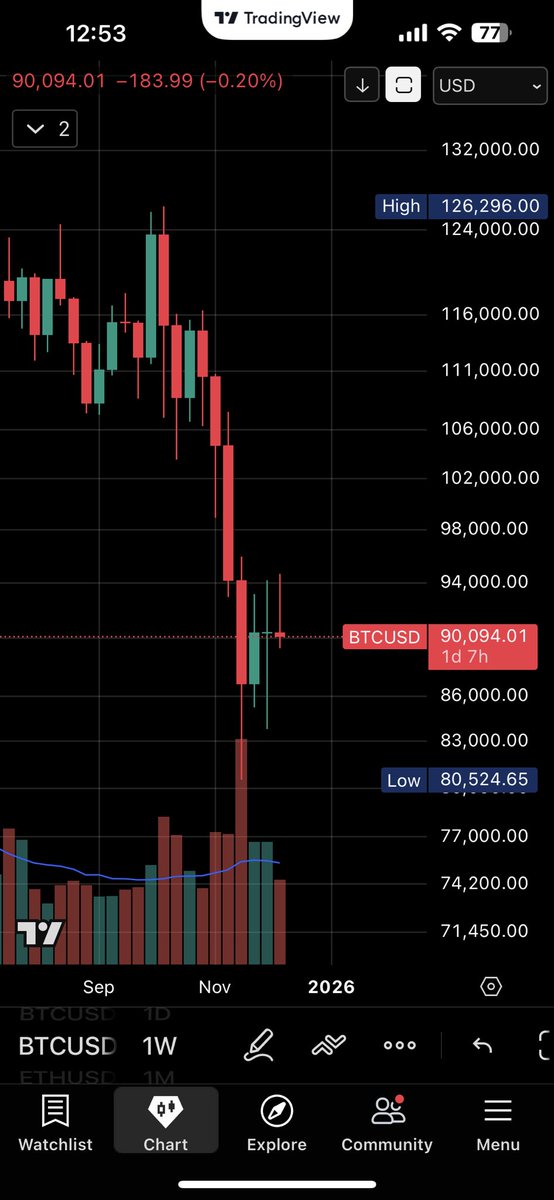
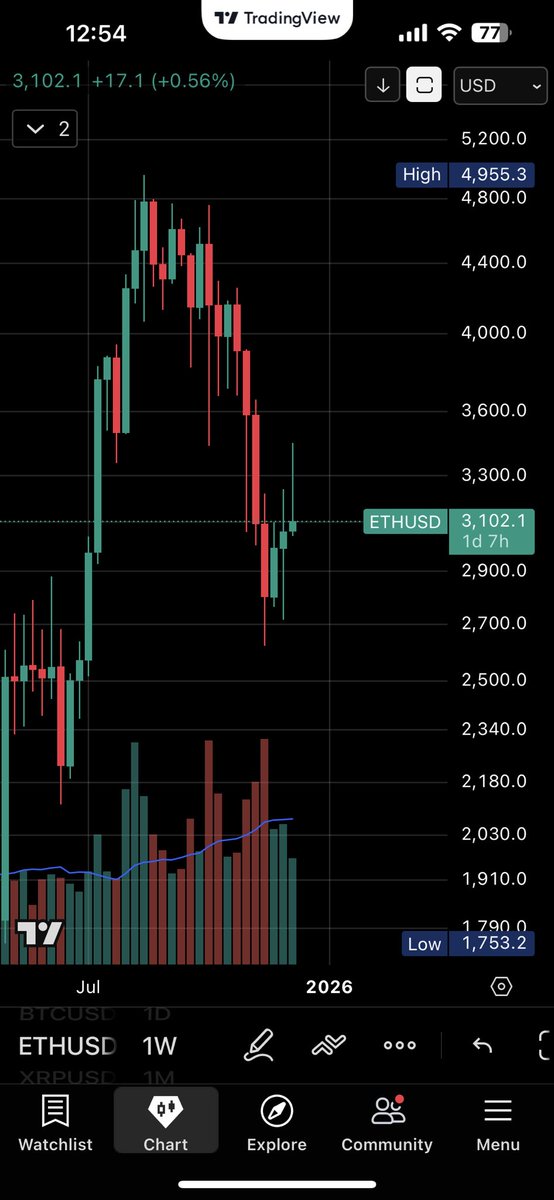
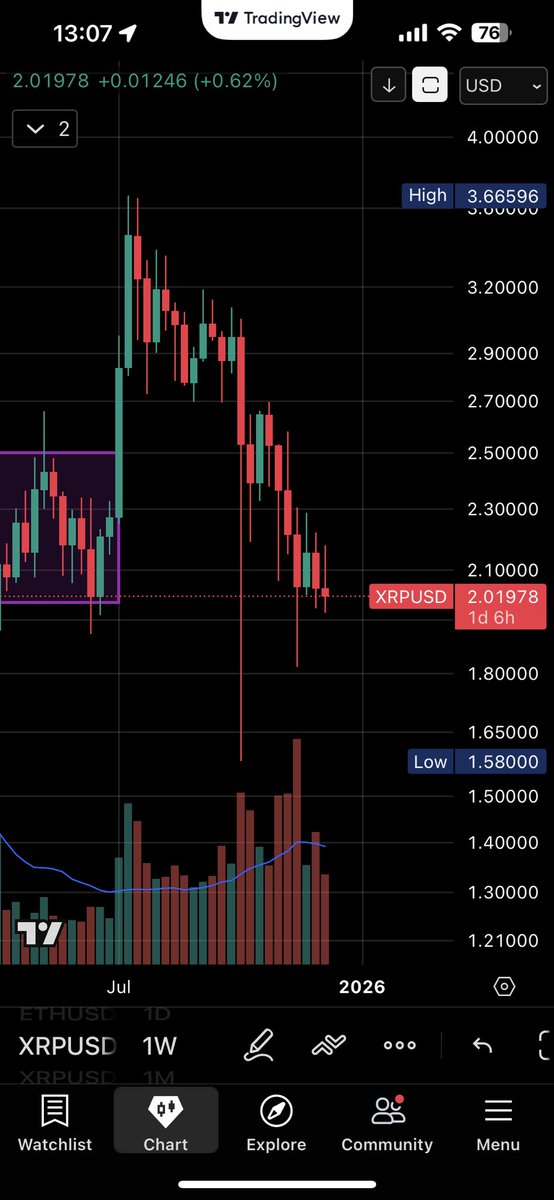
$BTC will print its 10th wkly close since its $126k ATH & currently down about 30%
$ETH will print its 16th wkly close since its $4955 ATH & currently down about 38%
$XRP will print its 22nd wkly close since its $3.66 ATH and is currently down about 45%
#BearMarket 🩸🪦🩸🪦🩸
1
2
85
MAGnumKrypto 🎯🇺🇸 retweeted

16 Nov 2025
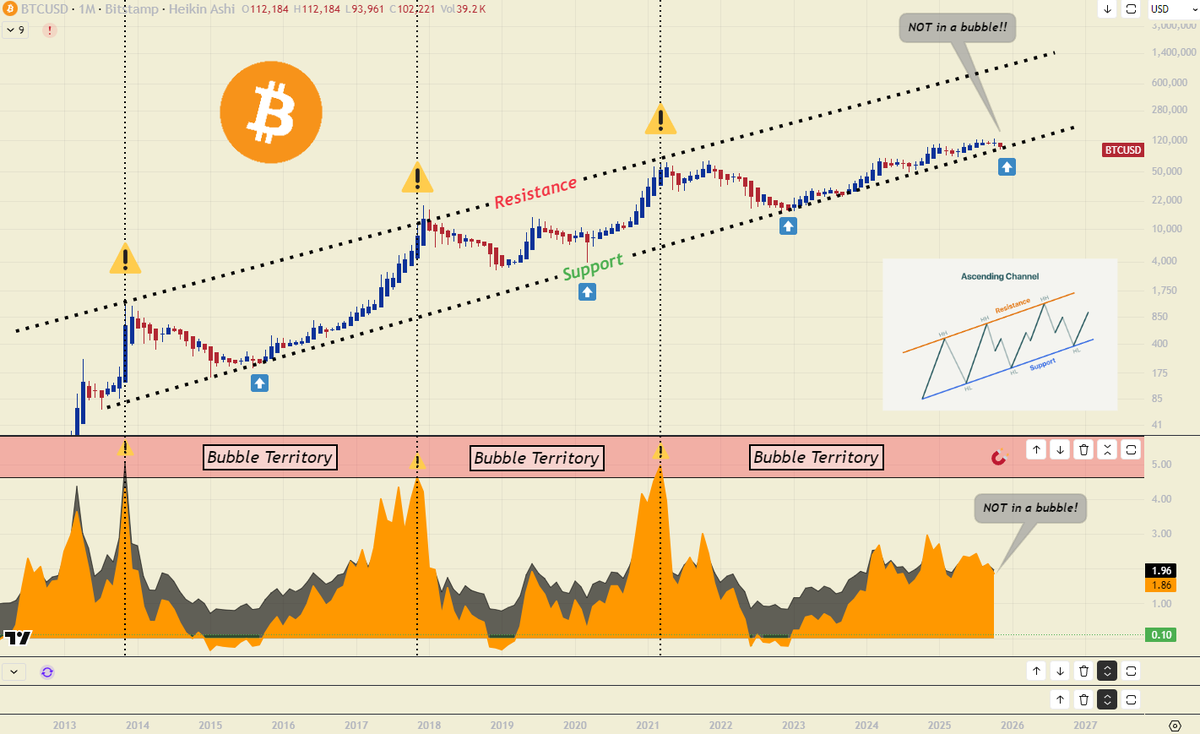
Macro $BTC tops always come with a blow-off in the Z-score!!!
If this was truly the top, it would be the first crypto cycle in history to peak without a Z-score warning spike....
82
224
1,187
82,961
17 Nov 2025
👀 Amazing Work!!
17 Nov 2025

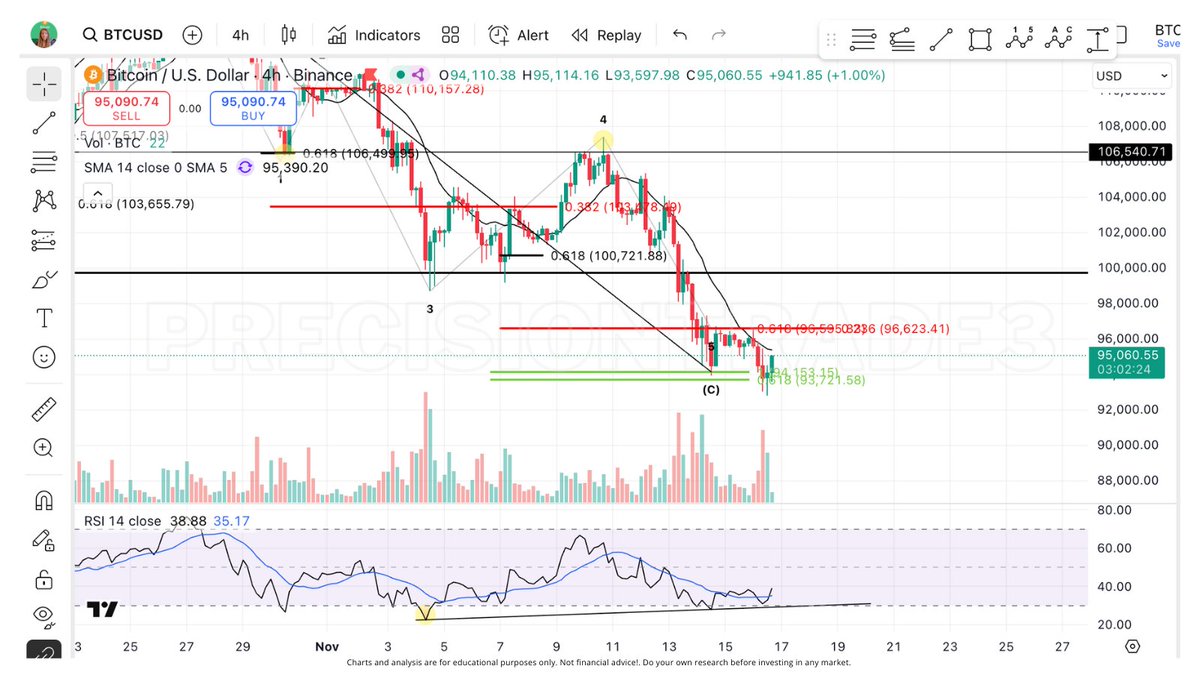
ALT XRP Ripple bitcoin btc crypto market crypto chart crypto news altcoins altseason bottom bullish bearish bear market pump XRP ETH
1
55
