
Our Club is one of the most active alumni/ae clubs in the DMV. Whether you were an undergrad or graduate student, join or renew your membership today!
- Tweets 2,447
- Following 526
- Followers 459
- Likes 159









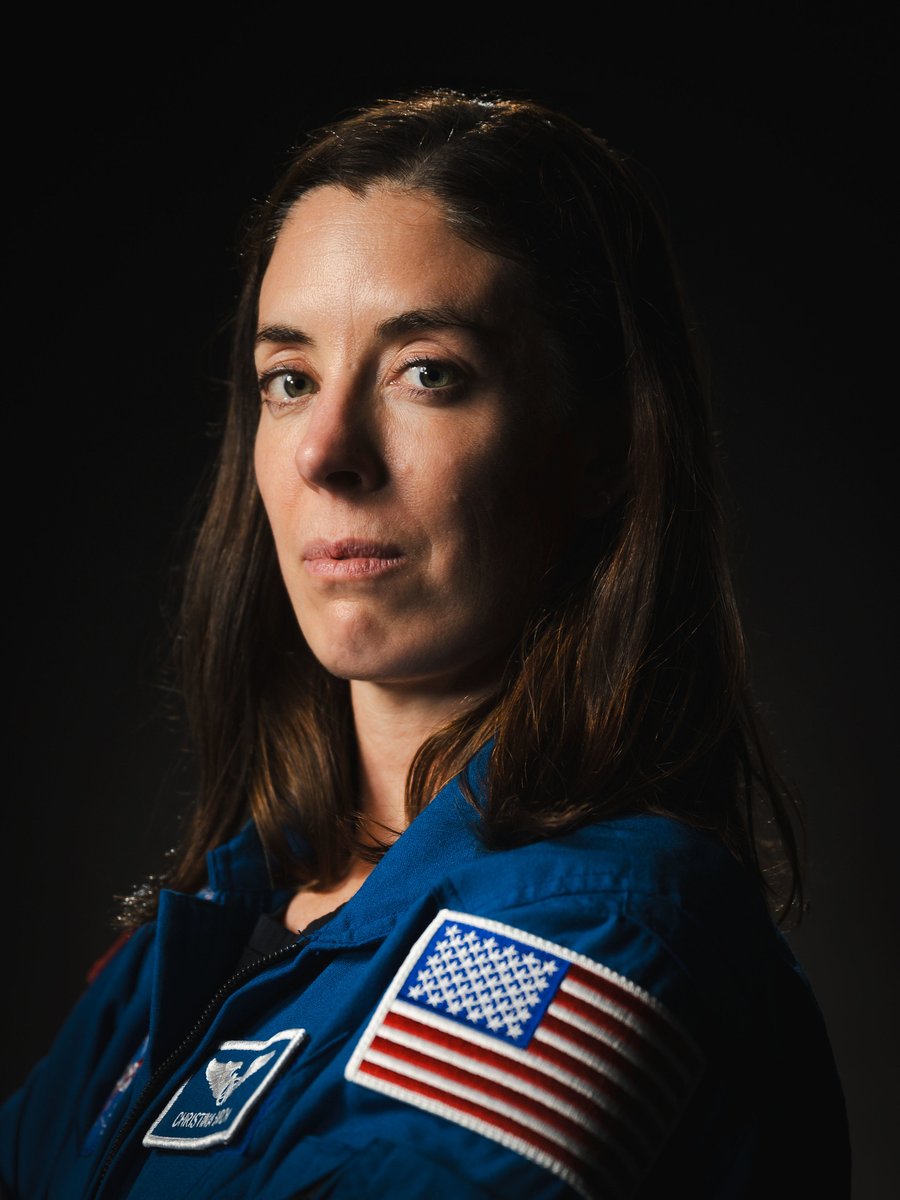
ALT NASA astronaut Chris Birch poses for a portrait at NASA's Johnson Space Center in Houston, Texas. Credit: NASA/Josh Valcarcel
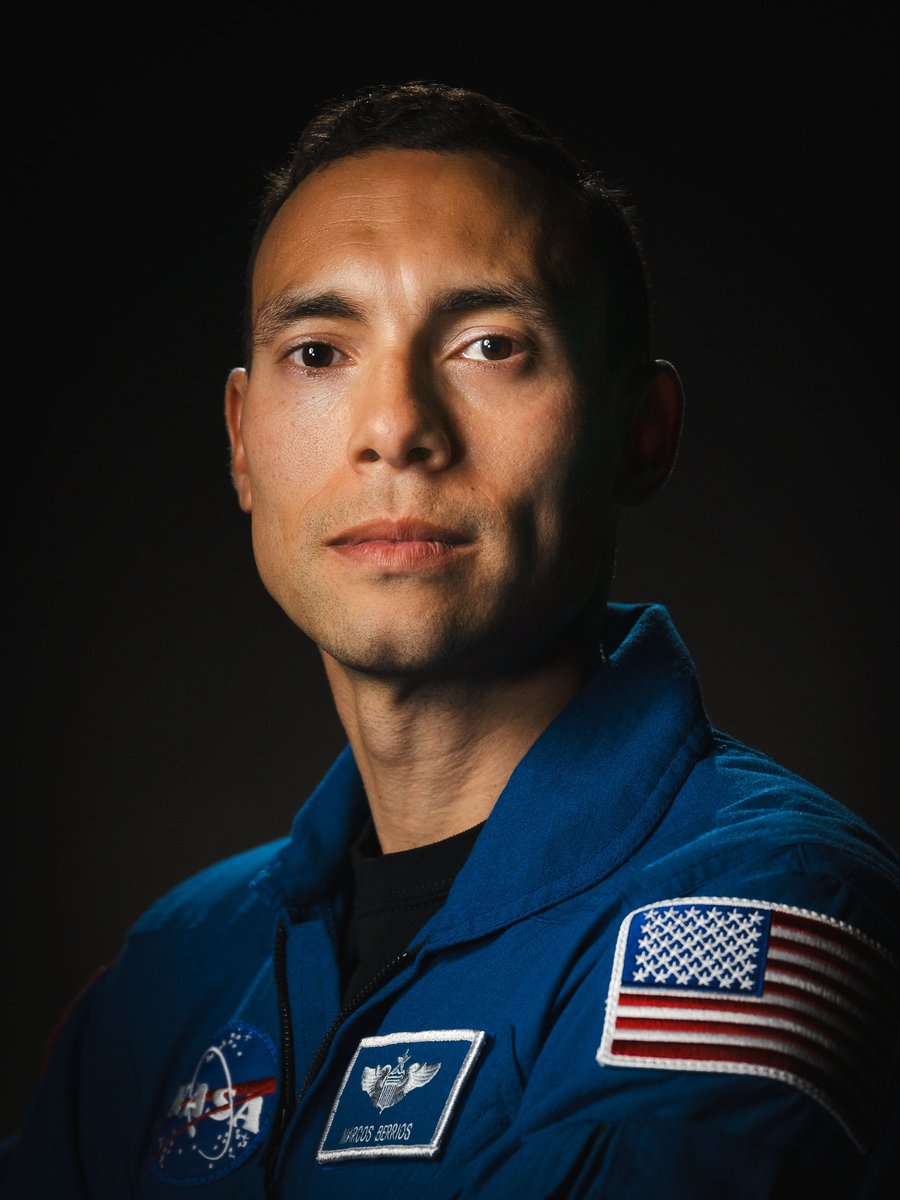
ALT NASA astronaut Marcos Berríos poses for a portrait at NASA's Johnson Space Center in Houston, Texas. Credit: NASA/Josh Valcarcel
ALT NASA astronaut Anil Menon poses for a portrait at NASA’s Johnson Space Center in Houston, Texas. Credit: NASA/Josh Valcarcel


ALT An image of three beavers with party accessories floating on a log on the Charles River. The iimage reads, “Happy New Year!” And it looks like 2024 MIT is carved into the log.
ALT Pink and pixelated letters A and I with neon colors and shapes surrounding the letters

ALT Bright light shining through cells, resembling pink bubbles.

ALT Image with headshots of Joshua Bennet and Sally Kornbluth
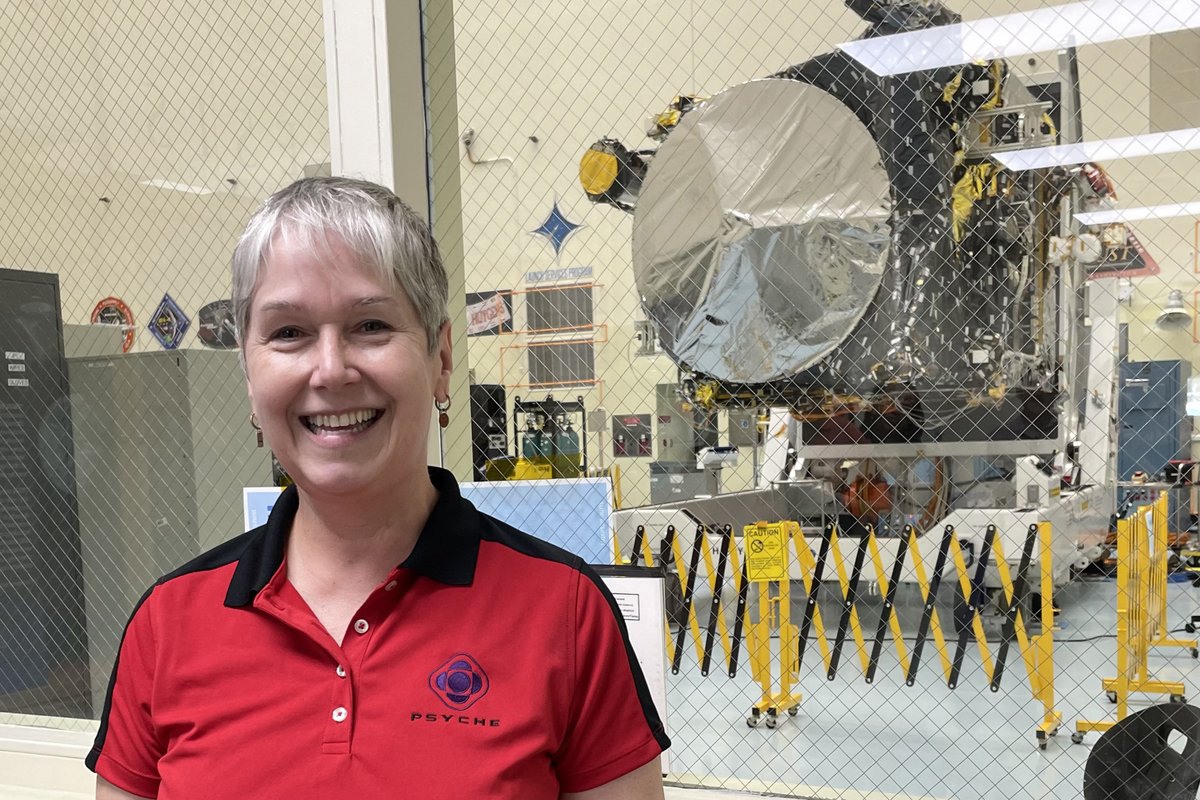
ALT Lindy Elkins-Tanton poses in a red, collared Psyche shirt. A large silver disc on the spacecraft can be seen through the window behind her.

ALT Image with headshots of Joshua Bennet and Sally Kornbluth
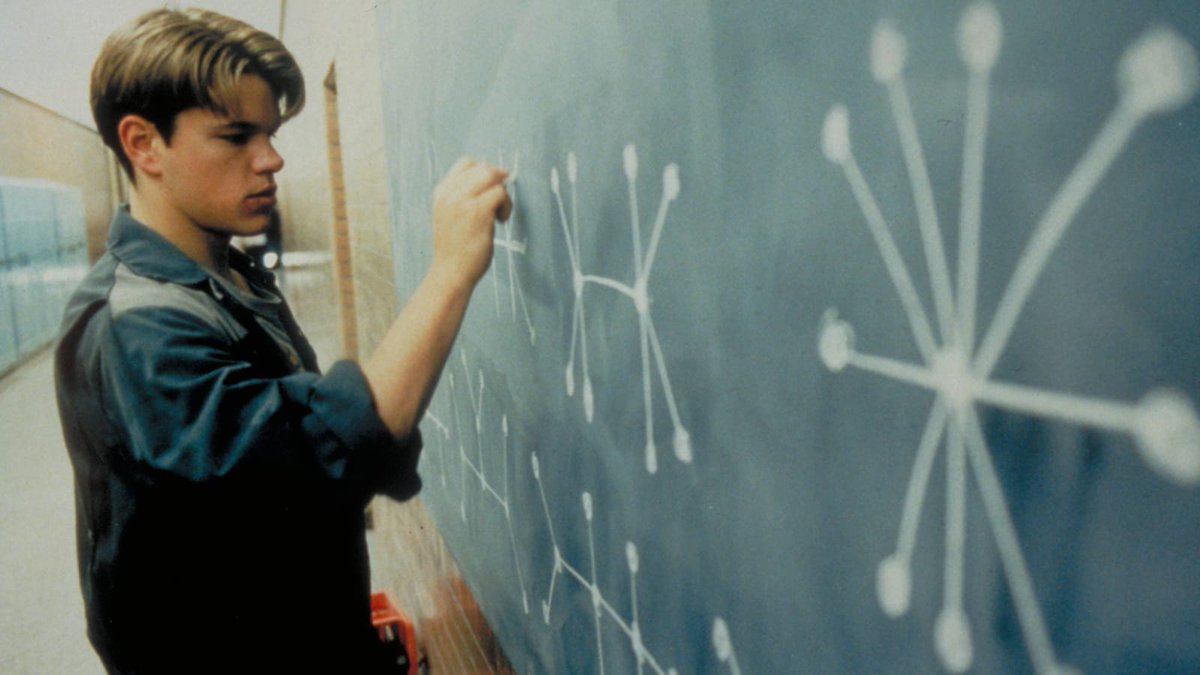
ALT Matt Damon completed a math problem on a blackboard in a scene from Goodwill Hunting.
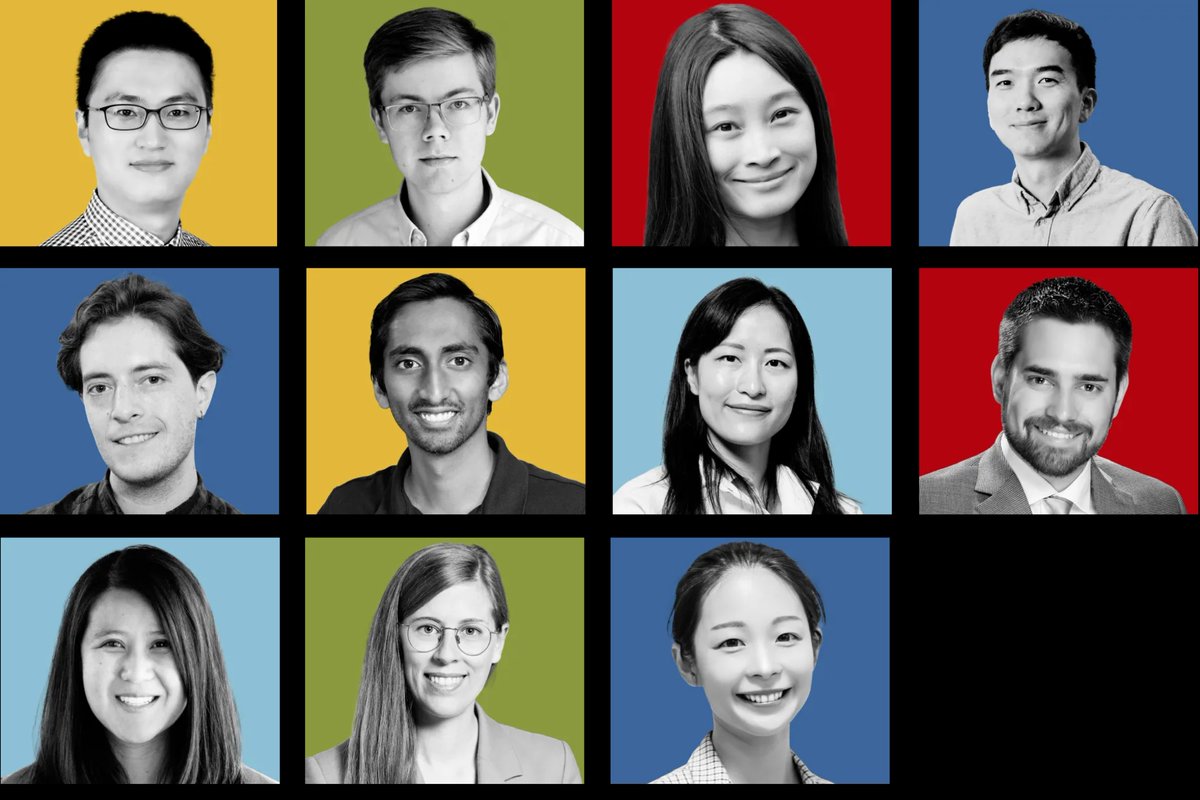
ALT Eleven headshots of TR35 honorees are lined up in rows. Each headshot is silhouetted with a colored background - light blue, yellow, green or dark blue.
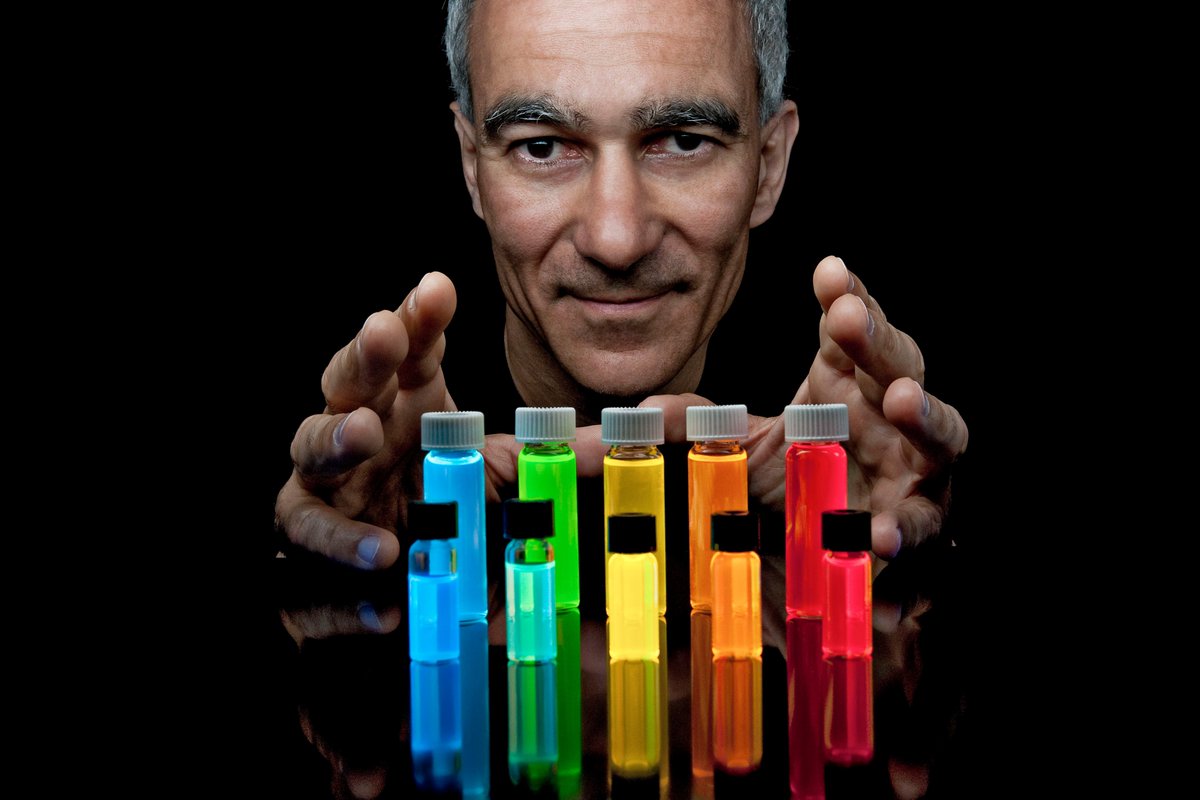
ALT Moungi Bawendi's head and hands appear against a black background and over a rainbow-colored row of vials

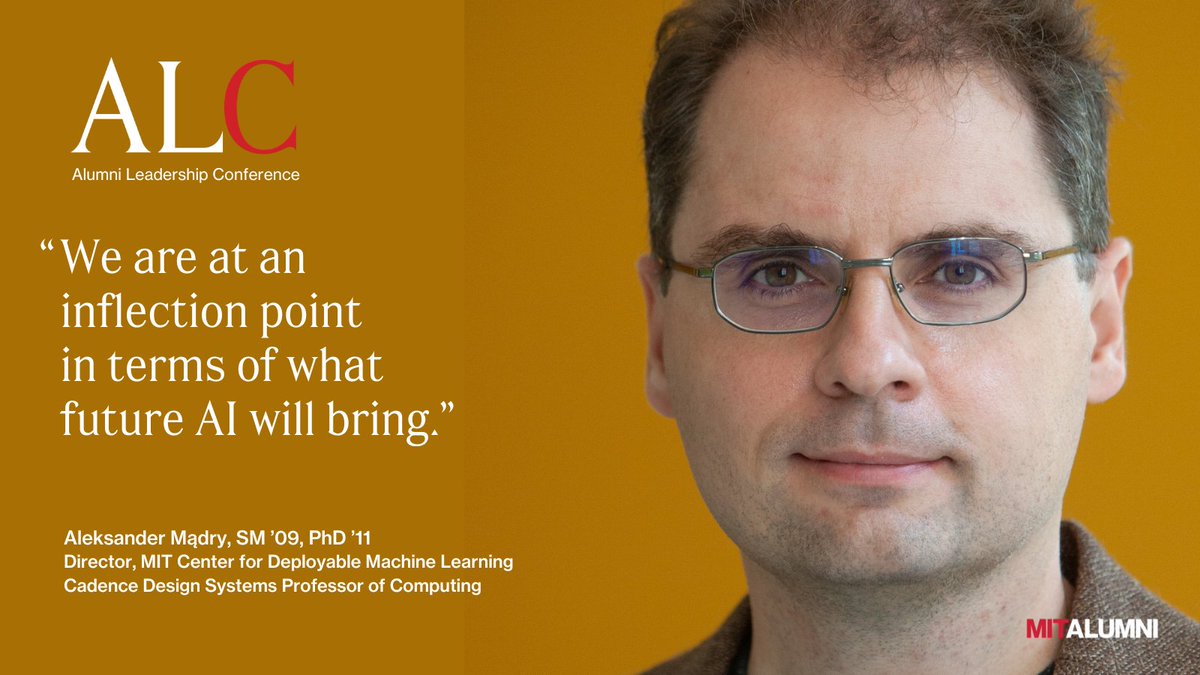
ALT Image of a man with glasses and brown hair. TEXT: MIT Alumni "We are at an inflection point in terms of what future AI will bring." Aleksander Mądry, SM '09, PhD '11 Director, MIT Center for Deployable Machine Learning Cadence Design Systems Professor of Computing


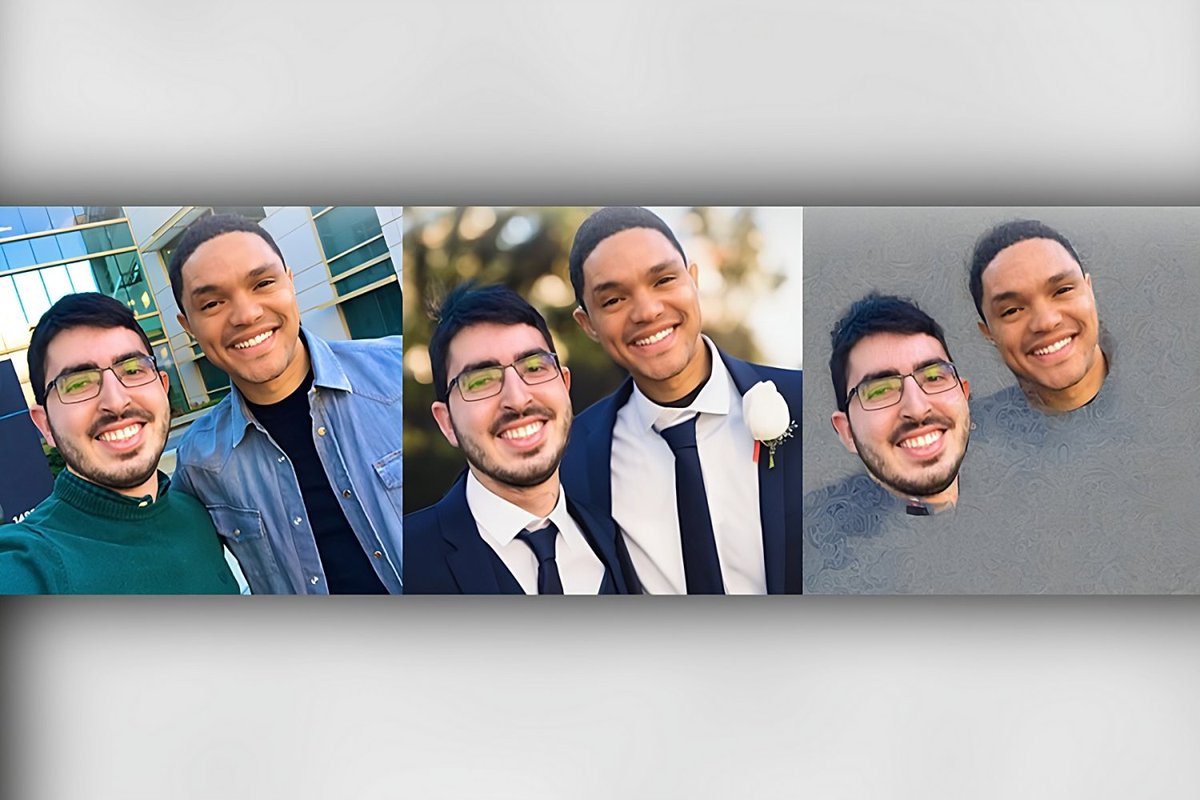
ALT Three images of a man posing next to Trevor Noah. Each has the same face expression and pose. One has them in street clothes, another has them in suits and ties, while a third is just floating heads with a gray edited background.
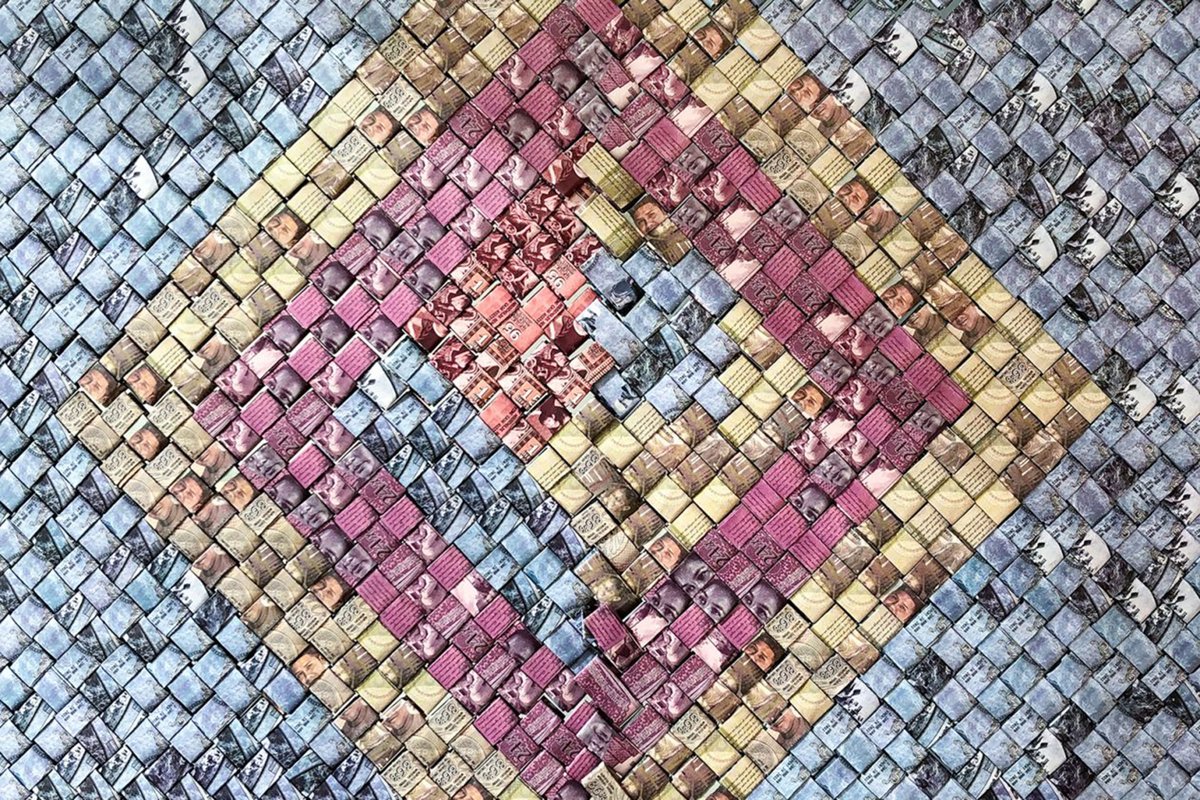
ALT Currency in the colors of bluish gray, gold, rose, and orangey pink woven folded into squares and woven into the shape of diamonds
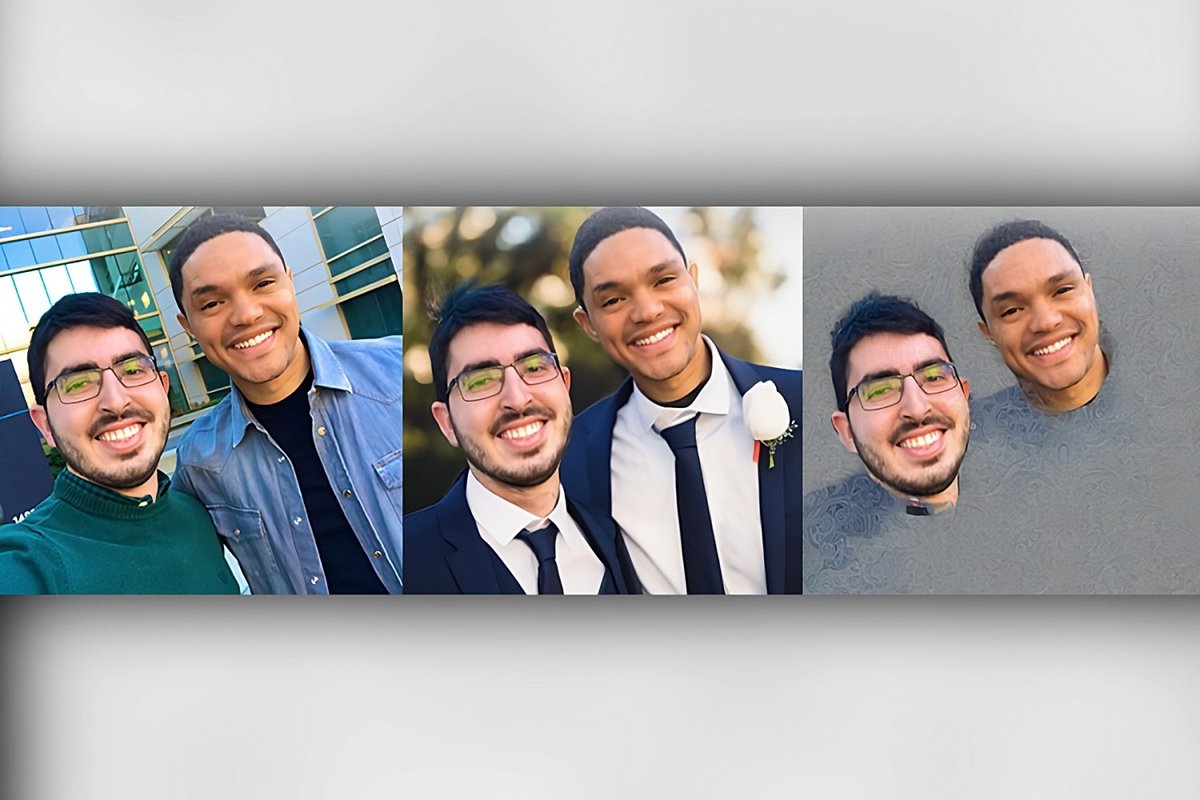
ALT Three images of a man posing next to Trevor Noah. Each has the same face expression and pose. One has them in street clothes, another has them in suits and ties, while a third is just floating heads with a gray edited background.


ALT Aleksander Madry stands in front of a whiteboard speaking to a classroom full of participants.