Honesty is the best policy ❣️ PR & Image Maker | Politics & Sports Commentator | Videographer | Photographer | Arsenal Loyalist | Proud Nigerian
Joined May 2011
- Tweets 20,953
- Following 4,047
- Followers 1,152
- Likes 9,848
2,301 Photos and videos

Balogun Murtala, ANIPR retweeted

PR SHOTS (69): When narrative becomes additional casualty
One of the most dangerous moments in any security crisis is when governments begin to lose control of the narrative.
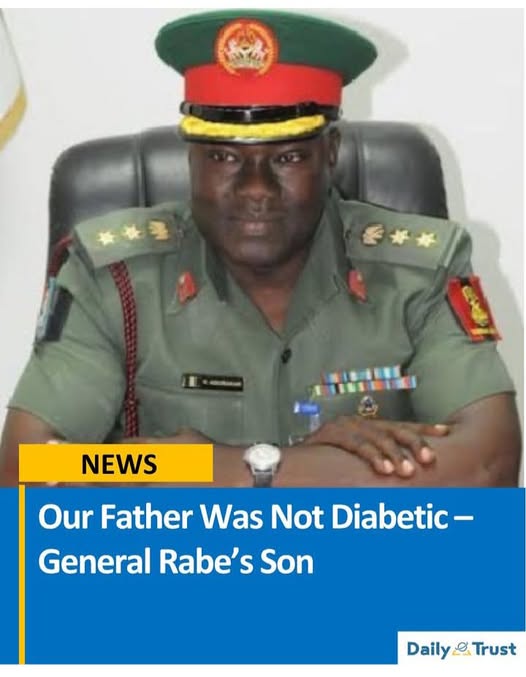
The latest controversy surrounding the death of retired Gen. Rabe has once again exposed a troubling dimension about the growing credibility gap between official communication and public perception.
Initial statements from the Katsina State Government attributed the General's death to health-related complications. Diabetes and high blood pressure were particularly mentioned. Ordinarily, such an explanation would have attracted little scrutiny.
However, subsequent reports suggesting that his death may have been due to complications arising from an earlier snake bite have inevitably raised questions about the state government's communication instincts.
It is not whether the official statement was technically accurate. The issue is whether citizens believe it. And in public communication, belief is often more consequential than intent.
This is the challenge facing many governments confronting prolonged insecurity. Every communication decision is interpreted through the lens of accumulated trust. Or accumulated distrust. Once credibility begins to erode, even truthful statements struggle to gain acceptance. Every clarification appears defensive, while explanation sounds evasive. Even denial invites further suspicion.
The result is a vicious cycle in which the state becomes trapped by its own credibility deficit.
Katsina's predicament is particularly significant because it exists within a broader context. This is the same state where the governor publicly acknowledged that highly placed officials were allegedly leaking sensitive security information to criminal elements. Such a revelation, regardless of its intent, fundamentally alters public perception. If insiders are indeed aiding non-state actors, citizens are left to question state legitimacy.
Security challenges become exponentially more difficult to manage when citizens begin to suspect that elements within the system may be compromised. In such circumstances, every setback is interpreted as evidence of institutional weakness or divided loyalties.
The deeper concern, however, extends beyond communication failures. What citizens increasingly observe is a pattern that appears to reward criminality while penalizing law-abiding communities. Discussions around prisoner exchanges, ransom negotiations, reintegration programmes, and various forms of accommodation may be driven by pragmatic security considerations. But from the perspective of ordinary citizens, they create a troubling impression that the state is negotiating from a position of weakness rather than strength.
This perception matters.
Public confidence in security institutions depends largely on their ability to project a firm resolve. When bandits continue to expand their operations and boundaries, communities continue to suffer displacement, and governments appear increasingly willing to explore concessions, citizens naturally begin to wonder whether the strategic objective is victory, containment, or coexistence.
That uncertainty is itself a security risk.
The greatest asset of any government confronting insurgency, banditry, or organized criminal violence is public trust. Citizens must believe that the state possesses the will, capacity, and determination to prevail. Once that confidence begins to crack, criminals gain more than territory, and would appropriate psychological advantage.
The tragedy of the current moment is that the conversation is no longer focused solely on the actions of bandits. Increasingly, it is focused on the actions, communications, and credibility of those entrusted with defeating them. This should concern policymakers. Bandits thrive where state authority is weak. But more disturbing, they flourish where state credibility is questioned.
Ultimately, the death of Gen. Rabe has become a case study in a larger governance challenge about the widening gap between official narratives and public belief.
The first casualty of insecurity is often human life. The second is public trust. The moment a government loses both, restoring either becomes more difficult.
#prshots
1
1
23
Balogun Murtala, ANIPR retweeted

Jun 15
🇸🇪 Gyokeres performance today!
Brilliant 👏

16
199
1,923
79,353

Balogun Murtala, ANIPR retweeted

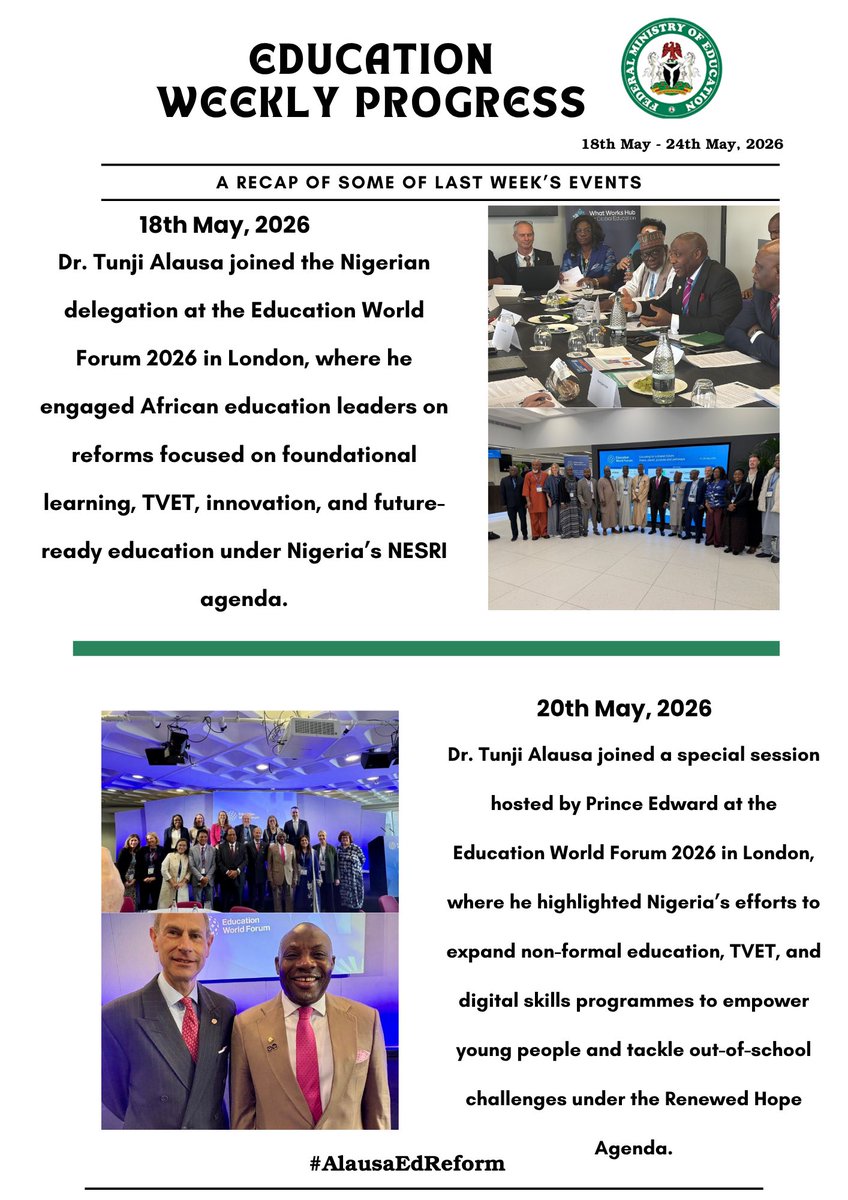
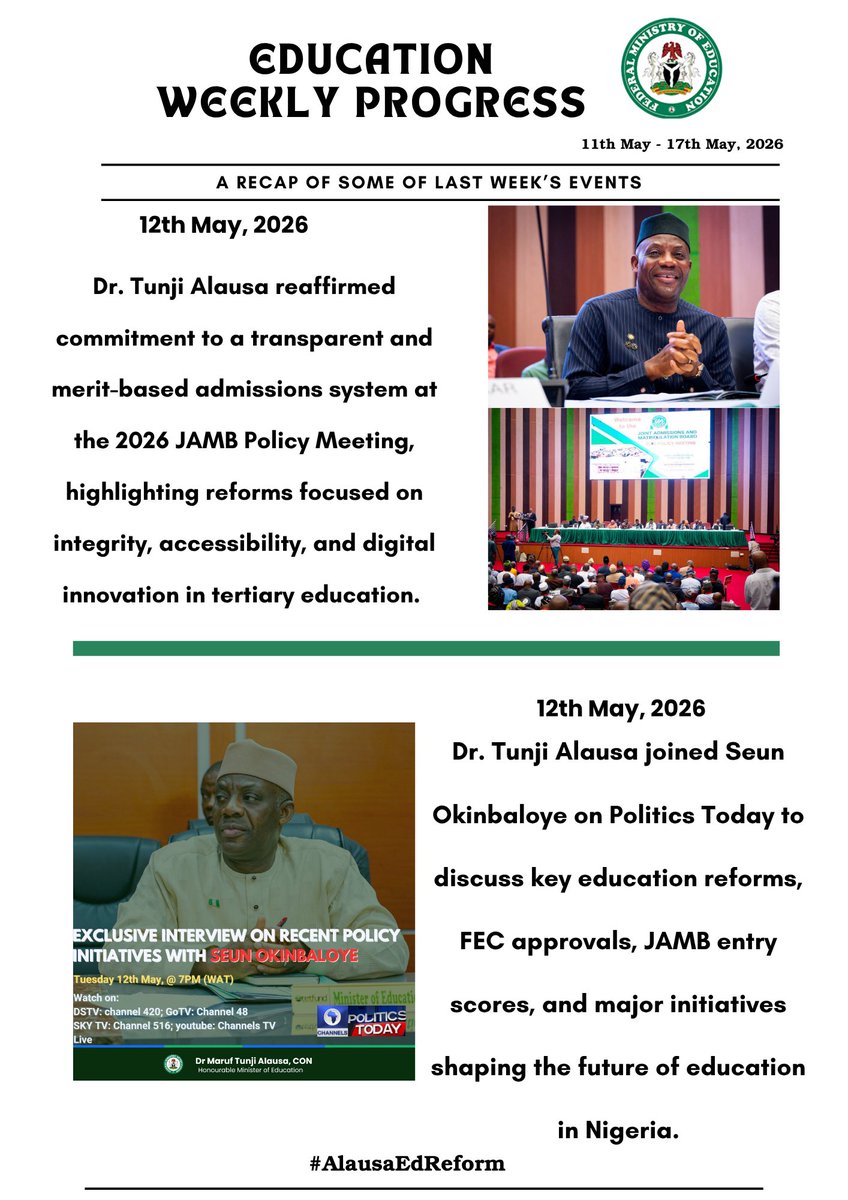
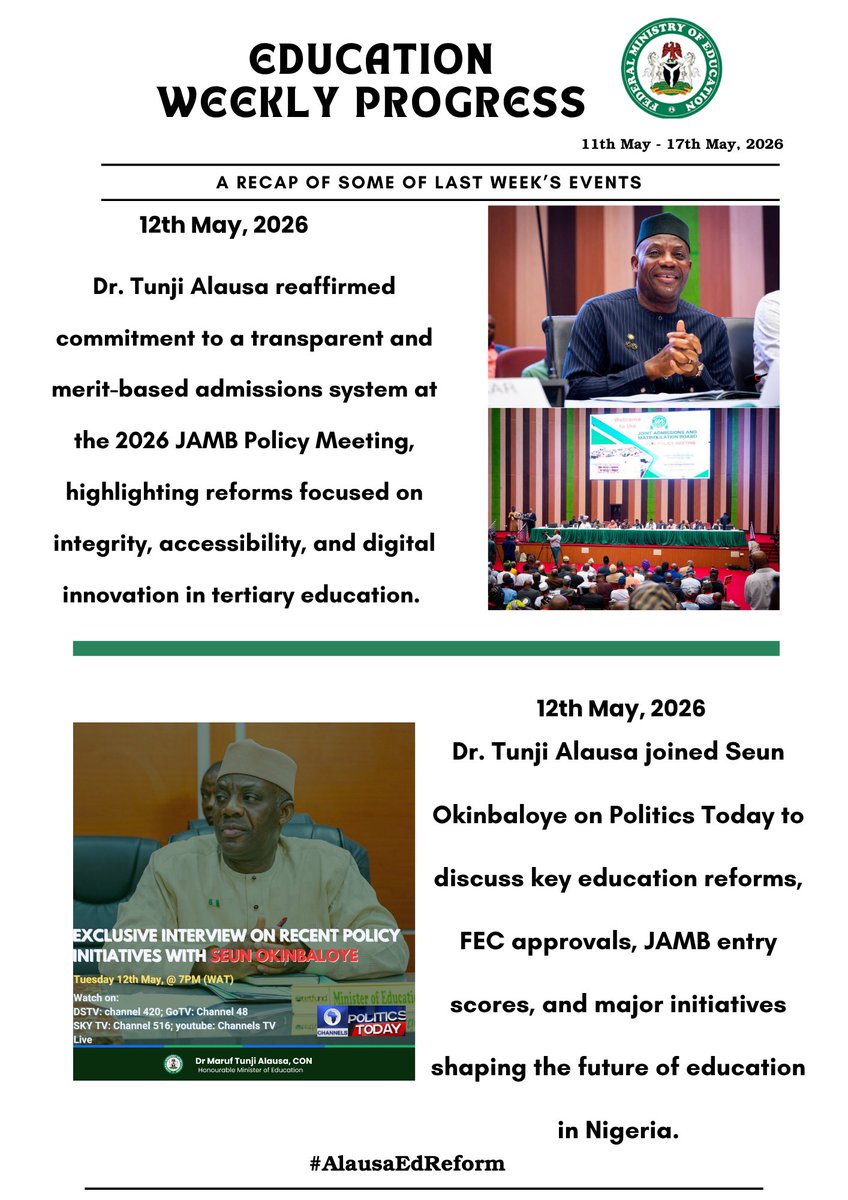
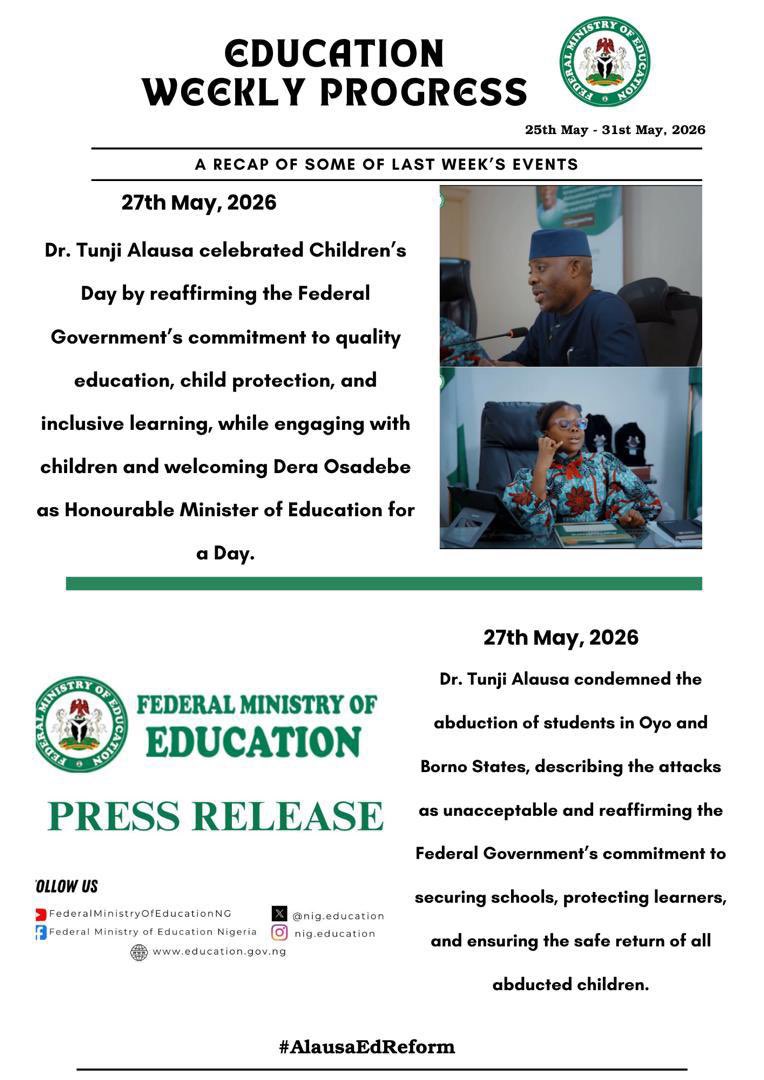
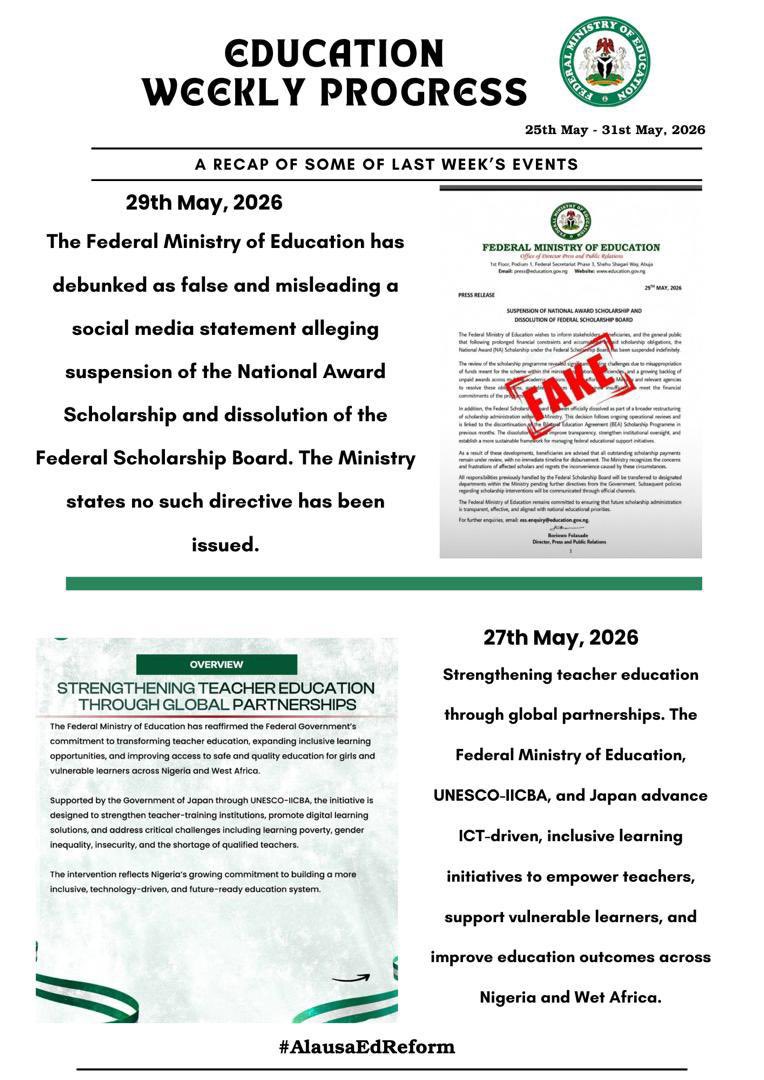
Another summary of @DrTunjiAlausa activities in the past week. It is clear that ensuring the safe release of all children in captivity is topmost on the Minister’s mind. Children’s Day didn’t feel the same this year. Those responsible must be brought to justice! #AlausaEdReform

3
3
49
Balogun Murtala, ANIPR retweeted

May 31
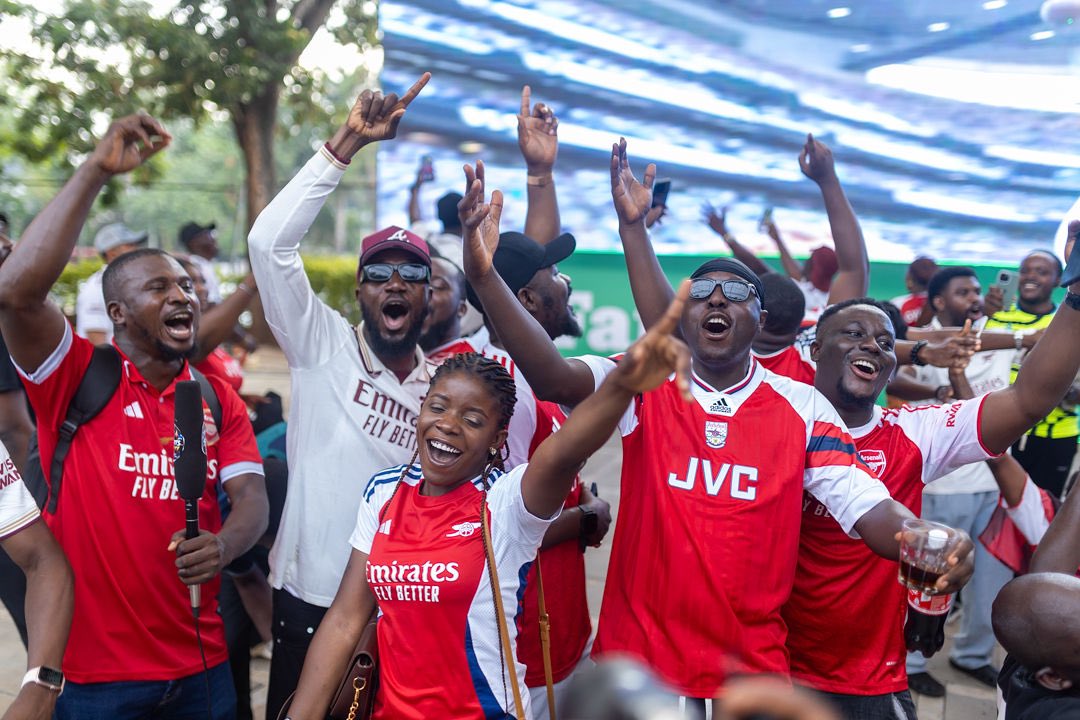
Watch moment of the UEFA Champions League Final between #PSG and #Arsenal.
#UCLFinal
#PSGvsArsenal
#RoadToBudapest
#ChampionsLeague
#UCL2026
#ArsenalFC
#PSG
#EuropeanGlory
#FootballNight
#BudapestFinal2026
3
3
36
Balogun Murtala, ANIPR retweeted
May 31
PSG are Champions of Europe!
⭐ History made.
🔥 Dreams fulfilled.
🏆 Europe conquered.
Congratulations to PSG, the new Kings of Europe!
#UCLFinal
#PSGvsArsenal
#RoadToBudapest
#ChampionsLeague
#UCL2026
#ArsenalFC
#PSG
3
3
37
Balogun Murtala, ANIPR retweeted
May 31
Moments captured during the Champions League final.
#UCLFinal
#PSGvsArsenal
#RoadToBudapest
#ChampionsLeague
#UCL2026
#ArsenalFC
#PSG
#EuropeanGlory
#FootballNight
#BudapestFinal2026
3
3
14

How much should a decent take home salary for a civil servant be?
May 28

You don't understand how public wage works.
At N70k minimum wage, the FG personnel wage bill is currently N10trn in a total budget of N58trn. At 500k minimum wage, the FG will need N100trn to pay salaries alone with consequential adjustments and allowances. How will the states cope? Will you ask the CBN to print N70trn for you in a year?
How will the private sector cope without creating massive inflation in the price of goods and services and job losses?
You don't like taxes, you don't like loans, you don't like PPP or private capital. Is it the 1.4mbpd oil production that you plan to use to fund your wage bill? Just show us the road map to your populist idea.
21

Balogun Murtala, ANIPR retweeted

May 27
Happy Children’s Day to every child across Nigeria! 💚🤍💚
Today, we celebrate the voices, dreams, and limitless potential of our young people.
Under the Renewed Hope Agenda of President @officialABAT , GCFR, we remain committed to ensuring every child has access to quality education and the opportunity to thrive. Ensuring the safety, protection, and wellbeing of every Nigerian child is a top priority of the Federal Government, as we continue strengthening efforts to provide safe, inclusive, and protected learning environments for all children, regardless of background or location.
As part of this year’s celebration, we welcomed our young Honourable Minister of Education for the Day, Dera Osadebe, who stepped into leadership with confidence, curiosity, and brilliance. We also held a special roundtable with children from different schools and background.
Their voices were inspiring and a powerful reminder that children are not just the leaders of tomorrow, they are stakeholders of today.
#childrensday
32
39
127
3,672
Balogun Murtala, ANIPR retweeted
May 27
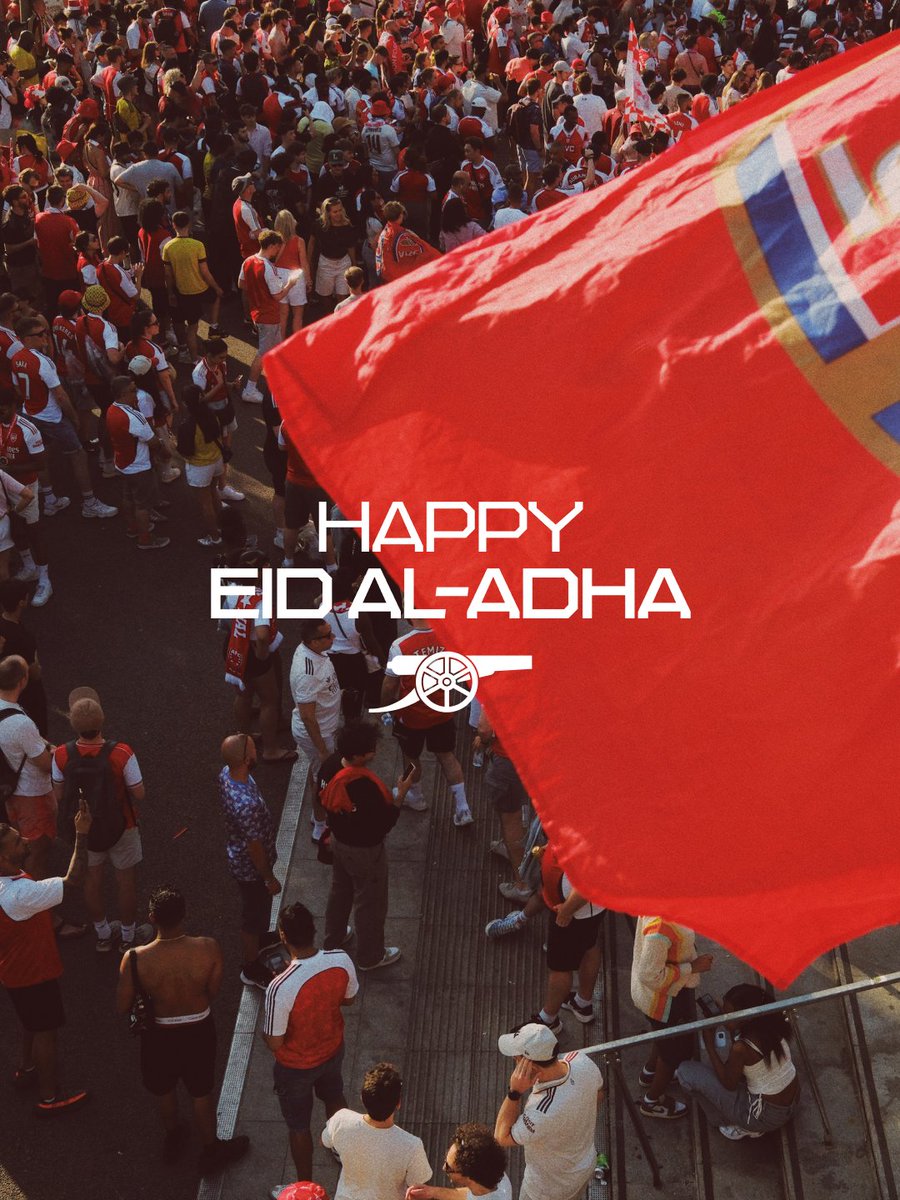
Eid Mubarak my dear Nigerians
As we celebrate this blessed season, may every prayer whispered in faith be answered, every sacrifice accepted, and every heart filled with peace, joy, and renewed hope.
Wishing you and your loved ones a beautiful holiday.

32
33
145
2,520
Balogun Murtala, ANIPR retweeted
May 25
The Gunners are back on top of English football! 👑🏆
#ArsenalChampions #NorthLondonForever #EPLWinners #COYG #RedArmy
1
1
10
Balogun Murtala, ANIPR retweeted
May 25
One club. One dream. One trophy. Arsenal champions! ❤️🏆
#WeAreTheArsenal #PremierLeague #COYG #ArsenalWin #Champions
1
1
23
Balogun Murtala, ANIPR retweeted
May 25
Celebrate loudly, Gooners! Arsenal are champions again! 🎊🏆
#Gunners #ArsenalWin #EPLWinners #COYG #Champions
1
1
11
Balogun Murtala, ANIPR retweeted
May 25
The trophy is finally back in North London! 🏆🔴
#ArsenalWin #Champions2026 #COYG #Gunners #EPLChampions
1
1
13
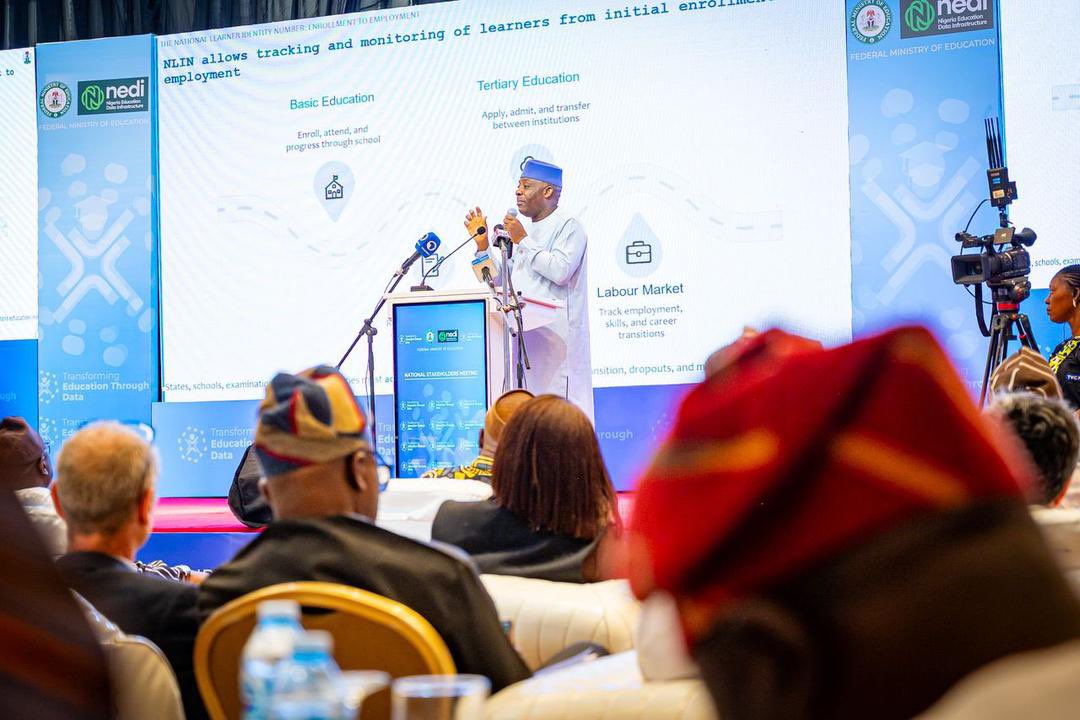
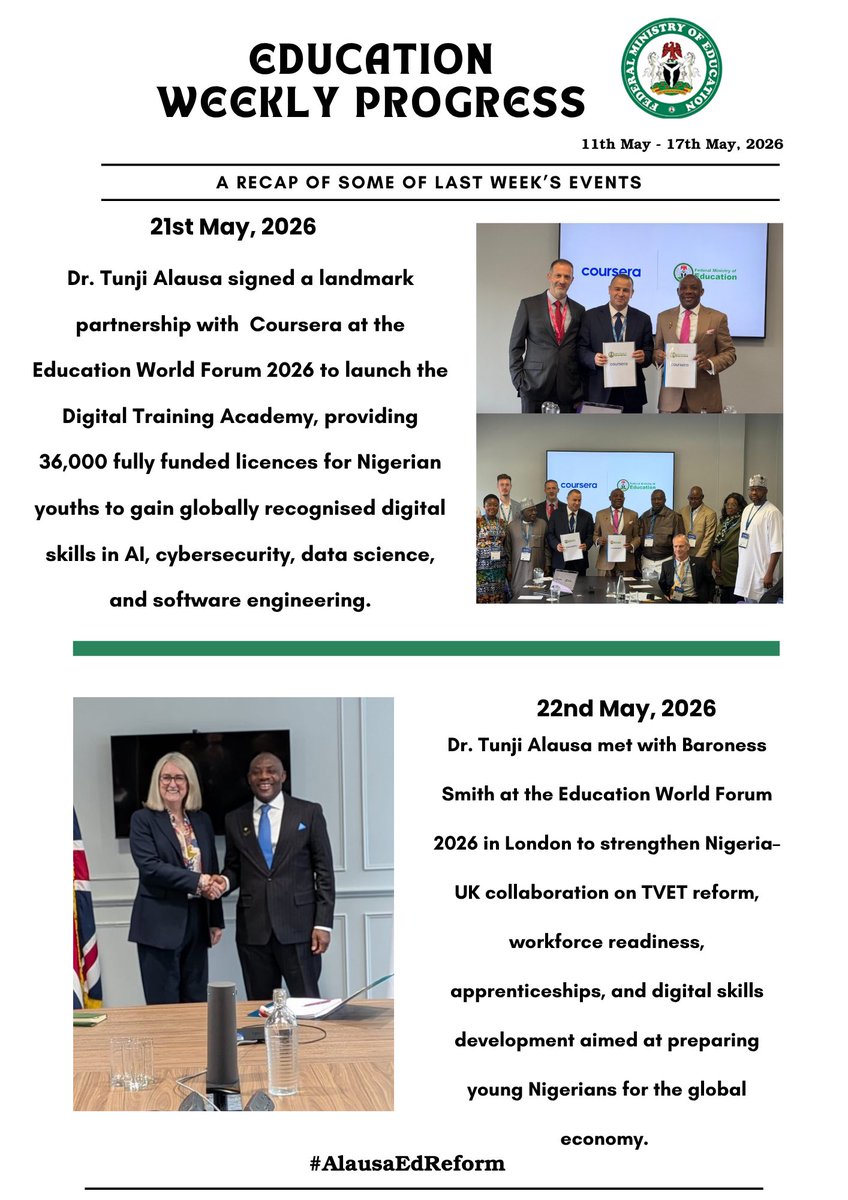
At the Education World Forum 2026 in London, Dr. Tunji Alausa strengthened Nigeria’s global education partnerships, advancing TVET, digital skills, non-formal education, and youth empowerment — including 36,000 funded Coursera licences for Nigerian youths. #AlausaEdReform
19
Balogun Murtala, ANIPR retweeted
May 25
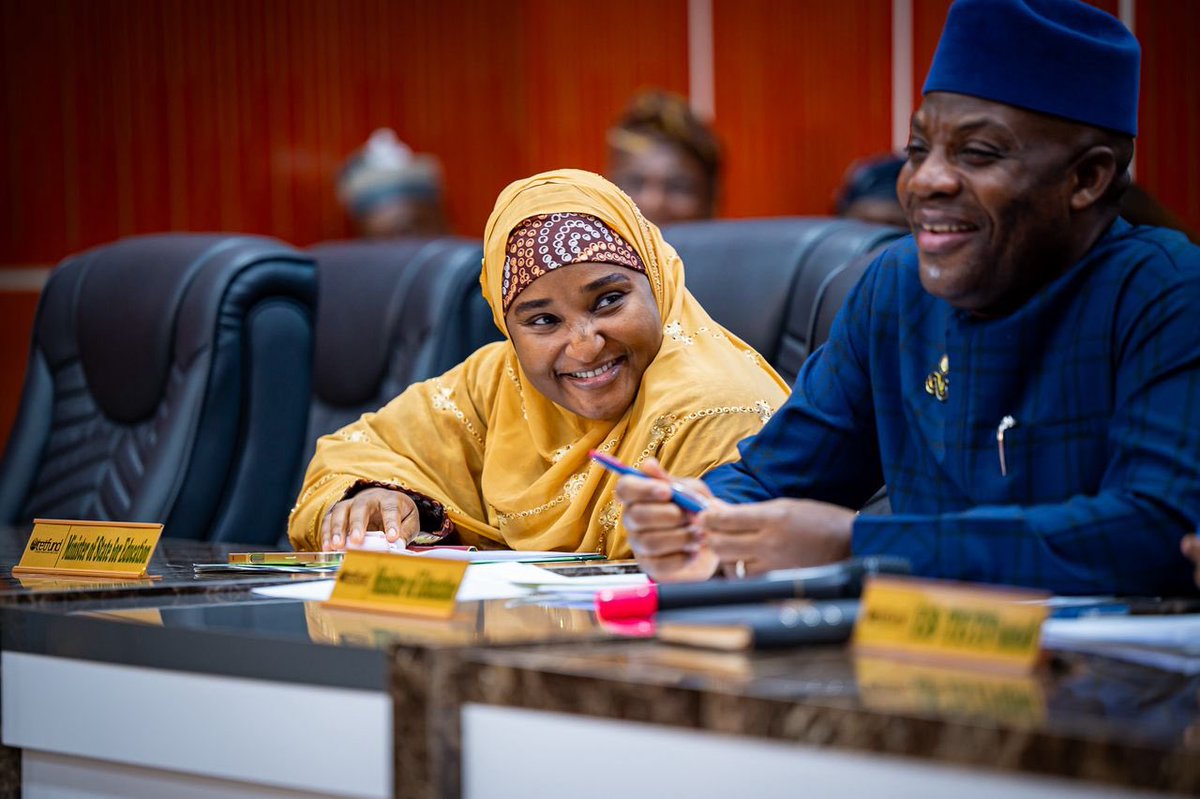
Congratulations to my partner in service, the Honourable Minister of State for Education, Prof. @Suwaiba_Said Ahmad, on being honoured with the Most Egalitarian Minister of the Year Award at the African Iconic Women Recognition Awards (AIWRA).
This recognition is a reflection of your dedication, passion, and unwavering commitment to ensuring inclusive and quality education for every Nigerian child. Your work continues to strengthen our collective efforts at the Federal Ministry of Education as we drive forward the Renewed Hope Agenda of President @officialABAT, GCFR.
I celebrate this well deserved achievement and look forward to our continued collaboration in transforming Nigeria’s education sector for the benefit of future generations.
11
28
131
2,455