Ph.D from the Institute of Geography, University of Hamburg, Hamburg
- Tweets 377
- Following 1,068
- Followers 128
- Likes 926











ALT 5 secrets to writing a Discussion section that wows readers


ALT A person holding a smartphone. Bild: John Tuesday/Unsplash


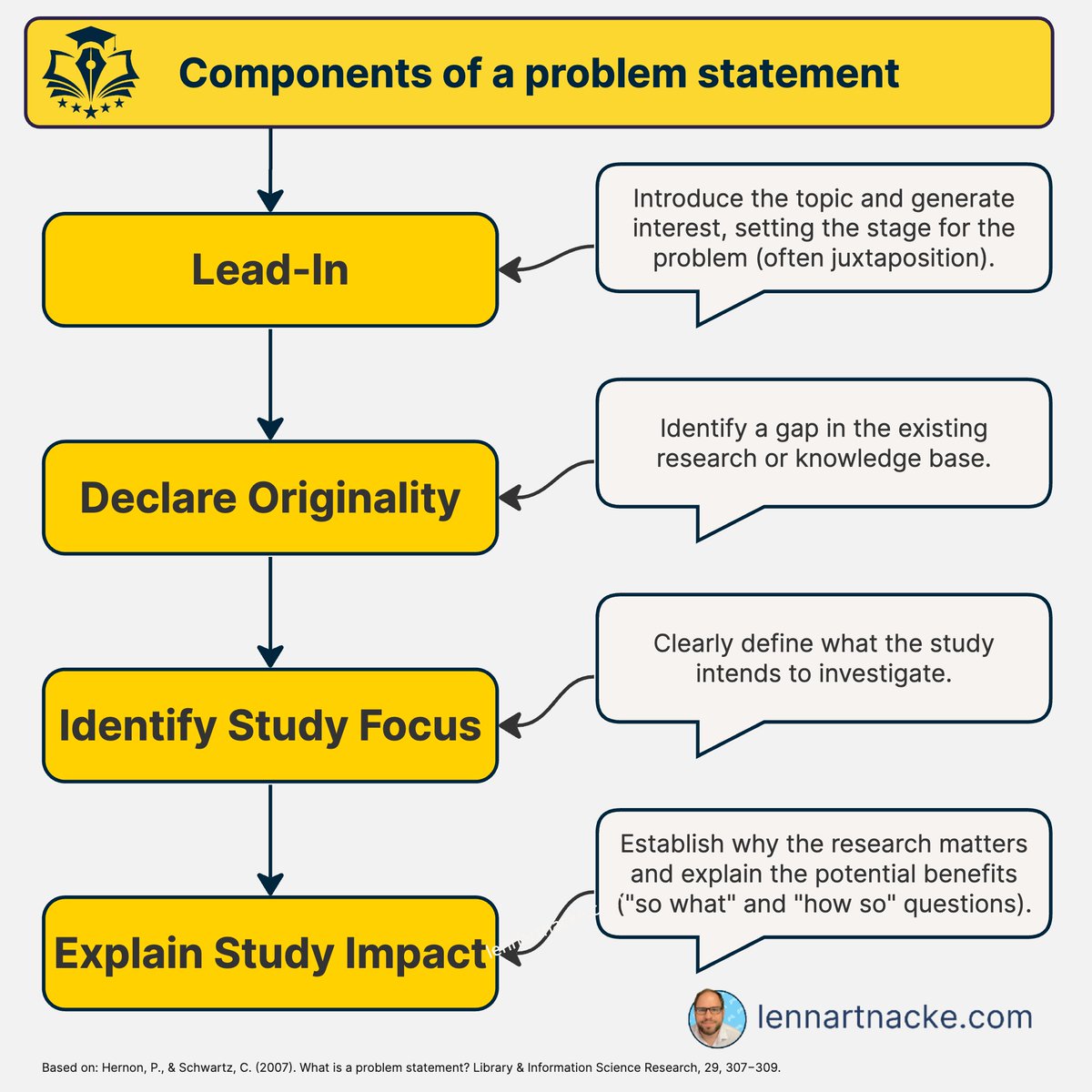
ALT The figure shows an overview of the four components of a problem statement: 1. Lead-in: Introduce the topic and generate interest, setting the stage for the problem. 2. Declaration of Originality: Identify a gap in the existing research or knowledge base. 3. Central Focus: Clearly define what the study intends to investigate. 4. Impact: Establish why the research matters and explain the potential benefits ("so what" and "how so" questions).
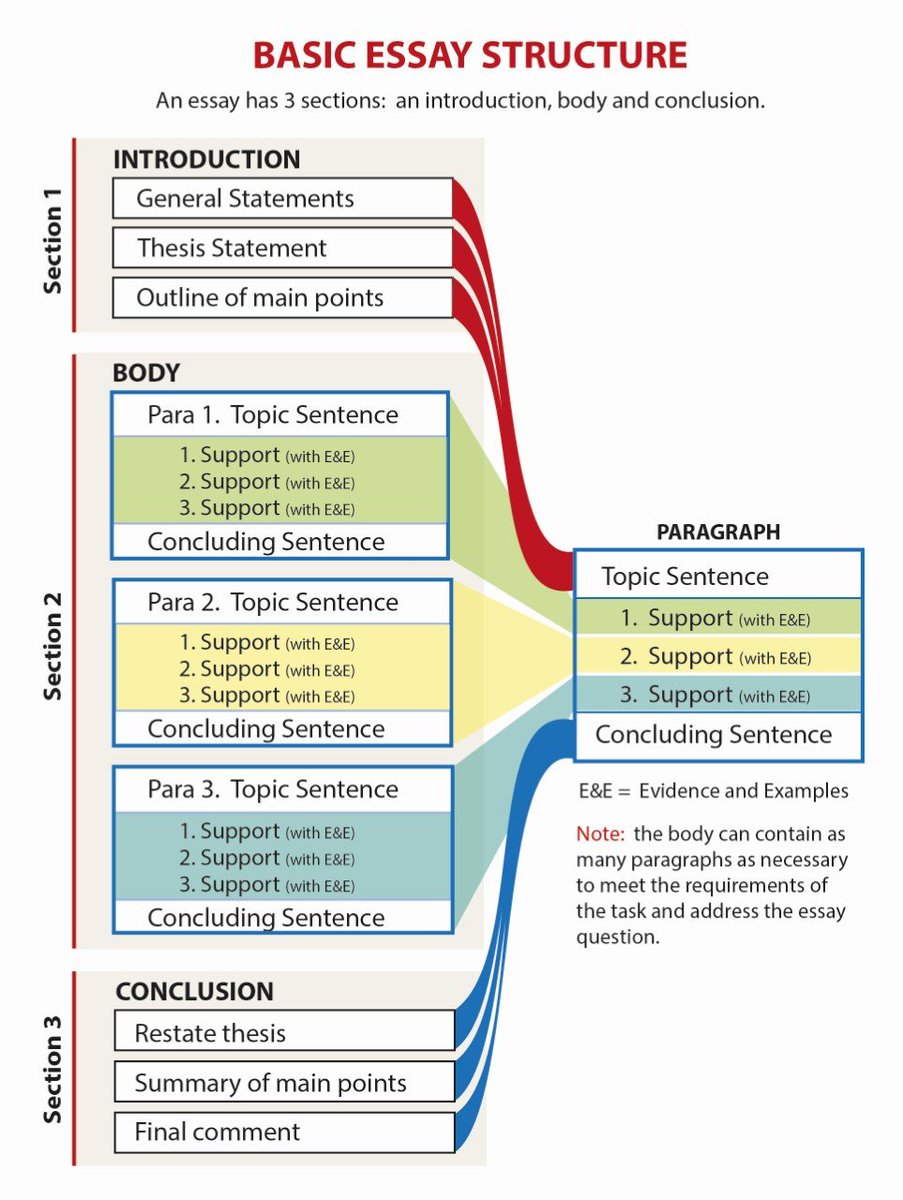
ALT Basic academic essays have three main parts: 1. Introduction, 2. Body, 3. Conclusion. This wonderful infographic from the Bethlehem College and Seminary Library demonstrates how this three-part structure is also mirrored in TEEL or PEEL style paragraphs in the body, where a topic sentence is followed by evidence and example support sentences and then a concluding (or linking) sentence.