Over twenty five yrs of leadership and managerial experience of state government service and experienced Realtor .Education Background Agriculture.
Joined June 2020
- Tweets 3,568
- Following 362
- Followers 1,456
- Likes 2,806
1,447 Photos and videos

Jun 3
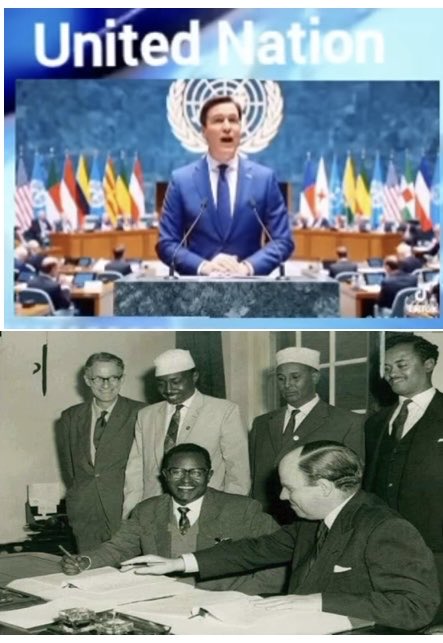
Mogadishu’s Turmoil and Washington’s Somaliland Reassessment
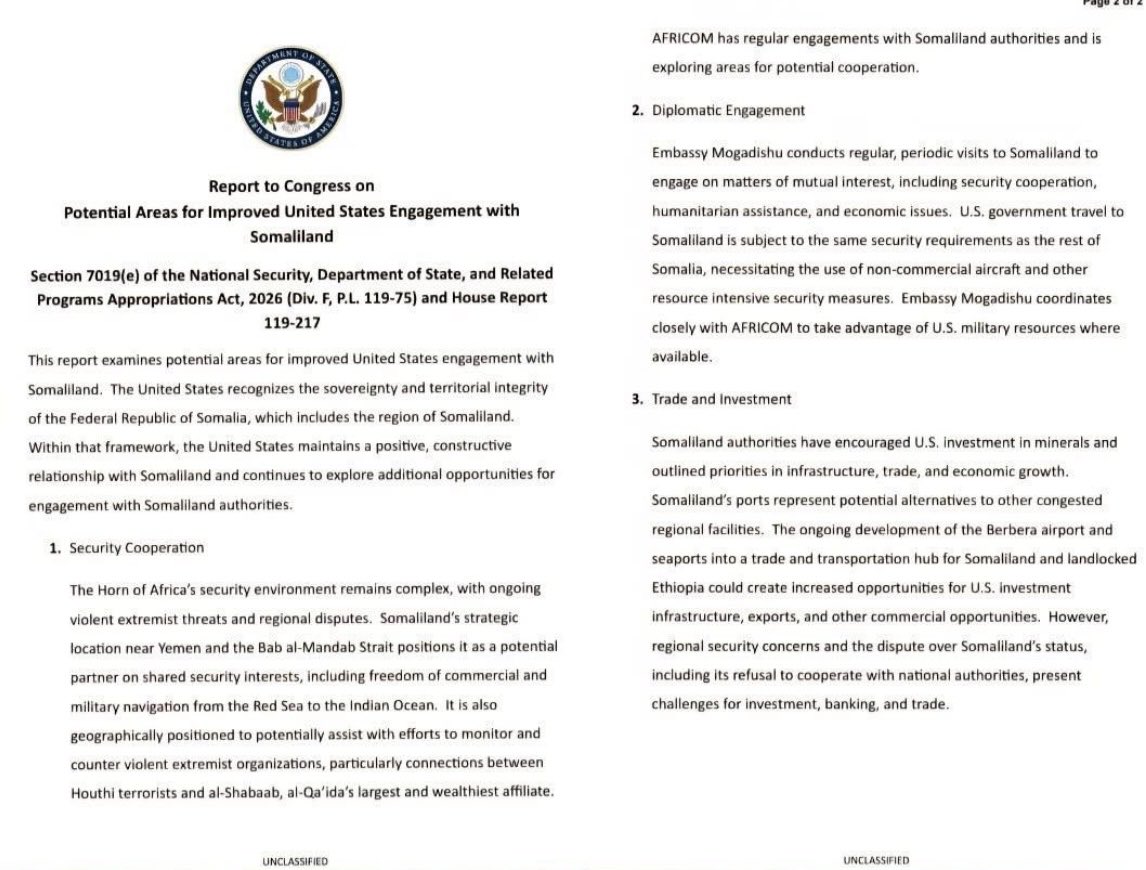
The recent U.S. State Department fact-finding report examining opportunities for greater cooperation with Somaliland may prove to be more than a routine diplomatic exercise. By evaluating both the prospects and the obstacles to a closer relationship, Washington appears to be acknowledging a political reality that has existed for more than three decades: Somaliland has maintained its own institutions, security structures, and democratic processes, largely independent of the instability that continues to plague southern Somalia.
The report signals a gradual shift away from the rigid adherence to the long-standing “One Somalia” policy. While formal recognition remains a matter for political deliberation, the discussion itself reflects a growing understanding in Washington that American interests in the Horn of Africa may be better served by engaging #Somaliland on its own merits.
That perception was reinforced by the visit of a US delegation which traveled to Somaliland to discuss expanding cooperation and strengthening bilateral ties. Although the recognition debate remains ongoing, such engagement suggests that policymakers are increasingly willing to explore new frameworks for partnership.
The timing of the visit is particularly striking. As American officials were meeting with Somaliland authorities, Mogadishu was once again gripped by political unrest and armed confrontation. Reports indicate that tensions between the administration of President Hassan Sheikh Mohamud and opposition groups—centered on constitutional disputes, allegations of government overreach, and broader struggles over political power—have escalated into violence.
The latest clashes are not merely another isolated security incident. They underscore the deeply volatile nature of the situation in Mogadishu, where recurring political crises can rapidly evolve into armed conflict, resulting in casualties, civilian displacement, and further erosion of public confidence in state institutions. The instability also raises difficult questions about the continued viability of policies that treat Somalia as a single, cohesive political entity.
For U.S. policymakers, the contrast could hardly be clearer. On one side stands Somaliland, which has spent decades building relative stability and functioning institutions. On the other is a federal government in Mogadishu that continues to face persistent internal divisions and periodic outbreaks of violence.
As Mogadishu’s volatility once again captures international attention, Washington may increasingly conclude that its strategic interests are better served by engaging realities on the ground rather than preserving assumptions that have failed to produce lasting stability.
#Somaliland
2
297
Jun 2
This is response to the congressional request and directive below. It’s not new US policy but simply to identify areas of Cooperation and that is what the report is about-identify potential areas of improved relationship and cooperation with Somaliland.
In House Report 119-217, the section on United States–Somaliland engagement is brief but politically significant. The report states:
“The Committee directs the Secretary of State to submit a report, not later than 120 days after enactment of this Act, to the appropriate congressional committees on potential areas for improved United States engagement with Somaliland, including in security, diplomacy, trade, and development.”
#Somaliland
101
M Adan Samatar retweeted

May 20
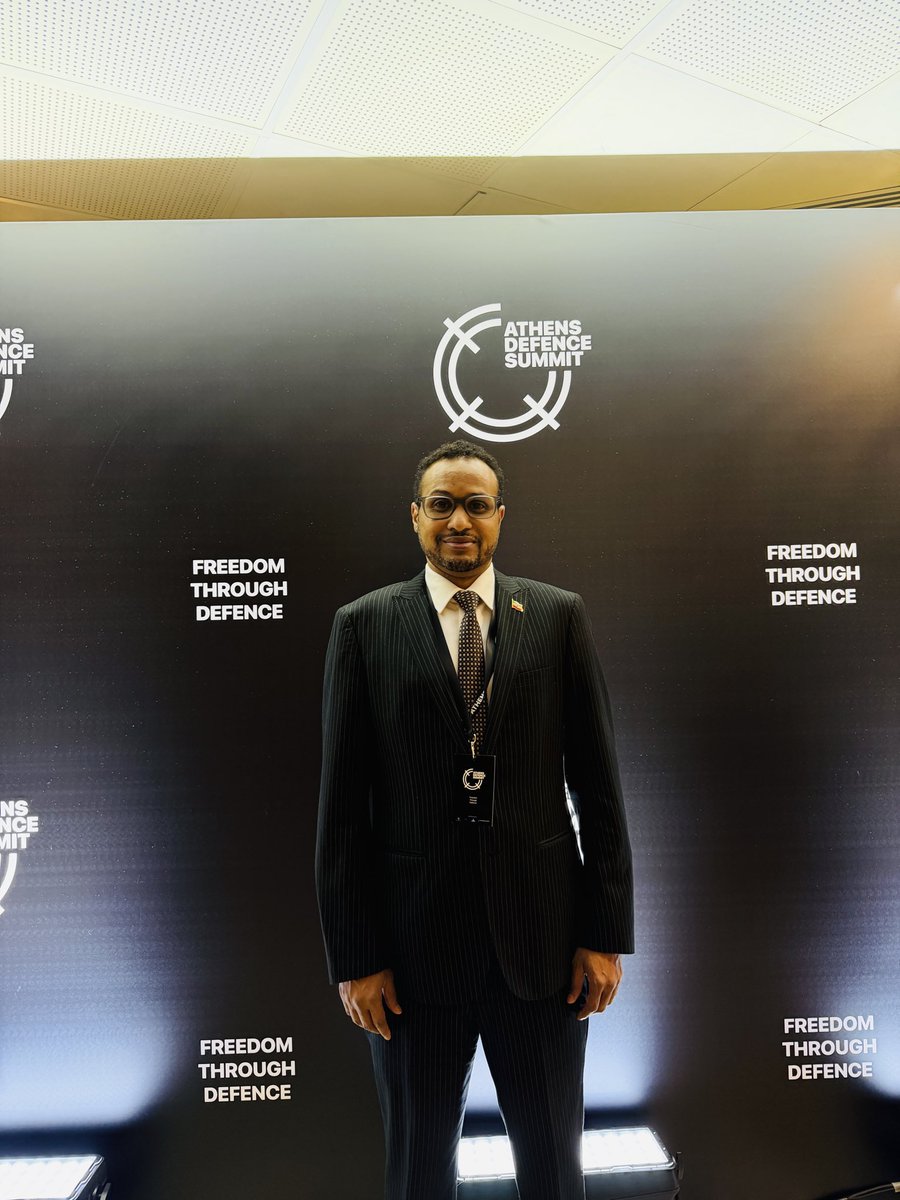
I have arrived in Athens this morning to attend the Athens Defence Summit, where Somaliland’s participation reflects its growing role in international strategic and security dialogue.
200
395
1,752
96,128
May 21
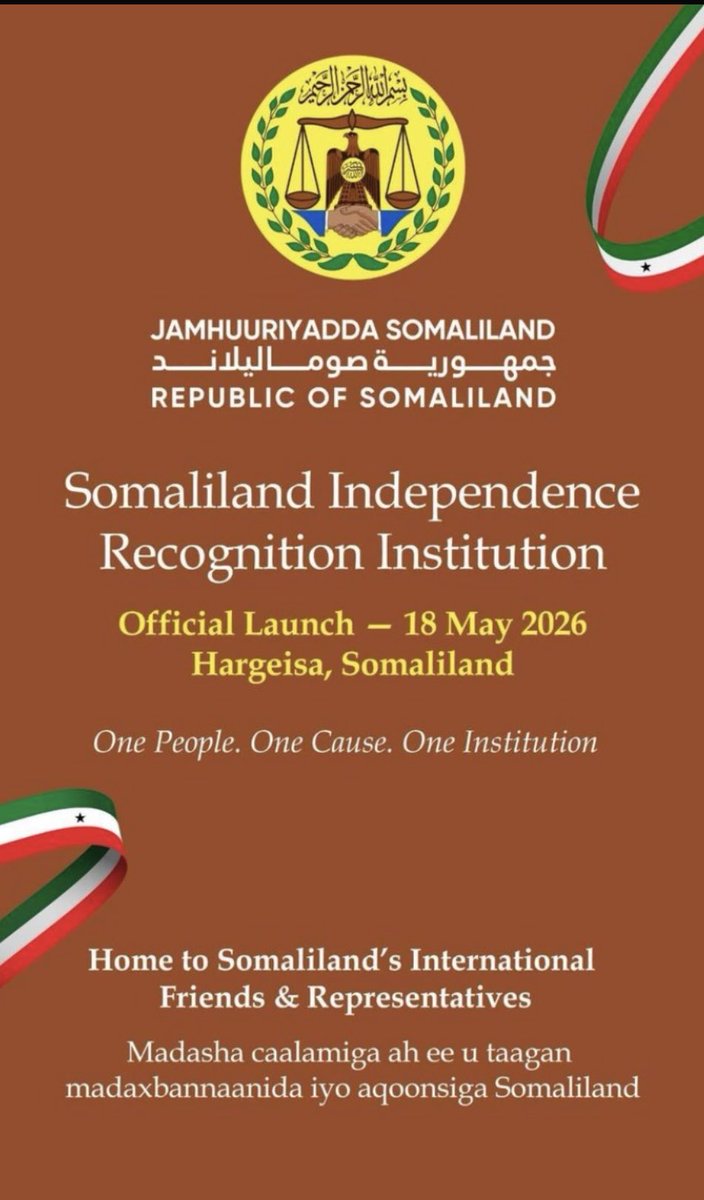
#Somaliland launched the Somaliland Independence Recognition Institute (SIRI) to strengthen and accelerate momentum toward international recognition. The Institute represents important initiative dedicated to advancing scholarly research, diplomatic engagement, and legal advocacy in international courts concerning Somaliland’s recognition. Through rigorous analysis, constructive dialogue, and collaboration with academic, governmental, and international institutions, SIRI aims to highlight Somaliland’s historical, legal, and democratic foundations for statehood. The Institute would also build upon the momentum generated by Somaliland’s recognition by Israel on December 25, 2025.
3
13
578
May 17
Happy 18 May to all Somalilanders everywhere around the world:
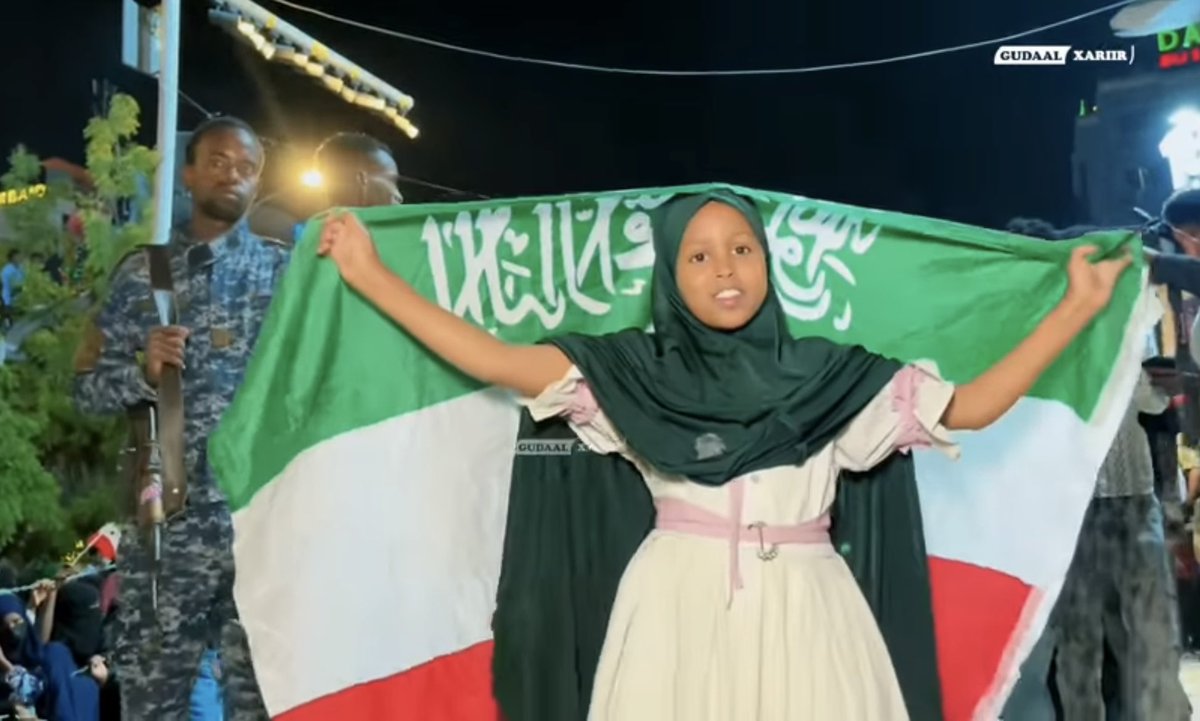
35 years after restoring its sovereignty in 1991, Somaliland celebrates this historic day with pride, unity, and hope. This year’s celebration feels even more special as it marks the first 18 May as a recognized country.
A tribute to the sacrifices, resilience, and determination of the Somaliland people. The journey continues, stronger than ever.
Long live Somaliland. ❤️🤍💚
#18May #Somaliland
2
2
138
May 8
The Republic of #Somaliland is preparing to celebrate 18 May 2026 — a historic moment marking the first celebration in 34 years as a recognized nation.
According to major international media outlets, the number of countries preparing to recognize Somaliland during this 18 May celebrations continues to grow — rising from four confirmed nations to nearly eight.
1
116
Apr 17
#Somaliland is carefully and effectively navigating its foreign affairs amid shifting global alliances and evolving regional dynamics. A strategic, measured approach that shows adaptability in a rapidly changing world order and realignment of partnerships.
2
151
Feb 27
After thirty-five years of operating without international recognition, #Somaliland now stands as one of the Horn of Africa’s most consequential actors—redefining maritime strategy and reshaping regional alignments.
1
9
59
1,305
Feb 25
When someone is appointed to a position, why should they be labeled “reer hebel” instead of being recognized for their qualifications and abilities? Defining individuals by clan rather than by their skills, experience, and achievements reflects an outdated mindset that holds #Somaliland back. It is time for Somalilanders to move beyond this way of thinking and prioritize merit, competence, and professionalism in leadership and public service.
116
Feb 18
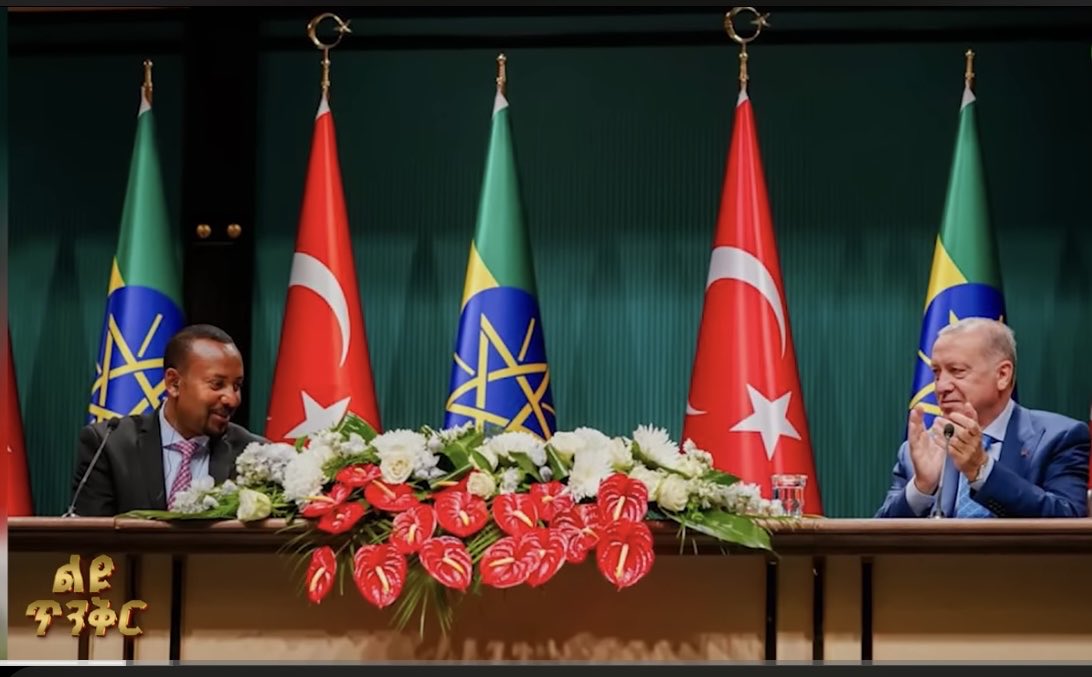
Erdogan has openly declared diplomatic war against #Somaliland. By openly campaigning in Addis Ababa to pressure Abiy Ahmed against recognizing Somaliland, he has crossed the line from diplomacy into direct interference.
Somaliland should immediately shut down the Turkish consulate in Hargeisa. A government actively working to undermine Somaliland’s sovereignty has no business maintaining a diplomatic presence in Hargeisa.
#Somaliland
3
13
31
1,535
Feb 14
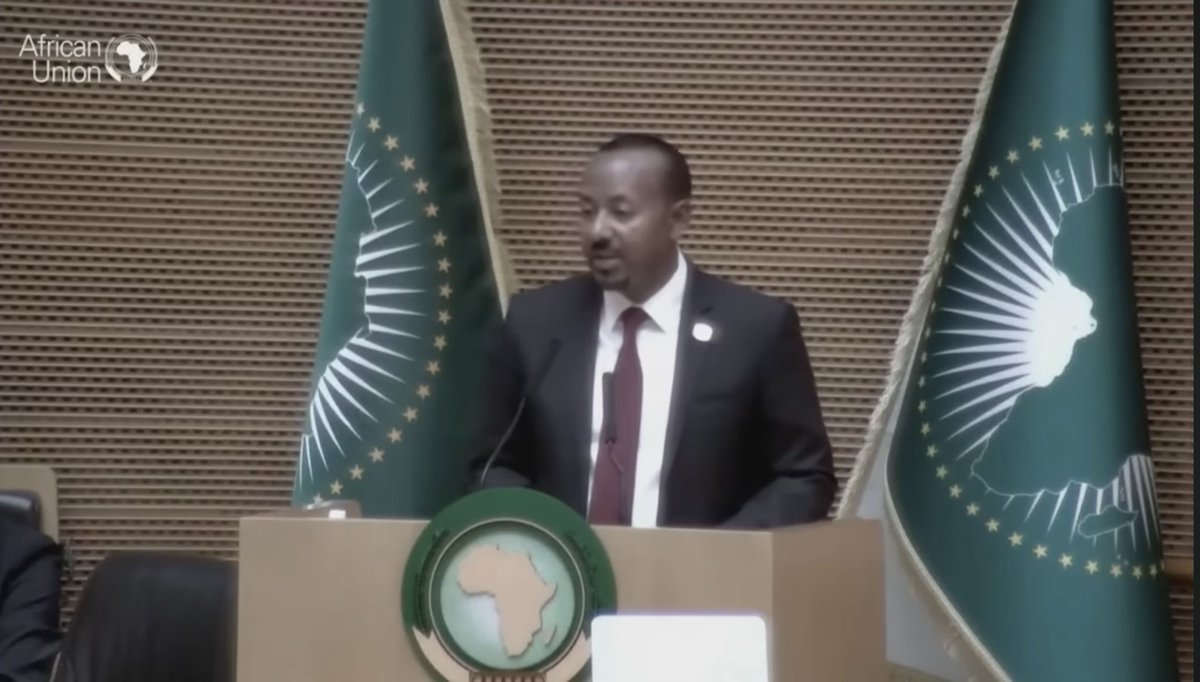
Prime Minister Abiy Ahmed, in his speech at the 39th #AU Summit in Addis Ababa, stated that the stability of the region depends on Ethiopia gaining access to the Red Sea. The tone of his remarks suggested that Ethiopia may pursue this objective “by any means necessary.” Such rhetoric is deeply concerning and potentially destabilizing for the region.
While landlocked countries face economic and logistical challenges, international law already provides mechanisms for access to the sea through negotiated treaties, transit agreements, and regional cooperation frameworks. These peaceful and legal avenues exist precisely to prevent conflict and promote mutual benefit.
#Somaliland
178
Feb 14
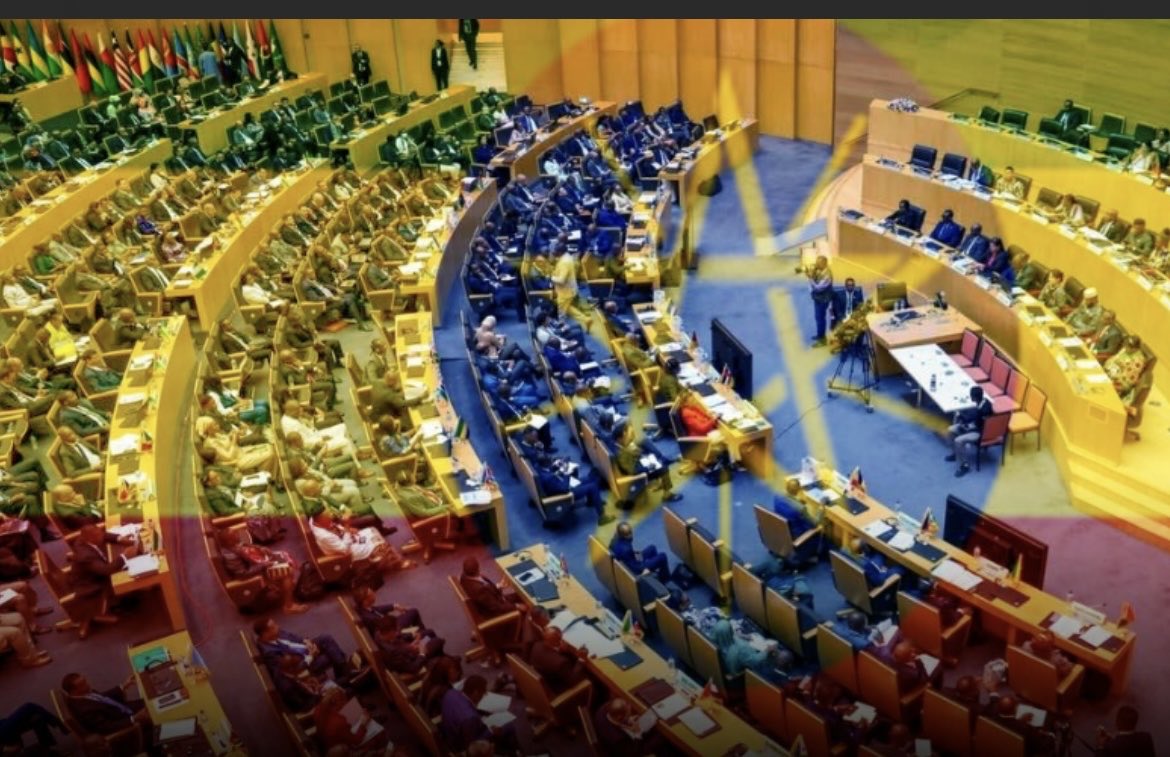
The 39th African Union (AU) Summit in Addis Ababa focused on key issues including water security, climate change, and regional stability, and for the first time Somaliland flag was displayed at the African Union Headquarters, marking a significant milestone in Somaliland’s diplomatic engagement following its recognition. In addition, #Somaliland was included for the first time in the agenda under one of the #AU’s main agenda items, further highlighting its growing role in continental affairs.
1
202
Feb 13
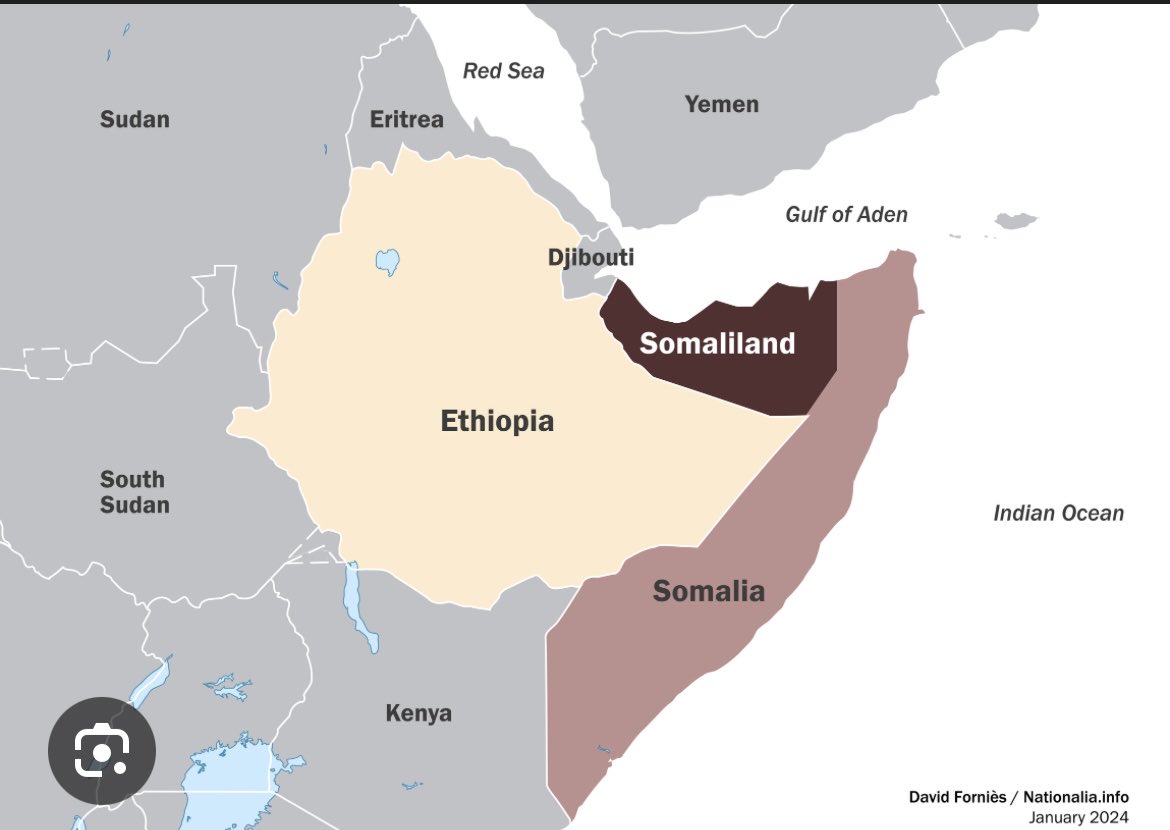
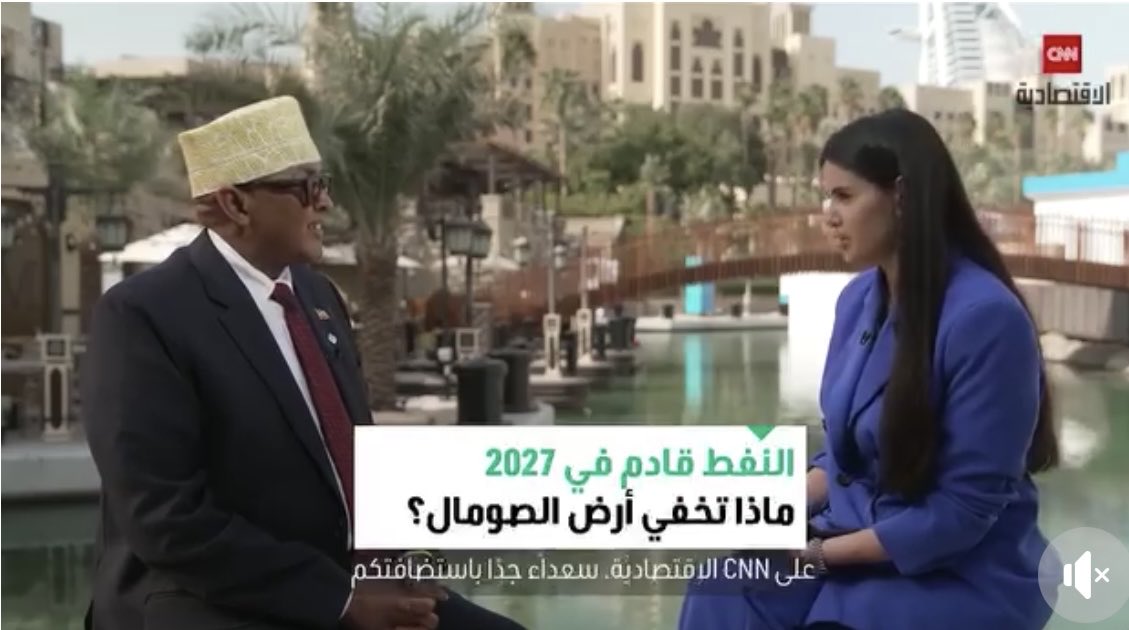
In an interview with CNN Business Arabic,President Abdirahman Irro confirmed ongoing negotiations between #Somaliland and Ethiopia, regarding Ethiopia’s access to Red Sea and the Berbera Port commercial corridor.
Unlike the January 1, 2024 #MoU—where recognition was tied to access—a revived agreement under a recognized Somaliland would shift negotiations to a sovereign-to-sovereign basis. Recognition would no longer be a bargaining chip, Berbera access would become commercial rather than political.
1
308
Feb 12
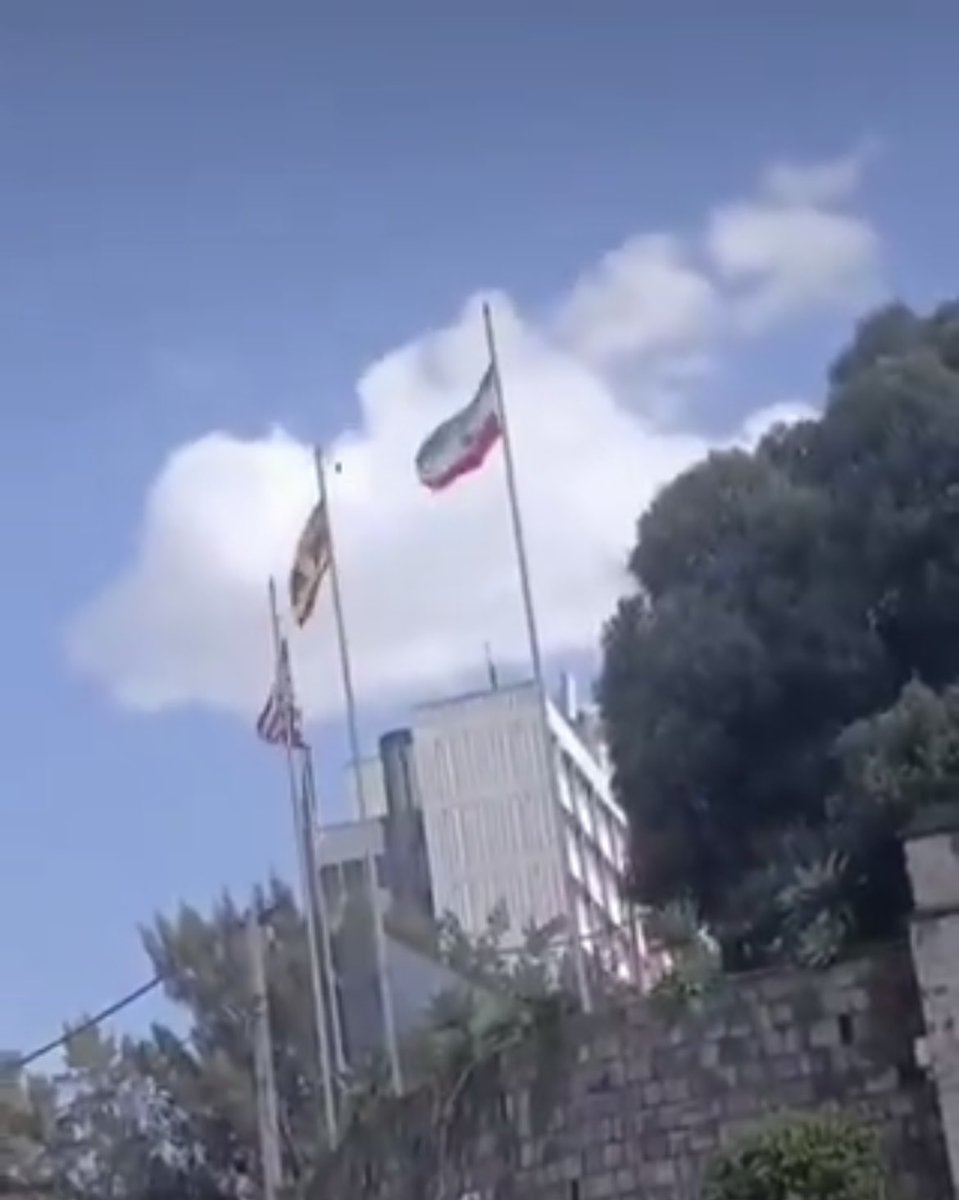
Somaliland’s flag raised at the AU headquarters in Addis Ababa welcoming the 55th African nation-Somaliland.
#Somaliland
1
1
197
Feb 3
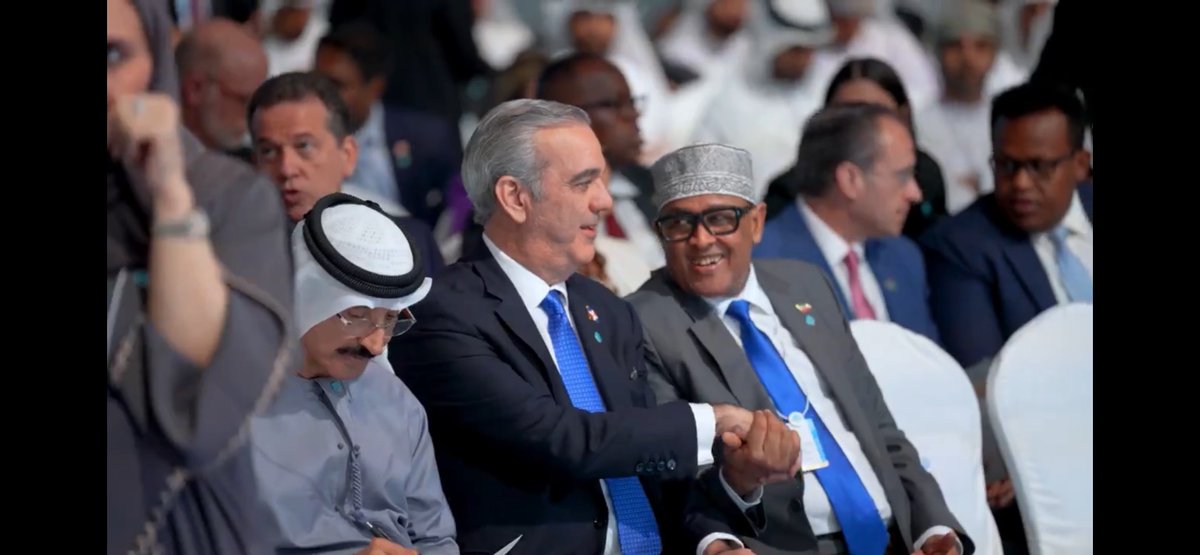
#Somaliland under President Abdirahman Irro has pursued a deliberate, pragmatic foreign policy rooted in stability, peace and constructive diplomacy. Its growing presence on international platforms reflects practice, not aspiration. The participation of President Abdirahman Irro to the World Governments Summit -as a recognized country underscores Somaliland’s emergence as a reliable and consistent partner in regional and global affairs.
#Somaliland
129
Jan 30
From Failed State to Historical Fantasy: Somalia’s Elites at War With Facts
Lately, in the wake of Somaliland’s recognition, so-called elites from the failed state of Somalia have begun entertaining one of the most absurd falsehoods imaginable: the claim that #Somaliland and Somalia were never two independent states. This is not revisionism—it is intellectual fraud.
#Somaliland gained independence first. It was a recognized sovereign country and only then voluntarily united with Somalia. This is a documented, indisputable, and publicly recorded historical fact.
They say that there were never two countries is a breathtaking display of naïveté and historical illiteracy which is nothing but a coping mechanism—an attempt by a failed political class to rewrite the past.
An educated elite confronts facts, even when they are uncomfortable. These people do the opposite. That leaves only one reasonable conclusion: they are not elites at all, but loud, attention-seeking pretenders, clinging to false narratives to distract from collapse and failure.
#Somaliland
159