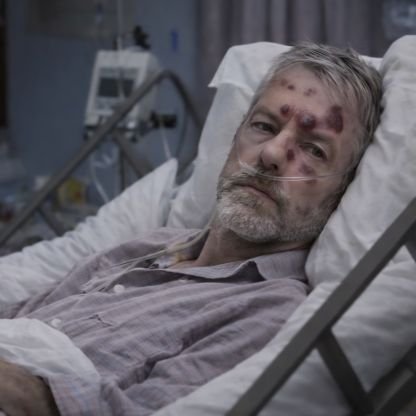
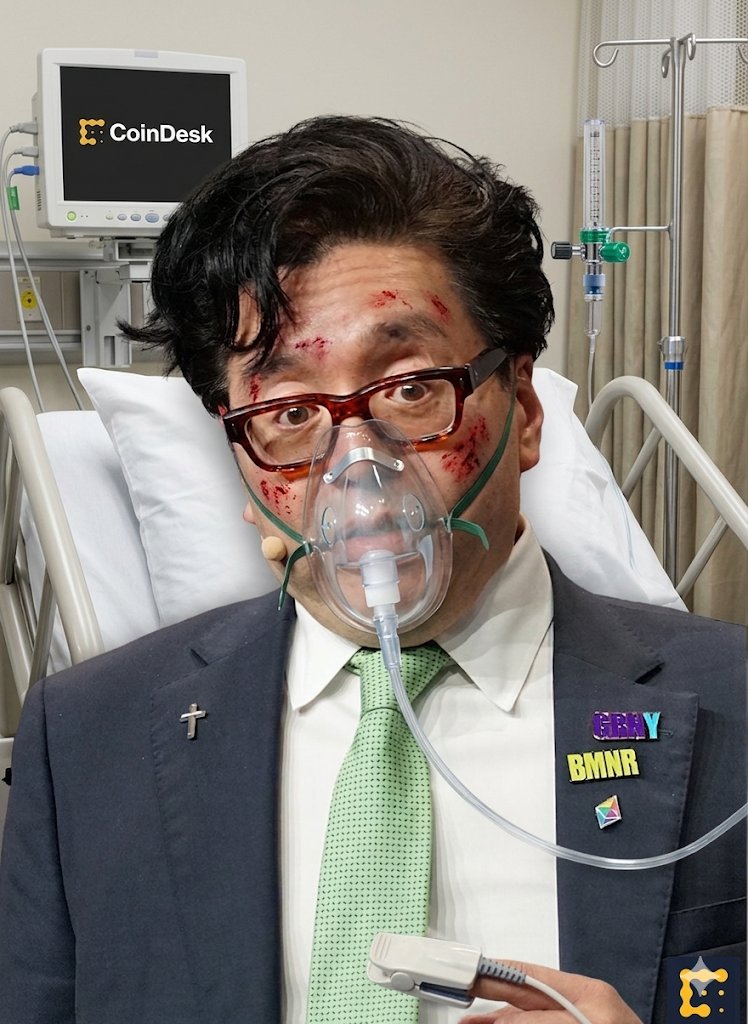
Michael Saylor is underwater on his BTC holdings. He is so sick to his stomach that he has spontaneously developed AIDS. He is on life support.
Joined January 2026
- Tweets 407
- Following 50
- Followers 39
- Likes 2,012
54 Photos and videos
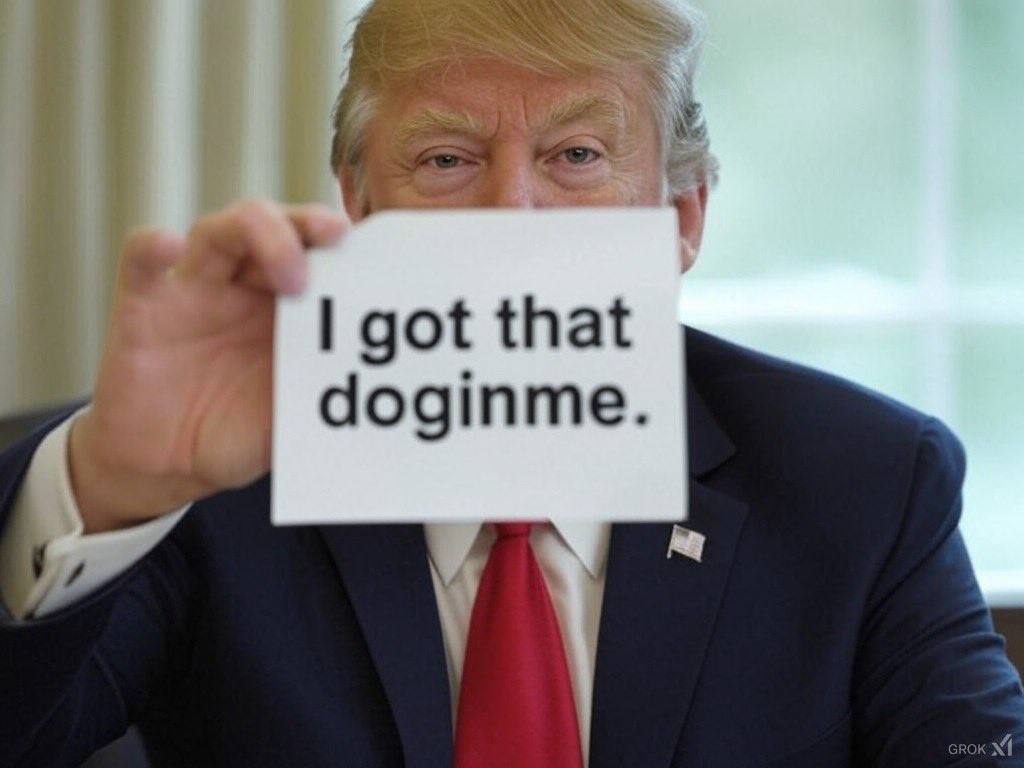
Martha said "I got $doginme "
23h

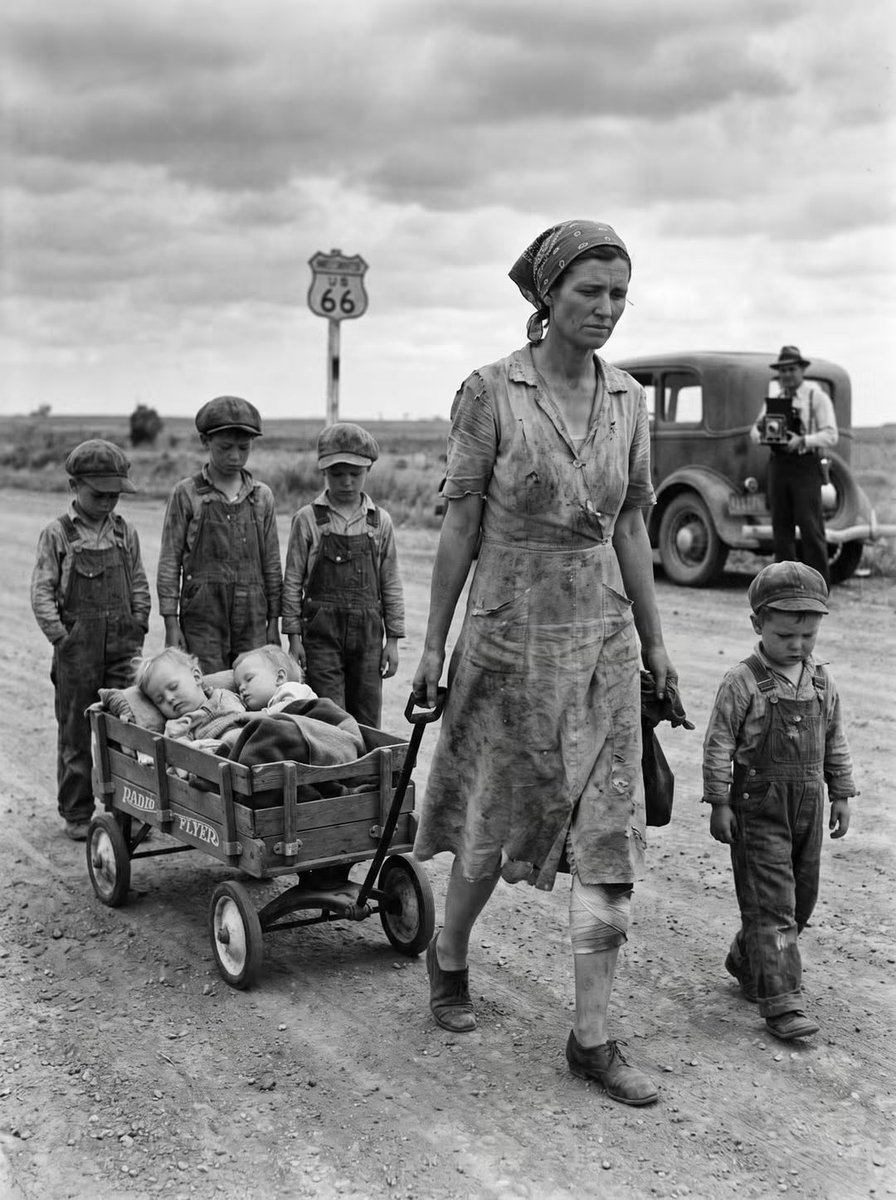
July 6, 1936, Route 66, New Mexico. This is Martha Evans, 32. She had been walking for three days. Her husband died of tuberculosis in Oklahoma in May. The farm was foreclosed. She took the six kids and a Radio Flyer wagon and started west for California. The twins in the wagon were 11 months old. The boys walking were 6, 5, 4, and 3. Her dress was torn on barbed wire. Her leg was cut and infected. She wrapped it with a feed sack. She had $1.60 in her pocket. A photographer from the Resettlement Administration saw them and pulled over. He offered her a ride. She said no. She said if she took a ride now, the kids would expect one every time they were tired. She gave him her name and kept walking. The photo ran in newspapers across the country. Donations came to a PO box in Barstow. She got $200 and a bus ticket. She made it to Bakersfield and picked grapes. All six kids lived. Three went to college. Martha died in 1978. The wagon is in the Smithsonian.
Community note
This story and image are fabricated. The image is AI-generated, and the story of "Martha Evans" is a fictional mashup of real Dust Bowl-era photographs, such as Dorothea Lange's "Migrant Mother" and Arthur Rothstein's photos of the Vernon Evans family. melpine.substack.com/p/the-fable-of…
1
13
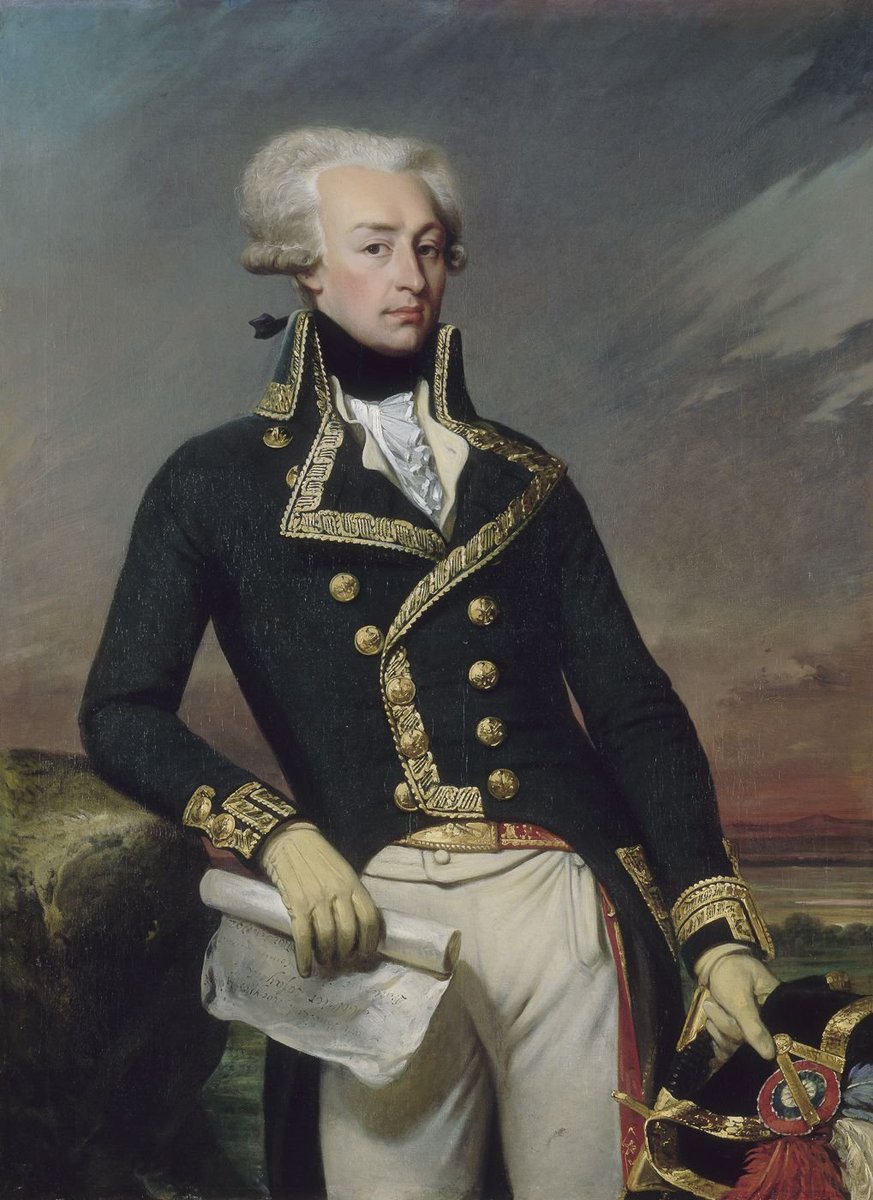
Lafayette said "I got dat $doginme "

On June 13, 1777, a 19-year-old French teenager landed on a beach in South Carolina, uninvited, to fight in someone else's war. He would become one of the most important men in American history.
The Marquis de Lafayette was one of the richest young aristocrats in France. He had a beautiful wife, a fortune, and zero reason to risk any of it. But he believed in the American cause so fiercely that when the French king forbade him from going, Lafayette bought his own ship and sailed anyway. He literally went AWOL from a life of luxury to bleed for a country that didn't exist yet.
Congress was annoyed at first. Another foreign officer looking for a paycheck? Then Lafayette offered to serve for free and pay his own way. That got their attention.
He met Washington and the two formed one of the great father-son bonds in American history. Washington had no biological children. Lafayette named his only son George Washington Lafayette.
He took a bullet in the leg at Brandywine and kept rallying the retreat. He was instrumental at Yorktown, the battle that won the war. He went home a hero on two continents.
A foreign teenager believed in America before America did. 249 years ago today.
3
32
Saylor has AIDS retweeted

Jun 12
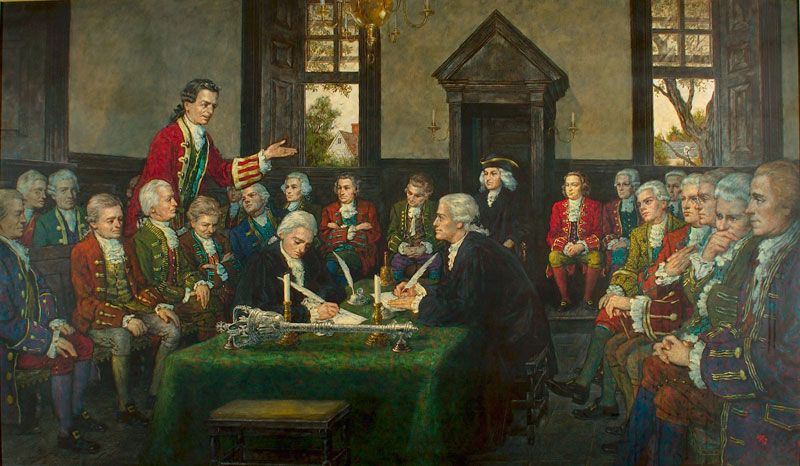
The most important American document you were never taught in school was adopted on June 12, 1776.
Three weeks before the Declaration of Independence, Virginia adopted the Declaration of Rights, written by a man most people can't name: George Mason.
Read the opening line: "All men are by nature equally free and independent and have certain inherent rights."
Sound familiar? Thomas Jefferson was writing the Declaration of Independence in Philadelphia at that exact moment, and he borrowed heavily from it.
Then it happened again. When James Madison drafted the Bill of Rights in 1789, he used Mason's document as his blueprint. Freedom of the press, religious liberty, no cruel and unusual punishment, jury trials. Mason had all of it first.
The document even crossed the ocean. Lafayette leaned on it when drafting France's Declaration of the Rights of Man in 1789.
And here's the kicker: Mason later refused to sign the Constitution. Why? It had no bill of rights and didn't end the slave trade. He died politically isolated for it. Then the country added the Bill of Rights, proving him right.
One Virginia farmer wrote the rough draft of American freedom, influenced two revolutions, and got almost zero credit.
250 years ago today. Raise a glass to George Mason.
25
545
1,635
34,856

Jun 13
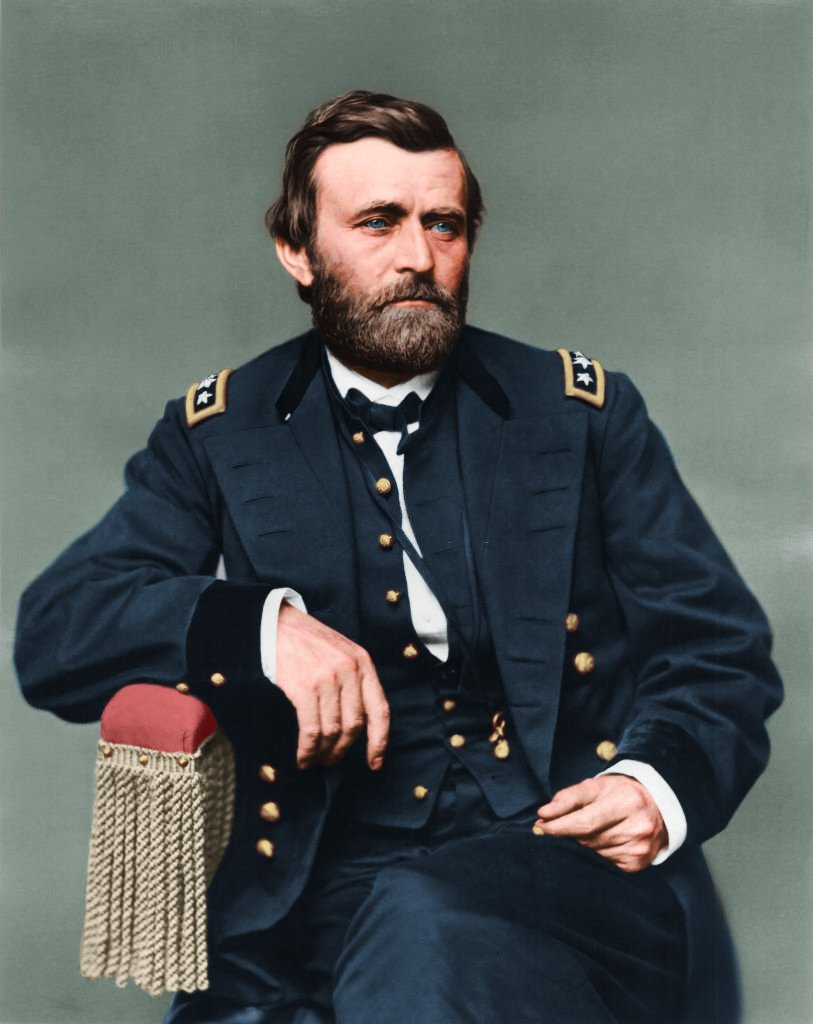
Grant said to his boys, "follow me, I got that $doginme "
Jun 12
OTD in 1864: 100,000 men vanished overnight, and the greatest general of the age had no idea where they went. This might be the most underrated move of the Civil War.
Context: Grant had just spent ten days locked in trench warfare at Cold Harbor, Virginia, after a frontal assault on June 3 that cost him thousands of men in under an hour. He admitted it was the worst mistake of his career. The armies were so close that soldiers could not lift their heads above the dirt in daylight.
Everyone, including Lee, expected Grant to do what every Union commander before him did after a bloody repulse: retreat north and regroup.
Instead, on the night of June 12, Grant did something audacious. He pulled the entire Army of the Potomac out of trenches that were in some places only yards from Confederate lines. No bugles, no fires, wheels muffled. By morning the Union trenches were empty and Lee's scouts found nothing but abandoned earthworks.
The army marched south, away from Richmond, which made no sense to Confederate observers. Then Union engineers did something almost nobody thought possible: they threw a pontoon bridge across the James River, roughly 2,100 feet of it, over water up to 85 feet deep with a four-foot tidal swing. They built it in about eight hours. It was one of the longest floating bridges in military history.
For three full days Lee was effectively blind, unsure whether Grant was north or south of the James. By the time the picture cleared, Grant's army was across the river attacking Petersburg, the rail hub that fed Richmond.
The siege that followed lasted nine months and ended with Lee's surrender at Appomattox.
Everyone remembers Cold Harbor as Grant's worst day. Almost nobody remembers that one week later he pulled off the maneuver that won the war.
3
1
9
242
Washington said "i got that $doginme "

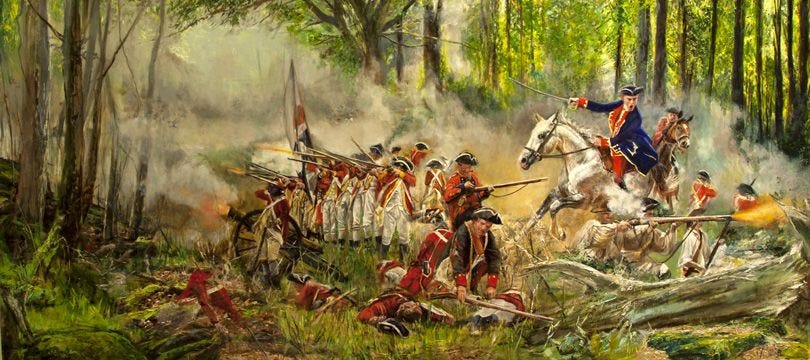
July 9th, 1755. The British Army got slaughtered in the woods of Pennsylvania.
Of 1,300 men, nearly 1,000 were killed or wounded in four hours.
Every mounted officer was shot.
Except one.
A 23-year-old colonel named George Washington had two horses shot out from under him. Four musket balls passed through his coat.
He rallied the survivors. Organized the retreat. Buried the dying general.
And walked off the field without a scratch.
15 years later, an old Indian chief found him in the Ohio Valley. Said he had personally fired 11 shots at Washington that day.
Missed every one.
"He cannot die in battle," the chief said. "He will become the chief of nations."
Twenty-one years after that prophecy, Washington was sworn in as the first President of the United States.
2
1
7
238
My dear friend @fundstrat borrowed my dull disposable razor, which i bled on a few weeks ago. He cut himself shaving and now has also contracted $AIDS
1
21
Saylor has AIDS retweeted

May 23
Can you rt this? Maybe we can make a difference

1,470
27,759
135,403
2,988,527
Saylor has AIDS retweeted

May 24
If you are suicidal have your attempt be via cardio. You either succeed or you are no longer suicidal.
1
4
62
Saylor has AIDS retweeted

May 23
If you tolerate this then your children will be next
134
2,269
11,102
190,510
Saylor has AIDS retweeted

May 17
“Vote” from the fuckin tree line x.com/FeralFarmer1938/status…
142
673
6,985
111,839
Saylor has AIDS retweeted

This video has absolutely blown up on Telegram and I am being told it might be removed from YouTube so here it is.
FOLLOW ME, THE NEXT DROP WILL BE SHOCKING
41
1,584
3,173
90,321
Saylor has AIDS retweeted

May 3
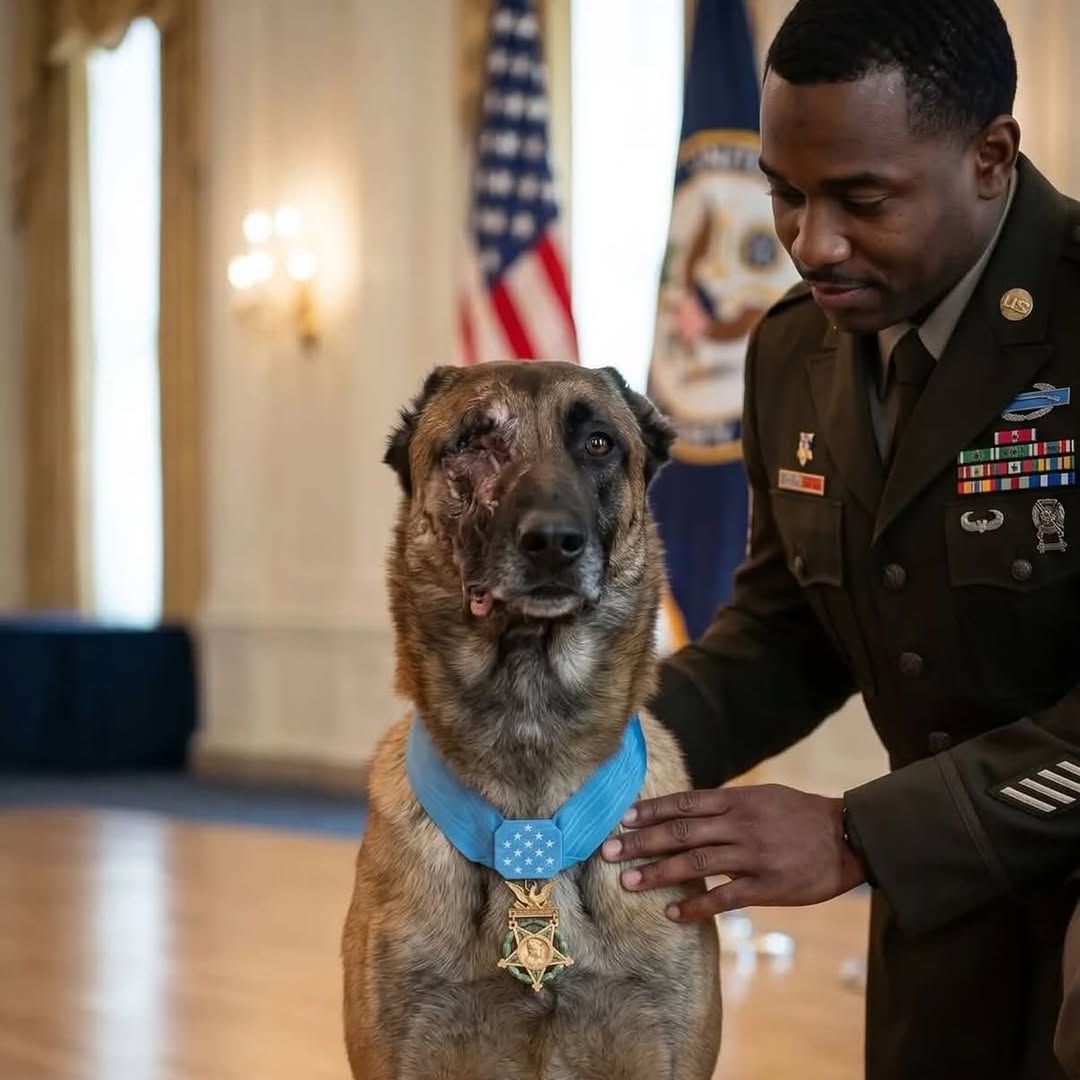
Él es K9 Valor, salvó la vida de 47 soldados, sobrevivió a un primer terrorista suicida y mató a 3 más, diente contra cuchillo, luego se posicionó entre una explosión y su controlador.
La mitad de su cara quedó destrozada, perdió su ojo y oreja izquierda. Lo llevaron a Alemania donde parcialmente le reconstruyeron la mandíbula.
El Pentágono le otorgó La medalla de honor del congreso y un aplauso y ovación de más de 8 minutos. Un verdadero héroe.
2,997
22,897
157,633
3,774,291
Saylor has AIDS retweeted

It doesn’t matter who the Federal Reserve Chair is.
It shouldn’t exist.
10
141
634
9,986
Saylor has AIDS retweeted

Apr 27
Our founding fathers never even considered the possibility that illiterate third world women would one day be shipped into this country and then elected to congress. We are discovering a method of national suicide that never entered the minds of the founders.

Ilhan Omar gives a history lesson: “The last time the Alien Enemies Act was invoked it was used during World War ELEVEN.”
2,031
15,139
94,026
1,982,584
Apr 28
Watch the first 10 minutes and tell me if you still believe in #globalwarming
youtu.be/m1sf6tyD178?si=DscS…
8
Saylor has AIDS retweeted

The attempted assassin was a California liberal who bought firearms not banned there, or anywhere else for that matter.
He went through every one of your laws in your “#1 for gun safety” state without issue. He then broke every law in the Capitol in his attempt.
Nothing you advocate stopped this. They all failed.
Everything we advocate did.
Are you finally ready to admit you just want a total ban on civilian gun ownership?

The U.S. has always accepted more political violence than similar democracies, with threats rapidly growing.
But we cannot stop at condemning political violence alone.
Too often, there is one thing at the root of these horrific acts: our nation's easy access to firearms.
30
539
2,659
33,838
Saylor has AIDS retweeted

Apr 22
Liberty holds only as long as good men stay capable of defending it.
A free society stands on an armed, self-reliant people who refuse to live as subjects.
Politicians have always understood the equation: disarm the citizens first, then rule without resistance.
The Second Amendment was written as the hard stop against that exact threat.
It doesn’t ask for permission. It declares the right.
That’s why disciplined training and everyday readiness aren’t optional, they’re how we keep the promise alive for the next generation.
Stay dangerous, stay good.
8
40
134
1,797