
Receptor Dynamics in Cancer Laboratory / Institute of Systems, Molecular & Systems Biology / University of Liverpool, UK
Joined September 2013
- Tweets 216
- Following 134
- Followers 693
- Likes 74
13 Photos and videos
Pinned Tweet

5 Dec 2024
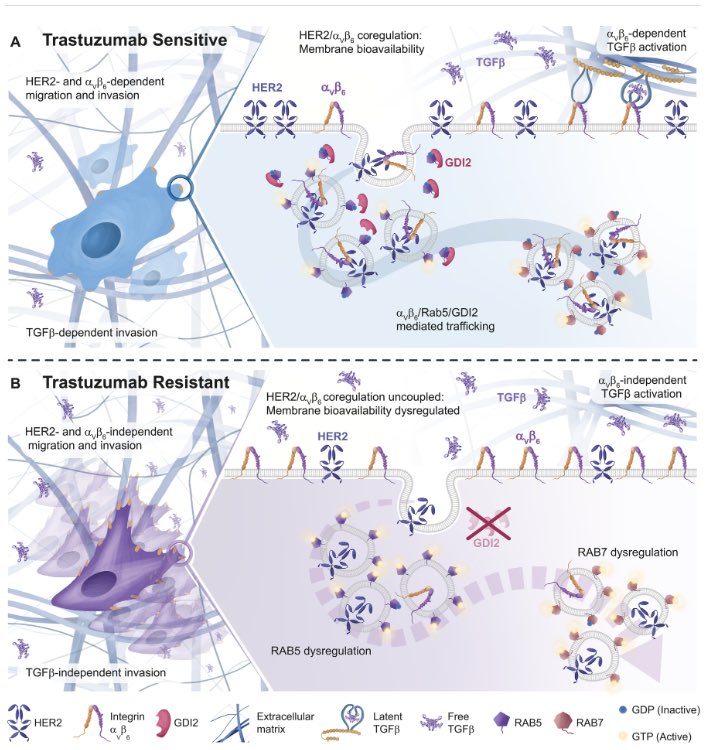
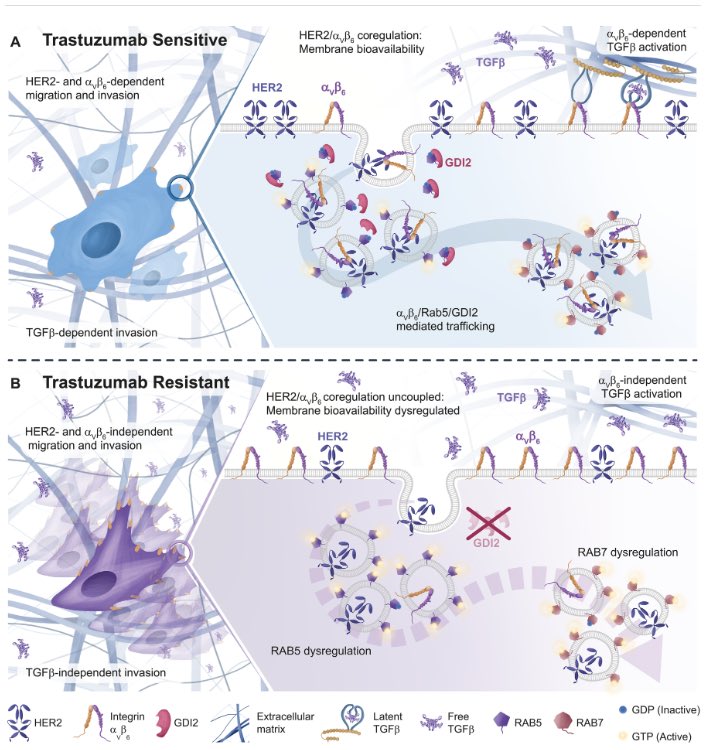
Very excited to share our latest paper describing crosstalk between αvβ6 integrin & HER2 in breast cancer invasion & drug resistance.
Great work by @HJMald & many others
science.org/doi/10.1126/scia…
@ScienceAdvances @LivUniISMIB @AdamHurlstone Many thanks to @BCCare @NorthWestCancer
4
6
13
615
Mark Morgan's Lab retweeted

NEWS | New insights in breast cancer progression and drug resistance
➡️ bit.ly/3OLKIhb
#CancerResearch | #TeamLivUni
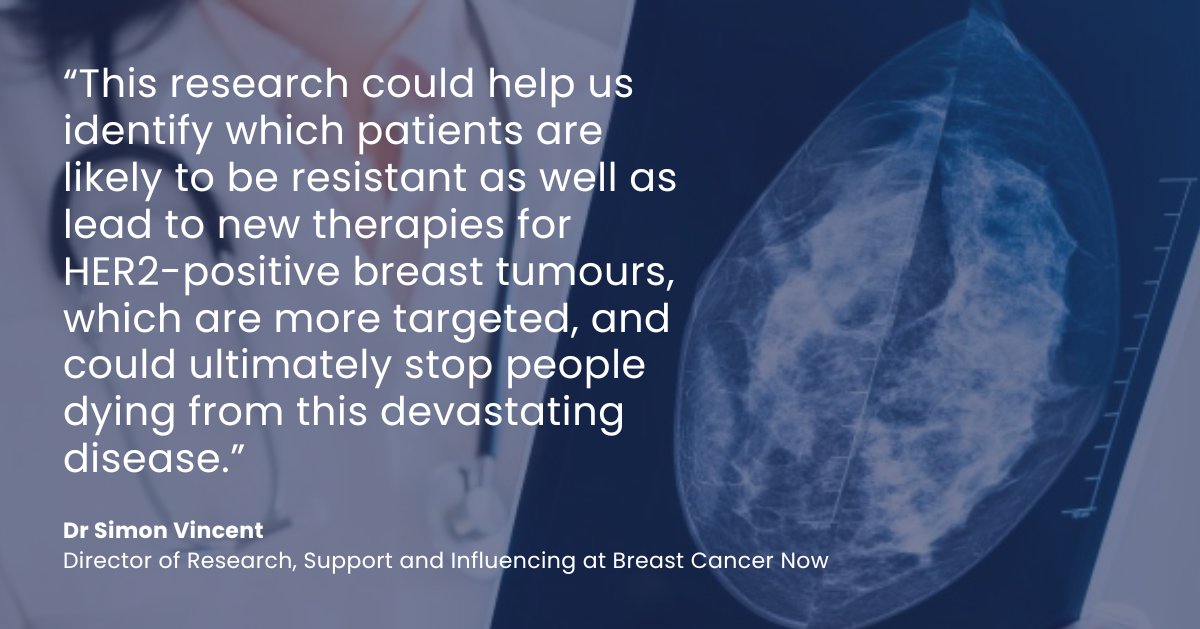
ALT A news quote card with a navy blue background with a transparent image of someone in a lab coat looking at a scan. The quote is in white text and reads "This research could help us identify which patients are likely to be resistant as well as lead to new therapies for HER2-positive breast tumours, which are more targeted, and could ultimately stop people dying from this devastating disease.” Dr Simon Vincent, Director of Research, Support and Influencing at Breast Cancer Now.
2
1
283

Look at the amazing speaker list for Adhere2 next September!
This is going to be an excellent meeting, in beautiful Zadar, Croatia.
event.fourwaves.com/adhere2/…
1
6
10
1,097
5 Dec 2024
Very excited to share our latest paper describing crosstalk between αvβ6 integrin & HER2 in breast cancer invasion & drug resistance.
Great work by @HJMald & many others
science.org/doi/10.1126/scia…
@ScienceAdvances @LivUniISMIB @AdamHurlstone Many thanks to @BCCare @NorthWestCancer
4
6
13
615
5 Dec 2024
6) High levels of GDI2 expression correlate with better patient survival
7) Levels of αVβ6 expression at initial diagnosis predict disease relapse following trastuzumab treatment
57
5 Dec 2024
5) Components of the trafficking regulatory subnetwork are highly expressed in HER2 breast cancers expressing high levels of αVβ6.
1
51
5 Dec 2024
6) High levels of GDI2 expression correlate with better patient survival
7) Levels of αVβ6 expression at initial diagnosis predict disease relapse following trastuzumab treatment
41
5 Dec 2024
A particularly intriguing observation: Invasion of trastuzumab resistant cells is αVβ6-independent. But resistant cells express very high levels αVβ6 on the cell surface. Opening up opportunities to potentially target them with an αVβ6-targeting warhead, or immuno-modulator
32
5 Dec 2024
5) Components of the trafficking regulatory subnetwork are highly expressed in HER2 breast cancers expressing high levels of αVβ6.
1
66
5 Dec 2024
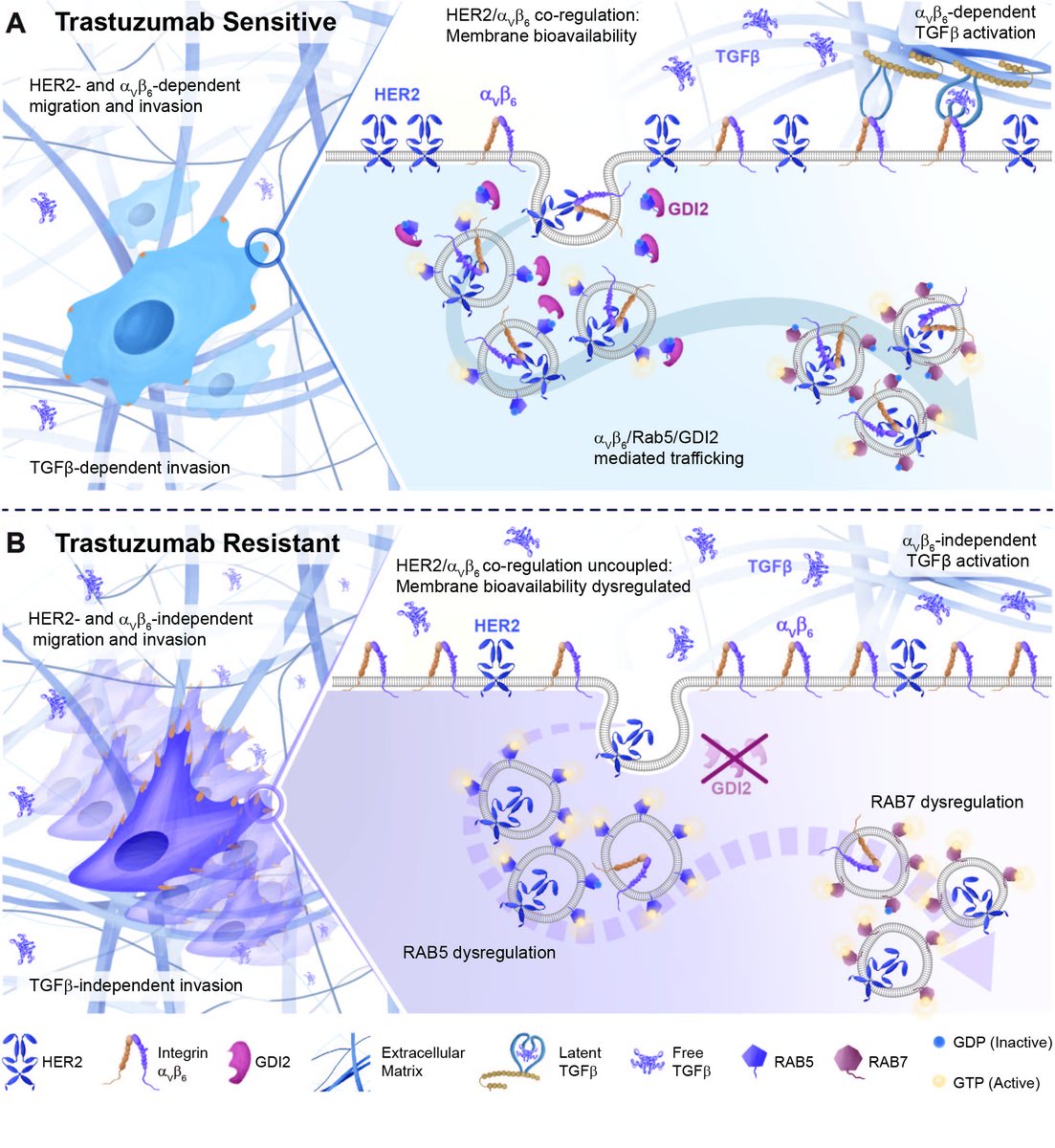
4) RAB5, RAB7A, and GDI2 differentially regulate invasion and αVβ6 integrin-mediated TGFβ activation, but this mechanism is uncoupled by trastuzumab resistance, rendering cells unresponsive to αVβ6, HER2 or TGFβ-Receptor inhibition.
1
58
5 Dec 2024
2) Components of the trafficking regulatory subnetwork mediate direct crosstalk between αVβ6 and HER2, affecting receptor trafficking and signalling.
3) Trastuzumab resistance disrupts αVβ6-mediated control of HER2 endocytosis and signalling.
1
48
5 Dec 2024
We show that:
1) Integrin αVβ6 recruits HER2 and a RAB5/RAB7A/GDI2 trafficking regulatory subnetwork. This recruitment is enhanced by exposure to the HER2-trageting drug trastuzumab, but dysregulated following acquired trastuzumab resistance.
1
60
Very excited to share our new paper on Talin binding to Amyloid Precursor Protein indicating a new way to think about Alzheimer's Disease.
It has the most provocative discussion section we have ever written :)
royalsocietypublishing.org/d…
1
3
6
336
Mark Morgan's Lab retweeted

4 Dec 2024
Excited to share that our latest paper on the crosstalk between integrin αVβ6 and HER2 in HER2 breast cancer is OUT!
@M_MorganLab @LivUniCancer @ScienceAdvances @LivUniISMIB #BreastCancer #Trastuzumab
science.org/doi/10.1126/scia…
5
10
731
Mark Morgan's Lab retweeted

22 Nov 2021
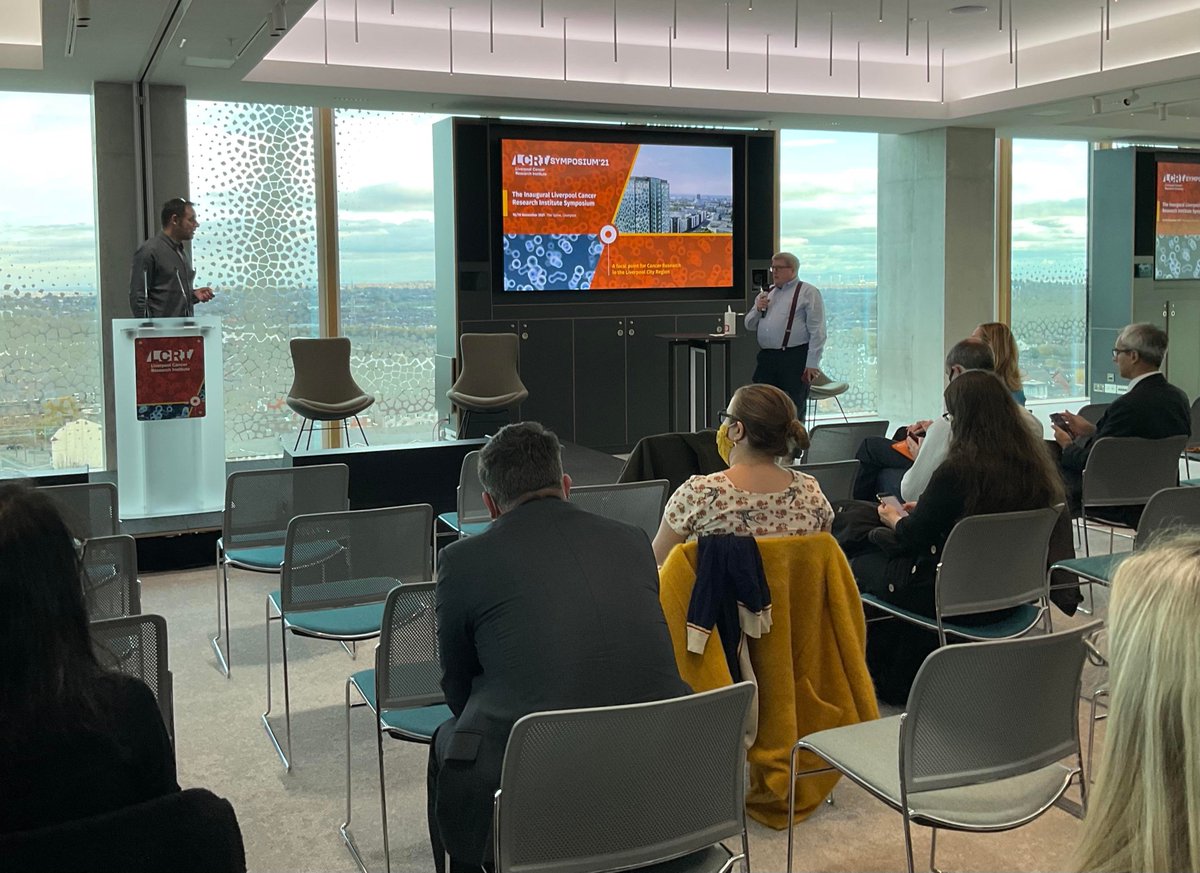
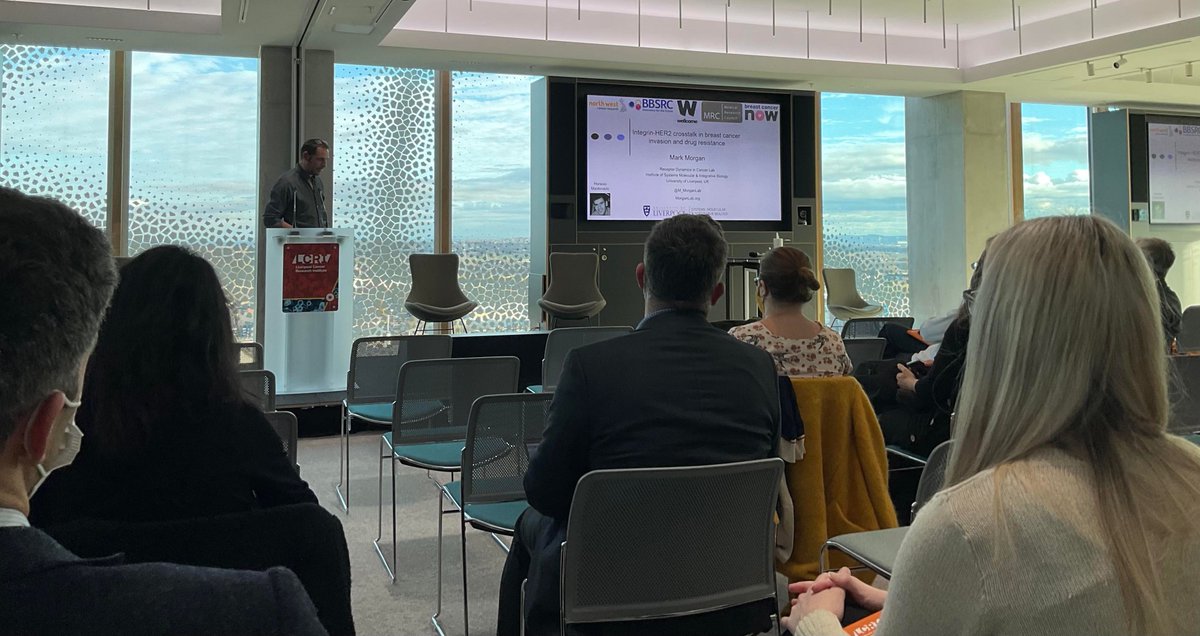
Great to meet you face to face for the first time @M_MorganLab & thank you for a great talk @LivCancerRes #LCR121! So much opportunity for #collaboration in tumour micro-environment and #immuno-oncology studies across @LivUniISMIB @livuniHLS @livuninews @LivHPartners
2
8
Mark Morgan's Lab retweeted

A PhD position with @PaulIAtherton is available in the department!
"Mechanobiology of plasma membrane-associated signalling platforms"
#PhD #CancerBiology
findaphd.com/phds/project/me…
18 Mar 2024

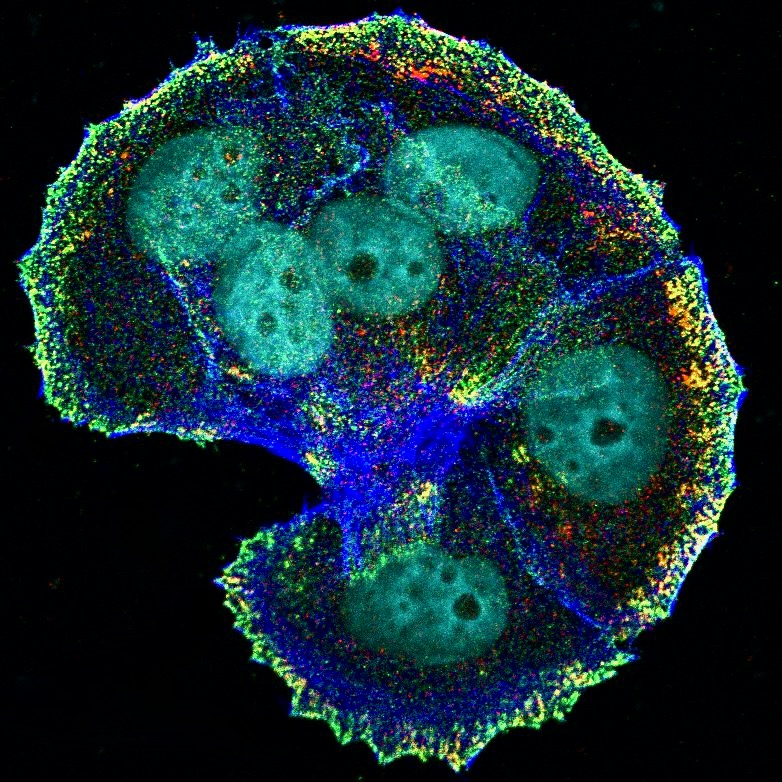
Interested in how cells sense and respond to their environment? Want to do a PhD in Cell Biology? Come join me in @LivUniCancer @LivUni for a PhD! Fully-funded for UK-students. More information here: tinyurl.com/3ev8jd6v
1
7
2
1,116