
Joined July 2023
- Tweets 156
- Following 41
- Followers 322
- Likes 71
21 Photos and videos

Michael Prinzing retweeted

Something big is happening at @WakeForest, and at colleges and universities across the country.
![“Wake Forest decided to put character formation at the center of its mission about a decade ago. Since 2020, it has trained 140 faculty across various departments on how to do character education, and 160 faculty [and staff] on how to think about their own moral growth. The university also formed the Educating Character Initiative, which has so far dispersed more than $35 million impacting 146 institutions that are developing their own programs.”
The Atlantic’s David Brooks in his May 17 article: “Something Big is Happening on Campus”](https://venexa.site/media/HIsstyKXEAANGCL.jpg)
ALT “Wake Forest decided to put character formation at the center of its mission about a decade ago. Since 2020, it has trained 140 faculty across various departments on how to do character education, and 160 faculty [and staff] on how to think about their own moral growth. The university also formed the Educating Character Initiative, which has so far dispersed more than $35 million impacting 146 institutions that are developing their own programs.” The Atlantic’s David Brooks in his May 17 article: “Something Big is Happening on Campus”
1
4
10
488

Mar 31
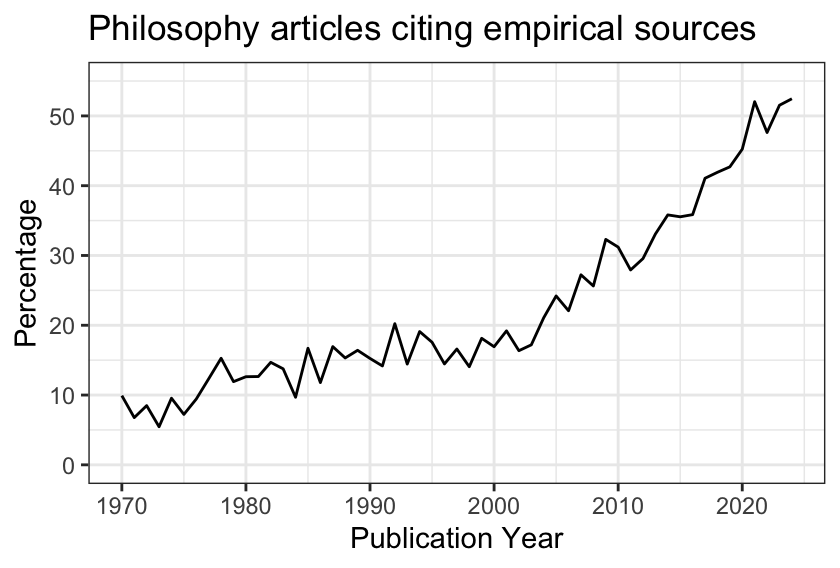
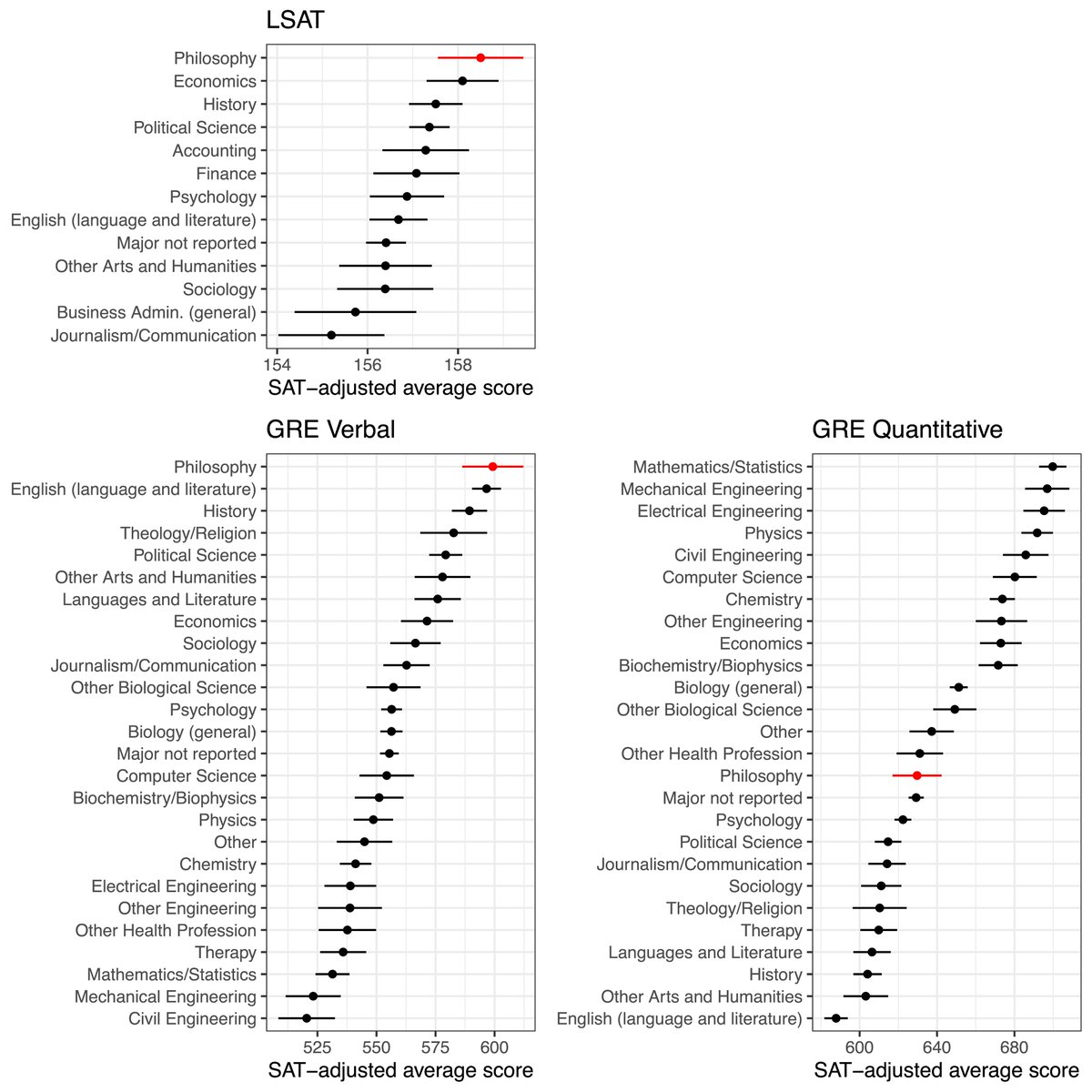
Lots of people think philosophy is an "armchair" discipline in which empirical evidence is largely irrelevant. But, humorously, this idea is contradicted by the empirical data. Looking at records from prestigous, generalist philosophy journals, I found something striking.
3
23
6,186
Mar 31
The paper (forthcoming in Synthese) is available on PhilPapers!
philpapers.org/rec/PRITRO-23
2
2
12
858
The official version is now up on the journal's website: doi.org/10.1007/s11229-026-0…
21
One of these roles is on the Research Team for the Educating Character Initiative! We're looking for someone with empirical expertise who wants to write papers with me about character development!
Apr 2

🚀 We're hiring @character_wfu @WakeForest! With funds from a new grant to build communities of impact around character in higher education, we're searching for several administrative and research positions. The link is below!
leadershipandcharacter.wfu.e…
1
2
224
Michael Prinzing retweeted

Opinion | The Real ‘Diploma Divide’ Is About Identity, Not Beliefs
The familiar narrative that colleges are fueling a growing divide in political beliefs is not backed up by the data. But something else consequential has changed. bit.ly/4rWo4E2

ALT A blue chess pawn and a red pawn, each mounted on a wooden block, face one another.
1
2
1
793
Mar 18
Intuitively, it seems like bringing people together to discuss complex ethical and political issues should help them to be more intellectually humble about those issues—at least if the conversations are rigorous yet respectful. But, empirically, doesn't seem to work that way.
1
2
6
190
Mar 18
Michael Vazquez and I tested this "collaborative dialogue hypothesis." But the results of quasi-experiments and a randomized experiment (and using self-reports, behavioral indicators, and text-analytic measures) consistently contradicted the hypothesis.
1
2
64
Mar 18
We think these results, now published in American Psychologist, highlight a need for more theorizing and tests of popular claims about how to cultivate this much-needed trait.
psycnet.apa.org/doi/10.1037/…
3
56
Michael Prinzing retweeted

Mar 12
Dr Michael Prinzing @M_Prinzing presented our latest seminar in the McGill - UofT Wellbeing Research Seminar series (2026 March 4): "The Ordinary Concept of a Good Life".
youtube.com/watch?v=ZUzkLen0…
For our full series, see wellbeing.research.mcgill.ca…
2
2
146
Michael Prinzing retweeted
Feb 24
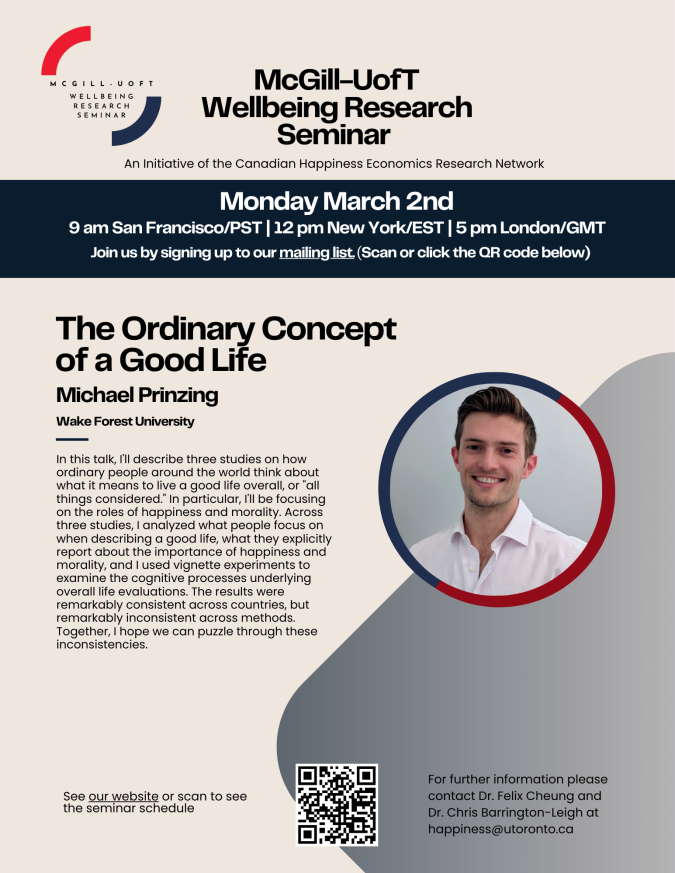
Our next CHERN McGill-UofT seminar will be by Prof Michael Prinzing @M_Prinzing, on "The Ordinary Concept of a Good Life".
Past seminars, and link to registration:
wellbeing.research.mcgill.ca…
Due to my poor calendaring, CWKN is hosting a webinar at the same time!
1
1
87
Jan 30
Check out this article on The Conversation! It offers a general audience summary some of my recent work with @DrSchnitker and @kk_melton on virtue and it's relationship with well-being.
theconversation.com/is-being…
3
846
Jan 24
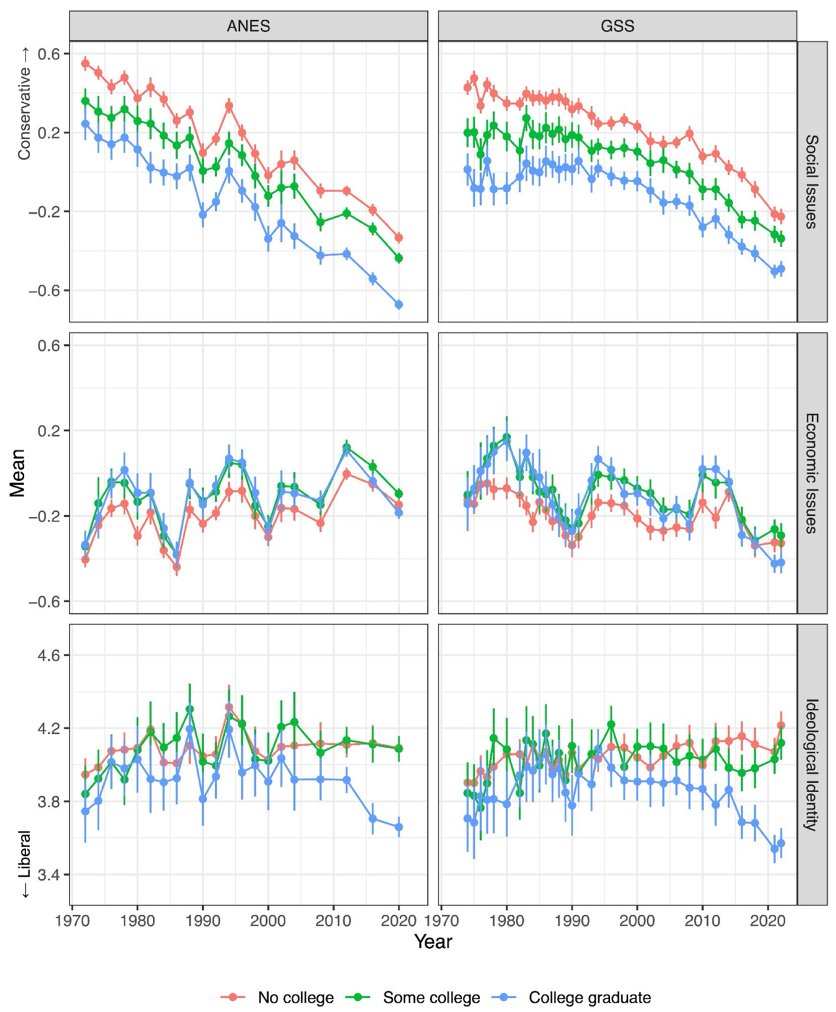
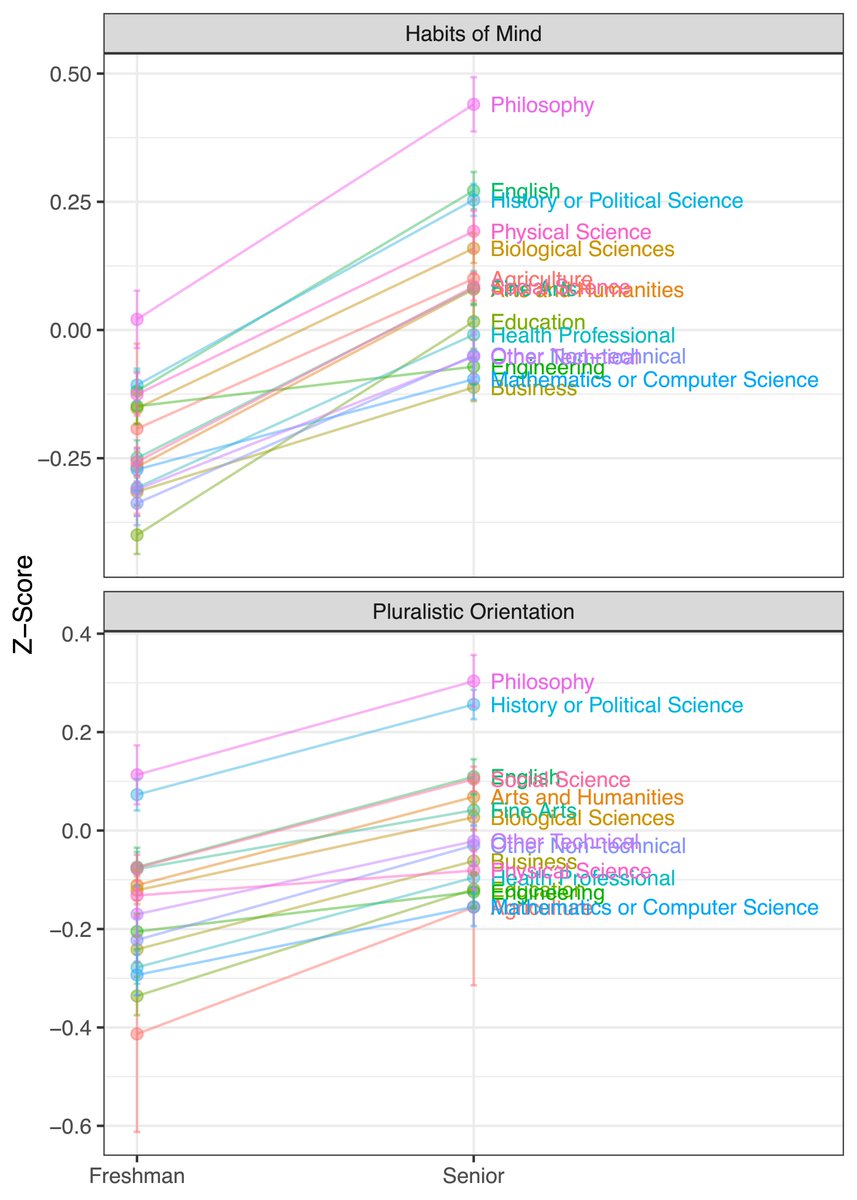
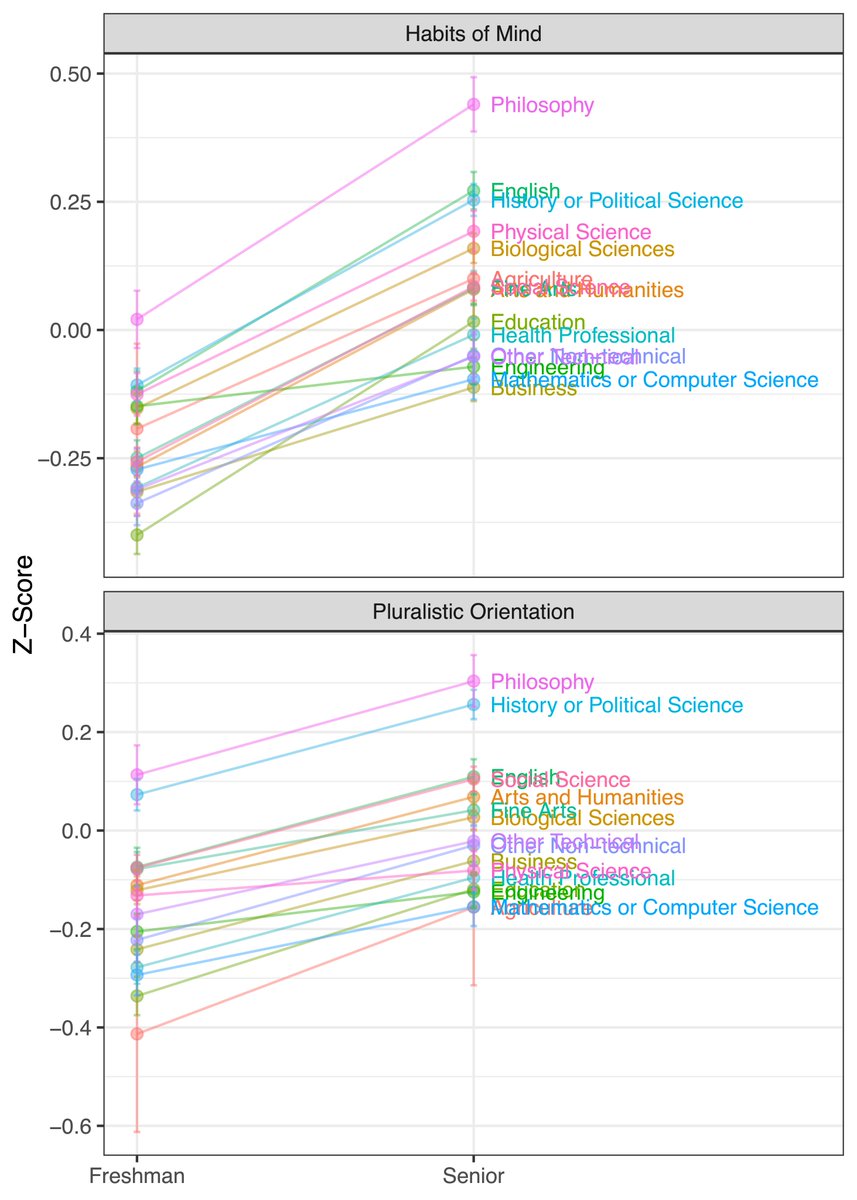
Does going to college make people more liberal? Probably yes, but it’s complicated… For decades, US adults with degrees have held more left-leaning views on social issues, but not economic ones. And, until the 2010s, grads did not *identify* as more liberal than non-grads.
1
2
11
1,662
Jan 24
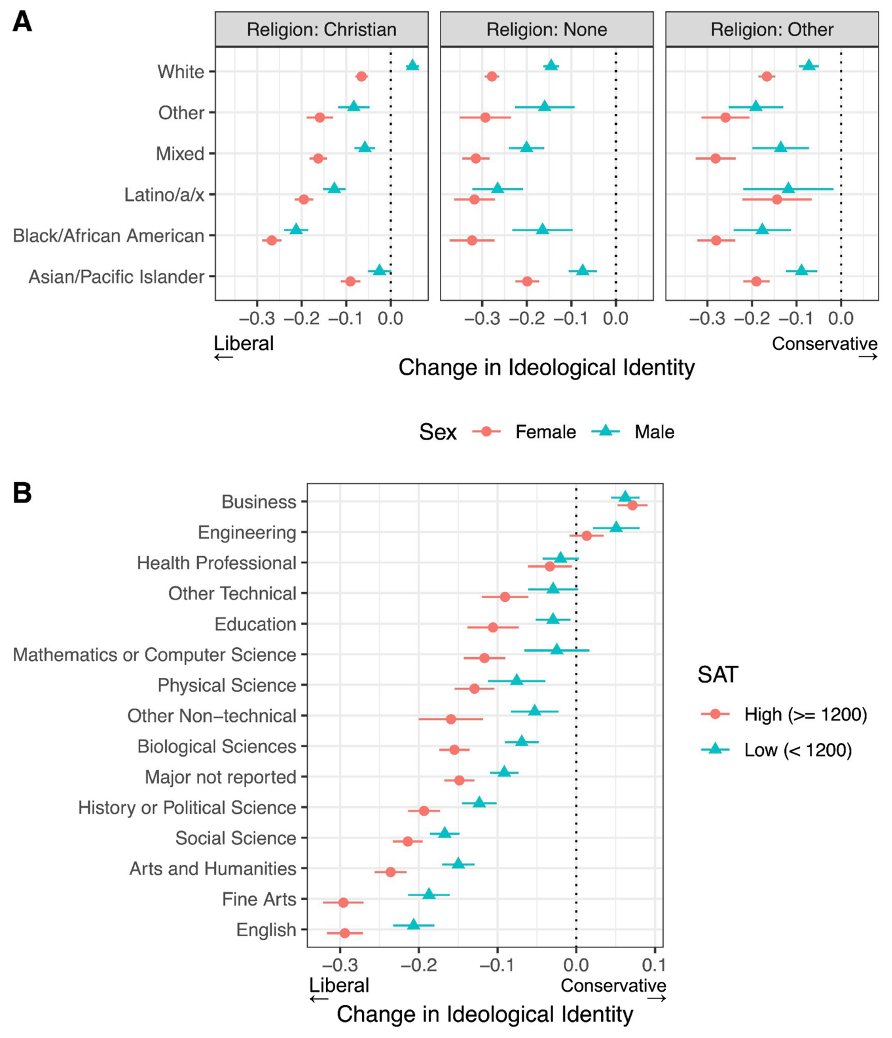
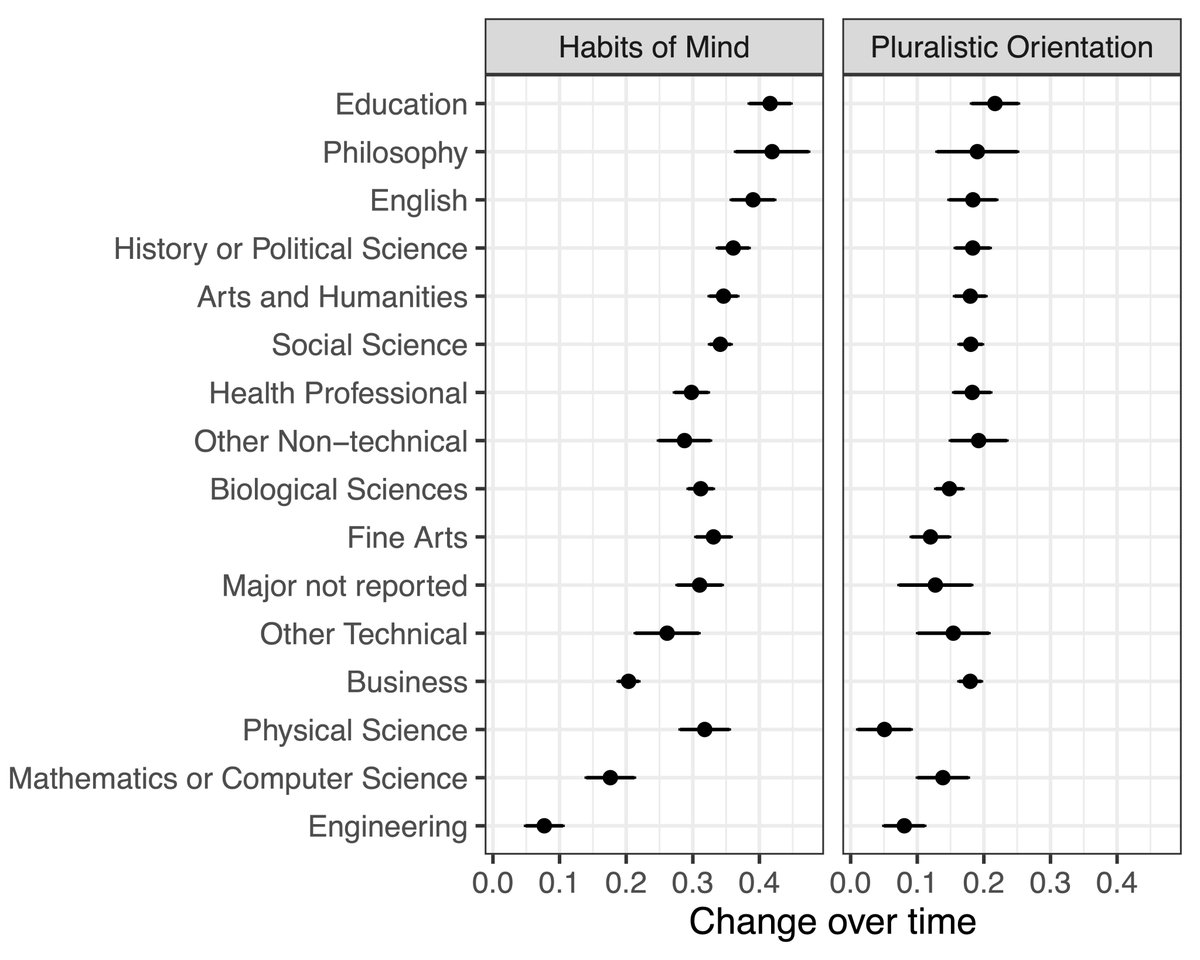
But there are big differences in these within-person changes across majors (e.g., English & arts move most to the left, while business and engineering actually shift right), as well as demographics (e.g., women move leftward more than men), and other individual characteristics
1
4
171
Jan 24
Check out the full paper, coauthored with Michael Vazquez, now in JPSP: psycnet.apa.org/record/2027-…
Or on OSF: osf.io/preprints/psyarxiv/cm…
3
75
Jan 24
I love that this is a thing!
4 Dec 2025

🎉 Congratulations to the 2025 Cognition Outstanding Reviewer Award recipients:
Recognized for exceptional clarity, depth, and insight, their reviews set the highest standard and advance our field through thoughtful, rigorous evaluation.
This year’s recipients:🥁
3
518
20 Dec 2025
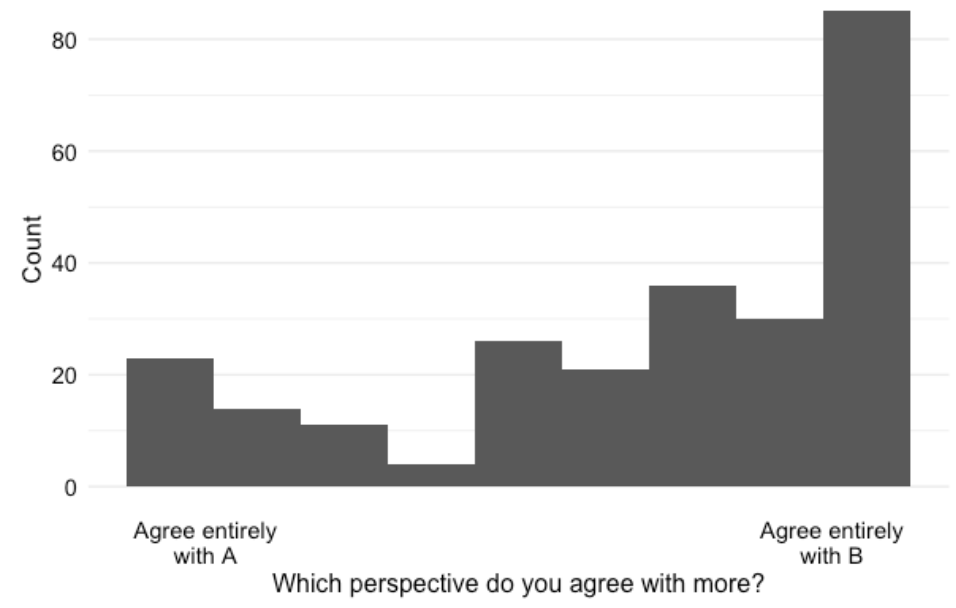
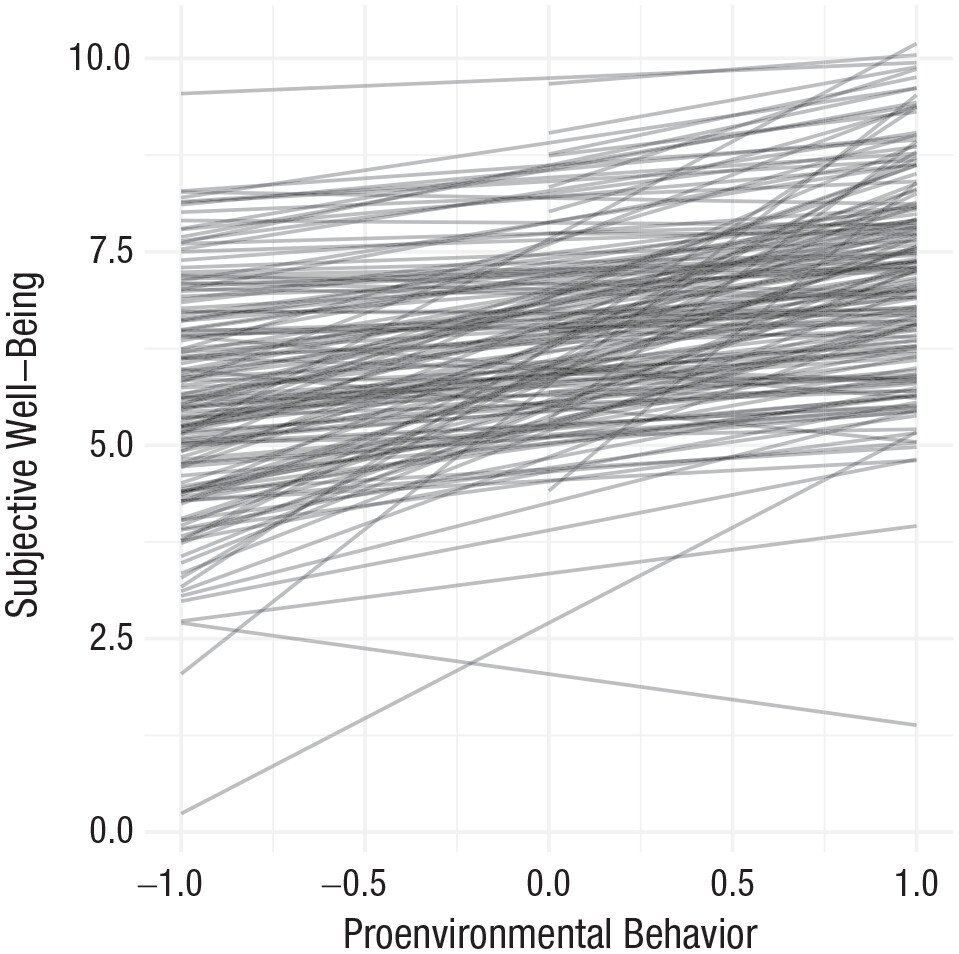
Is virtue good for you? Or is it just good for others or society at large? Theories as old as Plato make opposing claims. My coauthors and I tested their predictions in two intensive, longitudinal studies (43,164 obs. from 1,218 Ps), focusing on 3 seemingly unpleasant virtues.
1
5
6
409
20 Dec 2025
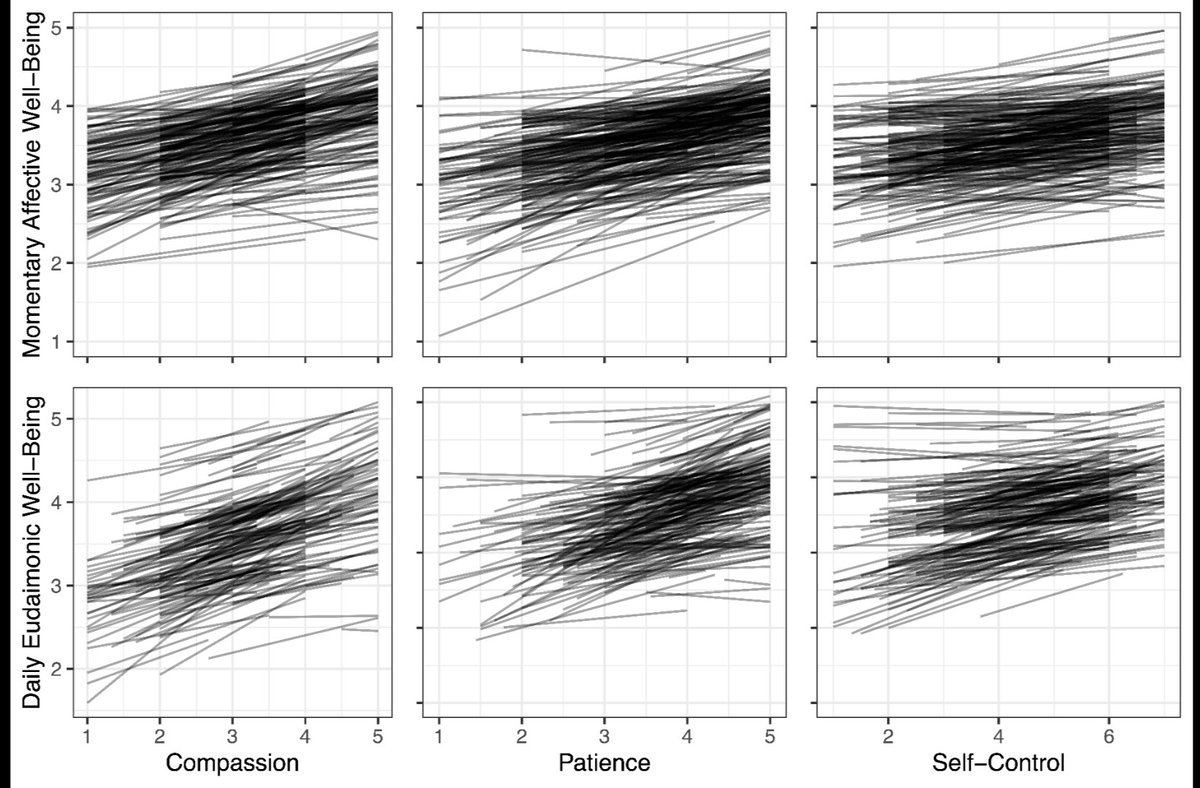
Indeed, we found situations with opportunities for these virtues are unpleasant. But virtues seem to buffer these situational influences. Compassion, patience, and self-control showed positive within- and between-person links with (especially eudaimonic aspects of) well-being.
1
1
3
117