Joined May 2022
- Tweets 132
- Following 0
- Followers 581
- Likes 0
68 Photos and videos


16 Mar 2023
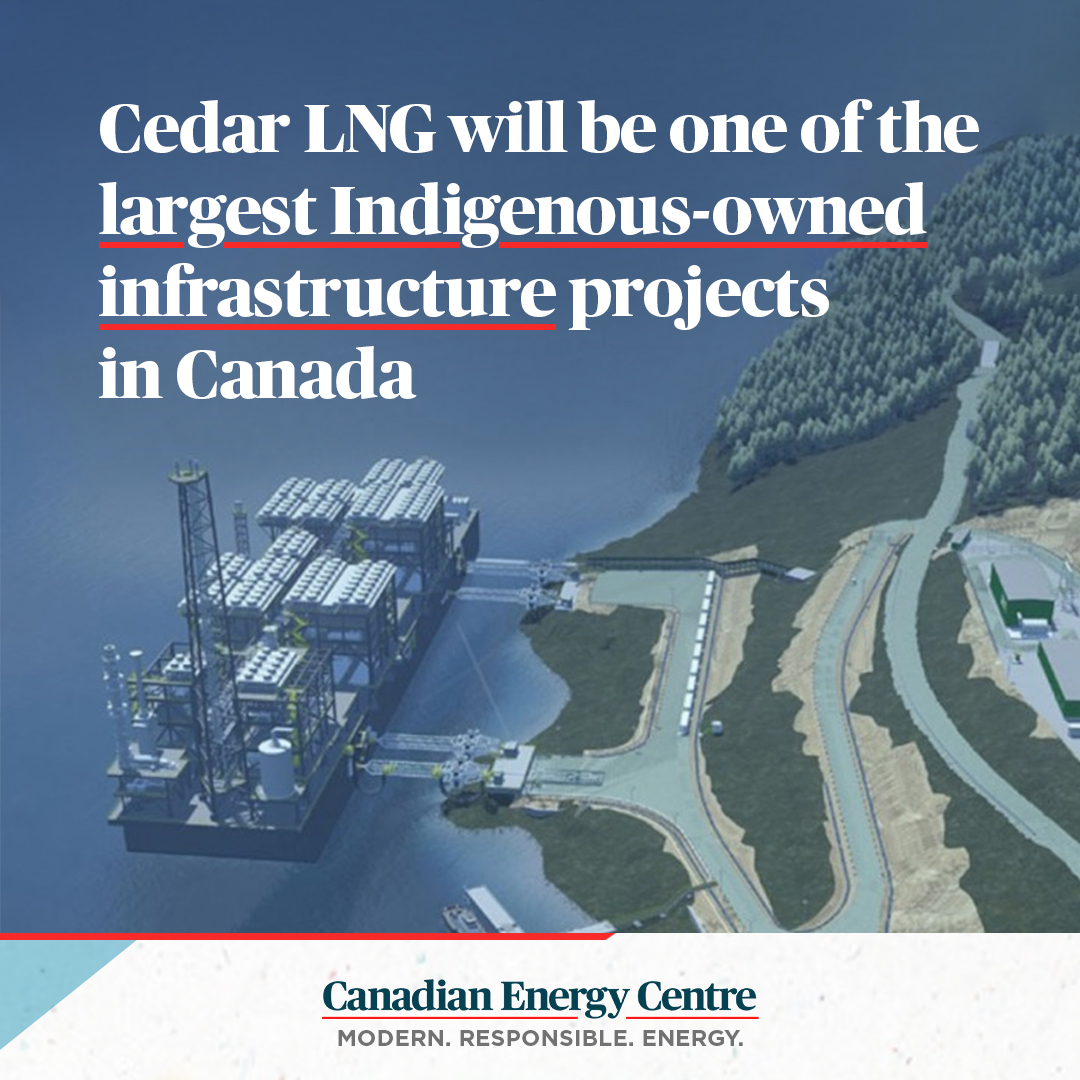
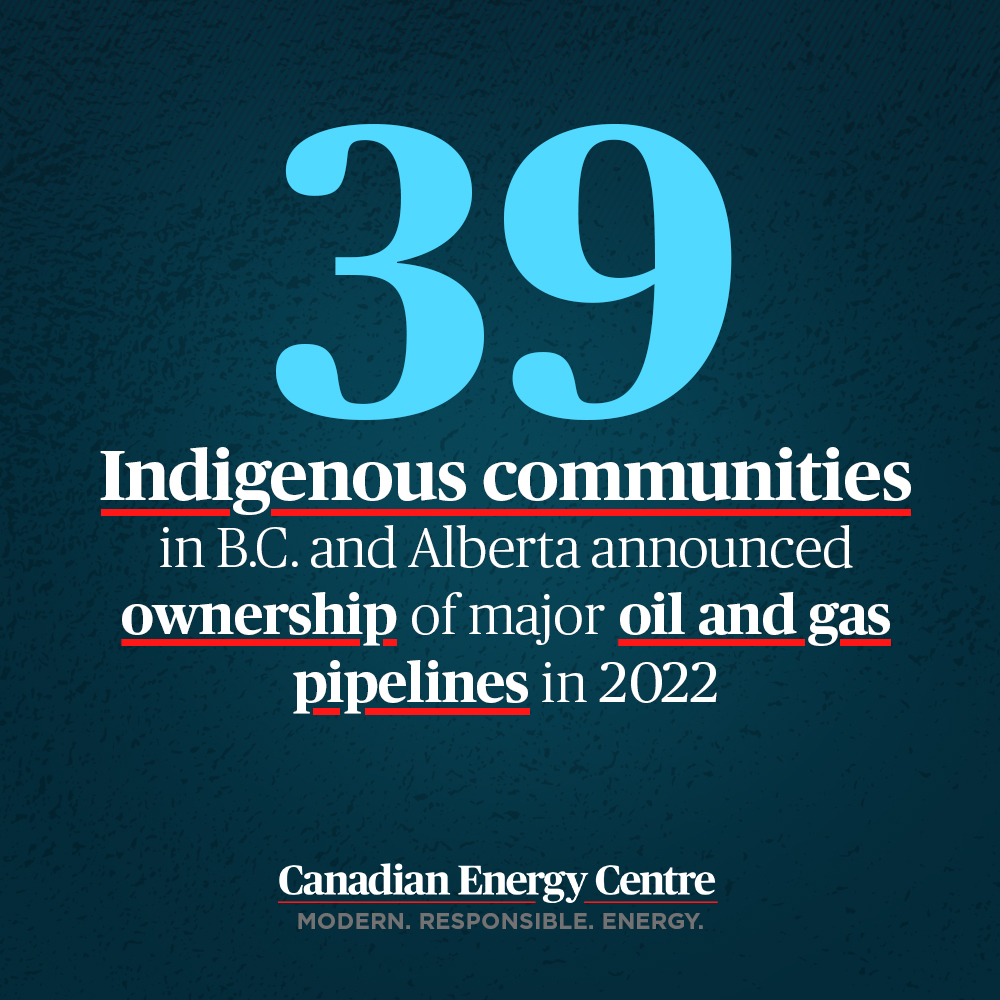
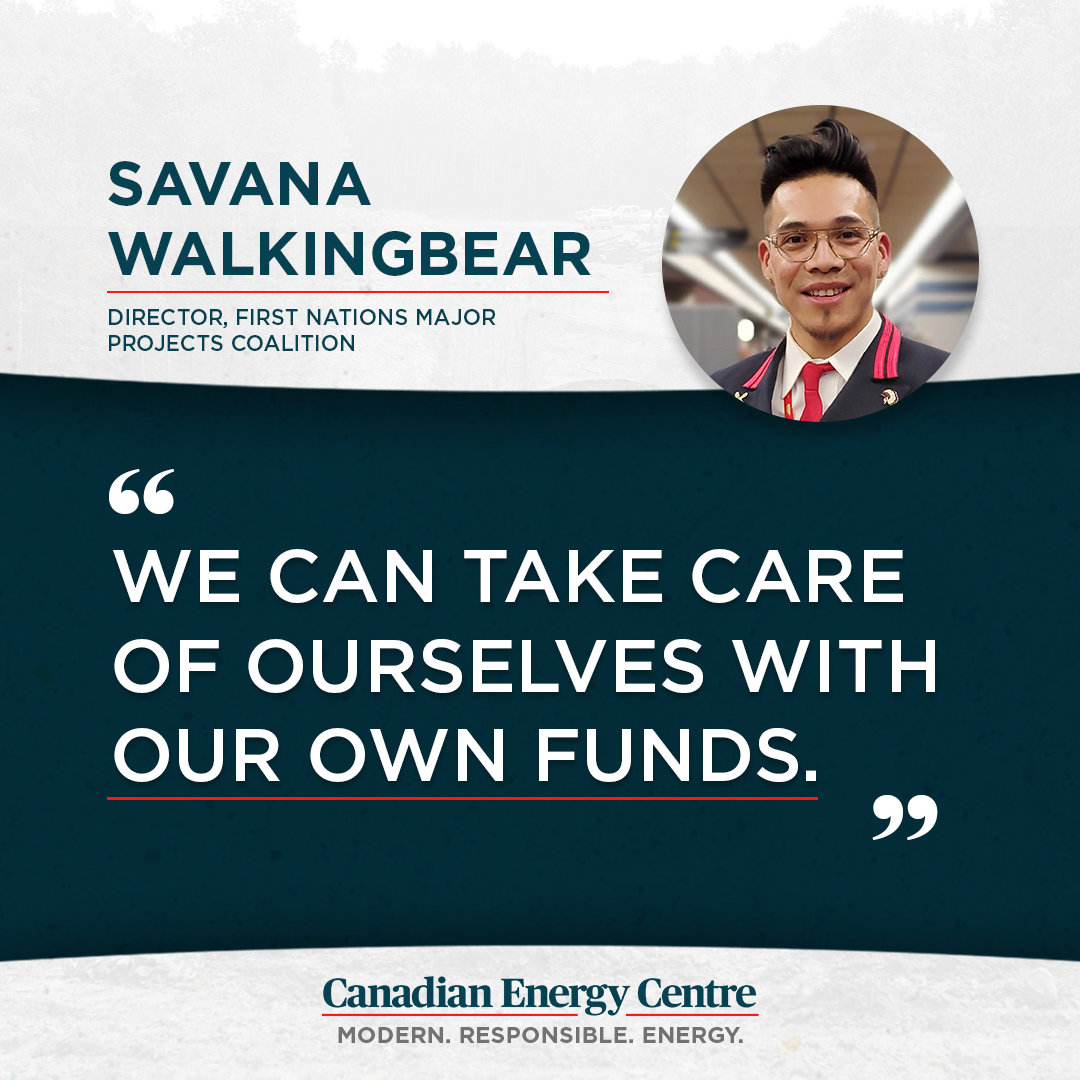
First Nations are playing an increasingly important role in Canada's oil and gas industry. And one of the largest Indigenous-owned projects in Canada is getting closer to becoming a reality.
2
3
5
1,761
13 Mar 2023
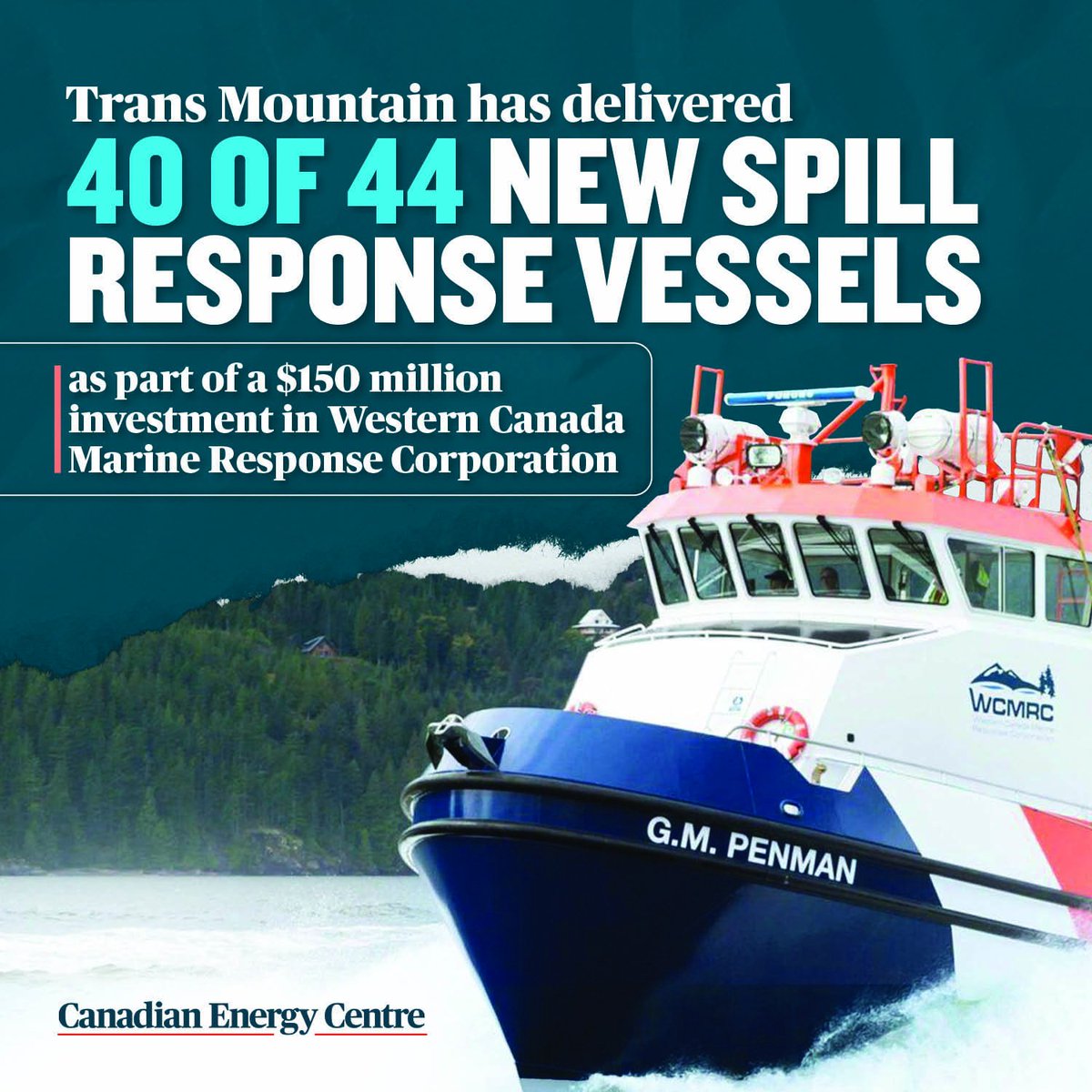
Canada's west coast is a key gateway for our oil to reach global markets. That's why protecting the marine environment is critical as Trans Mountain expands export capacity.
1
2
3
705
9 Mar 2023
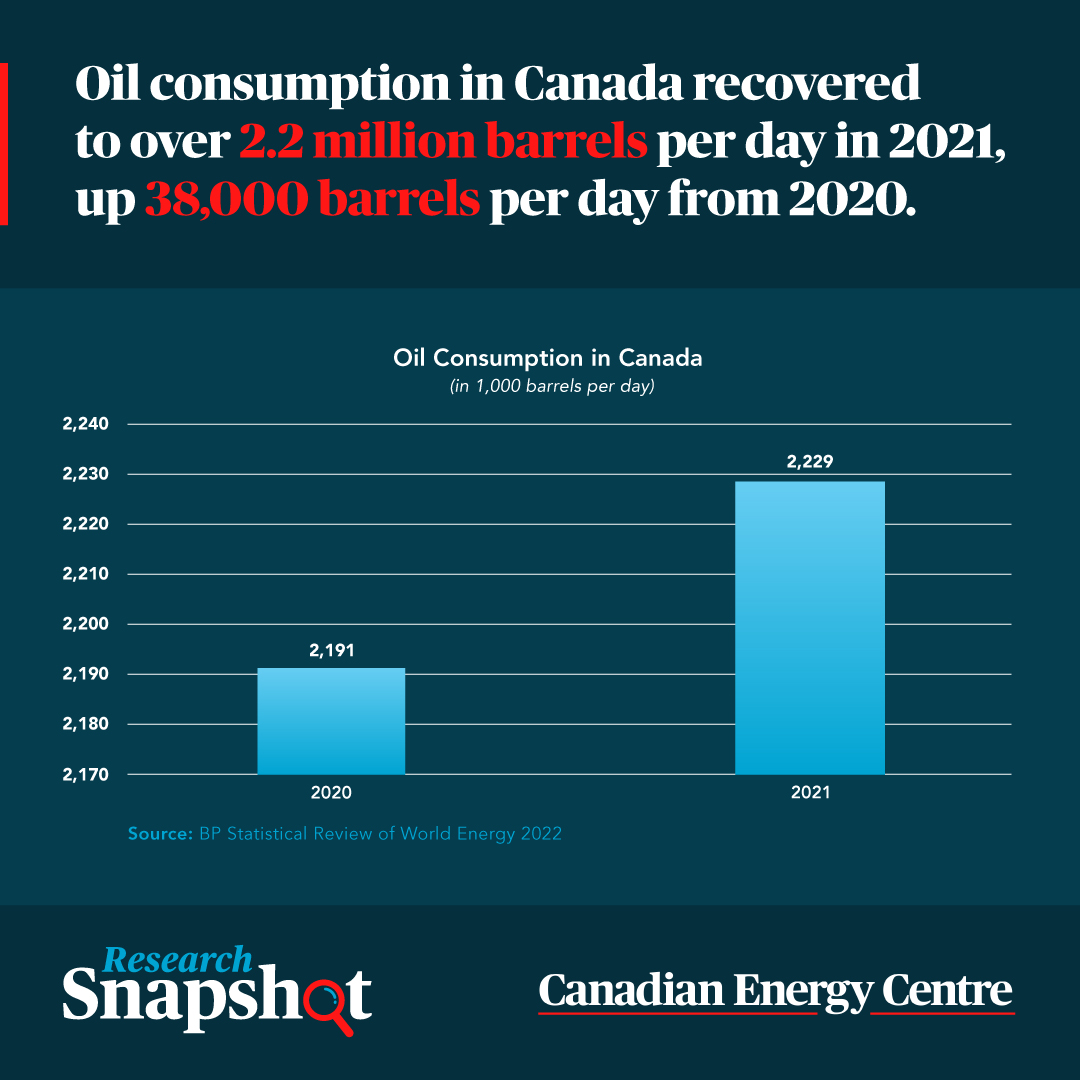
Canadians continue to use oil in their daily lives, using more than 2.2 million barrels per day in 2021. While other countries are facing shortages, Canada has the abundant supply and world-class industry to meet demand.
2
4
483
6 Mar 2023
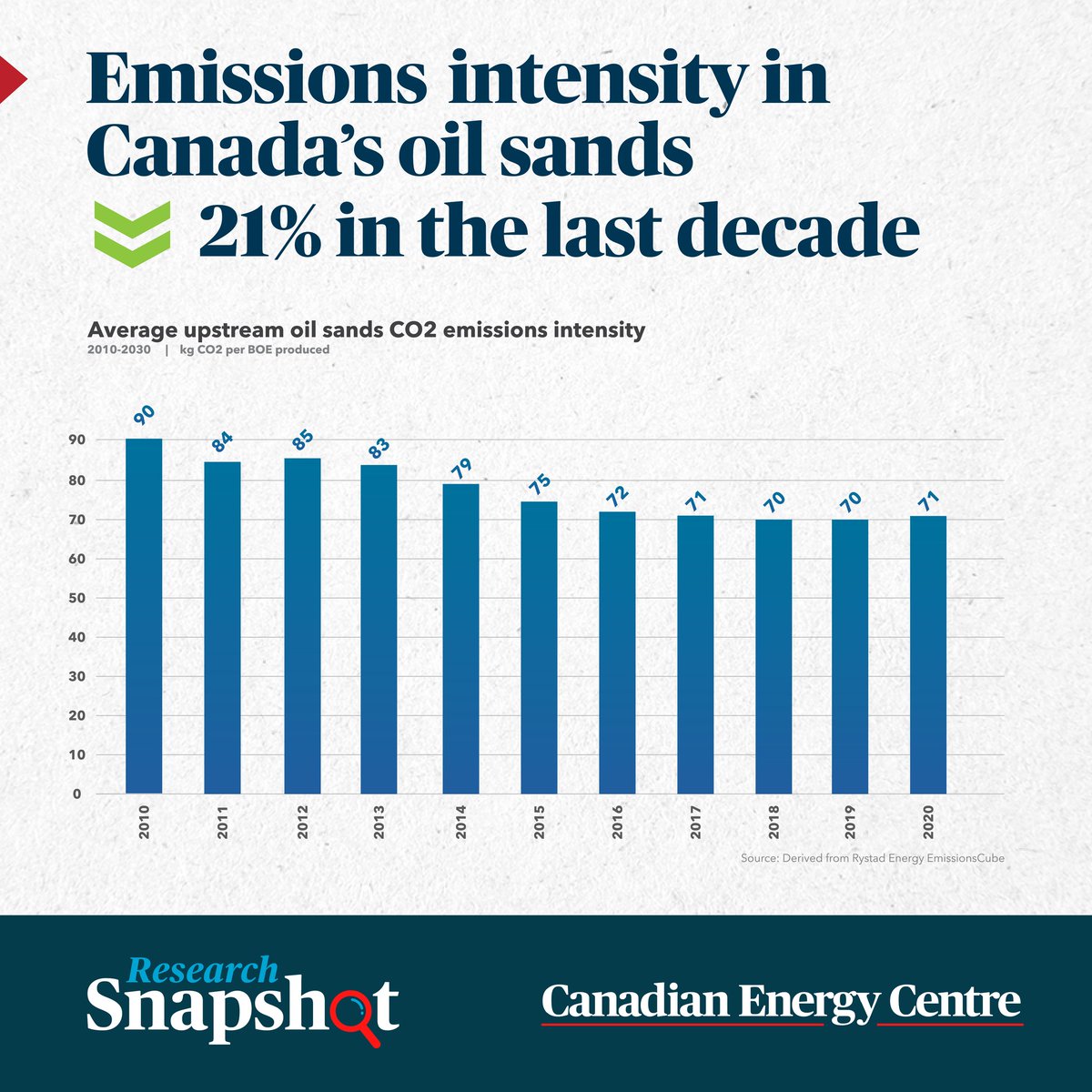
Canada's oil sands sector has made significant strides in reducing emissions intensity. That drop came even as production increased by 114%.
1
1
2
322
2 Mar 2023
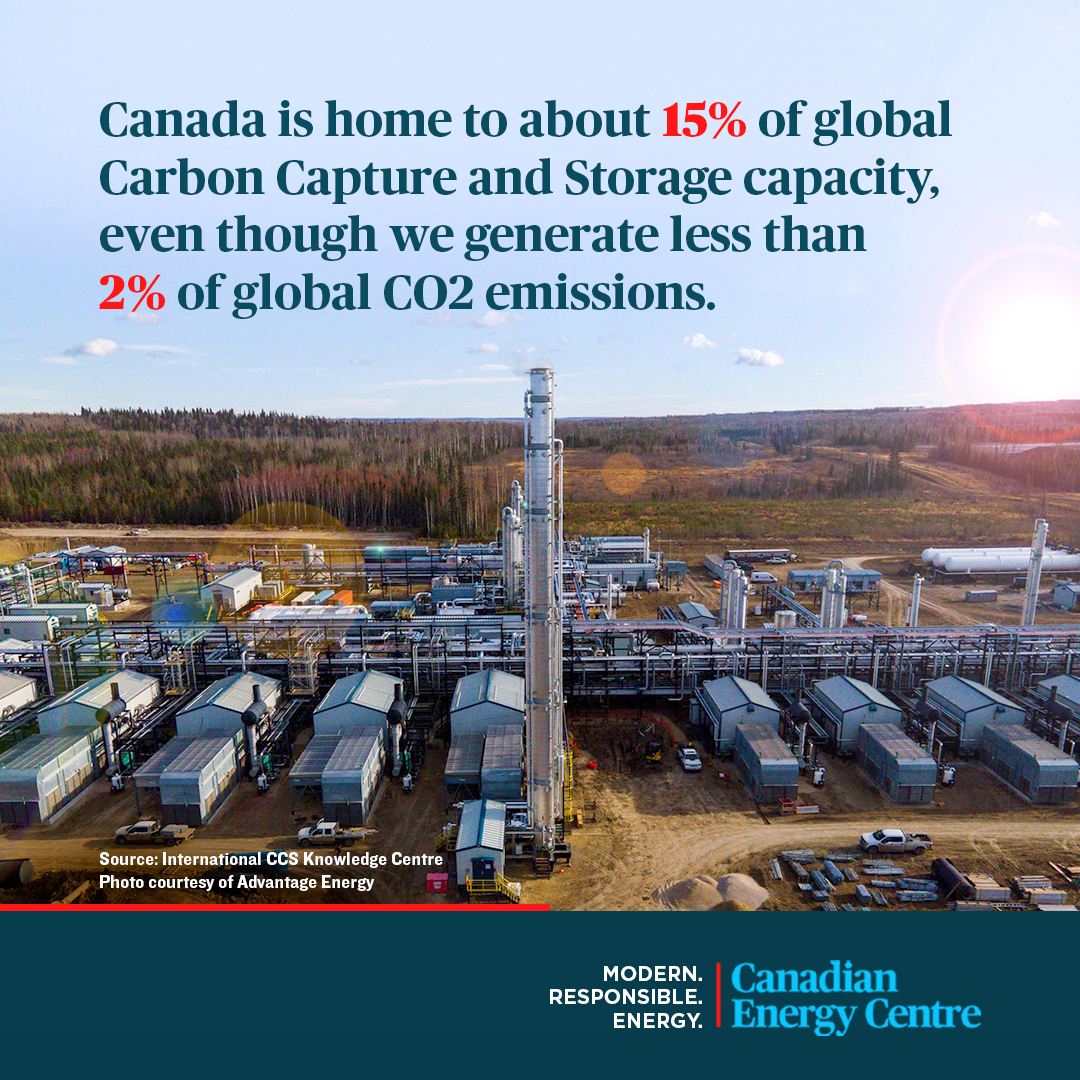
Carbon capture and storage is essential for reducing global emissions, and Canada is a leader when it comes to harnessing and expanding this vital technology.
2
4
3
308
27 Feb 2023
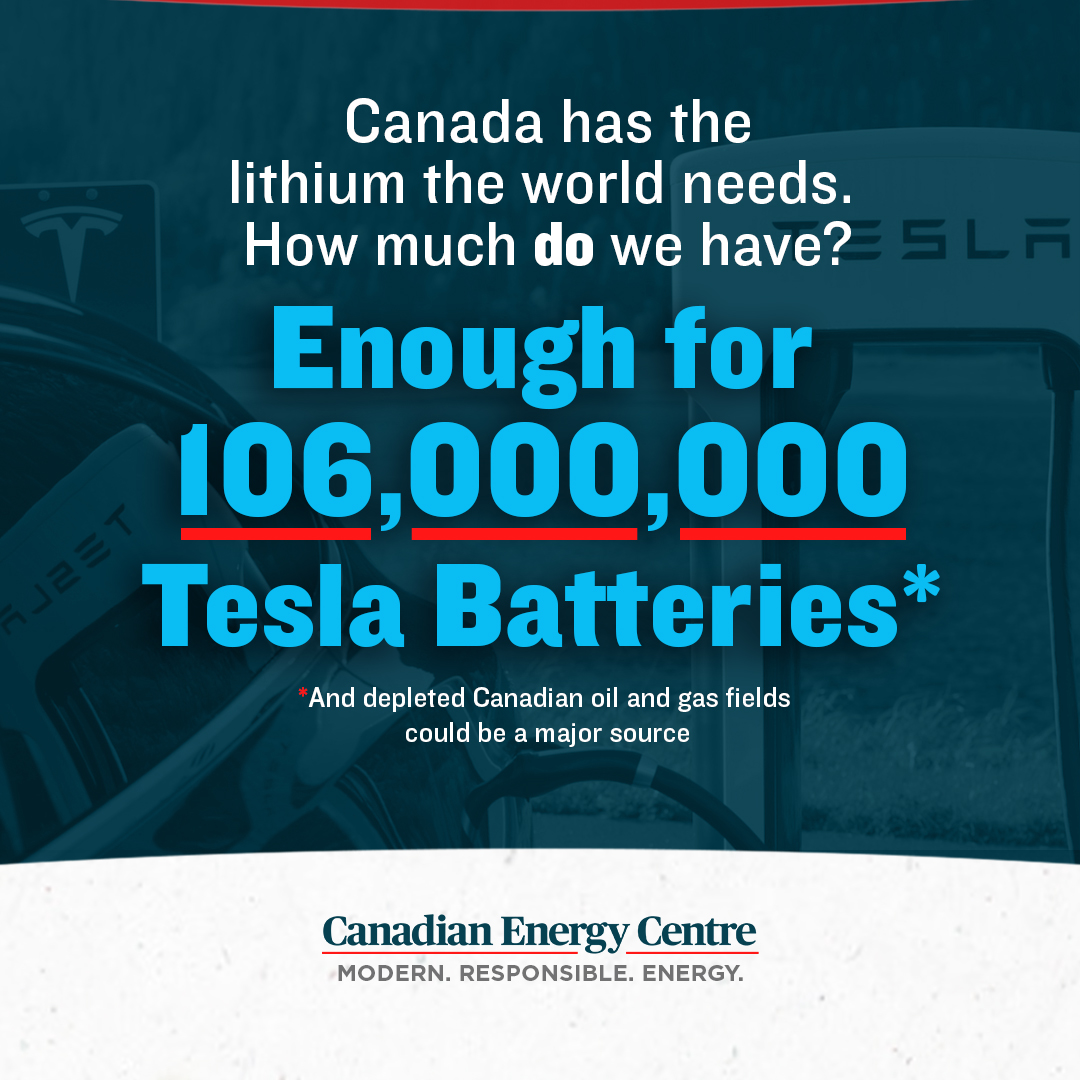
With demand for lithium expected to outstrip supply by 2025, Canada has the opportunity to tap into this coveted resource and become a supplier in global markets.
1
4
269
23 Feb 2023
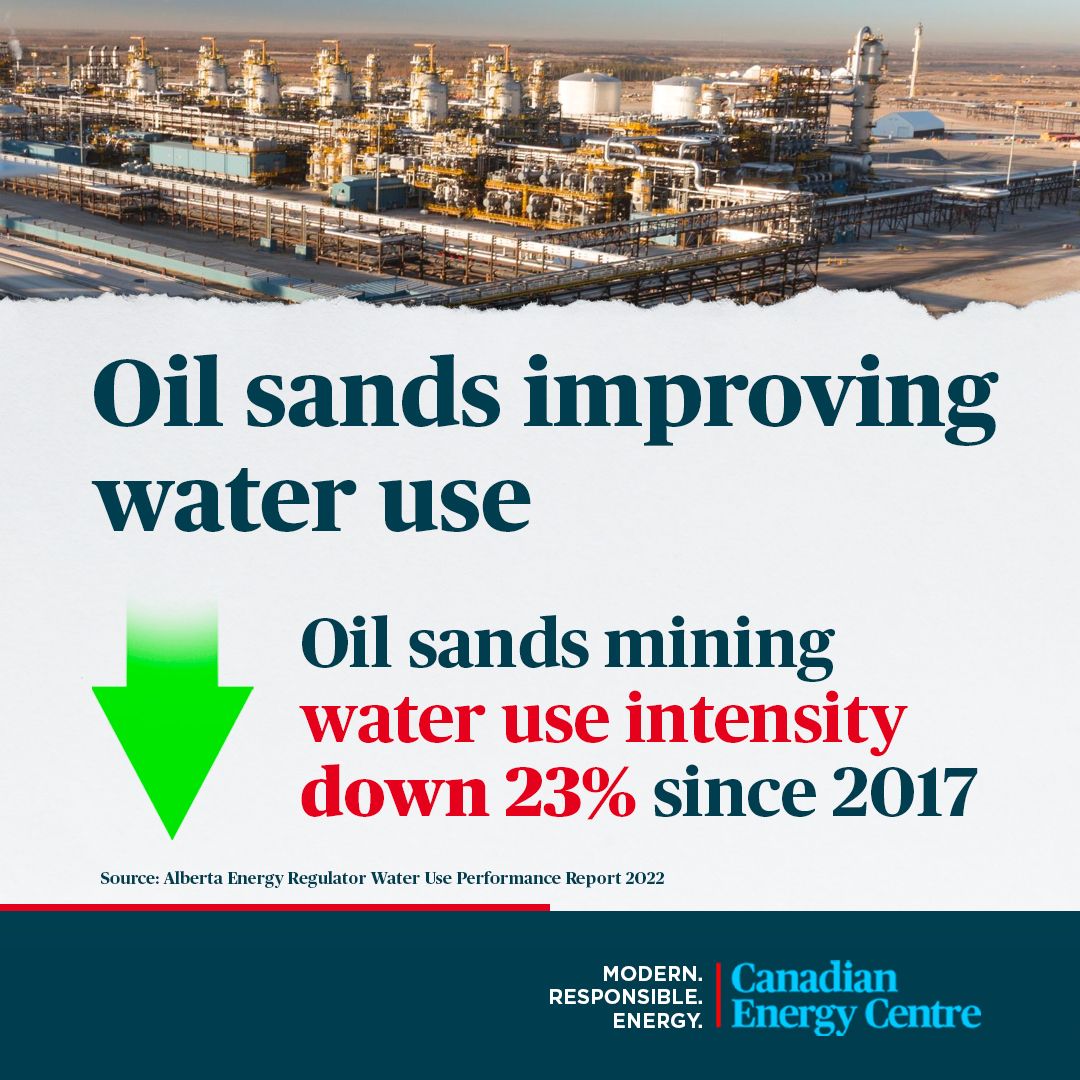
Canada's oil and gas sector is a global leader in environmental progress. To see why, look no further than the ongoing reduction of fresh water use intensity by the industry.
1
2
270
20 Feb 2023
Canada's oil sands industry has made reducing the amount of water used in production a key priority, relying more on recycled water among other innovations.
1
5
309
16 Feb 2023
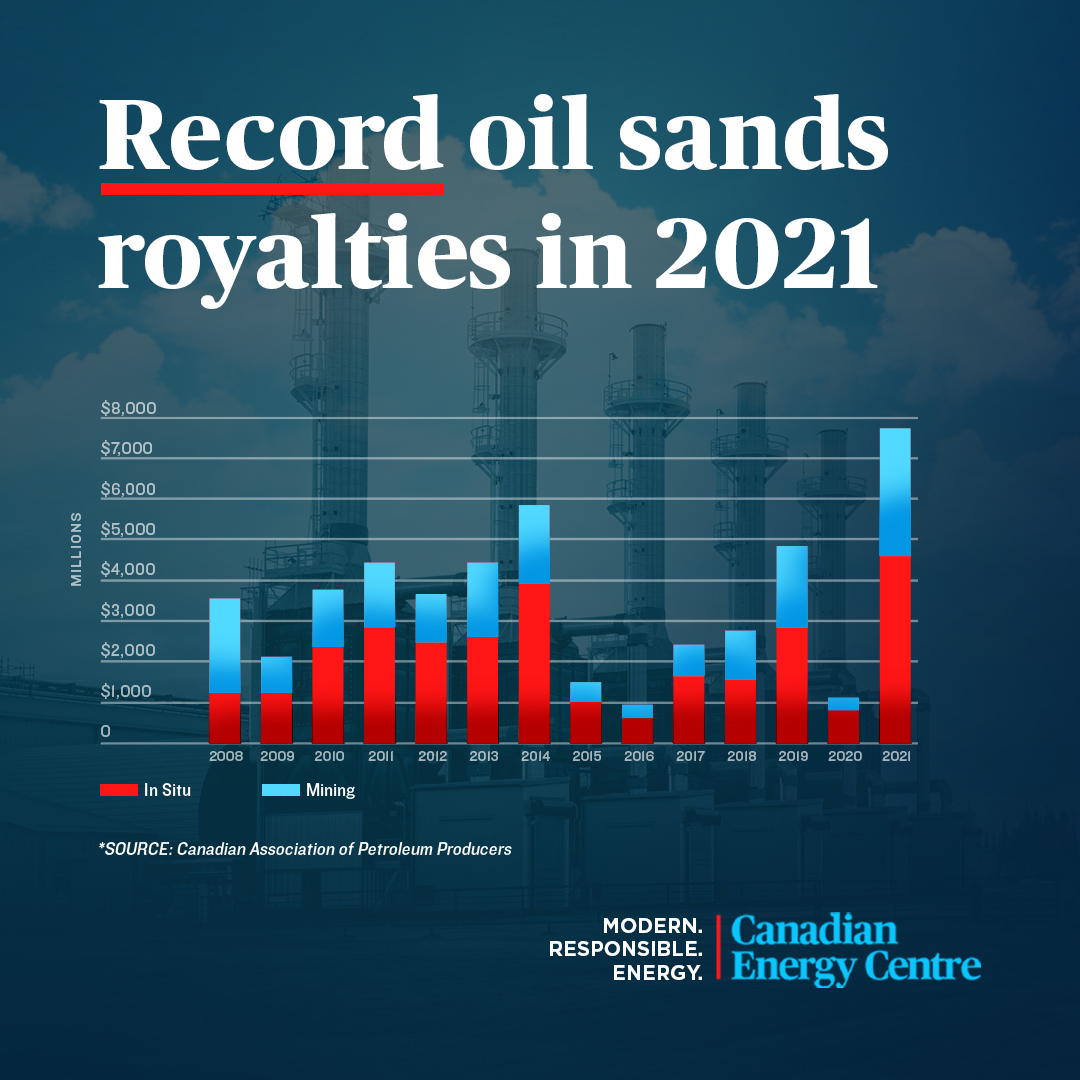
Canada's oil sands contributed record government royalties in 2021, money that can be used to pay for more doctors, teachers and inflation fighting measures.
5
310
13 Feb 2023
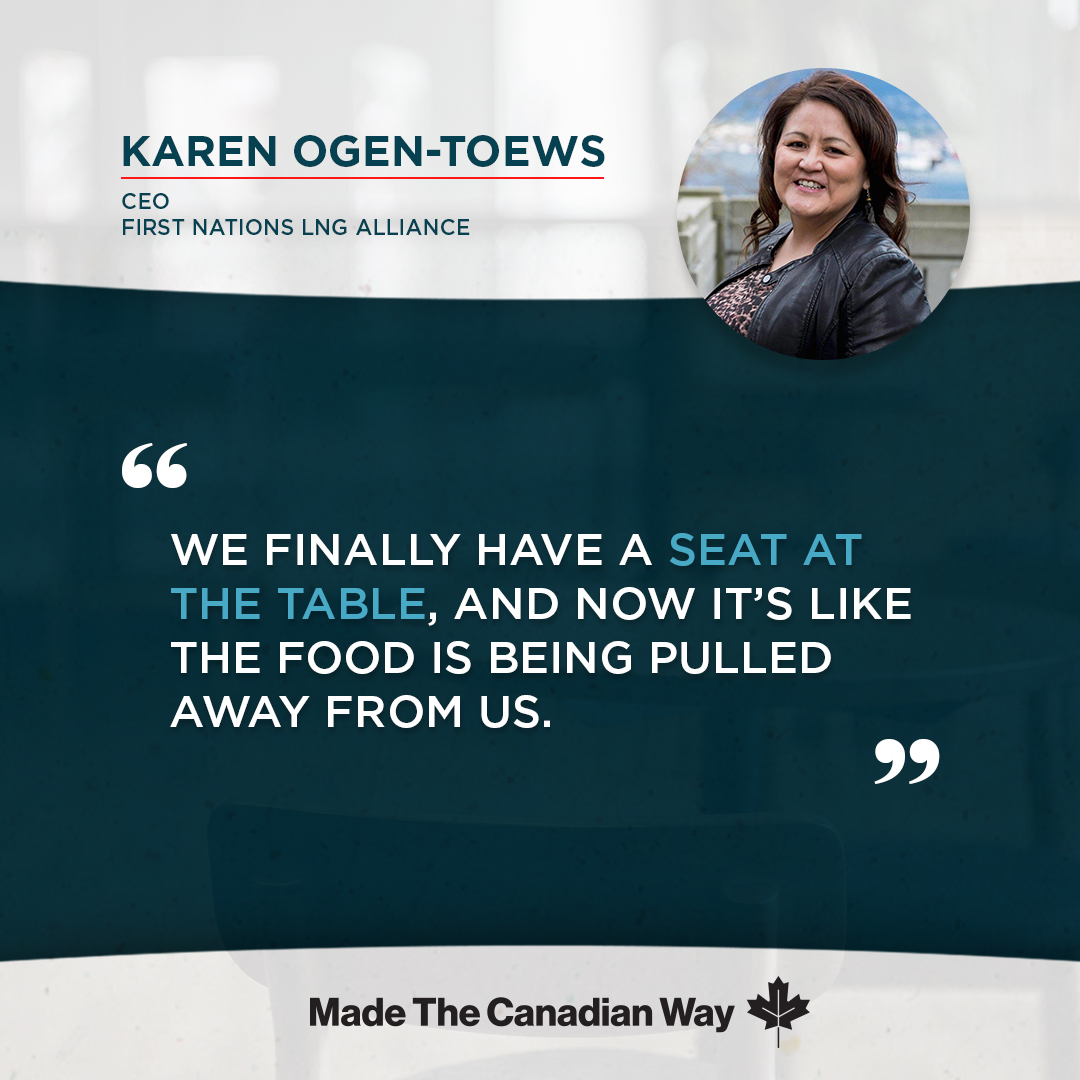
More and more, First Nations in Canada are becoming active participants in major oil and gas projects. Through ownership, Indigenous communities are building sustainable pathways to prosperity.
1
6
360
9 Feb 2023
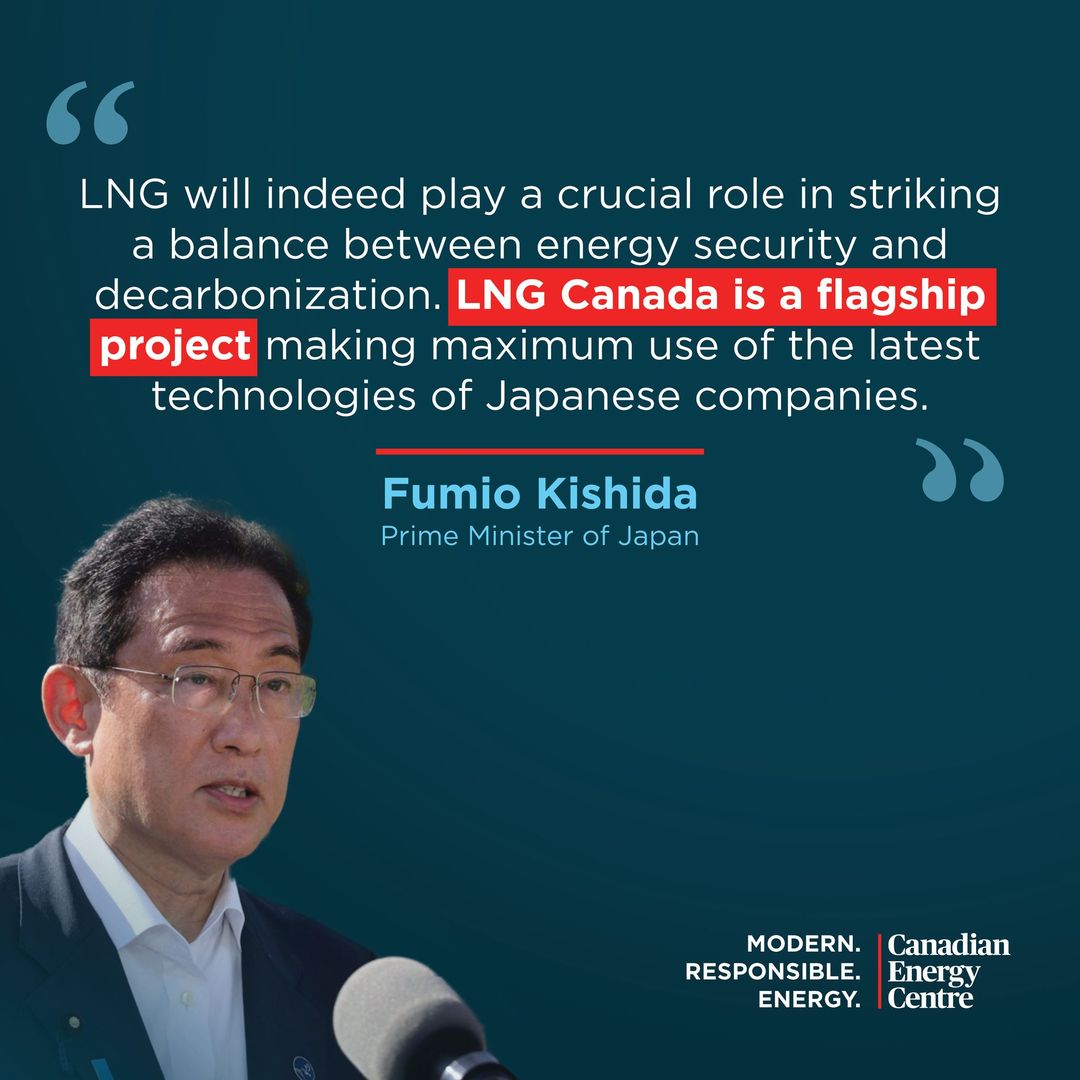
The world needs more liquefied natural gas and is looking for reliable partners like Canada. Japan's prime minister sees LNG Canada as a critical project for providing energy security and helping lower emissions.
2
239
6 Feb 2023
Indigenous ownership of energy projects is paving a path toward self-reliance for more and more Indigenous communities.
1
235
25 Nov 2022
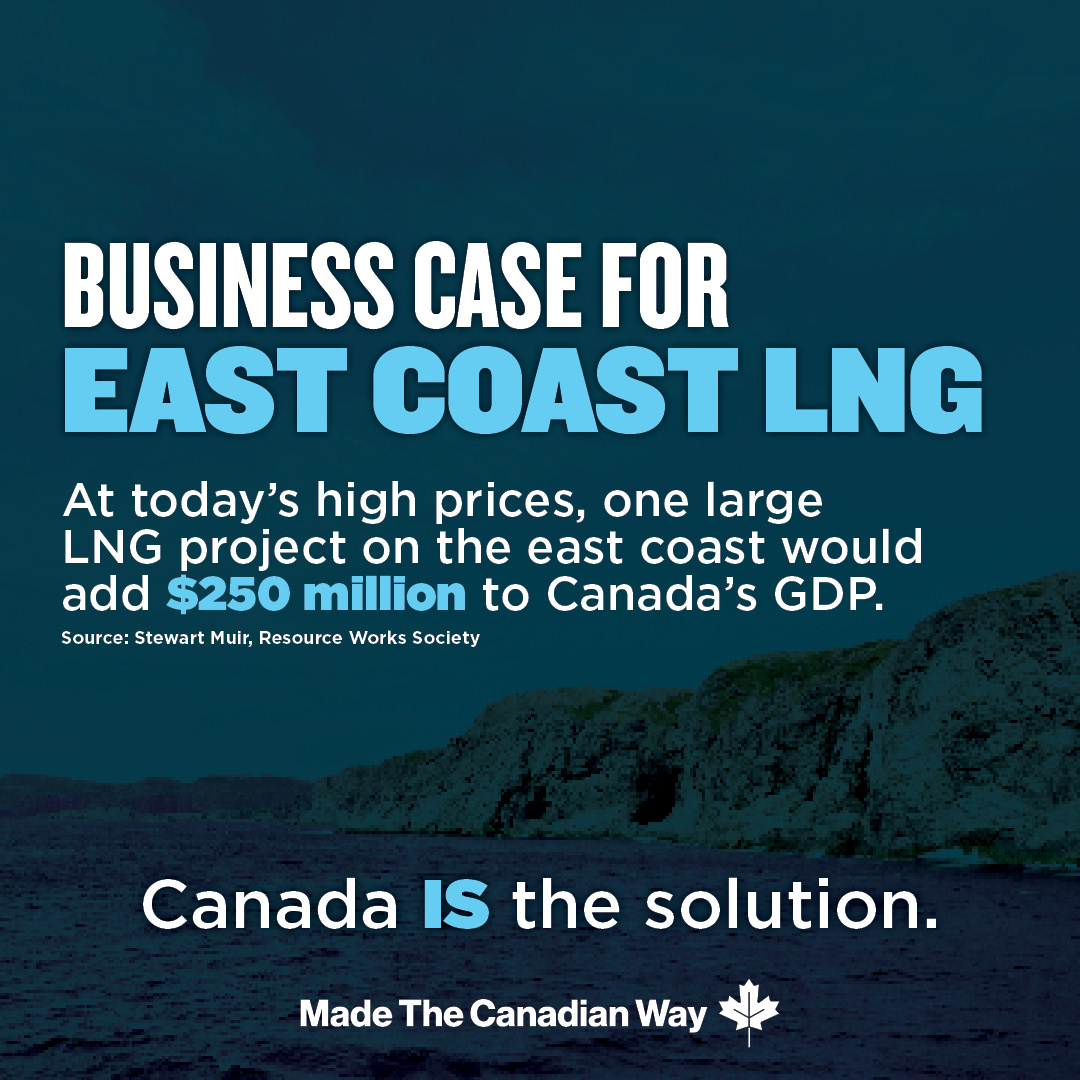
Rising gas prices in Europe underscore the strong case for accelerating LNG exports off Canada's east coast.
1
2
23 Nov 2022
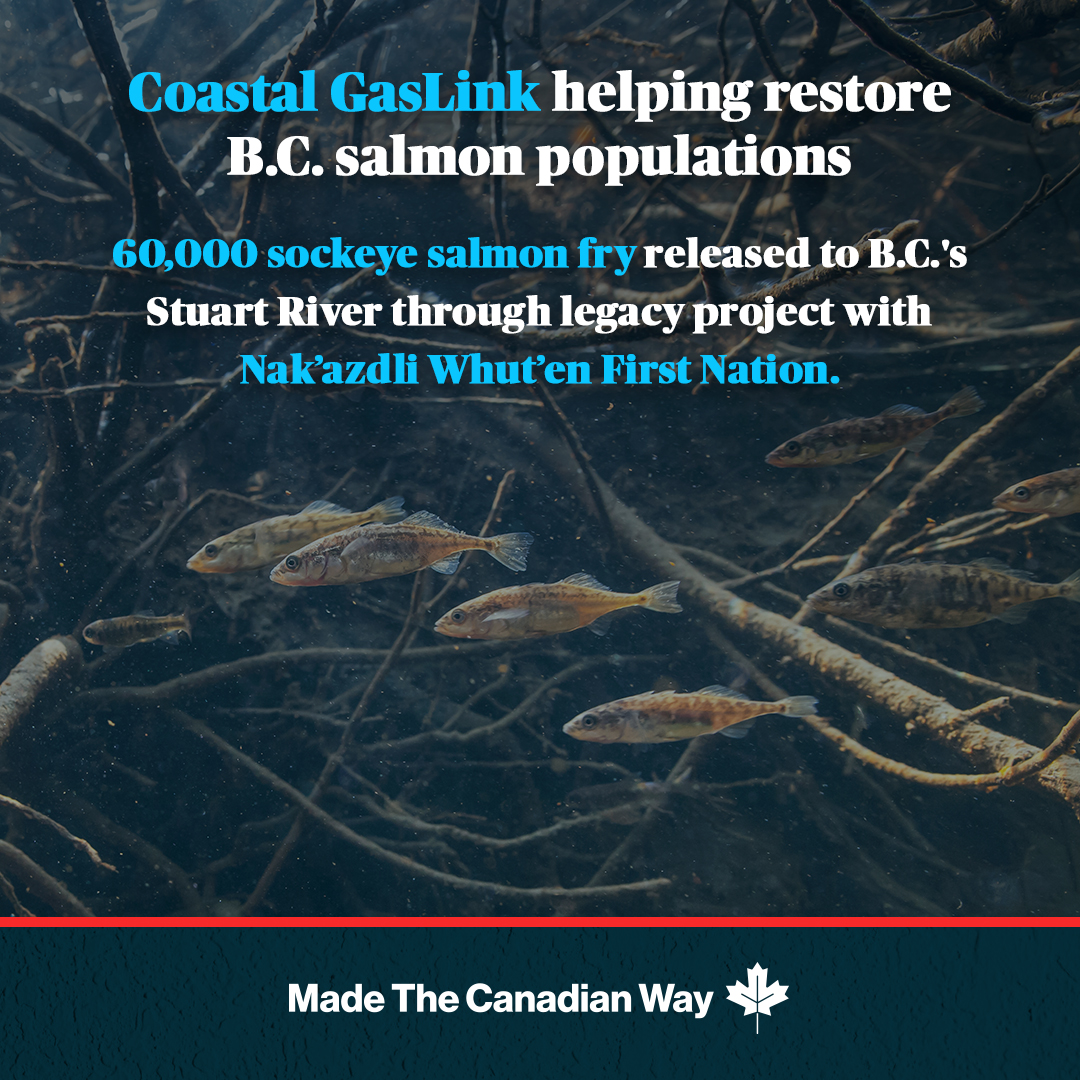
The Coastal GasLink pipeline project recently partnered with the Nak’azdli Whut’en on a legacy project to improve salmon numbers. “Now we have the ability to make an impact and feed the community again the way we used to."
1
21 Nov 2022
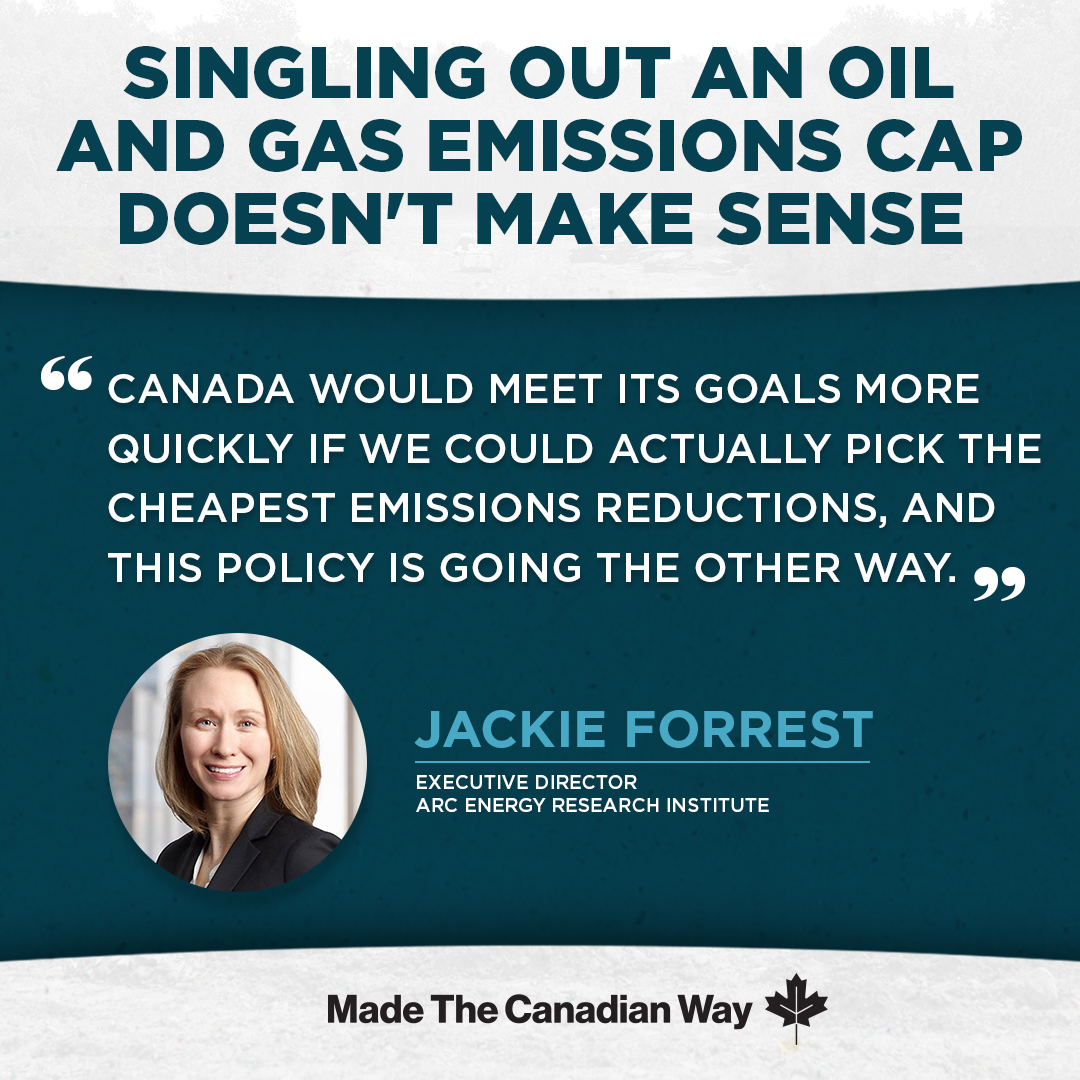
Tackling Canada's emissions can't just focus on the oil and gas sector and be successful. Particularly when so many facets of our economy rely on oil and gas.
18 Nov 2022
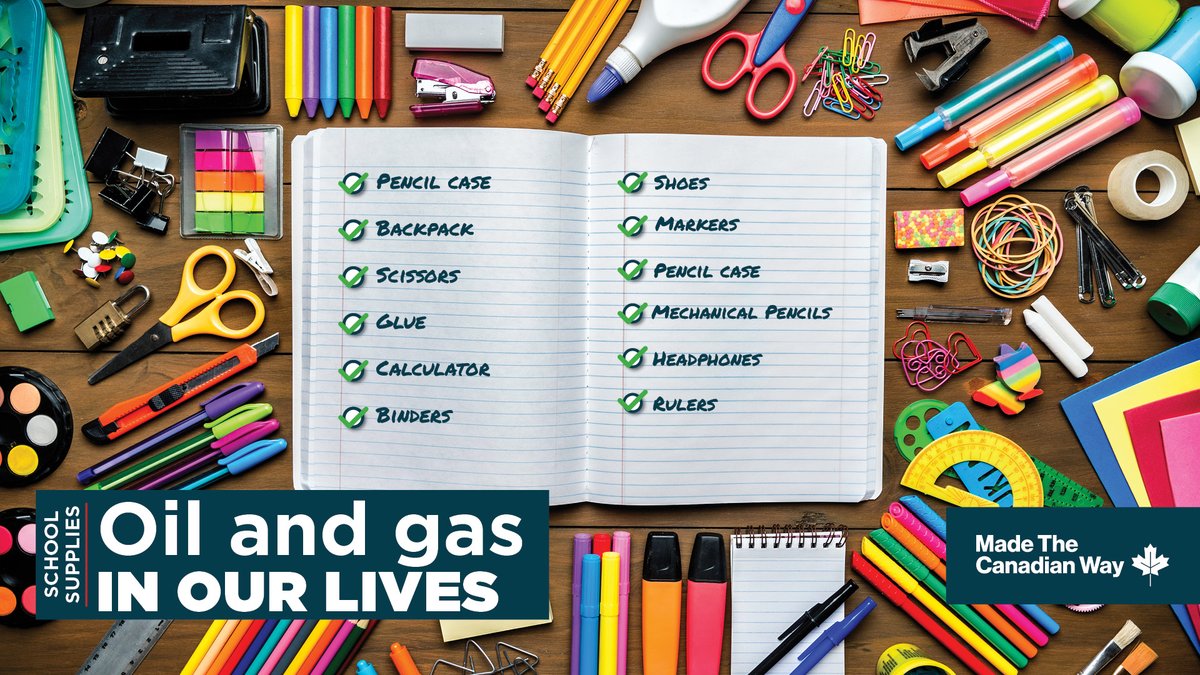
From the first class bell to homework at night, it's oil and gas products that help students and teachers make the grade.
16 Nov 2022
A recent groundswell in Indigenous ownership of energy projects is being threatened by a planned federal cap on emissions from oil and gas, says a First Nations-led industry group.

14 Nov 2022
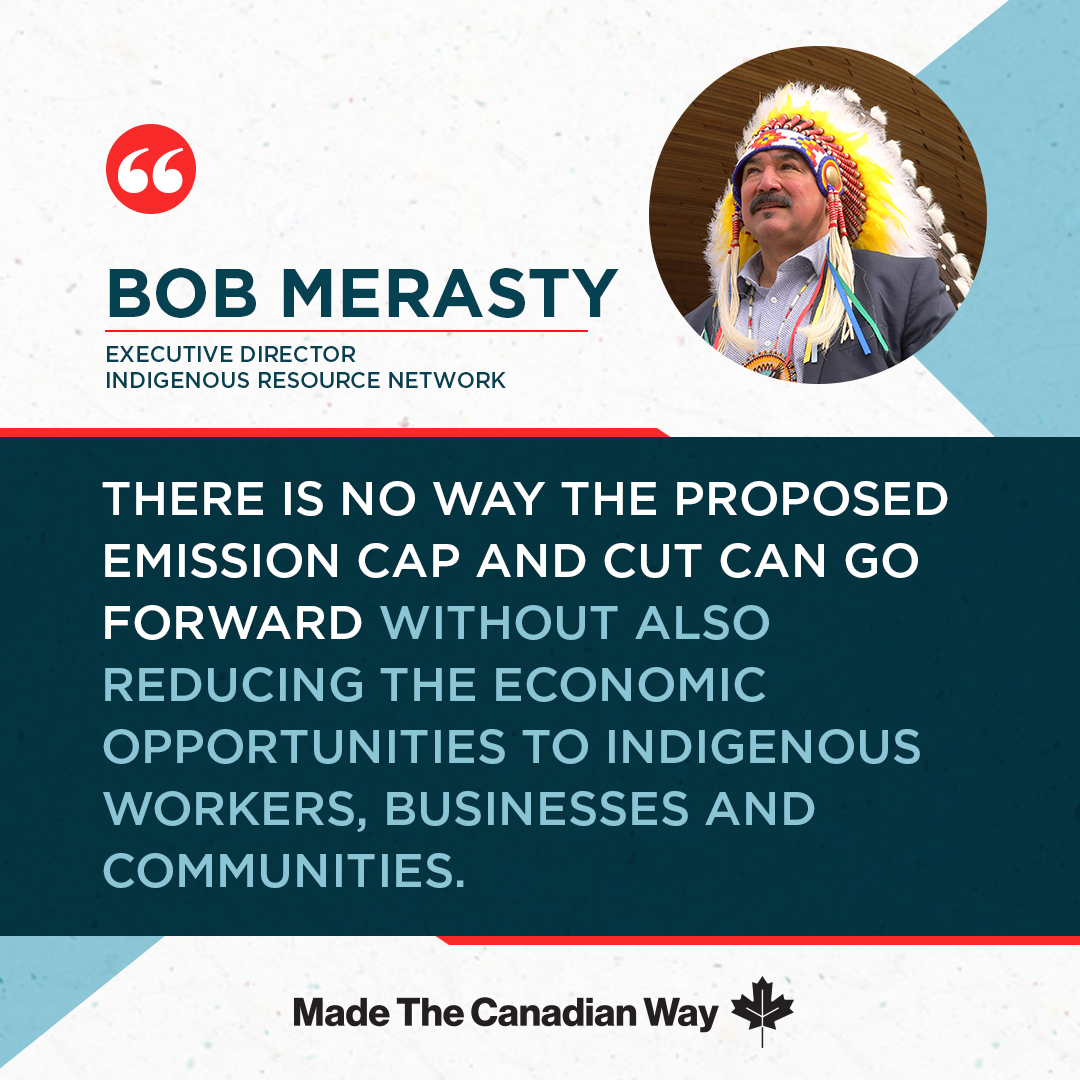
A federal oil and gas emissions cap would be a major setback for First Nations looking to carve out lasting prosperity through ownership of resource projects. That's why the Indigenous Resource Network is pushing back.
1
4
11 Nov 2022
A federal oil and gas emissions cap would be a major setback for First Nations looking to carve out lasting prosperity through ownership of resource projects. That's why the Indigenous Resource Network is pushing back.
1
9 Nov 2022
As First Nations are finding new avenues to achieve prosperity, a federal strategy to cap and reduce emissions from oil and gas could undo any progress. Learn why Indigenous leaders are pushing back.