
Joined April 2026
- Tweets 302
- Following 50
- Followers 332
- Likes 401
58 Photos and videos






Pinned Tweet

Jun 12
Sleepless nights for the enemies of the state!
Jai hind 🇮🇳
7
58
1,550
MajorSammerToor retweeted

🚨 MASSIVE: DRDO Cracks One of the World's Toughest Jet Engine Technologies, Develops Single Crystal Blade Tech
DRDO has successfully developed and perfected Single Crystal Turbine Blade technology, an achievement that places India among a small group of nations capable of producing one of the most sophisticated components used in modern jet engines.
At first glance, a turbine blade may appear to be just another metal component. In reality, it operates in one of the harshest environments known to engineering. Inside a fighter jet engine, these blades must withstand temperatures exceeding 1,500°C while spinning at tens of thousands of revolutions per minute. Even the smallest structural weakness can lead to catastrophic failure.
That is where single crystal technology becomes crucial.
Unlike conventional metal components, which are made up of multiple grains separated by microscopic boundaries, a single crystal blade is manufactured as one continuous crystal structure. The absence of grain boundaries eliminates weak points, allowing the blade to endure extreme heat, pressure, and mechanical stress that would destroy ordinary materials.
Developing such blades is considered one of the most difficult tasks in aerospace engineering. The manufacturing process requires extraordinary precision, from casting the crystal structure to machining cooling channels and achieving the final surface finish. A minor defect at any stage can render the entire component unusable.
Recognizing the maturity of the technology, DRDO has now invited private-sector companies to participate in its industrialization and large-scale production. The goal is not merely to manufacture the blades but also to obtain airworthiness certification, ensuring they meet the demanding standards required for operational aircraft engines.
The breakthrough carries major strategic implications. It strengthens India's ambitions to develop indigenous aero-engines, including future variants of the Kaveri engine, next-generation fighter jet engines, helicopter engines, and advanced gas turbines. Most importantly, it reduces India's dependence on foreign suppliers for one of the most sensitive technologies in the aerospace sector.
For years, aero-engines remained one of the few areas where India lagged behind the world's leading military powers. With the successful development of single crystal turbine blade technology, that gap has become significantly smaller.
What was once an exclusive capability of a handful of nations is now firmly within India's grasp.


15
253
993
77,602
Jaishankar Exposes Europe’s Double Standards on Russia Oil | CFTV | Sama... youtu.be/-8u1-VjQNUc?si=7WFs… via @YouTube
5
13
1,060
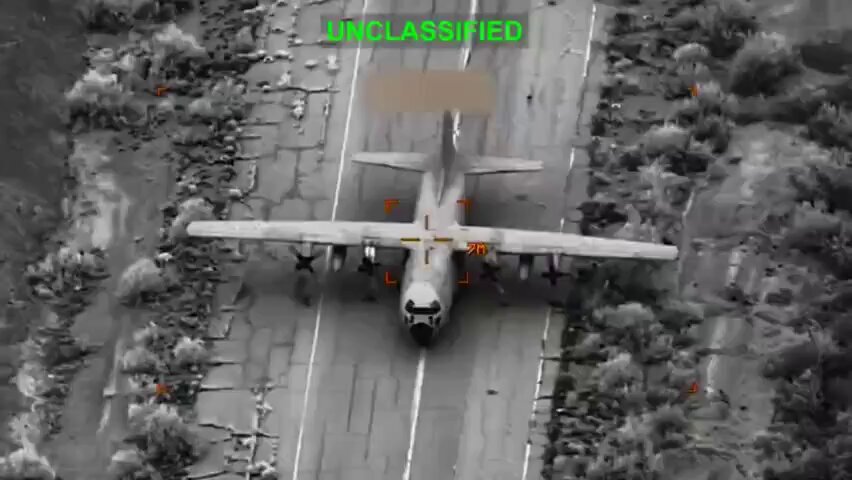
CENTCOM footage showing the destruction of Iranian Air Force assets at Kerman Airport during the recent conflict, including a C-130H transport aircraft, a P-3F Orion maritime patrol aircraft, and an Il-76 Ilyushin transport aircraft.
5
31
870
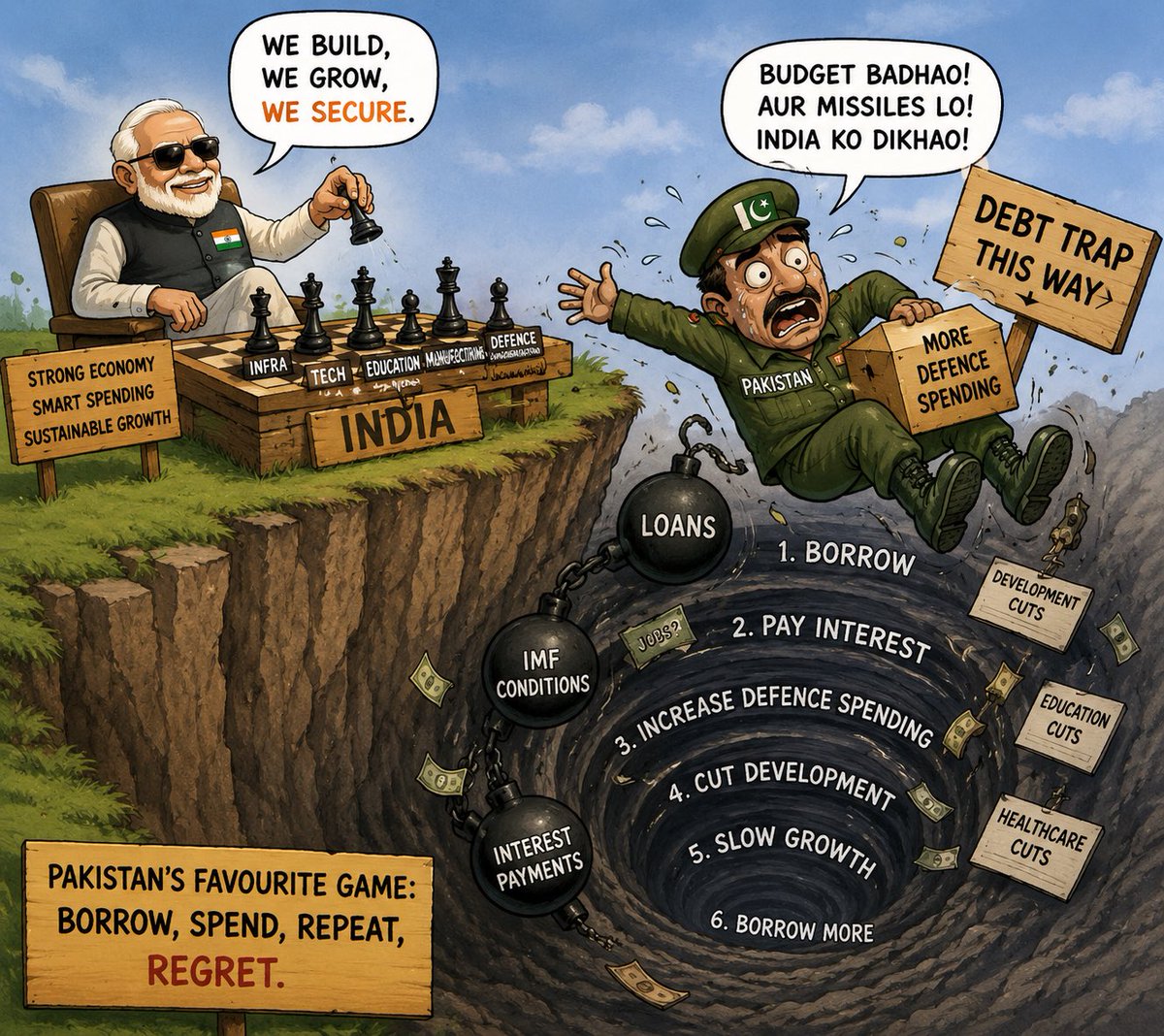
“Great powers build economies to fund militaries. Pakistan funds militaries by borrowing against its economy. One path creates strength. The other creates creditors.” 🇮🇳📉💰
Pakistan’s Defence Budget: A Strategic Necessity or a Fast Track to a Debt Trap?
Pakistan’s latest budget has revealed a familiar pattern: when faced with economic crisis, political instability, declining foreign investment, and mounting debt obligations, Rawalpindi’s answer is always the same — spend more on the military.
Islamabad has announced a defence budget of approximately PKR 3 trillion for FY 2026-27, representing an increase of nearly 18% over the previous year. At the same time, development spending has been squeezed, social sectors remain underfunded, and the country continues to operate under strict IMF oversight.
The problem is not merely that Pakistan is spending more on defence.
The real problem is where the money is coming from.
Pakistan is not funding military expansion from economic growth, technological innovation, rising exports, or expanding tax revenues. It is attempting to do so while carrying one of the heaviest debt burdens in its history. IMF conditions require Islamabad to maintain budget surpluses before debt servicing, leaving very little room for development, welfare, or infrastructure investment.
This creates a dangerous cycle:
Borrow money.
Service old debt.
Increase defence expenditure.
Cut development spending.
Generate slower economic growth.
Borrow even more money.
That is not a strategy. That is a debt trap.
India offers an interesting contrast.
India’s defence budget is substantially larger, but India possesses an economy several times larger than Pakistan’s. More importantly, New Delhi’s defence allocations are often constrained by procurement timelines, bureaucratic processes, and phased modernisation programmes. Budgetary allocations do not automatically translate into immediate expenditure.
Pakistan, on the other hand, faces a different reality. Defence spending increasingly competes directly against education, healthcare, infrastructure and economic development. Recent budget discussions have already highlighted reductions in development allocations as resources are redirected toward security priorities.
History provides a warning.
No nation has ever achieved long-term strategic superiority by sacrificing economic strength. Military power ultimately rests upon industrial power, technological capability, demographic productivity and fiscal sustainability.
The United States became a military superpower because it first became an economic superpower.
China built the PLA after becoming the factory of the world.
Even the Soviet Union demonstrated the consequences of allowing military expenditure to outpace economic reality.
Pakistan’s leadership appears determined to reverse that formula.
The country now spends vast sums servicing debt while simultaneously increasing military allocations. Interest payments and defence expenditures consume a dominant share of available fiscal resources, leaving shrinking space for future growth.
A nation can survive temporary military weakness.
It cannot survive permanent economic weakness.
The real battlefield of the 21st century is not only the Line of Control or the Arabian Sea. It is the balance sheet.
And balance sheets are notoriously indifferent to military slogans.
If current trends continue, Pakistan may discover that the most dangerous enemy facing its national security is not across the border.
It is compound interest!
5
17
490
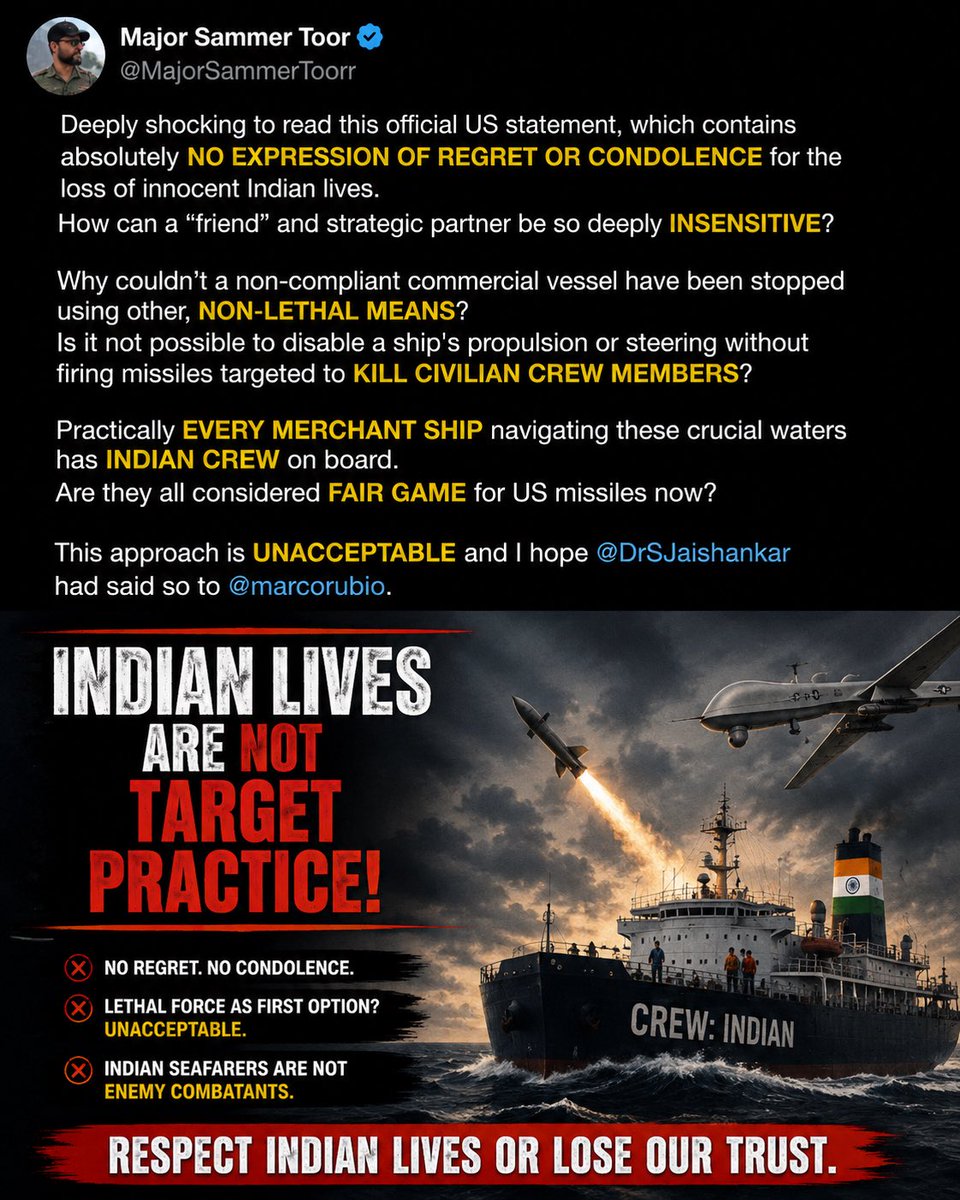
If Indian Crew is expendable then am sure the American Crew is the same too!
No apology.
No regret.
No condolence.
Three Indians are dead and Washington’s statement reads as if their lives were irrelevant.
If a commercial vessel was non-compliant, why was lethal force the answer?
Every merchant sailor in these waters deserves to know: Are Indian crews now considered acceptable collateral damage?
Strategic partnership demands respect.
Indian lives are not target practice.
#IndianLivesMatter
7
52
106
1,790
The Commanding officer of USS Abraham Lincoln is Captain Daniel J. Keeler. Other crew includes:
- Seaman Glory Anderson
- Lt. Cmdr. Tyler Barker
- Chief Petty Officer Cody Boyd
- Seaman Angel Campbell
- Petty Officer 3rd Class Mario Castro Gamez
- Petty Officer 2nd Class Nathaly Cruz
- Seaman Malina Davy
- Petty Officer 3rd Class Sonny Escalante
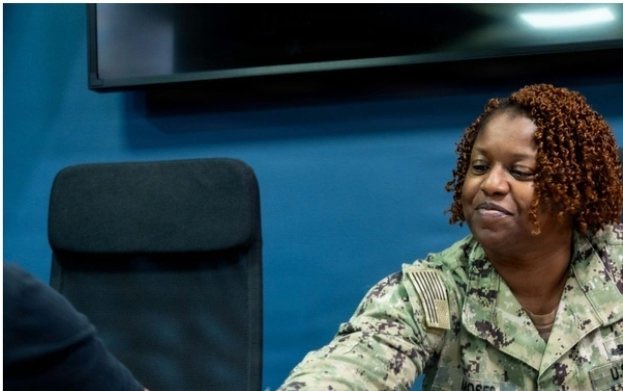
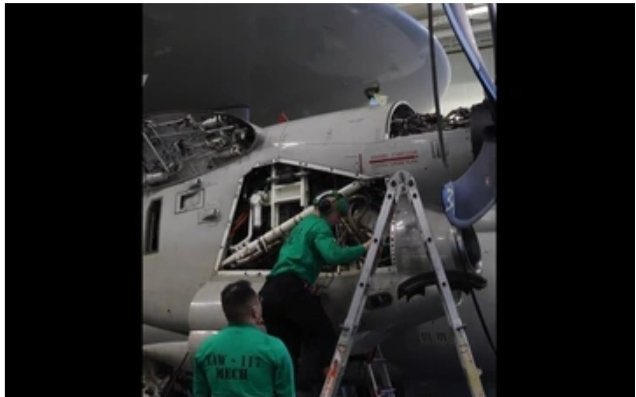
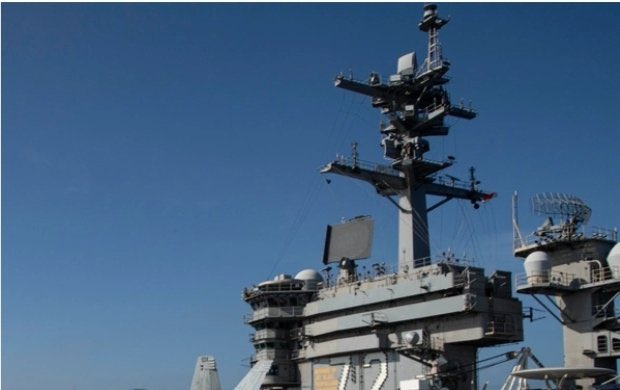
2
8
28
1,201
⚠️
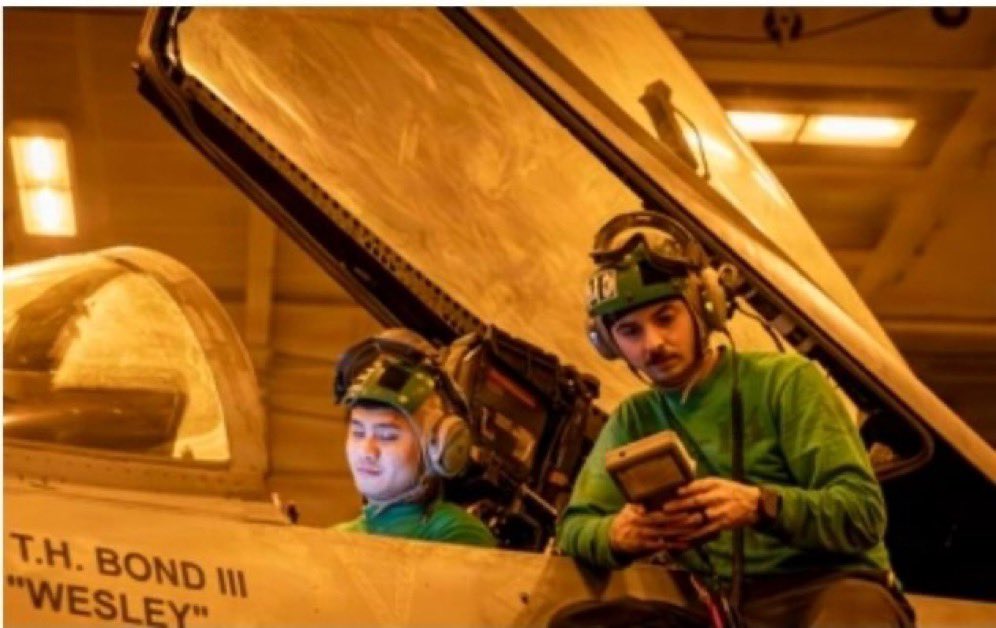
MS Settebello which was attacked by US where 3 Indians died was locked by an AGM-114 hellfire missile which was fired by a F/A-18 Super hornet that took off from USS Abraham Lincoln (CVN-72).
The pilot who fired the missile was Lt. T.H. Bond call sign "Wesley".
⚠️
MS Settebello which was attacked by US where 3 Indians died was locked by an AGM-114 hellfire missile which was fired by a F/A-18 Super hornet that took off from USS Abraham Lincoln (CVN-72).
The pilot who fired the missile was Lt. T.H. Bond call sign "Wesley".
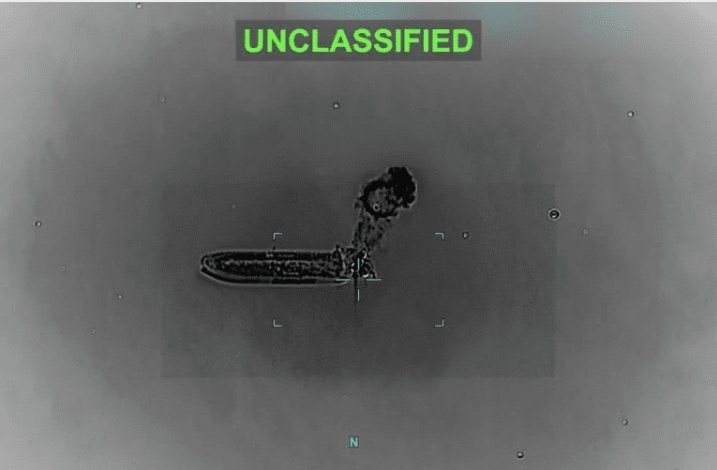
11
57
137
4,952
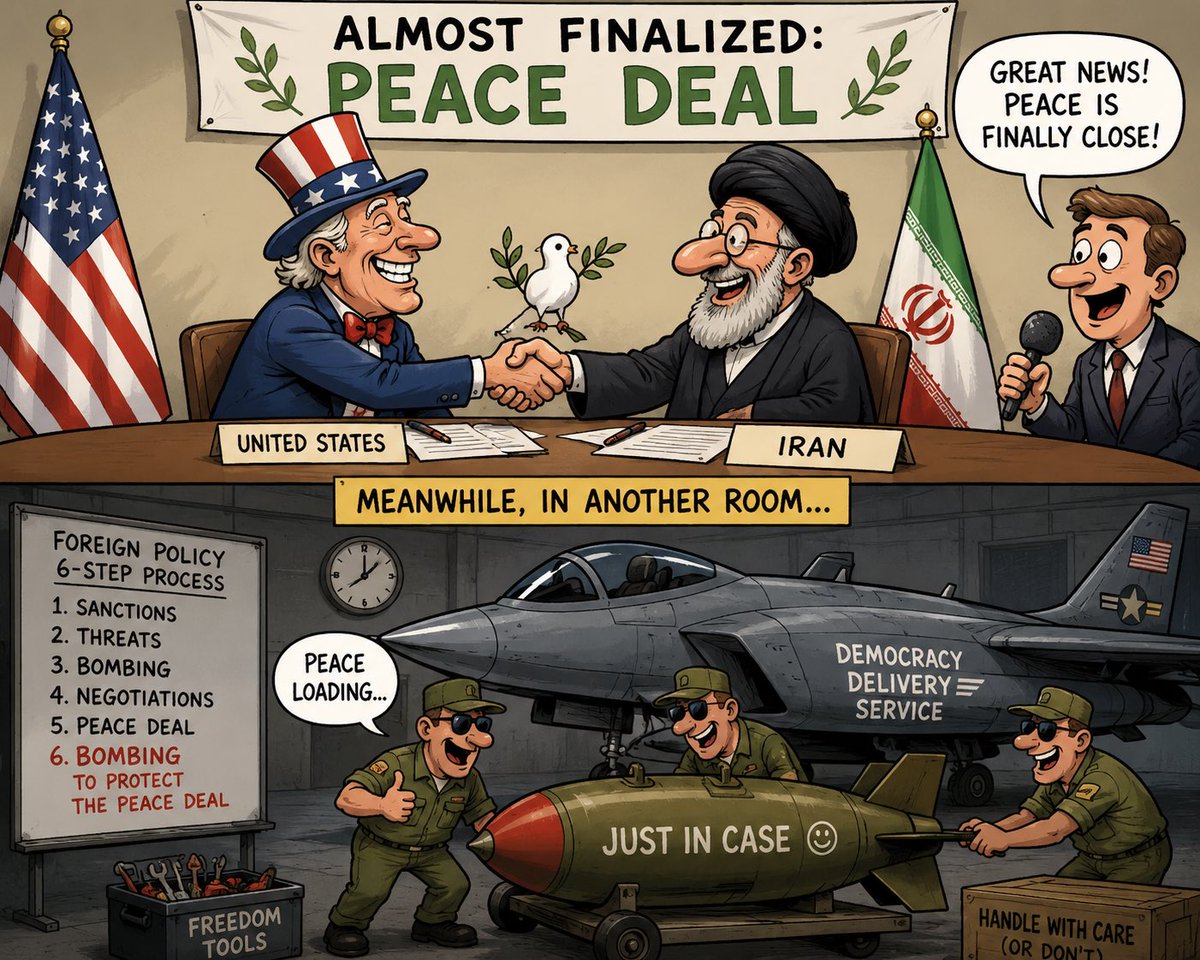
Breaking News:
The US and Iran are reportedly very close to a peace deal. Negotiators say the agreement has “never been closer,” although both sides are still arguing over the details.
Which, in geopolitical terms, usually means:
“Congratulations! We are only one misunderstanding, two tweets, and three airstrikes away from lasting peace.” 😄
Washington’s peace process often follows a simple cycle:
Sanctions
Threats
Bombing
Negotiations
Peace Deal
Bombing to protect the Peace Deal
So if a peace agreement is finally signed, Iran should remain more alert.
History suggests that the moment everyone declares “peace has arrived,” someone in Washington may suddenly discover an urgent need to deliver democracy at Mach 2.
#Iran #USA #Geopolitics #MiddleEast #PeaceTalks #MajorSamarToor 😄
5
14
861
Listen to the history of the Pakistan Army from a witness who has personally seen the situation.
See how cruel and ignorant this Pakistan Army is.
3
5
156
Pakistan Army Losing Control of POJK, Baloch & TTP Join Protests, Asim M... youtube.com/live/GuKajpiGyQY… via @YouTube
2
7
164
Onboard footage from Ukrainian mid-range strike drones as they hunt down rear-area Russian military logistics around Donetsk city.
Some autonomous targeting features are visible.
1
1
11
646
Warfare has changed!
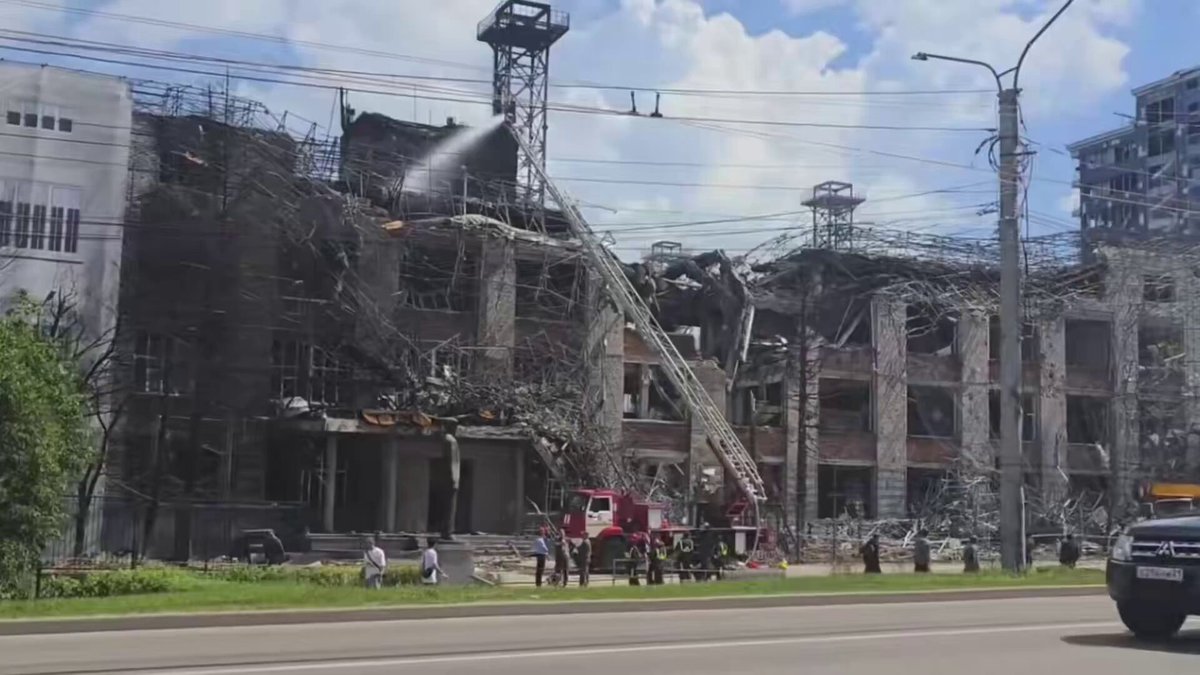
An even closer look at the aftermath of the FP-5 Flamingo strike on the VNIIR-Progress facility in Cheboksary.
The footage also offers a detailed view of the massive anti-drone protective structure surrounding the building.
1
2
20
738
MajorSammerToor retweeted

U.S. official found dead in Myanmar hotel, says US State Department.
Unknown men are clearing CIA operatives in Myanmar and Bangladesh, they are in serious trouble working and creating controlled chaos in India's neighbourhood.
16
142
650
12,821
MajorSammerToor retweeted
IT'S A CHECKMATE!
Elevating the game — the next layer of air defence has arrived ⚡⚡⚡
Meet CLAD™ — engineered to be swarm-capable, multi-domain and mission-scalable.
Adaptive by design. Ready for modern threats.
The future of layered air defence starts here!
Stay tuned 👀
hashtag#AatmanirbharBharat hashtag#DefenceInnovation hashtag#FutureWarfare hashtag#NextGenTechnology hashtag#LayeredDefense

Sleepless nights for the enemies of the state!
Jai hind 🇮🇳
4
47
138
7,826
LIVE at 3:15 pm Pakistan Army Losing Control of POJK, Baloch & TTP Join Protests, Asim Munir Stuck I Maj Samar Toor youtube.com/watch?v=GuKajpiG…
1
3
18
880
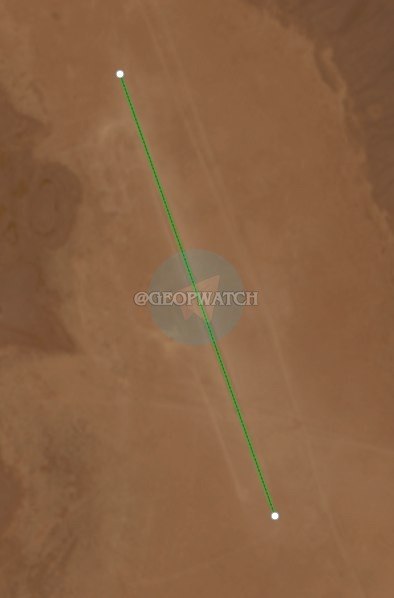
According to satellite imagery, there was makeshift runway built in western Iraq similar to the one made in Isfahan, this was the runway for the Israeli military position as it was directly next to it.
➡️ The runway spans around 1.9km in length and is at the bottom of a dried up lake approximately 44km south of Al-Nukhib. Satellite imagery shows no signs of a runway built prior to February 23rd. It is unknown the exact date it was set up.
📍 Coordinates:
31°40'11.7"N 42°26'59.2"E

5
16
520
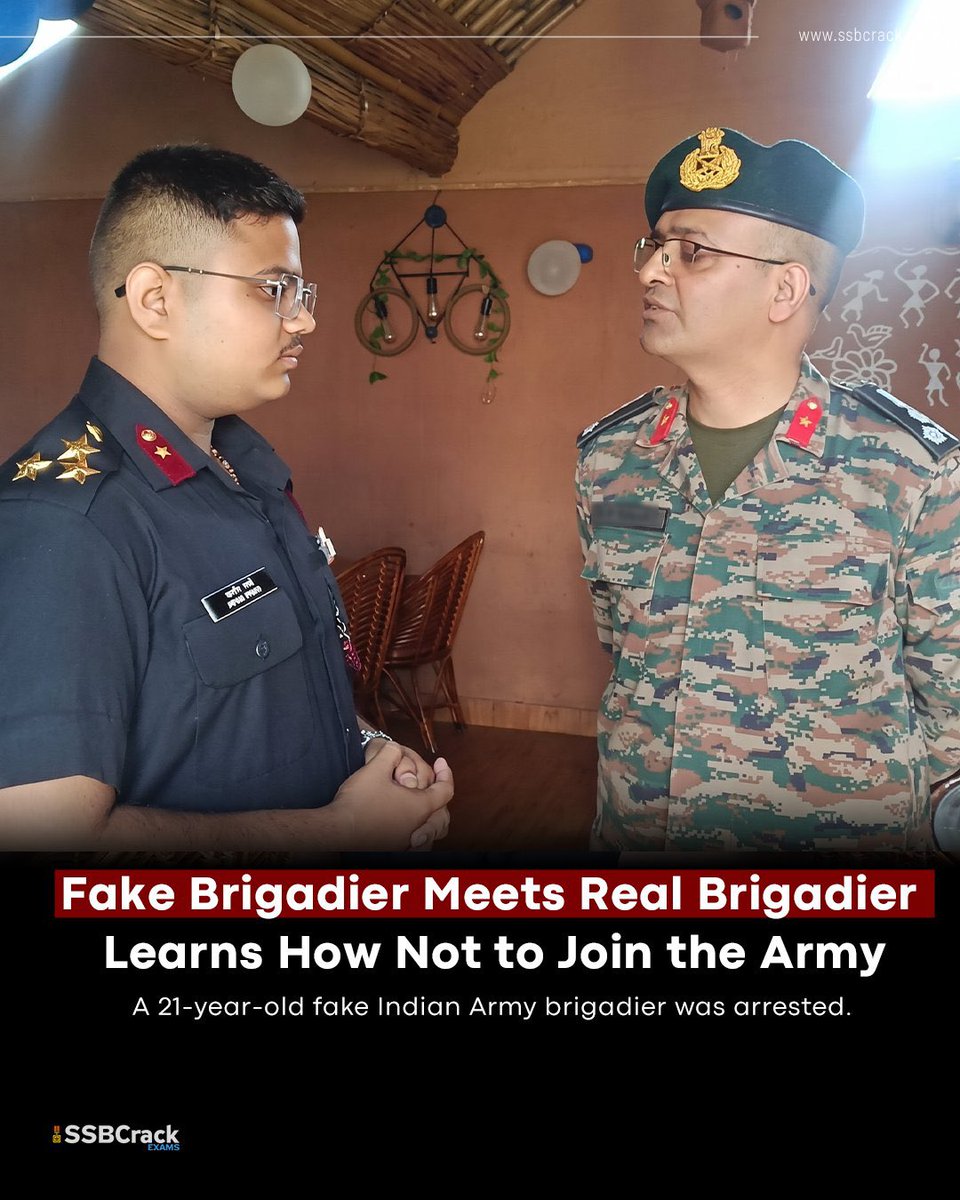
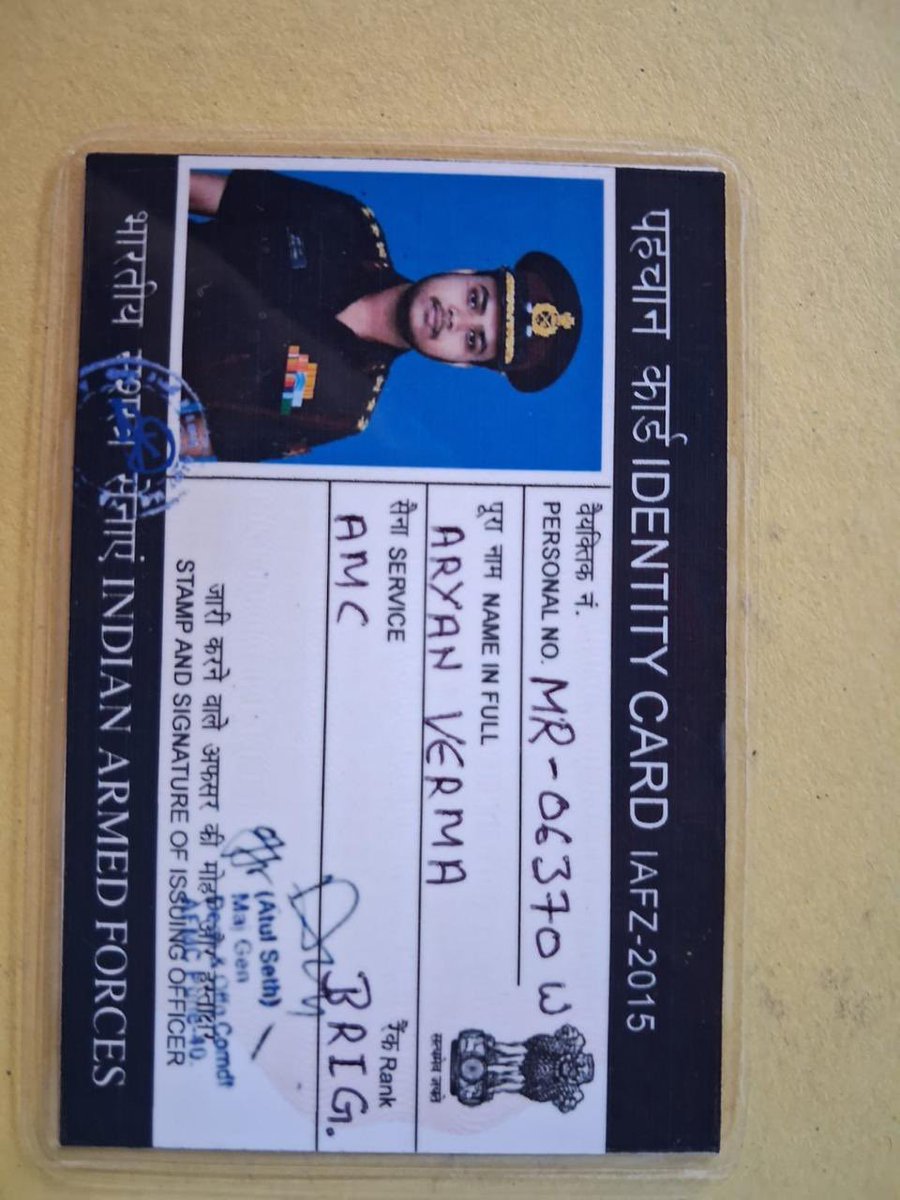
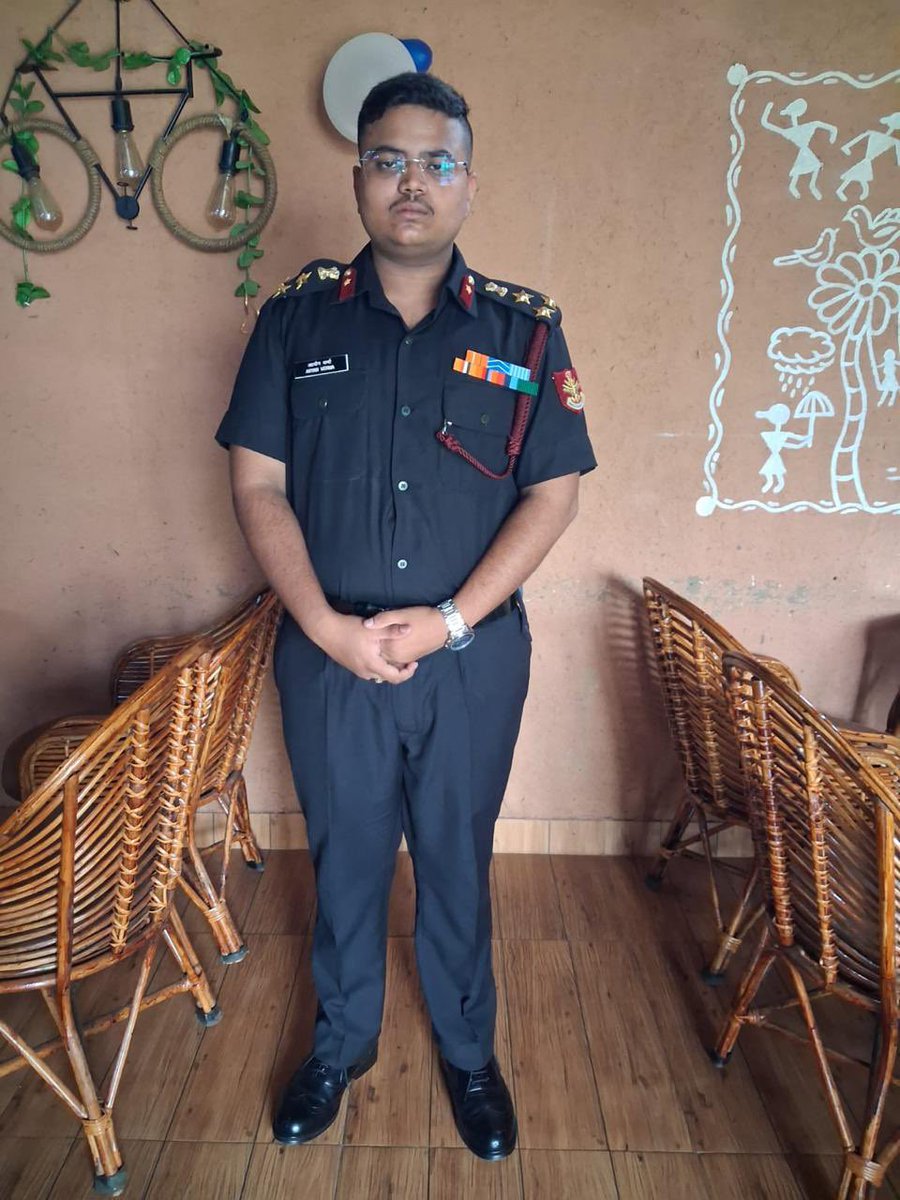
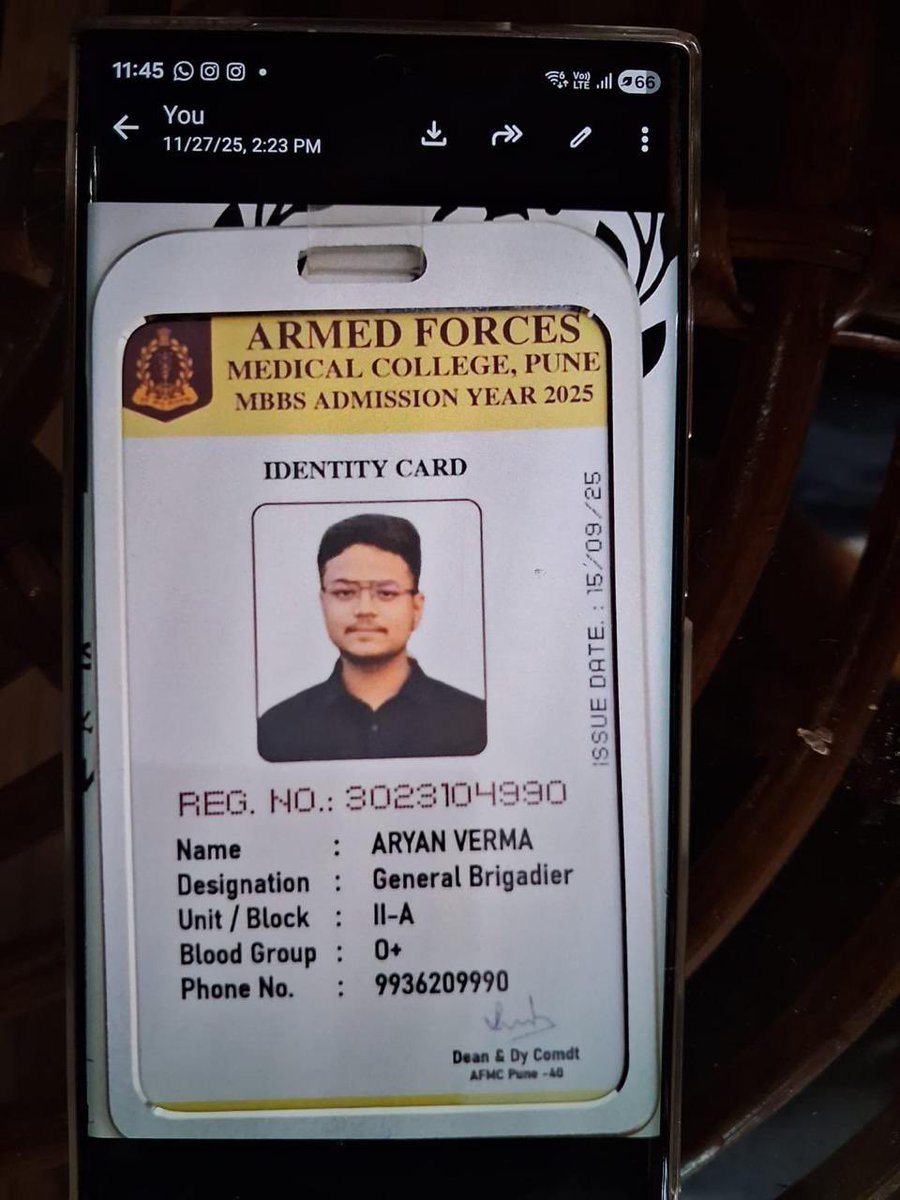
When the real one meets the fake one!
Jun 12


1
8
42
1,642
A gorilla tries his best to reconcile with his angry wife.
3
7
33
1,198
What began as an adventure in the scenic mountains of Himachal Pradesh turned into a life-threatening ordeal for renowned Hollywood cinematographer George Richmond.
On June 8, while paragliding in Kullu district, Richmond suffered a devastating accident that left him with serious neck and cervical spine injuries.
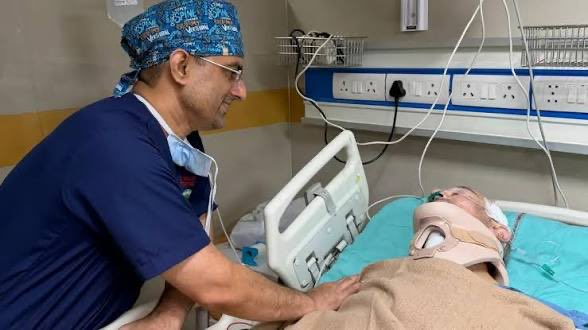
The situation was critical, and a swift rescue operation was launched involving local authorities and the Indian Air Force. After being safely evacuated, Richmond was rushed for advanced medical treatment to PGI in Chandigarh.
There, a multidisciplinary team of specialists worked against time to manage his severe spinal injuries.
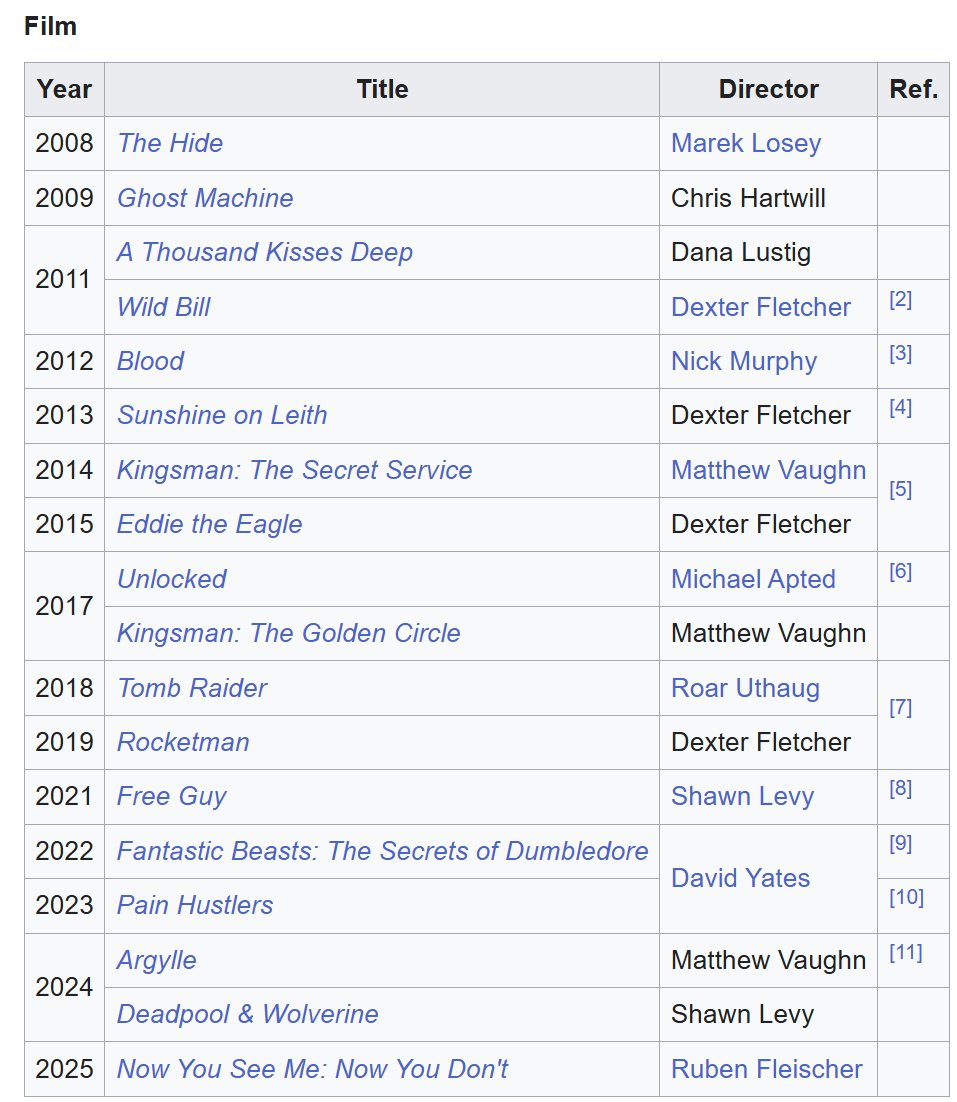
The man behind the camera of blockbuster films such as Free Guy, Fantastic Beasts: The Secrets of Dumbledore, Rocketman, and Deadpool & Wolverine successfully underwent surgery. Doctors have confirmed that the procedure was successful, and Richmond is now recovering in a Chandigarh hospital.
1
6
25
1,609