
Makanday, Zambia Centre for Investigative Journalism is an independent, non-profit newsroom established in 2016.
Joined August 2020
- Tweets 668
- Following 846
- Followers 534
- Likes 153
481 Photos and videos
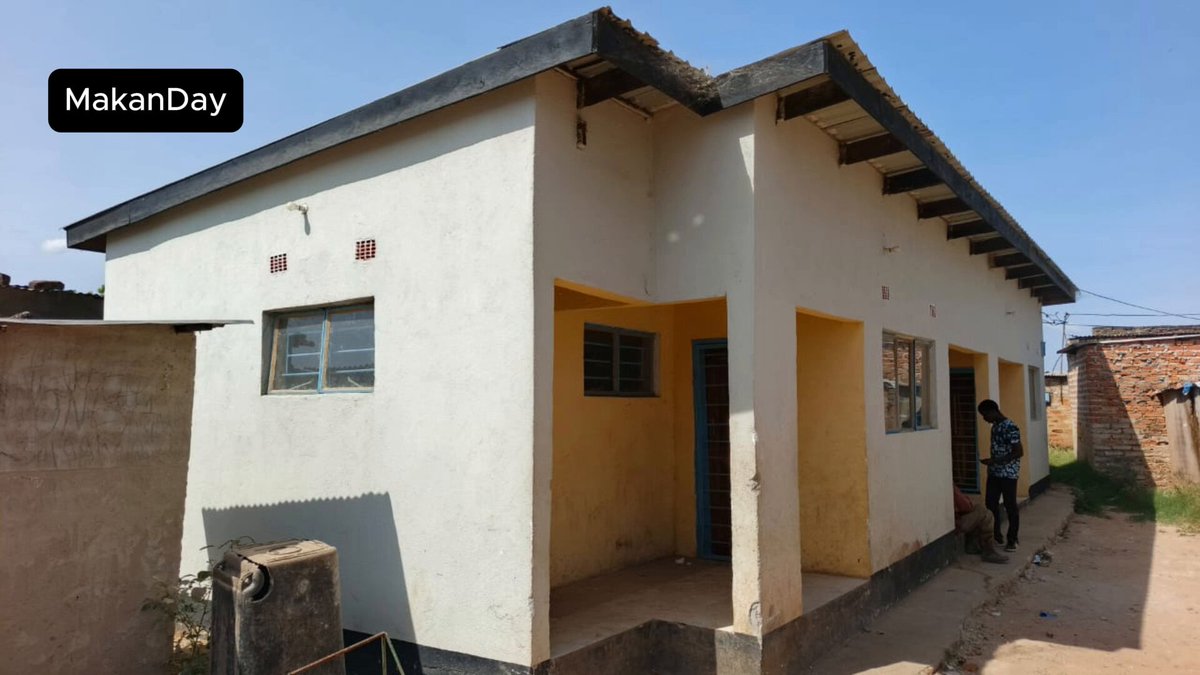




LOCKED, DRY AND DANGEROUS: The K700,000 Toilet That Doesn't Work
A modern ablution block built with over K700,000 of public funds stands complete but unusable at Kamumango Market in Luwingu District.
Despite serving more than 2,000 traders and thousands of customers, the facility remains locked and without water more than ten months after completion. As a result, traders say they are forced to use unsafe alternatives, with human waste reportedly being disposed of in open spaces near where food is sold.
When the Minister of Local Government and Rural Development visited Luwingu in February 2026, he declined to commission the facility and directed the council to ensure water was connected within seven days. Months later, the situation remains unchanged.
Listen to theinvestigative documentary, "Locked, Dry and Dangerous: The K700,000 Toilet That Doesn't Work," by Joseph Mwape of Lwansase Radio.
This story was produced through the MakanDay Centre for Investigative Journalism's community journalism network, amplifying local voices and holding public institutions accountable.
#MakanDayInvestigates #CDF #FollowTheMoney #Luwingu #Zambia
24
WHO PROTECTS THE WATCHDOGS?
By Womba Kasela in Kitwe
As Zambia prepares for the 13 August 2026 general elections, journalists across the country say they continue to face intimidation, threats, attacks and growing pressure to censor themselves despite repeated government assurances that press freedom will be protected.
An investigation by MakanDay examines allegations involving police officers, political cadres, unresolved attacks on journalists, and the growing fear that is causing some reporters to avoid sensitive stories altogether.
According to data provided by MISA Zambia, 35 media freedom violations were recorded between 2022 and 2025, including attacks, threats, intimidation, censorship and unlawful arrests.
While international observers have recognised improvements in Zambia's media environment since 2021, many journalists working outside major urban centres say the reality on the ground remains far more complicated.
Can a democracy thrive when those tasked with informing the public fear retaliation for doing their job?
Read Womba Kasela's investigation and join the conversation.
makanday.org/who-protects-th…
#MakanDayInvestigates #PressFreedom #MediaFreedom #ZambiaDecides2026 #Election2026
1
32
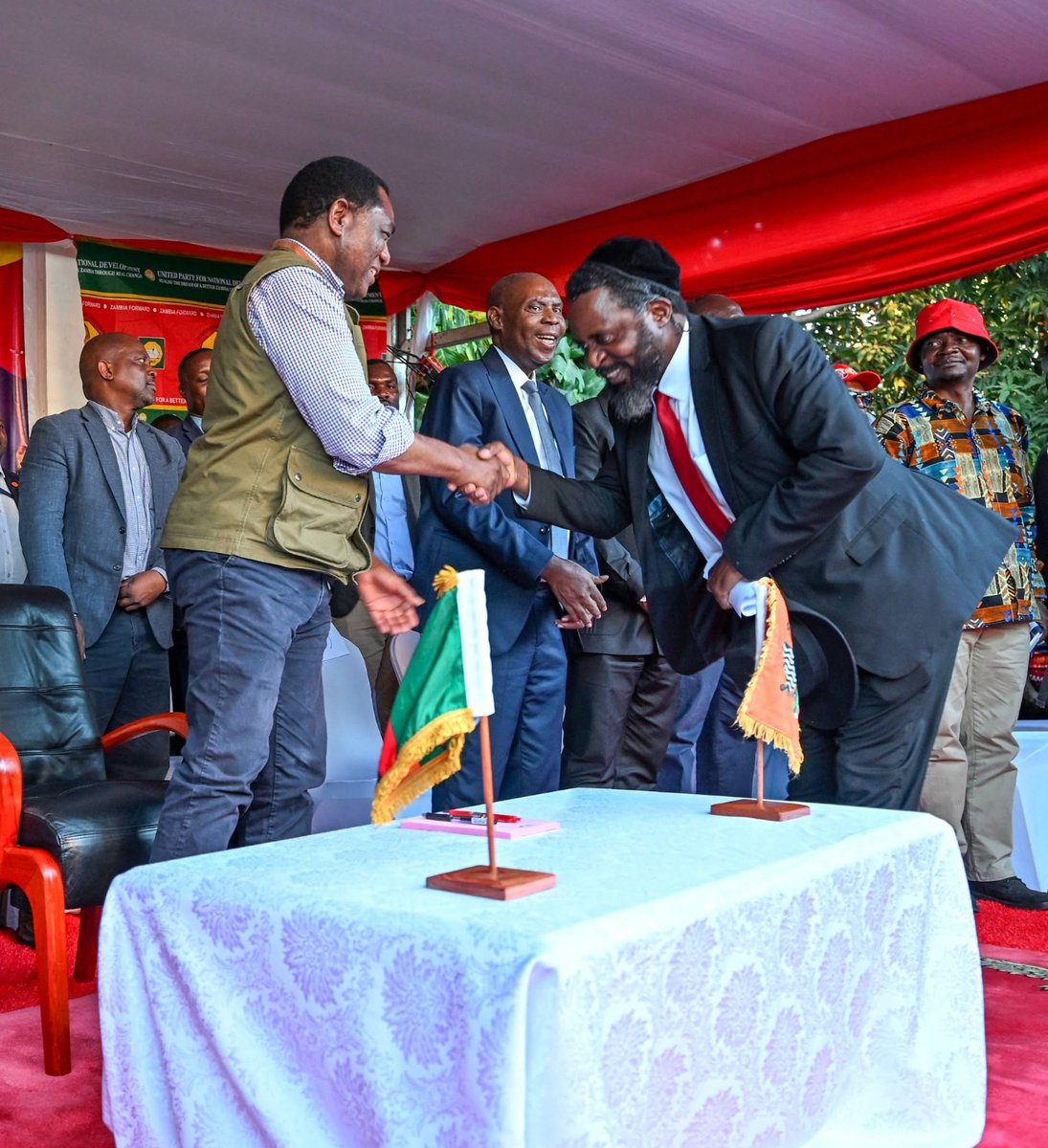
As Zambia heads toward the August 2026 elections, political alliances are shifting in ways few would have predicted just a few years ago.
Former political rivals now share campaign platforms, opposition figures appear increasingly drawn toward the corridors of power, and party defections continue to dominate headlines.
But what do these political migrations tell us about the state of our democracy? Are they signs of national unity and political maturity, or evidence of a political culture driven more by self-interest than public service?
In this commentary, MakanDay examines why voters should look beyond endorsements, defections and campaign optics—and focus instead on the ideas, policies and solutions being offered to address the challenges facing ordinary Zambians.
Read more: makanday.org/opinion-politic…
#MakanDayInvestigates #ZambiaDecides2026 #VoteForIdeas
2
22
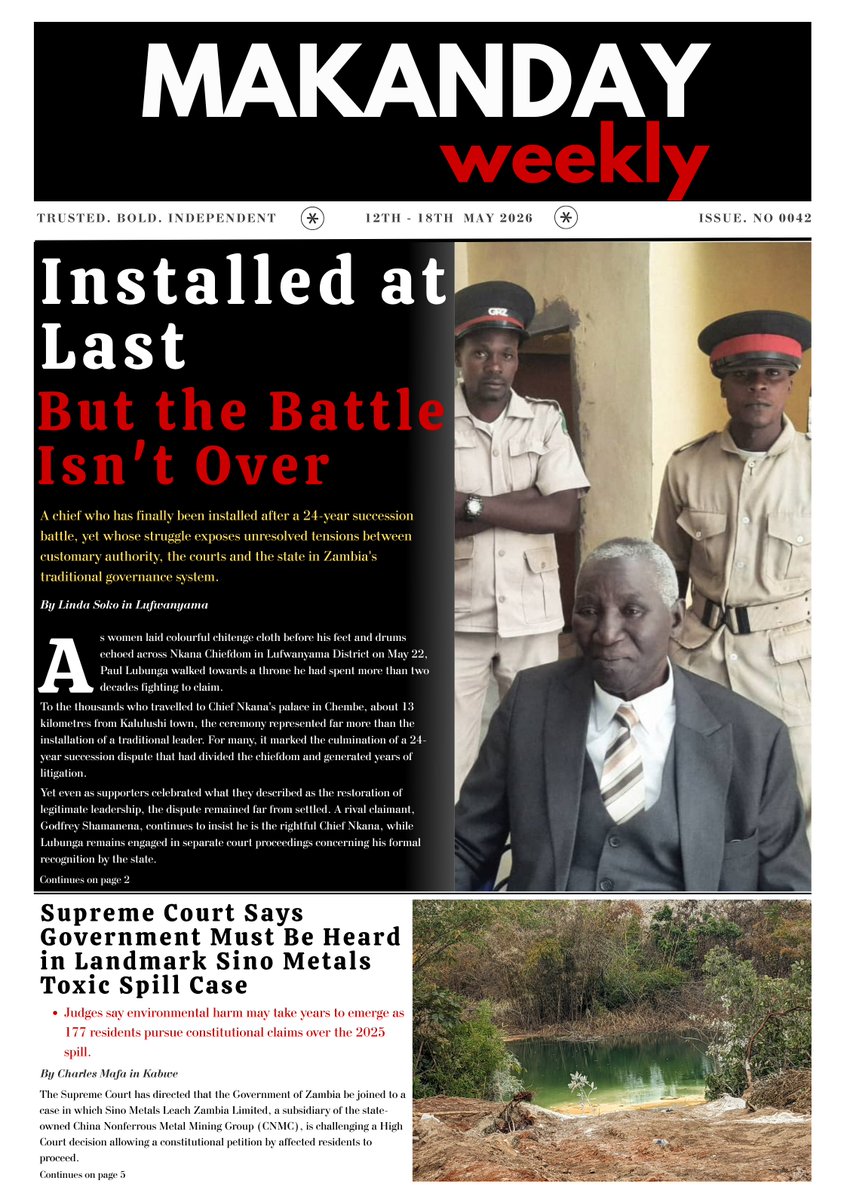
MAKANDAY WEEKLY: Our weekly e-newspaper is out! You can download it and read the stories at your convenience.
Download here makanday.org/makanday-weekly…
10
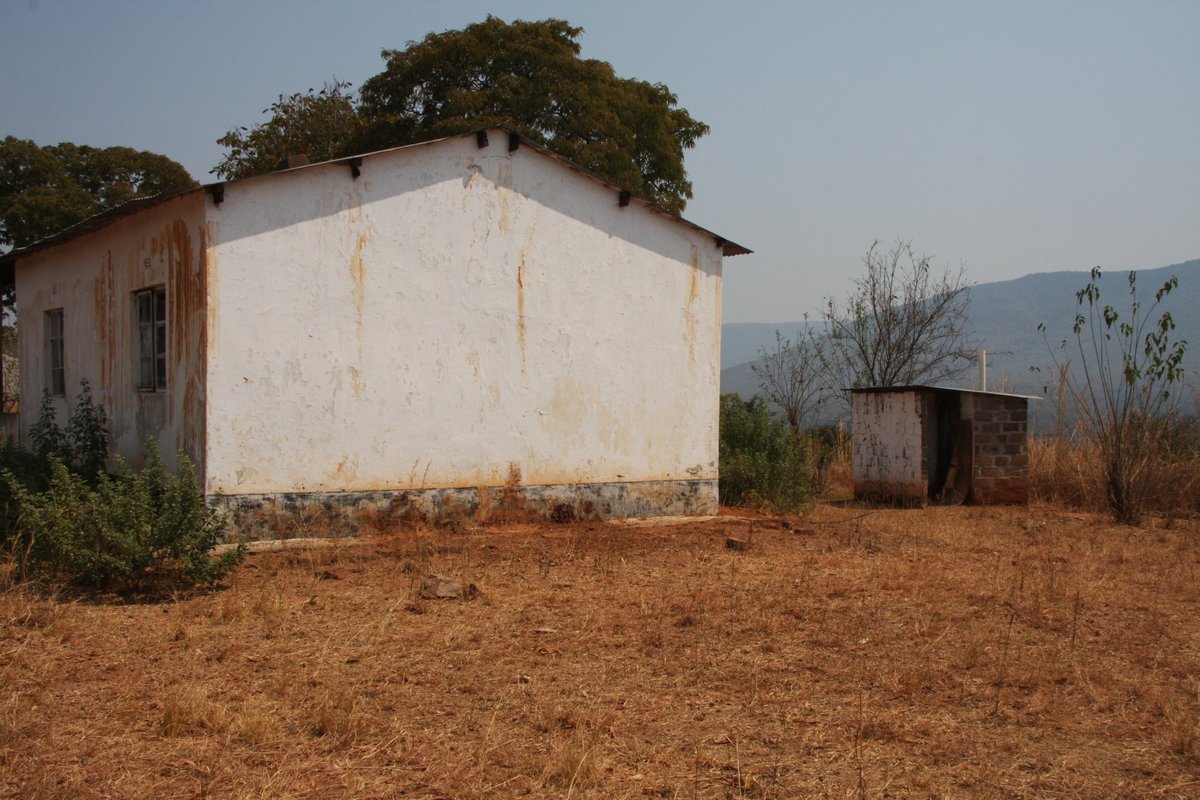
SILENT CLINICS: THE COST OF INCOMPLETE HEALTHCARE
By Vincent Phiri in Chipata, Eastern Province
The buildings are standing. The walls are painted. The roofs are intact. But inside, there are no beds, no equipment, no electricity, no water—and no healthcare.
An investigation by Breeze FM reveals how clinics built to serve rural communities in Eastern Province remain closed years after construction, forcing residents to travel long distances for medical care and leaving expectant mothers at risk.
Watch the full investigation: youtube.com/watch?v=CyRZTXcj…
#MakanDayInvestigative #Healthcare #EasternProvince #Zambia
13
RECORD FUNDS, STALLED PROJECTS
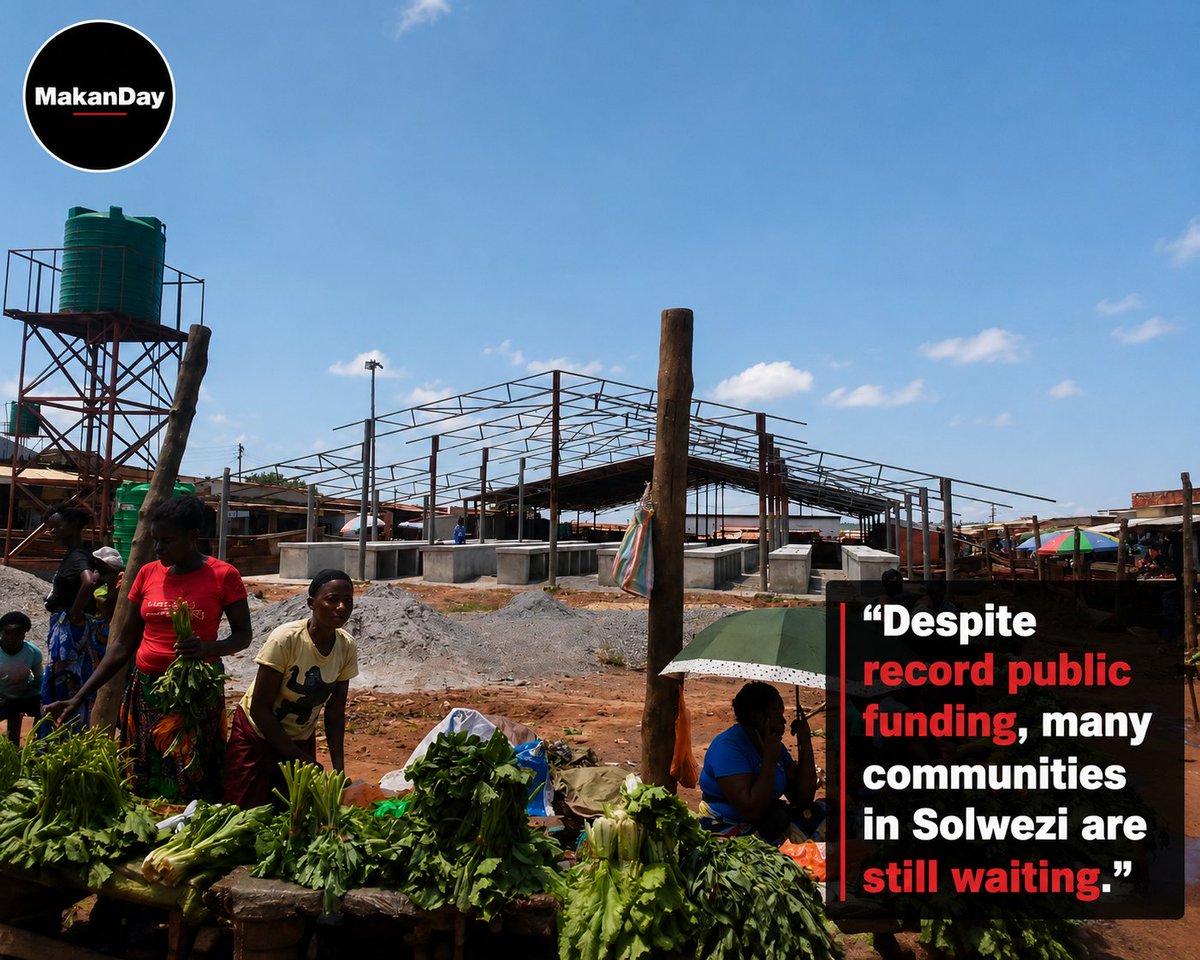
Solwezi receives record public funding through CDF, WDF and mining revenues. Yet a MakanDay investigation found at least seven publicly funded projects that remain delayed or incomplete years after approval.
From unfinished classrooms to a stalled market shelter, residents are asking: Where is the development?
Read the investigation: makanday.org/records-funds-s…
#MakanDay #InvestigativeJournalism #CDF #WDF #Solwezi #Accountability #PublicFunds
19
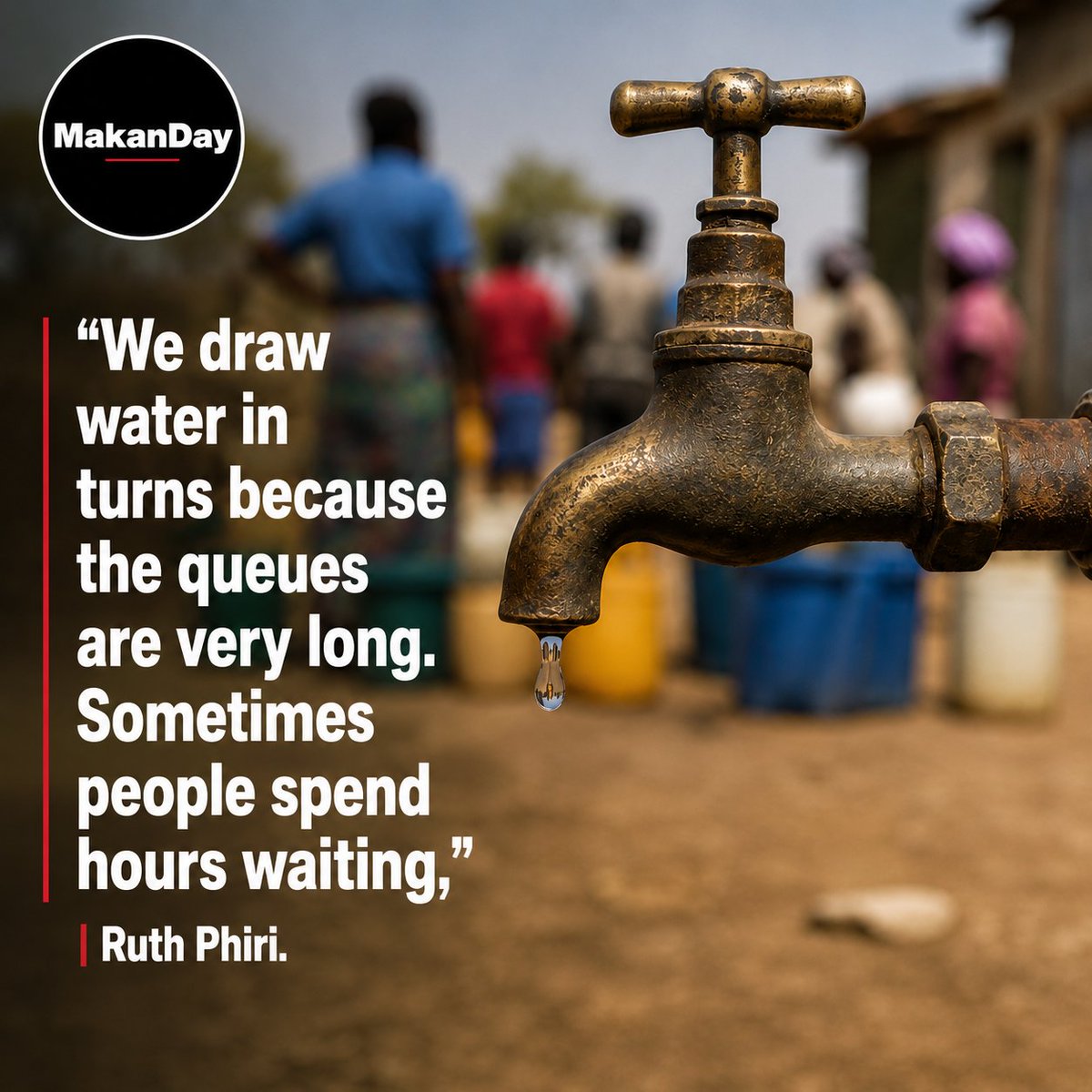
A MakanDay investigation by Voice of Kalomo Community Radio found that Kalomo's water system produces only 2,000 cubic metres of water per day against a demand of approximately 3,800 cubic metres—leaving a deficit of nearly 50%. makanday.org/district-thirst…
1
15
Discover what makes the MakanDay internship experience unique.
Hear from our interns as they share their journeys, the skills they have developed, the lessons they have learned, and what it is like to be part of the MakanDay Centre for Investigative Journalism.
#makandayinvestigates #InvestigativeJournalism #InternshipExperience #Zambia
2
20
Installed at Last — But the Battle Isn't Over
After 24 years of court battles and competing claims, Paul Lubunga has finally been installed as Chief Nkana VIII.
But the dispute is far from over.
Nkana Chiefdom sits in one of Zambia's most economically significant regions on the Copperbelt, making the stakes far higher than a traditional succession contest. A rival claimant still challenges the throne, while a court ruling expected in August could determine whether Lubunga receives official government recognition.
What happens when traditional authority, the courts and the state collide?
Read the full story by Linda Soko from Lufwanyama: makanday.org/installed-at-la…
#MakanDayInvestigative #ChiefNkana #TraditionalLeadership #Zambia
38
When FUD Football Solutions collapsed, David Mutale lost more than money.
"People we knew recruited us," he says. "The company appeared genuine because it was registered and had all the necessary documents."
That trust would prove costly.
A MakanDay investigation exposes how online investment schemes exploited a critical gap in Zambia's regulatory system. While companies could register and appear legitimate, some lacked the licences required to offer investment products to the public.
Thousands of Zambians joined platforms promising daily income, quick returns and financial freedom. Many invested their savings. Some borrowed money. Others sold assets.
Then the platforms disappeared.
Read how the system was exploited—and what authorities knew: makanday.org/registered-to-d…
71
Makanday Media Centre retweeted

Jun 5
Profits up. Justice delayed. As Joyce, 15, from says: “Children in #Kabwe also have dreams…we want to have a bright future.” Yet families affected by mining pollution in #Zambia are still waiting for accountability. On #WorldEnvironmentDay read more makanday.org/world-environme…
1
5
3
233
Supreme Court Says Government Must Be Heard in Landmark Sino Metals Toxic Spill Case
Judges say environmental harm may take years to emerge as 177 residents pursue constitutional claims over the 2025 spill.
By Charles Mafa in Kabwe
The Supreme Court has directed that the Government of Zambia be joined to a case in which Sino Metals Leach Zambia Limited, a subsidiary of the state-owned China Nonferrous Metal Mining Group (CNMC), is challenging a High Court decision allowing a constitutional petition by affected residents to proceed.
A panel of three Supreme Court judges — Deputy Chief Justice Michael Musonda, Justice Nigel Mutunaand Justice Fulgency Mwenya Chisanga — sitting in Kabwe, Central Province, held that the government, as the custodian of the public interest, must be heard before the appeal can proceed because the issues raised extend beyond the parties directly involved.
The court further observed that environmental matters often have long-term consequences, noting that the full effects of environmental harm may not become apparent until a decade or more after the accident.
The ruling comes as 177 residents of Kalusale, a community in Kalulushi district near the mining city of Kitwe on Zambia’s Copperbelt Province, prepare for another legal battle more than a year after a toxic waste spill devastated farms, contaminated water sources and overturned livelihoods.
On 3 June 2026, the Supreme Court, sitting in Kabwe, was supposed to hear an appeal by Sino Metals against a High Court decision that permitted the constitutional petition filed by the affected residents to proceed. The petition also names NFC Africa Mining Plc, within whose mining area the tailings dams were located, as a respondent.
Sino Metals and NFC Africa Mining are private limited companies engaged in mining operations in Chambishi, Kalulushi district. Sino Metals' operations — including an open-pit mine, concentrator plant and tailings storage dams — are situated within NFC Africa Mining's surface rights area and plant boundary.
At the centre of the dispute is the February 2025 collapse of multiple tailings dams, which released vast quantities of acidic and toxic waste into the Chambishi Stream, Mwambashi River and the wider Kafue River system. The incident triggered what environmental experts and affected communities have described as one of Zambia's most serious mining-related environmental disasters in recent decades.
The petitioners are being supported by the Southern Africa Litigation Centre (SALC) and are represented by Messrs Malambo and Company Advocates and Messrs Lusitu Chambers. Sino Metals is represented by Chibesakunda & Company.
The petition seeks to hold the mining companies accountable for the environmental, economic and social consequences of the spill, which residents say destroyed crops, polluted water sources and undermined their ability to earn a living.
78
MAKANDAY WEEKLY: Our weekly e-newspaper is out! You can download it and read the stories at your convenience.
Download here makanday.org/makanday-weekly…
16
World Environment Day: Zambia’s Mining Pollution Victims Need Justice
Mining Should Not Come at the Expense of Human Rights
By Juliane Kippenberg
Mining pollution has been a fact of life for 15-year-old “Joyce” as long as she can remember. Joyce, whose real name is different, lives in the Zambian city of Kabwe, where mining for lead and zinc began during the British colonial period and continued for decades. Extracting minerals from the mine’s lead waste continues. As a result, Kabwe is now one of the most lead-polluted places globally: up to 200,000 people—particularly children—are exposed to lead, and many suffer from lead poisoning.
Today, June 5, is World Environment Day. The Zambian government commemorates this day with radio and TV shows, public events, and activities. One poster calls on citizens: “Be part of the solution, not the pollution.” But this rhetoric has not translated into tough action on the companies that pollute.
In Kabwe, South African, Chinese and local businesses have been extracting and processing zinc and other minerals from the former mine’s toxic lead waste, risking the health of residents. The government has issued mining and processing licences for these companies, some of which are led by ruling party officials or have otherwise been linked to the ruling party.
In the Kanona area of Serenje district, workers at a manganese plant have suffered severe and chronic health problems from manganese exposure. The foreign-owned company has reportedly offered housing to some affected workers. However, despite campaigns by activists and a 2025 parliamentary visit, concerns about pollution and worker protection remain unresolved.
In the Copperbelt, the 2025 dam breach at a Chinese-owned copper mine, Sino Metals, caused the release of toxic waste into the Kafue River, putting residents at grave risk of cancer and threatening the livelihood of millions. The government has downplayed the risks and allowed Sino Metals to resume operations. The company has apologised.
These environmental disasters are taking place in the context of a global rush on “critical minerals”—minerals like copper, manganese, and zinc -- needed for the energy transition, digitalization, defense, and other purposes. China, the United States, and other industrialized countries have been ramping up efforts to access minerals in Zambia and other mining countries. But the global rush for minerals should not turn into a race to the bottom at the expense of people’s health and the environment.
Residents in mining areas are no longer standing by while companies pollute their land, water, and air. Last September, a group of Zambians filed a lawsuit against Sino Metals, demanding compensation. And in April, Kabwe residents filed a complaint with the African Committee of Experts on the Rights and Welfare of the Child, the African Union child rights body, alleging that the Zambian government had failed to protect them from the harm of lead mine waste. The complaint reflects the aspirations of many affected children. Their demand is simple: a healthy environment, accountability, and a future free from toxic pollution.
Joyce from Kabwe is among those supporting the African Union complaint. Speaking at the launch event, she called for an environmental clean-up of Kabwe and declared, “Children in Kabwe also have dreams. … we want to have a bright future.’”
Juliane Kippenberg is children’s rights associate director at Human Rights Watch.
Photo | Children play on contaminated ground, exposed to lead through everyday activities. In Kabwe, ordinary childhood experiences carry extraordinary risks. © 2023 Centripetal Media for Human Rights Watch
#makandayinvestigates #EnvironmentalJustice #HumanRightsWatch #WorldEnvironmentDay #ZambiaMining See less
3
2
119
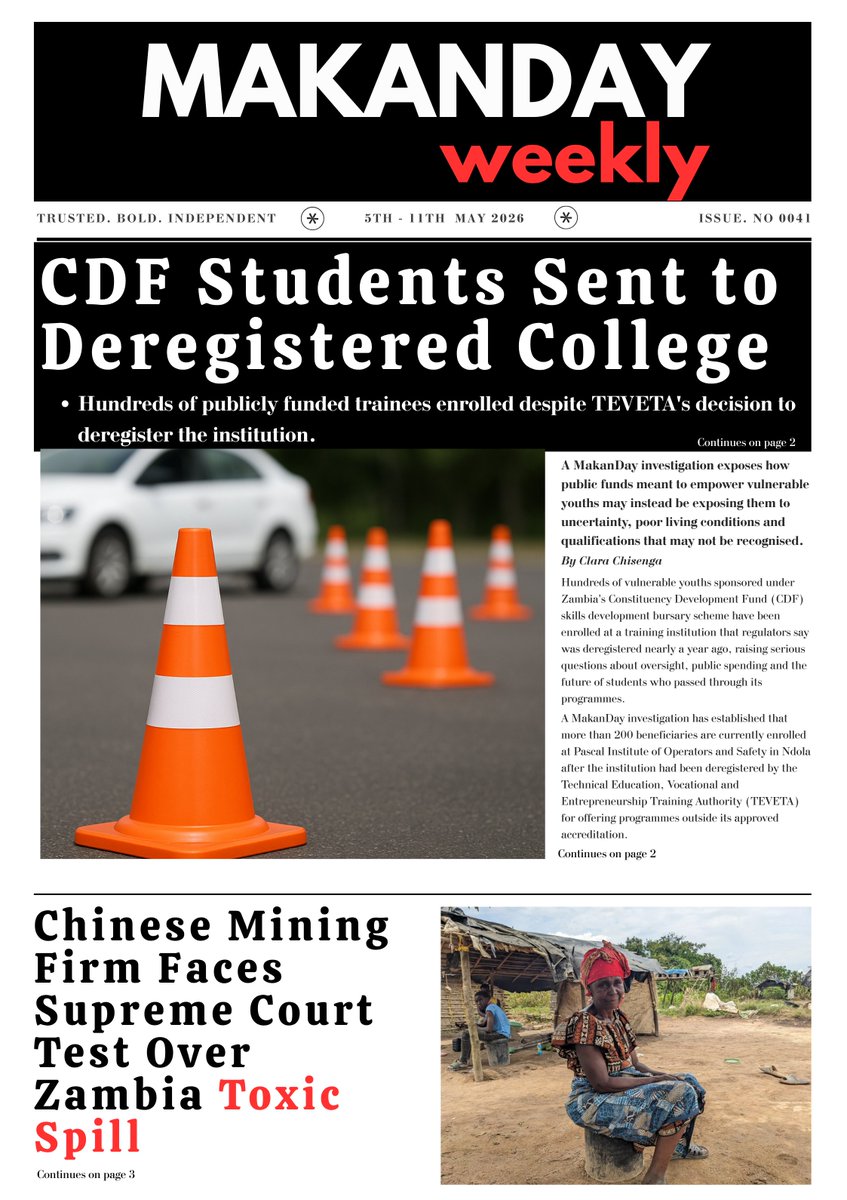
Hundreds of CDF Students Enrolled at Deregistered College Despite TEVETA Ban
A MakanDay investigation exposes how public funds meant to empower vulnerable youths may instead be exposing them to uncertainty, poor living conditions and qualifications that may not be recognised.
By Clara Chisenga
The Constituency Development Fund (CDF)has become one of the flagship programmes of President Hakainde Hichilema's administration, celebrated for expanding access to skills training, education and empowerment opportunities for vulnerable youths.
But what happens when public funds are channelled to an institution that regulators say was deregistered and not authorised to offer some of the courses students were sponsored to study?
Our latest investigation raises important questions about oversight, accountability and the protection of young people whose hopes for employment depend on recognised qualifications.
If CDF is to remain a symbol of empowerment and development, citizens deserve answers: Who approved the sponsorships? How were the checks conducted?What happens to the affected students? And what safeguards exist to prevent similar cases in future?
Read the full investigation and join the conversation makanday.org/hundreds-of-cdf…
#CDF #Hakainde Hichilema #MakanDayInvestigates #YouthEmpowerment #Governance #Zambia
24
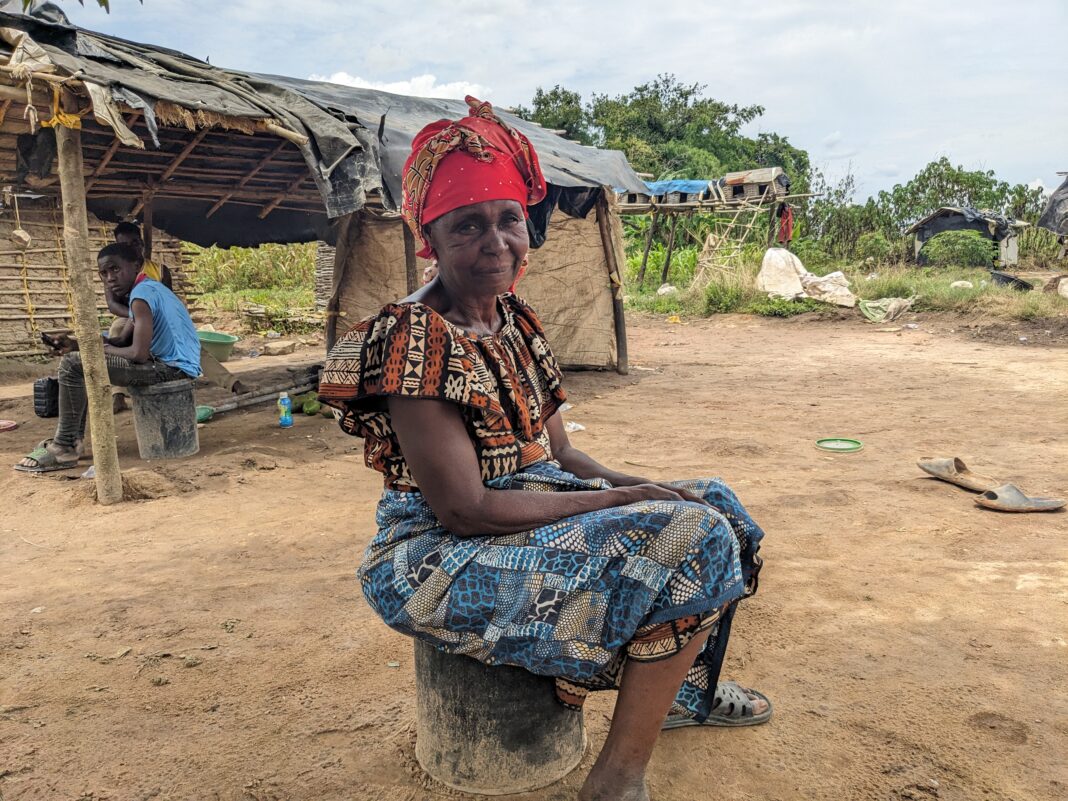
Chinese Mining Firm Faces Supreme Court Test Over Zambia Toxic Spill
More than a year after Zambia’s toxic spill disaster, over 170 families are still fighting for justice
By Charles Mafa
More than a year after a toxic waste spill devastated farms, polluted water sources and altered lives, 177 residents of Kalusale, a community in Kalulushi Zambia's Copperbelt Province about 380 kilometres north of the capital, Lusaka, are preparing for another battle — this time in the Supreme Court.
On 3 June 2026, the Supreme Court sitting in Kabwe, Central Province, will hear an appeal by Sino Metals Leach Zambia Limited, a subsidiary of the state-owned China Nonferrous Metal Mining Group (CNMC), against a High Court decision that allowed a landmark constitutional petition filed by affected residents to proceed. The petition also cites NFC Africa Mining Plc, within whose mining area the tailings dams were located, as a respondent.
Sino Metals and NFC Mining are private limited companies involved in mining activities in Chambishi in Kalulushi district of the Copperbelt, with Sino Metals’ operations, including an open-pit mine, concentrator plant, and tailings storage dams, located within NFC Mining’s Surface Area and plant boundary.
At the heart of the case is the February 2025 collapse of multiple tailings dams, which discharged vast quantities of acidic and toxic waste into the Chambishi Stream, Mwambashi River and Kafue River system, triggering what many experts and affected communities describe as one of Zambia's worst mining-related environmental disasters in recent decades.
Tailings dams are large engineered structures used to store waste left behind after minerals are extracted from ore. The waste often contains heavy metals, acidic compounds and processing chemicals that can pose serious risks to people and the environment if containment systems fail.
The hearing is expected to become a major test of corporate accountability in Zambia's mining sector. At stake is not only whether the affected families will have their day in court, but also whether communities living alongside large-scale mining operations can successfully challenge powerful mining interests when environmental disasters destroy livelihoods and contaminate critical water sources.
Sino Metals, which has been carrying out cleanup and remediation activities in the affected area, has appealed the High Court's decision to allow the constitutional petition to proceed after the court rejected the company's application to dismiss the case.
For the residents of Kalusale, the case is about far more than legal arguments.
Before 18 February 2025, many families say they relied on the Chambishi Stream, Mwambashi River and the Kafue River for drinking water, farming, fishing and livestock rearing. Small-scale agriculture sustained most households and provided food security for the community. Then disaster struck.
Crops Destroyed, Livelihoods Lost
The petitioners argue that the pollution transformed a once self-sufficient farming community into one struggling for survival.
Farmers say crops were destroyed and some agricultural fields became unsafe for cultivation. Some residents were reportedly warned against harvesting maize because of contamination concerns. Livestock deaths were reported, fish stocks declined and many households lost their primary source of income.
More than a year later, many residents say recovery remains elusive. Previous investigations by MakanDay found that some farmers were still unable to cultivate portions of their land because of contamination concerns, while uncertainty continued to surround the long-term safety of affected farmland.
Farmer Peter Shula, one of the affected residents, says many families remain unconvinced that conditions have returned to normal.
“They told us the fields were restored and the wells were safe, but our experience says otherwise,” Shula previously told MakanDay.
Kalusale area chairperson Bernard Njovu has previously criticised compensation efforts.
"Looking at the figures which the company is making, personally as a farmer I think that compensation was just a scam because it was not real compensation," Njovu told MakanDay.
"It was like they were just giving money to help people cope with the situation while waiting for proper compensation."
The contamination also disrupted domestic water supplies. Residents say streams and wells that had sustained communities for generations became unsafe for drinking, cooking and irrigation, forcing many families to depend on alternative water sources.
The impact extended far beyond Kalusale.
The affected waterways feed into the Kafue River system, one of Zambia's most important sources of water for domestic, agricultural and industrial use. Authorities temporarily shut down water treatment facilities serving Kitwe following the disaster amid fears of contamination.
Environmental specialists warn that pollution from mining waste can persist for years if not properly remediated, particularly where heavy metals and acidic compounds contaminate soils, groundwater and river systems.
Health Concerns Persist
The petitioners also allege that the spill triggered health problems among affected residents.
Court documents cite reports of diarrhoea, skin irritations and respiratory complications following exposure to polluted water and surrounding environments.
Although the company provided water to some households after the disaster, petitioners argue that the assistance was insufficient and left many residents with limited options.
They further allege that ongoing earth-moving activities in the area continue to generate contaminated dust, raising concerns about long-term exposure and health risks.
For many families, uncertainty remains one of the greatest burdens. Residents say they still do not know the full extent of the environmental damage or what long-term health consequences they may face.
The Fight for Accountability
In September 2025, Peter Shula and 176 other affected residents filed a constitutional petition, arguing that the disaster had violated rights guaranteed under Zambia’s Constitution, including the rights to life, human dignity, property, and a clean and healthy environment.
The petition seeks emergency relief, environmental restoration, healthcare support, compensation for losses and the creation of a fund to finance long-term remediation efforts.
Residents argue that compensation paid to some affected households does not reflect the scale of losses resulting from destroyed crops, livestock deaths, loss of income, environmental degradation and ongoing uncertainty.
They are also seeking compensation for personal injuries, increased health risks, emotional distress, relocation costs and the loss of use and enjoyment of their land and natural resources.
The petition further asks the court to order comprehensive environmental rehabilitation and guarantee independent expert access to affected areas.
In November 2025, the High Court rejected Sino Metals' attempt to have the matter dismissed, allowing the constitutional petition to proceed. The company subsequently appealed, leading to this week's Supreme Court hearing.
The Southern Africa Litigation Centre is supporting the petitioners, who are represented by Messrs. Malambo and Company Advocates and Messrs. Lusitu Chambers.
According to one of the lawyers representing the petitioners, the appeal scheduled for hearing before the Supreme Court on 3 June relates primarily to the procedural arguments raised by Sino Metals in its attempt to have the petition in the High Court struck out.
At its heart, the dispute raises broader questions about access to justice, environmental protection and whether communities affected by industrial disasters can obtain meaningful remedies when powerful corporate interests are involved.
The appeal comes amid continuing scrutiny of the contrast between community recovery efforts and the financial performance of the mining group.
Earlier reporting by MakanDay found that CNMC reported strong profits and substantial shareholder payouts in the months following the disaster, even as affected communities continued seeking long-term compensation and environmental restoration.
More Than a Court Case
Environmental advocates say the outcome could shape how Zambia addresses corporate accountability for environmental harm, particularly as the country seeks to expand mining production to meet growing global demand for critical minerals.
Activist David Ngwenyama has described the case as one of the most significant environmental justice matters currently before Zambia's courts, warning that its outcome could have far-reaching implications for accountability in the mining sector as the government pushes to expand mineral production.
“Ignoring this matter would set a dangerous precedent for future mining operations and send the wrong message to investors about environmental accountability,” he said.
“We hope and pray that the court will act independently in this matter. For me, the judiciary is the last resort because when affected communities cannot obtain redress from regulators or the executive, their only remaining option is to seek justice through the courts.”
For the families of Kalusale, however, the issues remain deeply personal.
While lawyers debate legal principles in courtrooms, many residents say they are still waiting for clean water, restored livelihoods and assurances that their environment can recover.
On 3 June, those hopes will once again be placed before Zambia's highest court. For the residents behind the case, the question is no longer simply who is responsible for the disaster, but whether justice can still be delivered more than a year after their lives were turned upside down.
The Road to Justice: Key Moments in the Kalusale Pollution Case
• 18 February 2025 – Multiple tailings dams (TD15F, TD15E, TD15D, RD15C, TD15B, TD15A) operated by Sino Metals collapsed, releasing an estimated 900 million litres of toxic effluent into the Chambishi Stream, Mwambashi River and Kafue River system
• 19–21 February 2025 – ZEMA confirms extensive contamination; Zambian Parliament acknowledges the disaster
• March–April 2025 – Ministries and independent researchers confirm unsafe heavy metal levels; US and Finnish embassies issue evacuation advisories
• July 2025 – A limited compensation scheme is launched, excluding most households and requiring petitioners to sign broad liability waivers
• 12 September 2025 – 176 residents file constitutional petition (Cause No. 2025/HP/1285) in the High Court of Zambia
• 31 October 2025 – Sino Metals files application to dismiss the petition
• 17 November 2025 – High Court dismisses all grounds in Sino Metals’ application; case to proceed
• 6 April 2026 – Sino Metals files an appeal against the High Court decision to refuse to dismiss the petition
• 3 June 2026 – Supreme Court to hear Sino Metals’ appeal (Appeal No. 8/2026)
Further Reading:
1. “I Could Have Been the First to Die,” Says Chambishi Resident | makanday.org/i-could-have-be…
2. Zambia’s $80 Billion Mining Lawsuit Risks Collapse Without Unity and Leadership | makanday.org/zambias-80-bill…
3. Chinese Mining Company’s Profits Rise as Zambia’s Farmers Wait for Justice | makanday.org/chinese-mining-…
4. Zambian Villagers Pay the Price of the Global Quest for Metals | makanday.org/zambian-village…
5. How Enforcement Failed Before the Sino-Metals Tailings Disaster | makanday.org/how-enforcement…
6. What the Sino-Metals Waste Dam Spill Reveals About Mining Oversight in Zambia | makanday.org/what-the-sino-m…
7. Sino Metals Spill: A Disaster Too Big to Bury (Part I) | makanday.org/sino-metals-spi…
8. Lives in Limbo After the Sino Metals Spill (Part II) | makanday.org/lives-in-limbo-…
9. Toxic Secrets of Sino Metals — Inside Zambia’s Hidden Environmental Catastrophe | makanday.org/toxic-secrets-o…
10. OPINION: One Year After the Sino Metals Disaster — Still Waiting for Justice | makanday.org/opinion-one-yea…
31
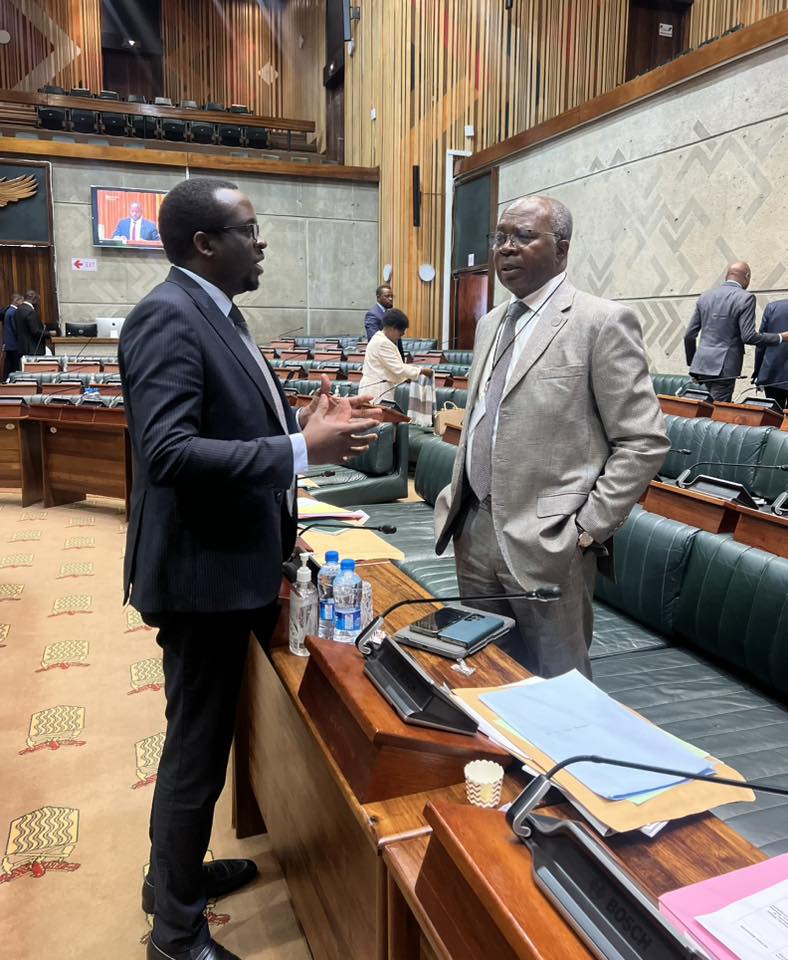
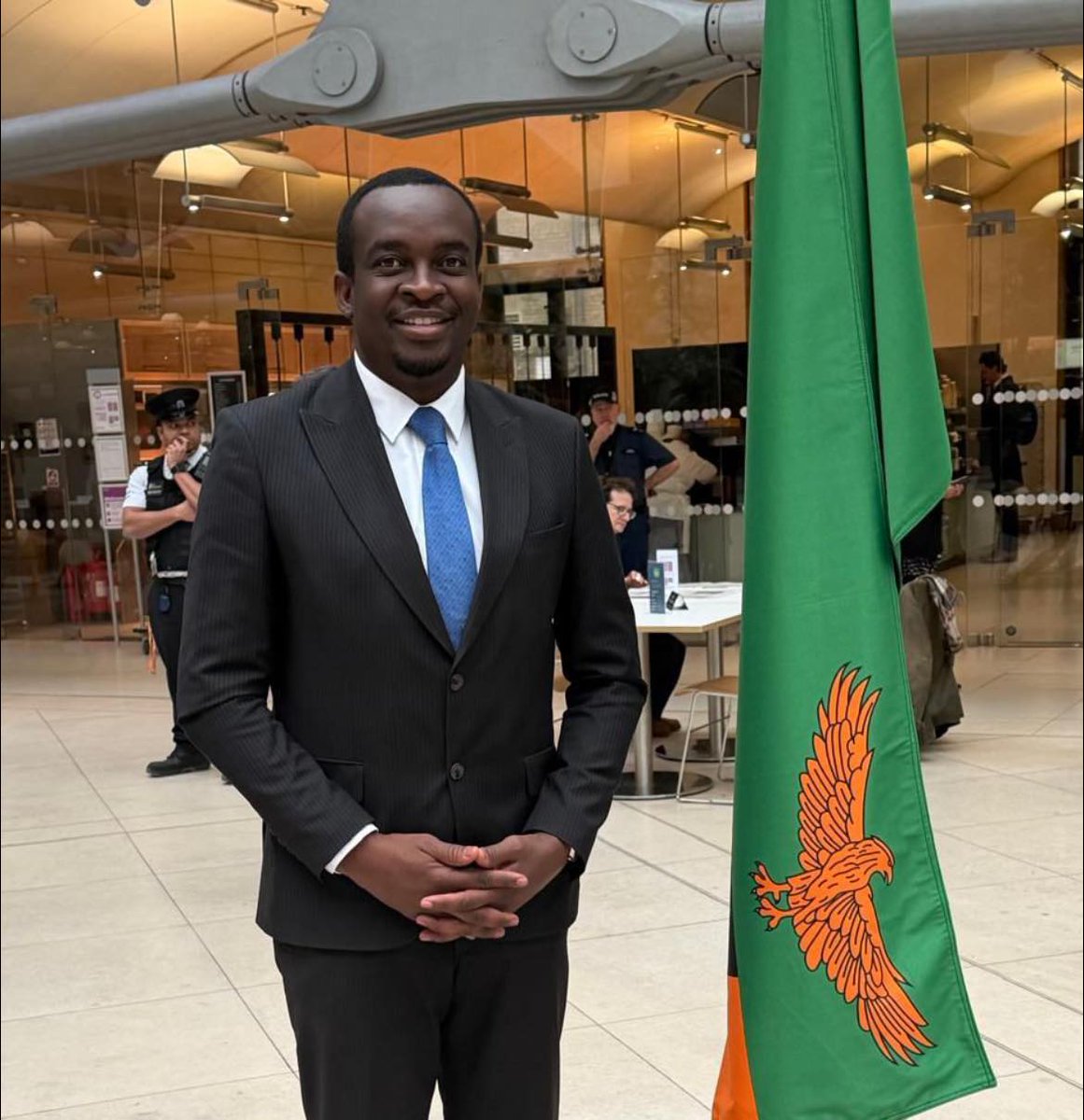
LEAVING PARLIAMENT, NOT POLITICS: Kang'ombe Reflects on Politics, PF and Zambia's Future
By Clara Chisenga
At 41, Christopher Kang’ombe is walking away from elective office at a time when many politicians are only beginning to consolidate their careers.
After more than two decades in public leadership — first as a councillor, then Mayor of Kitwe, and later Member of Parliament for Kamfinsa — Kang’ombe says he is stepping back from electoral politics to focus on mentorship, policy advocacy and what he describes as a larger role in shaping national conversations.
But while he is leaving Parliament, he insists he is not leaving politics.
“I don’t know if I can call it a break,” Kang’ombe said in an interview. “I think it is a transition into a different role that demands more community work and mentorship. But it is not the last time people are going to see Christopher participating in politics because politics affects people every day.”
His decision has attracted attention within political circles, particularly because he remains one of the former ruling Patriotic Front (PF)'s most recognisable young leaders and has often been viewed as a potential contender for higher office in the future.
Kang’ombe's public service journey began more than 20 years ago when he was elected councillor for Riverside Ward in Kitwe while still a student at the Copperbelt University. He initially served as an independent before later joining the Patriotic Front (PF). He went on to serve as Mayor of Kitwe from 2016 to 2021 before winning the Kamfinsa parliamentary seat in the 2021 general elections.
“When you look at it holistically, I have been serving the community at different levels,” he said.
He says one of the key motivations behind his decision is a desire to spend more time helping young people prepare for leadership roles and higher education opportunities.
“In my work as Mayor and Member of Parliament, many young people would approach me with development proposals, empowerment ideas and business plans. I have realised there is a huge need for mentorship and guidance.”
Kang’ombe believes the knowledge he has accumulated through public service and academic studies can now be used differently.
Apart from engineering, he later pursued a Master’s Degree in Economic Policy and says he now feels equipped to contribute more through public lectures, policy analysis and leadership development programmes.
“I have reached a stage where I can offer advisory services on leadership, governance, economic policy and public administration. It is important to remain relevant and continue contributing to society.”
Looking Back at Kamfinsa
Reflecting on his tenure as MP, Kang’ombe says one of his proudest achievements was using Parliament as a platform to advocate for development projects in Kamfinsa Constituency.
He cited road infrastructure, water projects and youth empowerment programmes among the issues he consistently raised.
“I am proud of the opportunity I was given to serve. Every time there were concerns about water supply, sewer blockages, title deeds or infrastructure development, we raised those issues in Parliament.”
However, Kangombe believes many Zambians still misunderstand the role of an MP.
“The role of an MP is not to provide food at funerals. That is voluntary community work,” he said.
“The real responsibility of an MP is to make laws, approve the national budget and ensure resources are allocated towards development projects that benefit citizens.”
Lessons from the Opposition Benches
Having spent the last five years serving in opposition, Kang’ombe says preparation is one of the most important lessons he has learned.
According to him, elected leaders must understand their responsibilities regardless of whether they belong to the ruling party or the opposition.
“If you are a councillor, your responsibility is to ensure municipal services are working for the people. If you are an MP, your responsibility is to represent citizens and hold the government accountable.”
He encouraged aspiring parliamentarians to make greater use of research tools such as the Parliamentary Library and to actively participate in parliamentary debates.
“People want to see their MPs active in Parliament. Preparation is what allows you to contribute meaningfully.”
Kang’ombe also revealed that some motions he introduced were unsuccessful because of political divisions.
One example was his proposal advocating for a 24-hour economy.
“At the time, the motion was rejected. Today, government is promoting a 24-hour economy. These are conversations we could have started much earlier.”
He says Parliament should move towards evaluating ideas on merit rather than political affiliation.
“If a proposal is good, let it be considered. If it is bad, let people debate it intellectually.”
Parliamentary Independence
Kang’ombe believes one of the challenges facing Zambia’s legislature is the political nature of its leadership structure.
“The Speaker is produced by the political party that forms government. That reality naturally creates perceptions of bias,” he said.
He challenged students and researchers to examine how other democracies organise their legislative institutions and whether alternative models could strengthen parliamentary independence.
At the same time, he stressed that fairness ultimately depends on individuals understanding and respecting their responsibilities.
The Future of the PF
Kangombe says the difficulties currently facing the PF were largely predictable.
According to him, internal disputes and competing claims to leadership weakened the former ruling party and reduced its ability to function as an effective opposition force.
“The warning signs were there long ago,” he said.
“Court case after court case weakened the party and eventually affected its ability to participate effectively in the political process.”
He believes the PF's internal divisions significantly damaged its prospects ahead of the 2026 general elections.
Political Alliances
On opposition alliances, Kang’ombe says cooperation between political parties can be beneficial if it is built on shared values and policy positions.
“What is the common agenda? What are the shared positions on agriculture, mining, education or governance?” he asked.
“Political alliances should be based on ideas and policies, not simply on winning elections.”
Looking Ahead
Despite stepping away from elective politics, Kang’ombe insists he is not retiring from public life.
In fact, he hinted that his political journey may not be over.
“The remaining position in public service is obviously the Presidency,” he said.
“But you do not simply wake up and contest for the Presidency. You plan, reflect and organise before presenting yourself to the people.”
While declining to elaborate further, Kangombe suggested that his current transition should not be interpreted as political withdrawal.
Instead, he says he is preparing for a larger role in shaping national conversations around governance, economic development and leadership.
The Future of Zambia
Looking ahead, Kangombe believes Zambia's democracy must evolve towards issue-based politics and stronger institutions.
“We need political parties founded on principles and ideas, not simply on the desire to acquire power,” he said.
He also called for reforms in areas such as land ownership, healthcare access and economic participation.
Particular emphasis, he said, should be placed on ensuring ordinary citizens benefit more directly from sectors such as mining, agriculture and energy.
“We need to ask ourselves how Zambians can own the economy,” he said.
“Economic growth must translate into greater participation by citizens.”
Advice To Young People
For young people aspiring to enter politics, Kang’ombe's message is simple: participate.
“Whether you win or lose, history will show that you offered yourself for public service,” he said.
He believes leadership is developed through experience and encourages young people not to be discouraged by limited resources or early setbacks.
“I was not the same leader 20 years ago. Leadership is something you learn at every stage.”
As he prepares for life outside Parliament, Kang’ombe says he hopes people will remember him as someone who rose from Ndeke Township in Kitwe and dedicated much of his life to serving the people of Kamfinsa.
And although his parliamentary chapter may be ending, he insists his contribution to public life is far from over.
Additional reporting by Kennedy Mbewe Jnr
Clara Chisenga is a journalist from Radio Icengelo in Kitwe. She is currently undertaking a three-month internship at MakanDay after earning third place in the 2025 MakanDay Awards for Investigative Journalism.
22
UNIP fifth edition
By John Mukela
One day in conversation with my friend and elder brother, the late Gilbert Mudenda, he remarked that the then governing Movement for Multiparty Democracy (MMD), and the subsequent political parties that were to come after it, were all “new editions of UNIP”.
His argument was that even though UNIP was no longer in power, this did not detract from its embodiment in what came afterwards – which is to say, MMD, PF and currently UPND.
In other words, like it or not, UNIP’s DNA is well entrenched, and will continue to be thus entrenched till Kingdom come.
Or will it?
In my view, well, yes and no.
But unfortunately, a systematic analysis of this argument, given the confined limits of this very short piece, is obviously impossible.
What I can say however, without appearing to contradict myself, is that the general thrust of Gilbert Mudenda’s thesis might call for us to seriously re-examine our entire governance in a mature manner, devoid of emotion or drama.
I am driven to reminisce on this as a result of my remote observations, from the side-lines, of our current political season in the run-up to the August elections.
And what am I seeing?
Well, I think I see an old script of a classic theatrical play, with its unchanging set of familiar props, lighting and scenery with a never-ending cast of both new and recycled actors.
I also see a contemporary crisis rooted in our old colonial structures whose roots are still well-entrenched.
First, there is the argument, which still holds true, that when colonialists transferred Western models of state organisation to Africa, the result was an alien weak state with a weak or non-existent foundation.
Our multi-ethnic composition as a state, further exacerbates this reality and unfortunately always becomes a problem sharpened at the edges during election time.
In many respects, most academic research and analyses still frame this multi-ethnicity through what I will call “anthropological lenses” – where much emphasis is championed and placed on linguistic and ethnic divisions.
I think this is wrong because in one sense, what is usually labelled ethnicity or tribalism is really the same thing as nationalism, which is a more palatable description.
For arguments’ sake, the rivalries of for example, ethnic group A and ethnic group B in Zambia are essentially part of the same story as the divisions between say, the Flemings and the Walloons in Belgium or the French and English in Canada.
But in Belgium and Canada, these differences are not reduced to tribal simplicity, chaos or primitiveness, as is done to our differences here in Zambia.
In Belgium it is nationalism, and here it is tribalism.
A sense of cultural uniqueness and a determination to guard mutual interests is the essence of both nationalism and ethnicity.
But this uniqueness etc only becomes politically salient, loud and disruptive when aggravated by uneven development, political competition and the self-serving tactics and corruption of ambitious politicians.
Then there is the perennial drama of political party-switching.
In that sense, going by the party-switching and hopping that we have seen in the past and continue to see today, UNIP second edition (MMD) could be argued to be the same as UNIP third edition (PF) which was the same as UNIP fourth edition (UPND).
That is why at every turn and at every successive political transition in Zambia, the new incoming political party has faced two dilemmas.
The first is the need and necessity to carry along with it, old and heavy political baggage.
Second is the burden of having to always start governing from an empty reservoir of governance experience.
So, at every political change, the country has endured with learner driver political leadership, because limited political continuity at the organisational level has occurred in all of our transitions.
Some have learned the national leadership ropes fast, while others have faltered.
Hakainde Hichilema can be counted as belonging to the former, given his government’s navigation of the debt and drought crises, and other developmental achievements of his administration, such as free education, increases in CDF, revitalisation of mining and industry, etc.
But, the demise of former ruling parties robs us of much-needed continuity and in turn reduces our political institutions to seasonal clubs that wither away at the slightest gust of turbulent political wind.
What Zambia needs are robust political parties that can endure, come rain or shine, if the country is to gather true momentum and political maturity.
Zambia does not need circus political jokers and chancers.
But how if it were to occur, would a prolonged and robust political competition between say, two dominant political parties, change the picture?
My guess is that not much will change if political elites will still benefit more than the rank and file voting majority who will continue to get crumbs off the governance table.
What we need more of from politics are tangible solutions for poverty alleviation and the provision of basic human needs for the people, not predatory self-seeking party-hopping politicians with their eyes firmly glued on the closing balance of their bank accounts.
Breaking the cycle of more UNIP political party editions will be difficult because it requires the emergence of robust political parties with firm institutional foundations.
Unfortunately, I think all of our political parties lack this robust institutional cohesion.
For this to materialise, in Zambia’s fragile and nascent political set-up, parties need to be grassroots oriented, and this grassroots orientation must be bottom up, from the people, by the people and of the people.
What has often been the case is that because I think I am popular and I have a bit of money, I decide, often with pomp and ceremony at the Holiday Inn or Radisson Blu, media cameras galore and journalists beaming with gratitude for the transport allowances, that I will form the next government!
And so together with a few friends, we connive to register the party, and because we are so clever, we name and market this new party “The People’s Party,” even though none were in attendance at its Holiday Inn launch.
We ignore that enduring political parties cannot survive through empty sloganeering and clever marketing because they need to be people-driven bottom up entities with a unifying national message and national appeal.
To my mind, only two parties came close to that – the African National Congress and the United National Independence Party, by virtue of their all-inclusive assignment for political liberation.
In similar fashion, the MMD’s campaign for democratic emancipation was short-lived and soon faltered under the weight of the party’s diverse and competing forces.
Party formation may demand to be people-driven, but its success equally requires and depends on strong legitimate leadership.
The bogeyman of that equation is that strong leadership all too often morphs into hero-worshipping sycophancy and personalisation which compromises the leader’s vision.
At its most basic, we continuously see it played out every time we tune into ZNBC’s 19hrs news.
At the commissioning of a maternity clinic in rural Serenje, the women announce while gyrating rhythmically to the steady beat of the drums, before the media cameras, “Twatotela sana kubakateka!”
In Kaoma, “Lwaitumela ku bo President kakuluhupula niluna kwa Kaoma…” etc.
Zambians revel in dispensing high-minded praise even when they don’t really mean it.
And therein lies the catch. Because as soon as leadership climbs to its peak, it soon begins its descent.
For UPND to succeed where its predecessors have failed, it must transition at all levels, depersonalise its leadership and anchor its party structures into everyday society, moving away from personality cults to a systems-based bottom-up organic network.
For its competitors, the same holds true but even more so, since there can only be one option – which is to dig deep, swim often against the tide and remain afloat.
It’s a tough ask, but a necessary one if we are to avoid UNIP fifth edition ad infinitum.
55
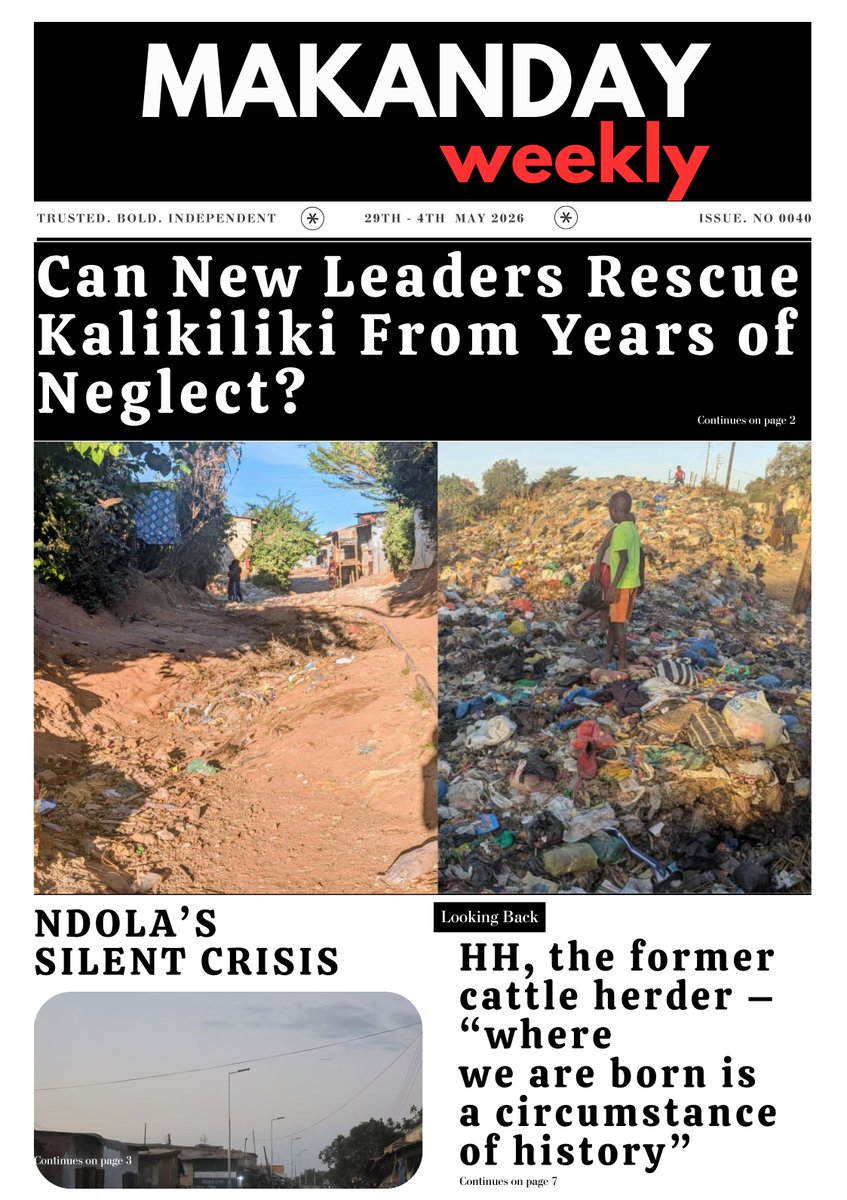
MAKANDAY WEEKLY: Our weekly e-newspaper is out! You can download it and read the stories at your convenience.
Download here makanday.org/makanday-weekly…
10