
Official Twitter feed for Liverpool John Moores University (LJMU) Midwifery Lecturers #MakingMidwives #LJMU
Joined March 2018
- Tweets 588
- Following 887
- Followers 535
- Likes 1,675
142 Photos and videos



4 Nov 2025
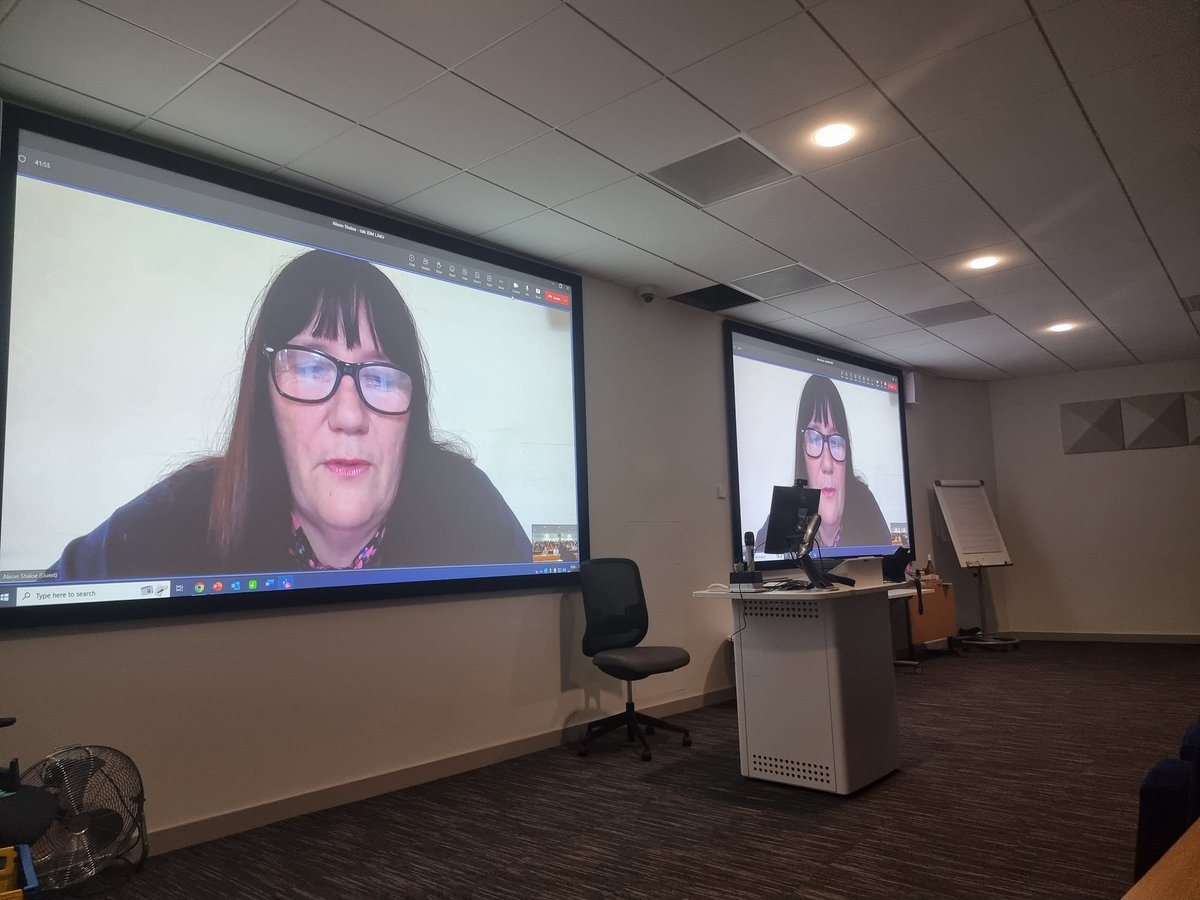
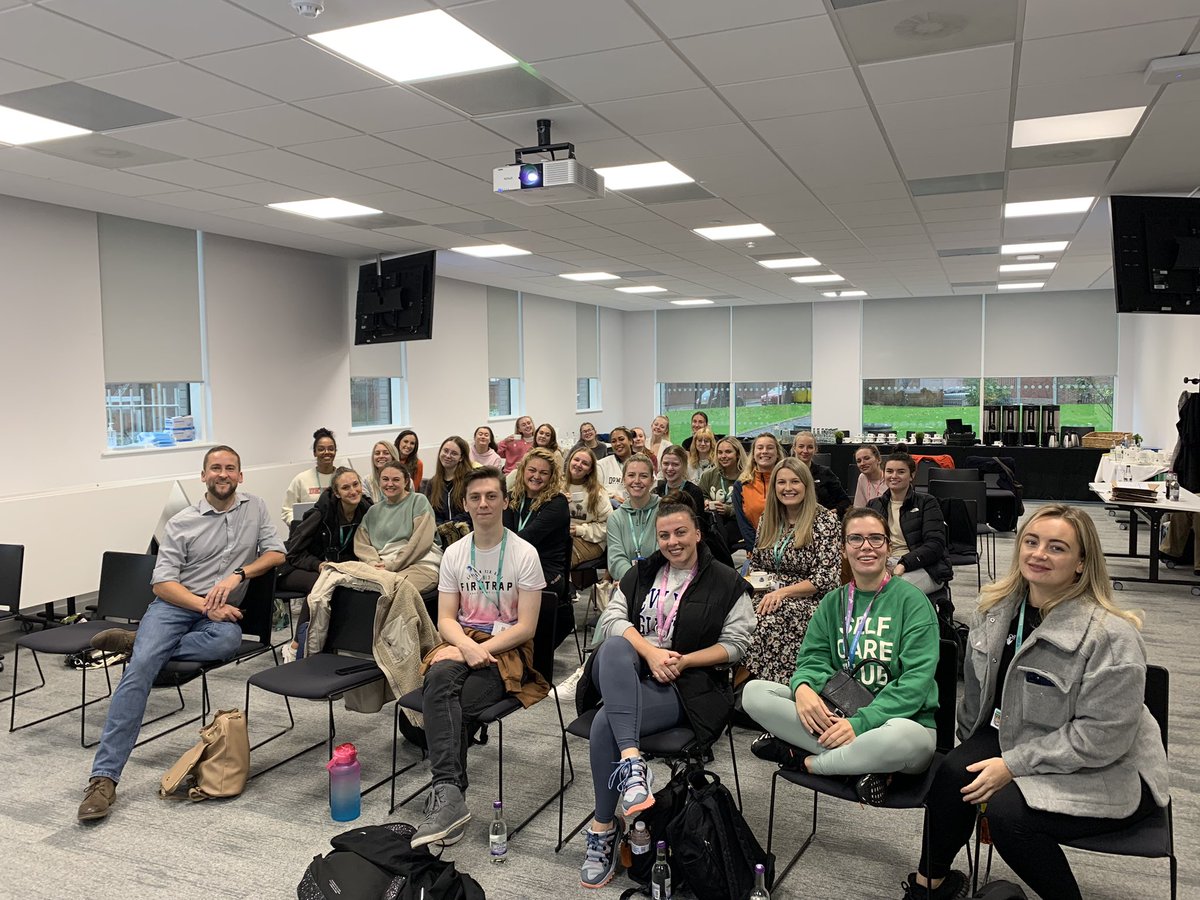
Want to find out more about studying midwifery at LJMU. Come along to one of our forthcoming open days on the 7th or 15th November. Book now ljmu.ac.uk/study/undergradua…
36
11 Oct 2025
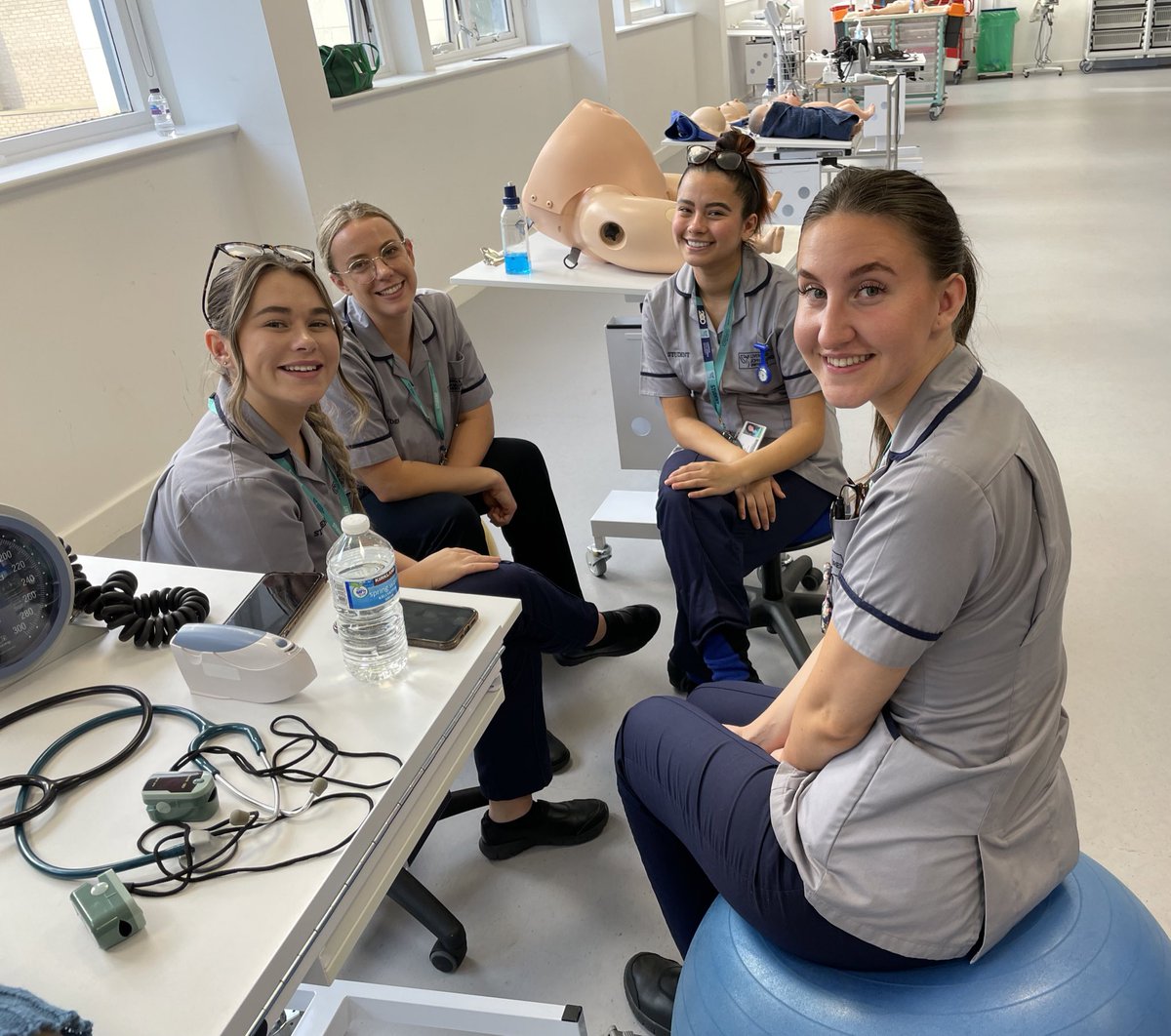
It was great to meet prospective students today. A special thank you to our current students who did an amazing job of facilitating the clinical skills sessions. If you are interested in finding out about studying to be a midwife, book on our next open day ljmu.ac.uk/study/undergradua…
1
1
41
3 Oct 2025
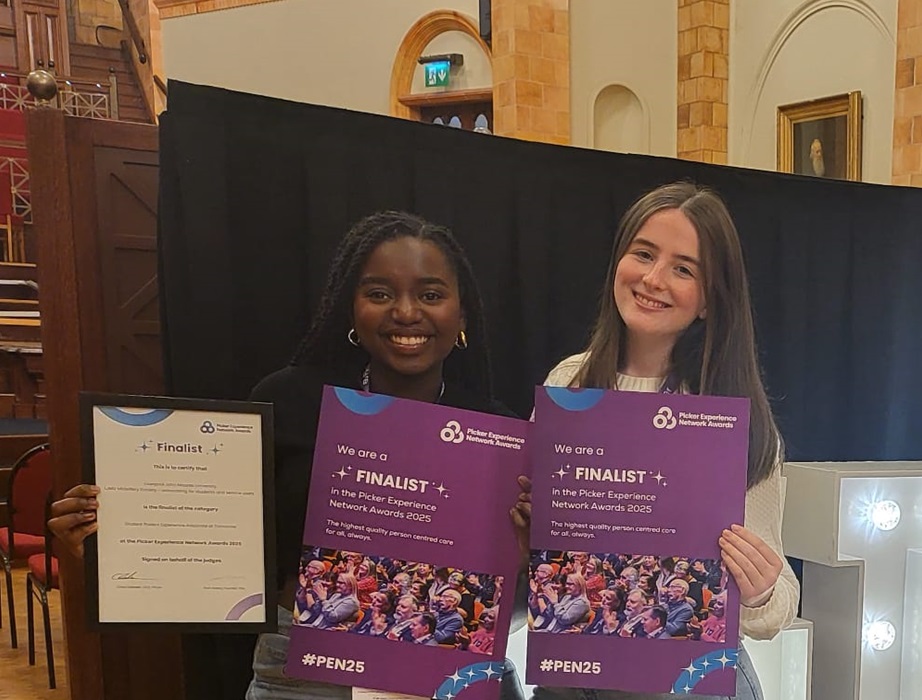
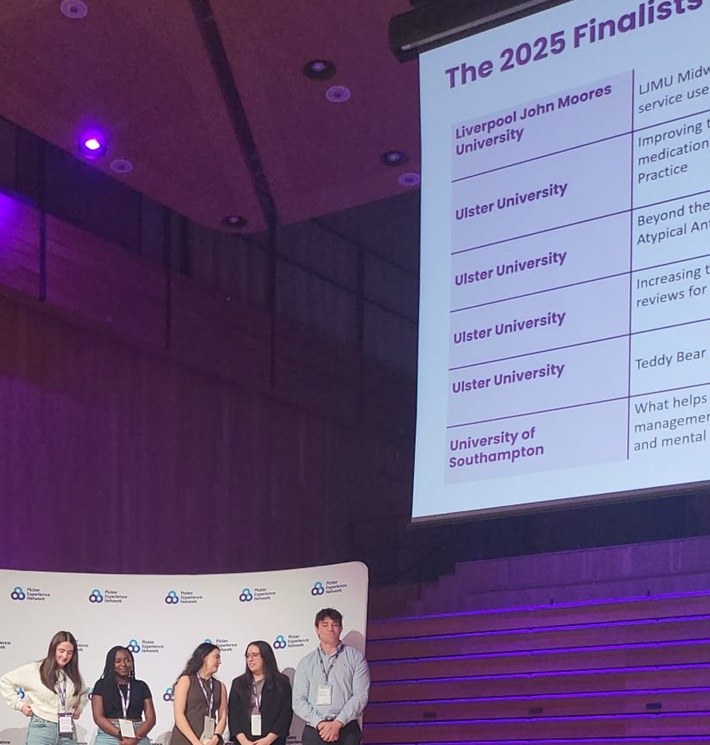
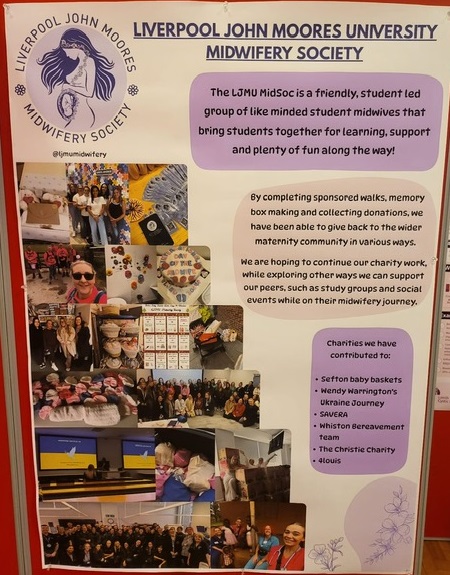
Members of our MidSoc attended the PENNA awards yesterday as finalists in the category of 'Student Patient Experience Advocate of Tomorrow'. The awards recognise best practice in patient experience across health and social care contexts
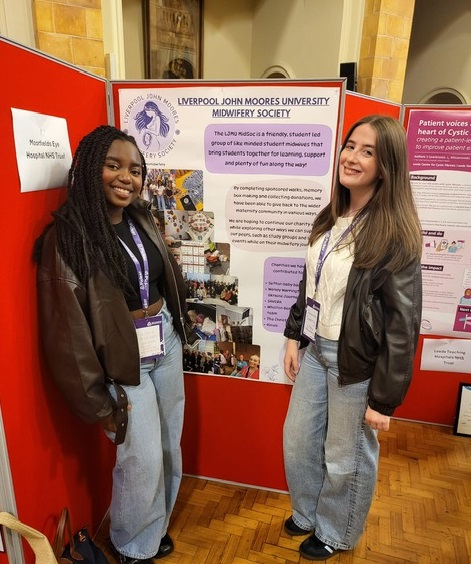
2
29
2 Oct 2025
From 26 Sept at Kuumba Imani Centre: Shrine to Granny Marie by @CollectiveEncs (in collaboration with LJMU), looks at the connection between enslaved midwives in the 19th century and the ongoing disparities in maternal mortality and morbidity rates #BlackMaternalHealth
1
36
26 Sep 2025
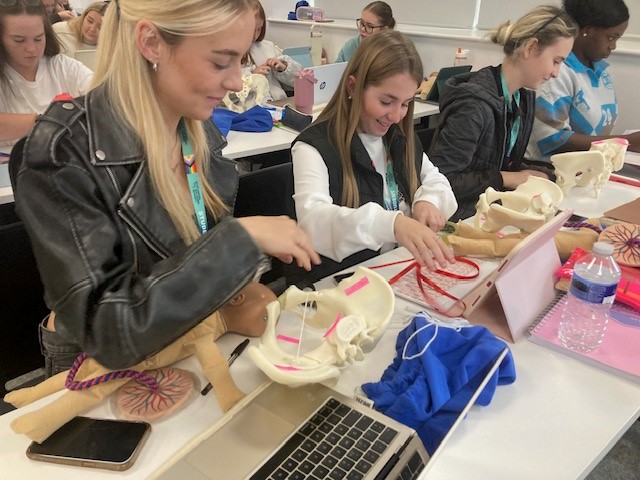
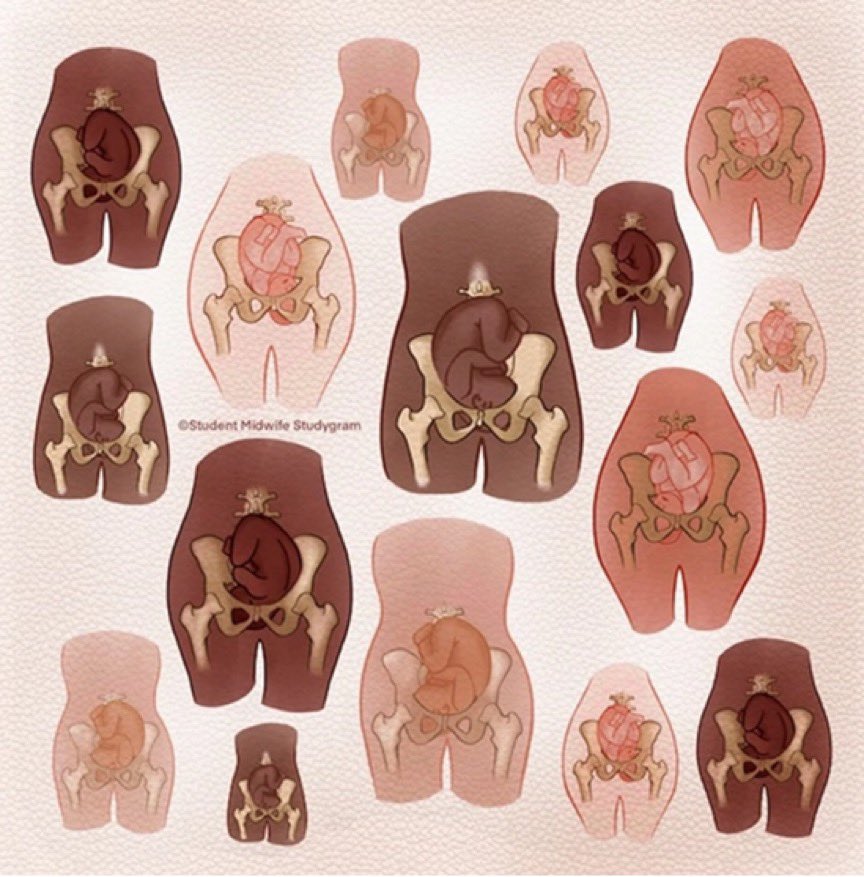
Our first year midwifery students ended their first week of teaching with an interactive session about the fetal skull and maternal pelvis
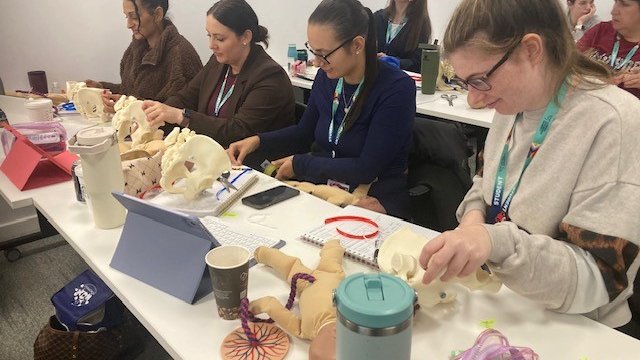
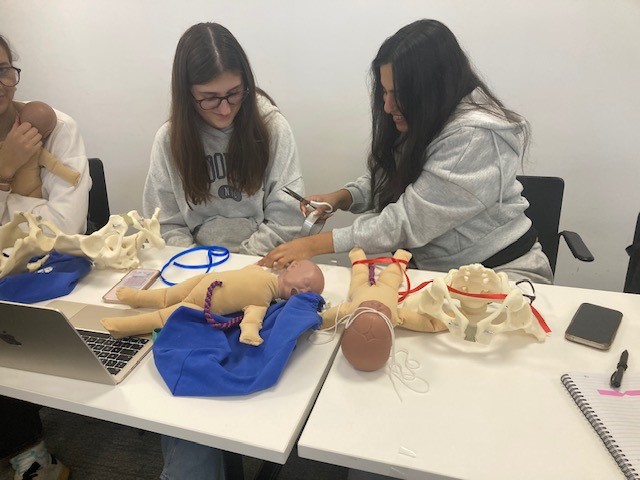
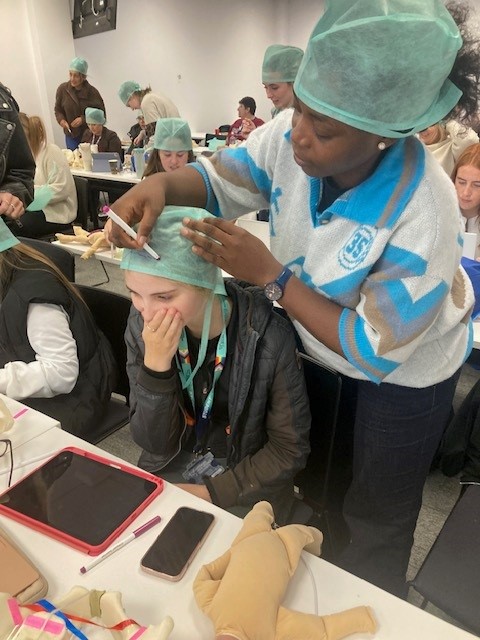
4
24
LJMU Making Midwives retweeted

23 Sep 2025
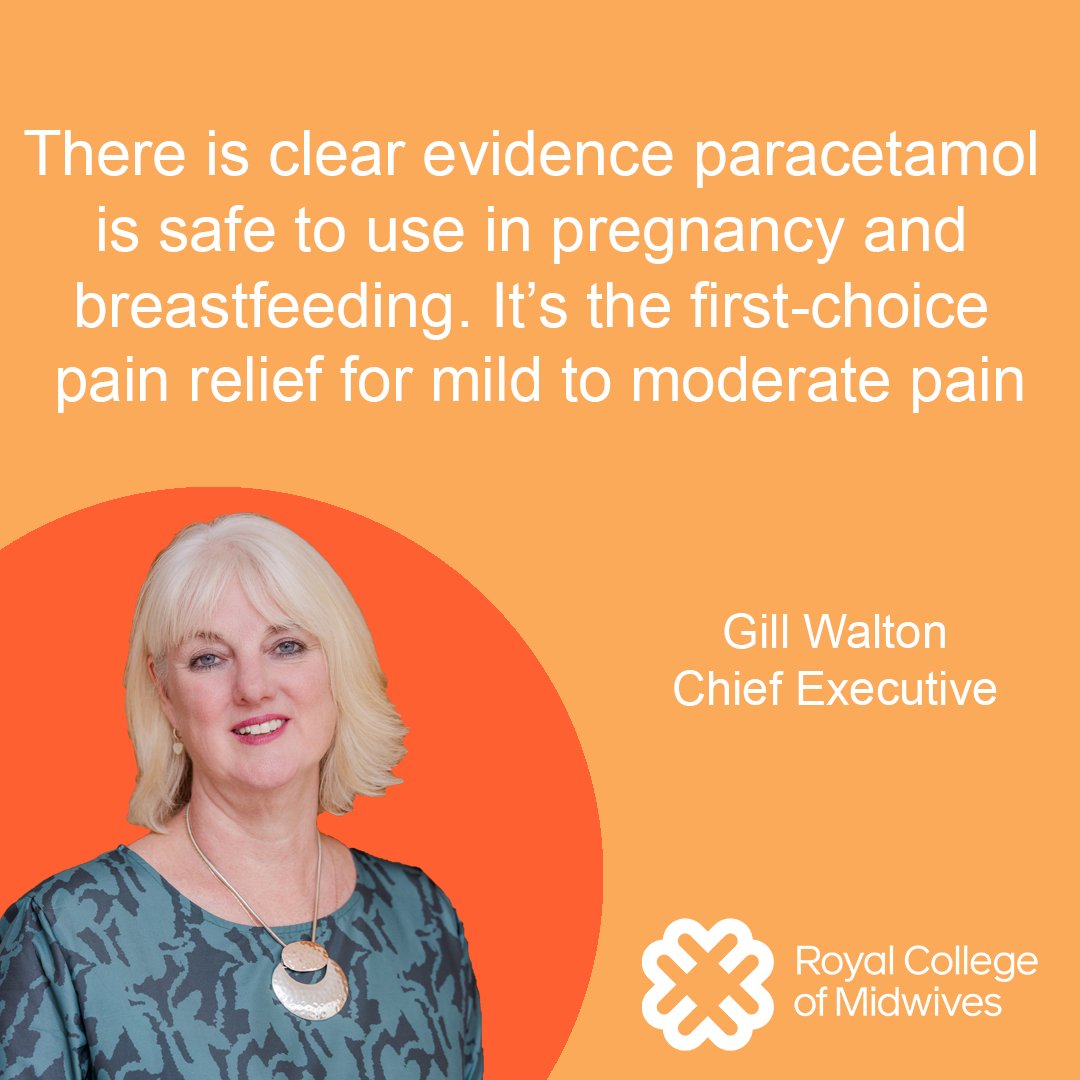
MHRA confirms taking paracetamol during pregnancy remains safe and there is no evidence it causes autism in children. Read more: bit.ly/4mFDBFK
3
19
24
1,884
LJMU Making Midwives retweeted

24 Sep 2025
WHO statement on autism-related issues
The World Health Organization (WHO) emphasizes that there is currently no conclusive scientific evidence confirming a possible link between autism and use of acetaminophen (also known as paracetamol) during pregnancy.
Globally, nearly 62 million people (1 in 127) have autism spectrum disorder, a diverse group of conditions related to development of the brain. Although awareness and diagnosis have improved in recent years, the exact causes of #autism have not been established, and it is understood there are multiple factors that can be involved.
Extensive research has been undertaken over the past decade, including large-scale studies, looking into links between acetaminophen use during pregnancy and autism. At this time, no consistent association has been established.
WHO recommends that all women continue to follow advice of their doctors or health workers, who can help assess individual circumstances and recommend necessary medicines.
Any medicine should be used with caution during pregnancy, especially in the first three months, and in line with advice from health professionals.
Also, a robust, extensive evidence base exists showing childhood vaccines do not cause autism. Large, high-quality studies from many countries have all reached the same conclusion. Original studies suggesting a link were flawed and have been discredited.
Since 1999, independent experts advising WHO have repeatedly confirmed that vaccines - including those with thiomersal or aluminum - do not cause autism or other developmental disorders.
Childhood vaccine schedules are developed through a careful, extensive and evidence-based process involving global experts and country input.
The childhood immunization schedule, carefully guided by WHO, has been adopted by all countries, and has saved at least 154 million lives over the past 50 years. The schedule remains essential for the health and wellbeing of every child and every community. These schedules have continually evolved with science and now safeguard children, adolescents and adults against 30 infectious diseases.
Every vaccine recommendation by the Strategic Advisory Group of Experts on Immunization (SAGE), an independent advisory group to WHO, is grounded in rigorous review of evidence and carefully designed to offer the best protection against serious diseases and to be delivered when most needed.
When immunization schedules are delayed or disrupted, or altered without evidence review, there is a sharp increase in the risk of infection not only for the child, but also for the wider community.
Infants too young to be vaccinated and people with weakened immune systems or underlying health conditions are at greatest risk.
Autism and neurodevelopmental disorders are among priority mental health and neurological conditions being discussed at the 4th UN High-Level Meeting on NCDs and mental health this Thursday, 25 September.
As a global community, we need to do more to understand the causes of autism and how best to care for and support the needs of autistic people and their families.
WHO is committed to advancing this goal working together with partners including autistic-led organizations and other organizations representing persons with lived experience.
WHO also stands with people who are living with autism and their families, a dignified community entitled to evidence-based considerations free of stigma.
Full statement: bit.ly/47YsgwI
596
1,675
3,828
802,226
LJMU Making Midwives retweeted
19 May 2025
We want to hear from final year midwifery students about their experience, thoughts and feelings surrounding finding a post-qualification job. The survey is short, will help influence our advocation and closes on 21 May 2025. Learn more: buff.ly/hUiTmNx

7
8
2,312
LJMU Making Midwives retweeted

21 May 2025
I am seeking election to @MidwivesRCM board bringing a wealth of knowledge and experience I am committed to ensuring that our midwifery profession is valued, our voices are heard, and that we continue to shape a future where midwifery thrives. Please vote for me! Thank you

2
6
284
LJMU Making Midwives retweeted

5 May 2025
Register now to join the free MBRRACE-UK online courses starting 2nd June 2025!
npeu.ox.ac.uk/mbrrace-uk/mbr…
6
11
1,276
LJMU Making Midwives retweeted
5 May 2025
Please join me next Tuesday (6 May) for International Day of the Midwife webinar, 'Midwives: Critical in every crisis'. Tickets are free, learn more and book yours here: buff.ly/4SrYu3m
@jacotton01 @wildman_melanie
2
3
8
302
LJMU Making Midwives retweeted

5 May 2025
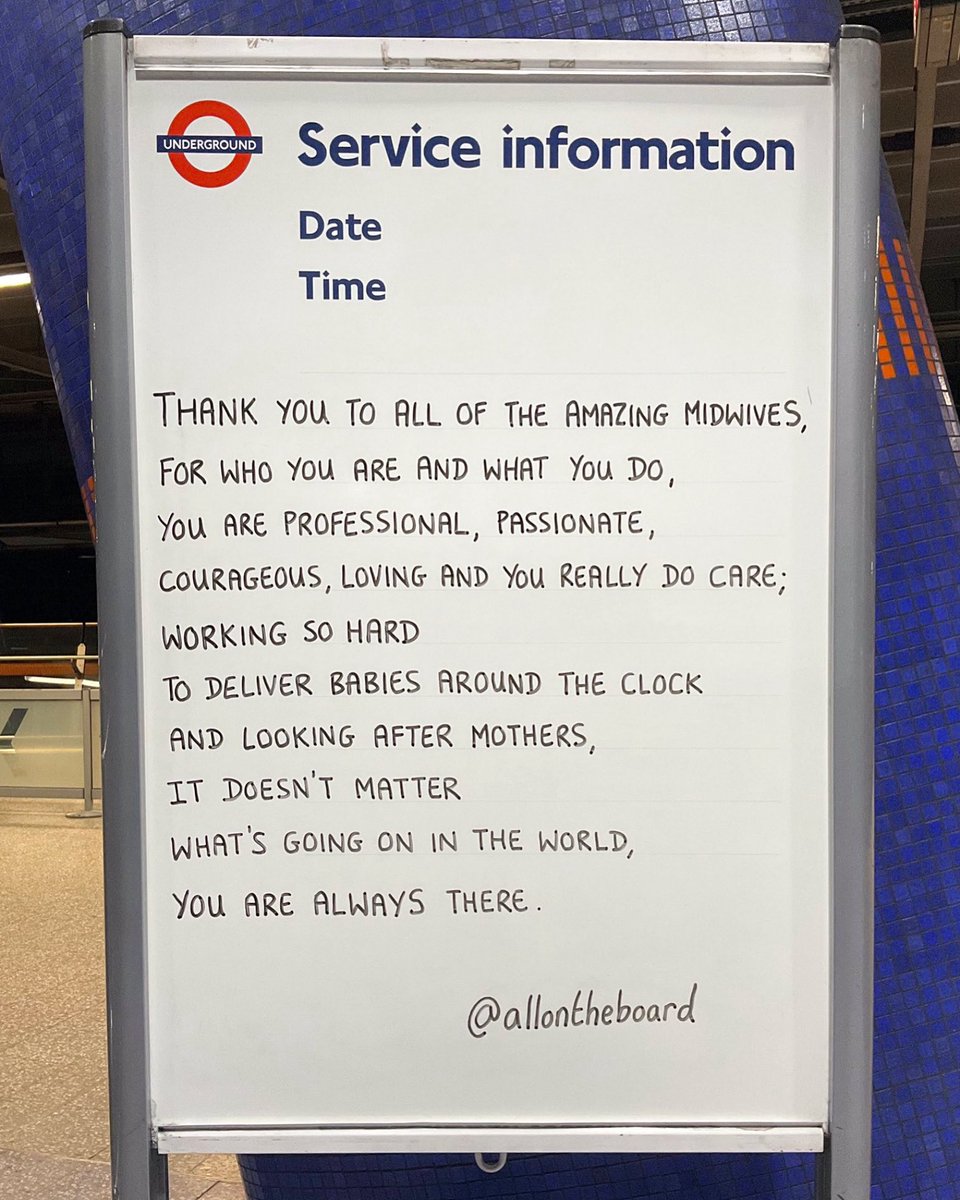
It’s International Day of the Midwife.
Thank you to all of the amazing midwives all over the world.
#InternationalDayoftheMidwife #IDM2025 #Midwife #MidwivesDay
8
107
700
25,312
LJMU Making Midwives retweeted

5 May 2025
Did you know that 40% of pregnant women and new mothers experience anxiety?
This Maternal Mental Health Awareness Week, watch our Ask the Expert webinar on anxiety and worry in pregnancy and motherhood👉 youtube.com/watch?v=16Xn8iZJ…
#MaternalMHMatters
3
6
572
LJMU Making Midwives retweeted
5 May 2025
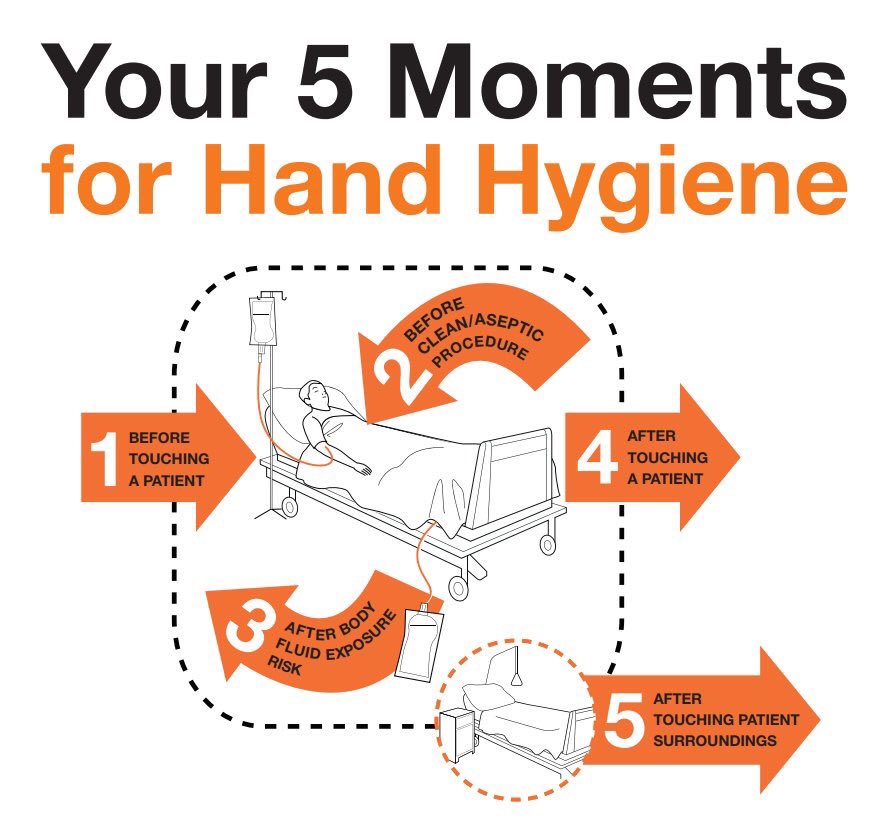
5 moments for #HandHygiene for safe health care
1. Before touching a patient
2. Before a clean/aseptic procedure
3. After body fluid exposure risk
4. After touching a patient
5. After touching a patient’s surroundings
#Handhygiene saves lives #WorldHandHygieneDay
11
104
219
44,870
LJMU Making Midwives retweeted
5 May 2025
Today we mark the International Day of the Midwife and this year's theme is Midwives: Critical in Every Crisis. 'Across the continents and time zones , midwives will be examining this question but also celebrating being midwives' @world_midwives
3
28
74
2,632
LJMU Making Midwives retweeted

29 Nov 2023
Famous #midwife alert - yesterday @ljmu we had a visit from Rosemary Mander, charming, humble, inquiring- her work on ‘loss and bereavement in childbearing’ was groundbreaking and a game changer for many @VemFleming @MakingMidwives @TinaSouth3 #midwifery #pregnancy
1
2
18
1,390
LJMU Making Midwives retweeted
6 Aug 2023
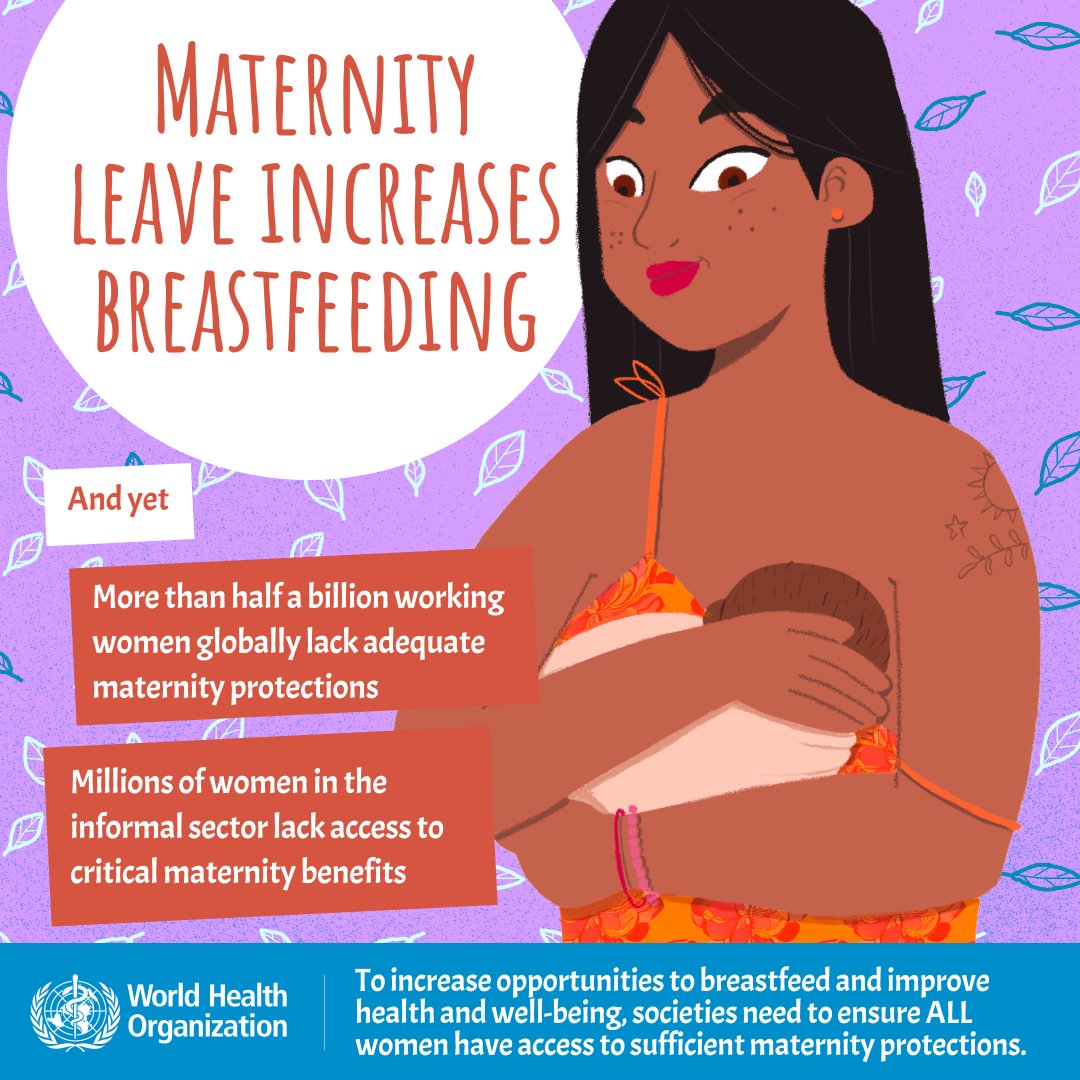
Effective maternity protections improve children’s and women’s health and increase breastfeeding.
And yet, at present, more than half a billion working women lack access to vital maternity provisions; many more find themselves unsupported when they go back to work 👉bit.ly/3JVDyoF #WorldBreastfeedingWeek
48
176
462
178,805
LJMU Making Midwives retweeted

7 Aug 2023
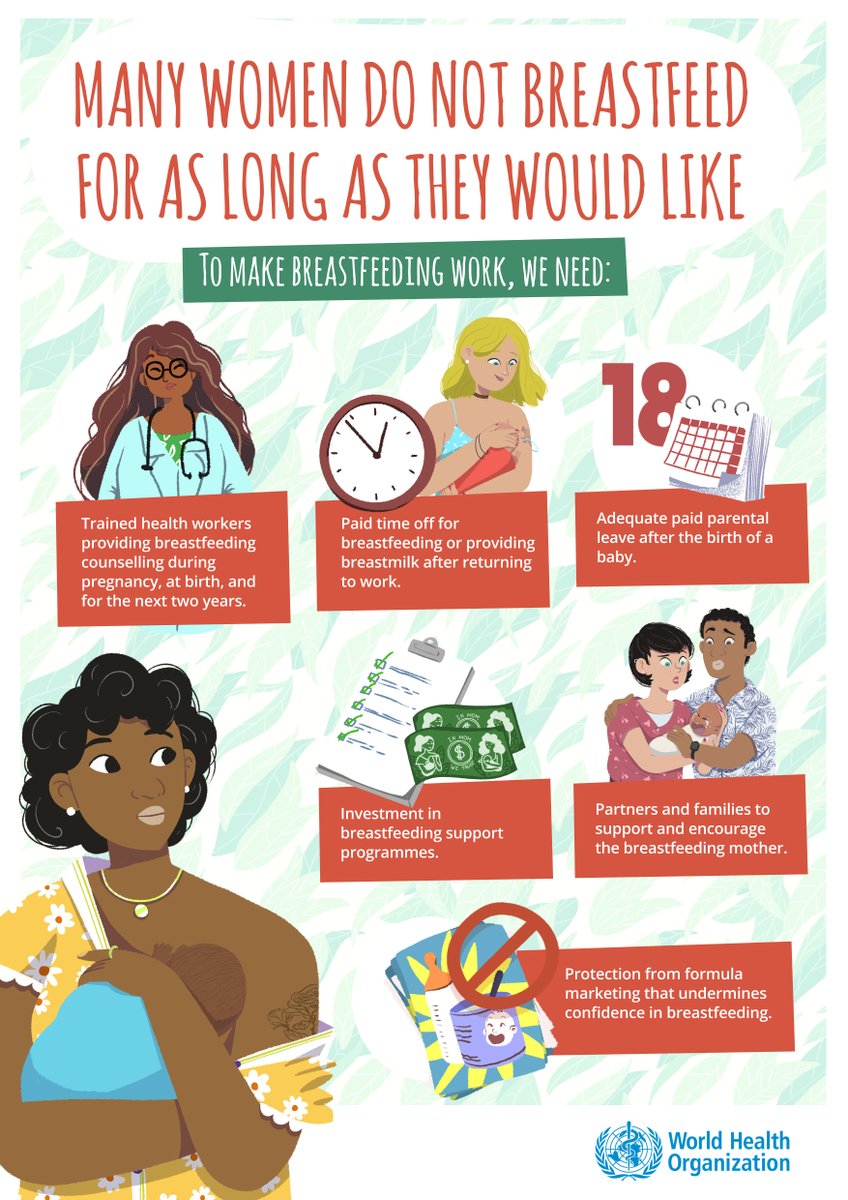
In the UK, only 1% of mothers meet the WHO recommendation of exclusively breastfeeding at 6 months of age, despite many mothers wishing to do so and stopping breastfeeding before they had planned to.
More support is needed for women to meet their breastfeeding goals!
#WBW2023
3
45
92
10,874