Joined December 2015
- Tweets 10,652
- Following 475
- Followers 246
- Likes 216,726
244 Photos and videos






Pinned Tweet

9 Nov 2024
Learning is my superpower. This whole year has been a blessing because I was able to practice humility. It will be more of the same in 2025, we will lead with curiosity.
281
Chinua O. retweeted

Apr 10
Giving homage to one of my inspirations for my upcoming album.
All I do is- Stevie Wonder
31
584
3,120
73,039
Chinua O. retweeted

Apr 5
🇧🇫 Burkina Faso's Ibrahim Traoré on “Democracy”:
“If someone just comes up to you and starts talking to you about democracy, you'd better run, because democracy kills”
“Is that what we want? Democracy, where children are being killed, bombs are being dropped, women are being killed, people are being killed, hospitals are being destroyed, civilians are being killed. Is that what democracy is?”
“They act as if they don't see it. There they are with their eyes closed. Young Africans must understand that this notion of democracy is false; it is false. It is just a stick that people hold and use against Africans and certain peoples — that is all. We must forget this notion of democracy; we must embrace the revolutionary spirit”
42
735
1,834
129,609
Chinua O. retweeted

Apr 4
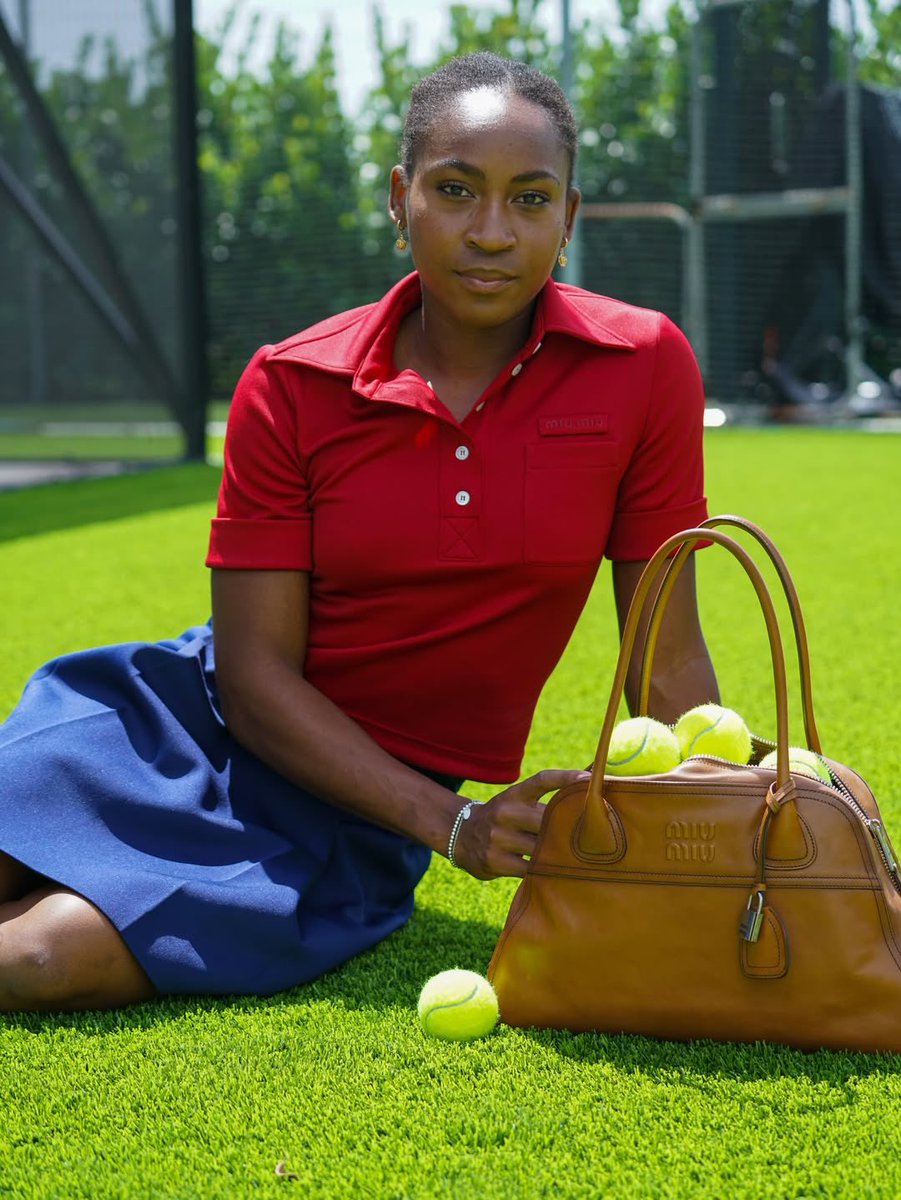
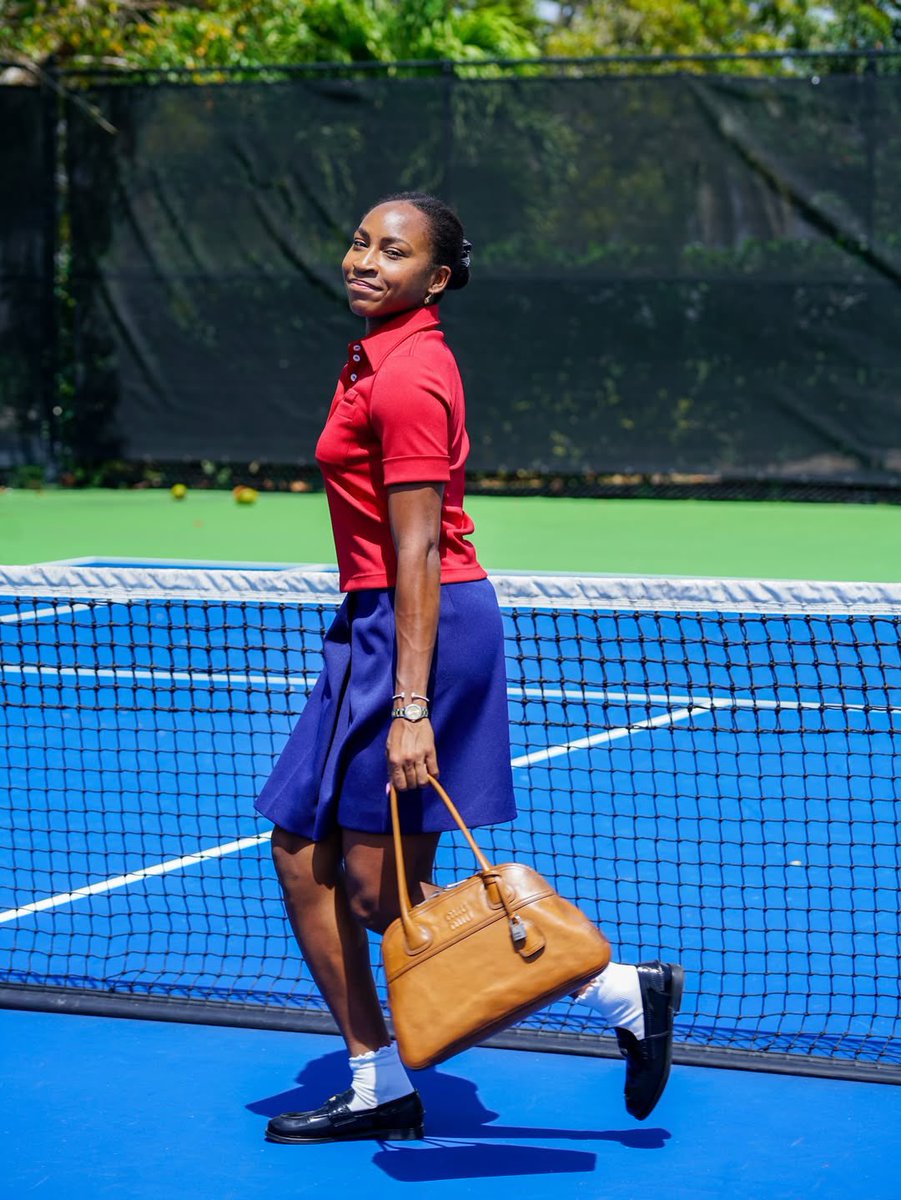
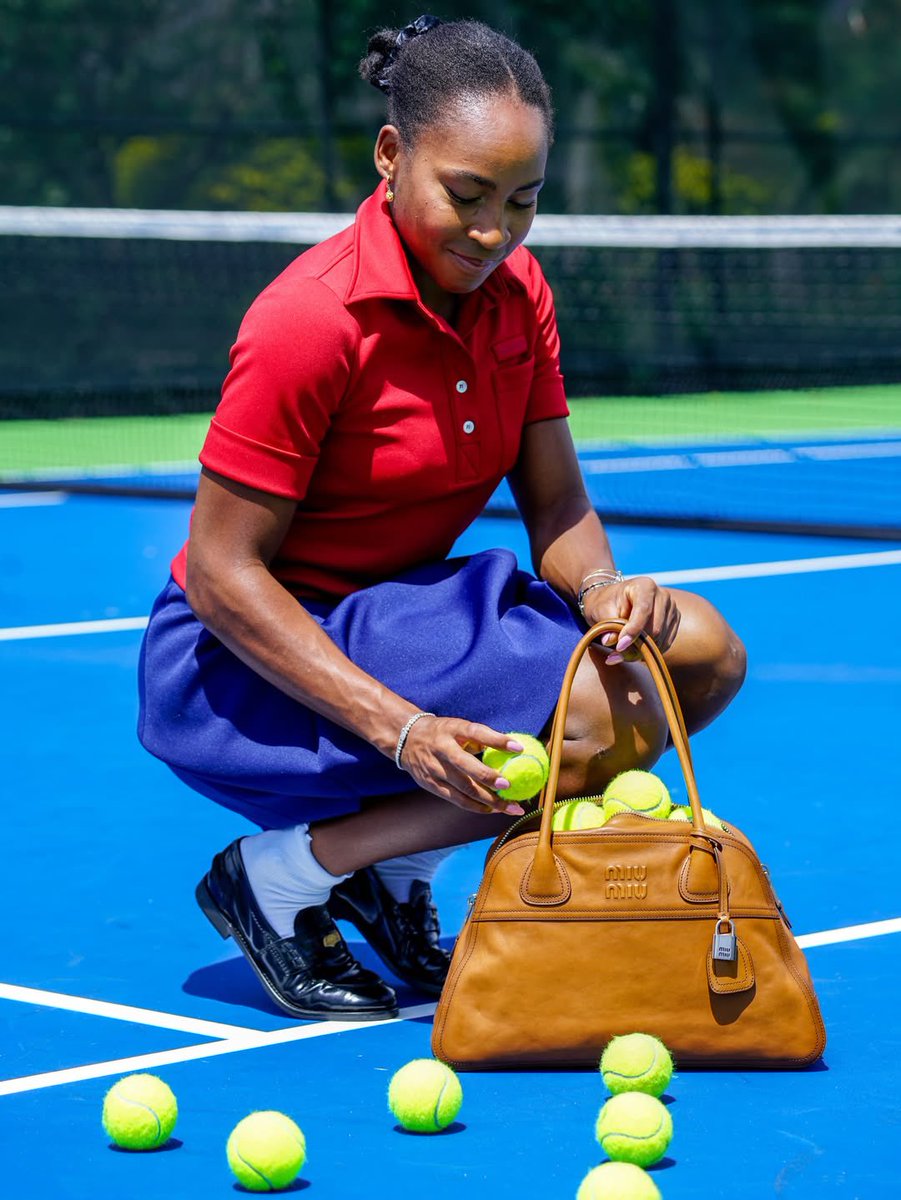
y’all might need to go to therapy and check why Coco Gauff’s natural hair got y’all in a tizzy. She looks beautiful.
9
462
3,013
49,428
Chinua O. retweeted

Apr 5
There's not one black man on this earth who will have a problem with this picture btw

48
570
4,091
149,448
Chinua O. retweeted

Apr 4
After witnessing flagship Western press orgs lie to your face about easily verifiable events to protect govs that are invading sovereign states & committing genocide, why do you believe these folk are telling you the truth about conflicts in inaccessible parts of West Africa?
3
116
272
5,501
Chinua O. retweeted

Apr 2
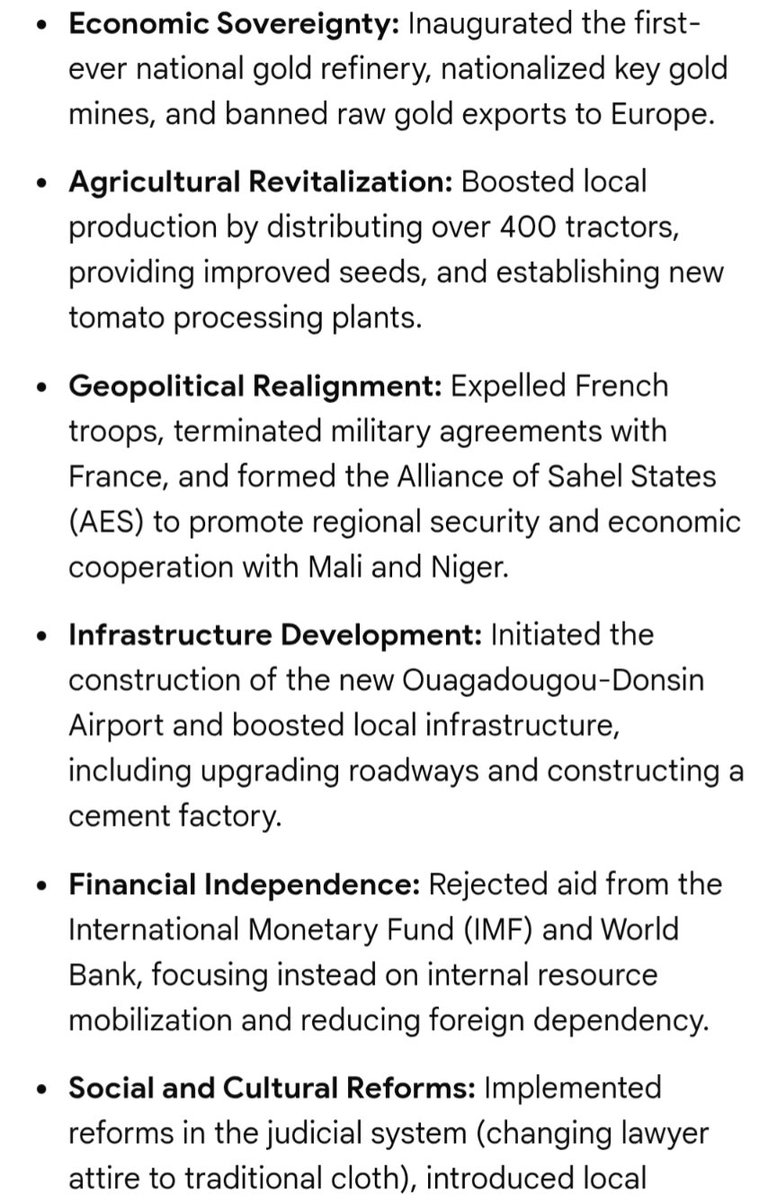
This hit piece on Traorè is a reminder that BBC Africa is an imperialistic mouthpiece for the West. You can do a simple Google search to look up the achievements he has made for people.
Apr 2

More than 1,800 people have been killed since Ibrahim Traoré took power in Burkina Faso, in acts amounting to "war crimes and crimes against humanity" according to a new report by Human Rights Watch, who say military leaders and jihadists "may be liable".
bbc.in/419qNyY
14
101
243
5,770
Chinua O. retweeted

Apr 2
It blows my mind how often indigenous communities have already solved many of the problems we're facing.
They keep trying to sell us some bullshit to fix a problem that they're making when collectivism was, is, and always will be the answer.

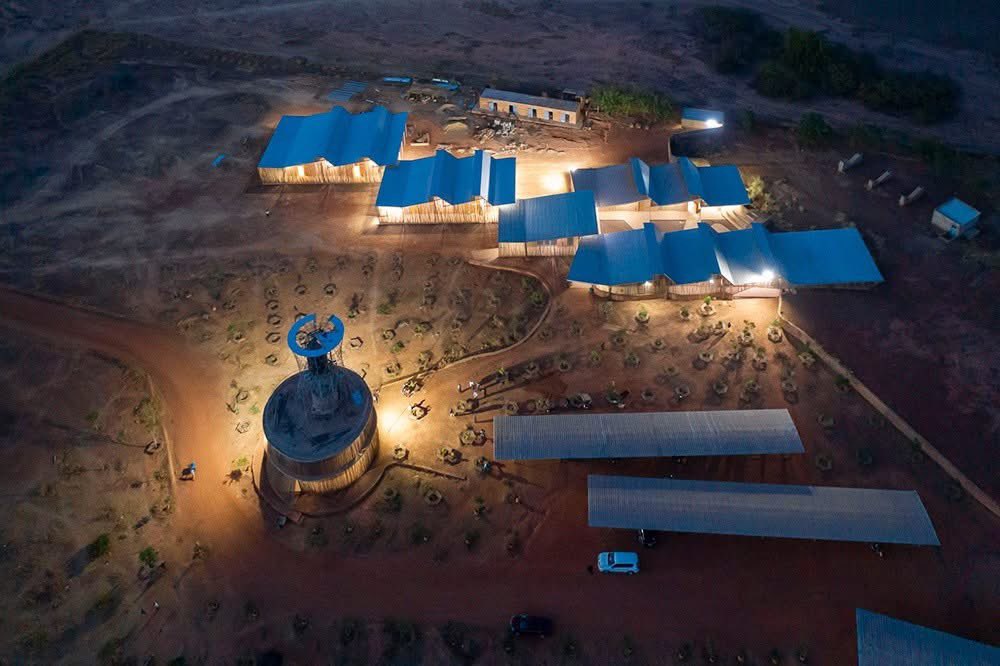
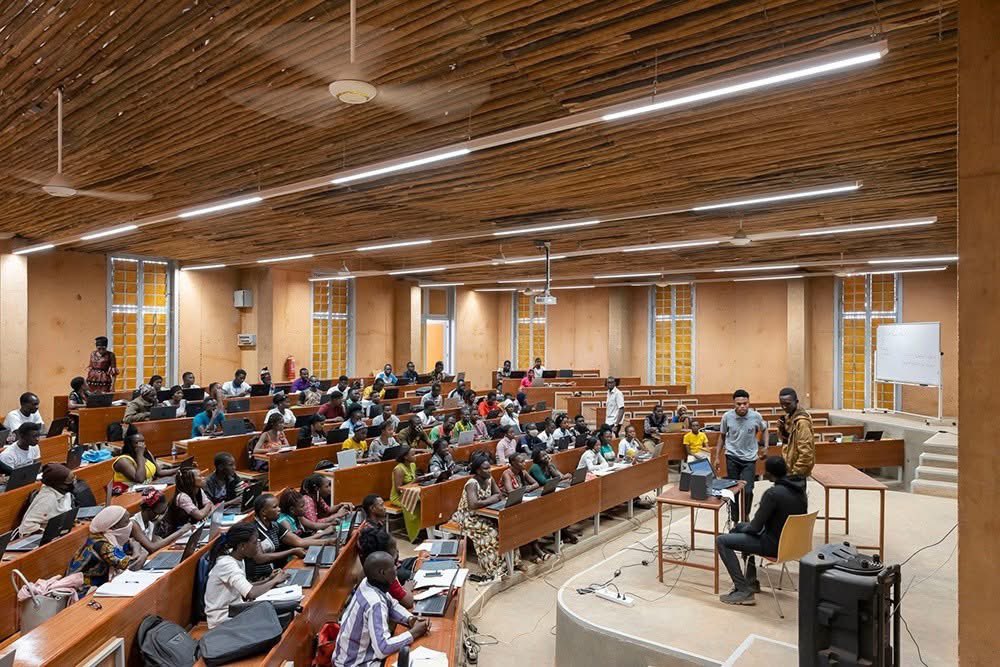
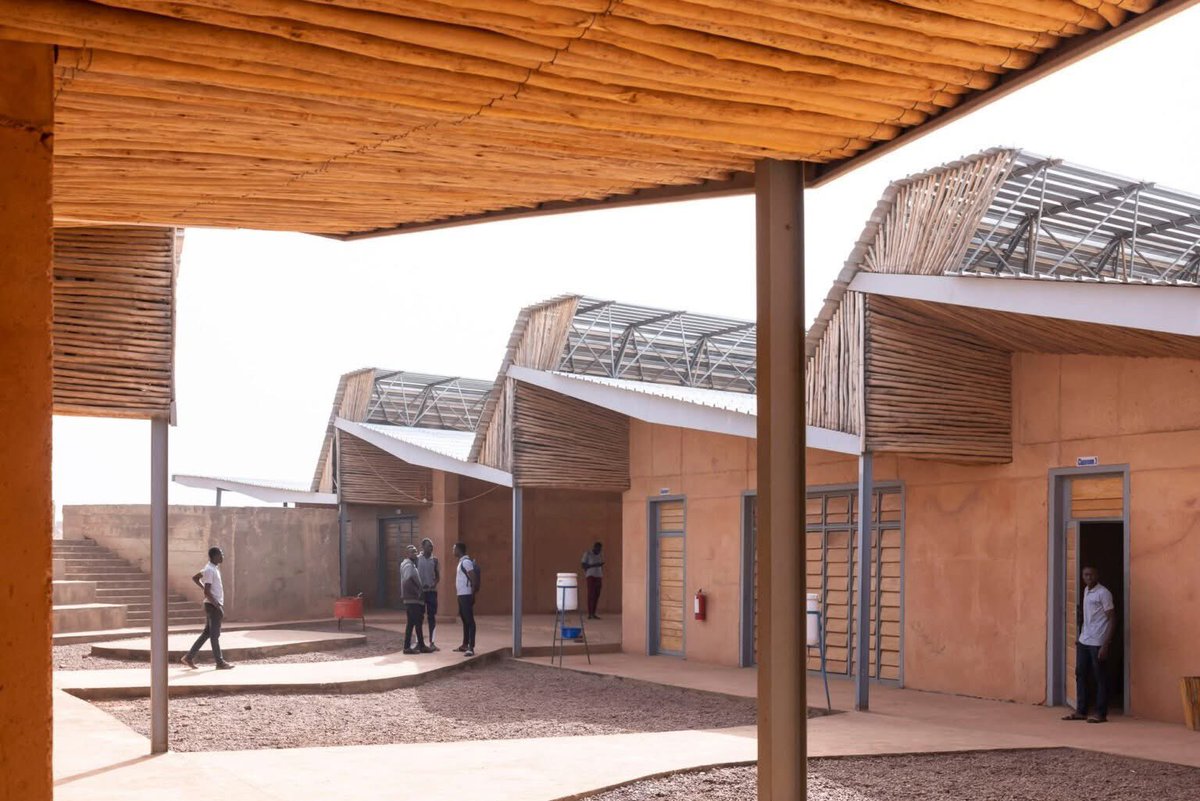
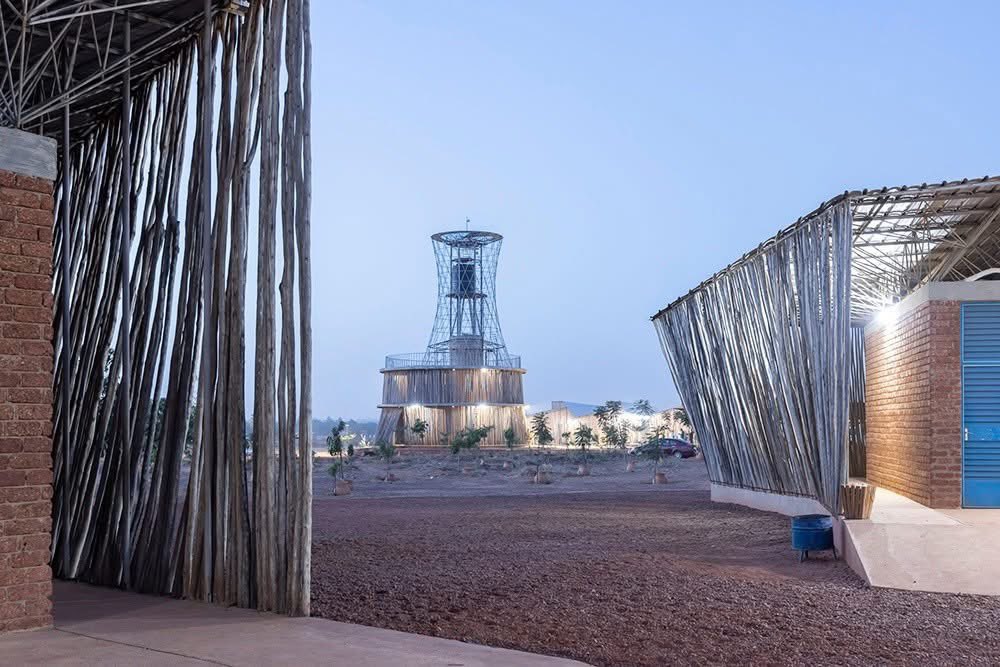
Burkina Faso is one of the hottest countries on earth, yet 500 students are learning in full thermal comfort, no air conditioning required.
This school’s thick clay walls absorb the heat, while elevated steel roofs push it out. Eucalyptus ceilings, local labor, rainwater harvesting, everything possible came from what was already there.
This is a technology institute built with the technology that suits our climate and needs. The West calls it “low-tech.” Africans call it working with your climate, not against it.
📍 Burkina Institute of Technology, Koudougou, Burkina Faso
🏛 Kéré Architecture
📷 Iwan Baan
3
395
1,434
25,935
Chinua O. retweeted

Apr 2
Aren’t you ashamed of your selective use of international law?
Killing children, medical staff, and civilians is a clear violation of international law.
The USA and Israel regimes are doing so.
Did you even know that?

Good call yesterday with @Keir_Starmer.
We discussed the situation in the Middle East and the Strait of Hormuz.
Iran’s actions are putting global economic stability at risk.
We will work with our partners to ensure freedom of navigation can resume as soon as possible.
We also discussed the upcoming EU-UK Summit.
A key moment to deliver on last year’s commitments and further strengthen our partnership.
223
4,529
17,618
229,665
Chinua O. retweeted

Apr 2
We will not be driven back to the Stone Age by your bombings.
We are a nation with 7,000 years of civilization.
History knows us well.
What is clear is this: it is YOU who have carried the killing of children and crimes against humanity from the Stone Age into the modern world.
476
3,714
18,247
229,230
Chinua O. retweeted

Apr 2
Over 10,000 blonde-haired, blue eyed white girls kidnapped, raped, killed, seasoned with cilantro, and spit roasted into human jerky on Epstein Island since Jewish paedophile cult seized power across entire western world, declassified FBI documents say.
vault.fbi.gov/jeffrey-epstei…
Apr 2

Over 1,800 killed since junta seized power in Burkina Faso, rights group says bbc.in/4sedBUH
107
3,367
9,176
224,207
Chinua O. retweeted

Mar 28
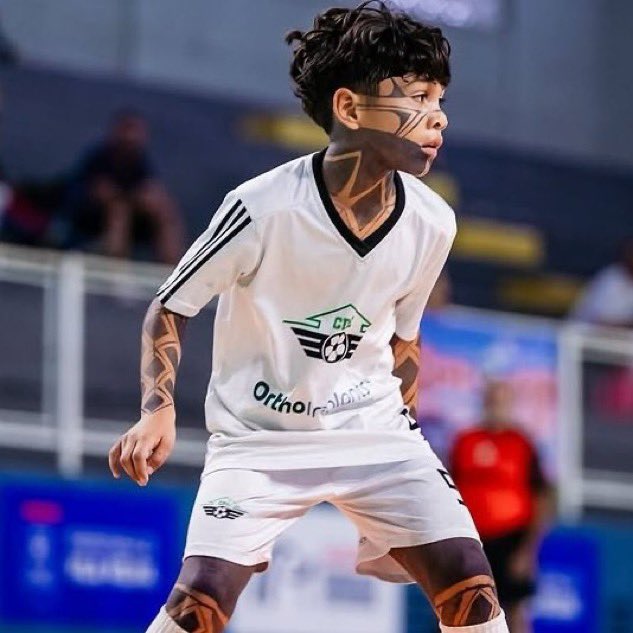
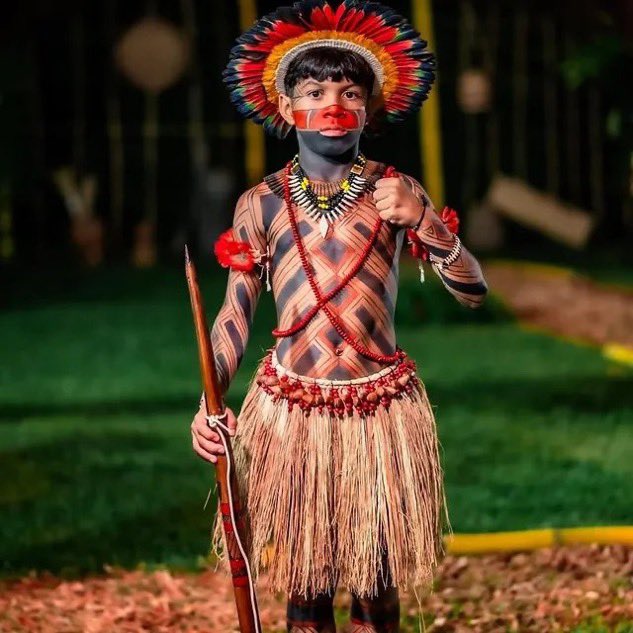
🚨 INCROYABLE !
Bryan Pereira : jeune joueur de l’équipe brésilienne U10 se peint le corps avant chaque match pour rendre hommage à la culture indigène de sa famille 🙏🏻
C’est l’unique footballeur dans le monde à faire cela…
137
2,887
35,374
3,012,735
Chinua O. retweeted

Mar 28
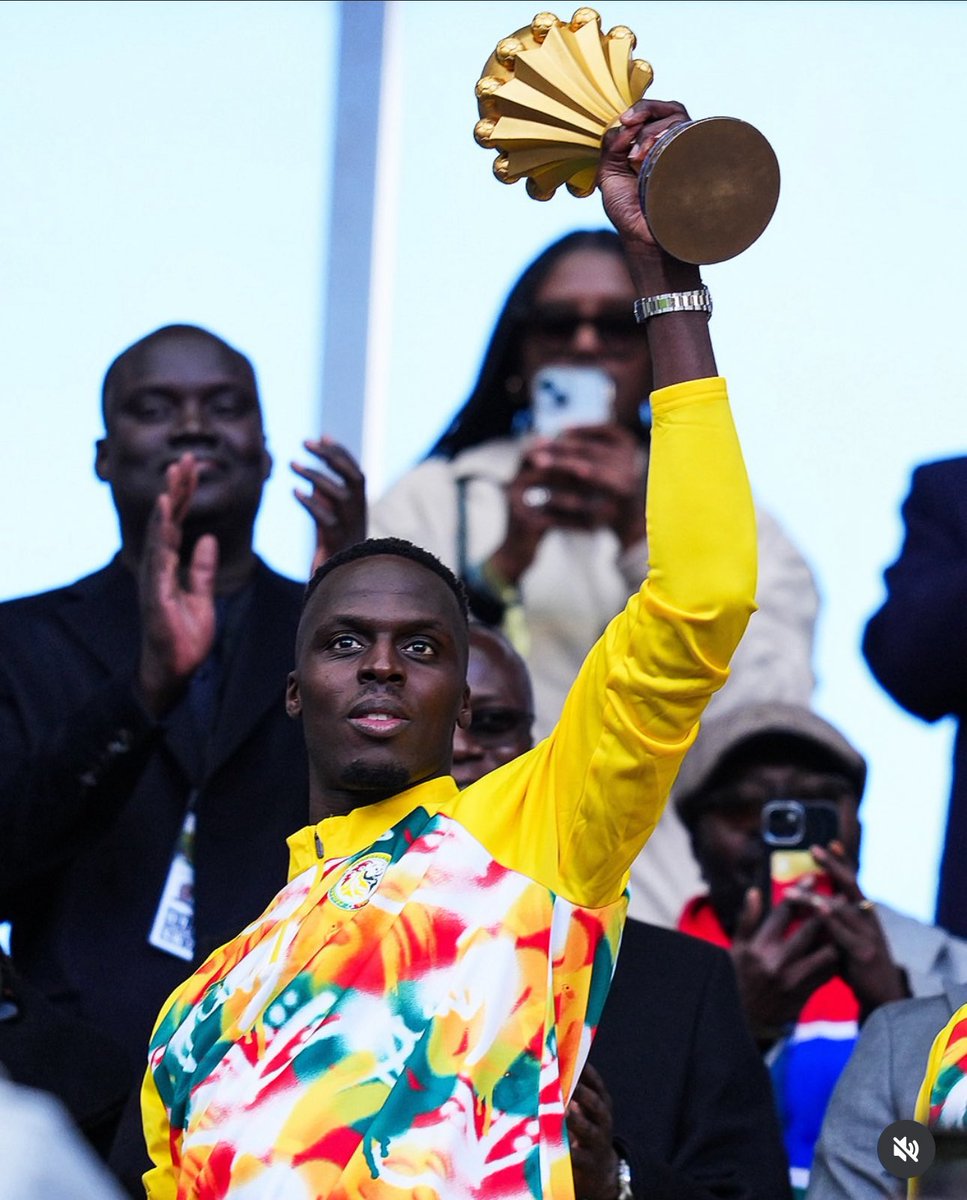
La mémoire d’un peuple ne se corrige pas.
Nous continuerons à défendre ce que nous avons gagné.
Pas par arrogance, mais par respect pour le jeu Et pour la vérité.
🇸🇳🏆⭐️⭐️
650
5,580
26,113
379,062
Chinua O. retweeted

I’m so happy I grew up with anime where animation wasn’t the only reason we liked a series

198
3,727
52,057
1,036,251
Chinua O. retweeted

Right then, his phone rang. He smiled like a kid. “My queen is calling. She’s waiting for me.”
As he walked to his car, he left me with one last bit of truth:
“If you marry well and right as a man, you’ll live a long life.
26
83
3,624
400,341
Mar 22
Black ppl 🤣🤣🤣💕
7 May 2024

Peter Parkers coworkers when he first started submitting photos at the Daily Bugle 📷
16
Chinua O. retweeted

Diaspora wars are so fucking stupid. You will never get me to dislike another Black person because they came from a different country than me. We ALL are victims of White Supremist systems. Doesn't matter if you're in Europe, North America, Asia, Africa or the Caribbean.
289
1,668
6,768
134,421
Chinua O. retweeted

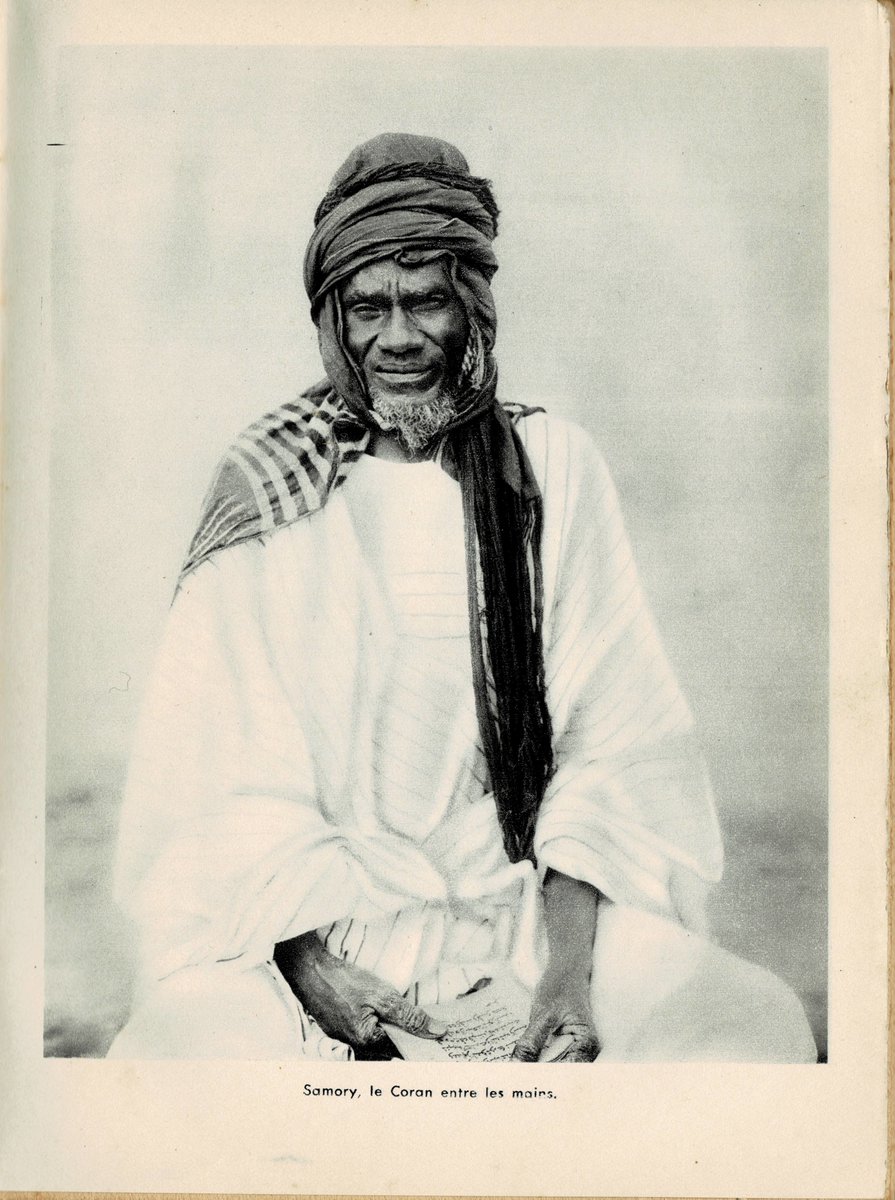
This is Samori Toure.
Samori was born in 1830.
He was the son of a weaver.
But by the time he was 40, he ruled an empire stretching across West Africa and for 16 years, he held the entire French colonial army at bay.
How he got there tells you everything about the man he became.
In 1853, his mother was seized by a rival clan.
Samori had no money for a ransom so he walked into the enemy's territory and offered himself in her place.
They accepted. He served his enemy for 7 years.
And in those 7 years, he learned everything he needed to know:
• He learned to handle firearms.
• He learned military discipline.
• He learned the arts of war.
When he was finally freed, he left with one goal:
To build something no one could ever take from him again.
By 1878, he had done it.
He had built an empire of 30,000 infantry and 3,000 cavalry stretching across what is now Guinea, Mali, Sierra Leone, and Côte d'Ivoire.
He did it through a combination of military genius and diplomacy.
Then France arrived.
In 1882, French Colonel Borgnis-Desbordes marched on Samori's territory.
The French troops had the most advanced weapons on earth.
Samori's sofas charged in their traditional formation.
It was a massacre.
But Samori adapted.
Within days, he had switched to guerrilla tactics:
• Hit-and-run cavalry strikes.
• Ambushes.
• Scorched earth.
He harassed the French all the way back to the Niger river.
Word spread across West Africa:
There was a man who could fight the French and win.
Recruitment surged.
But here's what made Samori truly different:
His blacksmiths.
He knew he couldn't rely on buying weapons forever.
So he put his smiths to work on captured French rifles.
And they learned to build them from scratch.
By 1887, his army had a three-tier weapons system:
• Elite troops with modern repeater rifles.
• A second tier with bolt-action rifles, conquering new territory to the east.
• A third tier with flintlocks, holding the interior.
He had built an arms industry in the middle of a war.
In 1891, France lost patience.
Colonel Archinard marched on Samori's capital, expecting to end it in weeks.
Samori didn't fight him for it.
Instead, he made the most extraordinary decision in the history of African resistance:
He picked up his entire empire and moved it.
120,000 people marched east, burning everything behind them so the French would inherit nothing, while simultaneously fighting a rear-guard war.
And conquering new territory ahead.
For 7 years, he kept this up.
The French could never pin him down.
He was finally captured on September 29, 1898.
A French captain used information from deserters to find his camp at dawn.
Samori was taken without a fight.
He was 68 years old and had been at war for 16 years.
The French exiled him to Gabon to a prison camp on a small island in the middle of the Ogooué River.
The locals called it the "dry guillotine" because of how many prisoners died there.
Samori Ture died of pneumonia on June 2, 1900, less than 2 years after his capture.
Samori became a symbol of resistance across the continent.
His great-grandson became Guinea's first president after independence.
Author Ta-Nehisi Coates named his son Samori, and explained why in his book Between the World and Me.
A man born to a weaver with nothing held the most powerful colonial army on earth at bay for 16 years.
Remember his name.
16
196
508
14,045
Chinua O. retweeted

🔴A Nobreza do Amor: Brazil’s New Television Show Connects the Afro-Brazilian Experience to Africa’s Portuguese Speaking Worlds
When A Nobreza do Amor (The Nobility of Love) first aired on March 16, 2026 (16 de março de 2026), it opened an important conversation about history, memory, and the meaning of diaspora. Set between the fictional African kingdom of Batanga and rural Brazil, the show follows Princess Alika, who is forced to flee to Brazil with her mother after a coup seizes power in her homeland. There, under a hidden identity, she falls into a story of love, exile, and struggle, especially through her connection with Tonho, a humble sugarcane worker who dreams of land and justice for his people. By linking Africa, migration, and Afro-Brazilian life, the show raises larger questions about identity, displacement, and the ties between Brazil and the African world.
The significance of a show like this lies in the way it reconnects Afro-Brazilian identity to Africa, reminding viewers that the Black diaspora is not only a Black American story. Brazil is home to one of the largest Black populations outside Africa, and its history is deeply tied to African peoples, cultures, and traditions carried across the Atlantic through slavery, resistance, migration, and survival. That also means remembering that the Black diaspora includes the often less visible Portuguese-speaking African world, including Angola, Mozambique, Guinea-Bissau, Cape Verde, and São Tomé and Príncipe, along with other African societies shaped by Portuguese colonial rule.These histories are part of the wider Black diasporic experience and cannot be separated from Afro-Brazilian life. In that sense, A Nobreza do Amor matters because it helps bring those connections into public view through popular media.
At the same time, we should not romanticize African kings and queens just because television presents them as noble or glamorous. From a class perspective, royalty is still part of a system of hierarchy and power. Africa’s history is not only the story of rulers, but of ordinary people, workers, peasants, the oppressed, and those who struggled from below. The real question is not just who wore the crown, but who held power, who did the labor, and who paid the price. Africa’s past, like every past, should be seen honestly, not turned into a fantasy. @coimbrasousa @MouroRevista @AmeniCaue
Mar 18

A atriz, cantora e compositora angolana @COLDJAS_ , também conhecida, estreou na novela “A Nobreza do Amor”, exibida pela TV Globo, e emocionou o público ao trazer um forte elemento cultural logo na sua primeira aparição.👨🏿💻‼️
14
411
2,612
100,335
Chinua O. retweeted

I love being an Arsenal fan. I tell people that know nothing about Arsenal that supporting them emulates the black experience and it's because we are the culture club
No one wants to see you succeed but you go against the odds anyway. It enrages people different and I love it

We’re the envy of world football and always have been. No European Cup. No title in over 20 years. Yet everyone is obsessed and can’t keep us out of their mouth? A club with depth, values, tradition, culture, diversity, elegance, and style that people just envy.
2
38
200
17,120
Chinua O. retweeted

Mar 19
This isn't God's plan for me and my brothers.
Mar 19

a relationship only works if the girl is kinda mean to her man
96
8,249
25,820
496,385